





Choose the right machine for the work you actually do
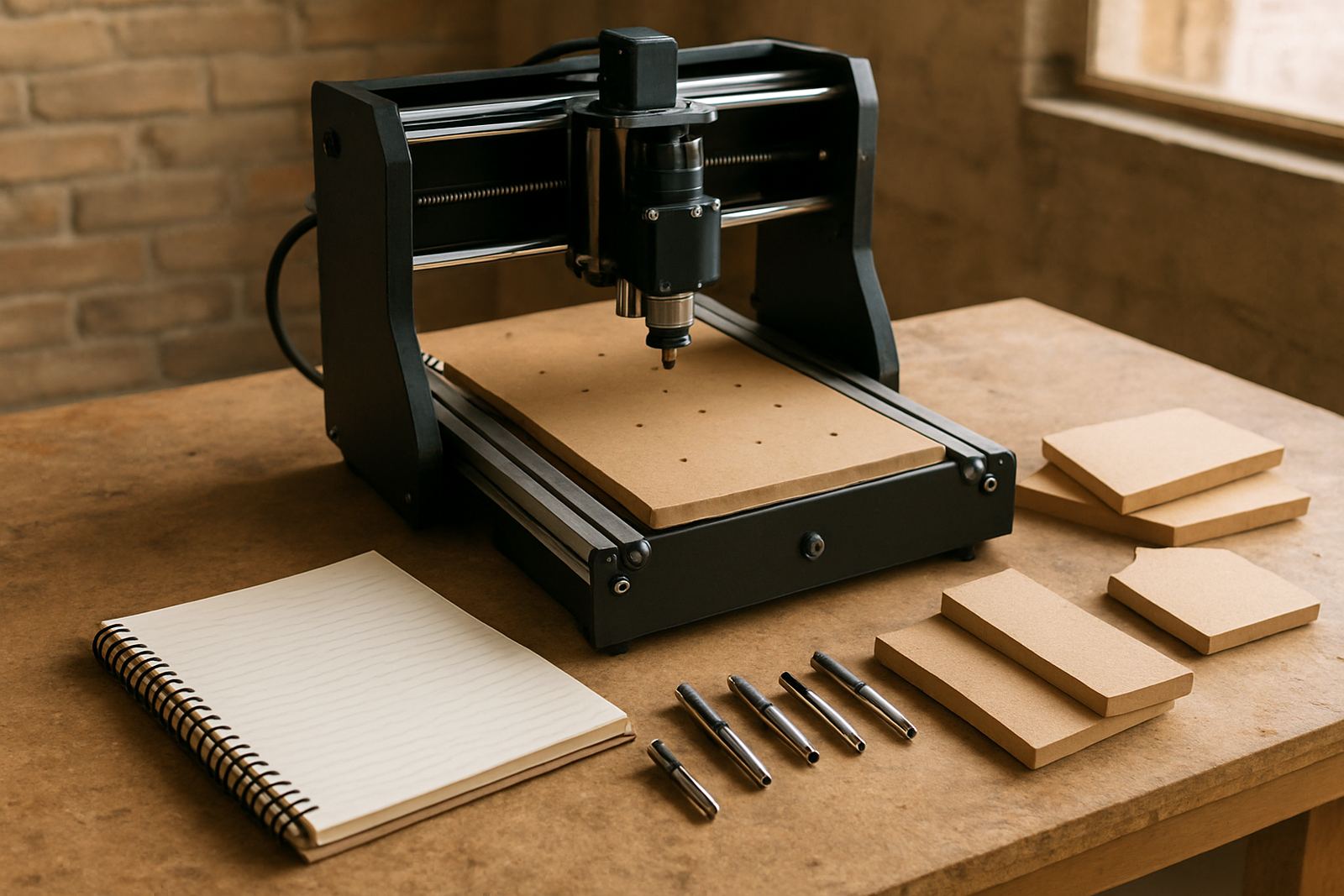
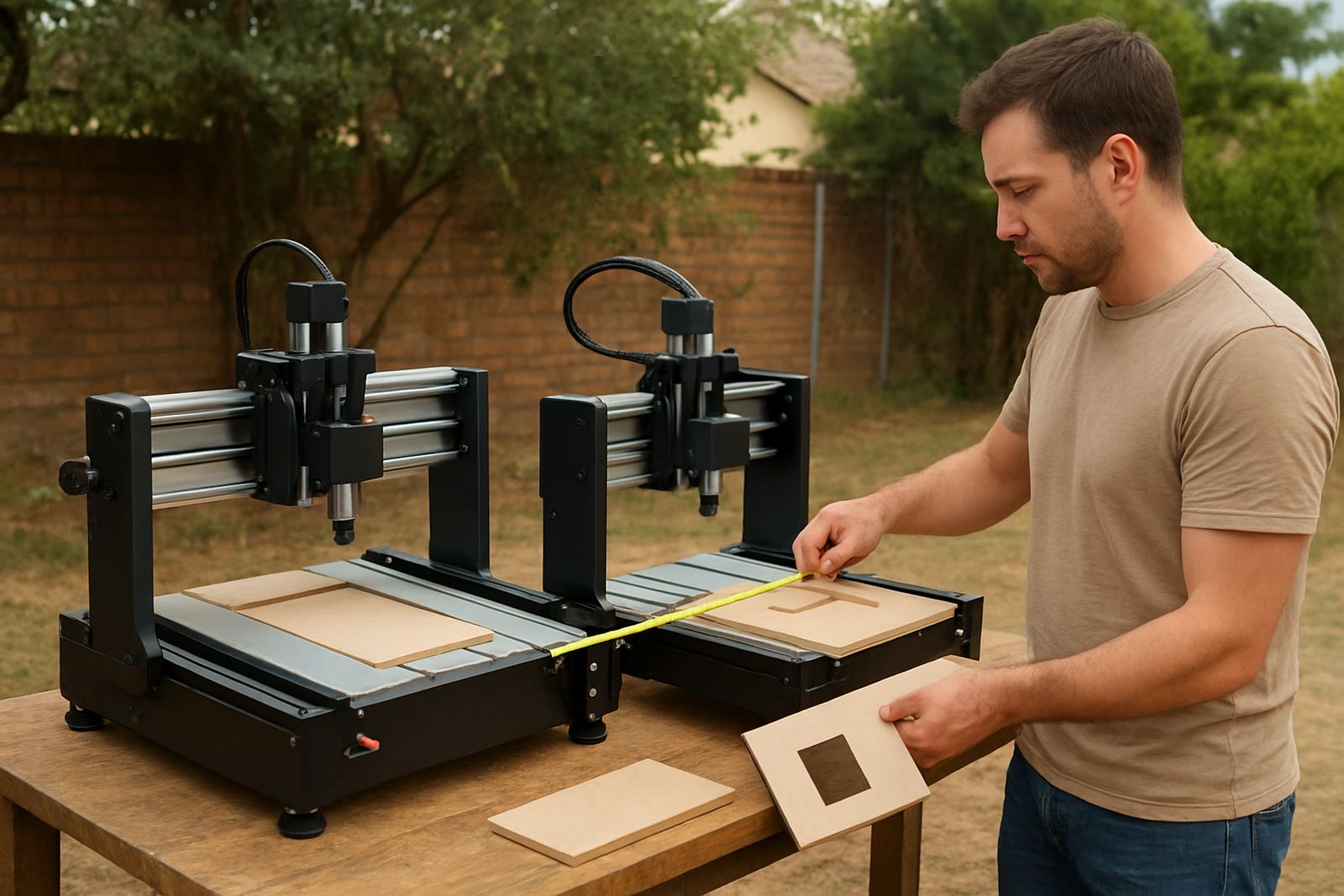
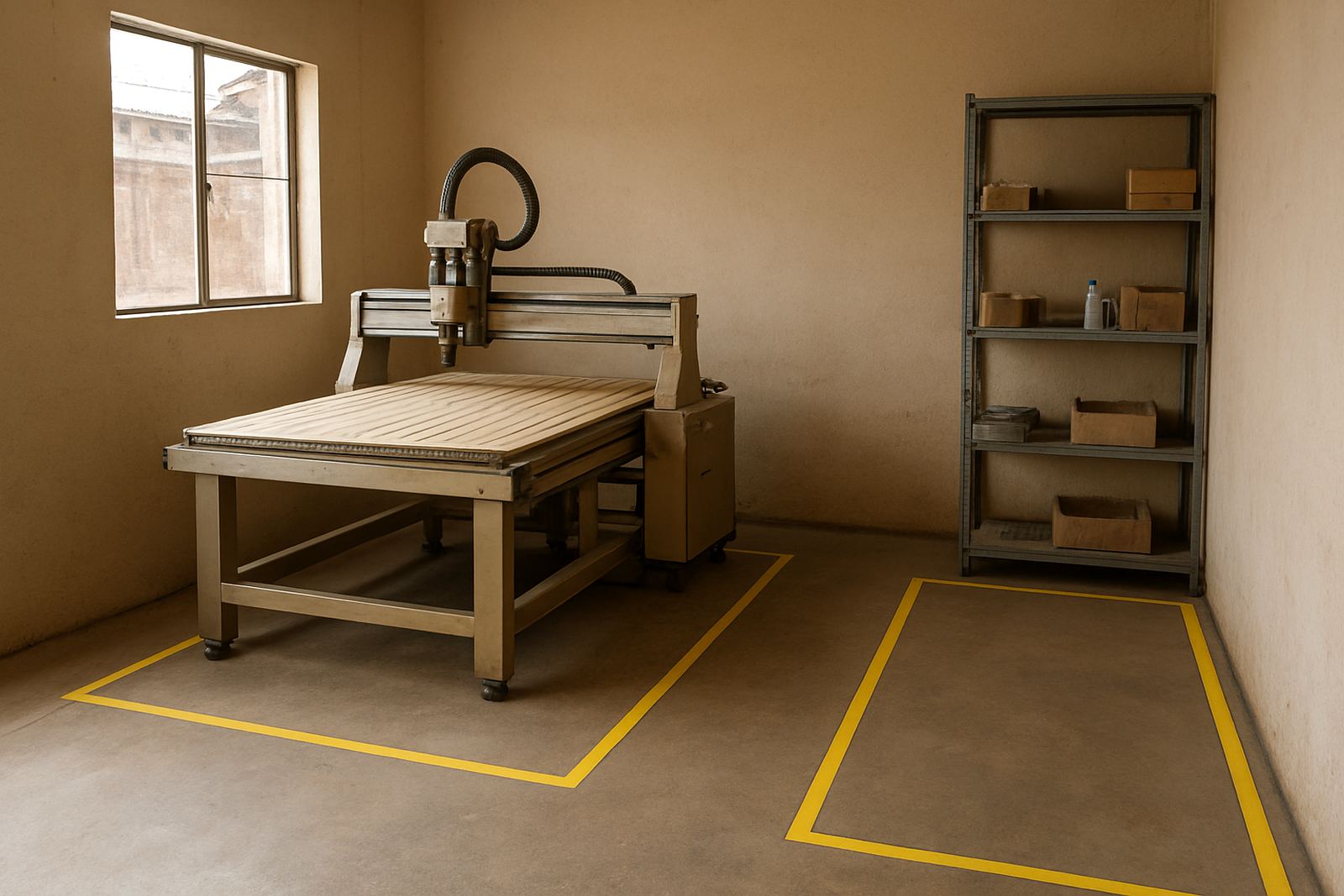
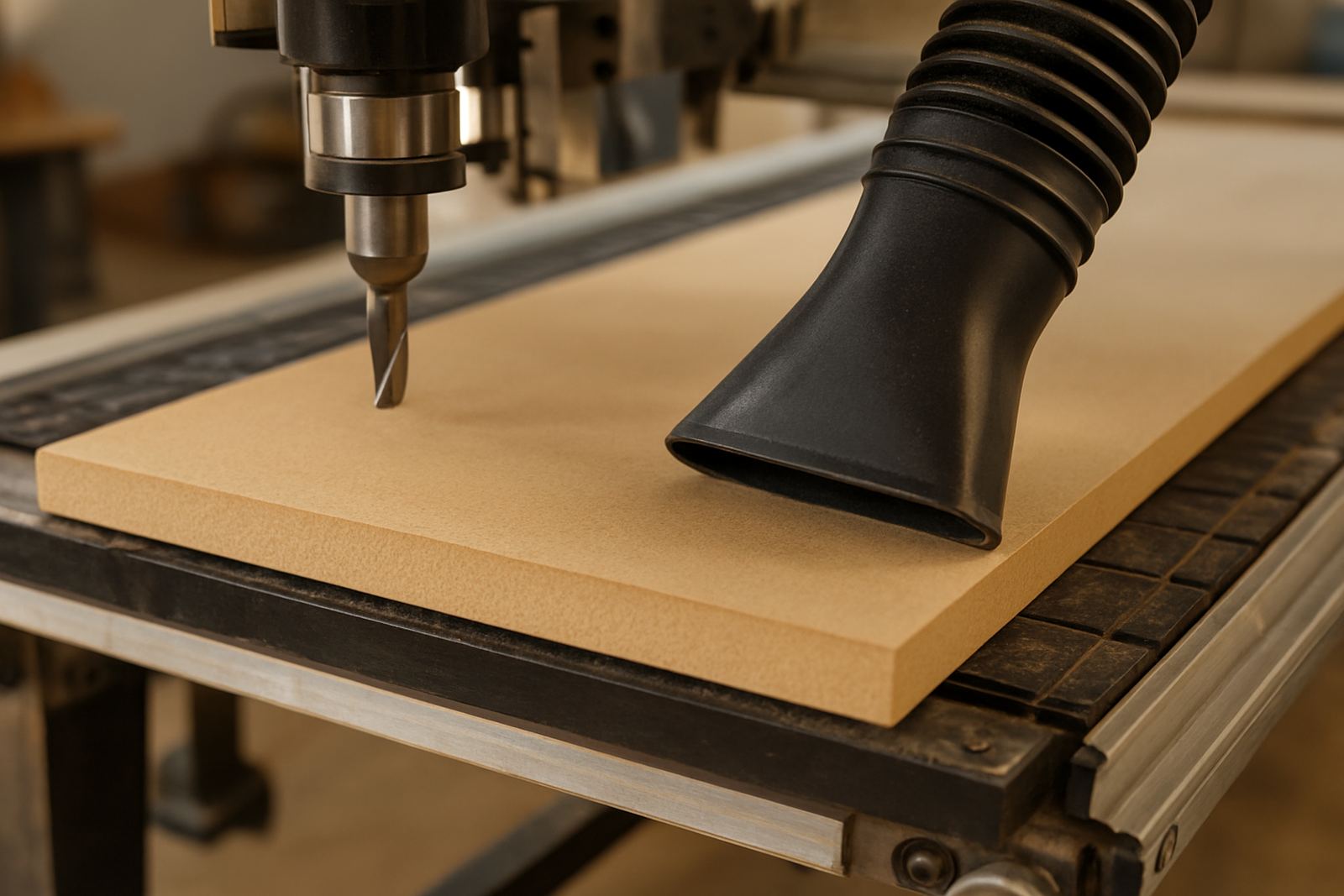
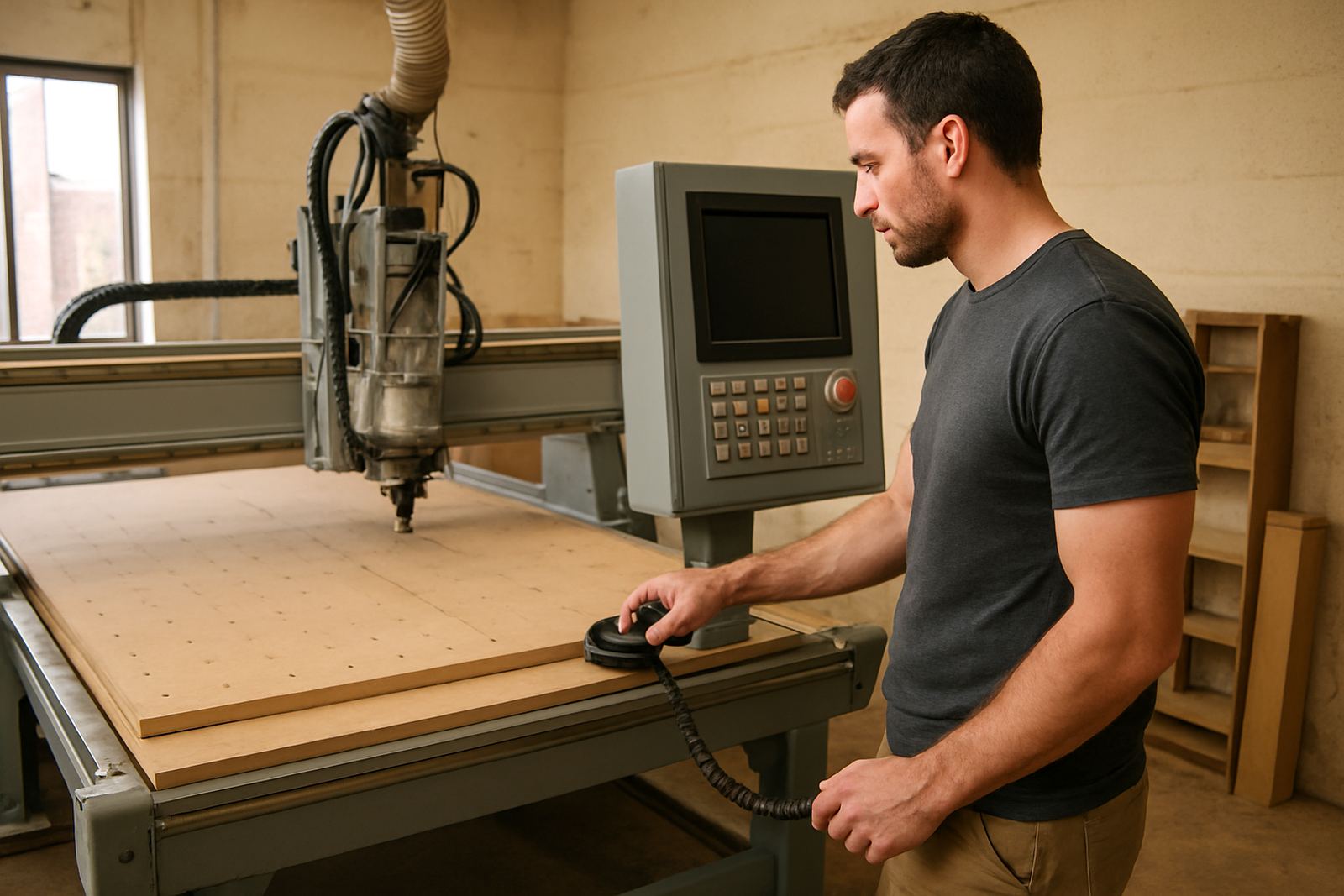
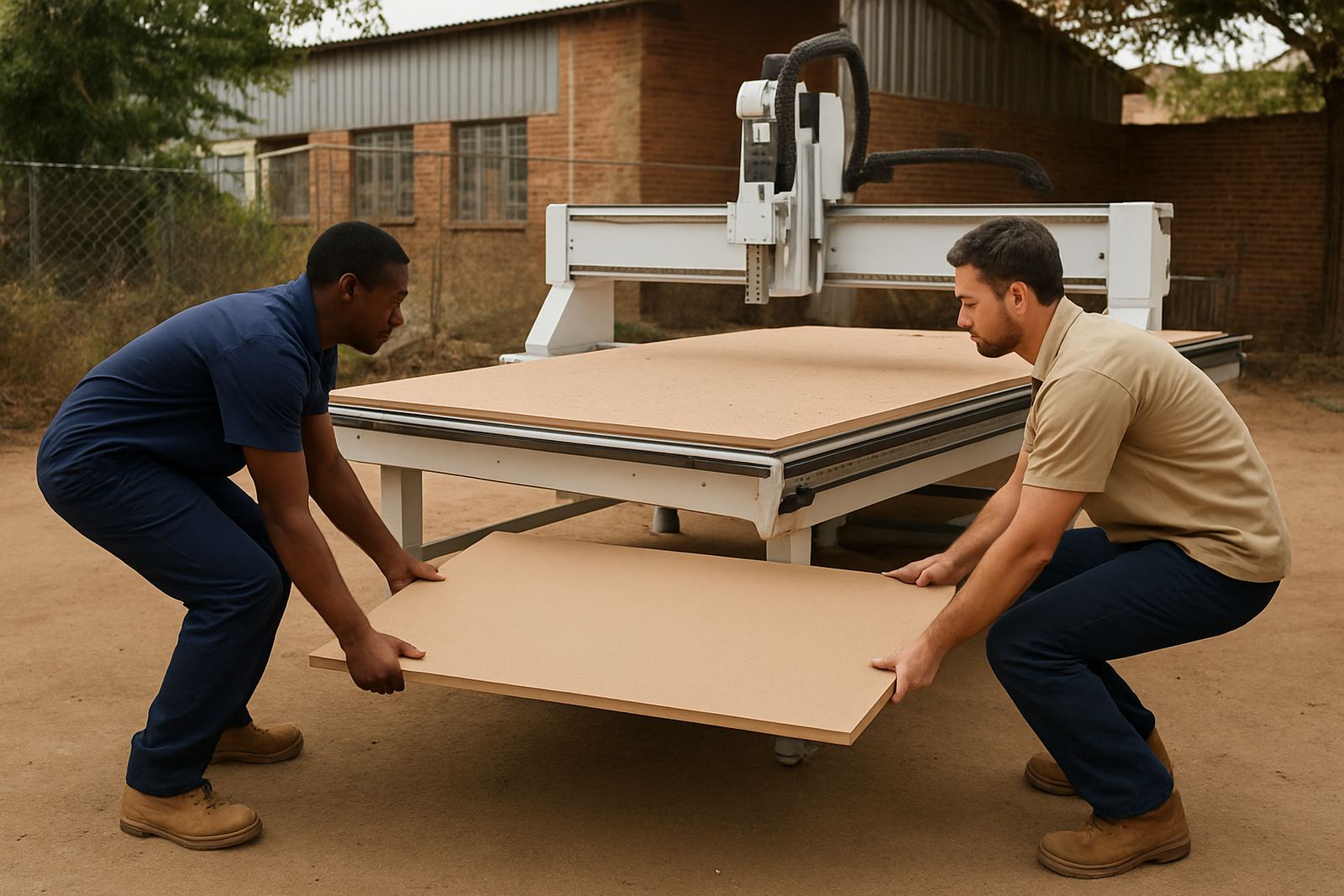
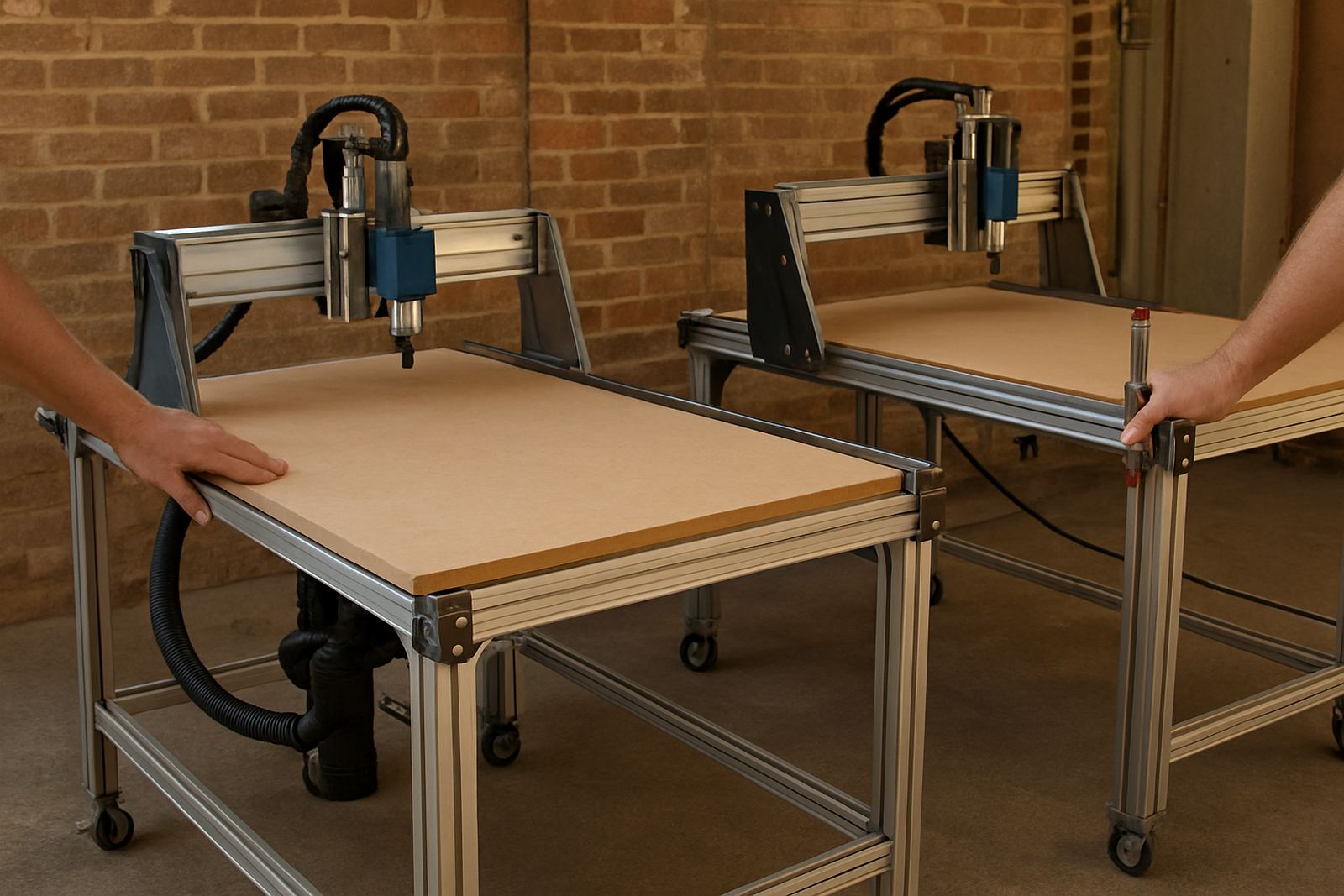
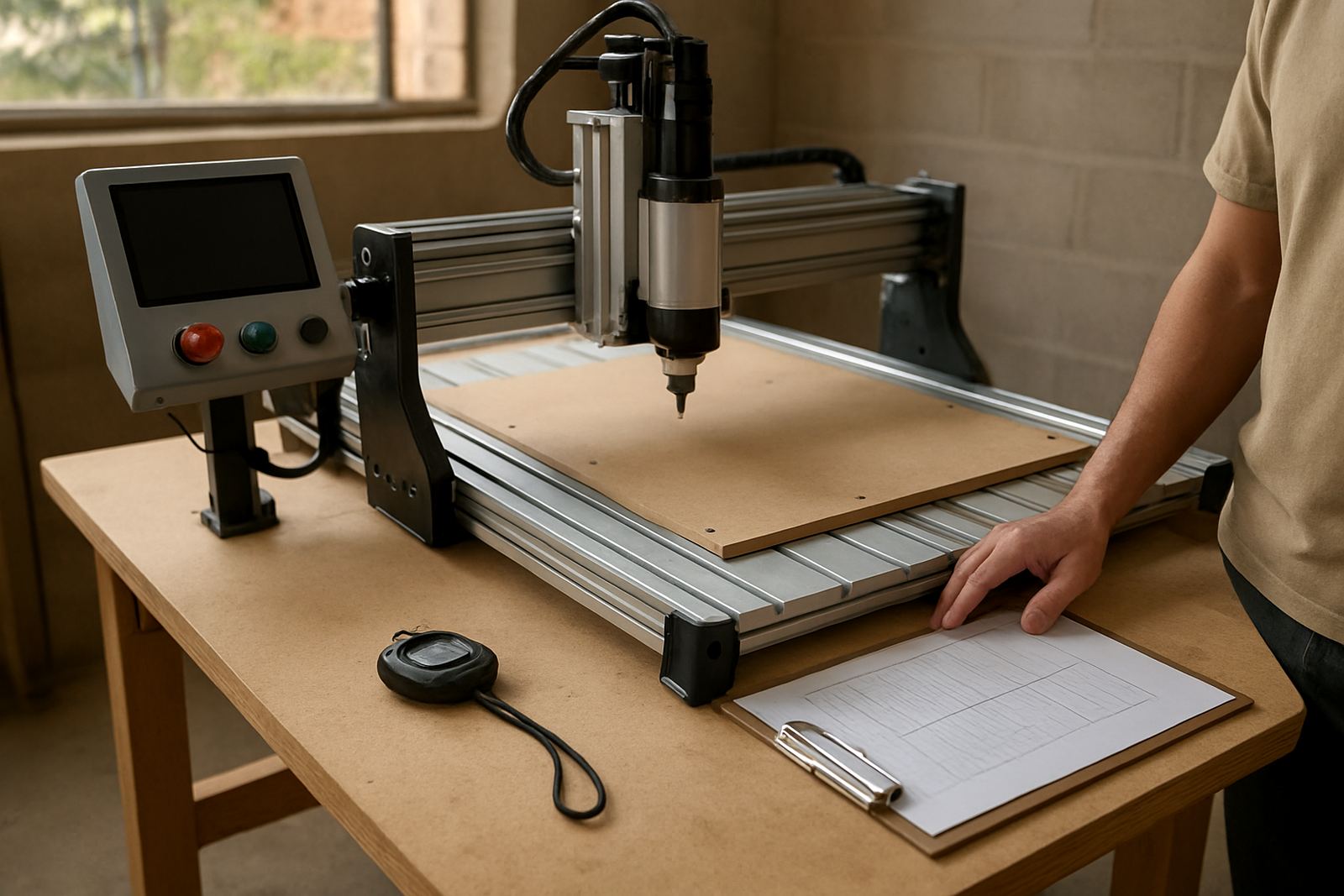
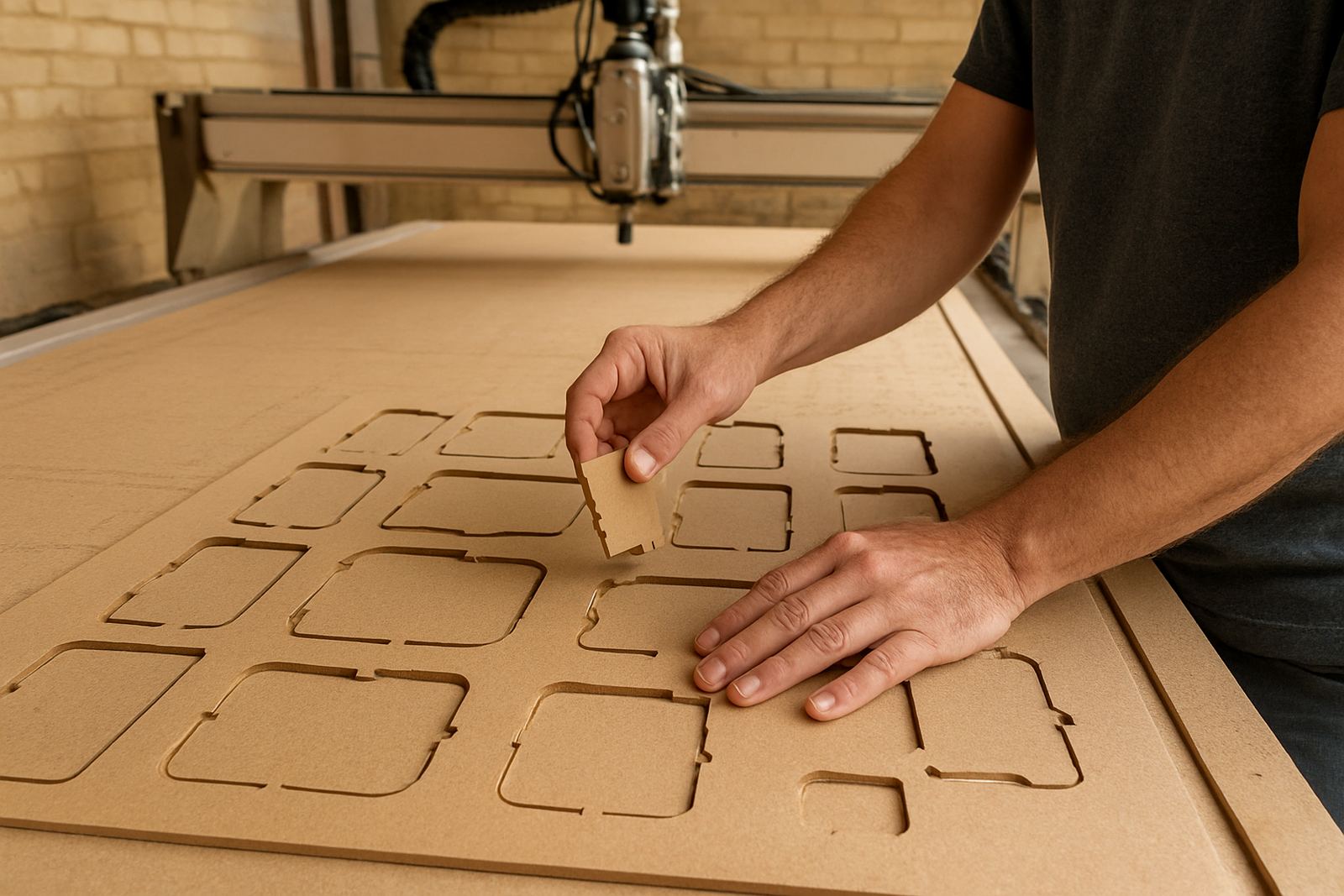
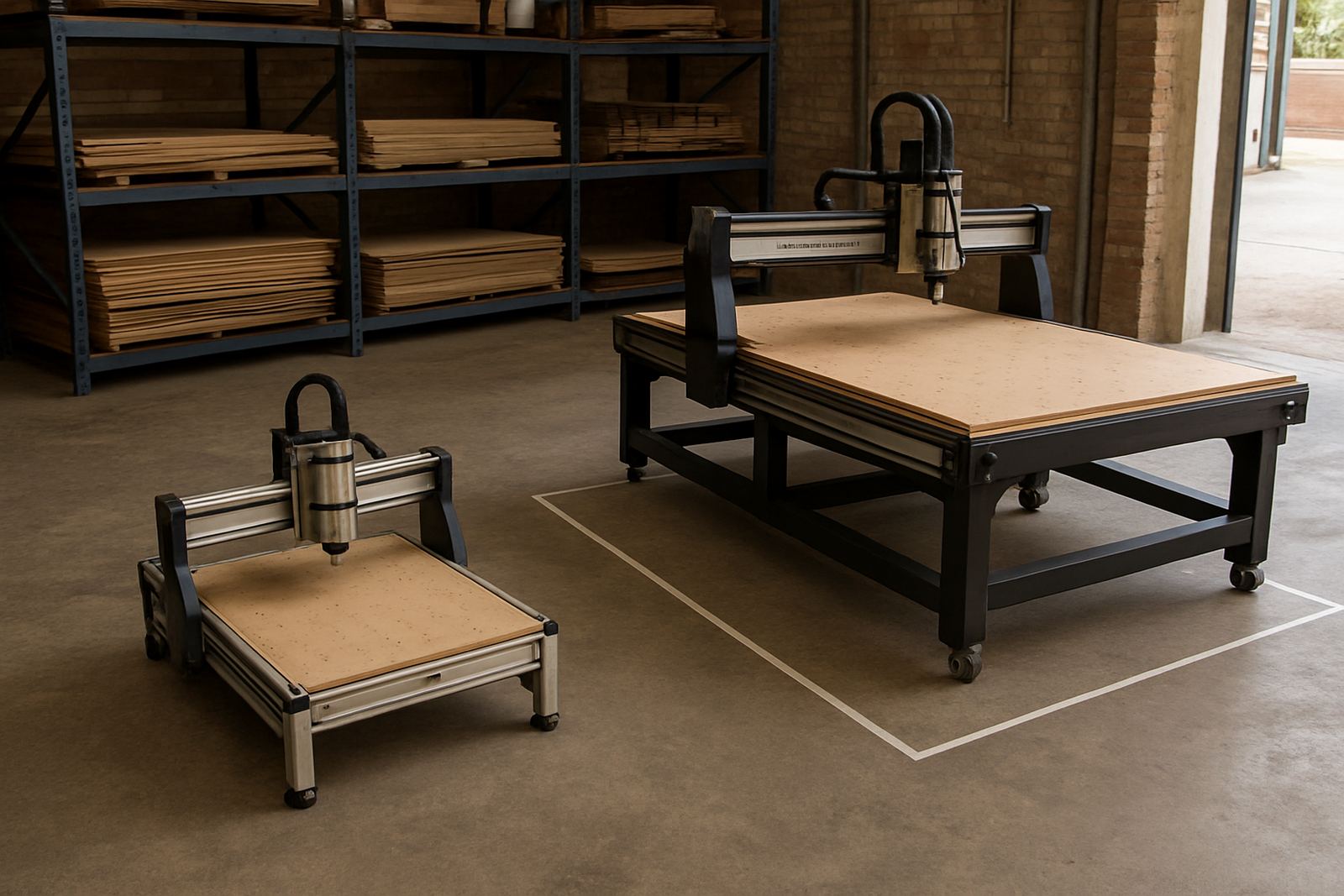
Not every workshop needs the same table size, spindle power or control setup. A small sign shop in Silverton may need accurate repeat jobs and neat edge finish, while a cabinet maker in Centurion may care more about sheet handling and cutting speed on 16 mm MDF. Start with your material sizes, daily output and the space you have for loading and clamping.
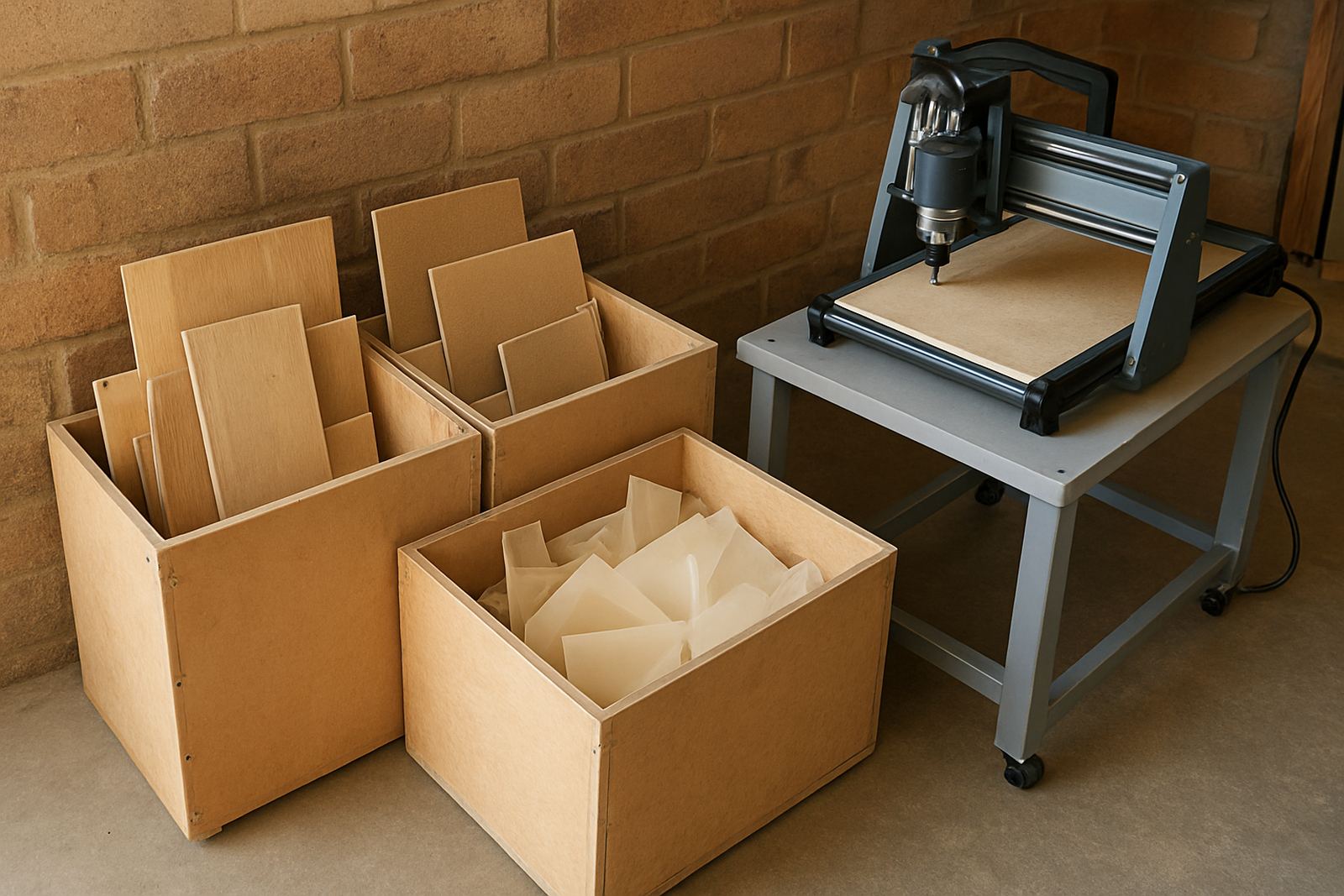
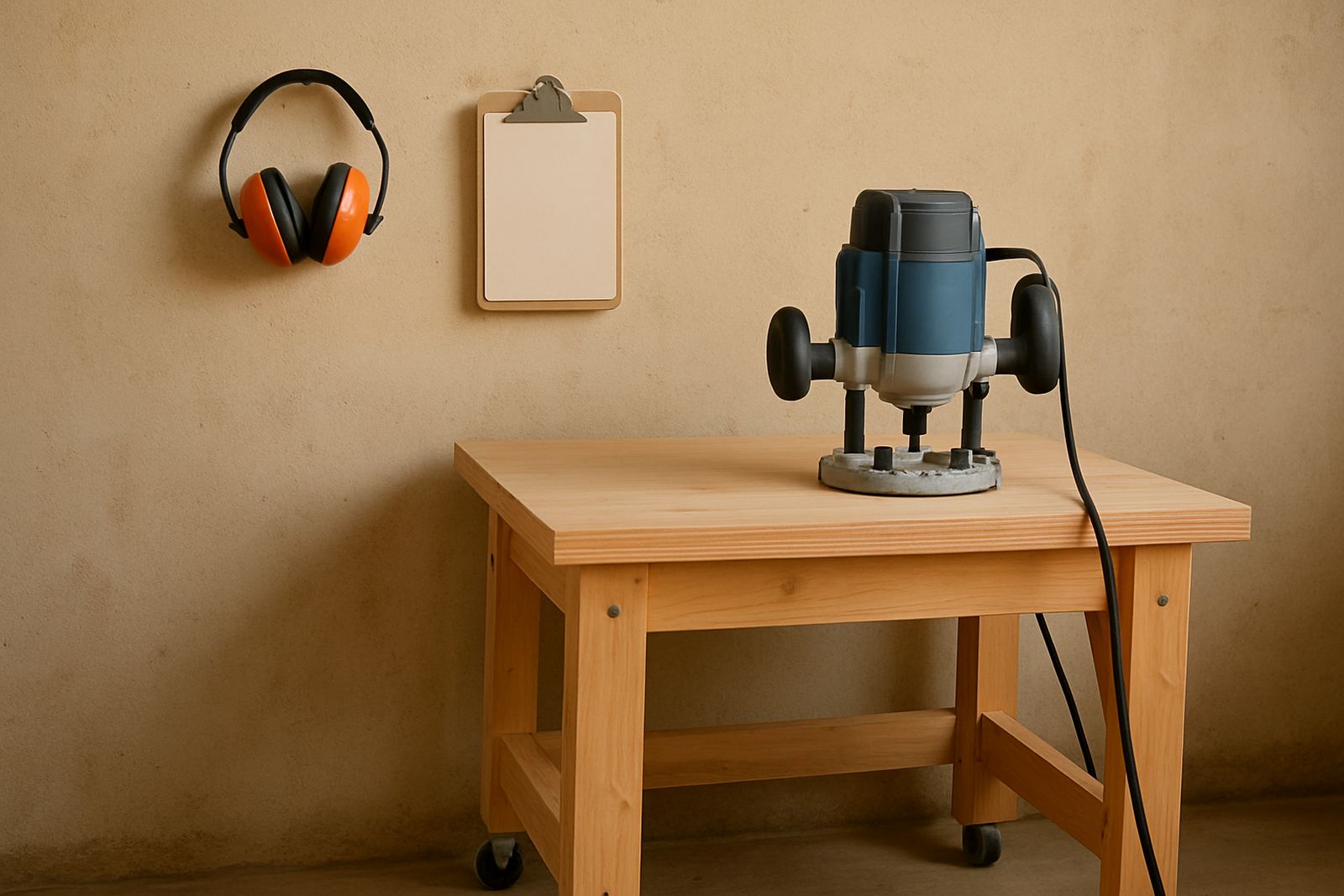
For hobby use, a compact router can be a good fit if you are cutting smaller parts, sample panels or plastics. For regular production, look at rigidity, travel, dust control and how easy it is to get spares. The cheapest machine is not always the best value once you add setup time, tool wear and downtime.
- Match table size to your biggest standard sheet or part
- Check spindle power against the materials you cut most often
- Ask how control tuning and spare parts are handled locally
Material handling makes the biggest difference to finish
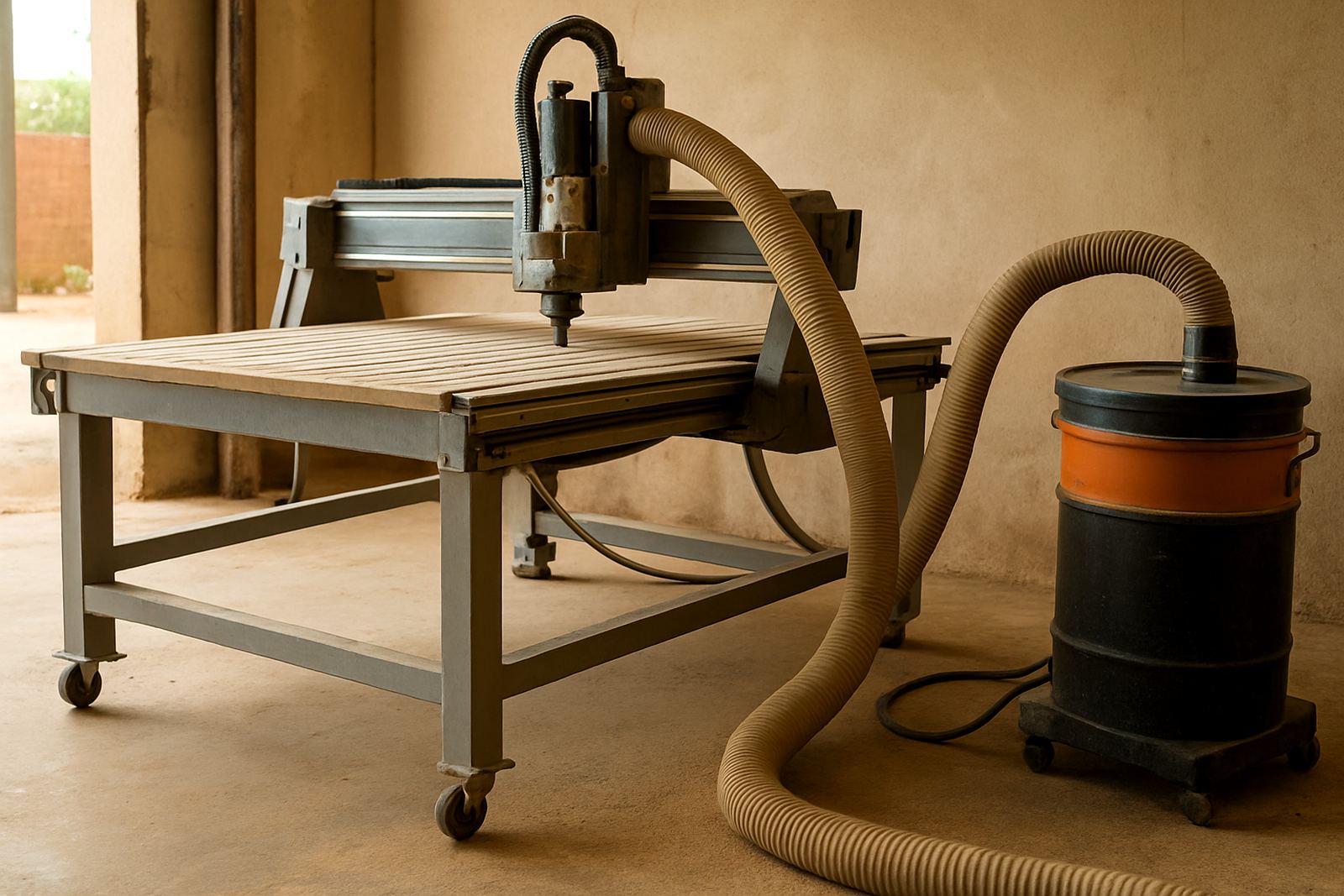
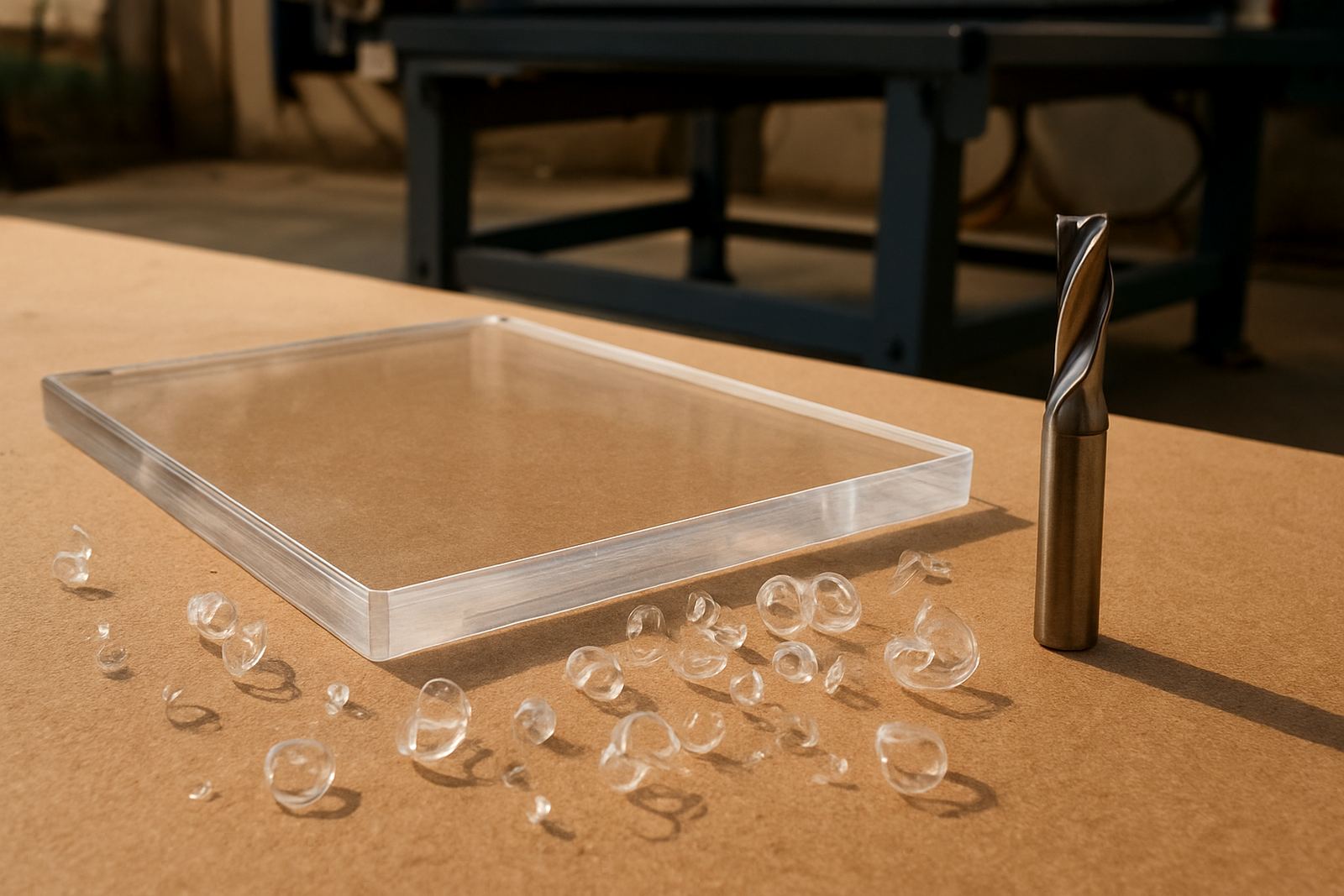
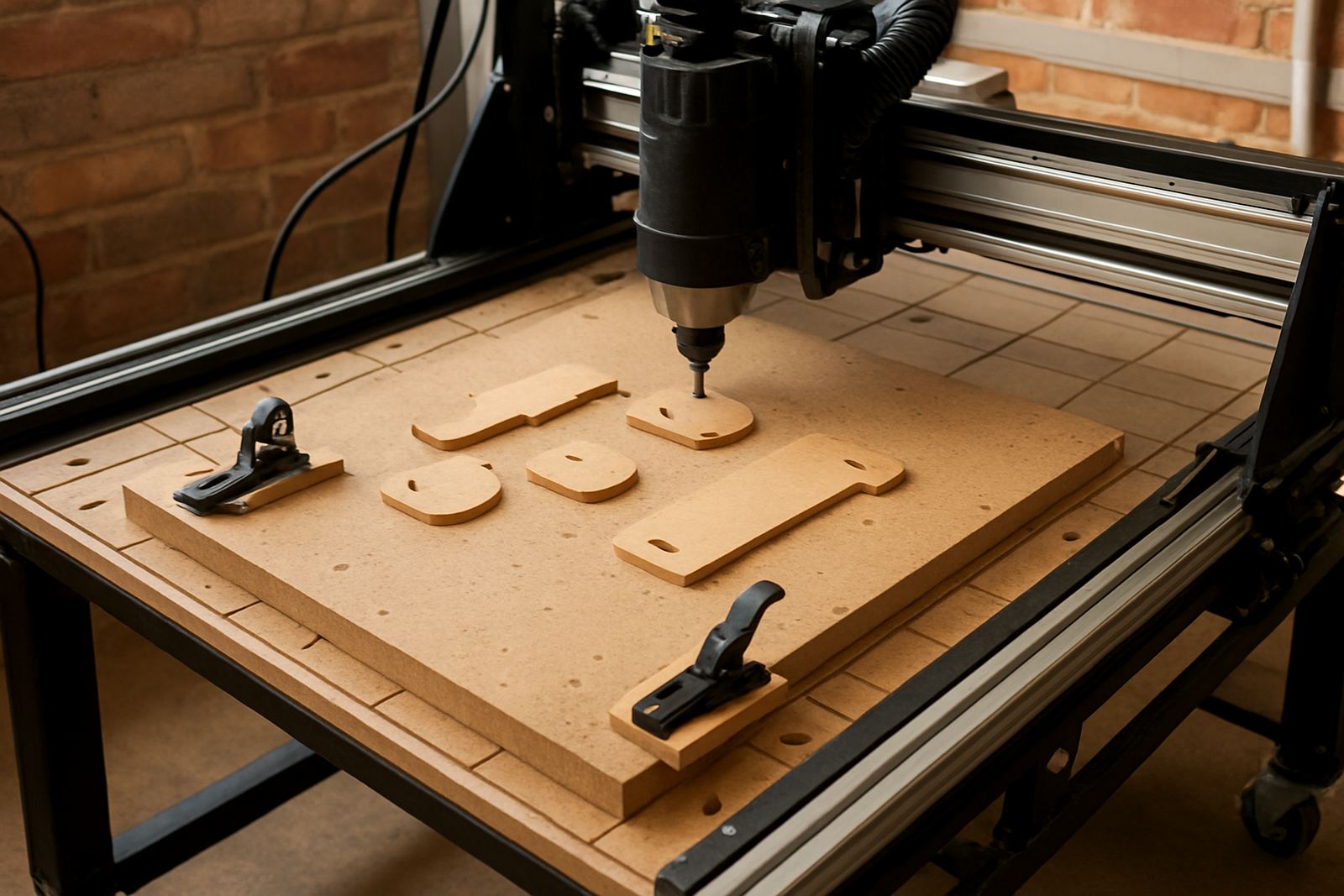
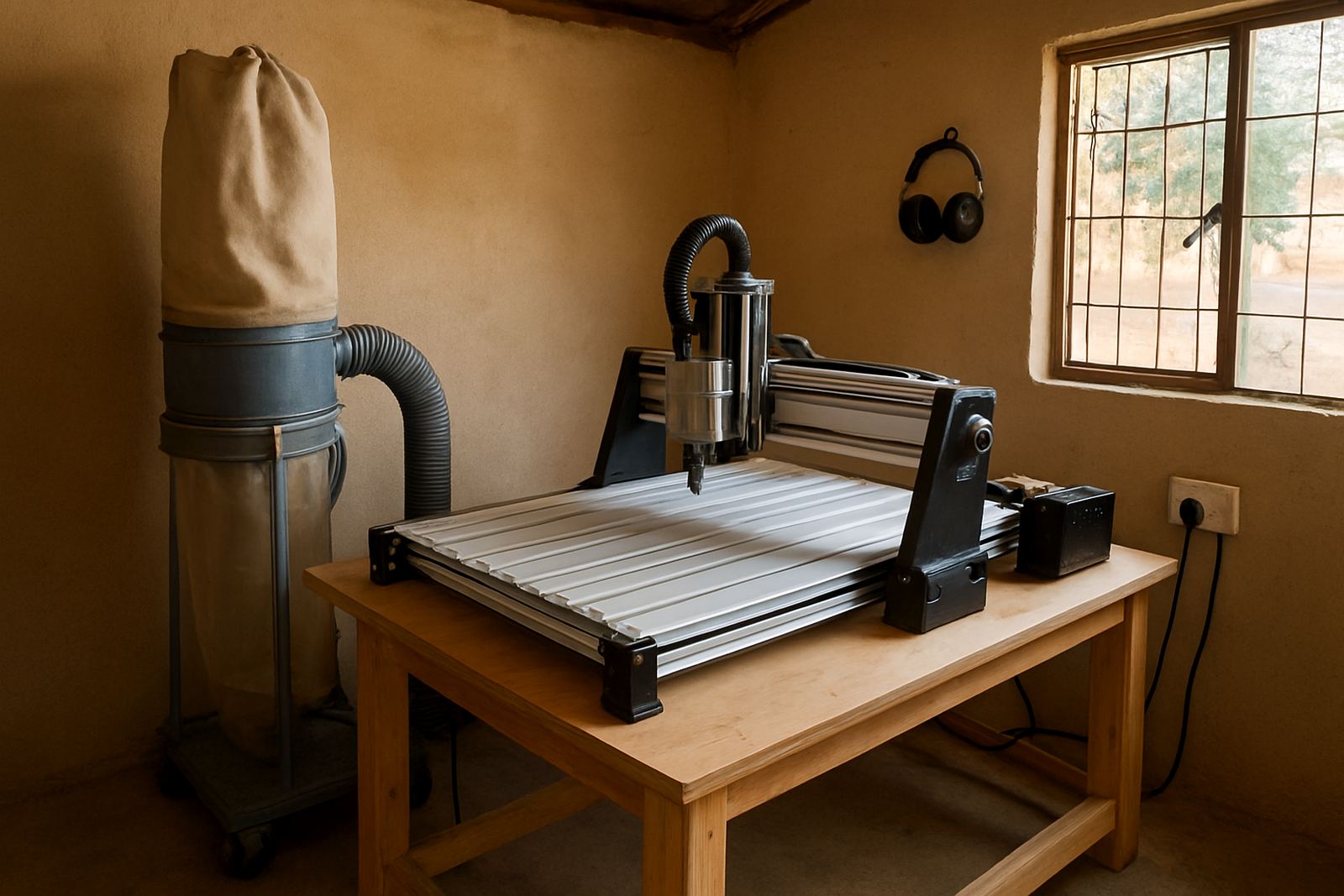
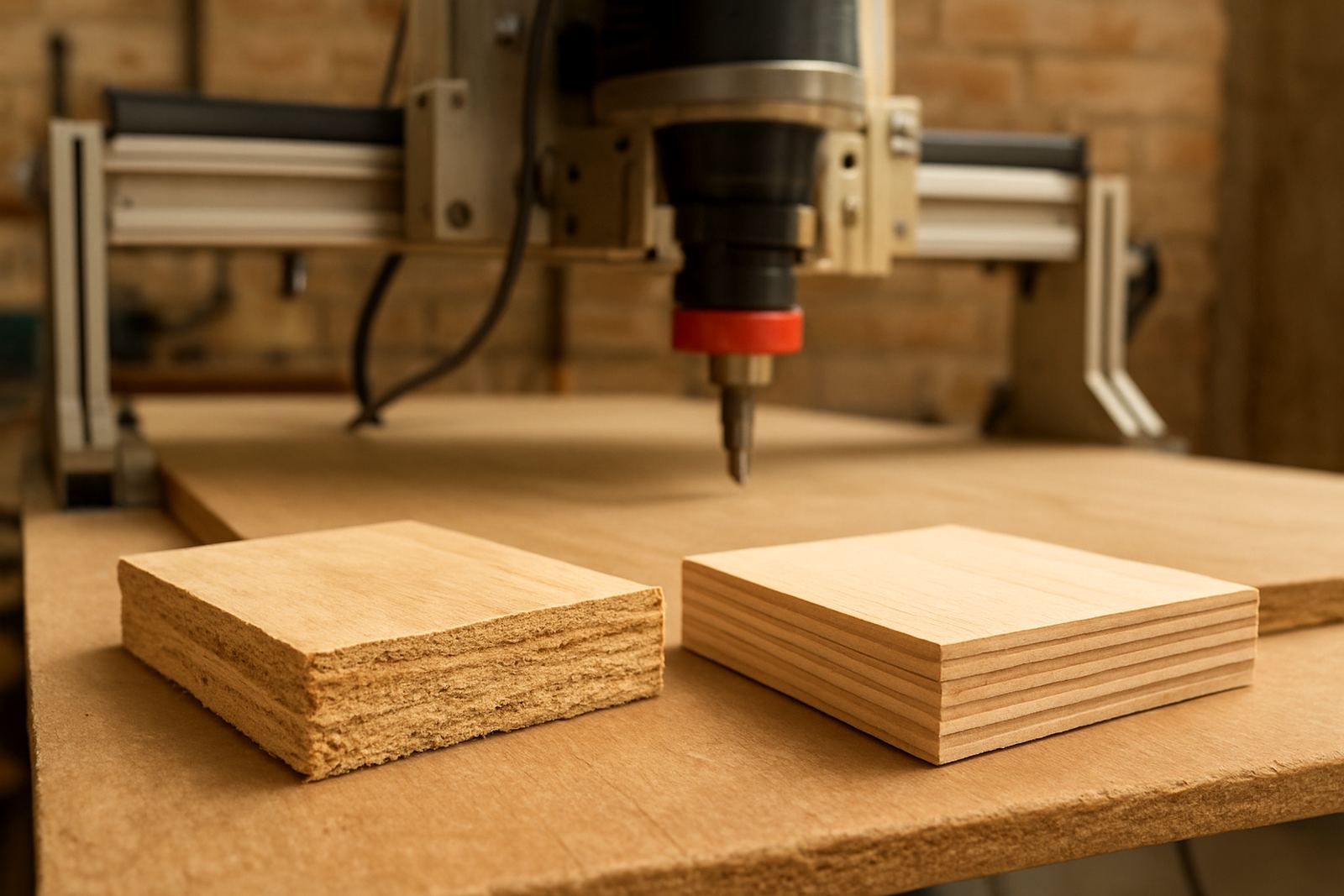
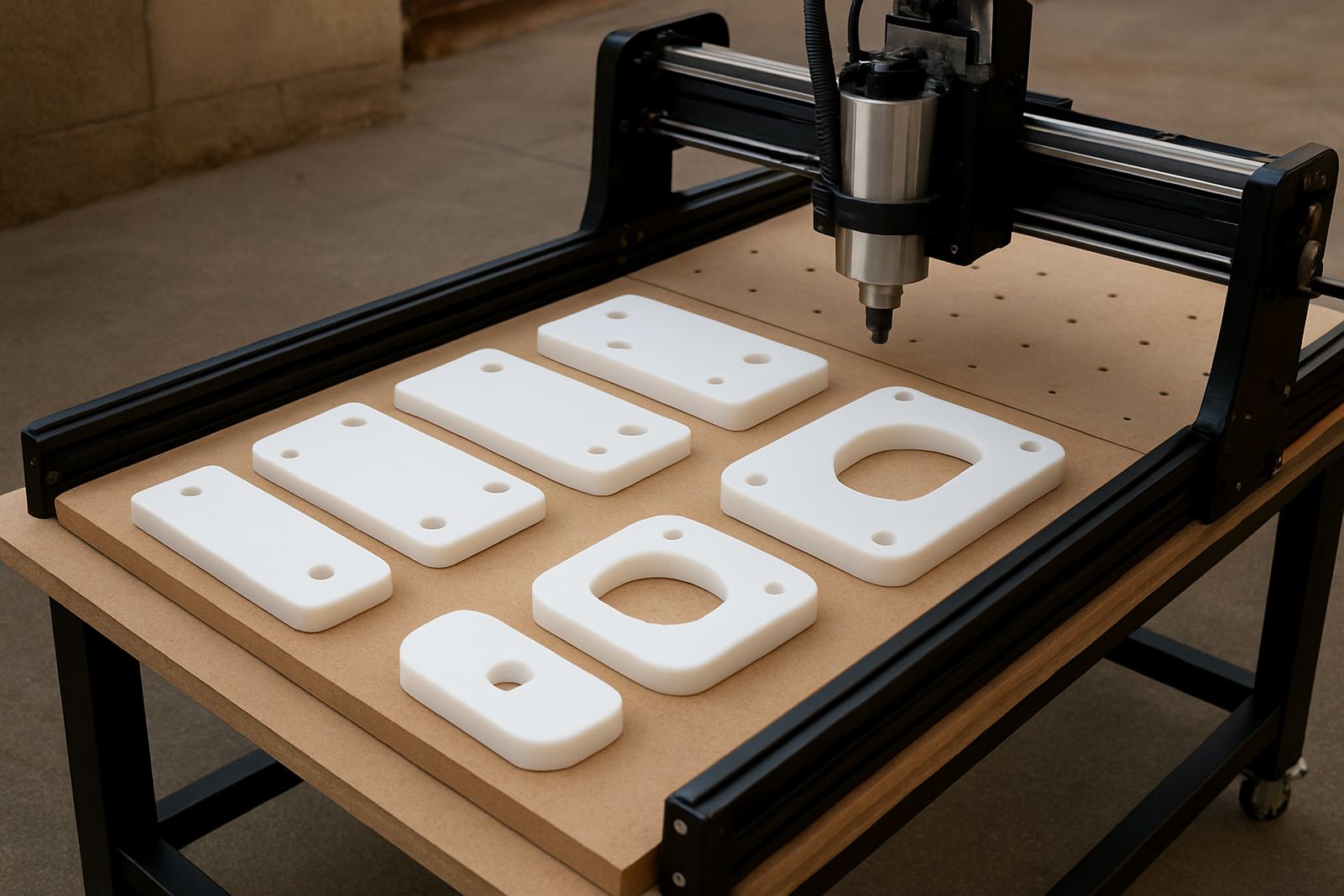
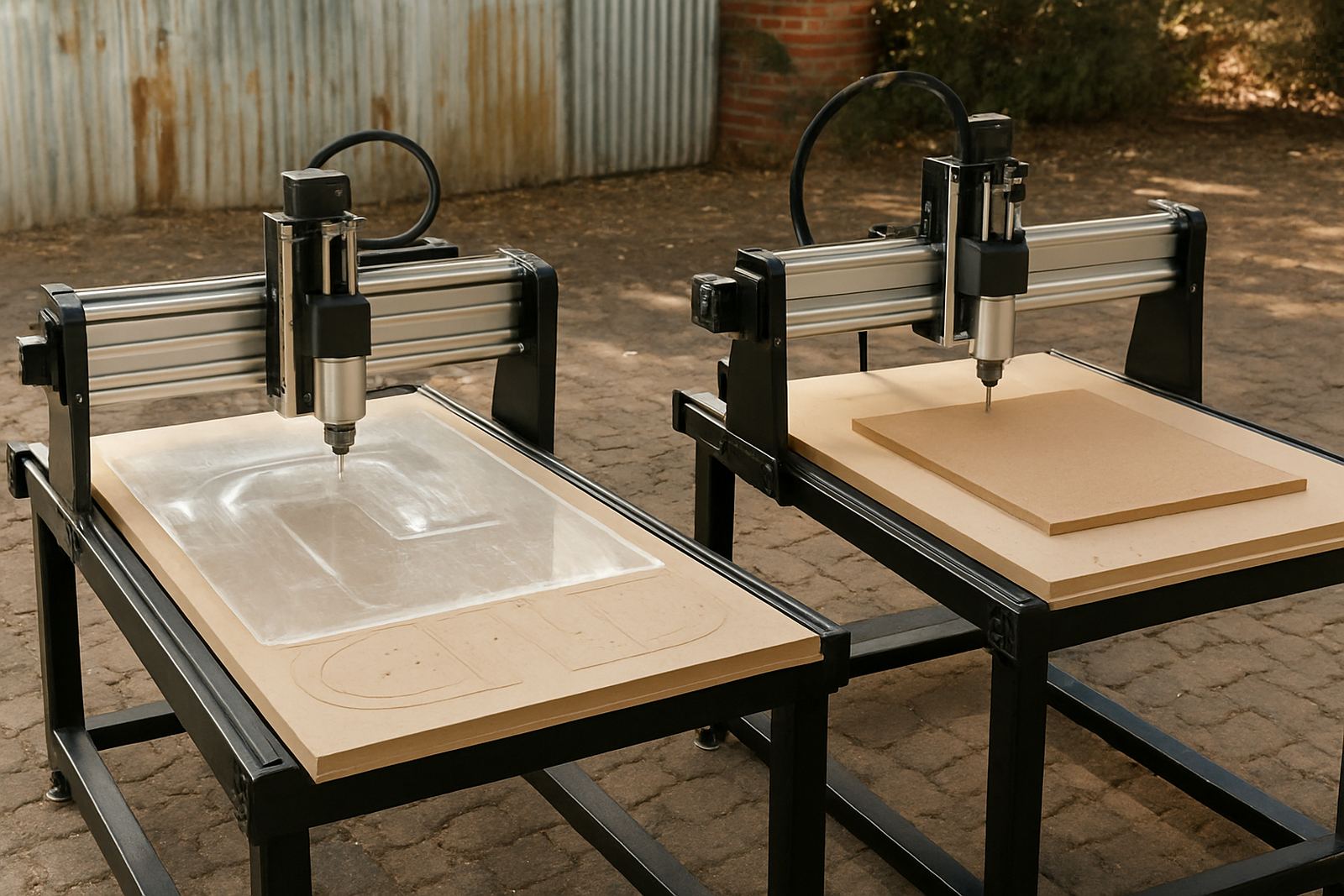
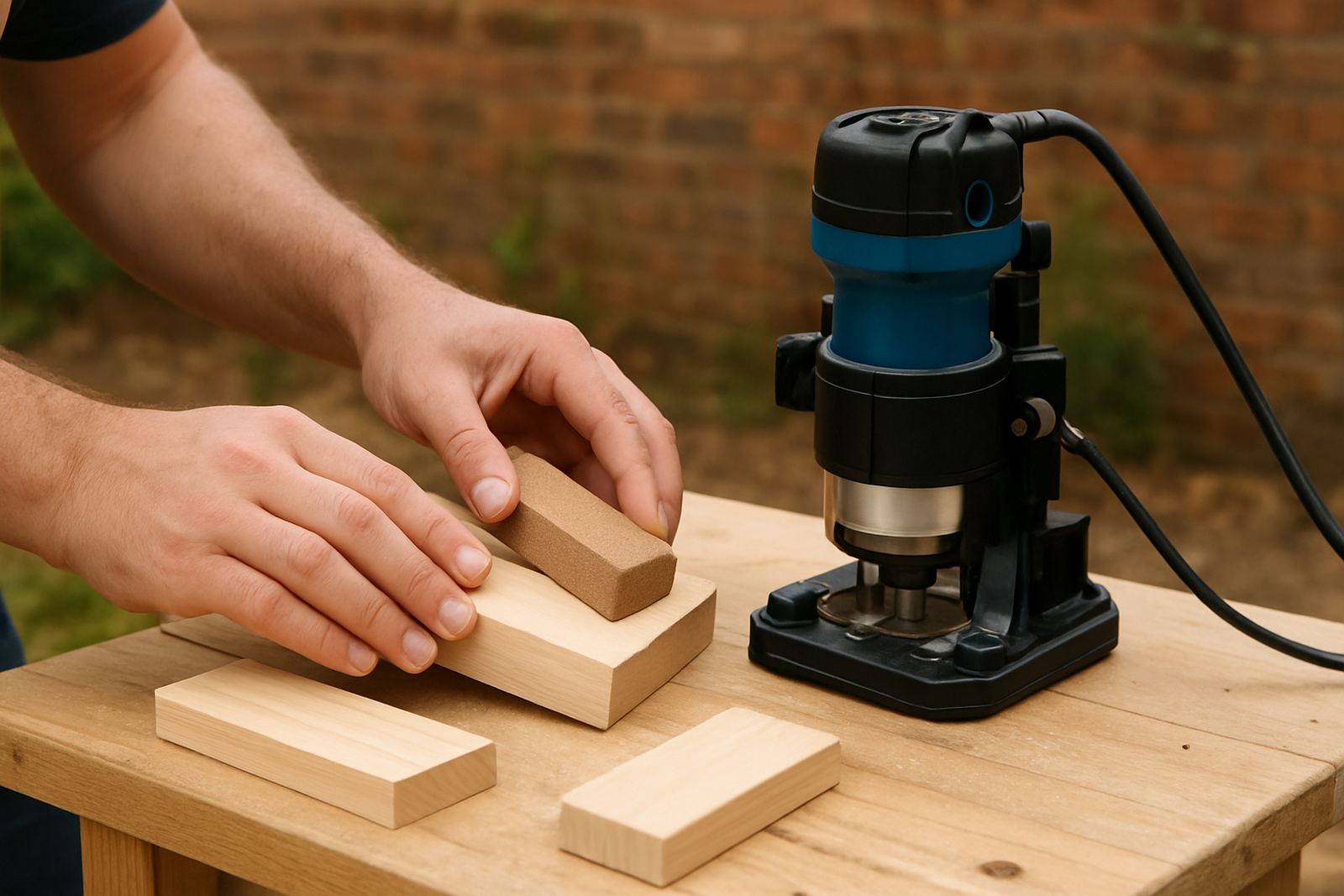
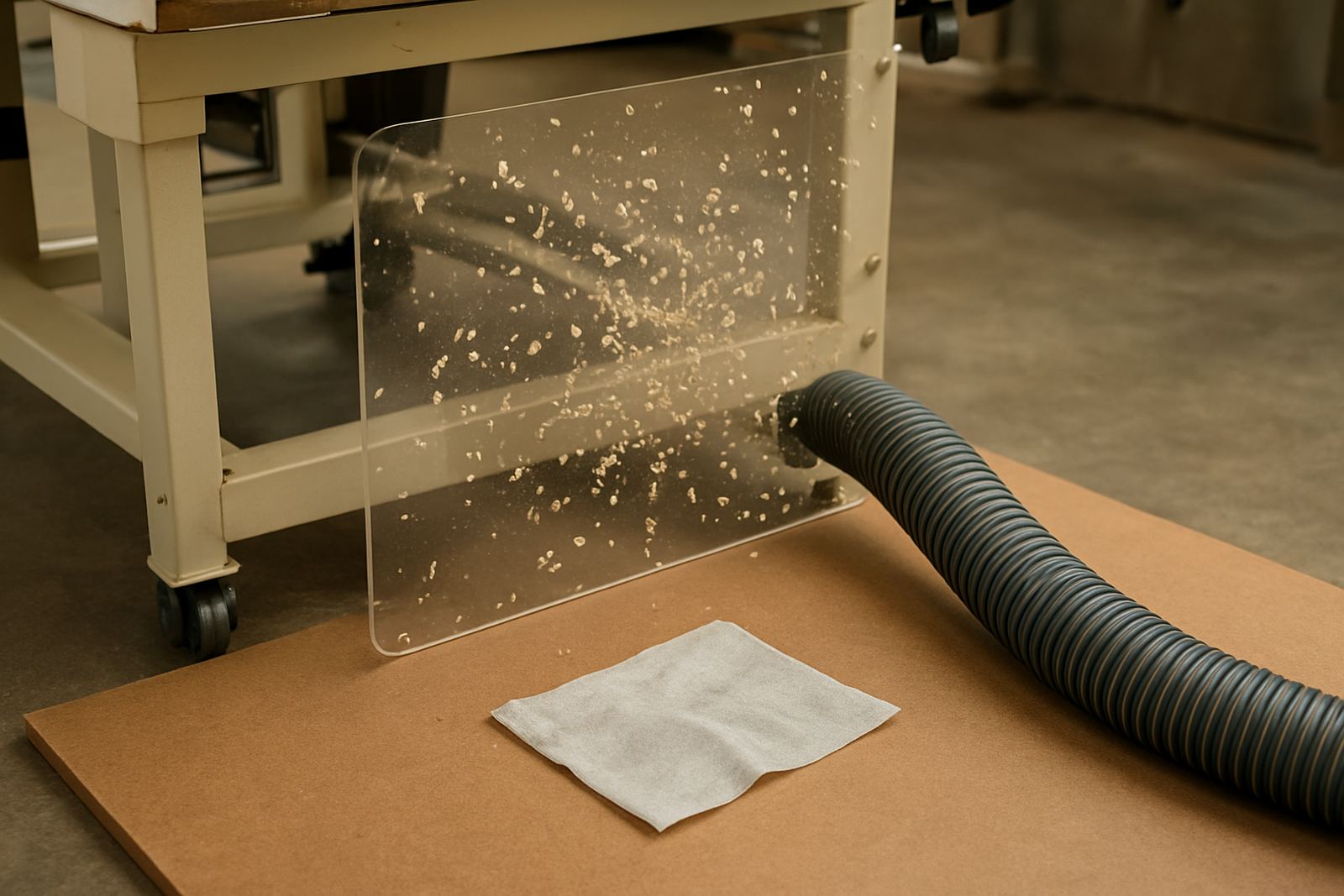
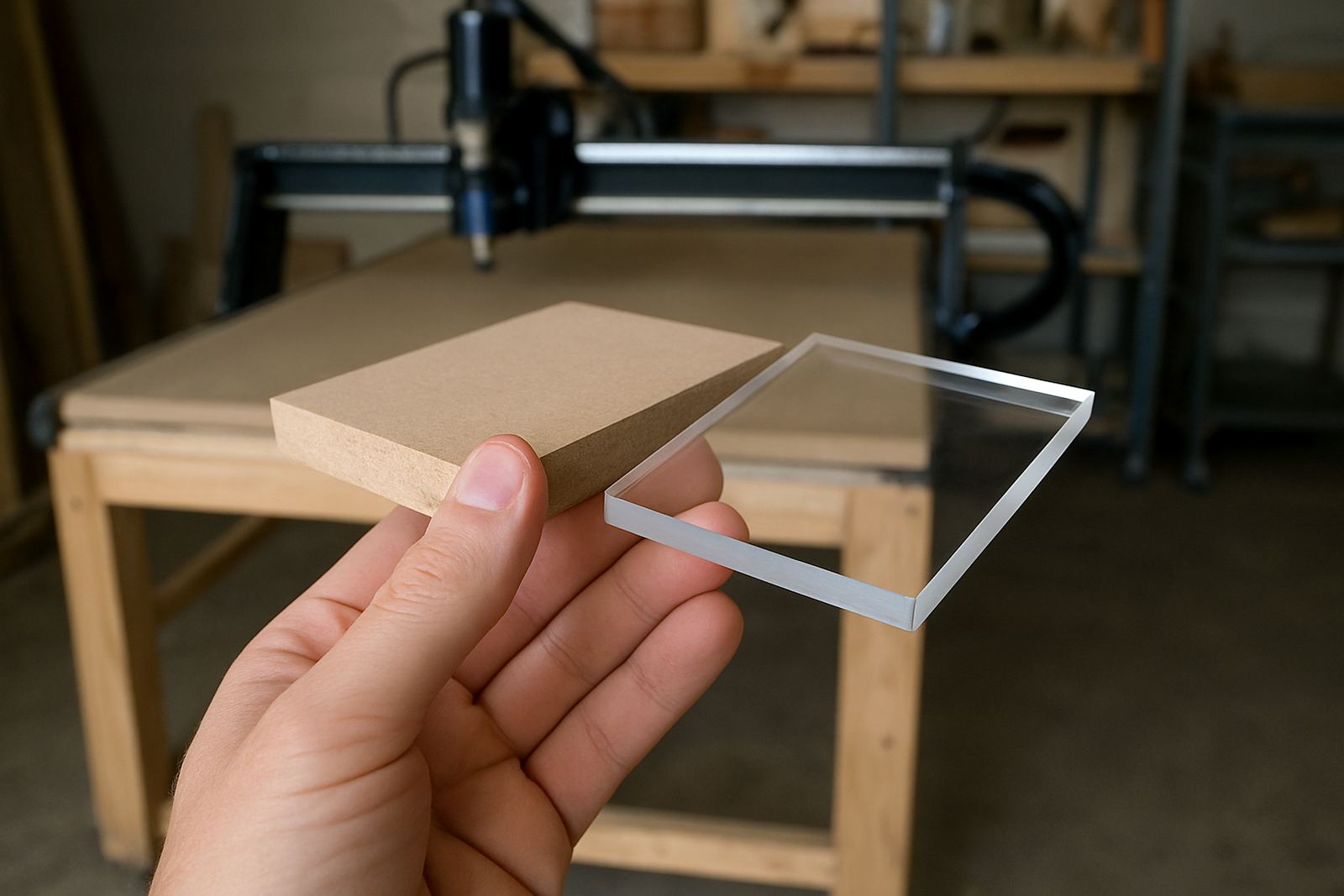
MDF, pine, plywood and plastics each behave differently under the cutter. MDF gives clean results when feeds and speeds are balanced, but it creates fine dust so extraction and masks matter. Plastics can melt or chip if the cutter is wrong or the feed is too slow. On coastal jobs, moisture in stored boards can also change how flat a sheet stays once it gets into the shop.
Keep material stacked flat, off the floor and away from open doors where dust and damp air get in. If you work in Pretoria East or Kempton Park, heat and afternoon storms can change workshop conditions quickly, so it helps to check your material before every run.
- Store boards flat and label sizes clearly
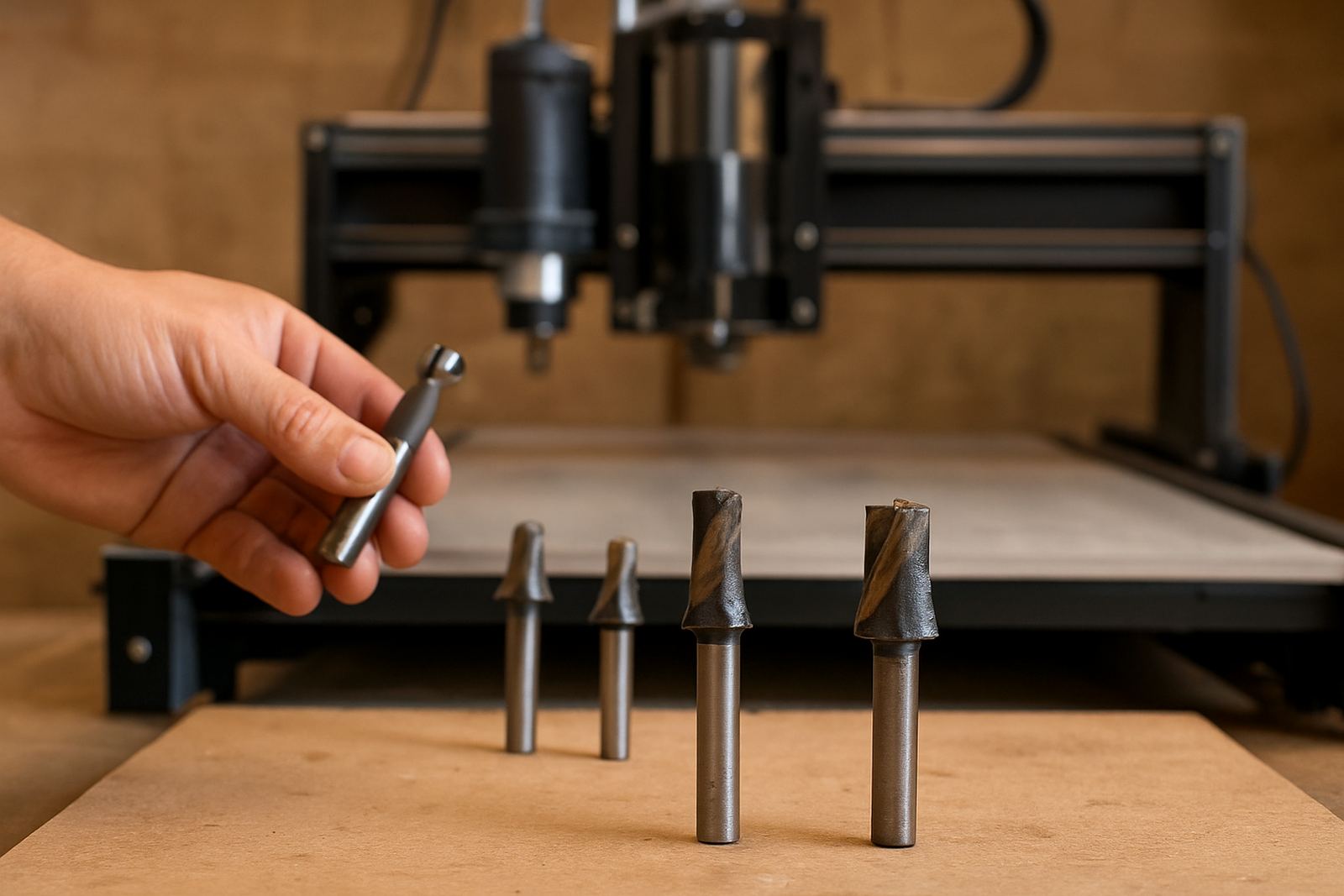
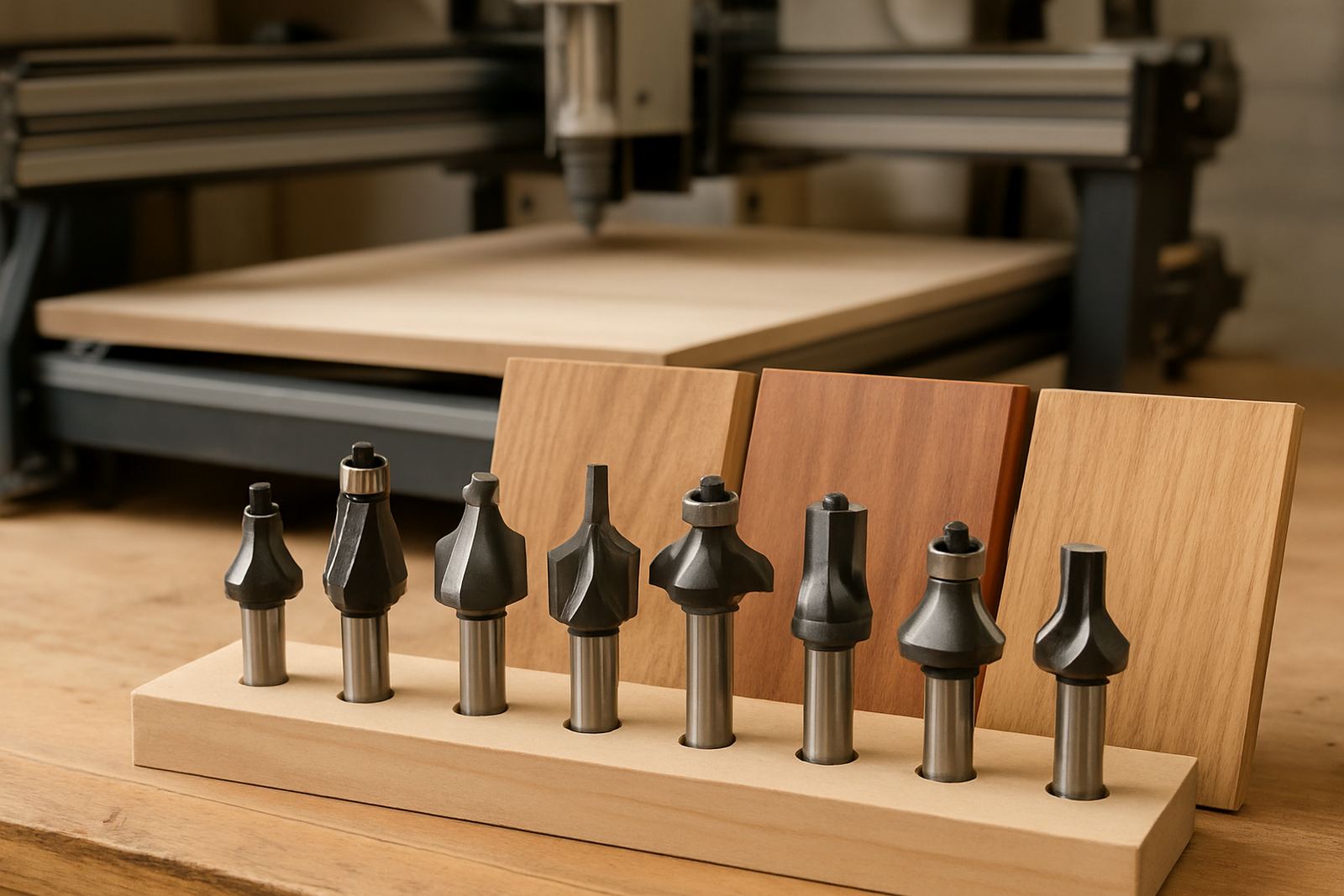
- Use the right cutter for MDF, hardwood, plywood or plastic
- Test a small offcut before starting a full batch
Daily checks that prevent unnecessary stoppages
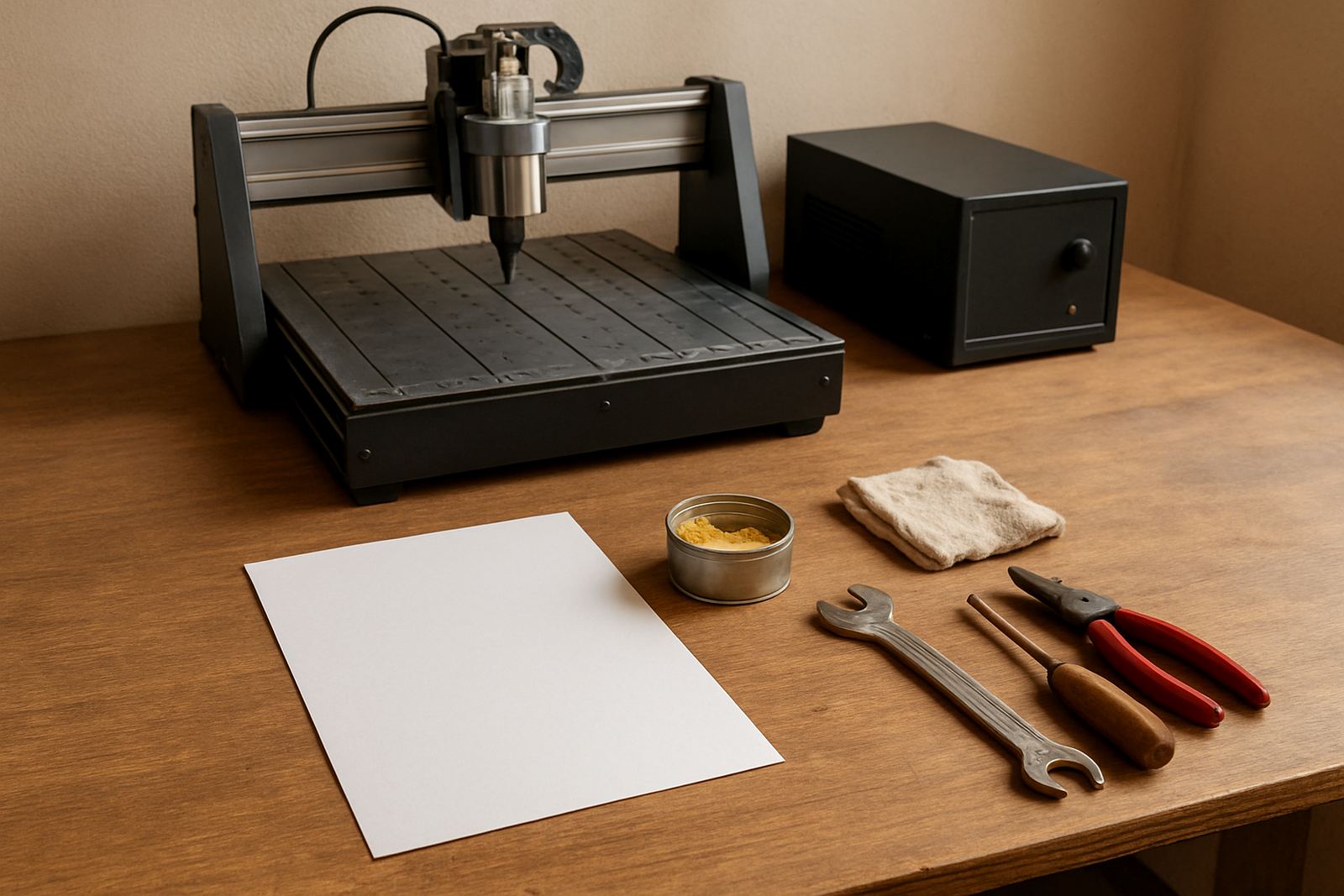
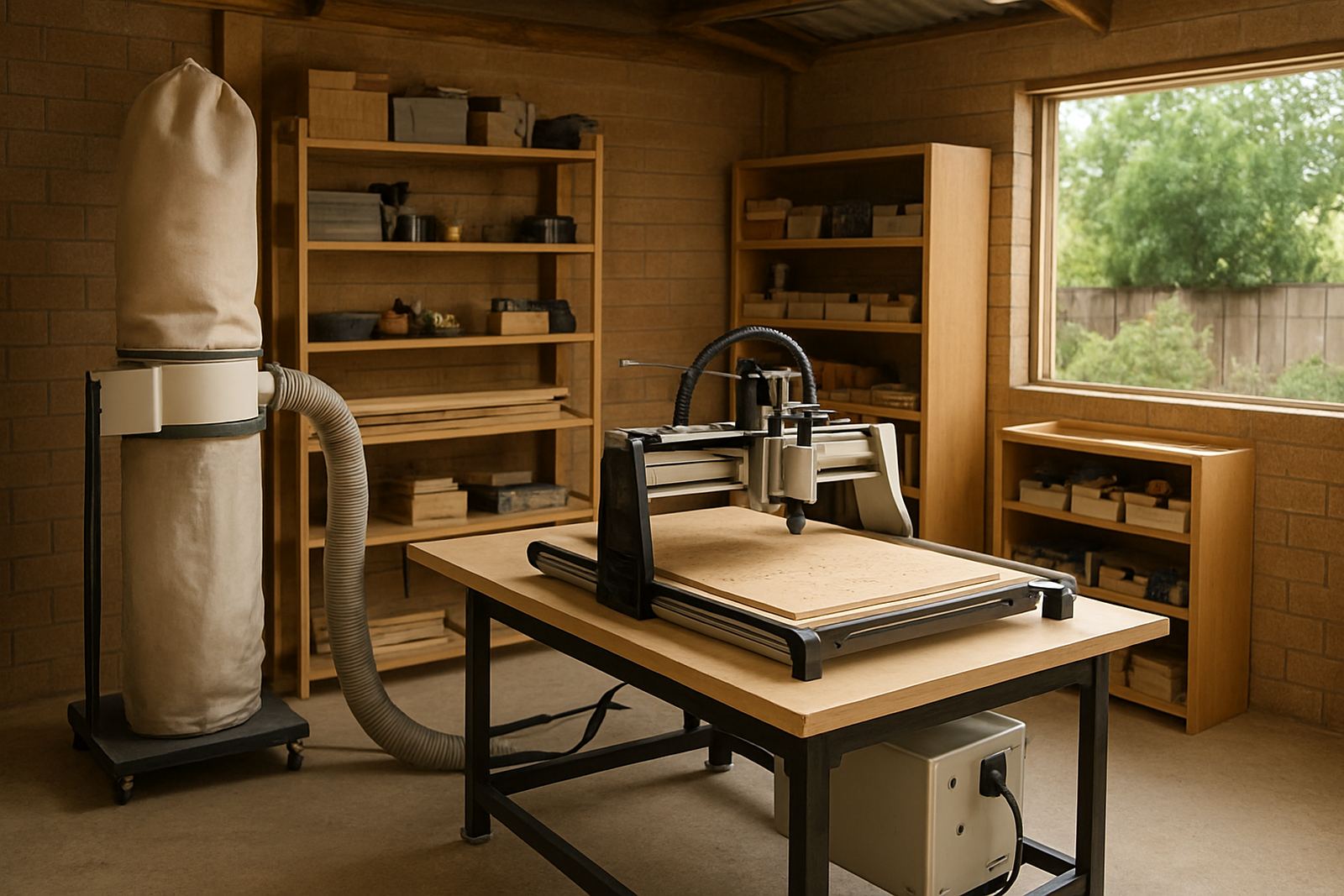
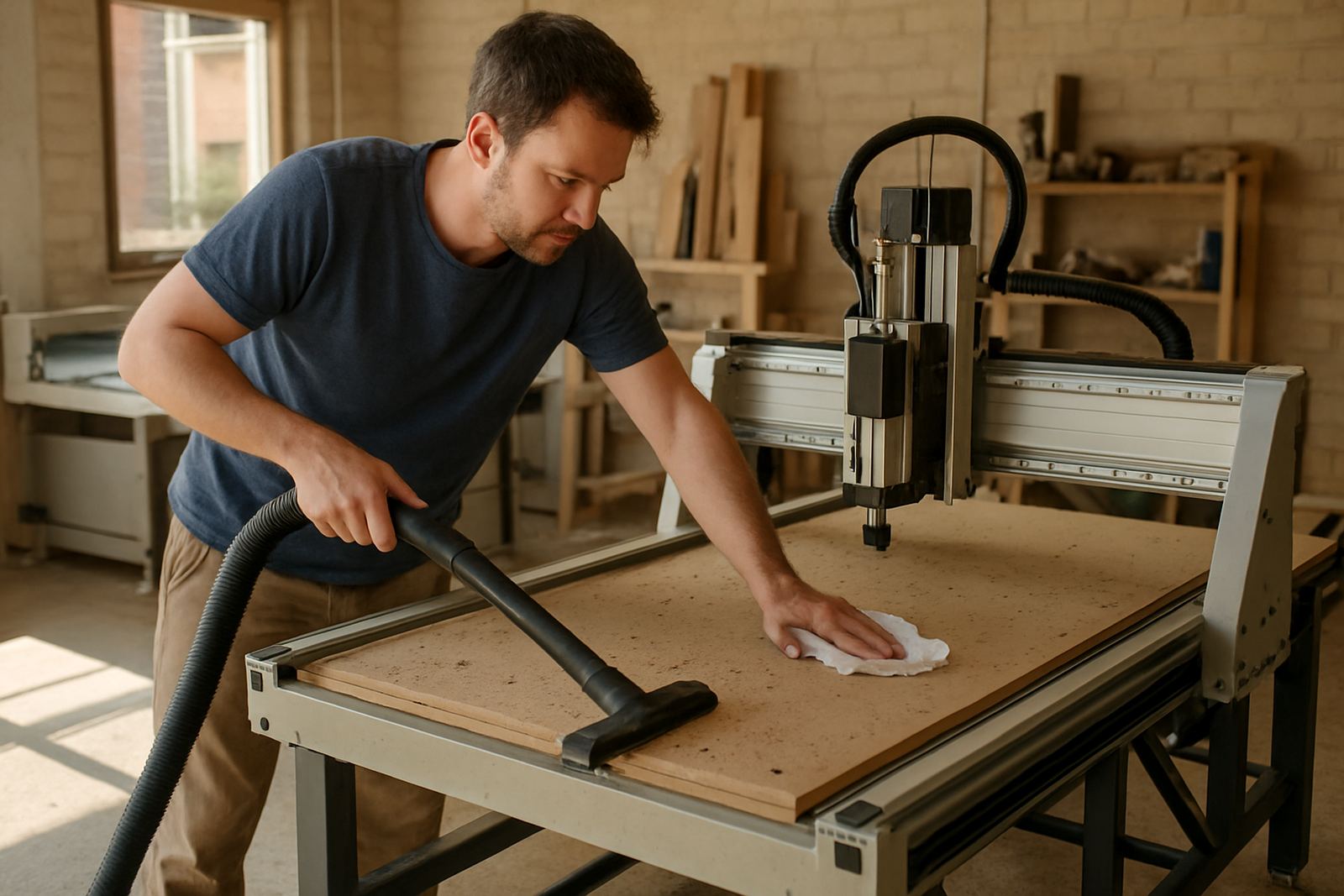
A few minutes of inspection before cutting can save a full day of lost work. Check cable routing, limit switches, belt tension where relevant and the condition of the spindle collet. Vacuum out dust build-up around rails, guides and the control area. In workshops that deal with load-shedding, it also helps to confirm your restart procedure so a power cut does not ruin the job or shift the zero point.
For operators and owners alike, a short checklist keeps everyone honest. It also makes training easier for new staff and helps spot small changes before they become breakdowns.
- Inspect cutter wear before high-value jobs
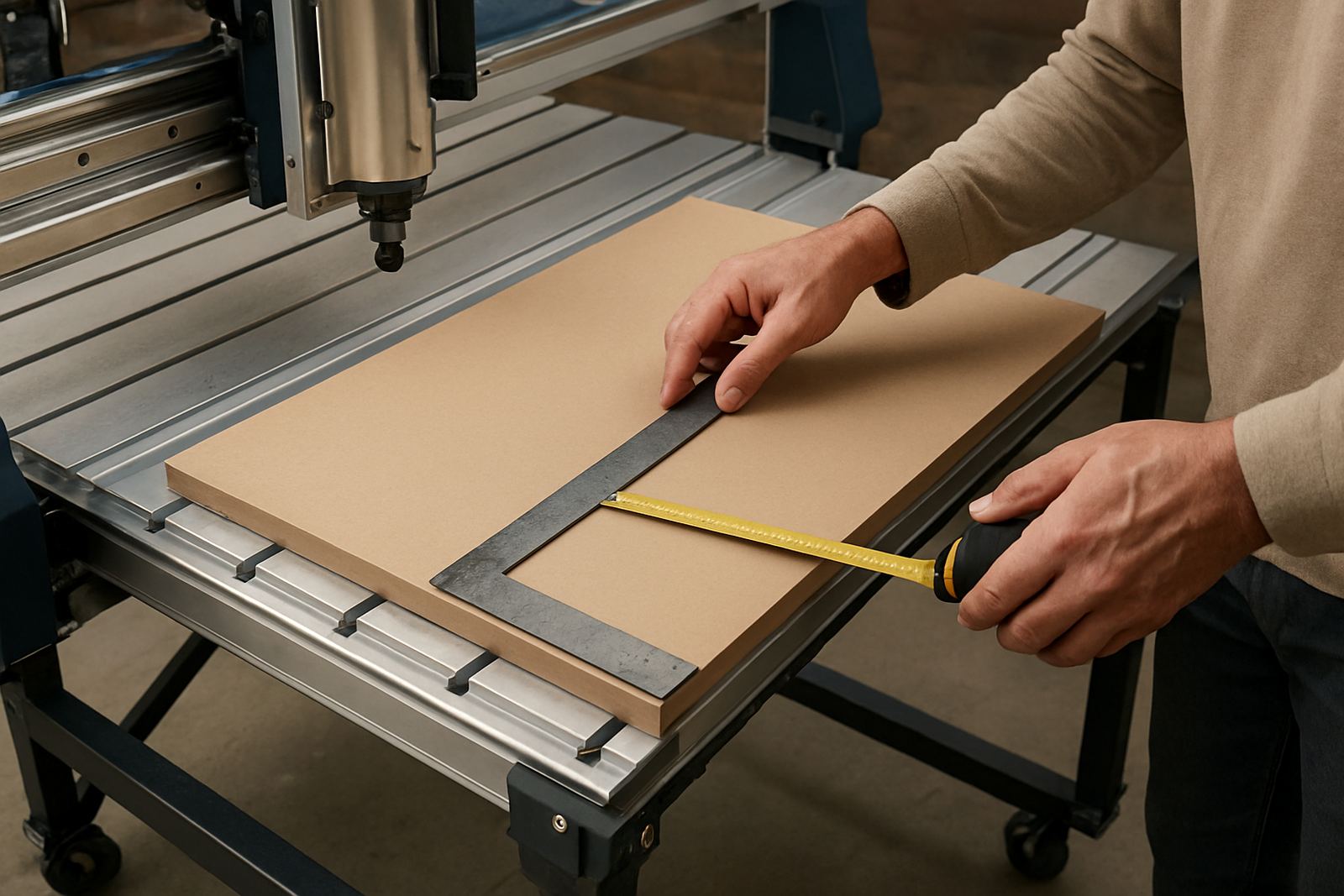
- Confirm workholding is tight and level
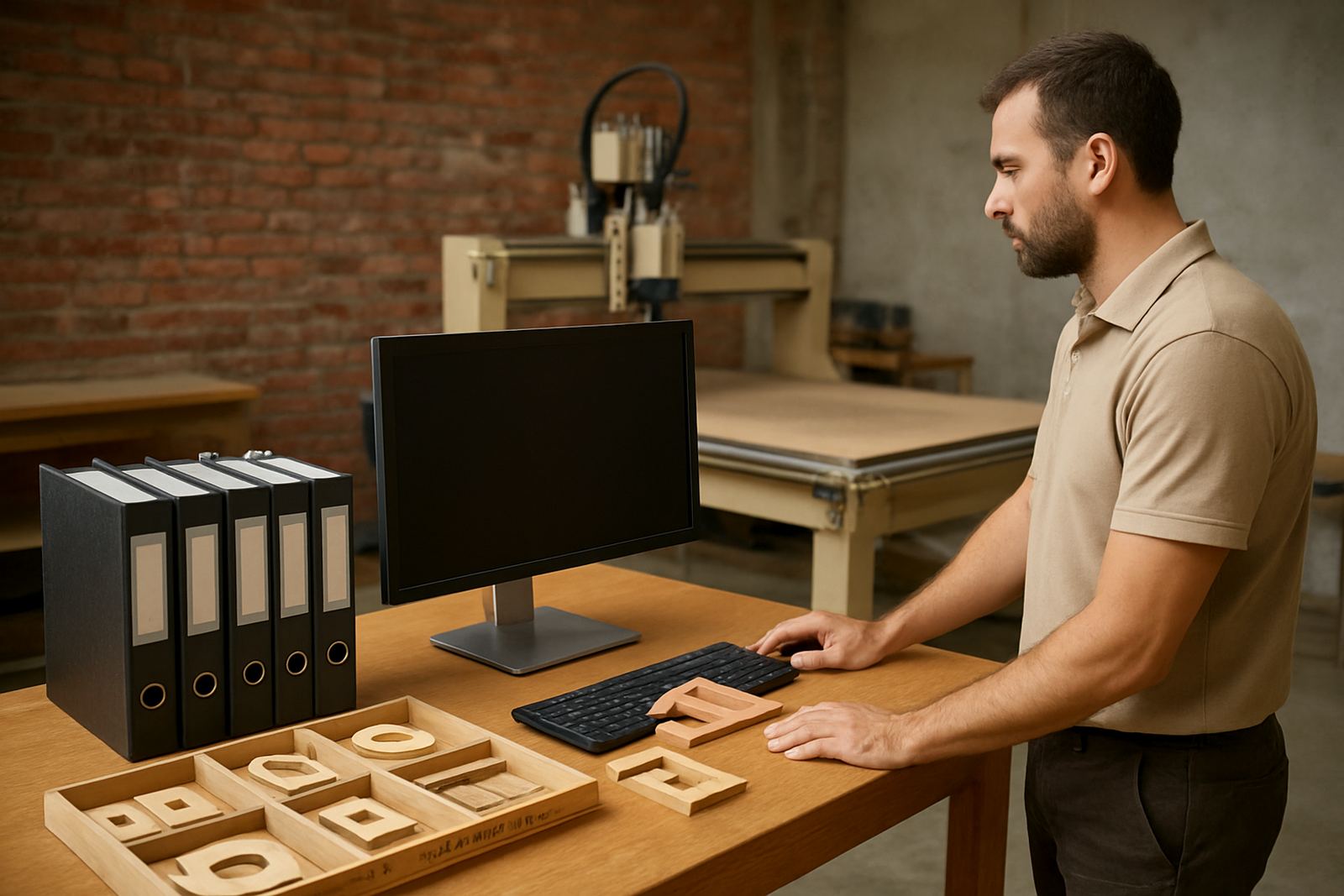
- Save job files with clear part names and date codes
- Keep a record of faults, fixes and machine settings
Training helps small shops get consistent output
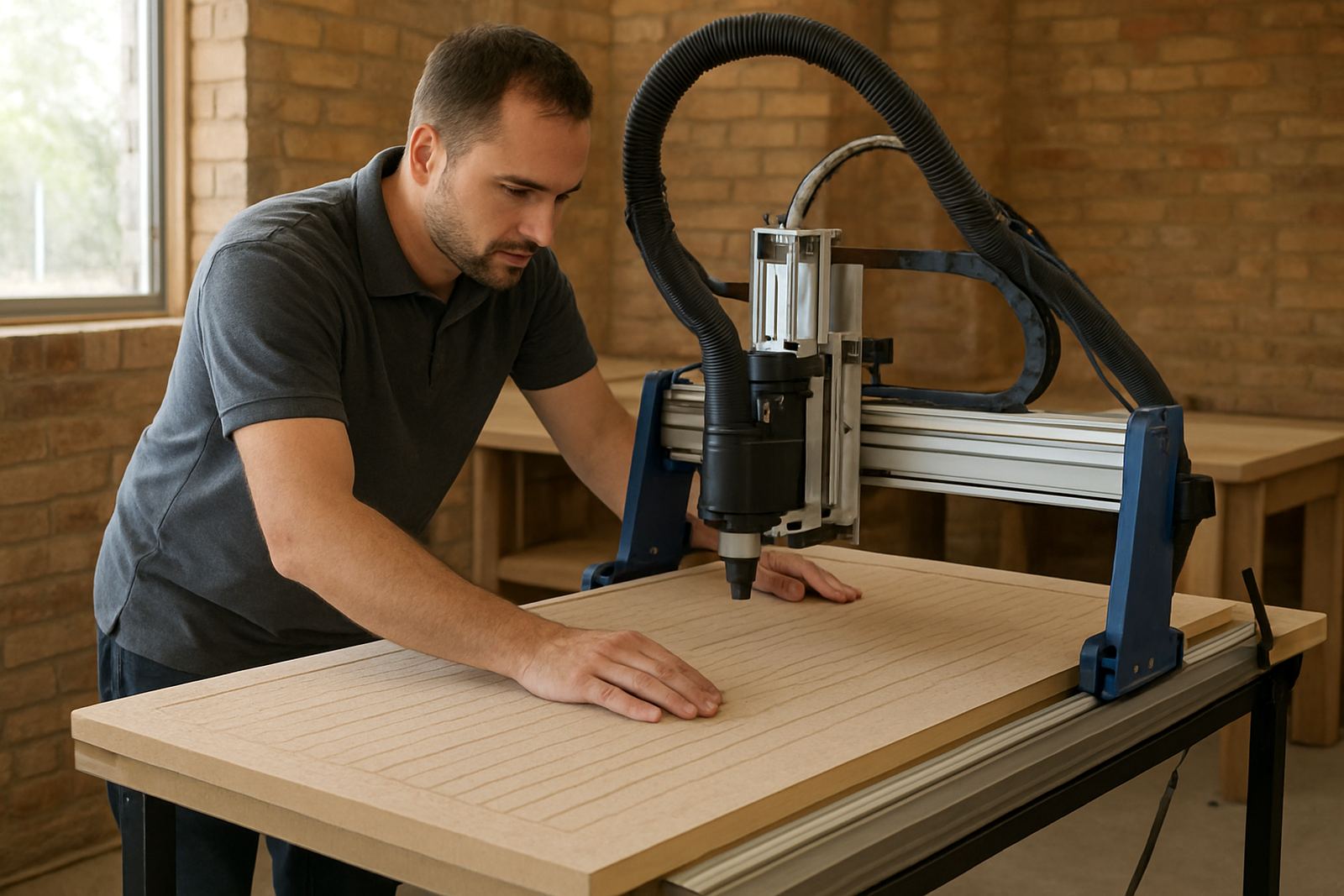
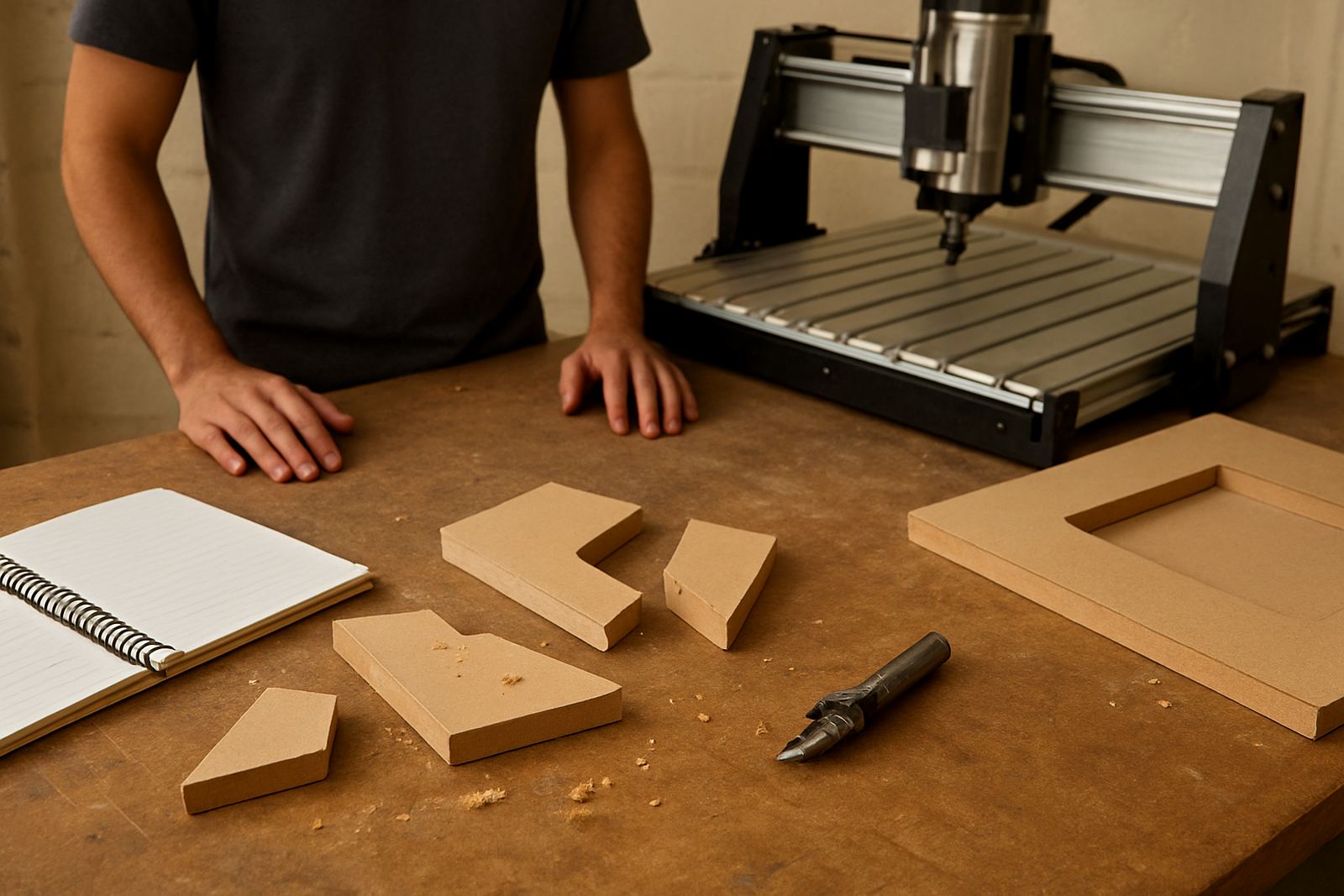
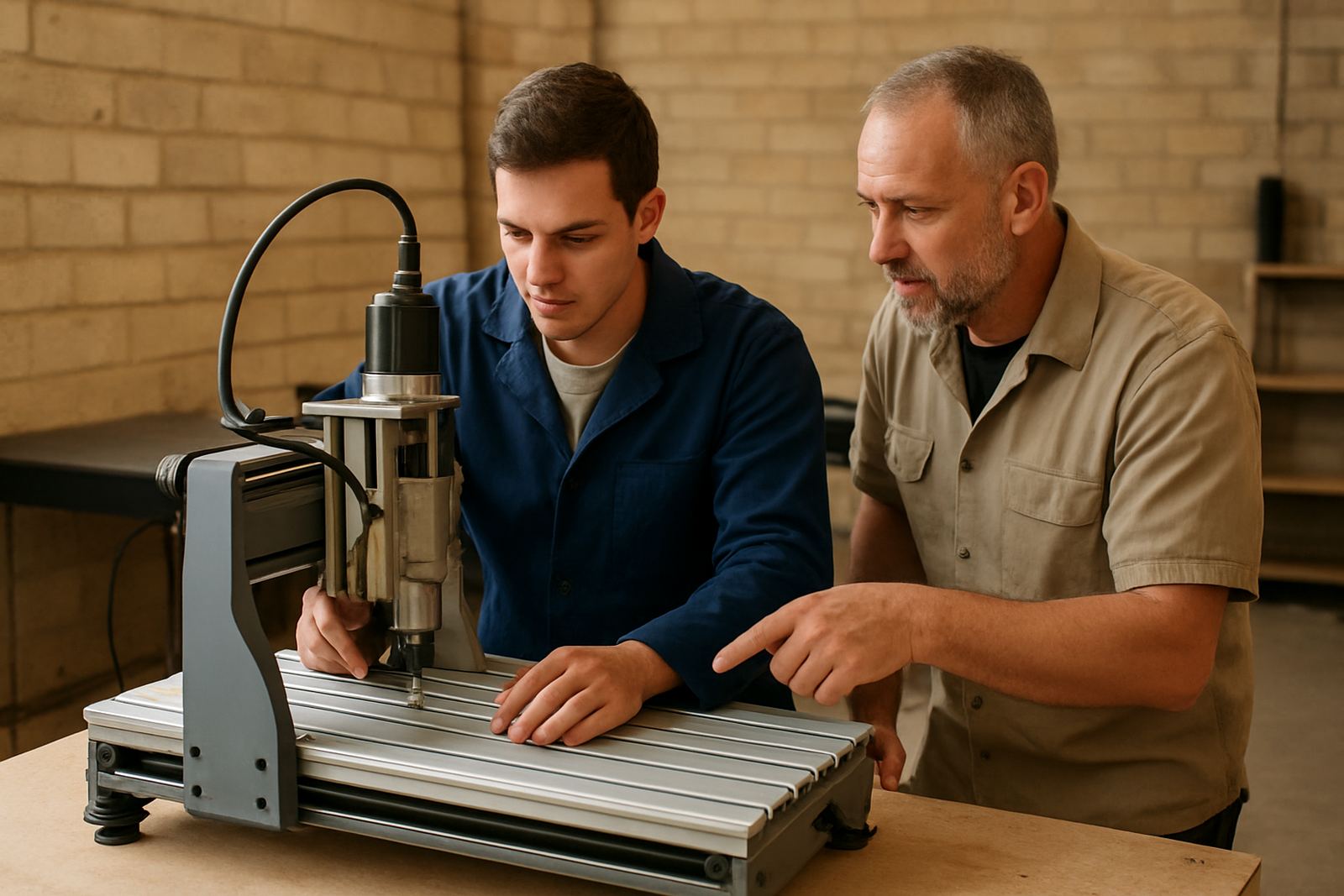
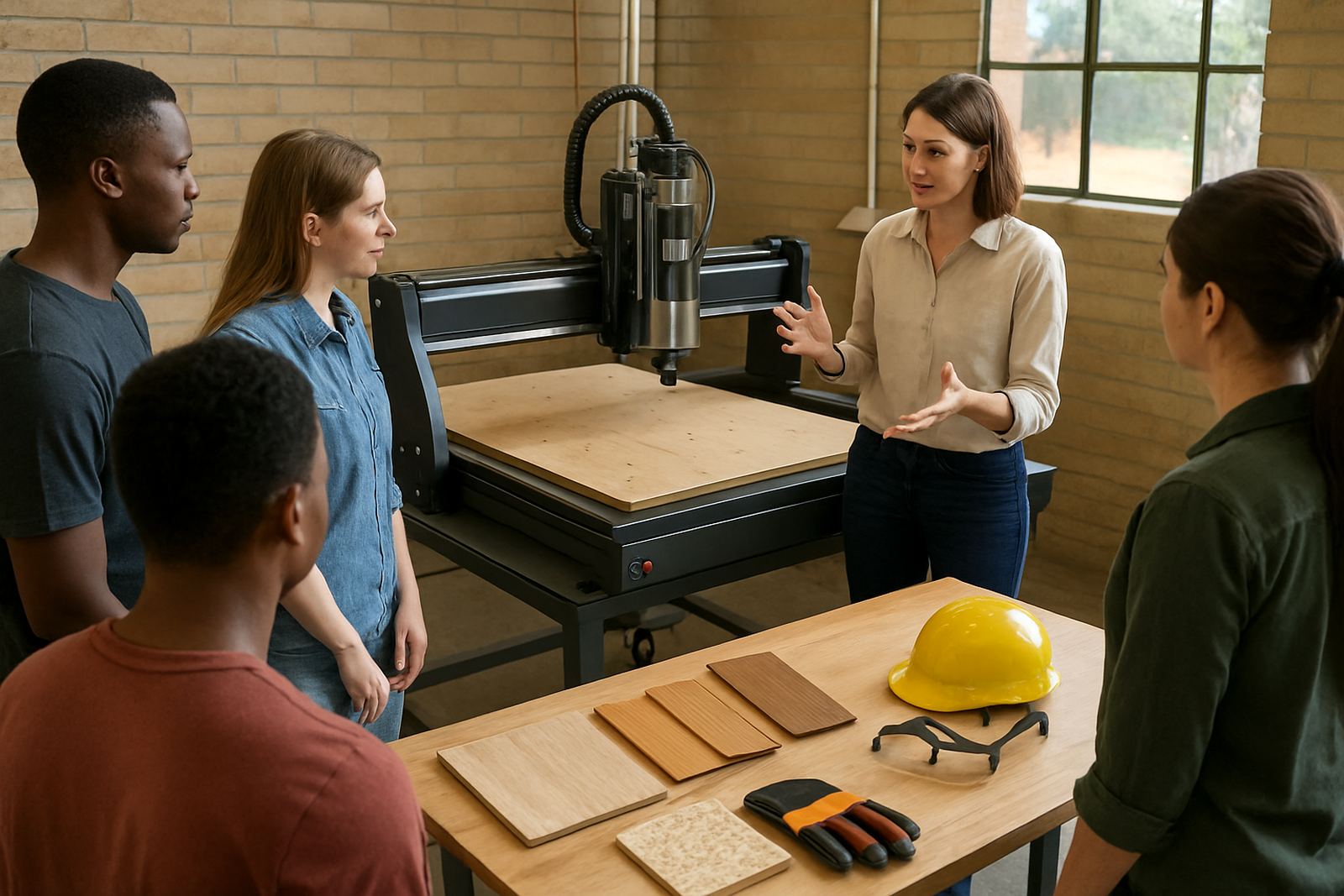
A good machine still needs proper operators. Many problems come from rushed setup, poor tool selection or file mistakes that could have been avoided with basic training. For smaller workshops in Midrand, Silverton or Pretoria East, a starter setup visit and operator training can speed up the first month of use and reduce wasted material.
Training should cover software basics, homing, zero setting, safe clamping and what to do when a cut looks wrong. Refresher sessions are also useful when staff change or when a workshop adds a new material. A trained operator usually cuts cleaner, works faster and wastes less board.
- Operator training for new staff on compact CNC router tables
- Software basics for file handling and job setup
- Refresher training for busy teams that need a reset
Maintenance, spares and support planning
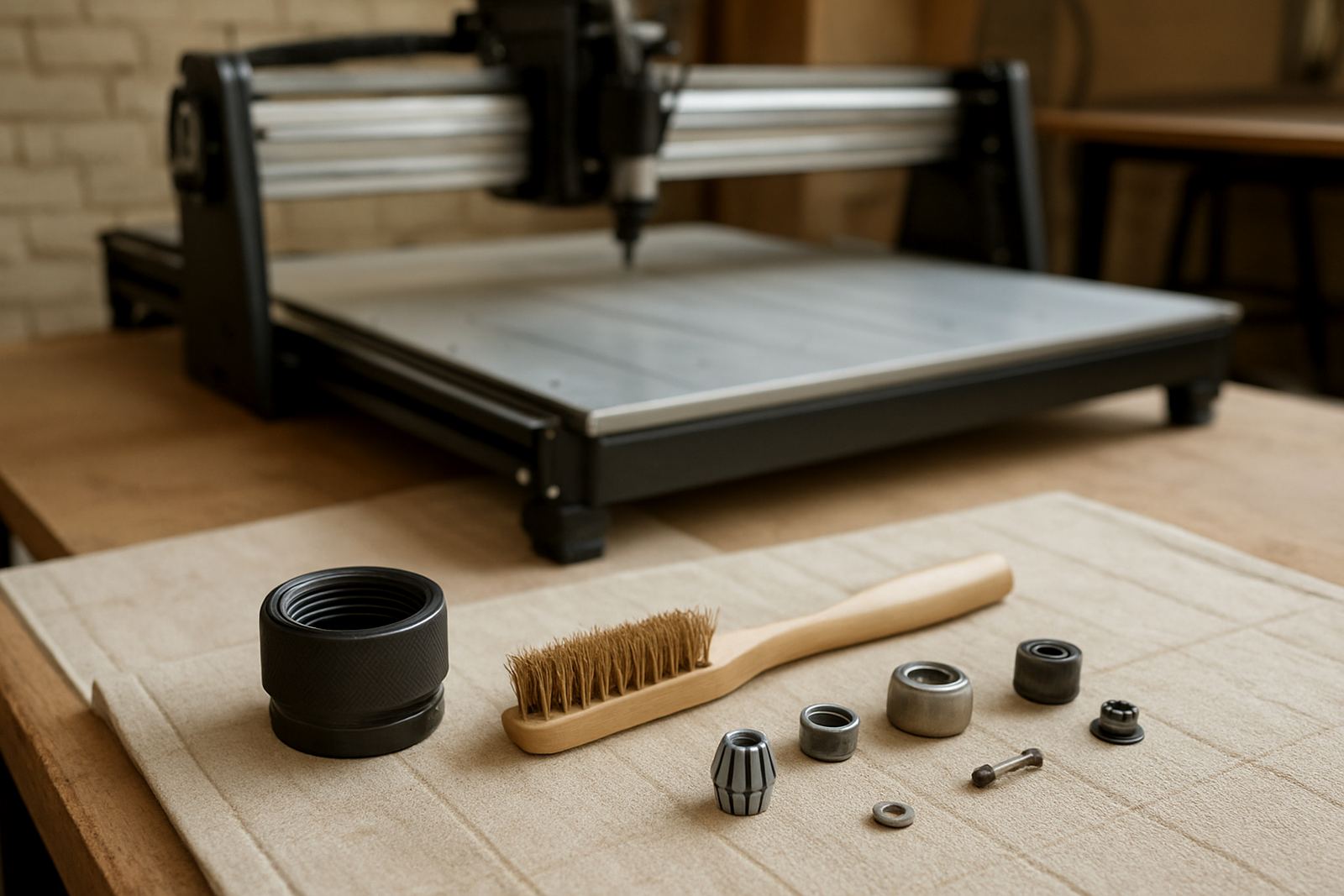
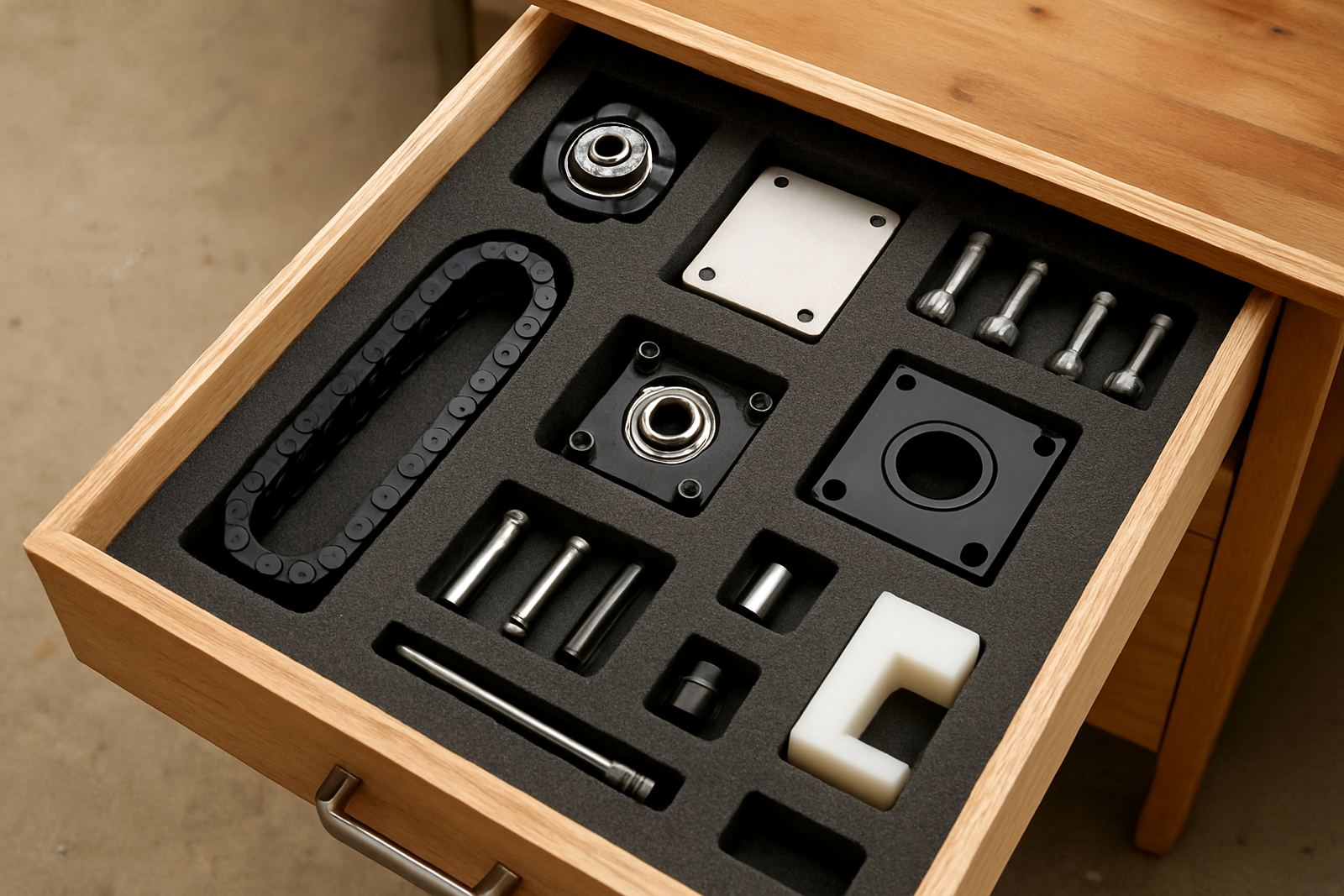
Most workshop delays are not dramatic failures, they are small wear issues that were ignored too long. Keep a plan for cutters, collets, belts, bearings, sensors and other common wear items so you are not waiting for a part while orders pile up. If your work is production based, preventive maintenance should be scheduled around your busy weeks, not after a breakdown has already stopped the shop.
Where possible, keep the machine clean, dry and checked by someone who knows the control system. If a spindle starts sounding different or a cut begins to wander, get it looked at early. That approach is cheaper than running until something major fails, and it is especially useful when you serve customers with fixed delivery dates.
Business-minded tips for better workshop output
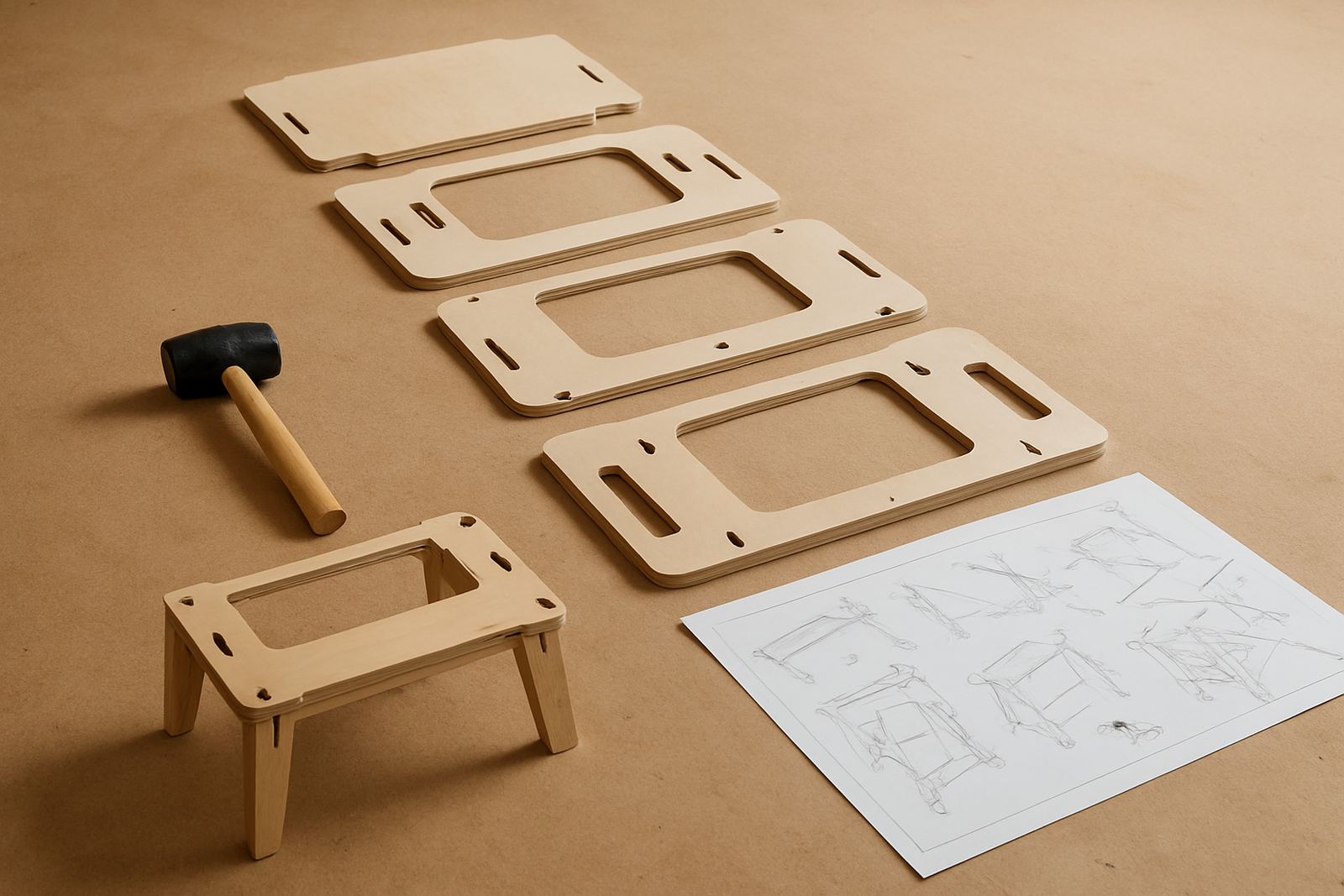
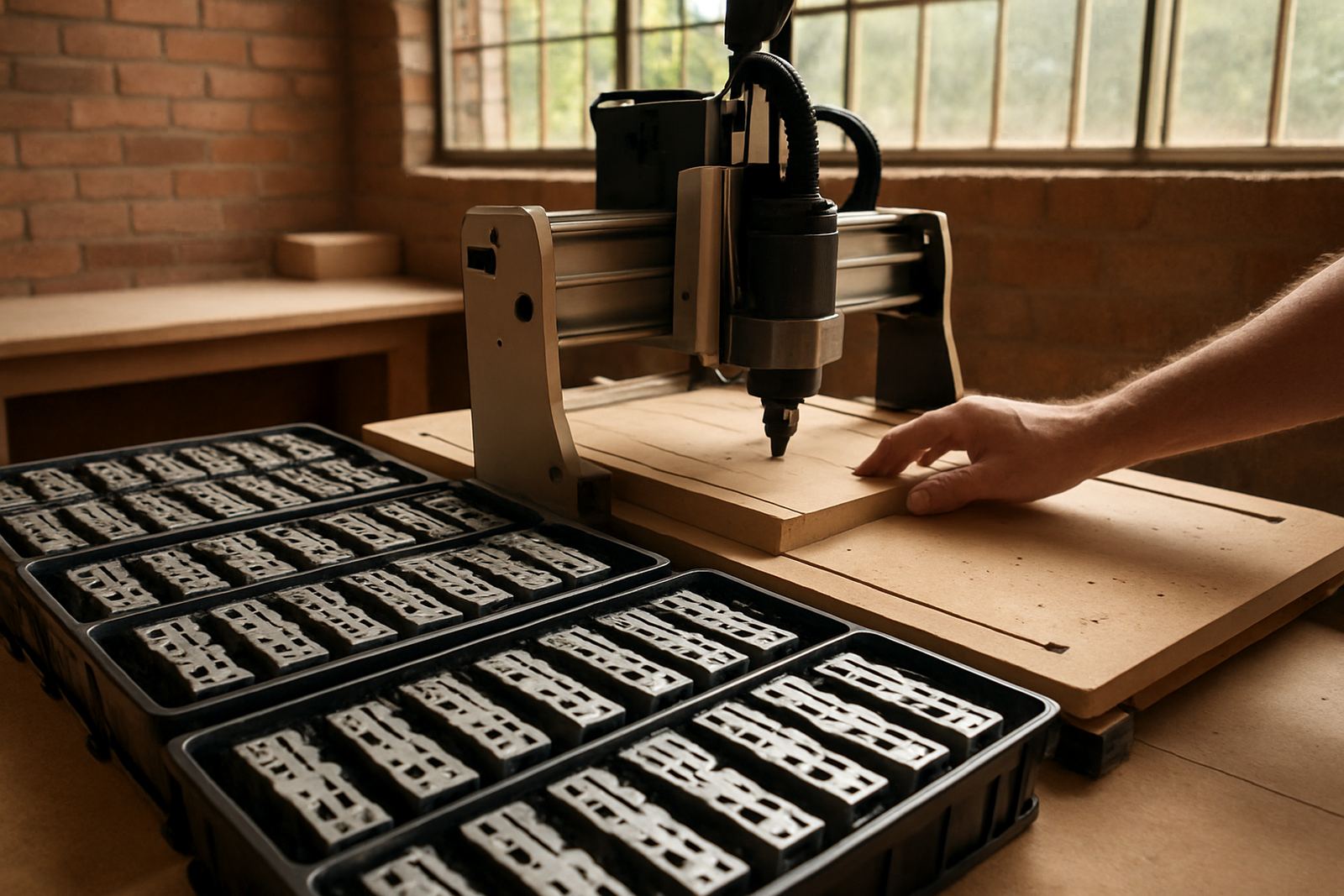
Good CNC work is not only about the cut, it is about how the job moves through the shop. Standardise board sizes, keep naming simple and batch similar parts together. This cuts changeover time and makes pricing easier because you can see where the real labour goes. For shops selling to cabinet makers, schools or fitment clients, that sort of order makes quotes more accurate.
Tracking scrap, re-cuts and tool life gives you a clearer picture of production costs. Once you know which materials take the longest and which jobs create the most waste, you can plan pricing more carefully and avoid thin margins.
Find the right note for your next job
Shop Notes is a practical hub for choosing, running and maintaining CNC routers in South Africa. Use the topics to compare machines, plan spares, and keep output steady whether you are working from Silverton, Centurion, Midrand or further afield. If you need help with training, support or spare parts, reach out to the team in Pretoria and we will point you in the right direction.
Send a message through our contact form for training, service or spares planning.