
Start by sorting offcuts before they pile up
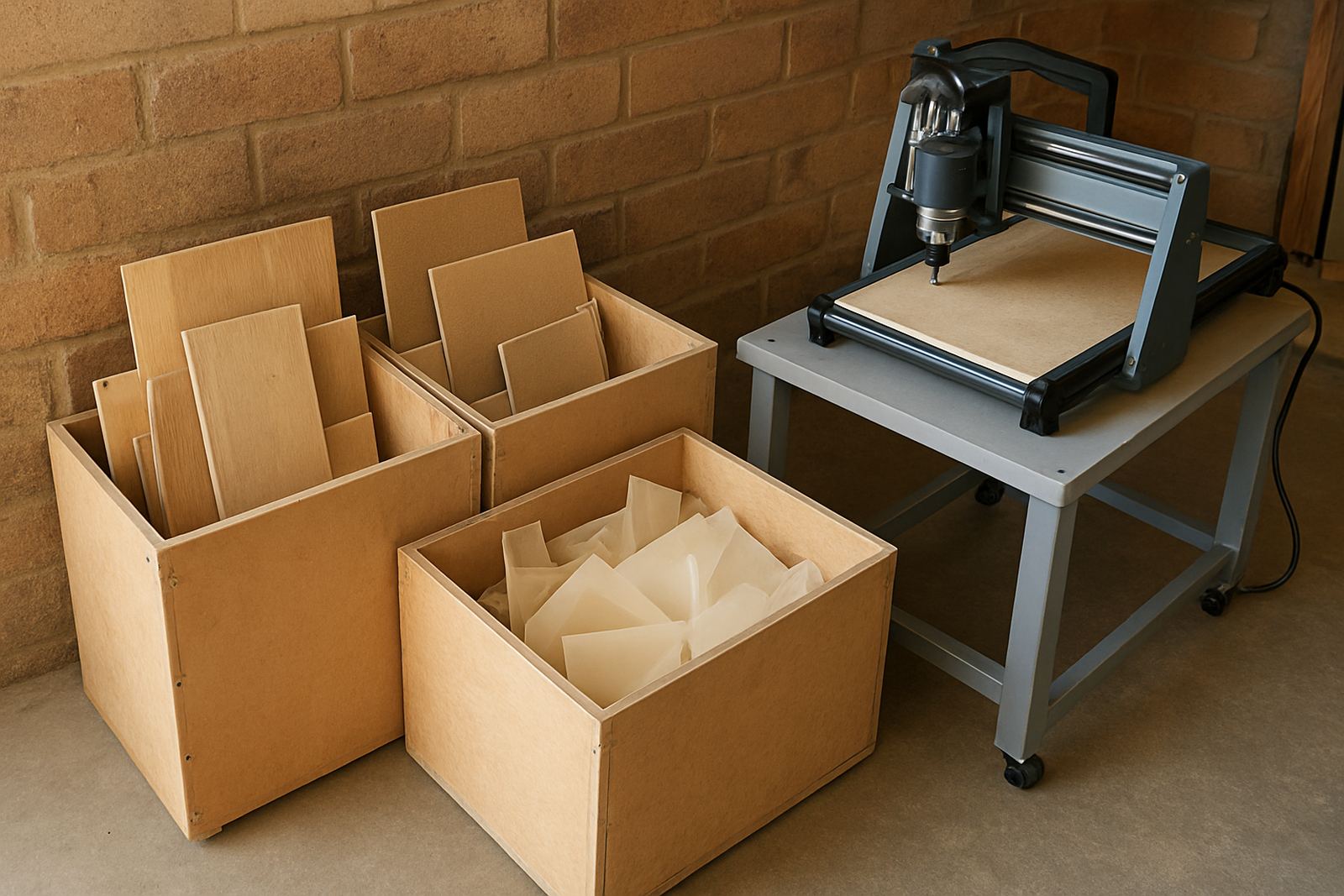
When a sheet comes off the CNC, the first habit that helps is simple sorting. Keep MDF, solid wood, plywood and plastics in separate stacks, then break those stacks down by usable size. In a busy Silverton workshop, it is easy for small pieces to get pushed into a corner and forgotten, but a neat offcut area saves time later and avoids cutting fresh material for a job that could have used what is already on hand.
Label the stacks with approximate sizes such as 300 x 300 mm, 600 x 400 mm and long narrow strips. That makes it quicker to choose the right piece for a template, a machine test, or a sample for a client. It also helps with stock control, which matters when material prices keep moving and every Rand has to work harder.
Use small pieces for samples that close the sale
Offcuts are ideal for showing finish, profile and edge quality. A client may understand a drawing, but they often decide faster when they can feel a routed groove or see a clean pocket on a real piece. For cabinet makers, sign shops and hobby users, this is a practical way to prove what the machine can do without wasting full boards.
Good sample pieces should show the sort of work you actually sell. If you do lettering, make a small name panel. If you cut panels, make a corner sample with a rebate and drilled fixing holes. Keep the finish consistent so the customer sees the same standard they will get on a full order. A sample area near the machine also makes it easier to explain feed rate, tool choice and cut depth without a long story.
- Make a sample board for each common material you cut
- Include labelled notes for tool size, spindle speed and pass depth
- Keep the samples clean so clients can see the edges clearly
Turn test cuts into setup checks that save time
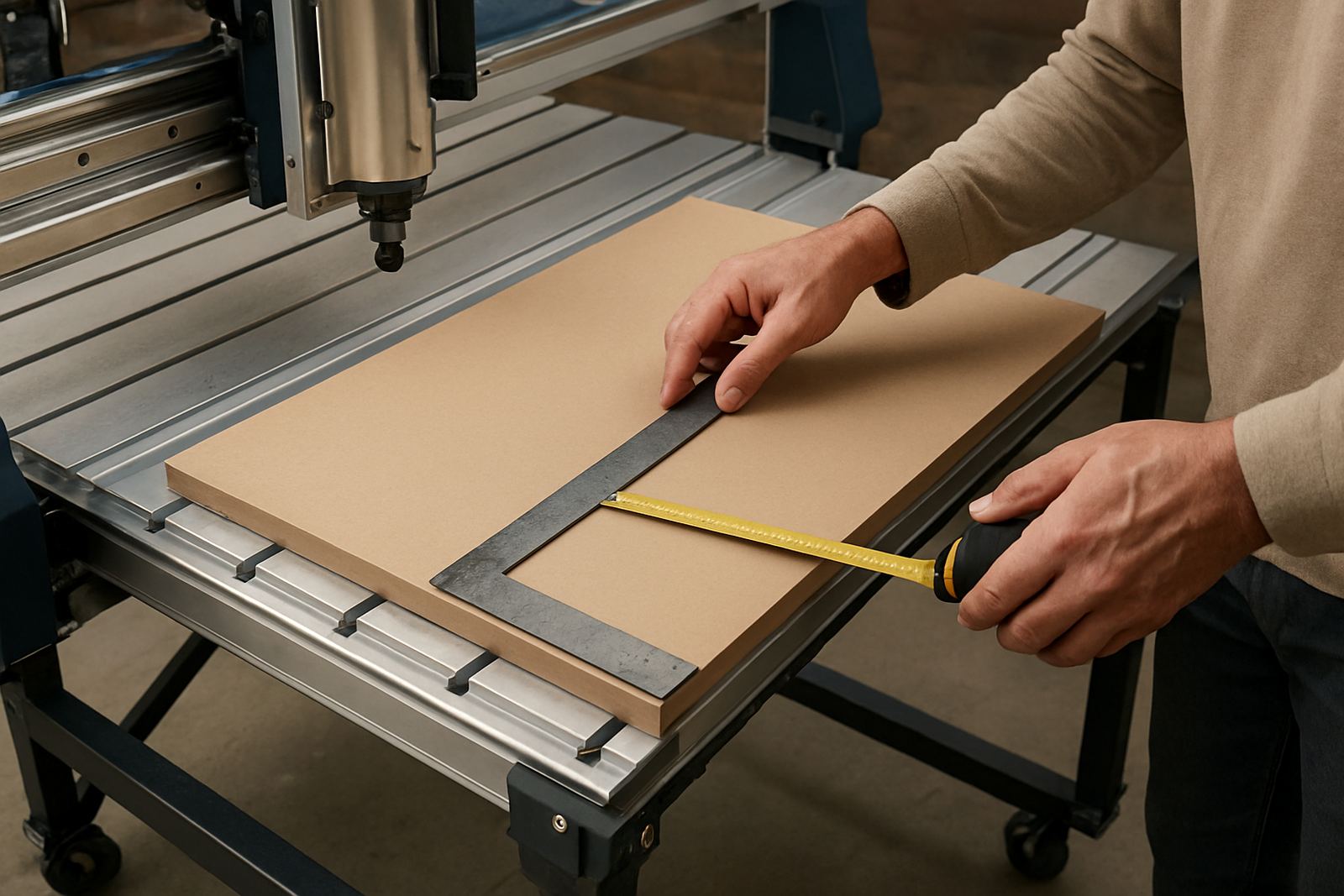
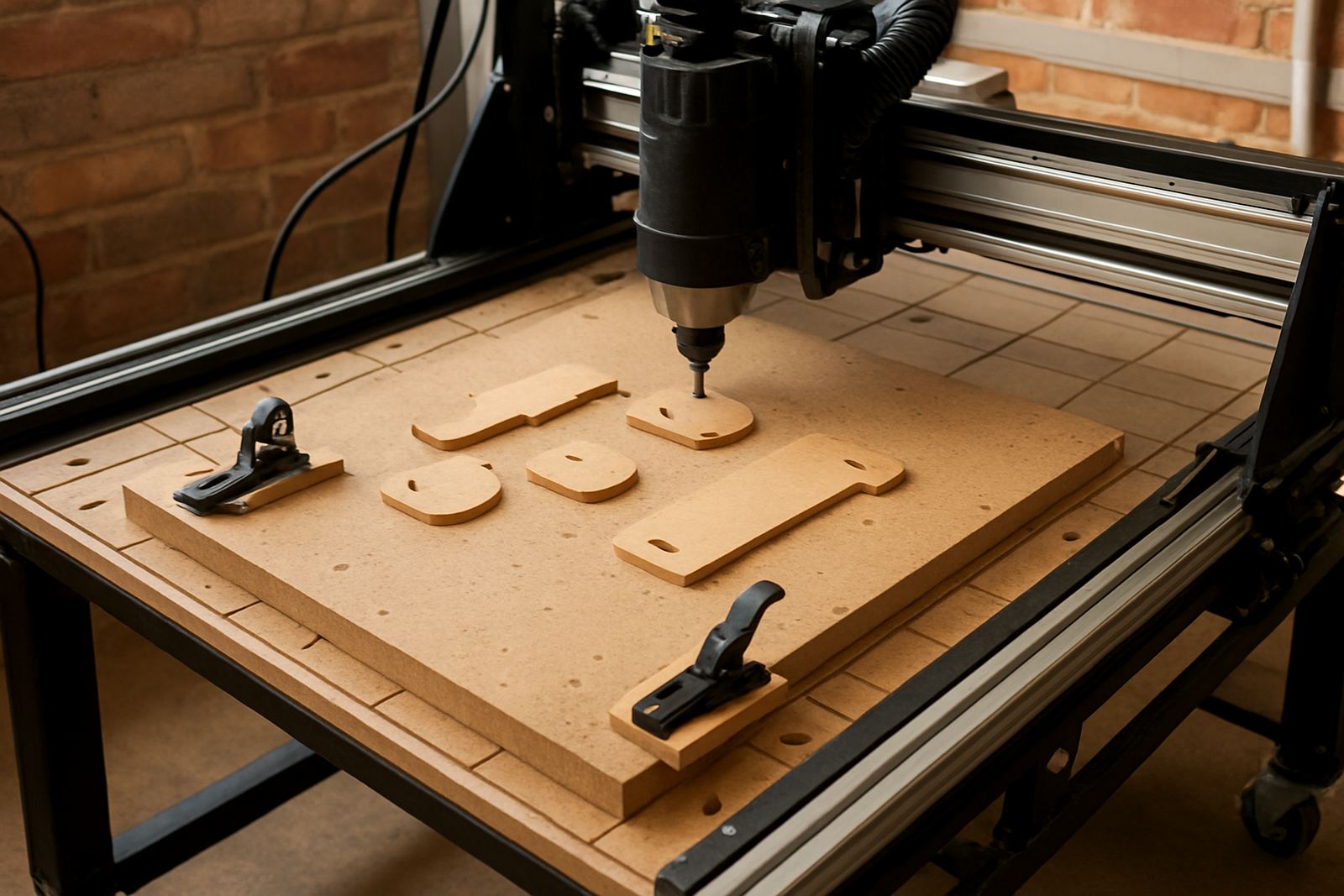
Before starting a new job, use offcuts to check the program, toolpath and clamping. A test cut on a spare piece can show if the origin is set correctly, if the cutter is too aggressive, or if the material is lifting during machining. This is especially useful after a power interruption, which many South African workshops know well during load-shedding or a sudden trip at the board.
Testing on a proper offcut is better than learning on a full sheet. It can stop mistakes before they become expensive scrap. On MDF and plastics, it also helps you spot heat build-up early. If the cut edge starts to burn or melt, the issue can often be corrected with a smaller step-down, a different tool, or cleaner dust extraction.
- Check zero position before the final run
- Confirm the clamp layout does not block the cutter path
- Use the test piece to verify lettering depth and hole sizing
Make jigs and fixtures that improve repeat jobs
Many offcuts are the right size for jigs, stops and drilling guides. A flat piece of MDF can become a repeatable locating jig for round components. A strip of plywood can become a fence extension or a drilling guide for a batch of identical parts. These items do not need to be fancy, they just need to be accurate and durable enough for daily use.
For smaller workshops in Pretoria East or Centurion, this is one of the best ways to stretch material. A jig made from offcut stock can speed up production on the next ten jobs, which means the material has paid for itself more than once. Keep a marked bin for jigs that are still in service and a second bin for pieces that are only good as test stock.
Build lower-cost products from material that is already paid for
Offcuts can also support a lower-cost product line. Think of small wall signs, key holders, cable clips, packaging inserts, menu blocks or custom labels. These items use less material and can be sold at a price point that suits impulse purchases, add-on sales or small orders from schools and local businesses.
This works well when the cut pattern is planned around the leftover shape. Long strips can become edging pieces or name strips. Smaller squares can become sample tags. Curved remnants can sometimes be nested into decorative items or layered products. The idea is not to force every scrap into a product, but to recognise which pieces have enough size and quality to make money again.
- Match the product to the shape of the offcut
- Keep the design simple so setup time stays low
- Price the item with labour and finishing in mind, not just the material
Plan the stack so humidity and damage do not spoil it
Offcuts lose value when they bow, chip or absorb moisture. In coastal areas the humidity can swell MDF and affect the fit of small parts, while rough handling in a busy yard can split edges or scratch finished faces. Stack the material flat, keep it off the floor, and cover it if dust or damp air is a problem. In Pretoria, a dry store room is usually enough, but even there it helps to keep the pile out of direct sun and away from water lines.
If you keep plastics, separate them from dusty wood waste because grit scratches quickly and can ruin a clean finish. Good storage turns offcuts into inventory instead of rubbish. That means the next time a job comes in on short notice, you already have useful material within reach.
A simple offcut system that works in a real workshop
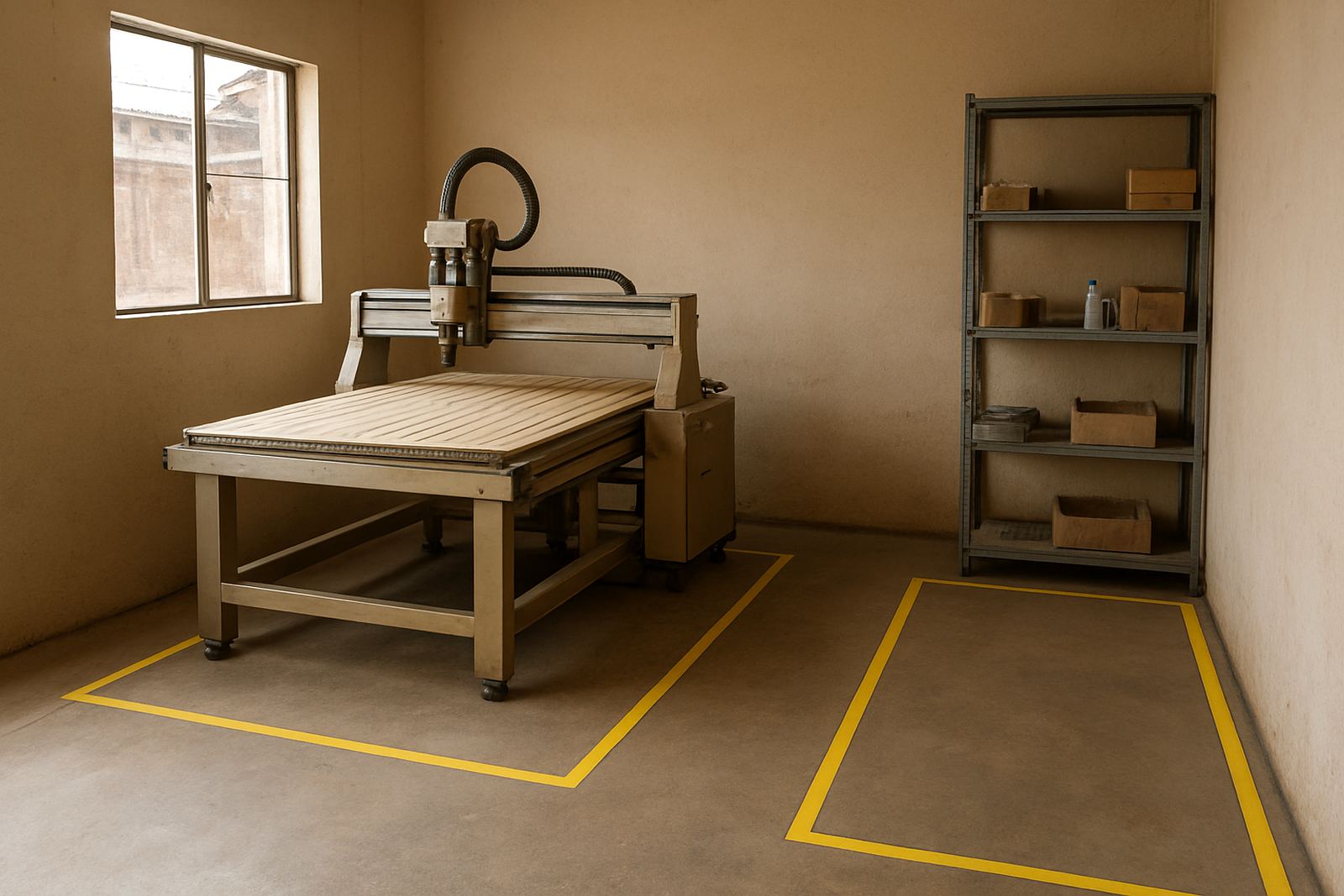
A practical system does not need a lot of equipment. Start with three marked zones: keep, test and scrap. Move good pieces into keep, use damaged ones for setup checks, and send the rest to waste. Review the keep pile once a month so it does not become a second storeroom full of forgotten material. If your team follows the same method, everyone knows where to find a sample board or a jig blank when the machine is ready to run.
For workshops that run CNC router tables in Silverton, Midrand, Kempton Park and beyond, this habit can cut waste and improve turnaround. It also supports better planning for spares and training, because operators begin to see the machine as a production tool rather than just a cutting unit. Once that shift happens, offcuts stop looking like leftovers and start looking like part of the process.