

Why a closing routine matters on a CNC router table
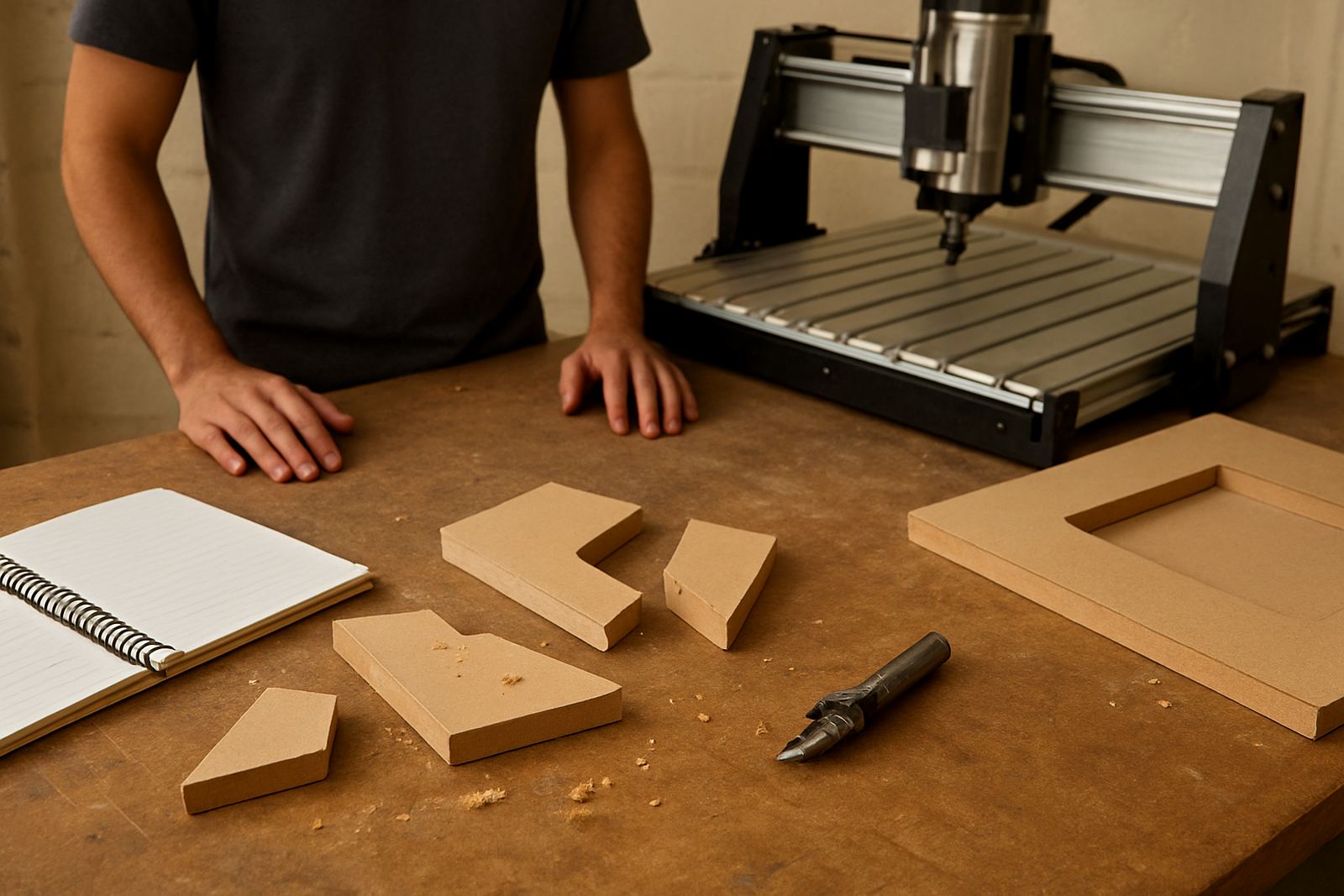
Wood dust, MDF powder and plastic chips do more than make a mess. They settle on linear rails, sit in the spoilboard grooves, and collect around limit switches, cable chains and bearings. If that residue stays overnight, it can draw in moisture, especially in humid coastal areas or in workshops where the doors stay open. The result is usually heavier gantry movement, noisy travel and a higher chance of a rough first cut.
For smaller shops in Silverton or Centurion, end-day cleaning is often the difference between a machine that starts cleanly and one that needs a quick reset before work can begin. It is not about polishing every surface. It is about removing the fine waste that causes wear, false readings and avoidable downtime.
A practical 10-minute end-of-day routine
Keep the routine simple so it gets done every day, even when a job runs late. The aim is to remove loose waste, check for build-up in the places that matter, and leave the machine ready for the next operator. A small handheld vacuum, a soft brush, a dry cloth and compressed air used carefully are usually enough for most hobby and light production routers.
- Switch off the machine and isolate power before cleaning near moving parts.
- Vacuum spoilboard grooves, T-slots and the bed edges.
- Brush loose dust off rails, bearing blocks and drive areas.
- Wipe the exposed rails with a clean dry cloth if needed.
- Check that chip guards, drag chains and cable runs are clear.
- Empty the vacuum canister or bag before it fills too far.
On a busy day in Pretoria East, this routine can be done while the operator logs the day’s work and checks the next file. It keeps the job practical rather than turning it into a long maintenance task.
What to clean first and what to leave alone
Not every surface on a CNC router should be treated the same way. Some parts need only a light wipe, while others should never be soaked or sprayed. The main rule is to keep liquids away from electronics, control boxes and sensors unless the maker has given specific cleaning instructions.
Start with the areas that collect the most debris: the bed, spoilboard, rail tops, gantry ends and the area around the spindle mount. If your router cuts MDF every day, fine powder will also gather under the table and behind access panels. That hidden build-up can be just as troublesome as the dust you can see.
- Use a vacuum for loose waste before wiping anything down.
- Do not blow dust deeper into bearings or electronics with strong air pressure.
- Avoid oily products on parts that must stay dry for accurate movement.
- Leave spindle internals and motor housings for proper servicing, not quick cleaning.
If a part looks dirty because it is coated in resin, pitch or plastic residue, note it for a proper service visit instead of forcing it off at closing time. A rushed clean can do more harm than good.
How South African conditions change the job
Workshops around South Africa face different conditions. In Gauteng, dust and dry air can build up quickly on moving parts. Near the coast, moisture can make fine dust cling to metal more strongly and lead to surface staining if a machine is left dirty overnight. During load-shedding, some workshops also open and close doors more often, which brings in extra grit from outside.
That is why the end-day routine should be practical for the site where the machine stands. In Midrand or Kempton Park, you may need to clear the rails more often if timber is cut all day. In a small garage workshop, the main concern may be keeping chips out of the control area where they can settle around switches and cables. A short checklist works better than a once-off deep clean that only happens when a fault appears.
If the router sits near a spray area, sanding station or open yard, include an extra check for airborne dust on top surfaces and around the spindle cooling vents. These places often get missed because they do not look critical at first glance.
A Silverton workshop example: less noise, smoother starts
In a Silverton workshop cutting MDF panels for cabinet components, the operator noticed the machine was starting to sound rougher each morning. The rails were not damaged, but fine dust had been settling beside the bearing blocks and around the spoilboard edges. After changing the closing routine, the team spent a few minutes vacuuming, wiping the exposed rails and checking the waste area before locking up.
Within a week, the first movement of the day was quieter and the machine needed less hand checking before running the first program. Nothing dramatic changed. The difference came from repeatable cleaning and a bit of discipline at closing time. That is often how good workshop habits work: small actions done every day, not a big fix after things already start slipping.
For smaller operators, this is useful because it protects time. A cleaner start-up means less wasted material, fewer stopped jobs and fewer calls for breakdown support that could have been avoided.
End-day checks that protect tomorrow's work
Cleaning is only part of the closing routine. A quick visual check while the machine is still fresh can help catch issues before they interrupt the next shift. Look for unusual dust patterns, loose fixings, damaged cable sleeves and chips lodged where they should not be. If a spindle or drive sounds different, note it straight away so it can be checked properly.
- Confirm the tool is removed and stored safely.
- Check the vacuum line, dust shoe and clamps for blockage or wear.
- Inspect the spoilboard for deep grooves or lifted edges.
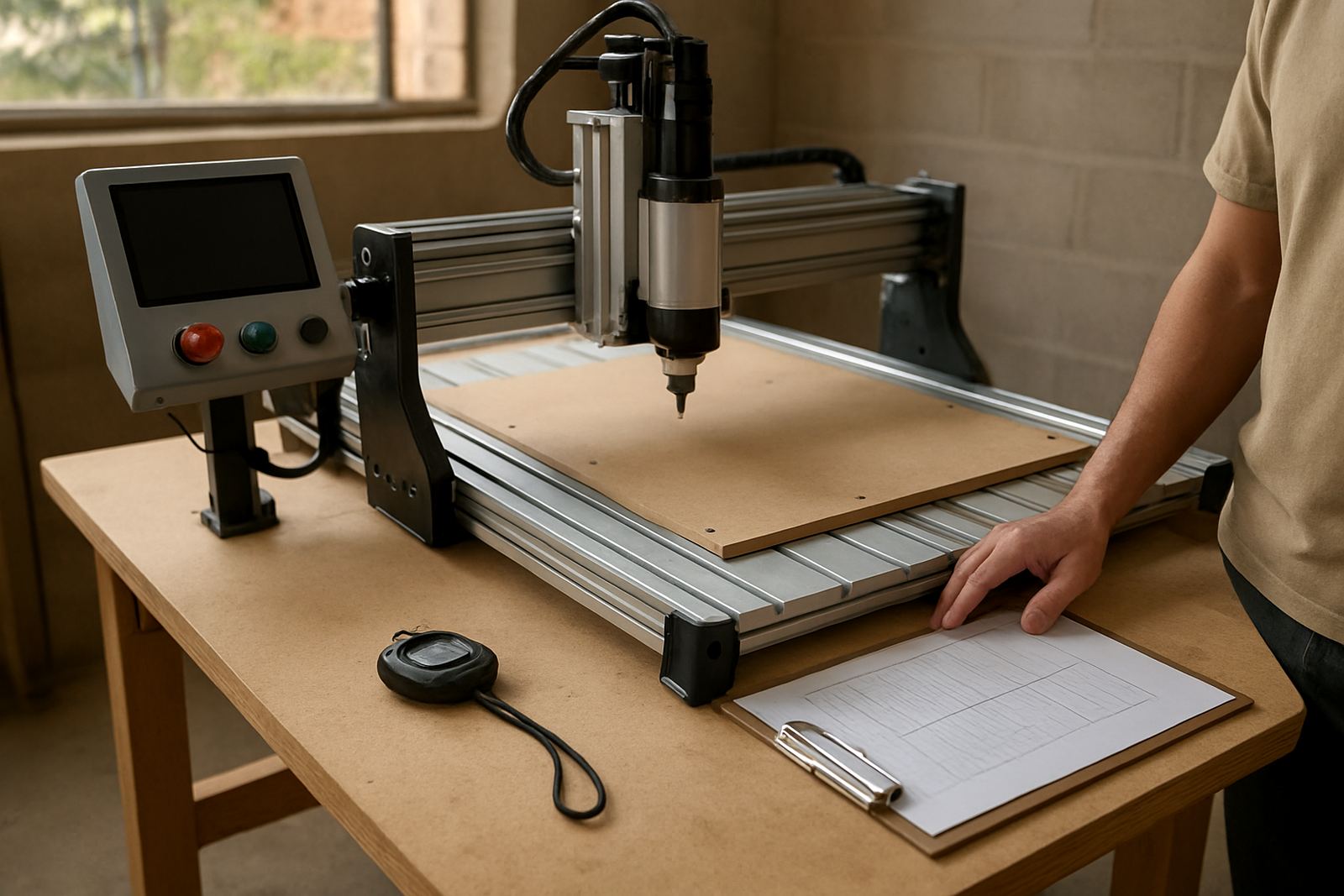
- Make sure the emergency stop and control panel are clear of dust.
- Record any odd movement, noise or fault message before leaving.
End-Day Cleaning helps with preventive maintenance and spares planning. When a technician arrives, the issue can be traced faster because the symptoms were written down while they were still fresh.
Make the routine part of training, not an extra chore
Good cleaning habits are easier to keep when they are built into operator training from the start. New users should know which parts can be wiped, which areas must stay dry, and what should be reported rather than fixed on the spot. That way the closing routine is not seen as an extra job. It becomes part of safe machine care.
For hobby routers and smaller production tables, this matters just as much as for larger systems. If the machine is used in a home workshop in Centurion or a small business in Pretoria East, one missed cleaning session can still lead to sticky travel or poor first cuts the next morning. A short end-day routine is simple, but it pays off every time the machine is switched on again.
The aim is steady, clean running with fewer surprises. Ten minutes at the end of the day is usually enough to make tomorrow easier.