Why HDPE Behaves Differently From Wood
HDPE looks simple on the bench, but it cuts very differently from MDF or plywood. The material does not break into fine dust, it tends to soften if the cutter rubs too long, and that is what leaves furry edges, melted corners, or slots that close back in on themselves.
For smaller workshops in Silverton, Centurion or Midrand, the first mistake is often treating HDPE like a softer timber. A wood setting that works for a sign panel can be too slow for plastic. Once heat builds up, the edge finish gets worse very quickly and the sheet can start to move on the table if it is not held properly.
Good routing starts with understanding that HDPE wants a clean bite and a clear path for chips. If the cutter has nowhere to move the swarf, it will re-cut the chips and make the cut hot. That is when the job starts looking untidy even if the machine itself is accurate.
Chip Clearance Is What Keeps The Edge Clean
When HDPE is routed neatly, the chips leave the cut fast. That is why chip clearance matters as much as spindle speed or feed rate. A clean flute space helps the cutter move material away instead of packing it into the groove.
Practical signs that chip clearance is poor include stringy edges, a glossy melted line, or slots that come out narrower than expected. In a busy workshop, this can also show up as extra time spent cleaning up parts by hand, which is never ideal when you are running short jobs between other work.
- Use a cutter style that lifts chips out of the kerf instead of pressing them back in.
- Keep dust extraction or air assist working where possible, even on smaller machines.
- Do test passes on offcuts before cutting a full sheet.
- Check that the cutter is sharp, because worn edges generate heat fast.
If you are cutting near deadline, especially during load-shedding recovery periods, a well-cleared cut saves time because there is less finishing afterwards. That matters when your power comes back and you want the machine back in production quickly.
Choosing A Cutter For HDPE Sheets And Profiles
The right cutter makes a big difference to the finish on HDPE. A tool that is too aggressive can chatter, while one that is too blunt or too small may rub instead of cutting. For straight slots, pockets, and edge trims, you want a cutter that keeps moving chips upward and out.
For many Pretoria workshops handling 6 mm, 10 mm, 16 mm or 20 mm HDPE, the cleanest results usually come from a sharp cutter matched to the thickness and the machine setup. On smaller hobby routers, the cut should be light enough that the spindle is not labouring, but not so light that it is only polishing the surface.
- For thin sheet, focus on a clean entry and exit to avoid burrs.
- For deeper slots, use more than one pass so the cutter is not buried too deeply.
- For routed letters or parts, leave enough tab support so the piece does not shift at the last moment.
- For repeated work, keep one cutter for plastics only and check it often.
Cutters that work well on wood do not always give the same finish on HDPE, so it pays to keep a set aside for plastic jobs. That small habit can save a lot of rework later on.
Feeds, Speeds And Depths That Make Sense
There is no single setting that suits every router, but the aim is always the same: cut the material cleanly without heat build-up. If the tool is moving too slowly, it rubs. If it is moving too fast for the machine or the holding method, the part can lift or shift.
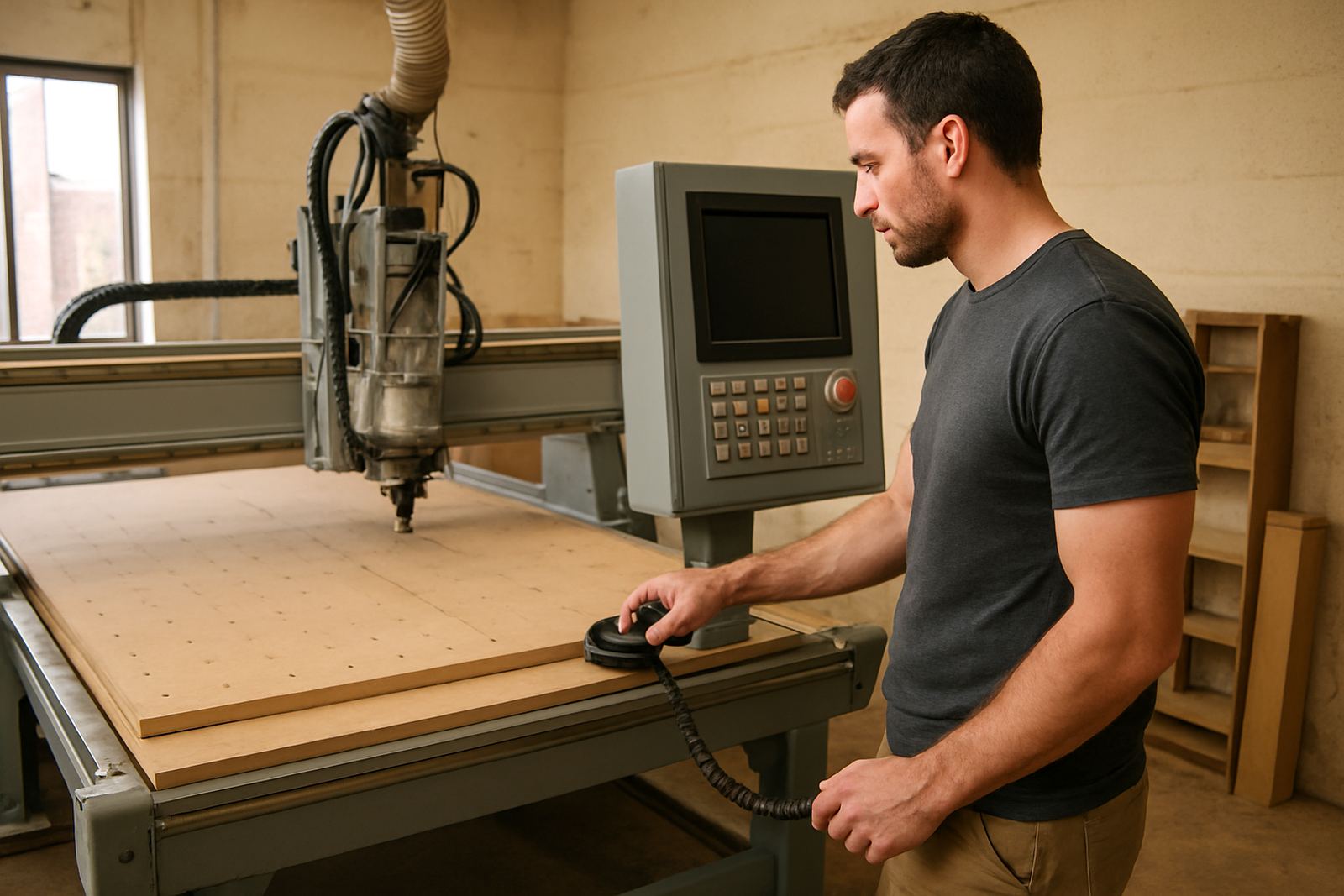
A sensible approach is to start with shallow passes and adjust from there. On hobby routers, this often means less drama, less spindle strain, and a better finish. On larger tables, it means the operator can keep the cut stable while still getting through the job in reasonable time.
In practice, we often see HDPE edge quality improve when the operator reduces the depth per pass and checks the chip shape. The chips should come off as small pieces, not long melted strands. If they look stringy, the setup needs attention.
For a workshop in Pretoria East making signage blanks or machine covers, it is usually better to spend an extra few minutes on setup than to spend an hour sanding and trimming every part afterwards. The machine does not need to race, it just needs to cut properly.
Holding The Sheet Properly In A Small Workshop
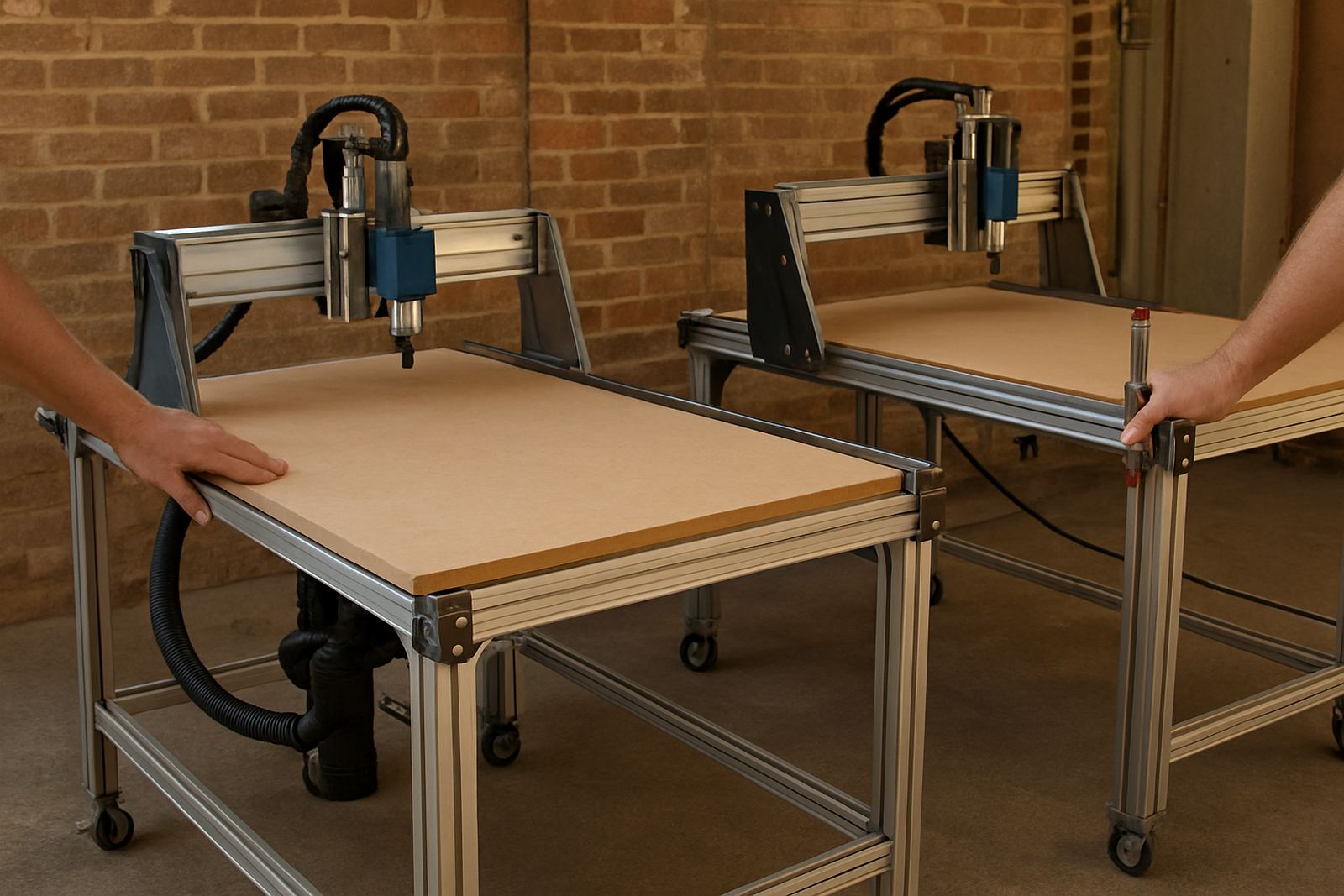
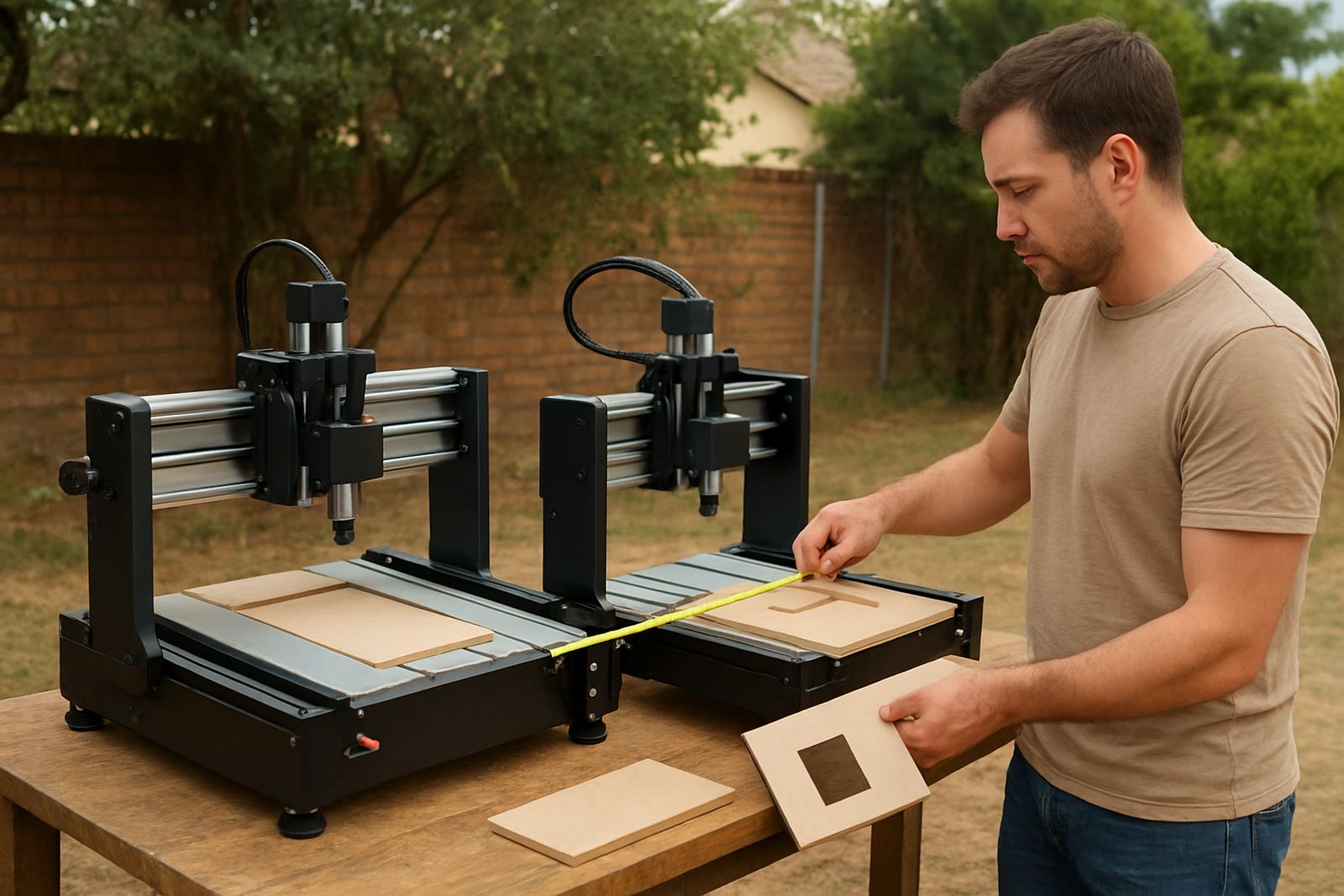
HDPE can move under the cutter if it is not secured properly. Unlike timber, it can flex and spring slightly, which affects slot width and pocket depth. This becomes more noticeable on smaller desktop routers where the table area is limited and the sheet may not sit flat everywhere.
Vacuum hold-down works well where available, but many workshops use practical combinations of clamps, spoilboard fixing, and careful toolpaths. The main thing is to keep the material flat and stop vibration. A lifted corner can ruin a neat edge in seconds.
- Use a flat spoilboard and check it for wear before starting production.
- Position clamps away from the cutter path and away from areas that may flex.
- Keep the sheet clean underneath so offcuts do not create high spots.
- Allow for thermal movement on larger pieces, especially in warm shops.
In coastal humidity the material may not absorb moisture like wood, but the workshop environment still affects static, dust, and how well the part lies on the bed. A tidy table and stable fixing method go a long way.
A Pretoria Example: Small Batch Parts With Less Rework
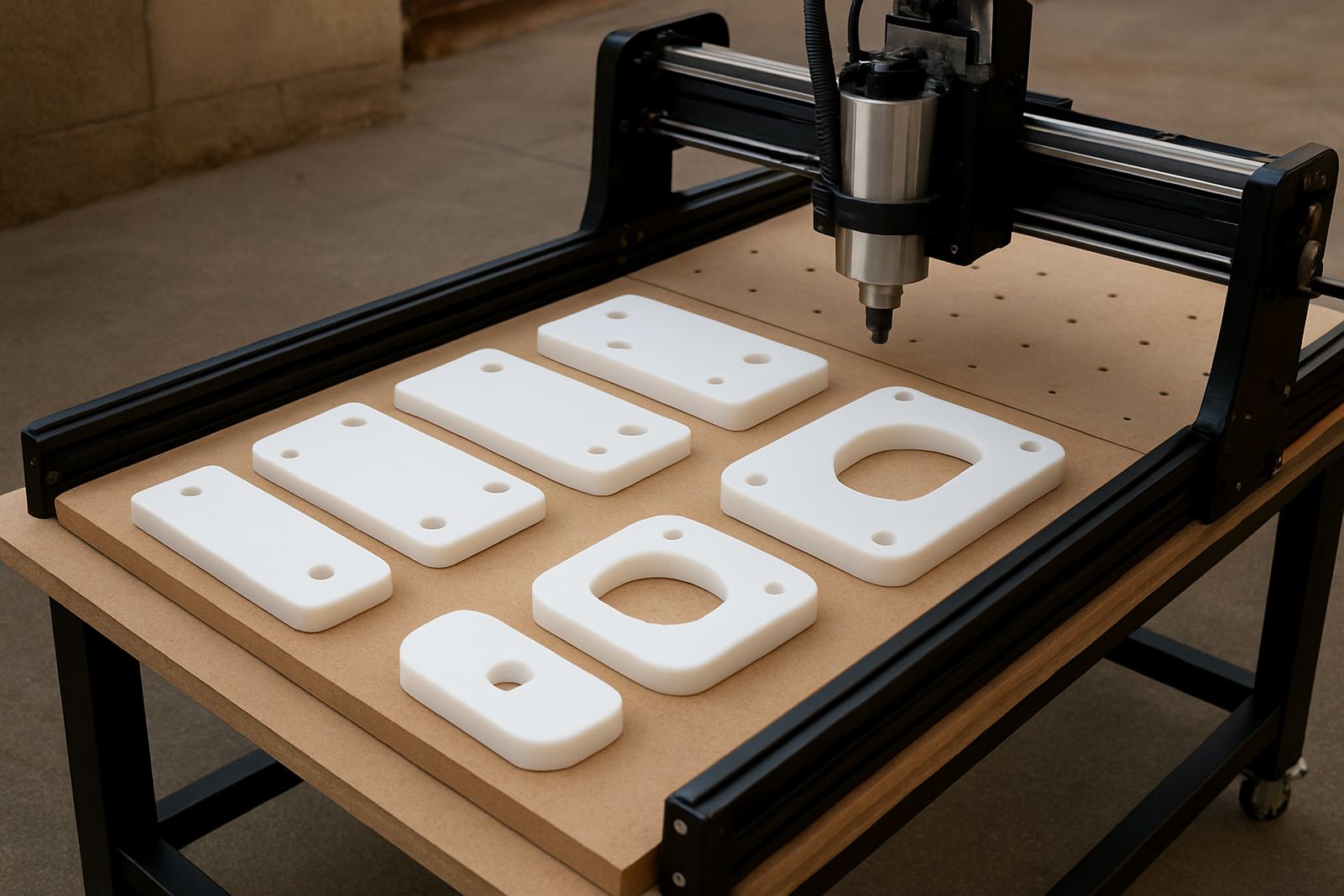
A common local job is a small batch of HDPE spacer plates, pump covers, or workshop guards for a client in Pretoria East or Centurion. These jobs often need a neat edge straight off the machine because the parts go into service quickly and there is no room for time wasting.
One Silverton operator might cut the first plate, inspect the slot, then adjust the pass depth before running the full batch. That simple check can save the job from becoming a sanding exercise. If the edges are clean, the fitting time is faster and the customer sees a better result.
This is where training helps. Operators who understand cutter choice, chip flow and machine tuning are usually quicker to spot what is going wrong. They can tell the difference between a poor clamp, a dull cutter, and a feed rate that is simply too cautious.
For businesses running across Pretoria, Kempton Park and Midrand, that kind of practical knowledge matters because it keeps small jobs profitable. The machine has to fit the size of the workshop, but the setup still needs proper attention.
What To Check Before The Next HDPE Job
A clean HDPE cut is usually the result of a few small checks done well. If the machine is tuned, the cutter is sharp, and the work is held properly, the finish improves fast. If one of those pieces is off, the cut quality drops just as quickly.
Before the next sheet goes on the table, it helps to run through a short checklist.
- Confirm the cutter is suitable for plastics and still sharp.
- Check that chips are clearing freely from the cut.
- Make sure the sheet is flat and held securely.
- Test the first part on an offcut before full production.
- Inspect the finish before changing to a larger batch.
At CNC Router Hub in Silverton, Pretoria, our focus is helping workshops get cleaner results from their router tables with training, spares, maintenance and support across South Africa. If HDPE is part of your work, the right setup can save time, reduce finishing, and make each cut more predictable.