A small Silverton start with a practical brief
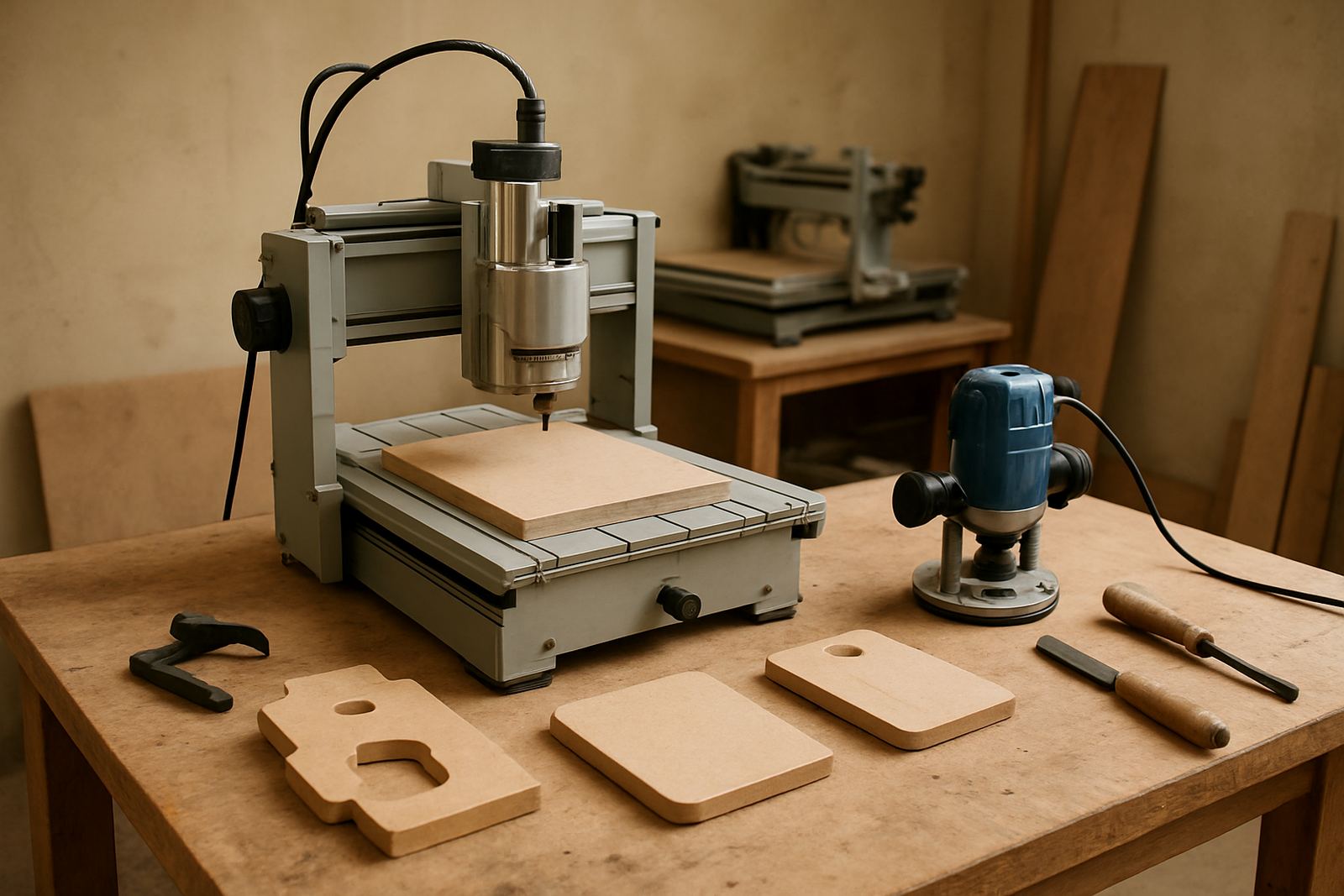
CNC Router Hub in Silverton, Pretoria supplies compact CNC router tables for smaller workshops that need reliable day-to-day cutting. Our range covers desktop and hobby routers for wood, MDF and plastics, with advice suited to local dust, power interruptions and limited space.
The first years were hands on from the start. Machines were discussed with users one by one, set up for their material thicknesses and checked for practical use in small spaces. That early approach shaped how we still work now, because a machine only earns its keep when it fits the workshop and the person running it.
Training and setup became part of the service
As more hobbyists and small businesses came through from Pretoria East, Centurion and Midrand, it became clear that the machine was only one part of the job. Many users needed help with operator training, software basics and the first setup visit so they could start cutting with confidence. Those early years saw the service offering grow from supply alone into support that covered both the machine and the person using it.
- Operator training for new users working on wood, MDF and plastics
- Starter setup visits for workshops needing a clean first installation
- Software basics for simple toolpaths, job preparation and file handling
- Refresher training for teams who wanted to tighten up their process
Over time, the value of proper instruction was obvious. A router table that is aligned well, with the right cutter and feed rate, saves material and time. It also reduces avoidable wear, which matters when electricity costs rise and load-shedding can interrupt a job mid cut.
Spares planning and service support took shape
Once the installed base grew, so did the need for spares and repair work. Workshops could not afford long delays while waiting for a replacement part or a simple adjustment. In response, CNC Router Hub built up a more organised spares planning process and added practical service support for common issues like spindle replacement, control tuning and routine maintenance.
That period also defined our service area more clearly. Silverton remained the base, but support reached Pretoria East, Centurion, Midrand and Kempton Park, with spares supplied nationwide. For many customers, this meant they could keep working even when a component wore out unexpectedly or a machine needed attention after a heavy production run.
We also learned that preventative maintenance is not a nice-to-have. Dust extraction checks, cable inspection and bearing wear monitoring became part of normal service, especially for users running MDF in enclosed workshops where fine dust builds up fast.
More workshops, more materials, more local demand
From then on, the business saw stronger demand from users making cabinet parts, signage blanks, jigs, templates and light production runs. Some were home-based makers, others were small manufacturing shops in and around Gauteng. The common thread was the same, they needed an affordable CNC router table that could handle repeat work without taking up too much space.
During this stage, the focus on smaller machines became more important than ever. We continued to support hobby routers and desktop setups, but with better guidance on what each user actually needed. That meant matching cutting area, spindle choice and control setup to the workshop rather than selling a one-size-fits-all answer.
- Help for first-time users moving from manual tools to CNC work
- Control tuning for cleaner cuts and better repeatability
- Remote support for quick fault finding where a site visit was not urgent
- Breakdown support when production could not wait
This was also the period when many customers started asking for longer-term support, not just a machine purchase. They wanted someone who could explain a noise, a cut finish issue or a control warning without using complicated language. That steady support became part of our name in the market.
A stronger team and clearer roles
As the business matured, the team grew into clearer specialist roles. Mpho Johannes Maseko continued to lead the company as Managing Director, with Retha Kleynhans in sales, Nhlanhla Majola handling technical training, Lindelwa Sigcau managing spares, Wessel Rabie on service and Palesa Maluleke supporting customers. That structure made it easier to handle replacement part and setup enquiries properly.
The period also reinforced why training and support had to stay close to the machines themselves. People do better work when they understand their equipment, and small workshops often rely on one or two machines carrying a lot of the load. Good support can prevent a missed deadline, or two days of frustration. It sounds simple, but that is often where the difference lies.
By then, our Pretoria base was serving customers from across the city and beyond, while spares and advice travelled further afield. The mix of technical support and plain speaking became one of the reasons customers stayed with us.
Continuing the same practical approach
Today CNC Router Hub remains based in Silverton, Pretoria, with training and spares support available nationwide. The range still focuses on CNC router tables for woodworking, MDF and plastics, with an emphasis on smaller workshops, hobby users and growing businesses that need dependable results without overcomplicating the process.
What has changed is the depth of experience behind the service. After years of setup work, fault finding and user training, we understand the everyday pressures local workshops face: municipal noise limits in mixed-use areas, power cuts, coastal humidity that can affect stored components, and the need to keep machines clean in dusty spaces. Those details matter because they affect performance and lifespan.
- Preventive maintenance to reduce downtime
- Spindle replacement and control tuning when performance starts to drop
- Refresher training for operators who want to sharpen their process
- Spares planning so common wear items are easier to manage
From the first year of trading to today, the business has stayed close to the same core idea: give South African users the right machine, explain it properly, and back it up when it needs support. That has been the thread through every year, and it still guides how we work now.