What a Dull Cutter Shows Before It Fails
In a small woodworking or plastics workshop, a blunt cutter does not only spoil the edge. It can slow the whole job, put extra load on the spindle and make the machine work harder than it should. That matters whether you are cutting MDF panels in Silverton or running acrylic parts for a sign shop in Pretoria East.
The earliest signs are usually easy to spot if the operator knows what to look for. A good cutter should leave a clean, even edge and produce a steady chip size. When the tool starts to lose life, the cut changes in ways that are often blamed on the material or the machine settings. In many cases, the bit is simply past its best.
- Edges feel rough instead of smooth to the touch
- Fine dust replaces proper chips in wood or MDF
- The machine sounds busier, even on the same programme
- Burn marks appear on timber or dark plastics
Cut Quality Clues You Can Check on the Table
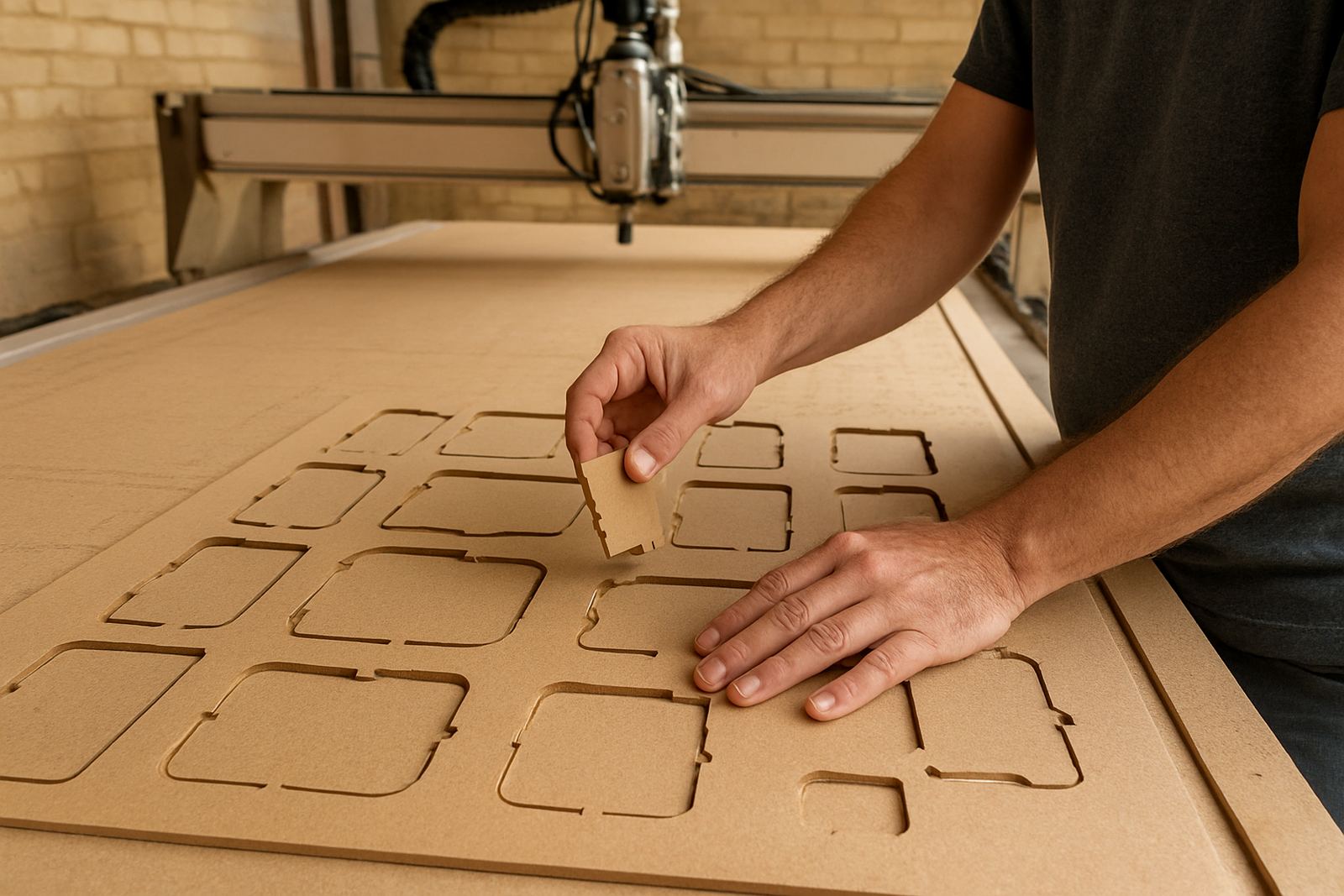
A dull cutter usually leaves a trail you can see before the job is complete. On routed lettering, the corners may look slightly torn. On sheet goods, the top face may chip more than usual at the exit point. On plastics, the edge can turn cloudy or start to melt where the tool is dragging instead of slicing.
It helps to do a quick visual check after the first few passes. If the first panel in a batch looks different from the fifth panel, do not assume the material changed. Check the bit, the feed rate and the spindle speed. Small workshops in Centurion often lose time here because the operator keeps pushing through a full sheet, only to scrap the last part because the finish has gone off.
- Look for changing edge colour across the job
- Watch for chip-out near the start or end of a cut
- Check if cut depth is still consistent along the path
- Compare a fresh edge with the latest cut edge
When Spindle Load Tells You the Bit Is Tired
One of the clearest signs of a worn cutter is extra load on the spindle. The machine may not show an alarm, but the motor note changes and the cut feels heavier. Operators often notice this first as a slight vibration through the gantry or a slower return to speed after each plunge. If the tool is dull, the spindle has to work harder to maintain the same quality.
That extra load can shorten the life of bearings, belts and collets over time. It also raises the chance of chatter, especially on longer cuts or when the workpiece is not clamped properly. On a humid day near Kempton Park, where timber can also move a bit with the weather, a tired bit and a loose sheet are a poor mix.
Keep an eye on these signs during routine work:
- New vibration on jobs that normally run smoothly
- Feed reduction by the operator to keep the edge acceptable
- Motor note that rises and falls instead of staying even
- More heat at the tool after the same cutting path
Why Finish Time Creeps Up in Real Workshops
Many teams only notice a dull cutter when the job takes longer than planned. The machine is still cutting, but every pass is slower, and more time is spent on sanding or reworking edges. That is real money. If a hobby router is used after work in a home workshop, an extra hour on one project may not seem serious. For a sign maker or cabinet shop, it can push a delivery into the next day.
This is where cutter life and production planning meet. If one tool is used on MDF, then plastics, then hardwood, the wear pattern changes fast. A bit that was fine for clean timber may already be past its useful life on dense board. Good stock control on spares helps, because a fresh cutter in the drawer often saves a half finished job.
- Longer cycle times on repeat jobs
- More sanding needed after machining
- Extra passes required to reach the same finish
- Delays when a cutter is shared between multiple materials
Simple Checks That Save Money on the Next Batch
You do not need complex testing to know when a cutter is nearing the end. A few regular checks will catch most problems early. At CNC Router Hub in Silverton, many users come in asking about machine faults when the real issue is simply worn tooling. That is common and easy to fix once the signs are understood.
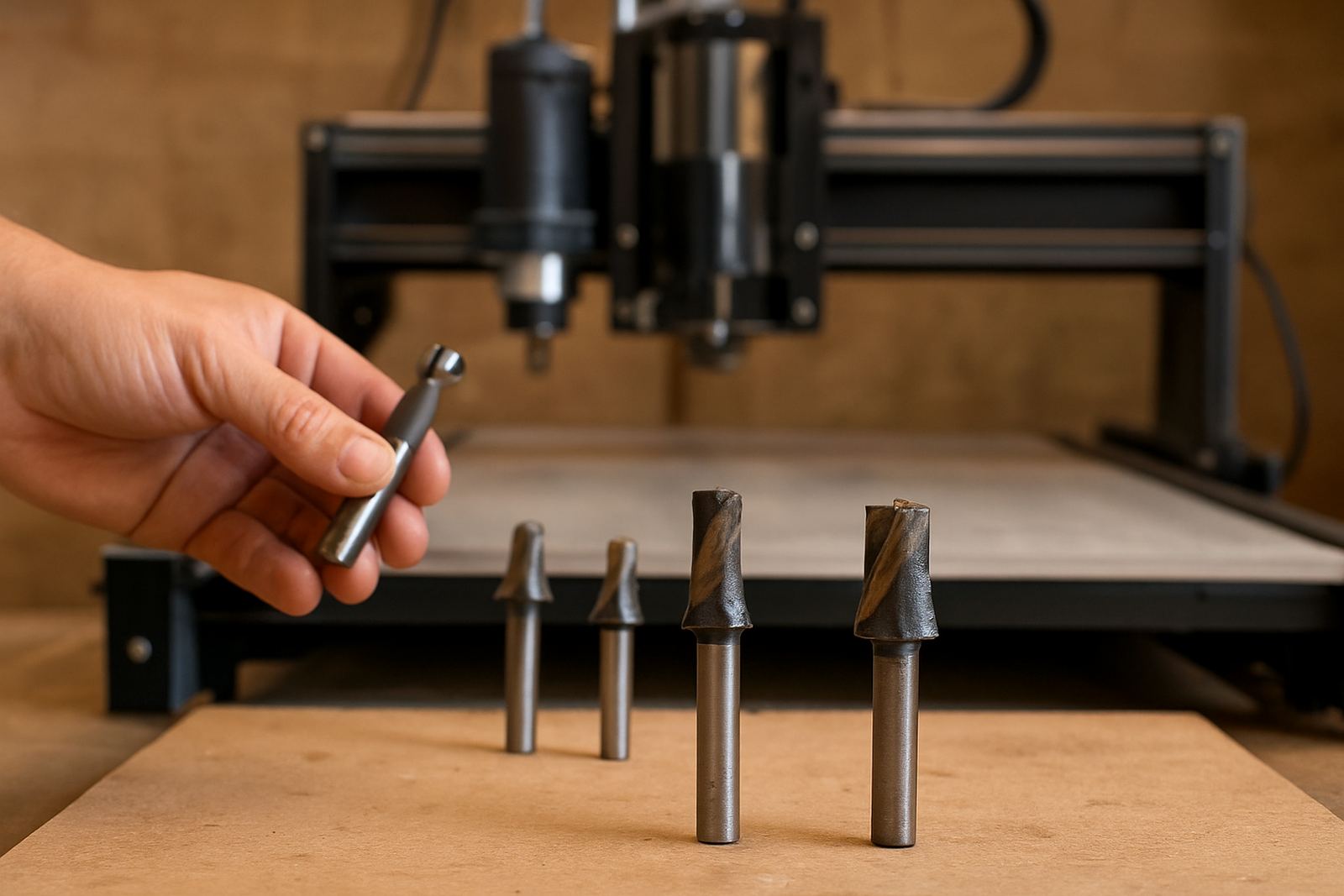
Before starting a new sheet or board, inspect the cutting edge with a light and if needed a magnifier. Check for chips, rounded tips or a dull sheen on the edge. If a cutter has done a long run on MDF, do not carry it straight into a fine finish job on wood and expect the same result. Change it earlier rather than later, especially when the finish matters.
- Inspect the flute edge before the first cut of the day
- Track cutter hours on regular jobs
- Match the cutter to the material, not just the programme
- Replace a suspect tool before a full production run
A Pretoria Example from a Busy Small Workshop
A small furniture workshop in Pretoria East may run a desktop router on cabinet doors in the morning and signage blanks in the afternoon. The first jobs can still look acceptable, so the team keeps going. By mid afternoon the edges start to fuzz, the spindle sounds harder pressed and the last two parts need extra hand finishing. What looked like a material problem was really a cutter that had reached the end of its useful life.
Once the team began checking cutter condition at set intervals, the scrap rate dropped and the finish time improved. They also planned spares better, so a replacement was on site before the old one caused trouble. That kind of routine suits smaller workshops in Midrand, Centurion and Silverton where downtime hurts because there is no spare machine waiting in the corner.
The lesson is simple. Cutter life is not guesswork. If the cut starts to look rough, the spindle sounds loaded and the job takes longer, the tool is already telling you it needs attention. Catching that early protects the machine, the material and your deadline, and it keeps the workshop moving even when load-shedding or a tight delivery window complicates the day.