
Why a compact router suits short production runs
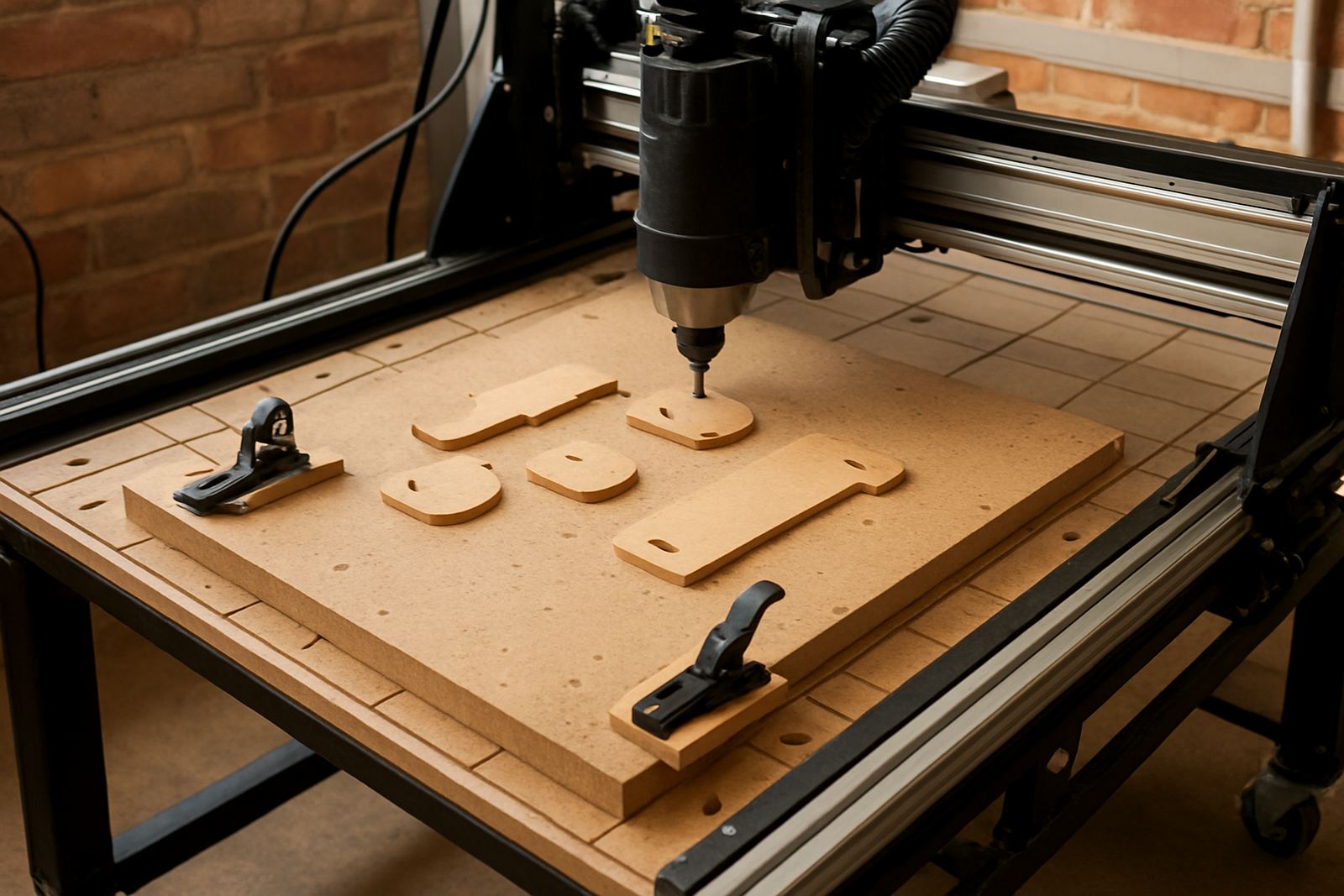
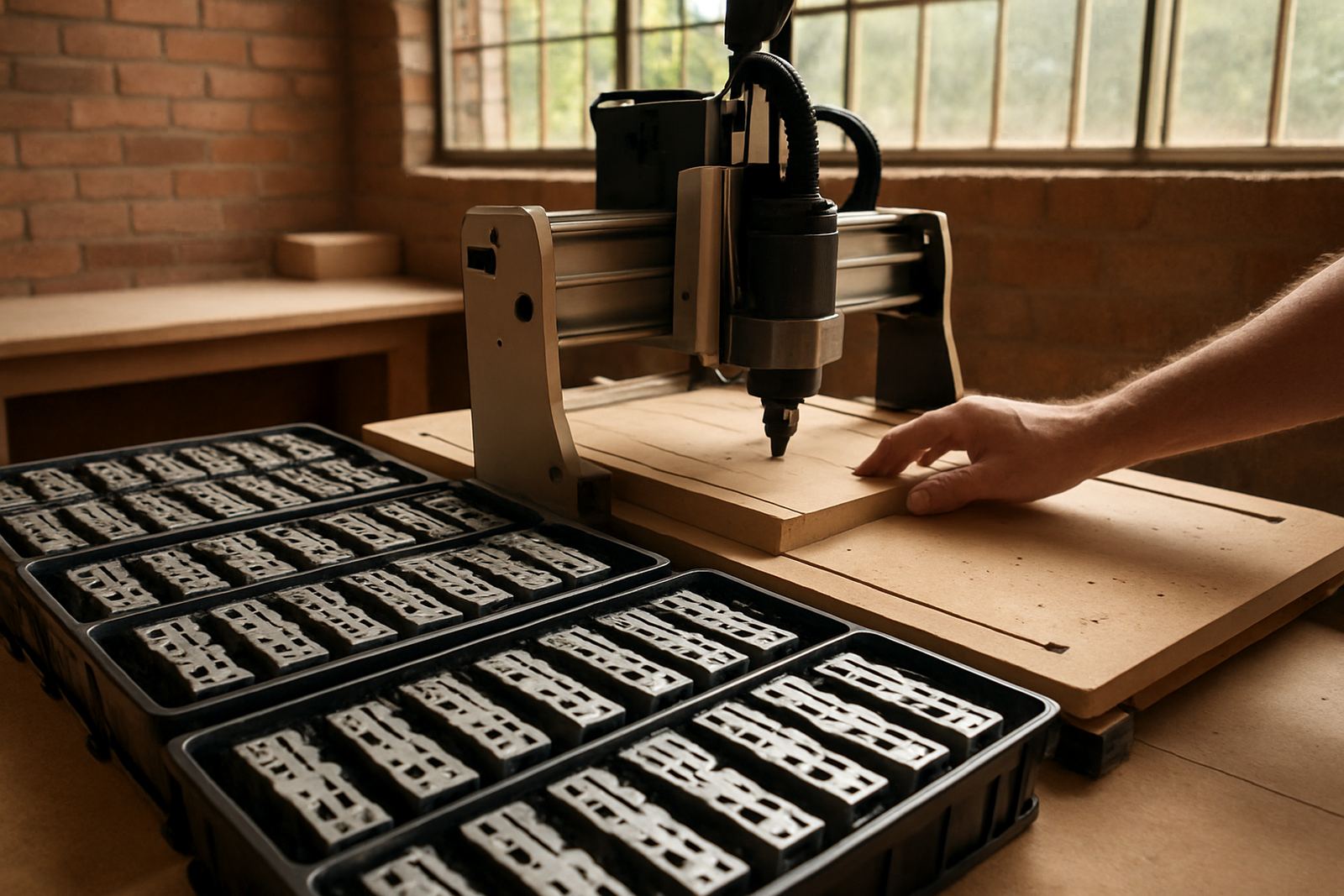
Small run work is different from one-off hobby cutting. You may be making 10 cabinet sides, 25 signage panels, or a few sets of acrylic parts for a local installer. In that kind of work, a compact router earns its keep because it gives you the same cut again and again without needing a large factory floor.
For many Pretoria and Centurion workshops, floor space is already spoken for by a table saw, compressor, offcut storage and finishing area. A smaller CNC router table can fit into a practical corner and still deliver proper repeat jobs. The key is not size for its own sake, but whether the machine can hold accuracy from the first part to the last.
Small run production also suits businesses that want to test demand before taking on bigger jobs. You can take on a few repeat orders, manage them after hours or between other work, and build confidence before moving to larger volumes.
- Short batches for cabinets, shop fittings and signage
- Repeatable cuts for MDF, plywood and plastics
- Lower space demand in smaller workshops
- Easier to learn on than larger production systems
Getting the job ready before the first cut
The best small run jobs start before the router is switched on. Good production depends on accurate drawings, the right cutting bits and a clear plan for how each sheet or blank will be held down. If the setup is rushed, the same mistake repeats across every part in the batch.
Operators should check material thickness, grain direction on wood based boards, and whether the job needs tabs, onion skin cuts or through cuts. With MDF, dust extraction must be sorted because fine dust builds up fast. With plastics, chip clearing matters, especially on longer batches where heat can spoil the edge finish. In a humid coastal area that is less of an issue than in Pretoria, but workshop air still changes from morning to afternoon and can affect sheet flatness.
- Confirm sheet size and usable cut area before nesting
- Set a repeatable zero point for batch work
- Keep spare cutters ready so the job does not stop mid-run
- Label parts as they come off the table
Space, power and load-shedding planning
A compact router does not mean a careless power plan. Many small workshops in Silverton, Pretoria East and Midrand run on mixed supply arrangements, and load-shedding can interrupt a job at the worst possible time. For small run work, the aim is to reduce wasted material and avoid restarting a cut half way through.
It helps to run the machine from a stable power point, keep the control gear protected and have a sensible backup plan for essential electronics. Even when the machine itself is small, the supporting equipment still needs room. You need a place for material staging, a safe path for the operator, and enough access around the table for maintenance and cleaning.
Do not forget municipal rules and workshop basics. Dust, noise and storage matter when you are operating from a light industrial unit or a home workshop in Pretoria East or Kempton Park. A tidy layout makes it easier to work safely and to keep production moving when clients are collecting parts on a tight deadline.
Training that turns a hobby router into a production tool
Small run production depends on consistency, and consistency comes from training. A machine may be compact, but the operator still needs to understand software basics, feeds and speeds, cutter choice and how to recover from a simple fault without losing a whole batch.
For a new user, one good starter setup visit can save a lot of waste. It gives the workshop a working method from day one, instead of a mix of trial and error. For a more experienced operator, refresher training can be useful when moving from occasional use to proper short-run work.
Practical training should cover the parts of the process that cause delays in real workshops, not just the machine controls. That includes file preparation, safe clamping, checking offsets, and what to do when a spindle sounds different or a cut starts drifting.
- Operator Training for day-to-day use
- Software Basics for file setup and nesting
- Starter Setup Visit for first-time users
- Refresher Training when production steps change
Keeping small batches moving with spares and maintenance
When a workshop is handling short runs, downtime is costly because every missed hour pushes the whole job back. That is why spares planning matters. Cutting bits, belts, switches, collets and other consumables should not be treated as afterthoughts. The same goes for spindle care and control tuning, since a small issue can show up as uneven results across several parts.
Preventive Maintenance is often the difference between smooth batch work and a late-night panic. A quick check of cable routing, moving parts and dust build-up can stop bigger problems later. If the router starts losing accuracy or making unusual noises, breakdown support and a clear spares process help the workshop get moving again without a long wait.
For businesses in Pretoria and across South Africa, it is worth keeping a short list of critical parts on hand. That way the operator can keep going while larger spares are ordered. It is a simple habit, but it saves time and keeps clients happy.
- Keep common consumables in stock
- Book periodic machine checks before busy periods
- Watch for wear on belts, bearings and cutters
- Plan spindle replacement before failure disrupts a batch
A Pretoria workshop example of short-run discipline
Picture a small workshop in Silverton taking on repeat orders for display panels and cabinet components. The owner does not need a large production line. What they need is a compact router, a dependable setup and someone who knows how to keep parts moving from sheet to finished component.
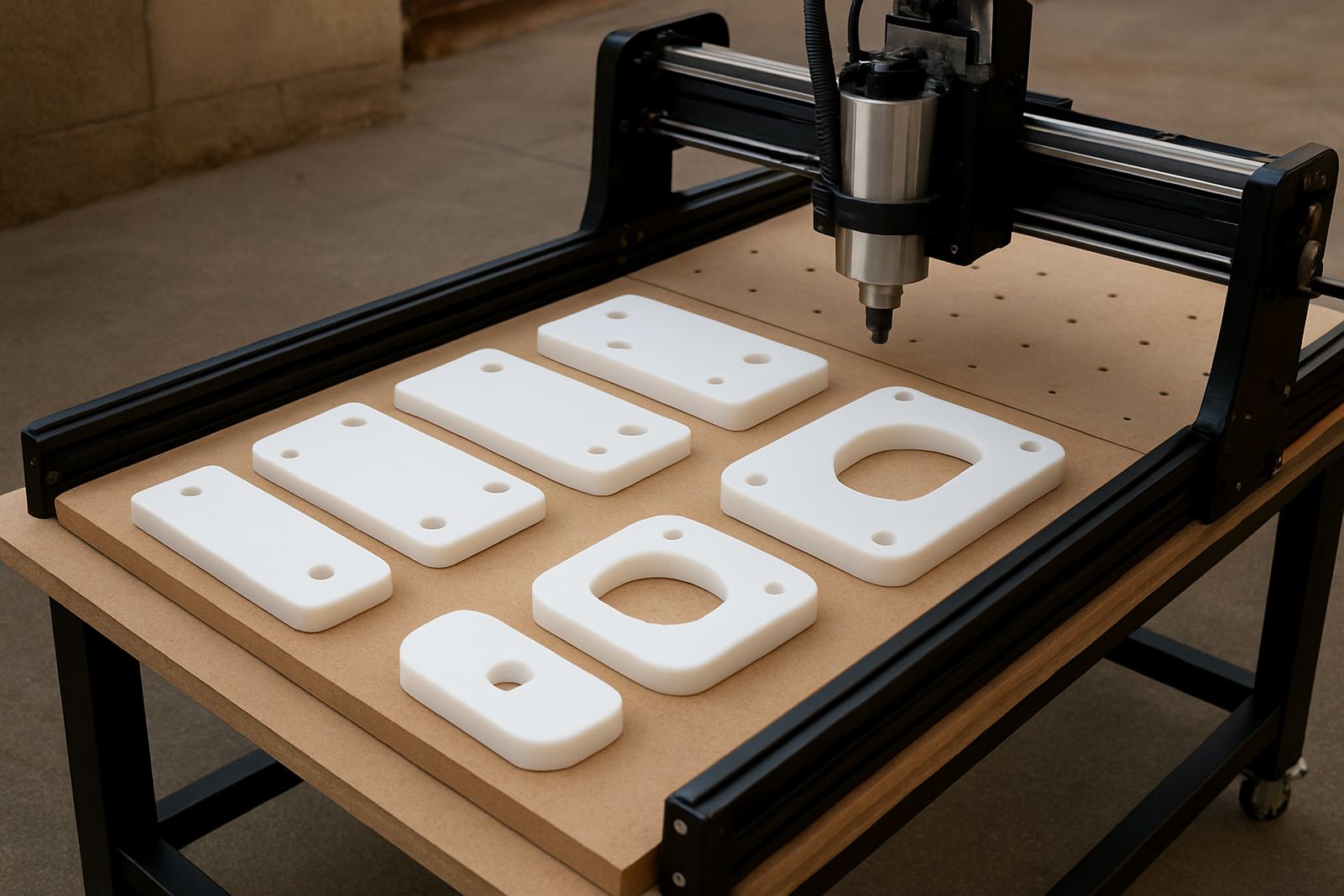
With a small table, the workshop can cut a morning batch of MDF parts, switch to plastic signage inserts after lunch, and still have floor space for assembly. If the same job comes back next month, the process is already known. That is the real value of small run production: not speed alone, but predictable output without overcommitting space or cash.
CNC Router Hub works with hobby users and smaller workshops that need practical support in Silverton, Pretoria East, Centurion, Midrand, Kempton Park and nationwide on spares. With training, remote support and service back-up, compact routers can do far more than occasional craft work. They can become steady production tools for the right kind of job.