Why flat-pack parts need more than a straight cut
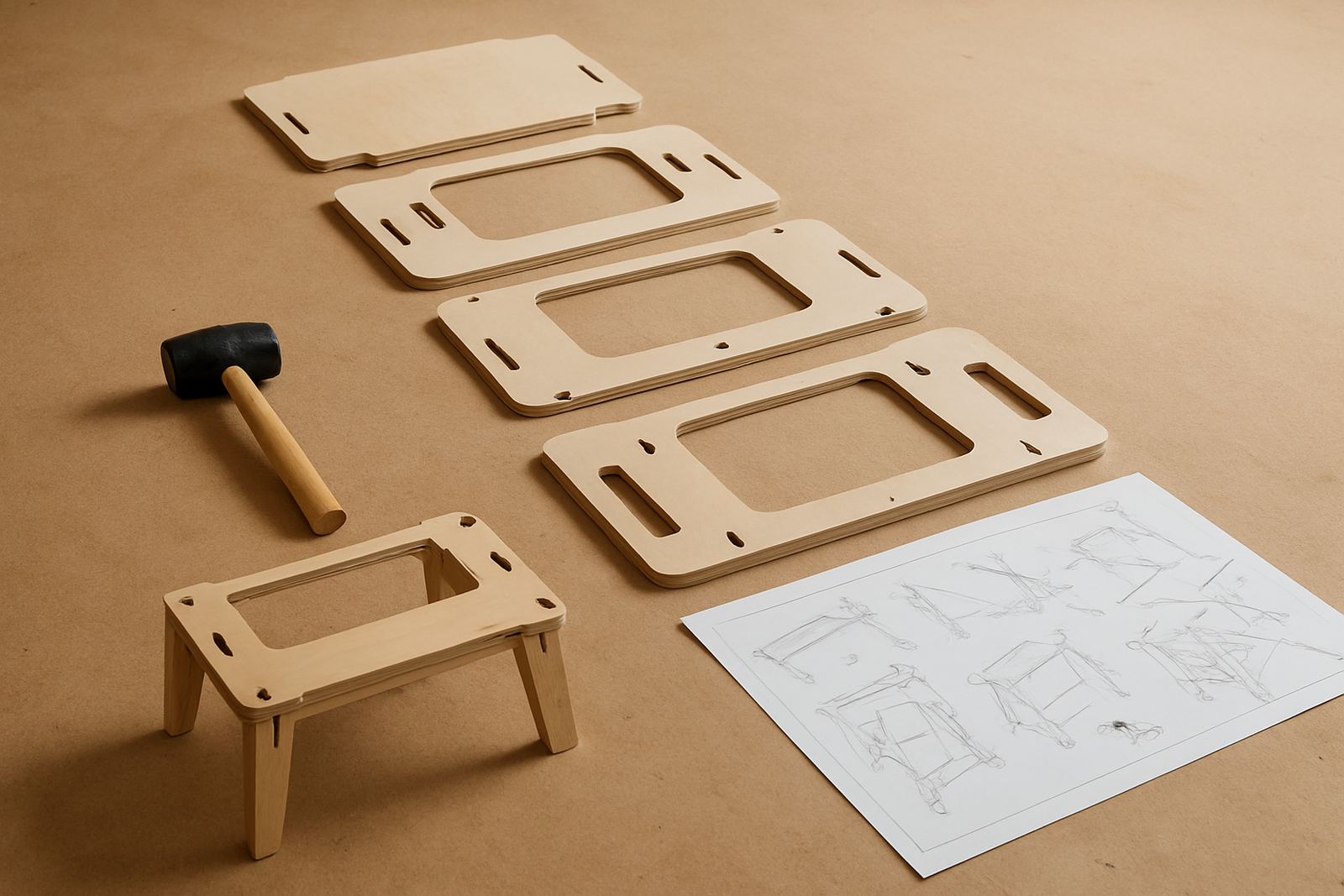
Flat-pack work looks simple from the outside, but the real challenge is consistency. A side panel that is 2 mm out, or a shelf with hole spacing that drifts across the batch, can turn assembly into a fight with clamps and a mallet. CNC routing helps because the machine follows the same path every time, so the parts are much more likely to line up as intended.
That matters in South African workshops where material can vary from one supplier to the next. MDF density, ply thickness and even sheet flatness can change, especially after transport in heat or coastal humidity. A machine can not fix bad material, but it can help reduce the extra errors that happen when every part is cut by hand.
The parts that benefit most from CNC routing
Not every item needs a CNC router, but flat-pack work has a few areas where it pays off quickly. Cabinet sides, shelves, backs, drawer fronts, connector holes and cam fitting points all benefit from accurate repeatability. Once the program is set, each panel can be produced with the same spacing and the same finish on the edges.
- Side panels with repeated shelf pin holes
- Top and base panels with accurate edge drilling
- Drawer parts with matching grooves and slots
- Packaging cut-outs or handle holes that must align
- Small jigs for assembly and drilling
For hobby users, this can be the difference between a one-off project and a small side business. For a workshop in Silverton or Centurion, it can help keep a steady output without hiring extra hands for every repeated cut.
Material choice changes the job more than people expect
MDF is common because it machines cleanly and takes paint well, but it needs proper dust extraction and careful edge sealing. Melamine board can speed up finishing, yet the surface chips if feeds and tool choice are wrong. Plywood gives better strength for some applications, though thickness can vary more than many people expect. Plastics need a different approach again, especially where heat build-up becomes a problem.
In a Pretoria workshop, dry winter air and load-shedding can affect more than just the power bill. Unplanned stops can interrupt a cut mid-job, which is why proper setup and a saved start point are useful. If a panel run is interrupted, the operator needs a clear method for checking alignment before restarting, instead of guessing and hoping the next piece matches.
A simple setup routine keeps the batch consistent
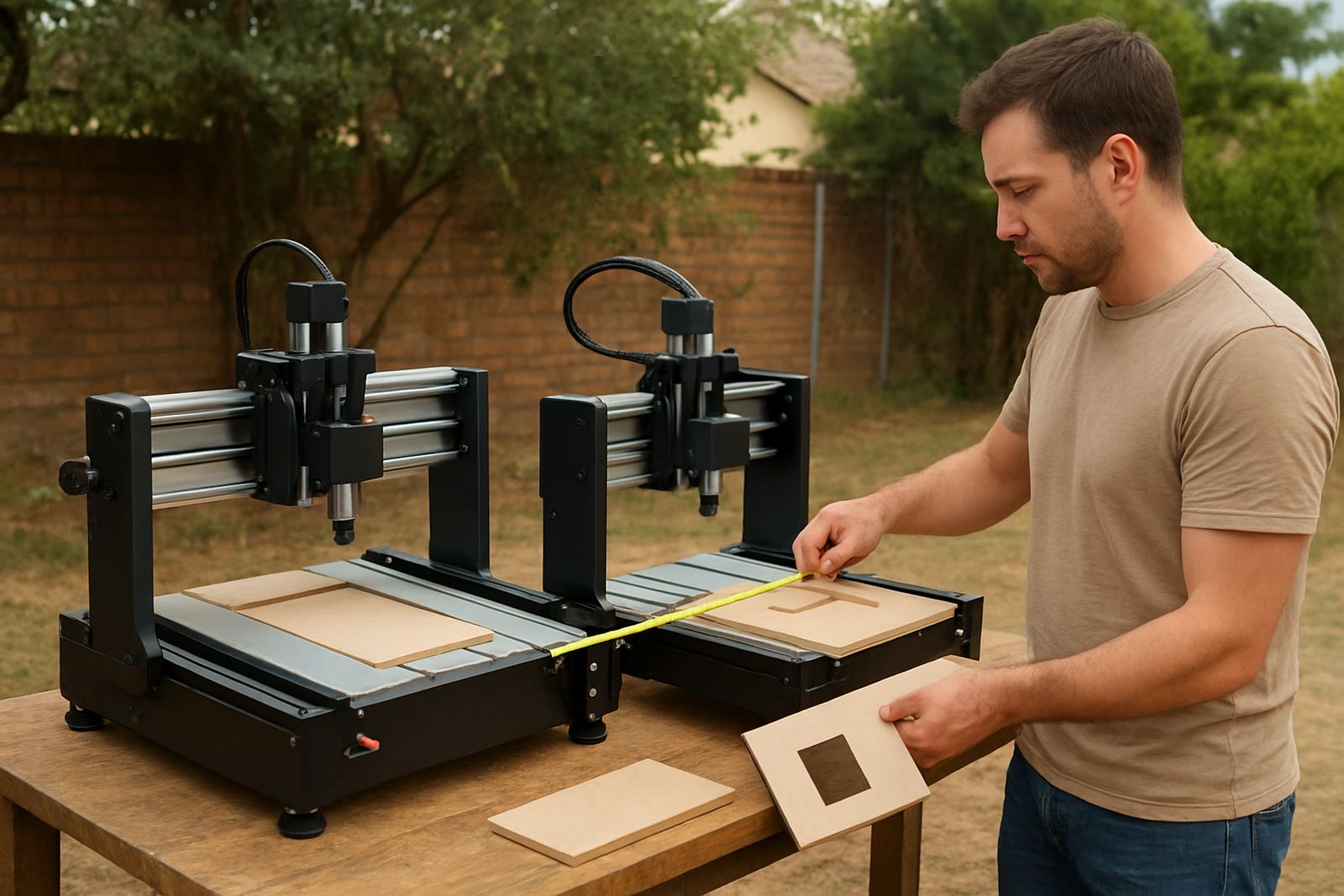
The best results usually come from the same habits every time. Before starting a flat-pack job, check the sheet size, zero point, clamps, cutter condition and the first test piece. It sounds basic, but small checks save a lot of waste when you are cutting ten or twenty matching parts.
- Confirm the board thickness with a vernier or gauge
- Check that the spoil board is level and secured
- Set a clear home position for every run
- Run a test cut on offcut material first
- Inspect the first finished part before continuing the batch
When this routine becomes normal, the workshop can move faster without losing accuracy. That is especially useful for smaller teams that do not have a full time programmer or a separate quality control person.
Training matters when the job moves from hobby to production
Many users start with a single project, then quickly find themselves making a full set of parts for a client or family member. At that stage, software basics, machine setup and tool choice start to matter more than they did on the first job. A clean drawing is helpful, but the operator still needs to know how to place tabs, manage toolpaths and avoid weak corners that break during assembly.
Hands-on training also helps people understand where the machine’s limits are. Thin panels can move if the hold-down is poor. Small parts may need better fixturing. Deep cuts in MDF can create more dust than expected. With proper training, the user learns what to watch for before the job goes wrong and costs a sheet of material.
What a Pretoria workshop should plan for before taking flat-pack orders
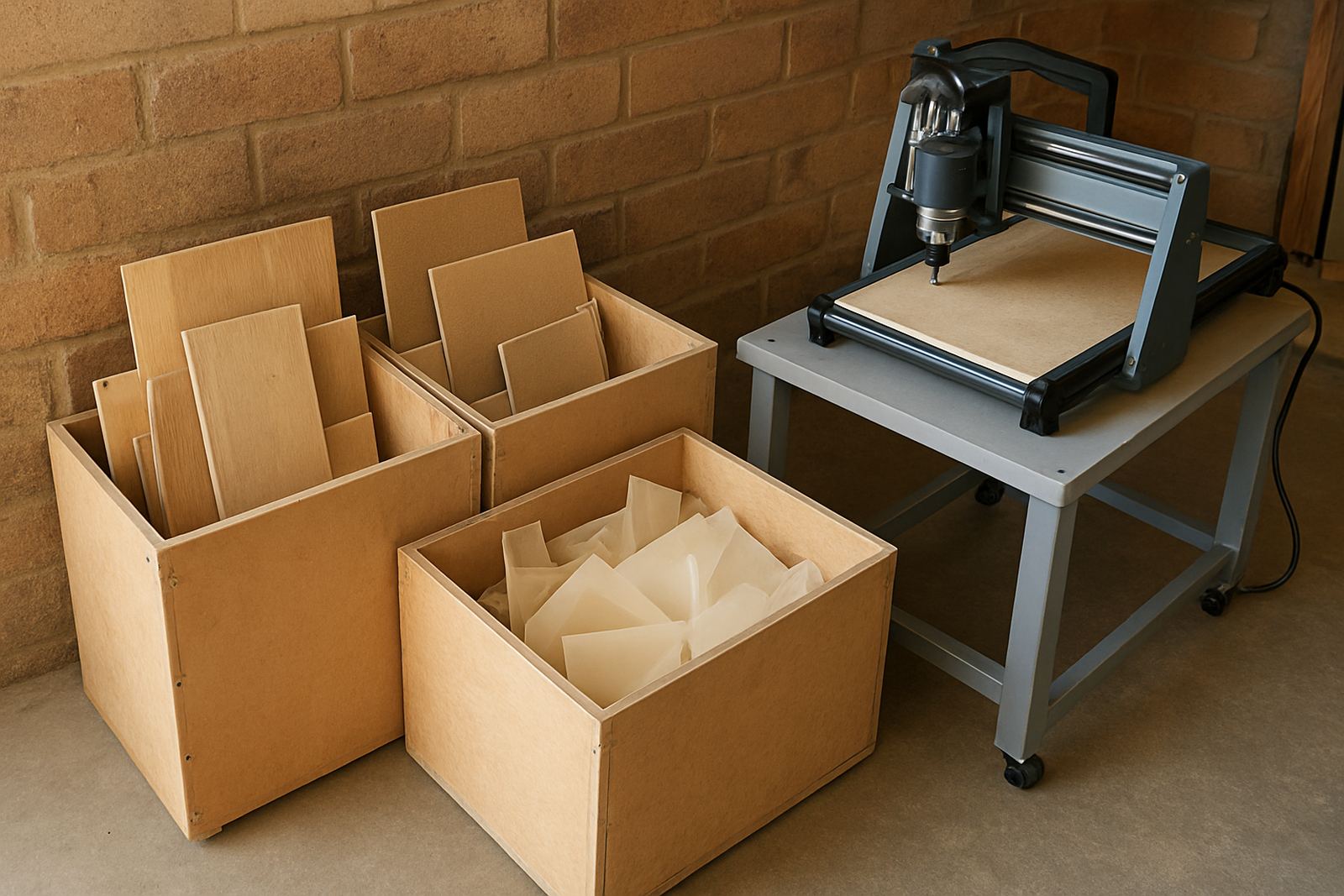
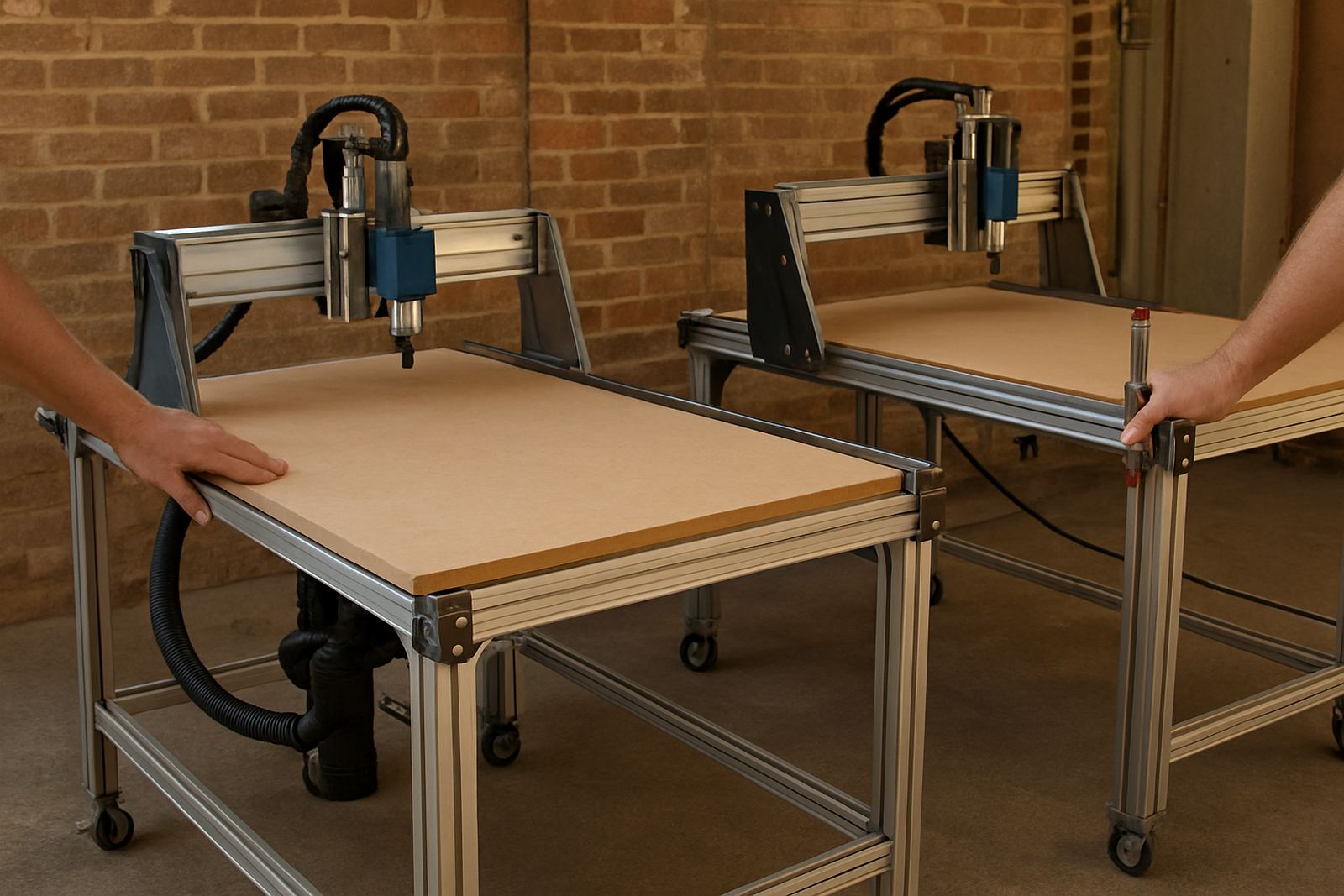
If a workshop in Pretoria East or Midrand wants to take on flat-pack jobs, the first question is not only what the machine can cut, but what the whole process looks like. Do you have enough space to store sheets flat. Is there a system for labelling parts. Can the operator find replacement spares quickly if a spindle, cable or control setting gives trouble. These details matter because flat-pack work depends on repeatability from start to finish.
Look at the job from the customer's side as well. A flat-pack kit should arrive with the right parts, clear markings and enough consistency for easy assembly. If the parts fit properly, the installer spends less time adjusting and more time building. That is where CNC routing earns its place, not only in the cut itself but in the way the whole job comes together.