Why plastics hold static in the first place
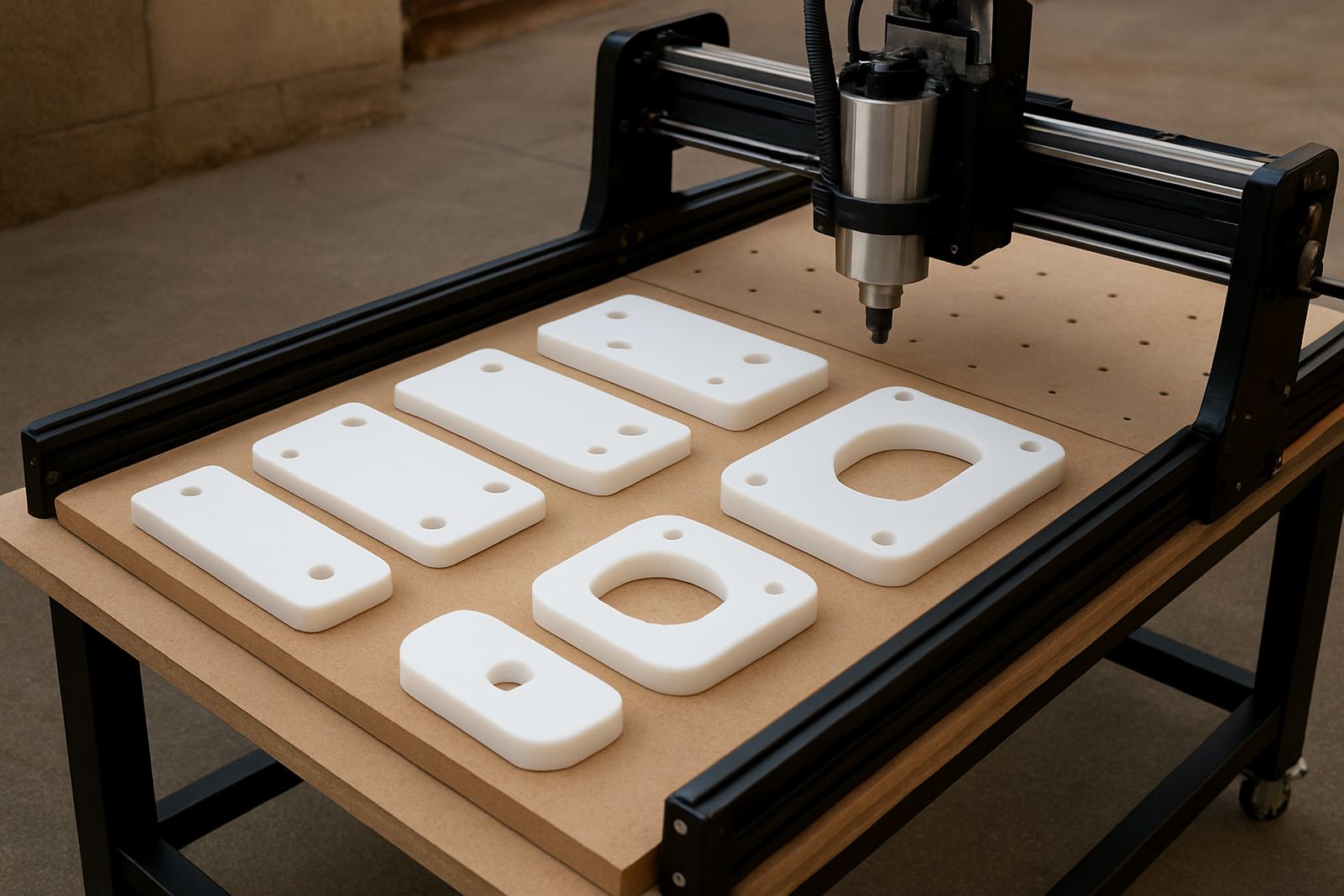
Plastics such as acrylic, ABS, PVC and some laminate sheets do not behave like timber. They can carry a static charge as the cutter moves through the sheet, especially when the shop is dry, the feed is too fast for the bit, or the offcut is dragging across the table. That charge makes swarf cling to the workpiece, the machine frame and even the gantry, which means more time brushing and vacuuming after the job.
In Pretoria and the Highveld, winter air can be very dry, so static tends to show up more often. In coastal towns, humidity can help a little but plastic dust still sticks to surfaces if extraction is poor. The problem is not only neatness. Build-up around the bit can spoil finish quality, hide the cut line, and send fine chips into places they should not be.
For hobby routers and smaller tables, this is worth planning for from the start. A clean cut on MDF is forgiving, but plastics often need more careful chip control and steadier housekeeping. If you leave the dust to pile up, it can get into limit switches, rails and spindle areas, then small faults start showing up later.
Set up extraction to carry the chips away
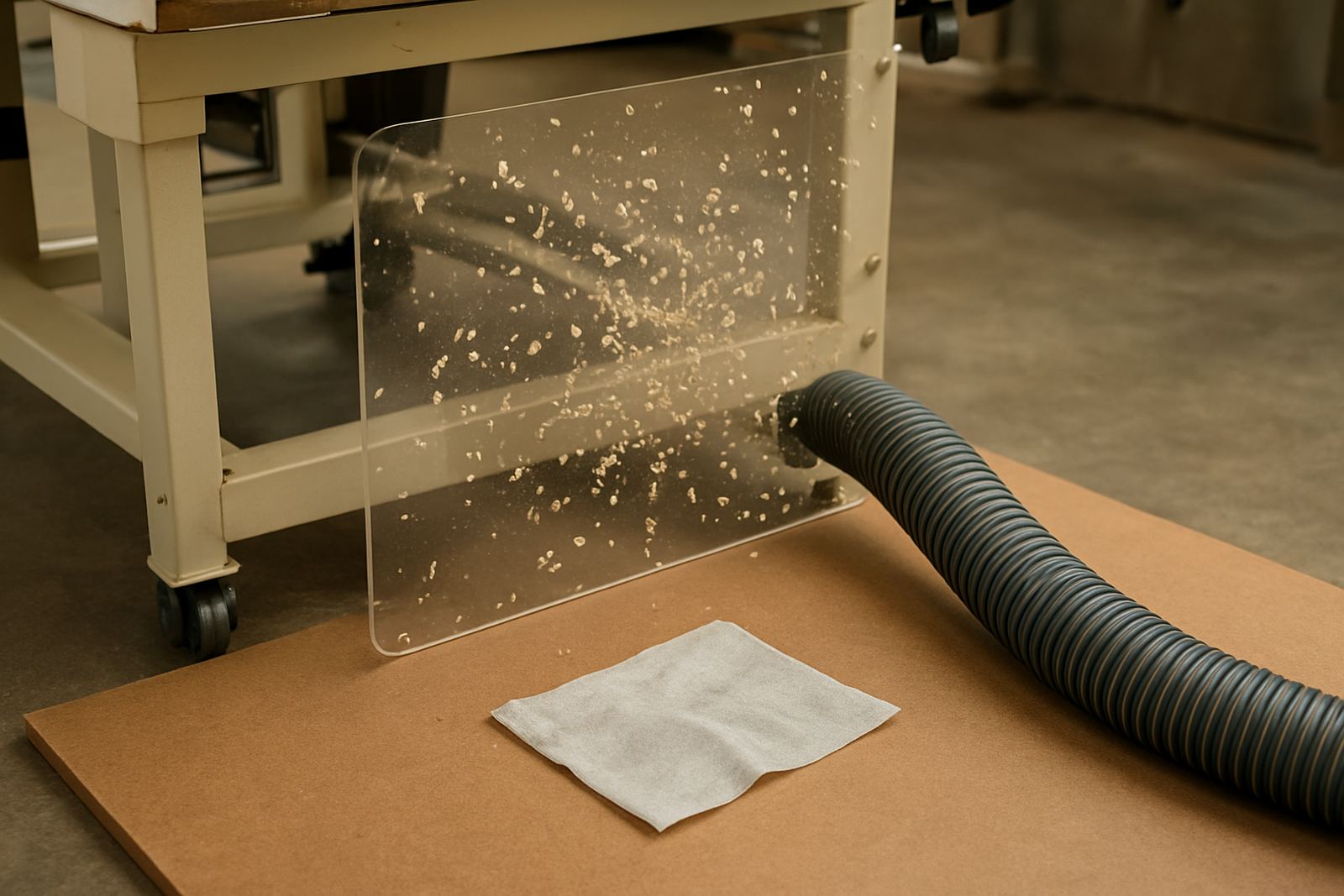
A good extraction setup is the first defence against static plastics. The aim is to remove the chips from the cut zone quickly, before they have a chance to recirculate and cling to the sheet. Even a compact workshop can get better results by matching the nozzle size, hose length and airflow to the machine size. A long, narrow hose may look tidy but can reduce pull where it counts.
Keep the dust shoe close to the material without scraping. If the shoe sits too high, chips bounce around under the cutter. If it sits too low, it may ride on the surface and mark the job. For thin sheet work, make sure the hold-down method does not block the air path too much.
- Use a dust shoe that seals well around the bit but still allows airflow.
- Check hoses for sharp bends that reduce suction.
- Empty collection bags or bins before they are full.
- Clean filters often, especially after long runs on plastics.
Where possible, separate fine plastic dust from general wood waste. That makes cleanup simpler and also reduces the chance of mixed dust building up in one corner of the workshop. In Silverton, where many workshops are close together and space is limited, a small change in hose routing can make day-to-day cleaning much quicker.
Earthing, anti-static brushes and simple workshop habits
Static control is easier when the machine, extraction and operator habits all work together. If your router table and extraction pipe can be properly earthed, do it. That does not remove every charge but it can reduce the random cling that makes sheet work irritating. Anti-static brushes at the dust shoe can help lift chips off the surface before they settle back onto the cut.
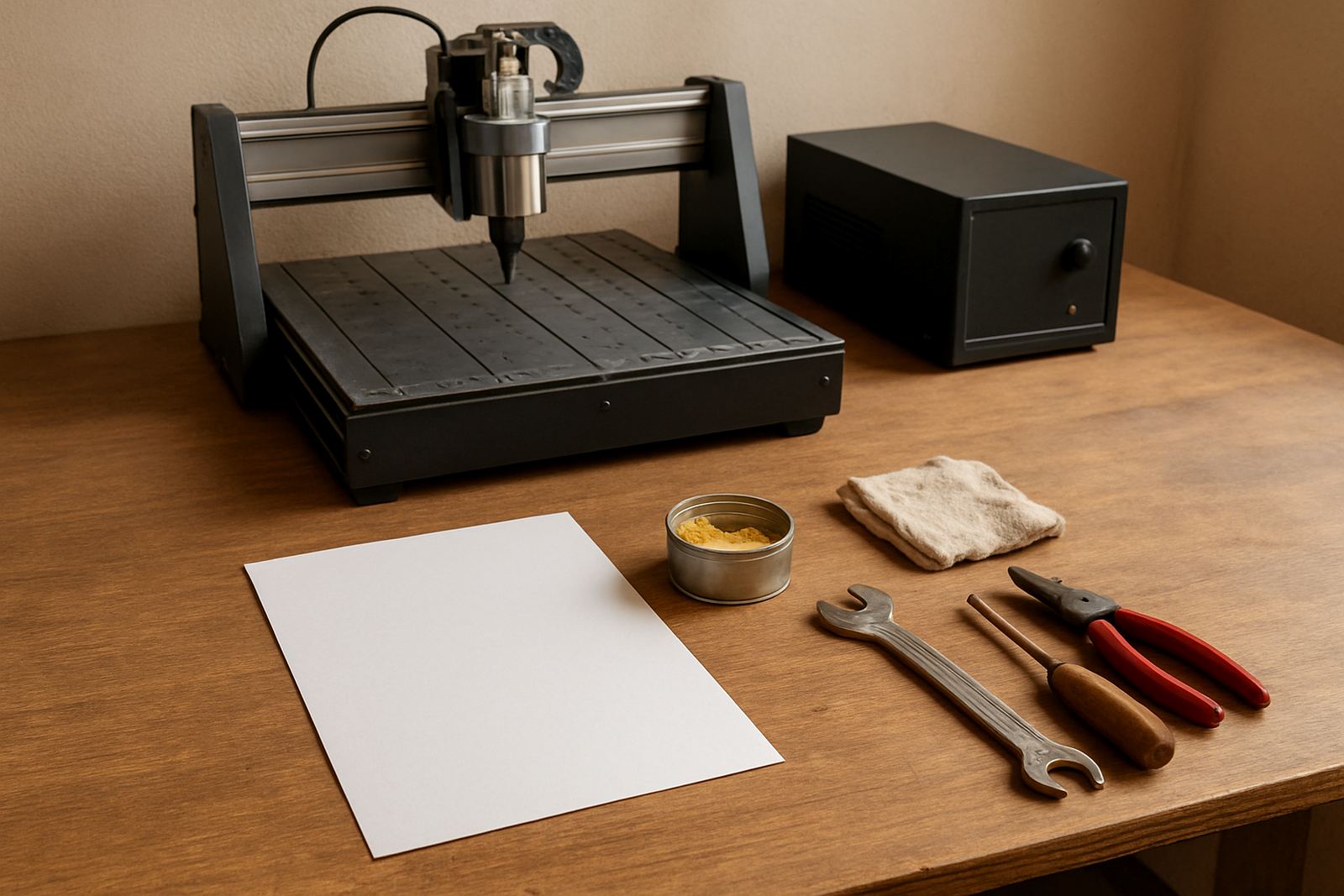
Operator habits matter just as much. Wipe down the table before loading a new sheet. Keep offcuts off the floor if you can, because dragging them across concrete or painted surfaces can build more charge. If the job allows it, reduce unnecessary handling of the sheet after cutting so that the parts do not pick up more dust than needed.
- Use a light anti-static wipe on the table surface where suitable.
- Store plastic sheets flat and away from direct sun.
- Avoid nylon rags that can add more static.
- Keep the shop floor clean so chips do not get walked back to the machine.
One small point that helps a lot is air quality. A hot, dry workshop near a closed roller door will behave differently to one with steady airflow. If you are running in Midrand or Centurion and the doors stay open and shut through the day, expect the static pattern to change with the weather and time of year.
Cutting settings that reduce static trouble
The cutter setup can influence how much static you deal with. Blunt tools, too much heat, or an aggressive feed can melt edges slightly and create a sticky residue that catches dust. A sharp cutter with the right chip load tends to throw cleaner chips and leaves less mess behind. That means fewer particles sticking to the part and less brushing after the run.
For plastics, take care with speed and spindle settings. If the cutter rubs instead of cutting cleanly, it can warm the material and worsen the static problem. Test on an offcut first if you are changing material type or thickness. A small change in depth per pass can also improve chip evacuation and reduce re-cutting of waste.
When cutting thin plastic sheet, make sure the part is supported well. Flexing can lead to poor chip flow and more fine dust. Vacuum hold-down, sacrificial boards, or well planned tabs can make the cut more predictable. That is useful in small workshops where one machine may be doing both hobby signs and short production runs.
Load-shedding, downtime and keeping the machine clean
In South Africa, static control is also about how you manage downtime. During load-shedding, a partially cut sheet can sit on the table and collect dust while the machine is off. If the extraction stops suddenly, chips may remain in the cut path and then get dragged through the next pass. Keep a brush, hand vacuum and air source where appropriate ready for restart checks.
After power returns, inspect rails, cable chains and the spindle area before resuming. Plastic dust in the wrong place can lead to poor movement or extra wear. If your workshop in Pretoria East or Kempton Park runs several short jobs a day, build a quick clean-down into the restart routine so problems do not carry over from one job to the next.
- Pause and clear the table before restarting after an outage.
- Check that the dust shoe is still aligned correctly.
- Look for cling on the sheet edges and machine frame.
- Run a short test cut if the machine has been idle for a while.
Good housekeeping is not only about appearance. It reduces the chance of fine plastic dust reaching control boxes, limit switches and moving parts. That matters if you are trying to keep a compact machine reliable for longer periods between services.
When to bring in training or spares support
If static problems keep returning, it may be time to review the whole setup rather than just cleaning more often. A short operator training session can help with material handling, extraction checks and basic software settings. Sometimes the issue is not the router itself but a poor dust shoe fit, a worn brush, or a spindle tool that is not suited to the plastic being cut.
Preventive maintenance also helps. Checking earthing, hose condition, brush wear and control tuning can prevent small faults from becoming major downtime. For workshops in Silverton, Pretoria East, Centurion, Midrand, Kempton Park and beyond, having the right spares on hand means you are not waiting on a small part when the machine is ready to run.
If you are planning your next setup or want to improve how your current machine handles plastics, start with the practical points: extraction, earthing, cutter choice and regular cleaning. Those four steps solve a lot of the mess before it starts.