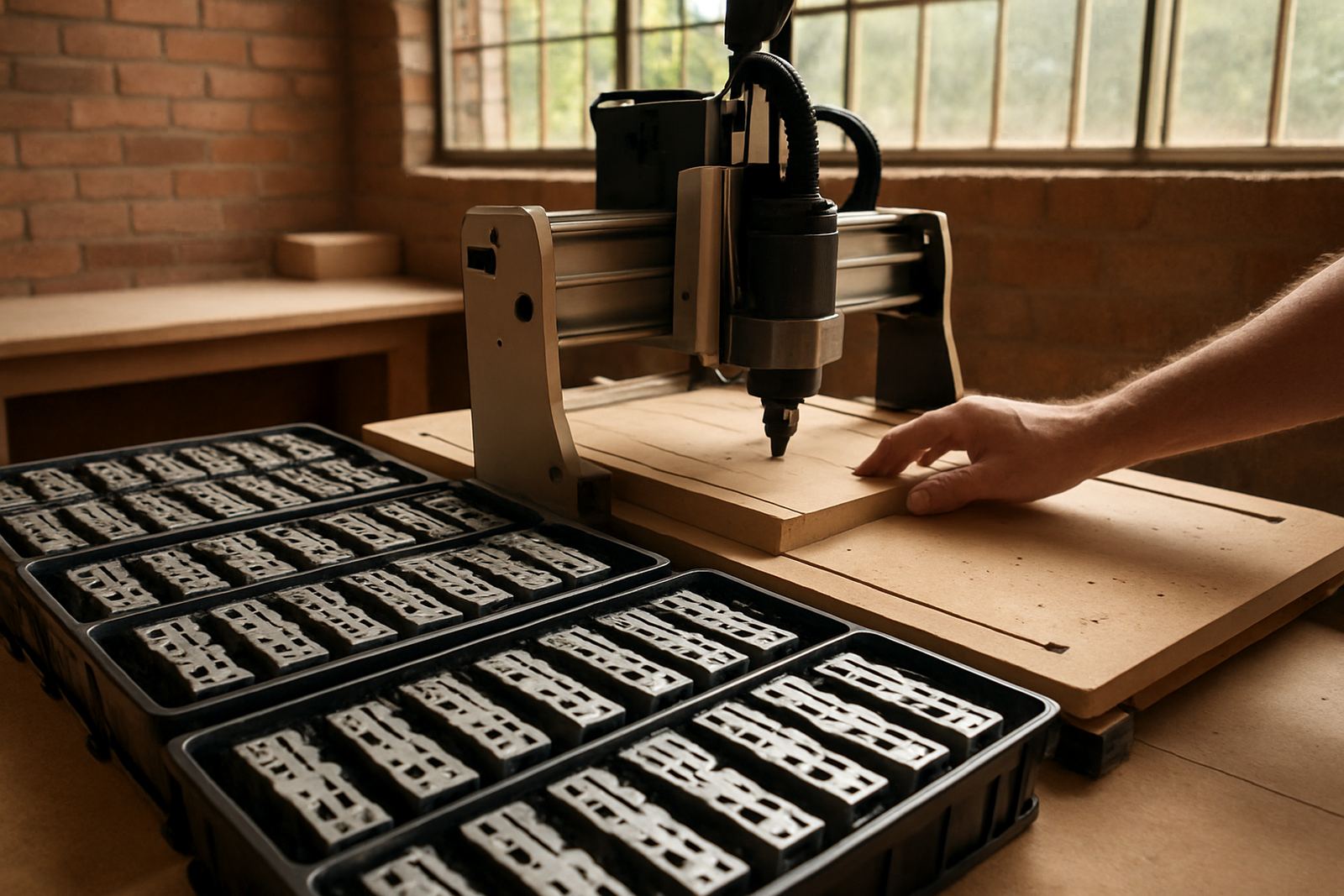

Why one failed part can stop the whole workshop
On a CNC router, a small fault can bring the full job to a halt. A worn sensor, a damaged collet, a failed limit switch or a tired spindle bearing may look minor at first, but once the machine stops, the cutting schedule stops with it. In a small shop that works evenings or between other jobs, that lost time adds up fast.
We often see this in Silverton and Pretoria East where workshops run with one main machine and a tight delivery plan. If the router is down for two days while you wait for a part, you are not only losing production, you may also be paying overtime to catch up later. A sensible spares plan keeps the machine in service and helps you avoid panic buying at a bad time.
The spares that deserve a shelf in every small CNC room
You do not need to keep a whole second machine in parts. But there are a few items worth holding because they fail more often, or take time to source when you need them. The right mix depends on your machine size, the materials you cut and how often the router runs.
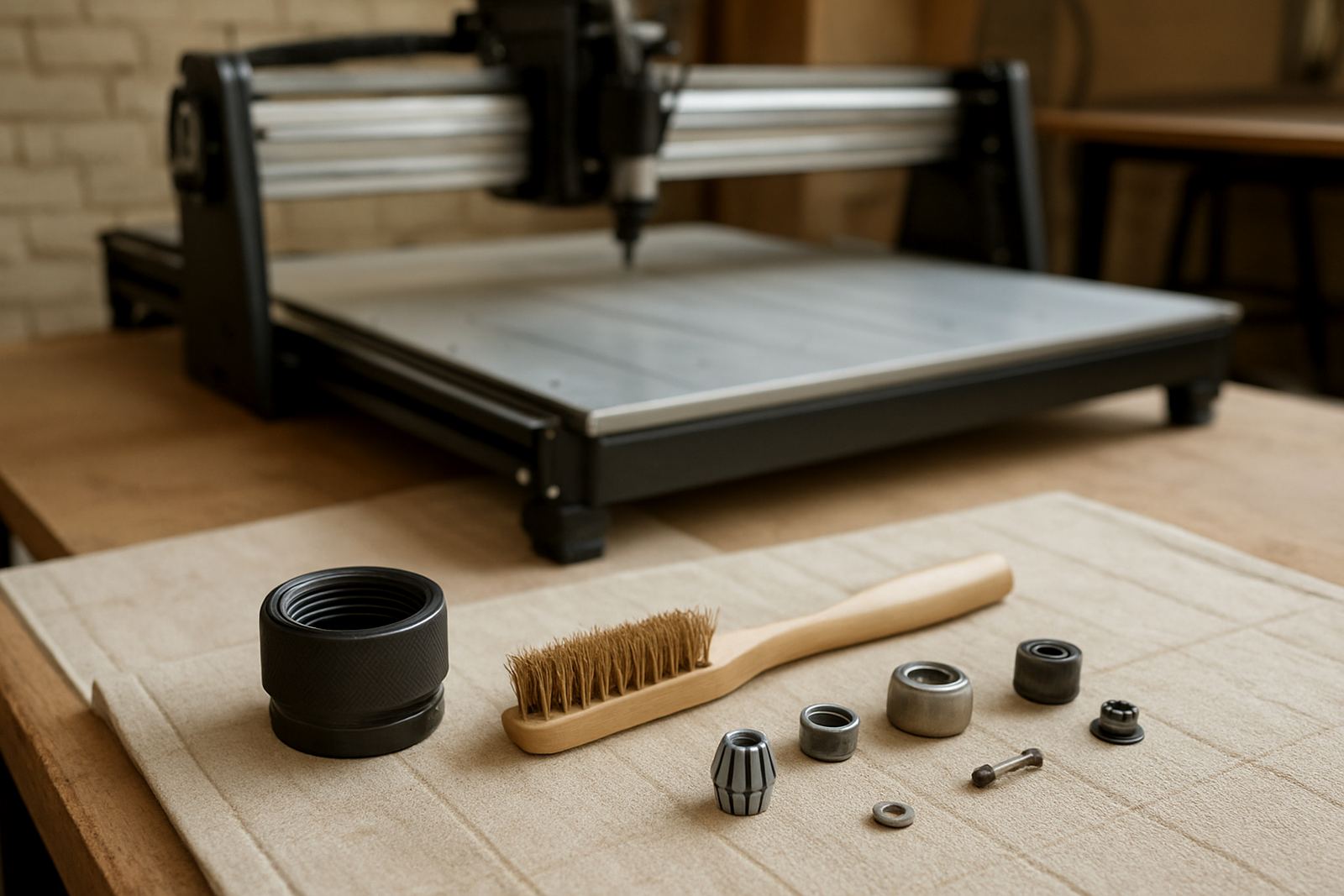
- Collets and nuts for your spindle, especially if you change bits often.
- Limit switches and sensors used for homing and machine safety.
- Drive belts, couplers and pulleys where your setup uses them.
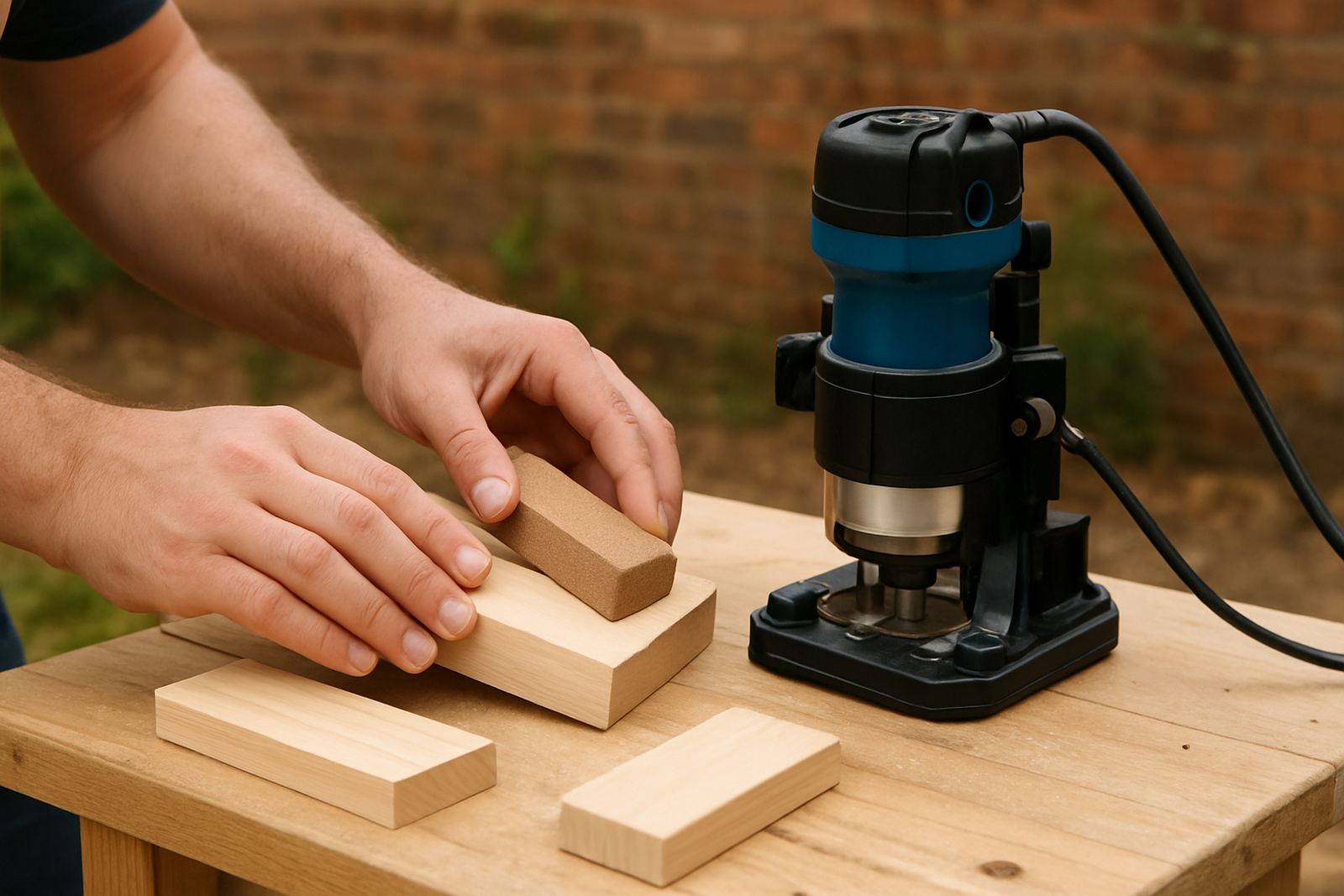
- Cutters and bits matched to MDF, hardwoods and plastics.
- Fuses, relays and basic electrical parts that can be swapped quickly.
- Spindle cooling parts, brushes or fittings if your machine uses them.
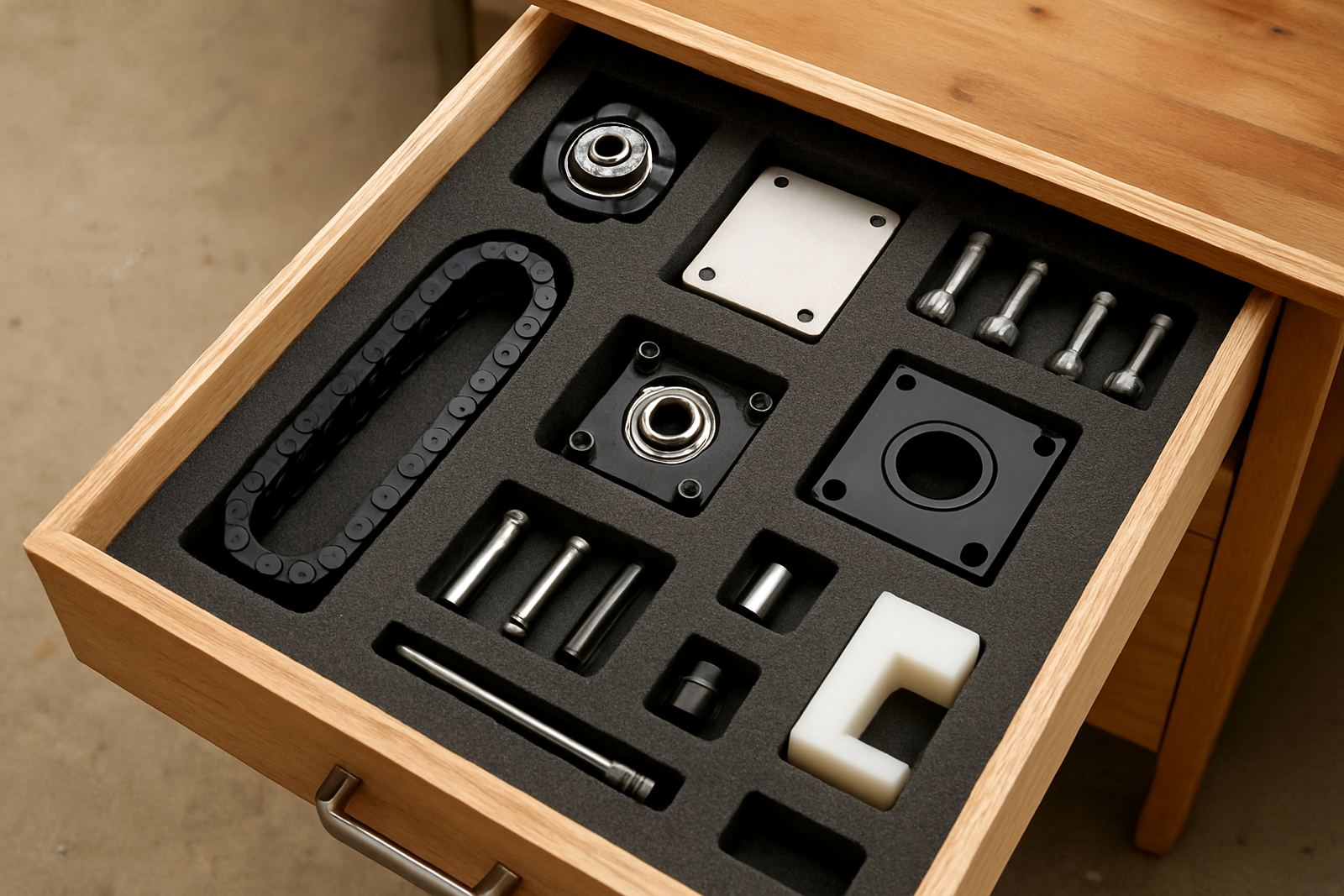
For many hobby users, just keeping the common wear items in a neat labelled box is enough. For a small production shop, the spares list should go a bit further, with one spare for the part that would stop the machine completely.
Humidity, dust and load-shedding change the risk
South African working conditions put extra strain on CNC equipment. In Pretoria, dust from MDF work, heat in the workshop and long running hours all wear parts down. In coastal areas, humidity can affect electrical contacts and stored spares, while load-shedding can cause sudden stops, voltage dips and control issues if power protection is poor.
A workshop that cuts plastics and board every day needs to think differently from a weekend hobby user. When power returns after an outage, a control fault or a tripped protection device can leave you checking cables and resetting alarms before you can restart. If you keep the right spare on hand, that recovery can take minutes instead of half a day.
What to keep for hobby routers and what to keep for production
The size of your machine matters, but so does how you use it. A hobby router in a garage in Centurion may only need a few essential parts. A small business in Midrand or Kempton Park that runs repeat MDF jobs will need a broader list because there is less room for delays.
- Hobby setup: collets, cutters, a spare limit switch and the basic fasteners that fit your machine.
- Light production: all of the above, plus a spare spindle component, belts, sensors and electrical consumables.
- Regular workshop use: critical electronics, control components, backup tooling and a spares plan tied to service intervals.
The mistake many operators make is waiting until failure before asking what the part is called. By then the machine is idle and the wrong item gets ordered. If you know the machine model, spindle size and control setup, spares planning becomes much easier.
A Pretoria example: one morning saved by a spare sensor
A small cabinet shop in Pretoria East had a router that would home correctly one day and fault the next. The operator first thought it was a software issue, then a wiring problem. After testing, the cause turned out to be a faulty sensor at one axis end. Because a spare was already on site, the part was changed the same morning and the shop finished a run of MDF doors before lunch.
If that sensor had not been in the cupboard, the machine would have stood idle while the team waited for delivery. The job would have slipped, and the customer may have had to be rescheduled. That is why spares are not an extra luxury, they are part of keeping the work moving.
Build a spares plan before you need rescue
A proper spares plan starts with a list of the parts most likely to stop your machine and the parts most likely to wear out under your normal workload. It also helps to keep records of what has failed before, when it failed and what caused it. If the same belt or switch gives trouble more than once, it should be moved higher up the list.
For workshops in Silverton, Pretoria East, Centurion, Midrand and nearby areas, our advice is simple: keep one or two critical spares on hand, then review the list every few months. It is cheaper to carry a small amount of stock than to lose three days of cutting because a tiny component is sitting 80 kilometres away. Good spares planning also makes training and maintenance easier, because the technician and operator know exactly what is available on site.
When to replace, when to hold, and when to ask for help
Some parts should be replaced on a schedule, while others only make sense as standby stock. A spindle nearing the end of its service life, for example, may justify planning ahead before it fails. Other items, like sensors or collets, are worth keeping because they are inexpensive and easy to use when needed. If you are unsure, ask for a checklist based on your router and the materials you cut.
For local support, training, breakdown help and spares planning, a practical conversation can save a lot of trouble later. The goal is not to fill a shelf for the sake of it, but to keep the machine earning its keep and reduce the risk of a stop that turns into a long delay.