Start with machine safety before any cutting begins
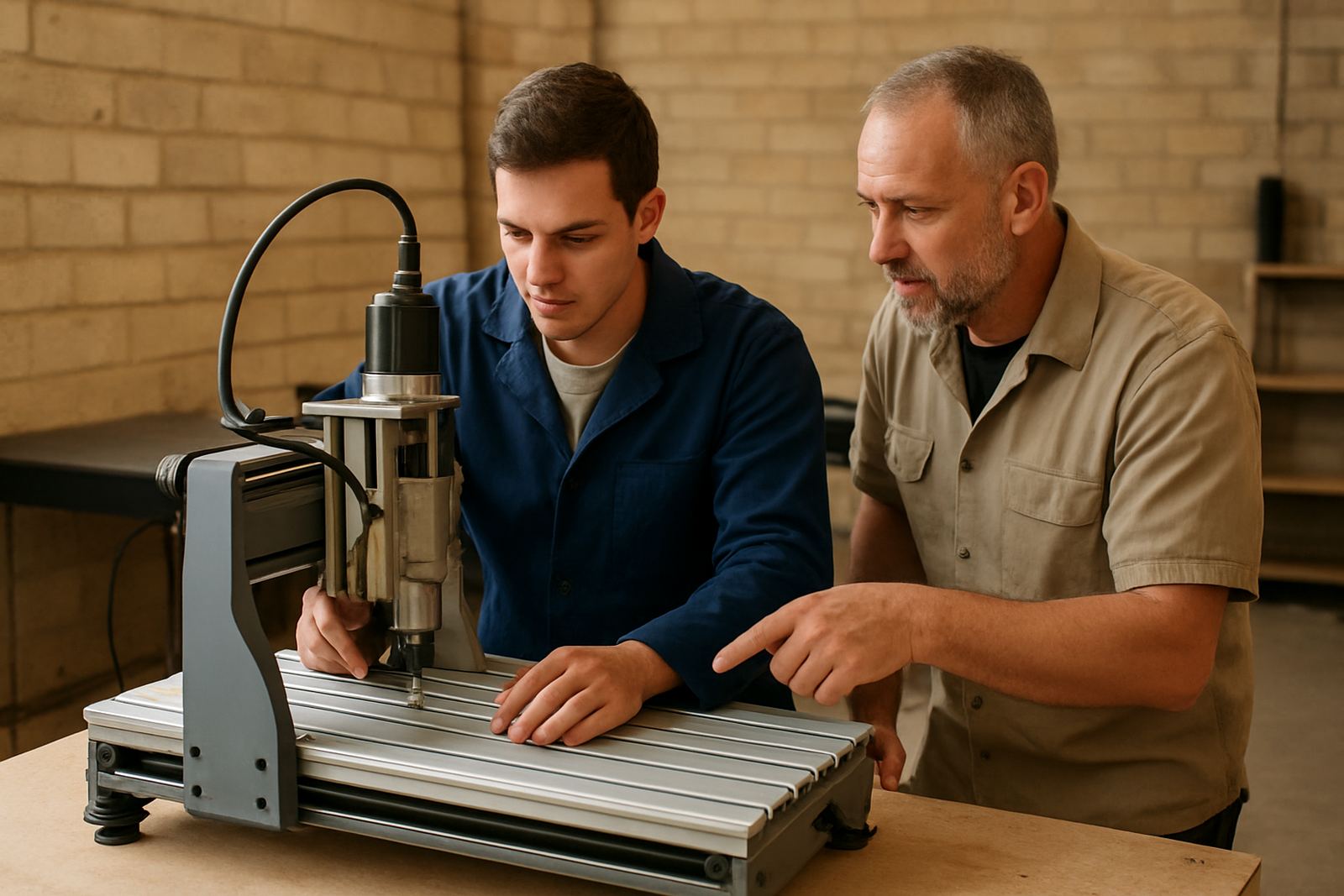
The first lesson should never be button pressing. New staff need to understand the full working area, emergency stops, dust extraction, clamp points, cutter clearance, and why a machine that is idle can still be dangerous if the gantry moves unexpectedly. On small workshop routers, a rushed first week often leads to broken bits, spoiled MDF, or hands near moving parts. That is avoidable.
In a Pretoria workshop, especially where a machine sits in a shared room with saws, compressors, and manual tools, safety rules must be simple and consistent. Show each operator how to switch on, test, and shut down the machine in the same order every time. Keep a printed checklist beside the control unit and train staff to stop work if they are unsure. One skipped step can cost a full sheet of board or a spindle service call.
- Check the work area for offcuts, loose tools, and cable runs before starting
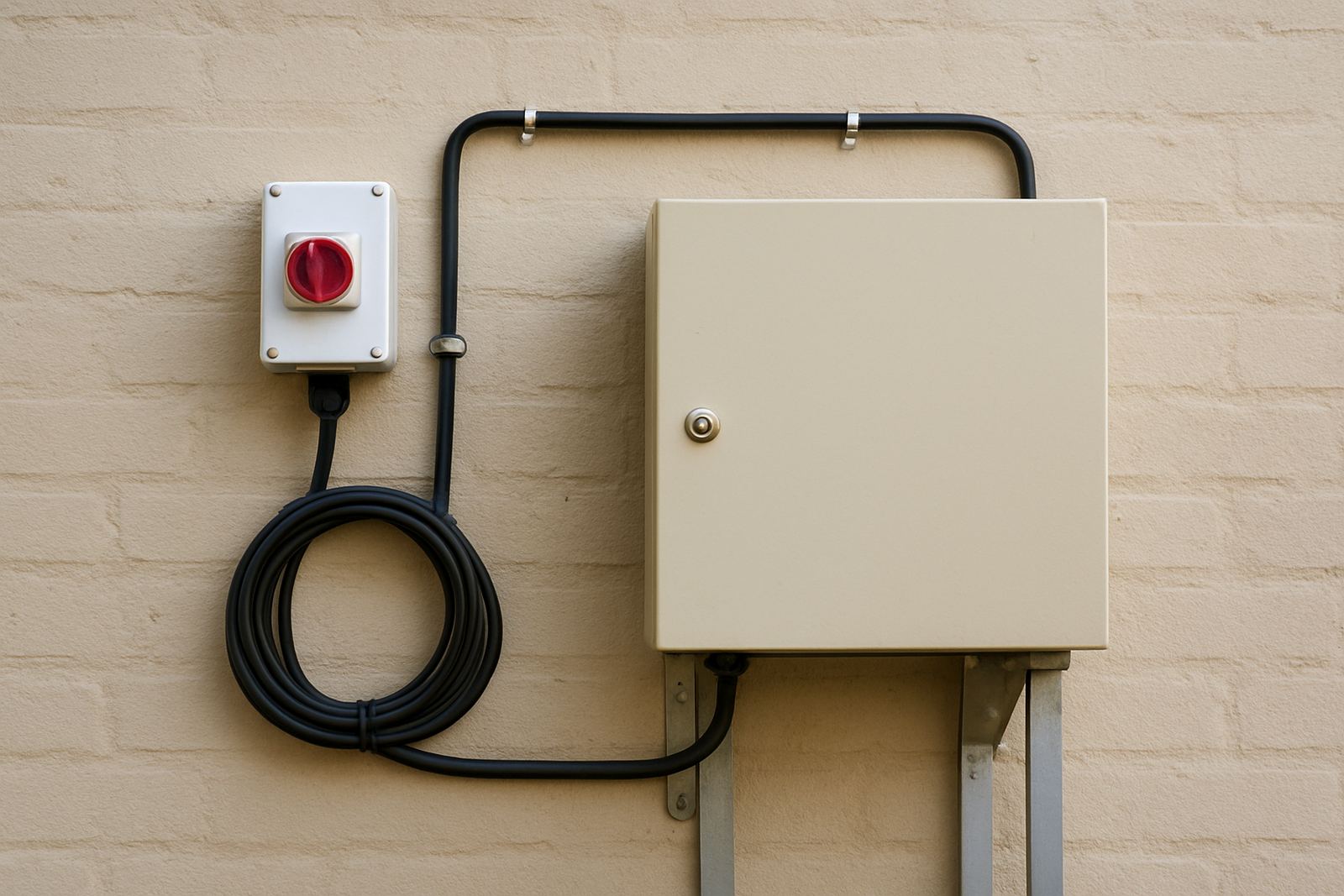
- Confirm the emergency stop is easy to reach and understood by everyone
- Use dust extraction and eye protection every shift, not only when it is convenient
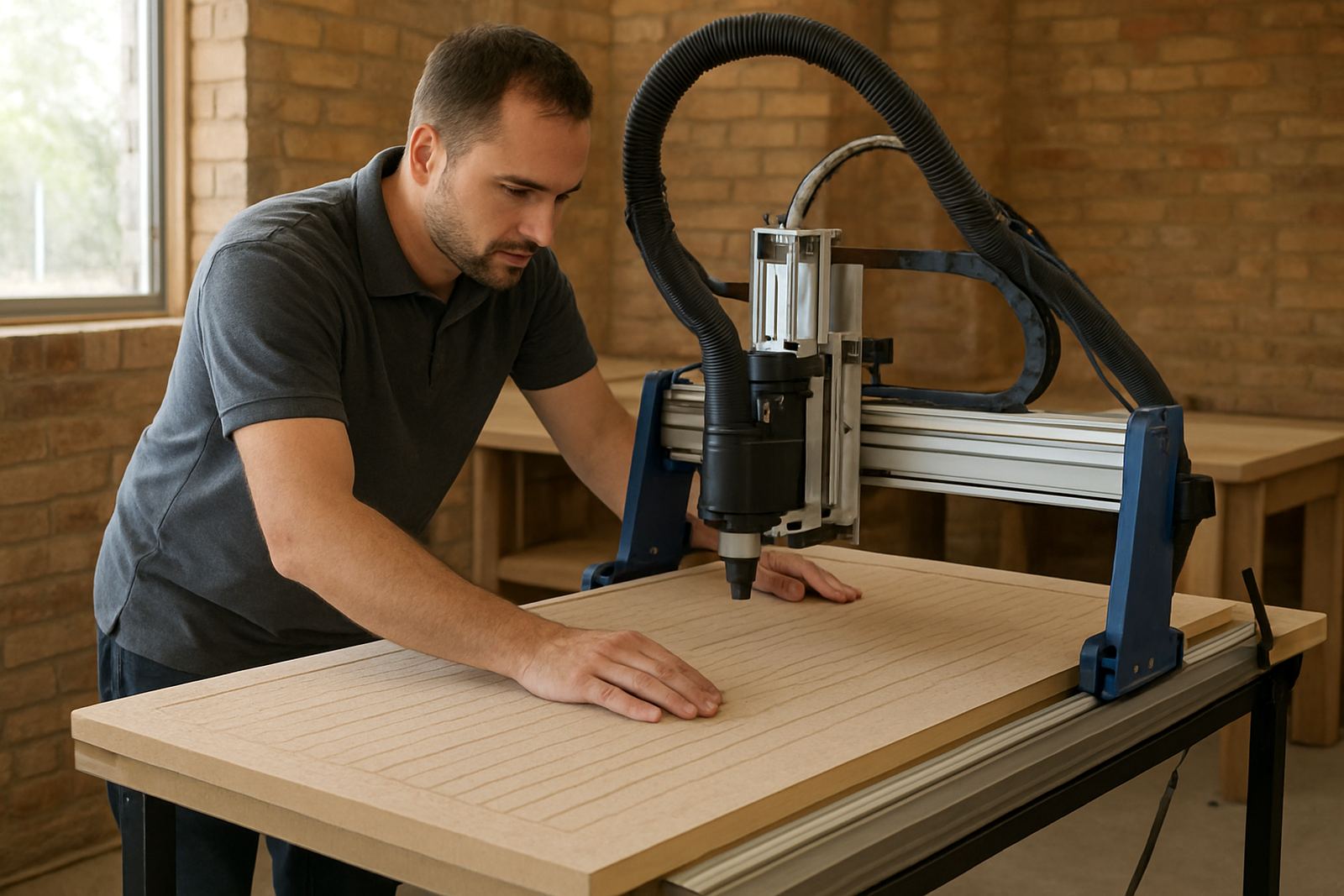
- Teach the correct way to hold material, especially thin sheets and small parts
Teach the software basics with one simple job at a time
Many new operators feel nervous because the screen looks more complicated than the machine itself. Keep the software lesson practical. Start with file opening, toolpath loading, feed rate settings, zeroing, and basic start and pause functions. A beginner does not need every advanced feature in week one. They need to know how to load a safe job, confirm the tool size, and recognise a setup error before the spindle starts cutting.
A useful method is to train around one repeat job, such as a nameplate in MDF or a simple acrylic panel. That way the operator sees how design, tool choice, depth of cut, and finishing pass all connect. If the first exercise is a cabinet side with multiple pockets and drilled points, the learner can become overwhelmed and make avoidable mistakes. Build confidence through repetition, then add more detail.
- Open one file format that the workshop uses regularly
- Set the origin point and check it against the drawing
- Verify spindle speed, feed rate, and cutter type before every run
- Run a dry test above the material when training new staff
Use a stepped onboarding plan for the first 30 days
Structured onboarding works best when it is broken into stages. In week one, the operator should learn safety, machine parts, and startup routines. In week two, they can assist with loading material, setting zero, and cleaning the bed. By week three, they should run supervised jobs and record settings. In week four, they should manage a basic job from setup to finish while a trainer checks their work.
This approach keeps pressure low and makes progress visible. It also helps managers spot weak points early. If one person still struggles with tool height or file naming after two weeks, the issue can be corrected before the workshop loses time. For smaller teams in Silverton or Centurion, that matters because there may be only one machine and no spare operator waiting in the wings.
- Week 1: safety, machine parts, shutdown routine
- Week 2: loading sheets, zeroing, cleaning and housekeeping
- Week 3: supervised cutting, quality checks, record keeping
- Week 4: basic job ownership with trainer oversight
Match the training to the material and the workshop climate
Woodworking, MDF, and plastic all behave differently, so a staff member trained on one material may still need guidance on another. MDF produces fine dust and can burn if feeds are too slow. Plastic can melt or chatter if the cutter is wrong. Thin board can lift if the holding method is poor. A good trainer explains these differences in plain language and shows the signs of a bad setup before damage happens.
South African workshops also deal with heat, dust, and sometimes high humidity. In Pretoria, a hot afternoon can change how material sits on the bed, while a coastal client in Durban may see more moisture movement in storage. That is why training should include storage habits, acclimatising sheets before cutting, and checking that spoil boards are still flat. It is the small routines that keep jobs accurate.
Where load-shedding is part of daily planning, operators must also know how to pause work safely, save their file, and restart without guessing. A brief power interruption should not become a scrap pile.
Build maintenance habits into the training from day one
New staff should not only know how to run the machine, they should know how to care for it. Simple maintenance is often what keeps a small workshop productive. If the gantry rails are dusty, if cutters are blunt, or if the spindle sounds different, the operator should know what to check and who to tell. Waiting until the machine stops completely usually costs more.
A proper training session should include daily, weekly, and monthly tasks. Daily cleaning keeps chips out of moving parts. Weekly inspection helps catch loose fixings or worn tooling. Monthly checks can include cable condition, alignment signs, and basic control tuning. When staff understand these routines, they treat the machine as part of the workshop, not just a box that starts when pressed.
- Remove dust and chips after every shift
- Inspect cutters before use and replace worn tools on time
- Listen for unusual spindle noise or vibration
- Record any fault immediately, even if the job still finishes
Why local training support helps smaller teams work better
Many workshops do not have the luxury of a full-time technician on site. That is why training should be practical, repeatable, and easy to revisit. A new starter in Pretoria East may learn faster with a starter setup visit, while a shop in Midrand may need remote support after hours to get a job ready for the next morning. Nationwide spares planning also matters, because downtime is not only about labour, it is about waiting for the right part.
For a small team, the goal is not to turn every operator into a specialist. The goal is to make them safe, steady, and able to complete common work without panic. A clear onboarding system gives managers fewer interruptions and gives new staff a proper footing. That builds confidence in a way that short informal demonstrations never can.
When training is planned well, the machine lasts longer, jobs are cleaner, and the workshop spends less time fixing avoidable mistakes. That is true whether the business is in Silverton, Kempton Park, or a home workshop in Centurion. Good habits travel well.