



Start with the right CNC size for your work
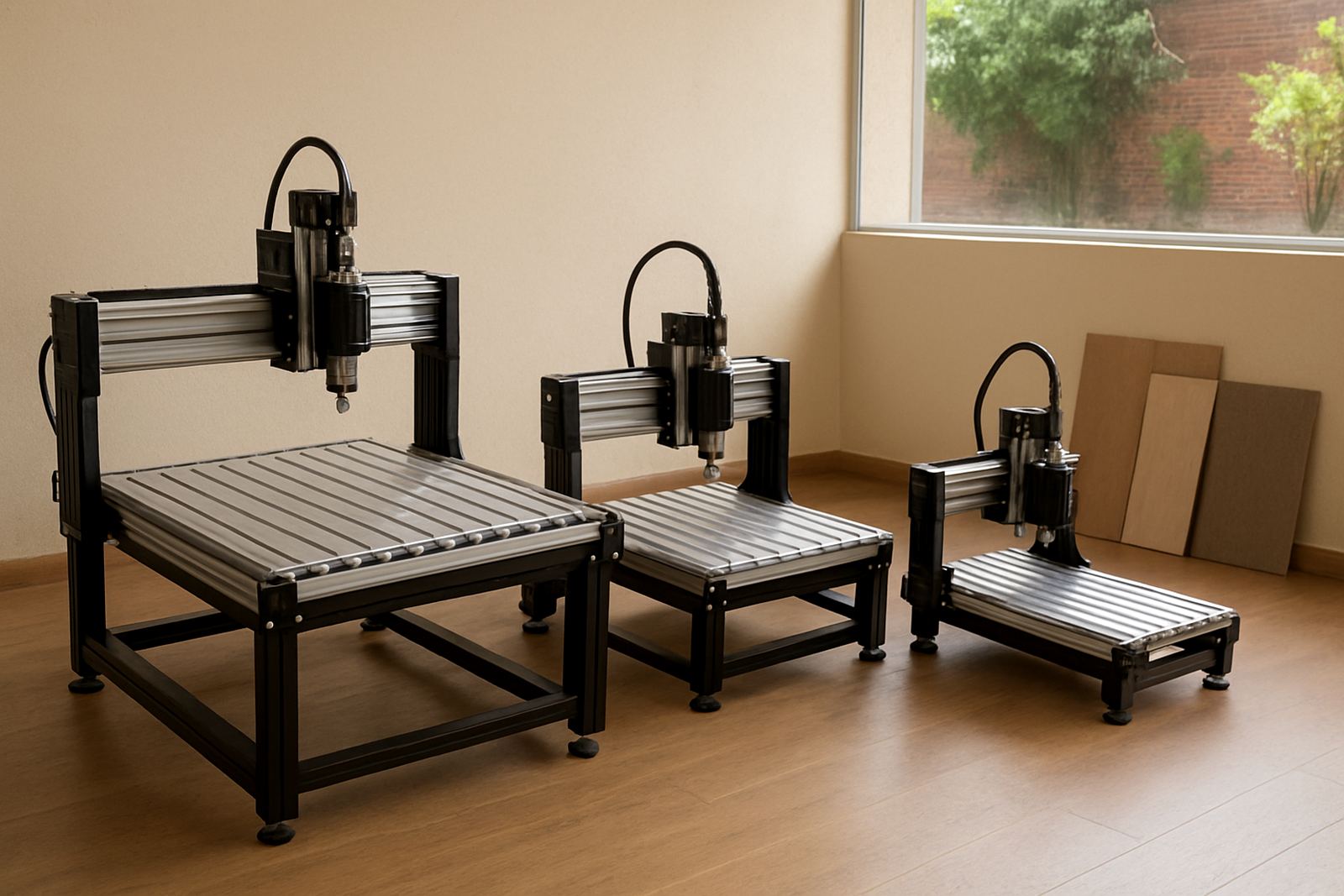
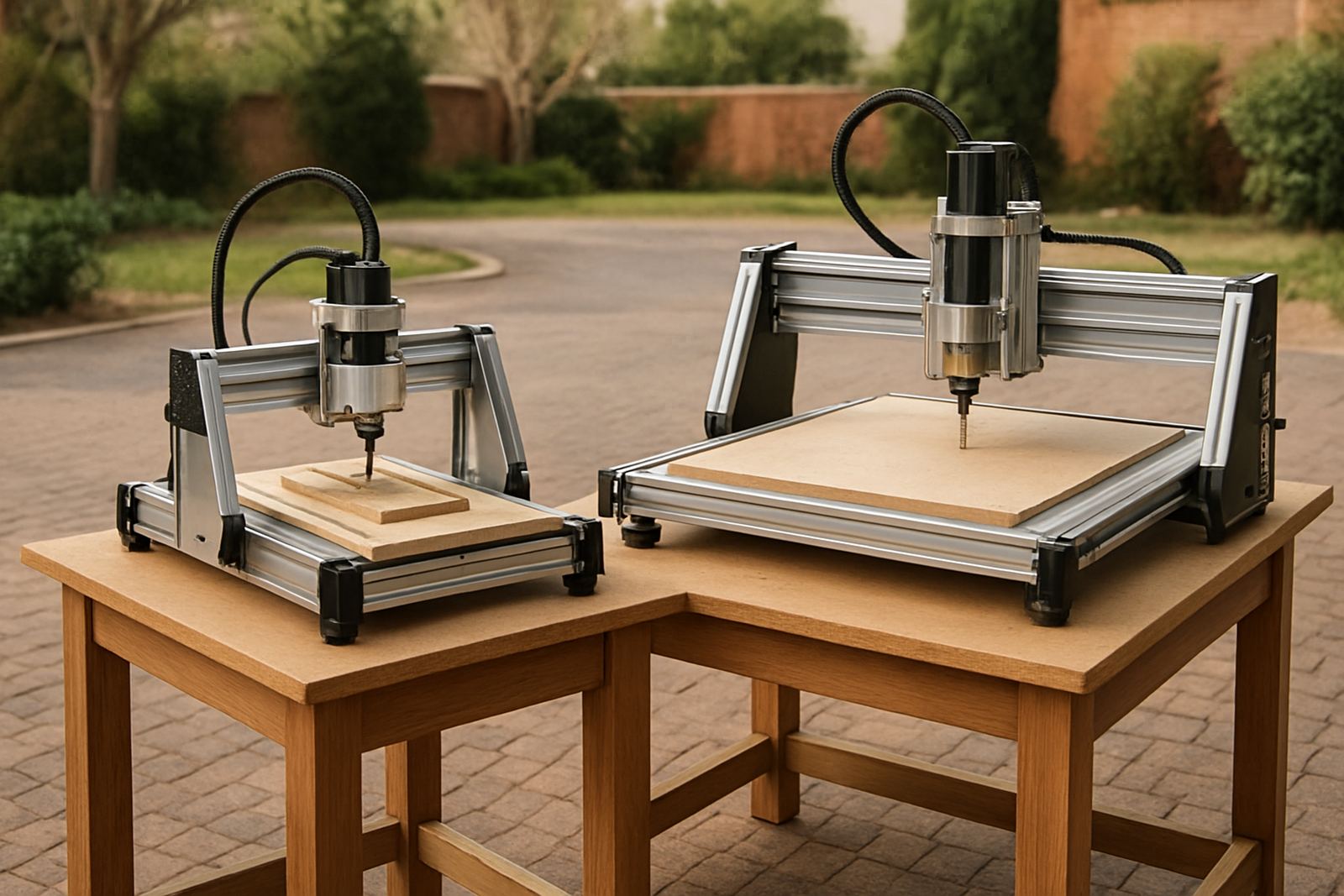
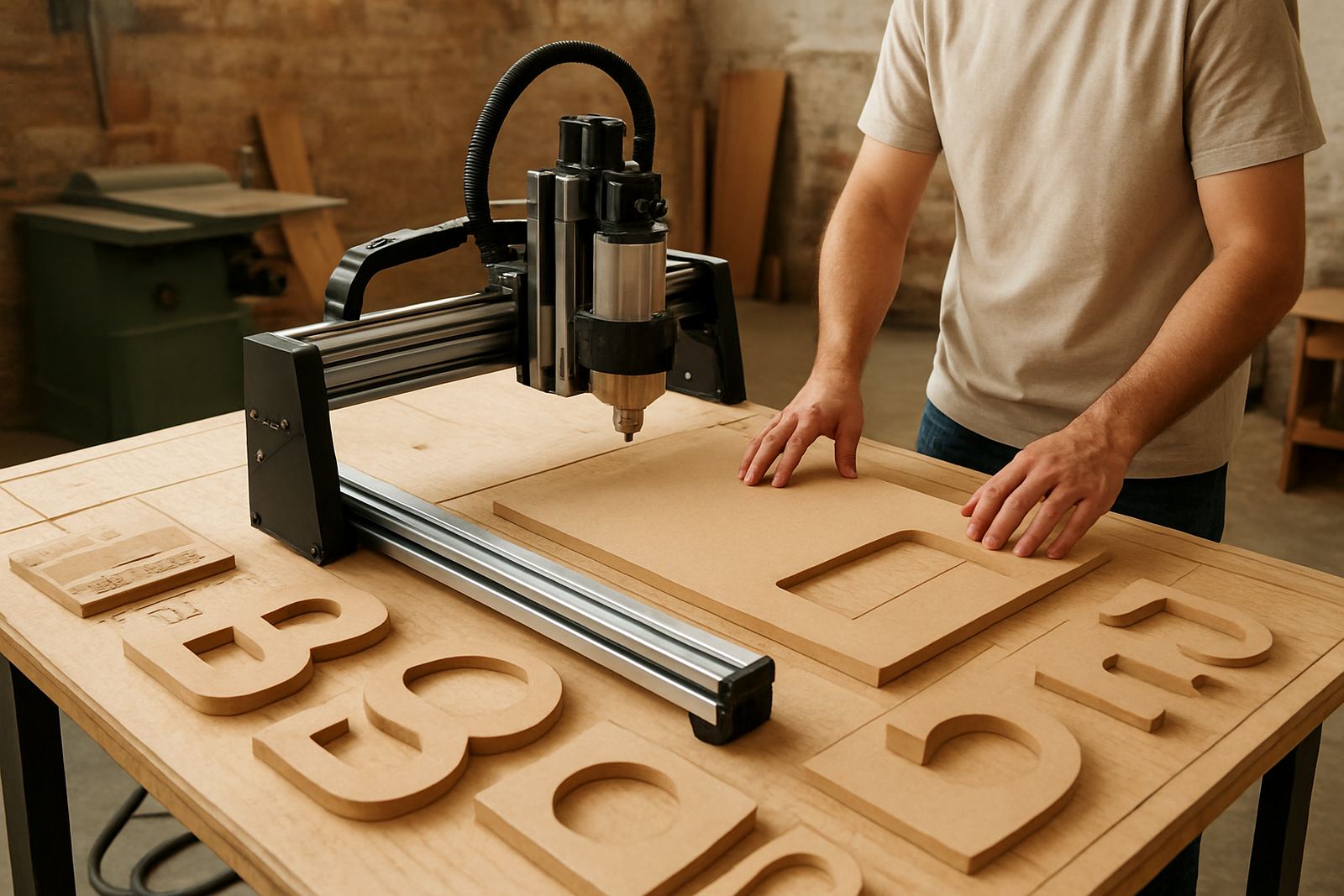
Choosing a router starts with the material you cut most often and the size of the sheets you handle. A small table may suit sign boards, drawer parts and test pieces, while a larger bed is better for full 2440 x 1220 mm sheets, nesting and repeated cabinet work.
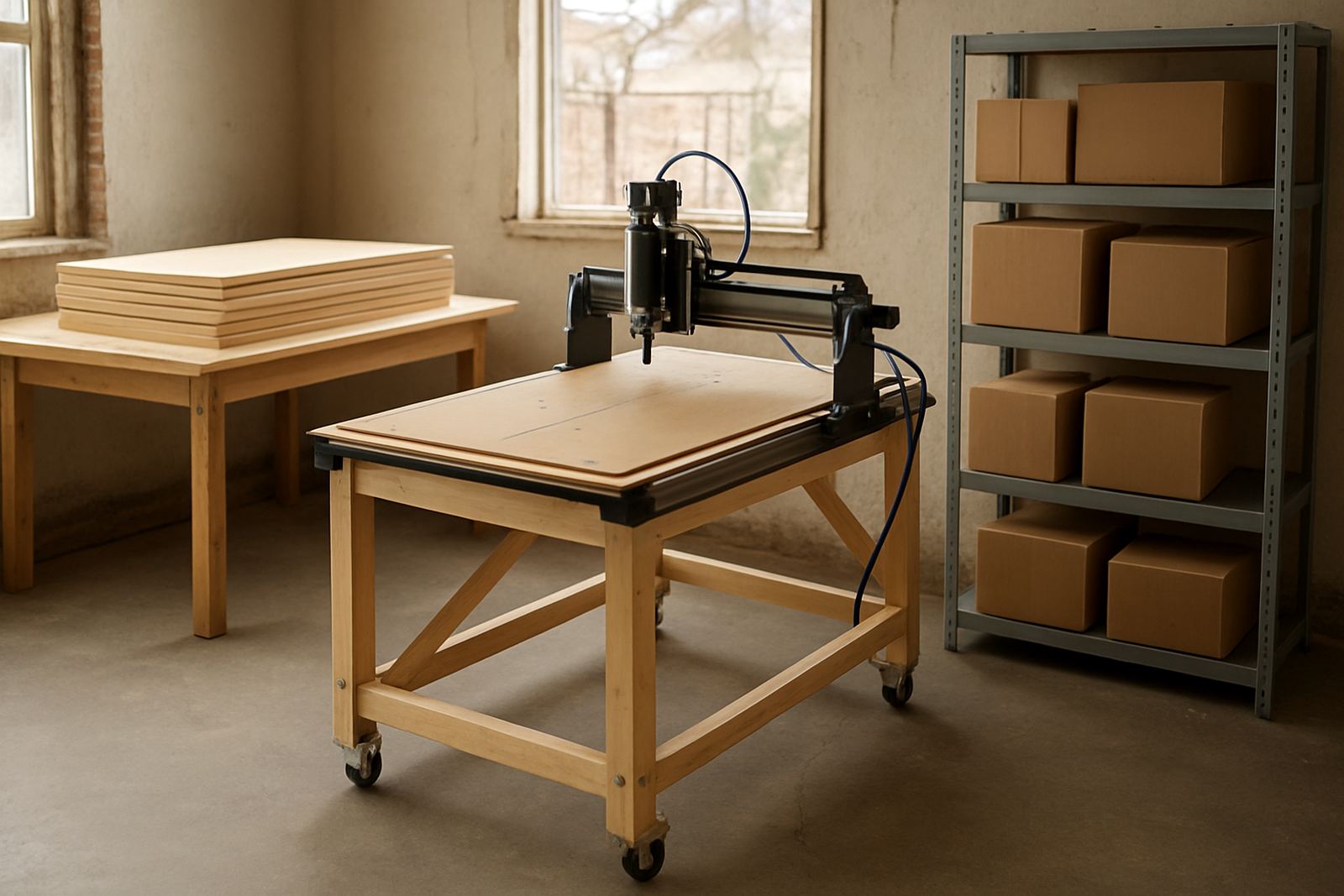
In Pretoria, Silverton and the East Rand, many customers work in mixed spaces where floor area, dust extraction and power supply matter just as much as cutting area. If you are in a home garage or light workshop, think about where the machine will stand, how you will load material and whether you have enough space to move around it safely.
Match the machine to the material you cut
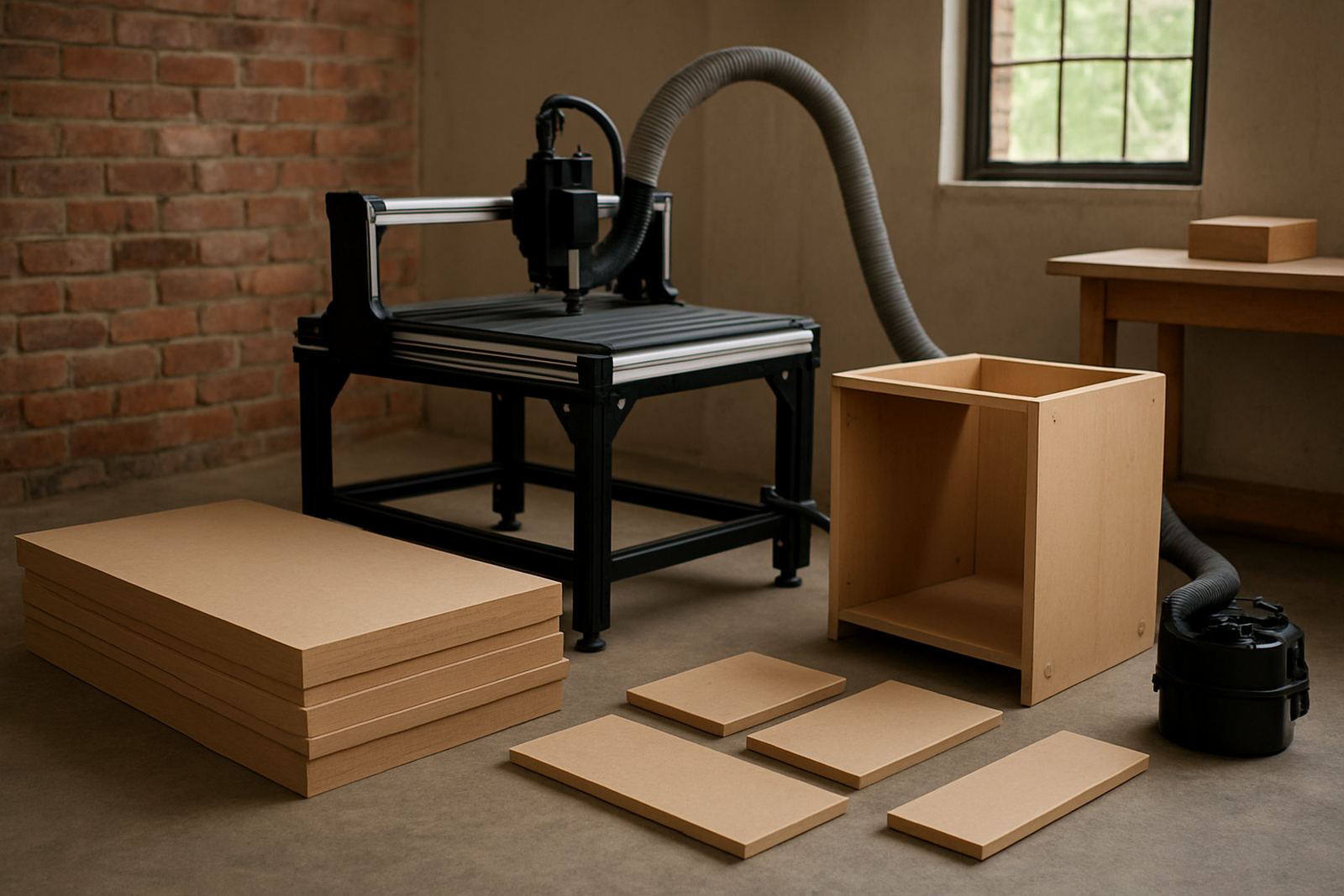
Wood, MDF and plastics all behave differently under the cutter. MDF creates fine dust and needs solid extraction, while plastics can warm up fast if feed rates and spindle speed are not set properly. The right guide helps you avoid burning edges, chatter marks and wasted sheets.
- Woodworking projects often need a balance of speed and finish quality.
- MDF benefits from clean dust control and repeatable zeroing.
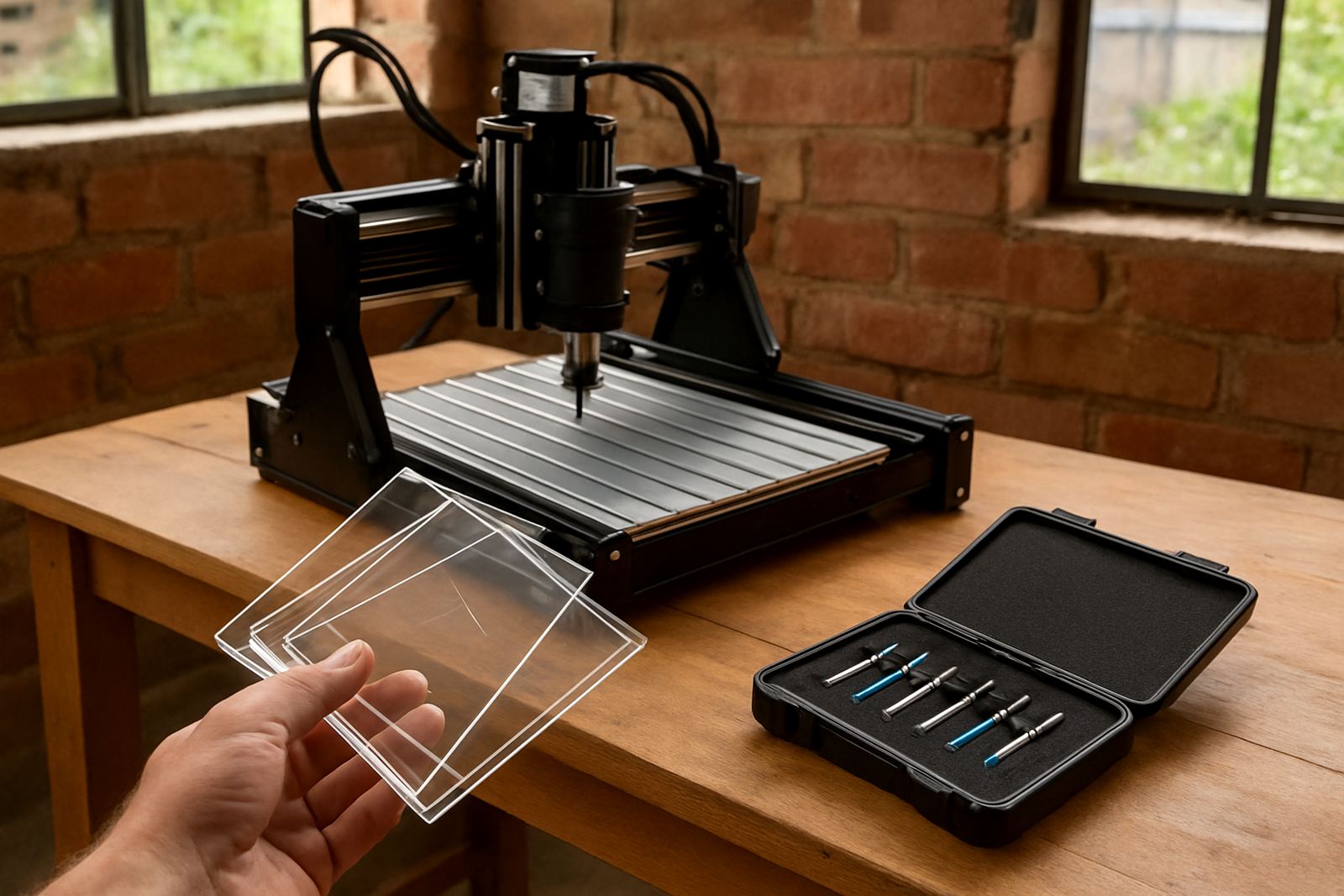
- Plastics need sharper tooling and careful chip removal.
- Short runs and one-off parts call for easy setup, not extra complexity.
If your work changes from week to week, choose a table and control setup that can handle different materials without a lot of rework. That saves time and keeps operators more confident on the machine.
Accessories that save time in a small workshop
The right accessories can make a hobby router far more useful. Basic holding methods, spoilboard care, cutter choices and dust extraction all affect the finish you get. A well planned setup also reduces wear on spindles, rails and control parts.
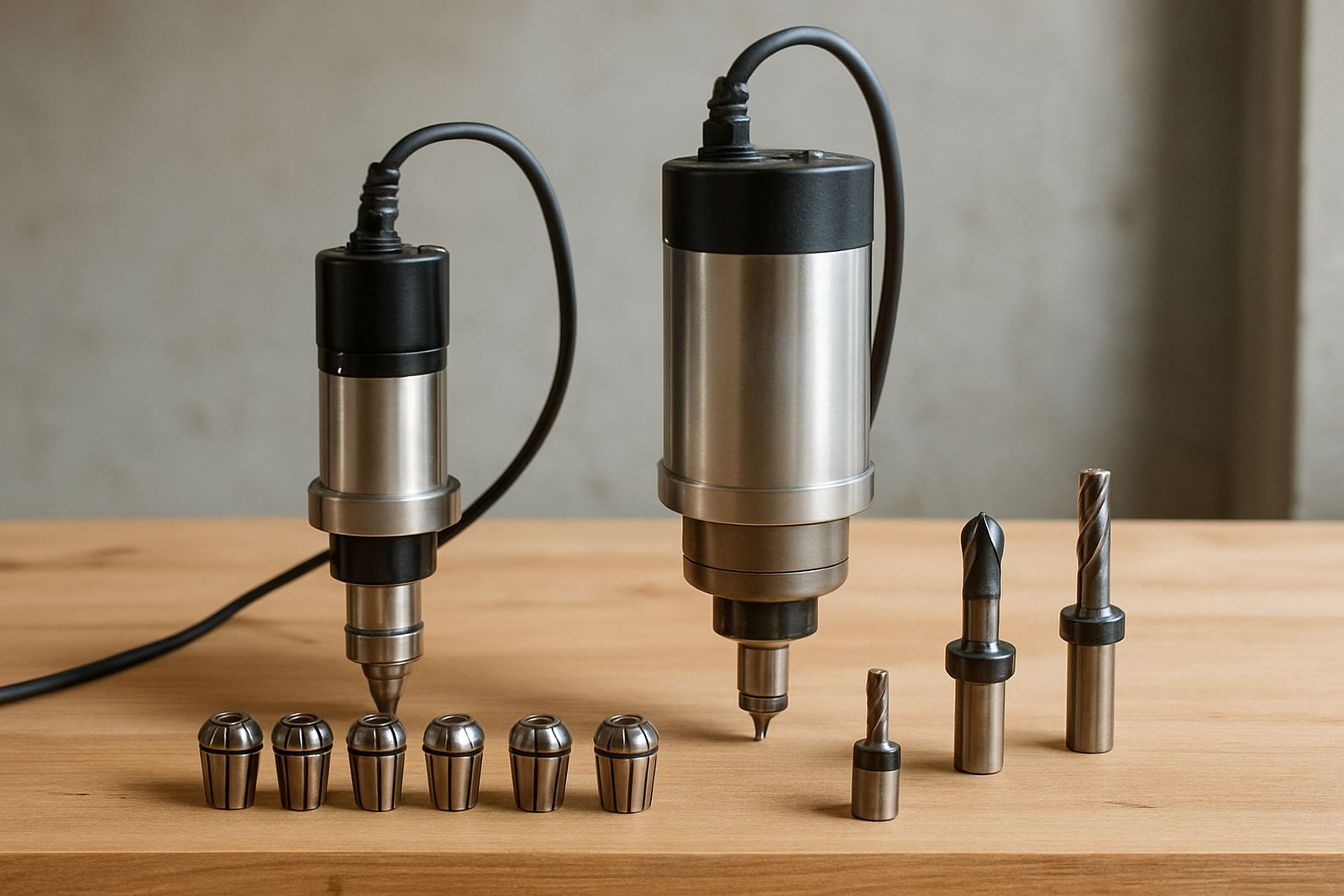
- Spare cutters for common jobs and material types.
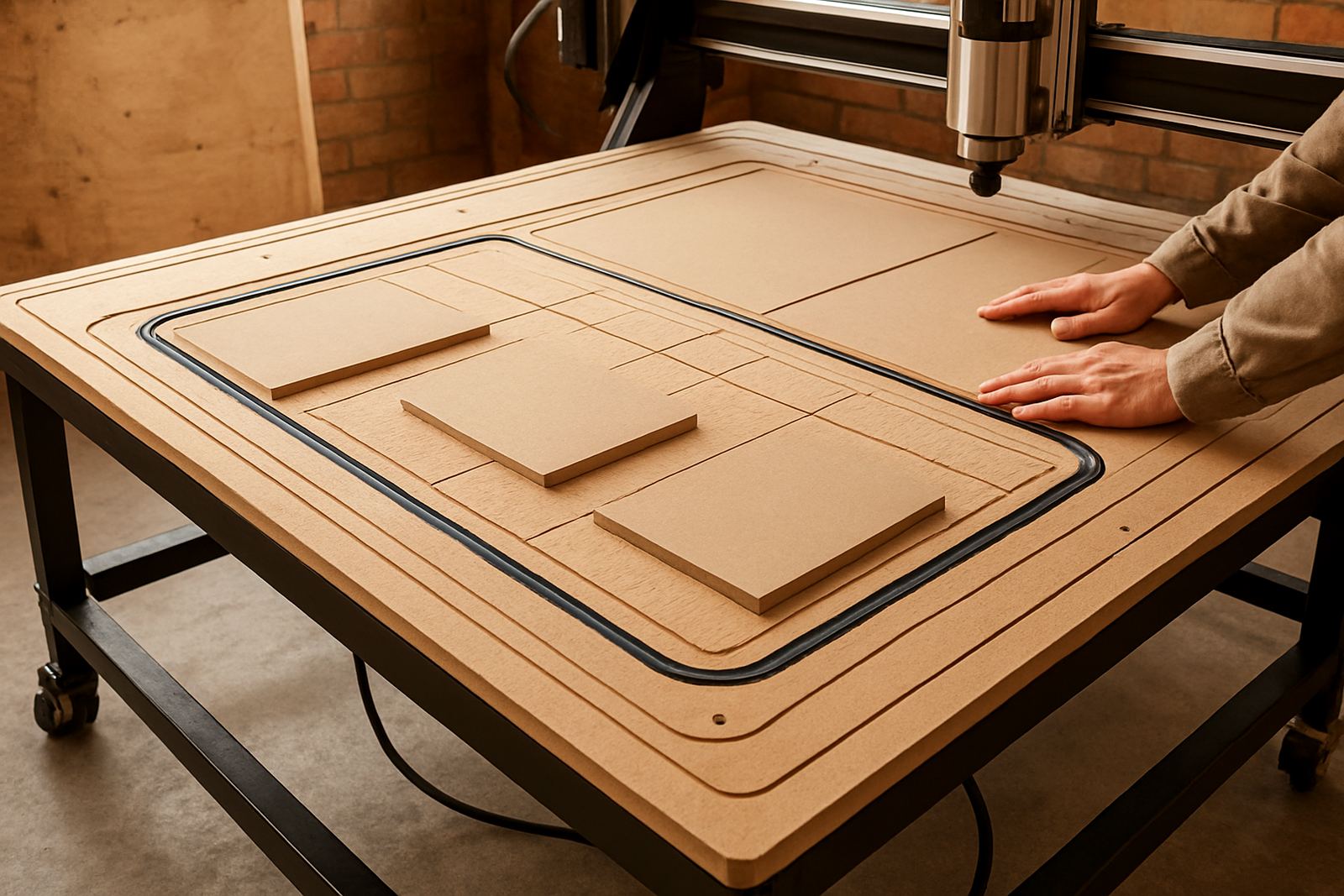
- Clamping and hold down options for thin or warped sheets.
- Dust extraction suited to MDF and plywood work.
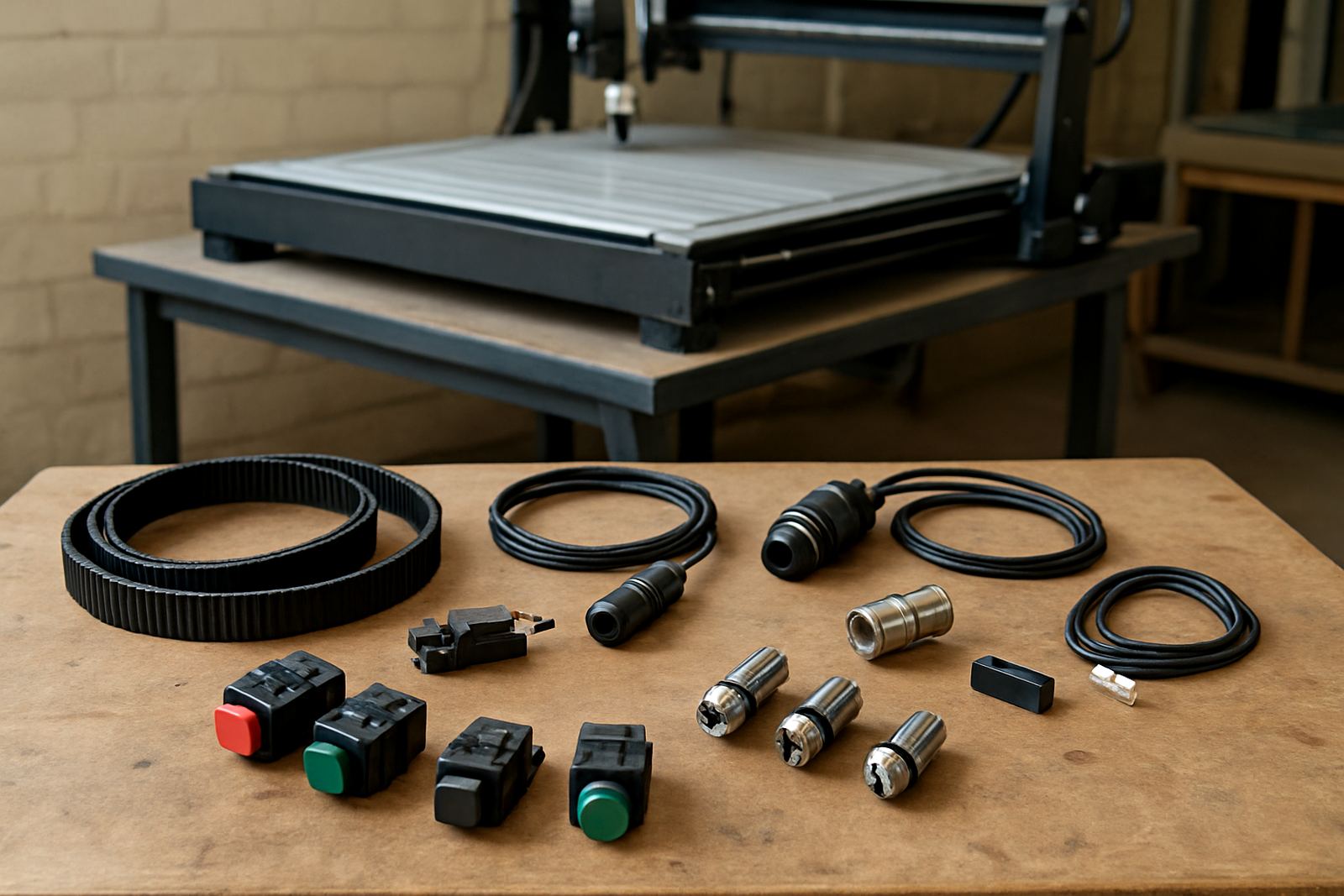
- Backup control parts and cables for reduced downtime.
For customers in humid coastal areas, stored tooling and spares should be kept dry and organised. Inland workshops still need the same care, especially where load-shedding interruptions can stop a job mid cut.
What to check before you bring a router into the workshop
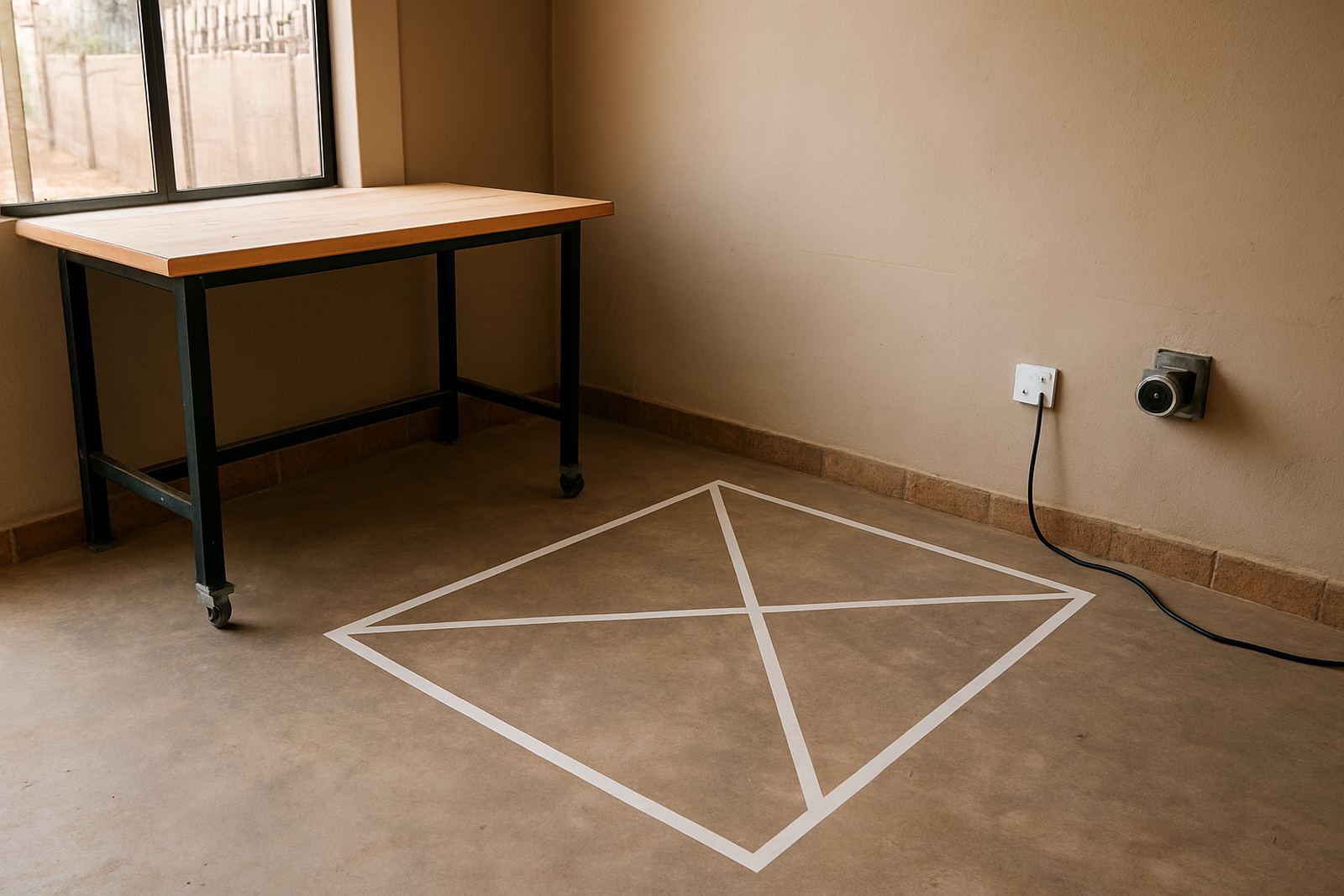
A CNC table needs more than a free corner. Check your power supply, breaker size, ventilation, floor space and access for loading sheets. If your workshop shares power with welders, compressors or saws, plan the circuit properly before the machine arrives.
Day-to-day movement in the workspace needs planning too. Can one person load the material safely? Is there room for a vacuum hose, control panel and tooling storage? Small details like these affect how often the machine gets used, not just how it looks on day one.
Training that helps operators cut with confidence
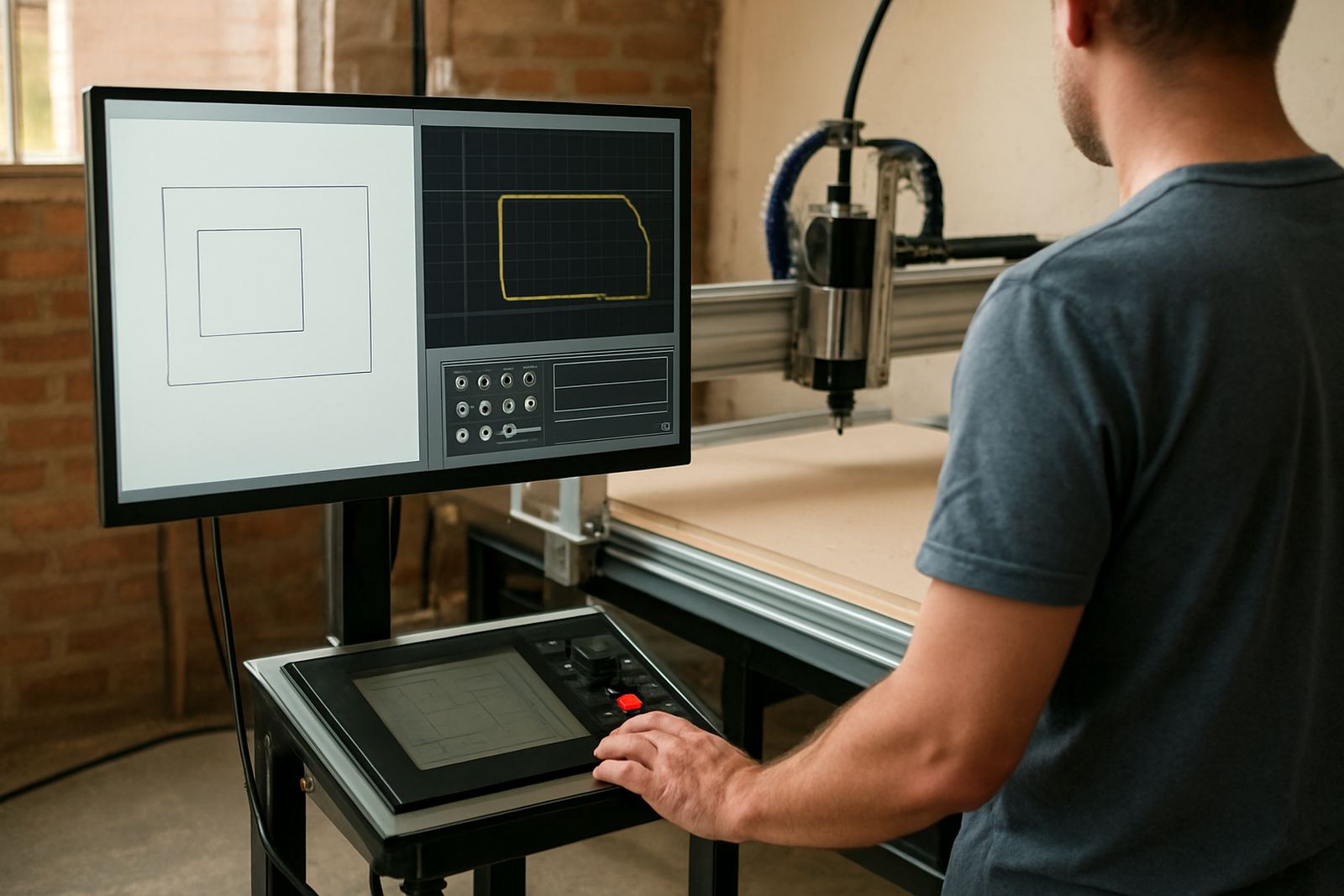
Good training shortens the learning curve and reduces mistakes. A new operator needs to understand homing, zero setting, file checks, basic software steps and safe start up. A refresher is useful when a workshop adds new tooling or changes the way jobs are nested.
Our guides support buyers and operators who want practical answers, whether they are in Centurion, Midrand, Kempton Park or further afield. Training and remote support can cover starter setup, software basics, control tuning and practical maintenance, so the machine stays useful and doesnt sit idle.
Spares planning keeps jobs moving
Downtime costs money, especially when a client is waiting on doors, panels or signage. Planning for spares early helps you avoid long delays later. Common wear items, spindle support parts and control components should be reviewed before they fail, not after.
For workshops in Pretoria East and nationwide, a proper spares plan means faster recovery when something stops. It also helps with preventive maintenance, breakdown support and spindle replacement, so smaller teams can keep taking on work without unnecessary interruptions.
Choosing the right router setup
Start with the question that matters most to you: size, material, accessories, setup or maintenance. Match the advice to your workshop stage, whether you are comparing first machines or trying to improve an existing setup. Practical guidance helps you weigh up the options before you buy.
Router Guides are written to help South African users make a clear choice with fewer surprises. If you are working in Silverton, Centurion or anywhere nationwide, the same basics apply: match the machine to the job, plan for power and dust, and keep the right spares on hand.