


Woodworking Jobs That Need Clean Repeat Cuts
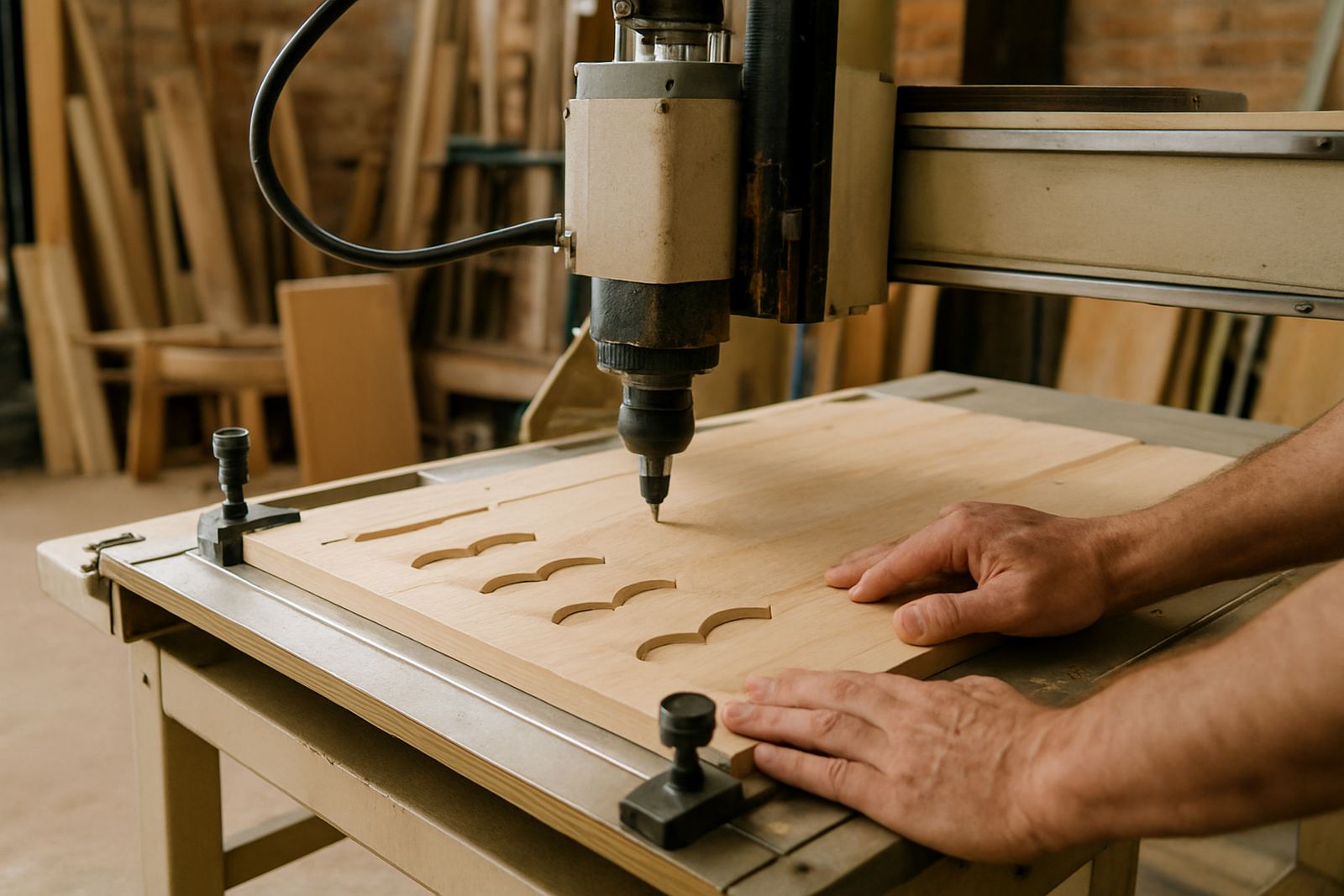
Wood is one of the most common starting points for a CNC router, especially in small Pretoria workshops where space and power must be managed carefully. For cabinet parts, signs, jigs, lettering and panel work, a compact machine can handle daily production without taking over the whole room.
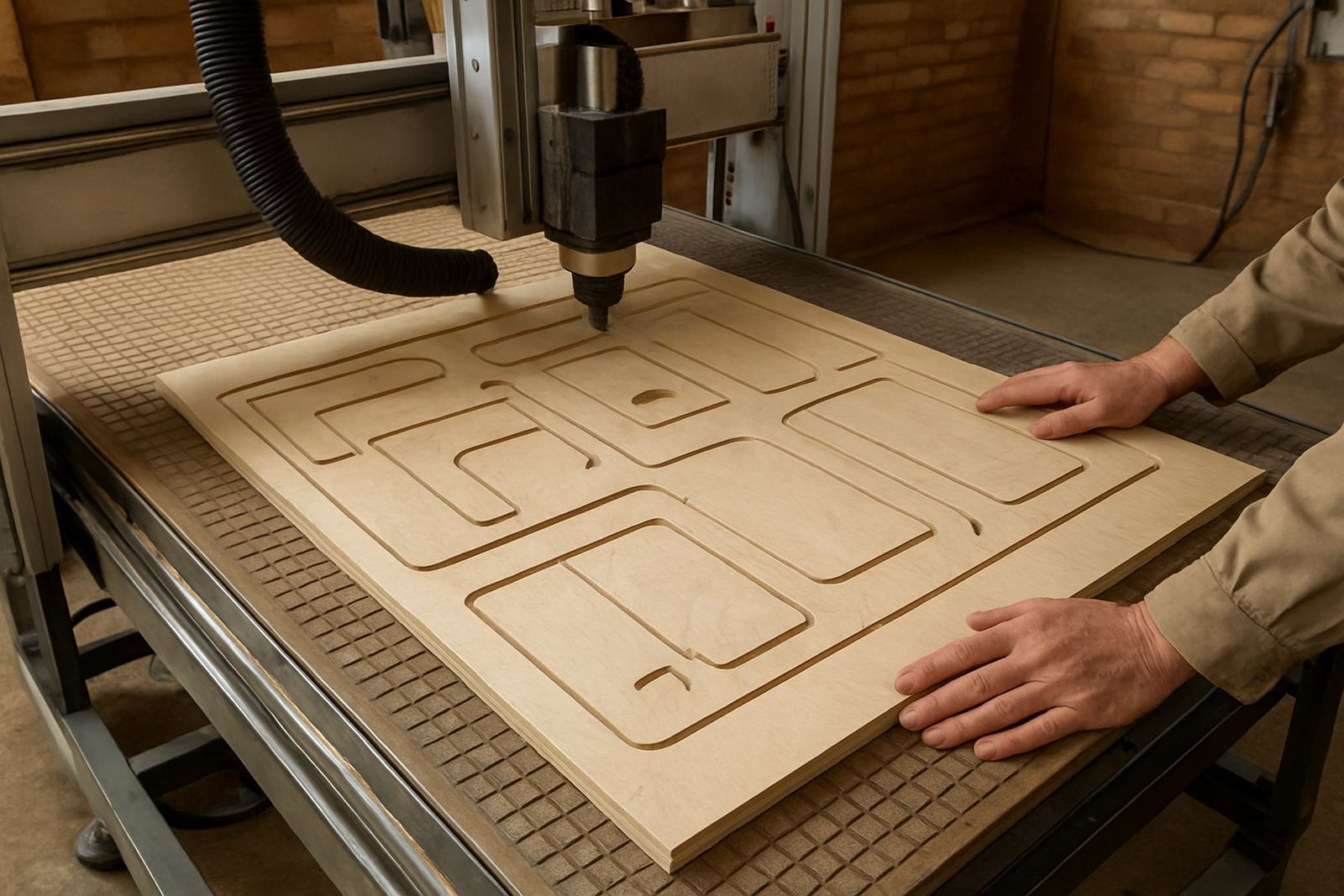
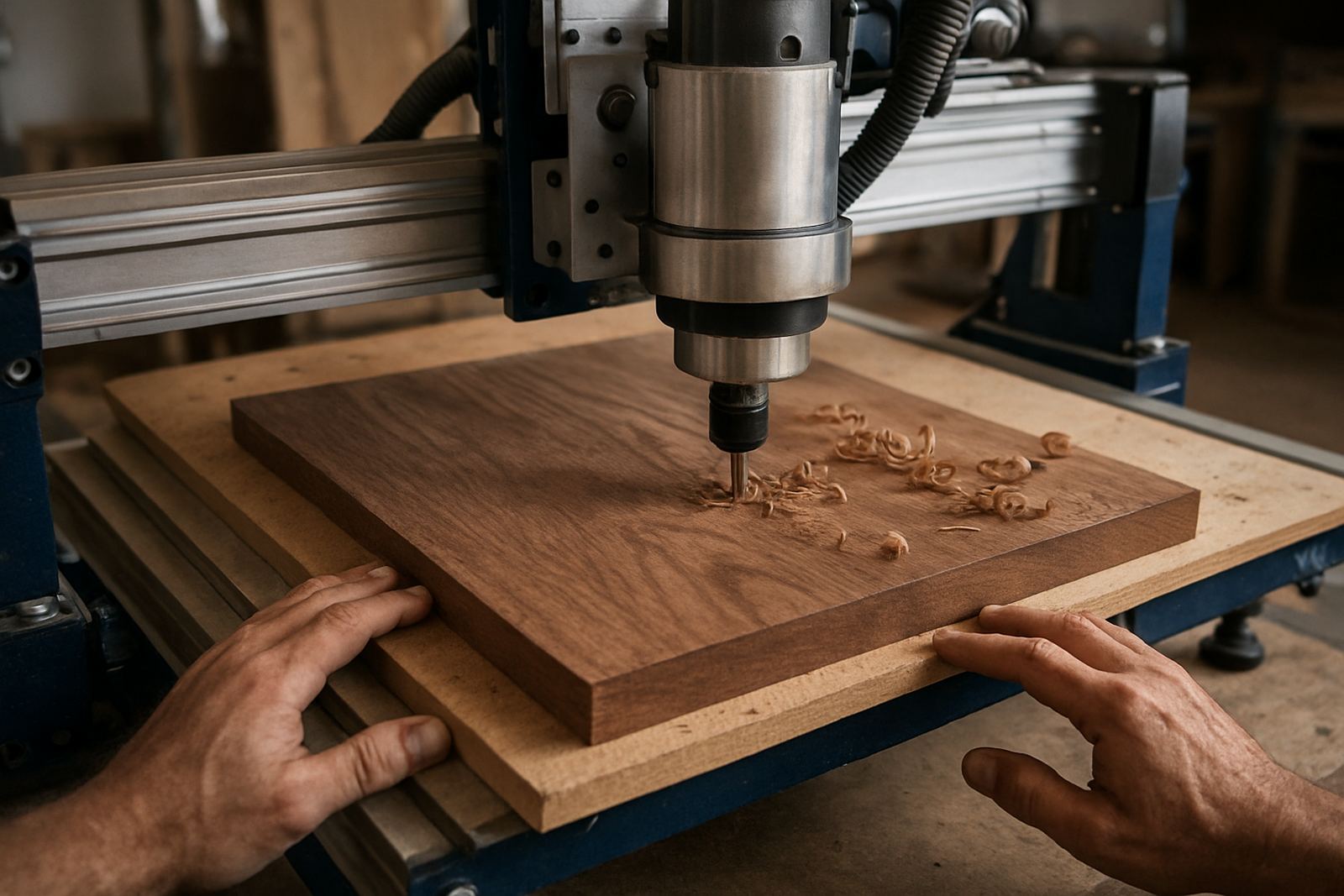
When you work with pine, plywood or hardwood, the main aim is stable cutting and accurate repeatability. A good setup helps reduce sanding time and keeps parts consistent from the first sheet to the last, which matters when you are making sets of doors, frames or shop fittings.
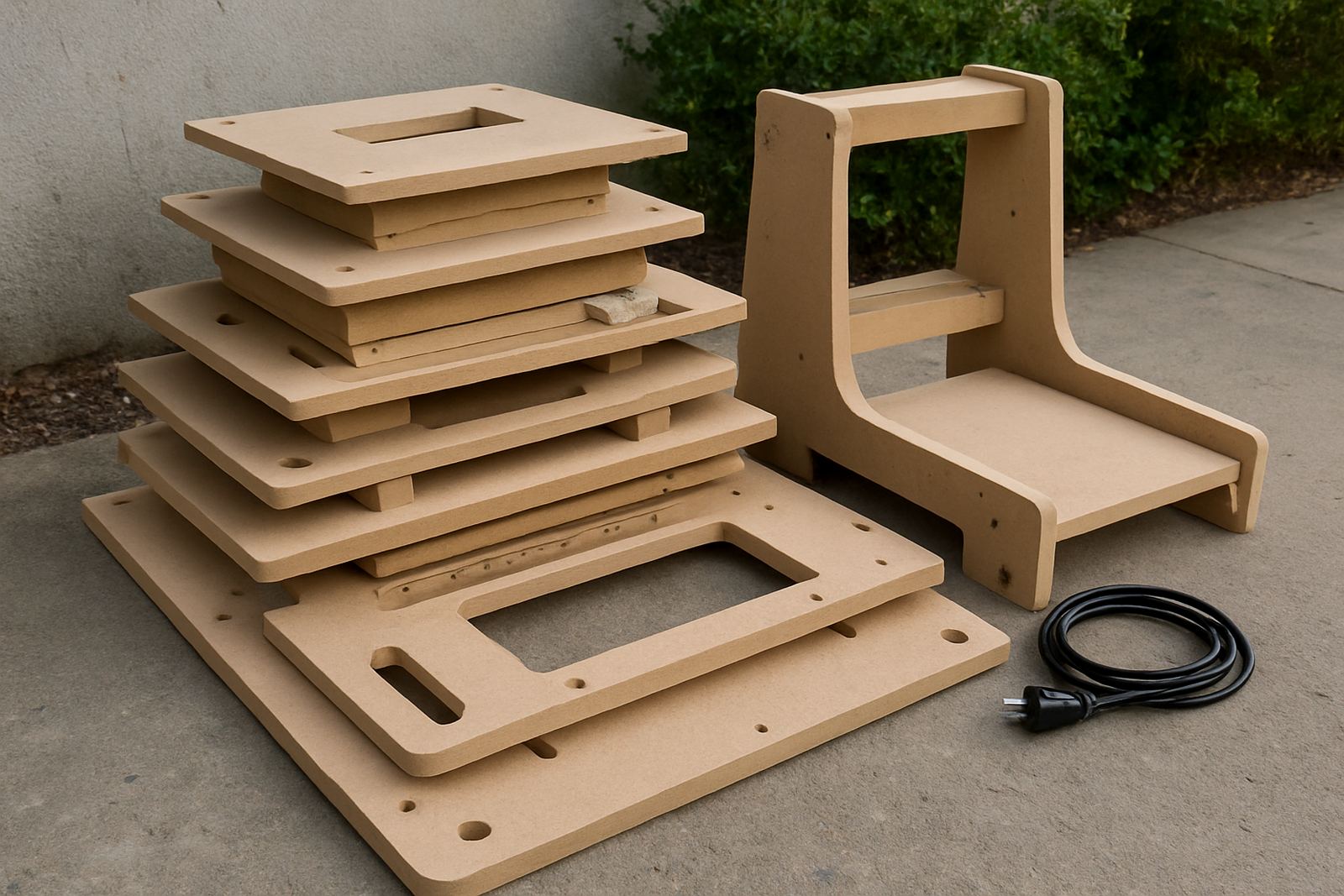
- MDF for cabinet doors, speaker boxes and routed panels
- Plywood for templates, jigs and lightweight furniture parts
- Solid timber for profiling, engraving and decorative work
MDF and Board Material for Small Workshop Production
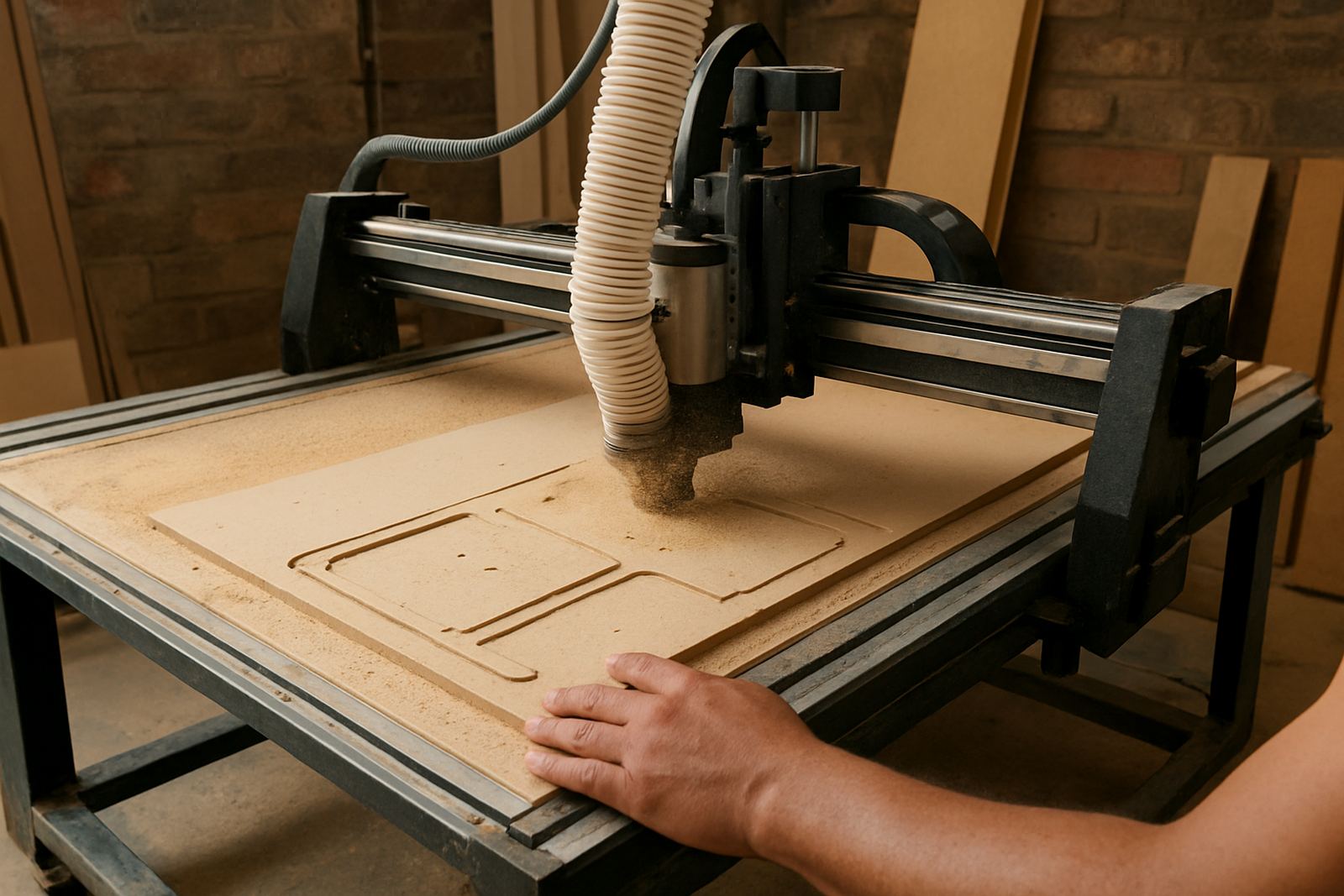
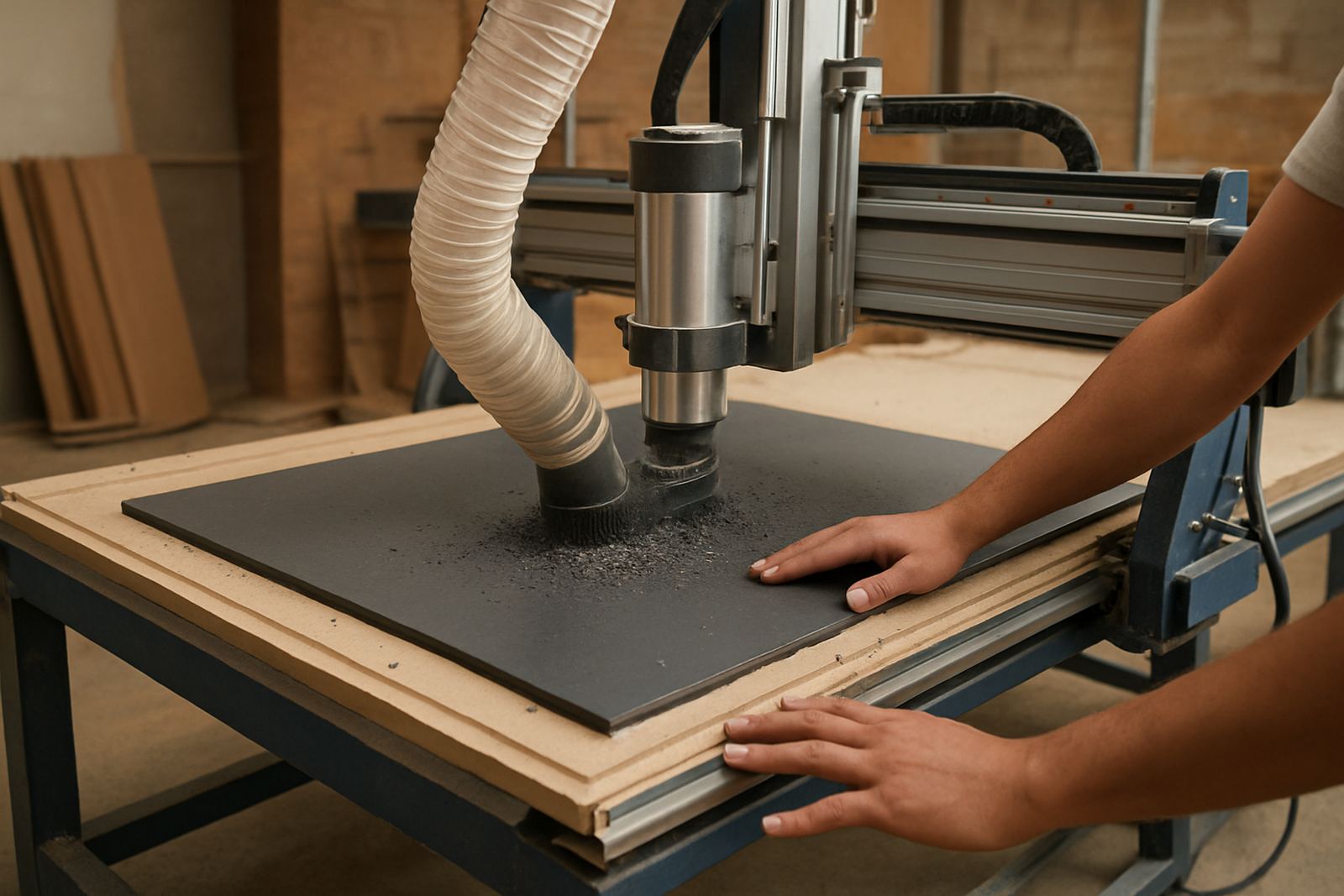
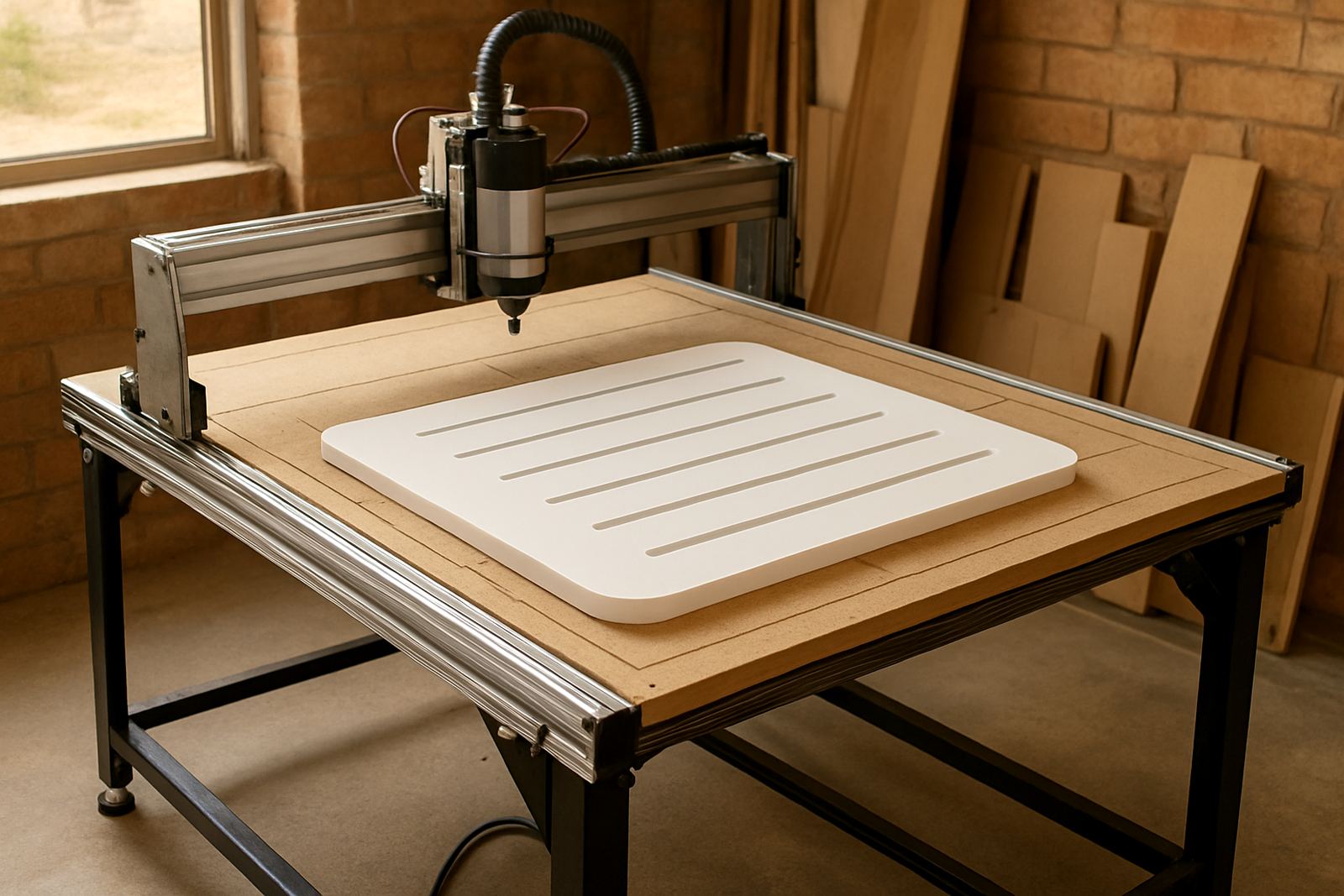
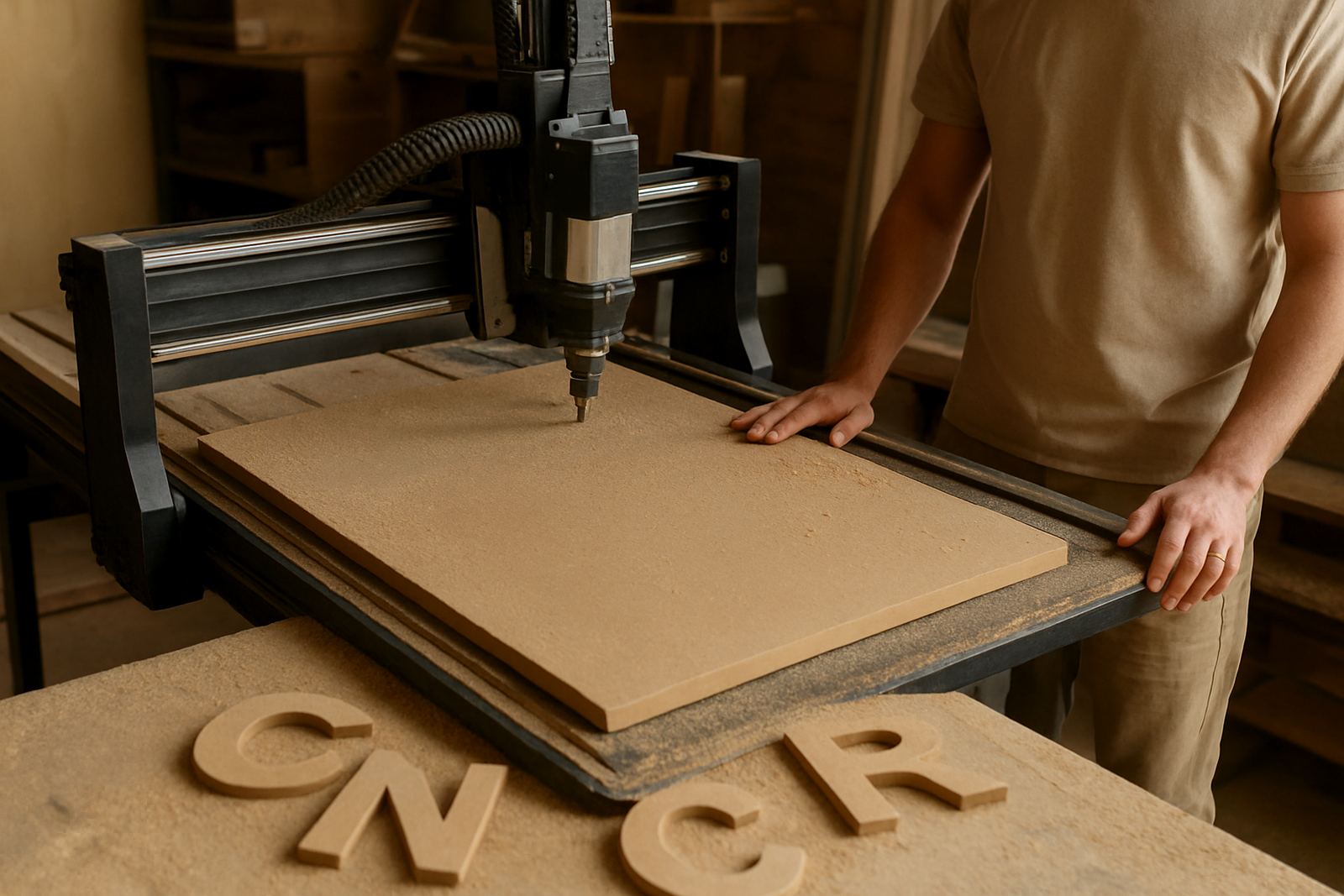
MDF is popular because it machines well and gives a clean edge when the cutter is set correctly. It suits a wide range of workshop output, including display units, shelving components, cut letters and interior fittings. In humid areas like the East Rand and coastal towns, board storage matters just as much as machine setup.
Keep sheets flat, dry and away from floor moisture. If your work includes frequent MDF cutting, ask about spoilboard condition, extraction and cutter planning so you are not fighting swelling, chipping or burn marks. A careful start saves material and time later.
Plastic Cutting for Signs, Templates and Light Fabrication
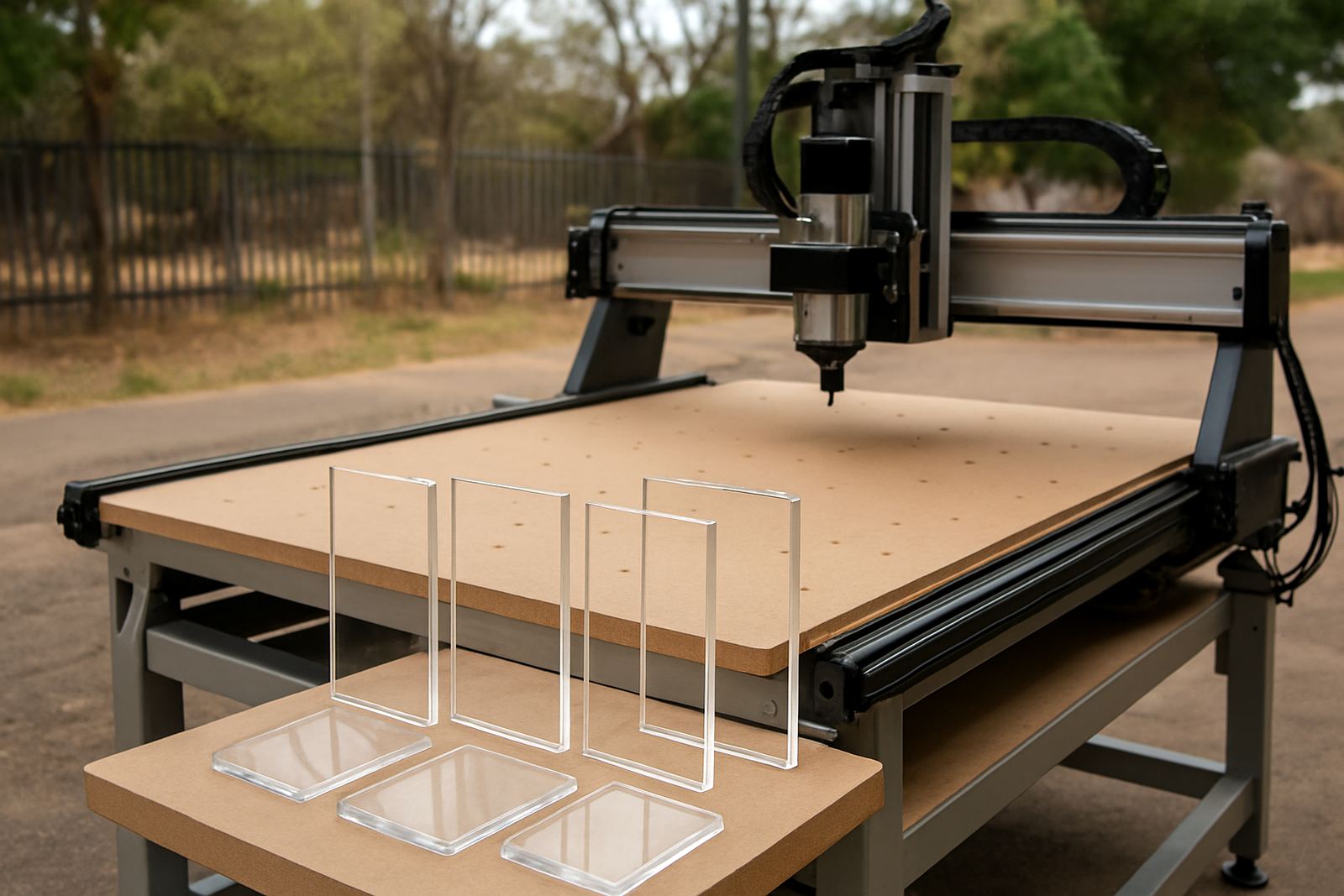
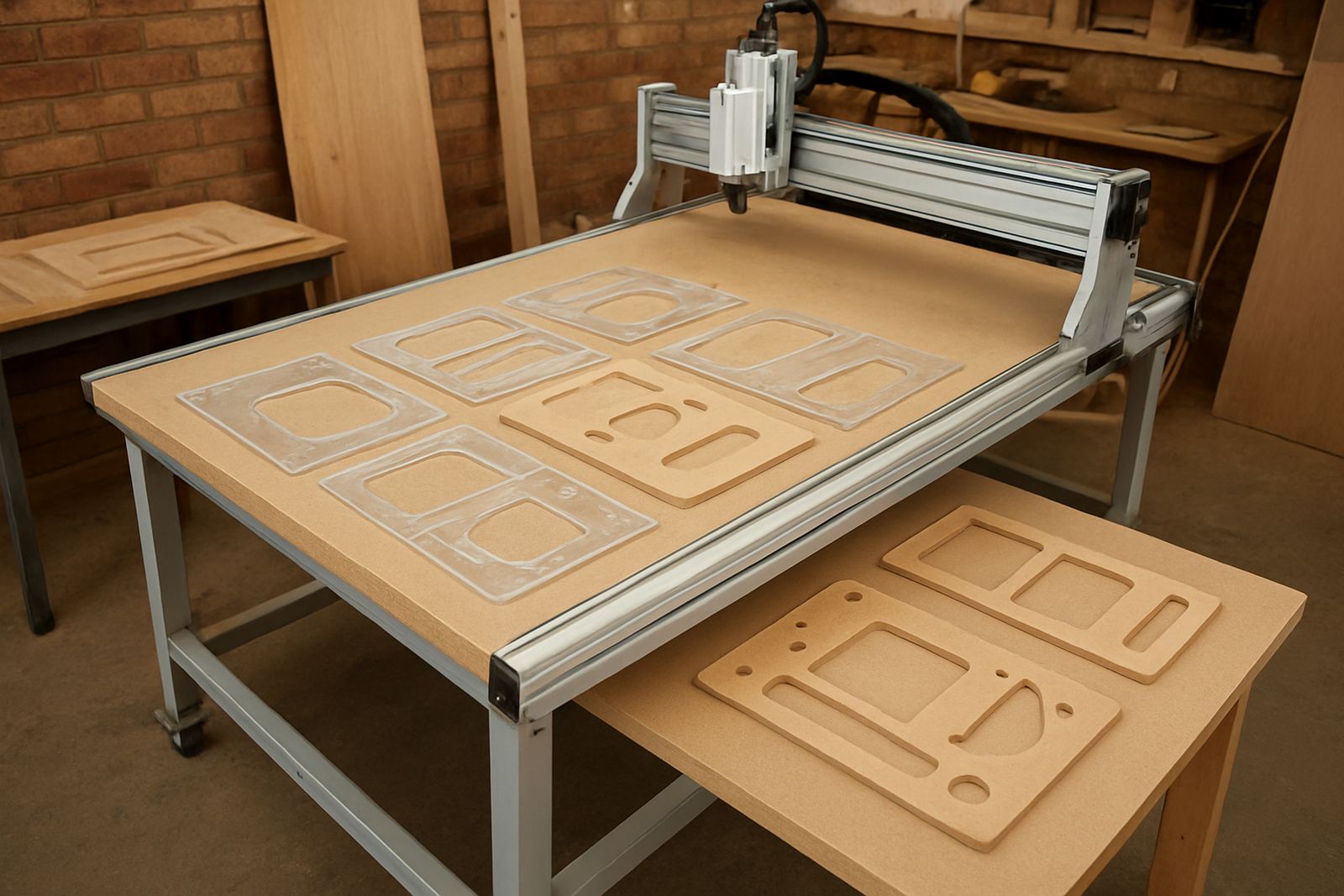
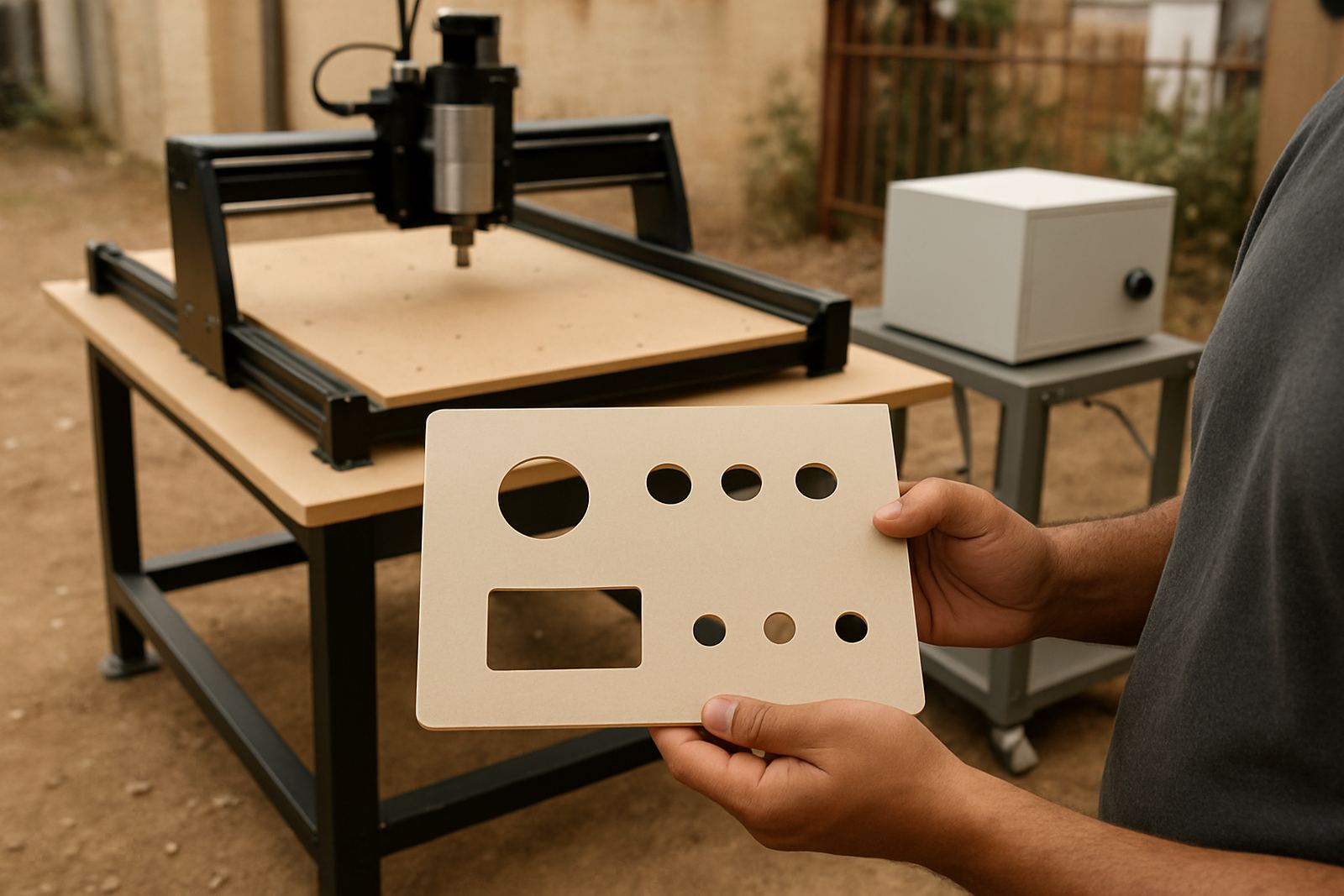
Plastics are used for signage, control panels, machine guards, templates and small parts. Acrylic, PVC sheet and similar materials need the right feed rates and cutter choice to avoid melting or chatter. For business users, that means better edge quality and fewer wasted sheets.
In a workshop that runs after hours or during load-shedding windows, setup consistency is important. Once the tooling and basic software settings are right, plastic jobs become easier to repeat and quote. That helps if you are doing one-off customer work or short runs for local shops and installers.
- Acrylic for sign faces, logo panels and display items
- PVC sheet for light-duty fittings and covers
- Templates and drilling guides for repeat workshop tasks
What Hobby Users Usually Make First
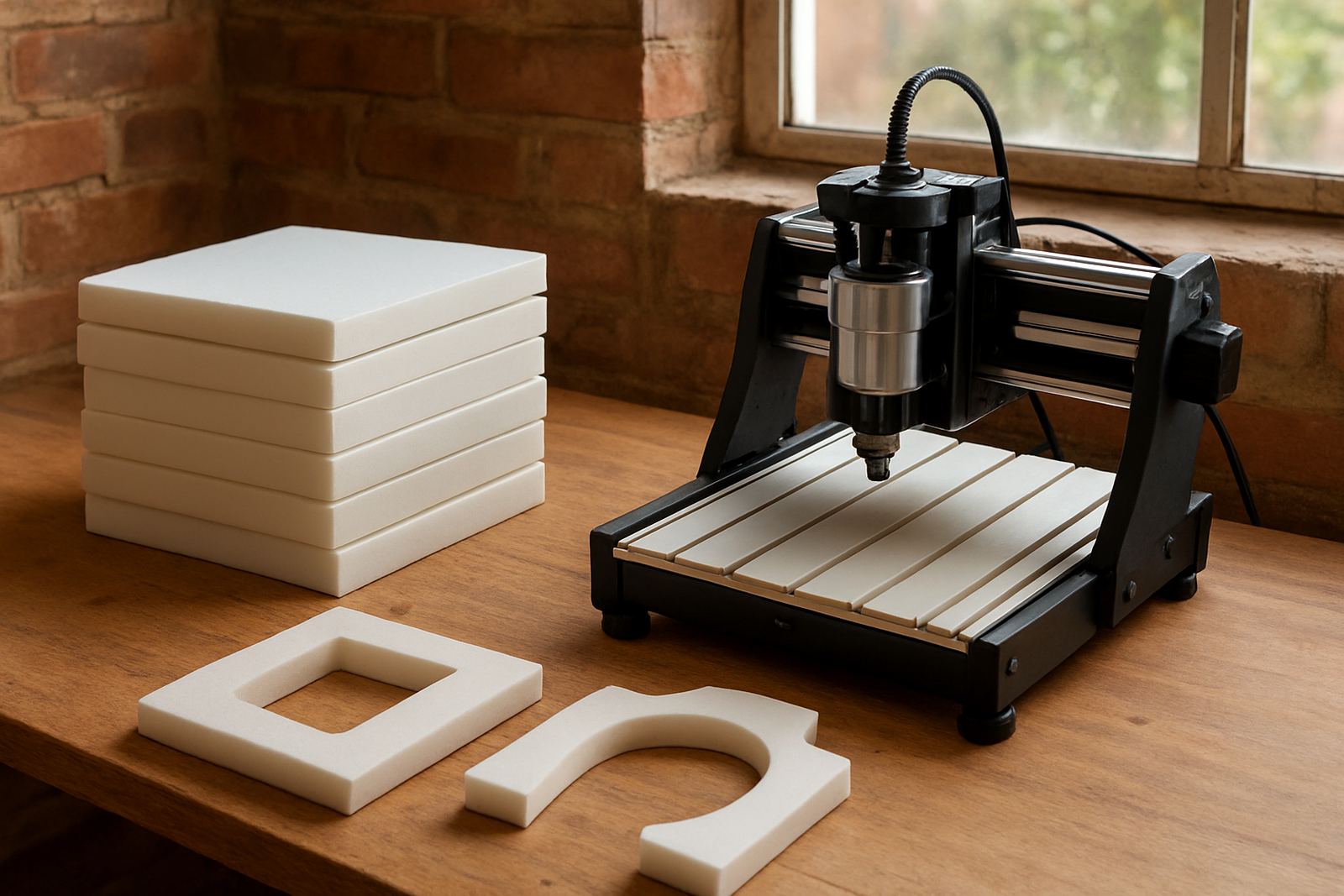
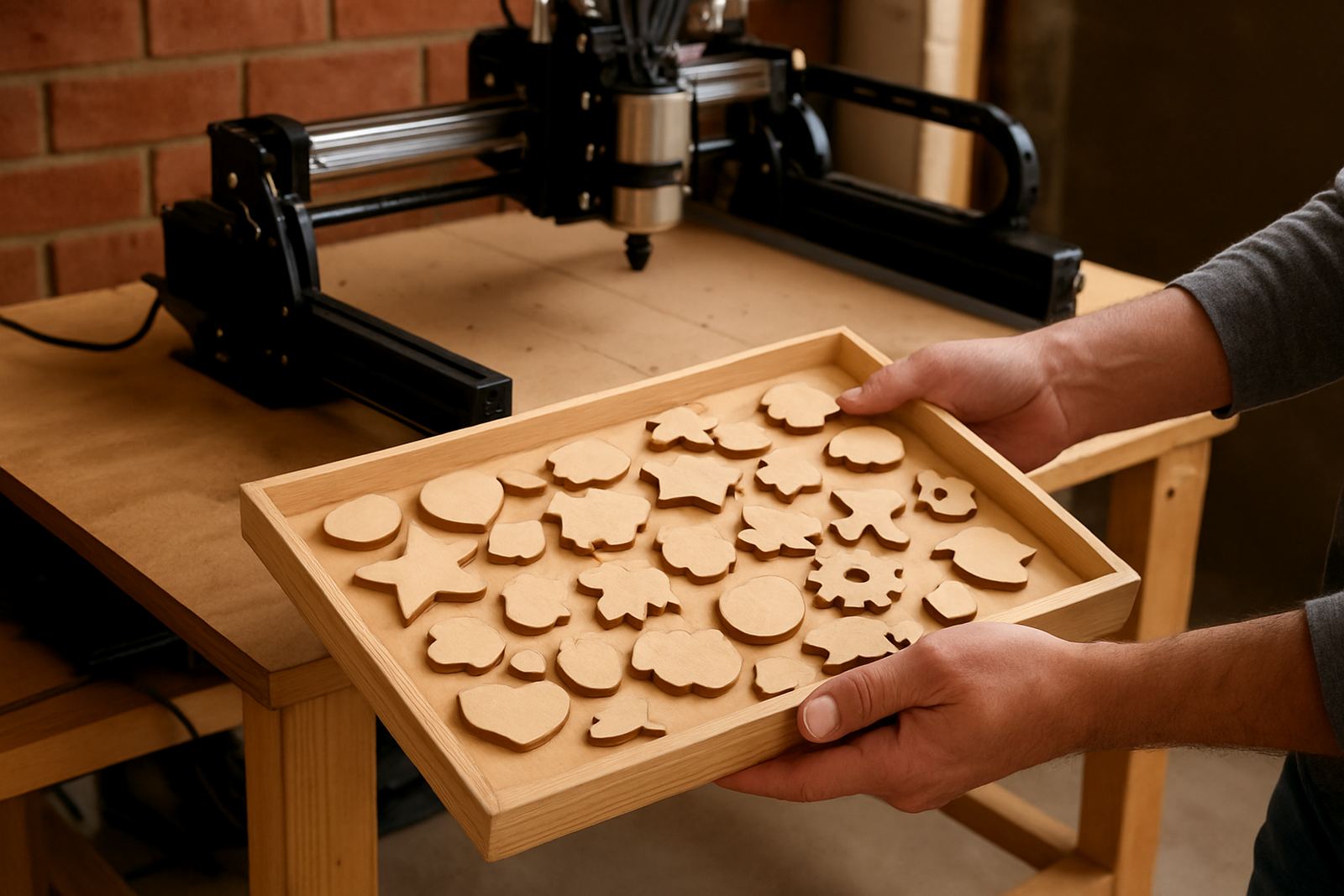
Many home users begin with smaller projects before moving into full production. A compact router table can be used for name plates, toy parts, model components, custom boxes and home workshop jigs. These jobs are practical and teach you how the machine behaves without using large sheets from the start.
If you are working from a garage or shared room in Pretoria East or Centurion, machine footprint, dust control and noise level all matter. Smaller jobs are a good way to learn the software basics, test tooling and build confidence before taking on bigger cuts.
How Material Choice Affects Machine Size
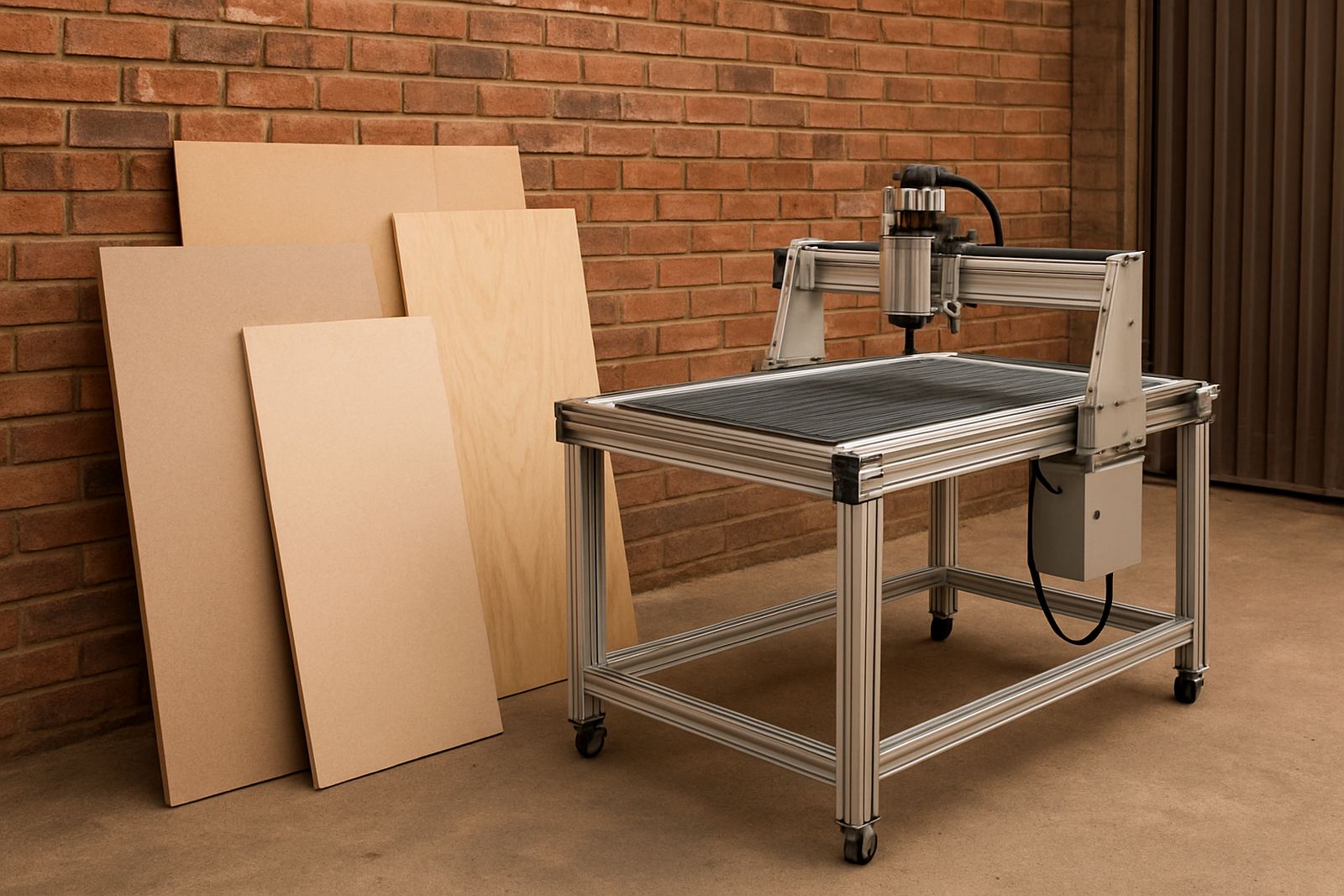
The machine you choose should match the sheet size and the type of work you plan to do. A smaller table can suit plaques, parts and hobby projects, while a larger table is better for cabinet work and full sheet handling. The wrong size can waste both space and money.
Think about the longest board you expect to cut, the thickness of the material and how much room you have for loading sheets. If your work is mostly MDF and light timber, a compact table may be enough. If you want full sheet nesting, you will need a different layout and more workshop space.
- Small tables for signs, brackets, labels and compact parts
- Mid-size tables for doors, panels and furniture components
- Larger tables for sheet nesting and higher output work
Training, Spares and Support for Real Workshop Use
Good results do not come from the machine alone. They come from correct setup, practical training and parts that are easy to replace when needed. CNC Router Hub supports users with operator training, software basics, starter setup visits and refresher training for teams that need to get back on track.
For customers in Silverton, Pretoria East, Midrand, Kempton Park and Centurion, local support helps when a machine needs tuning, a spindle replacement or preventive maintenance. Nationwide spares planning also helps reduce downtime, which is important when jobs are booked and deadlines are fixed.