

Choose a CNC router table that fits the work you do
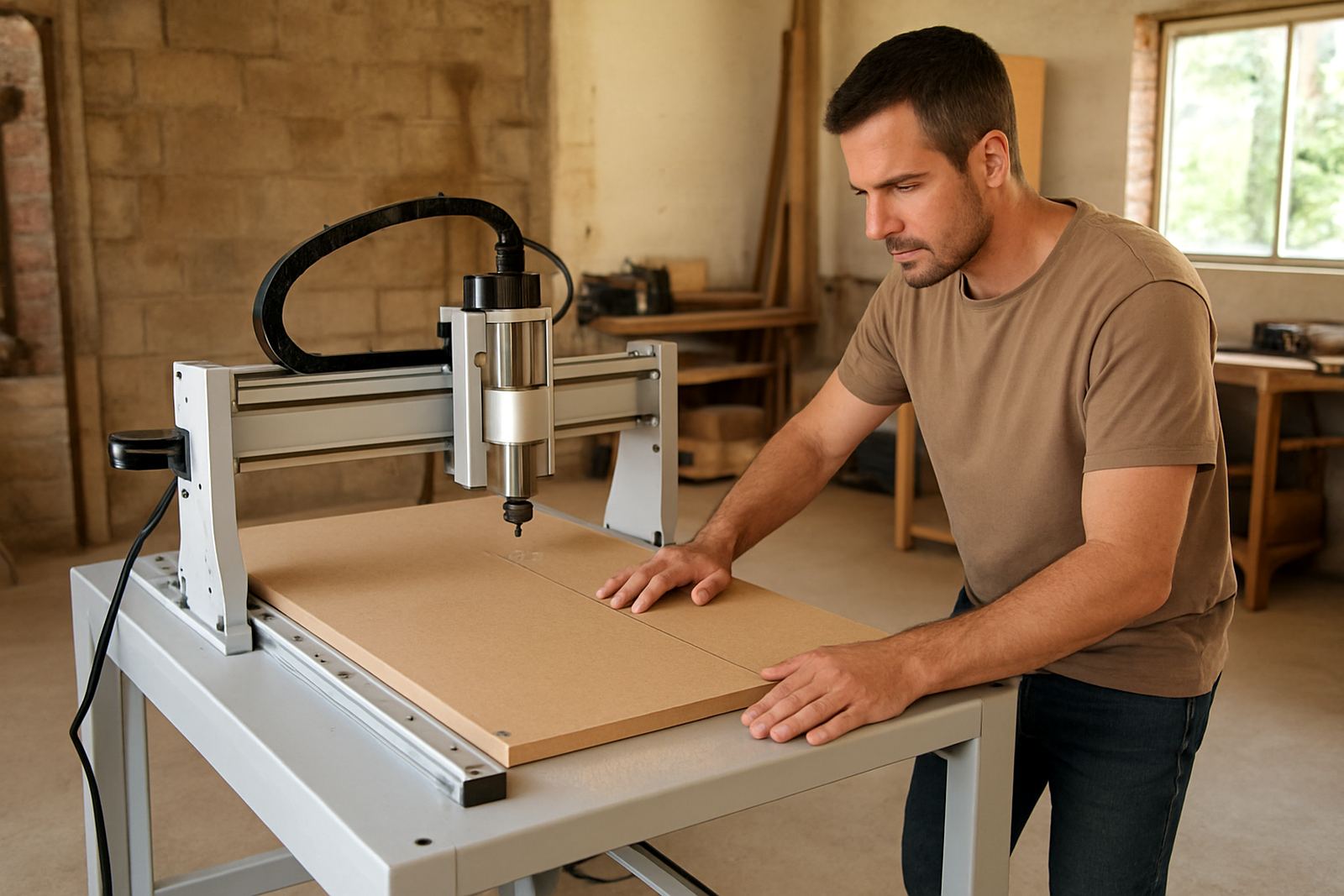
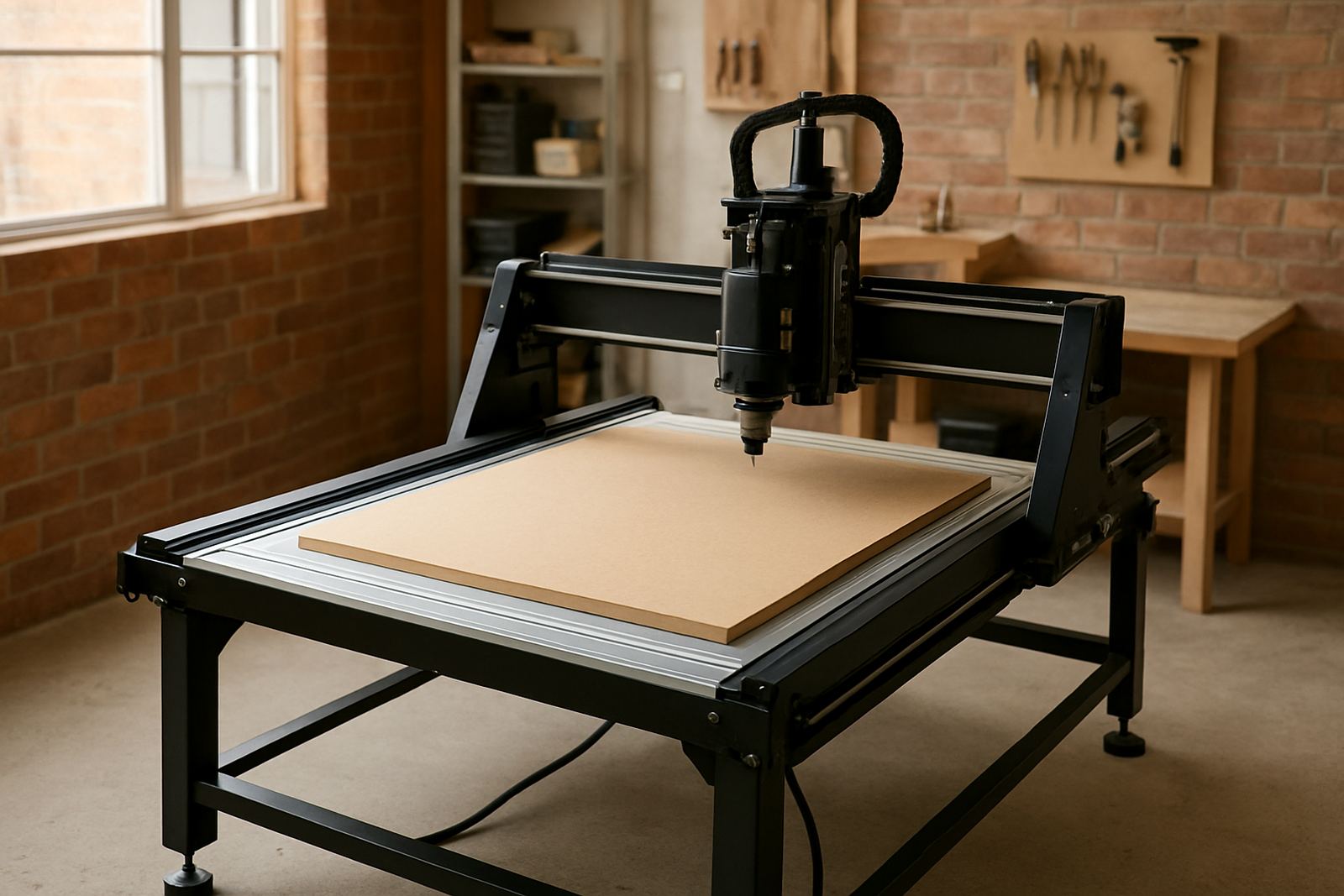
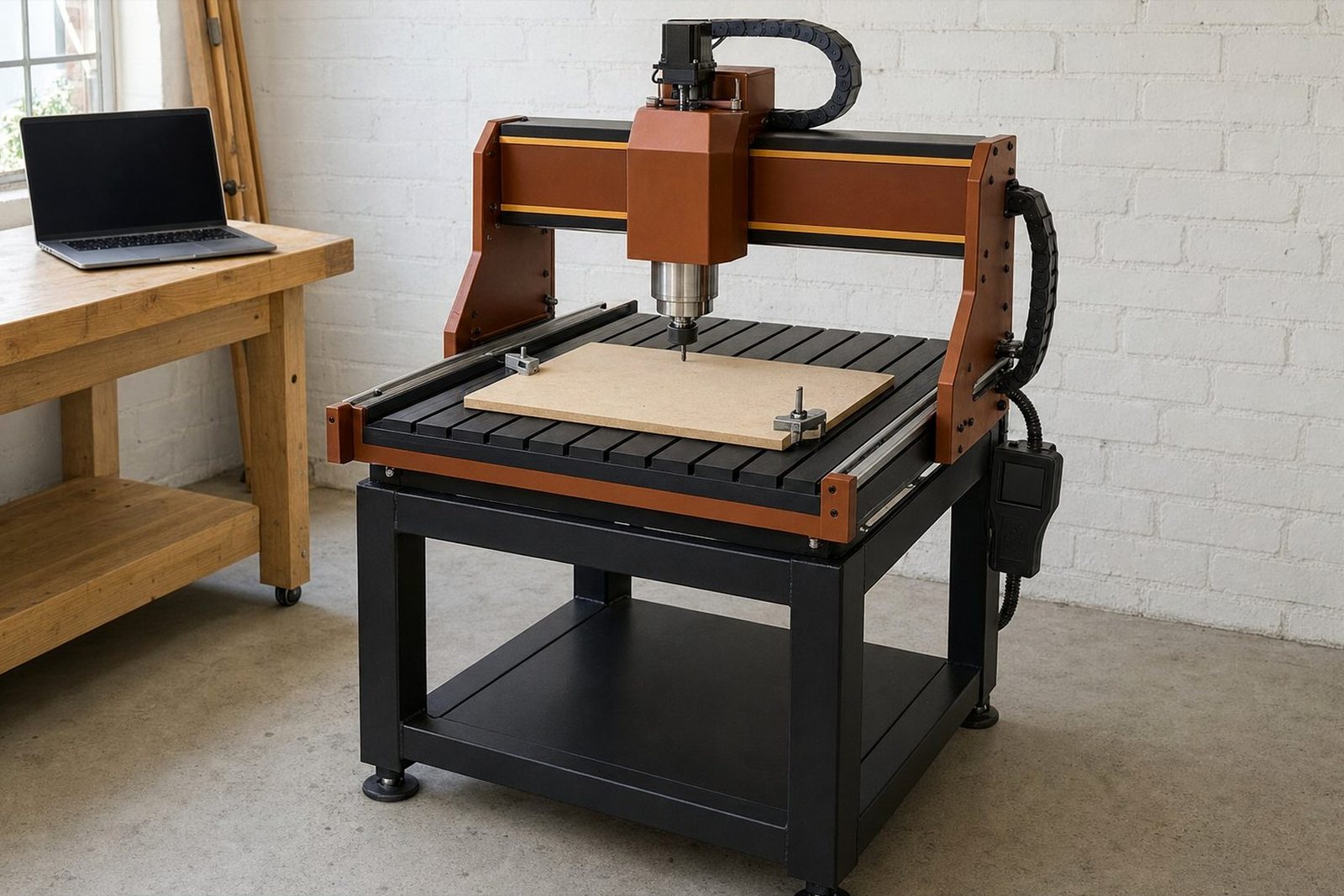
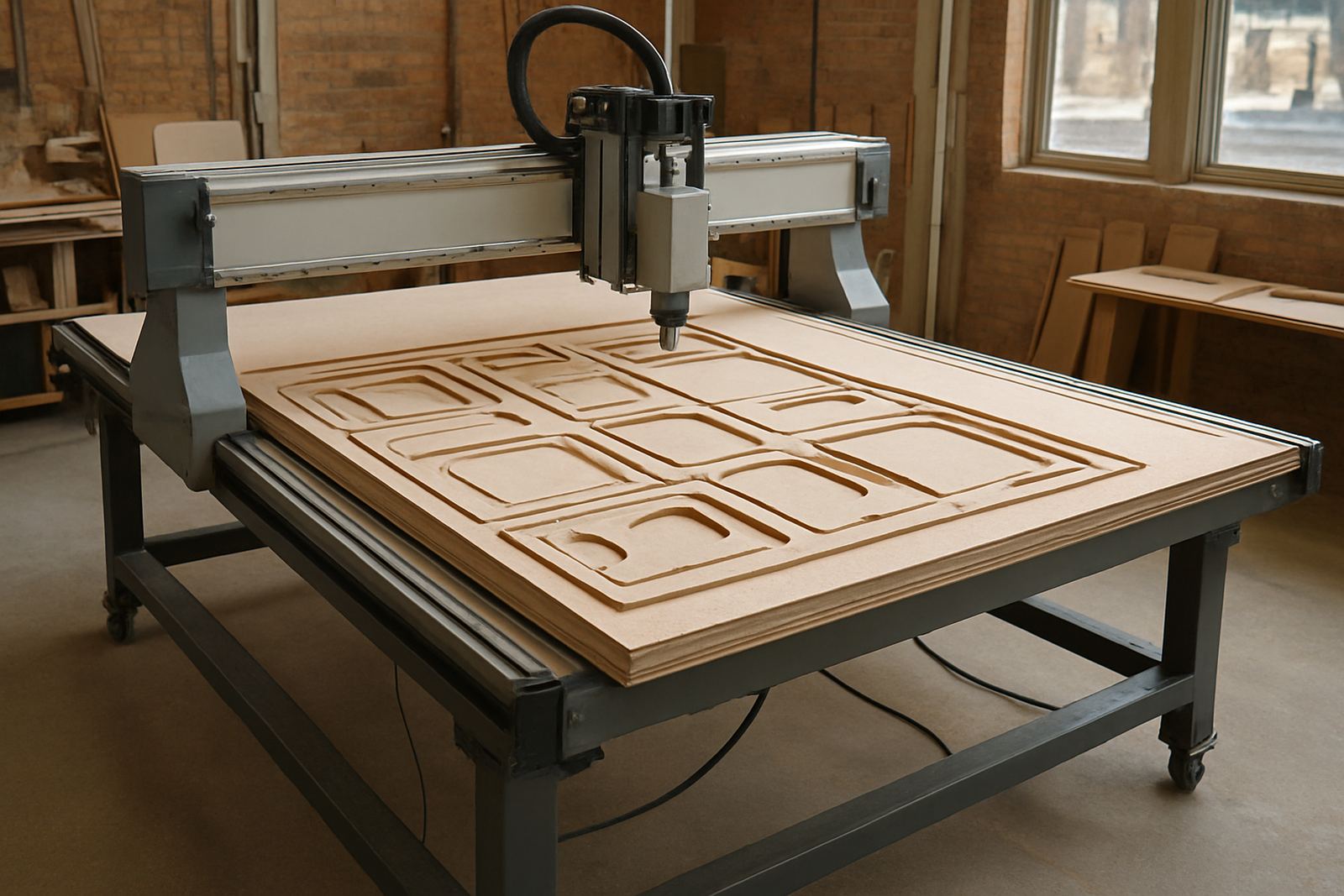
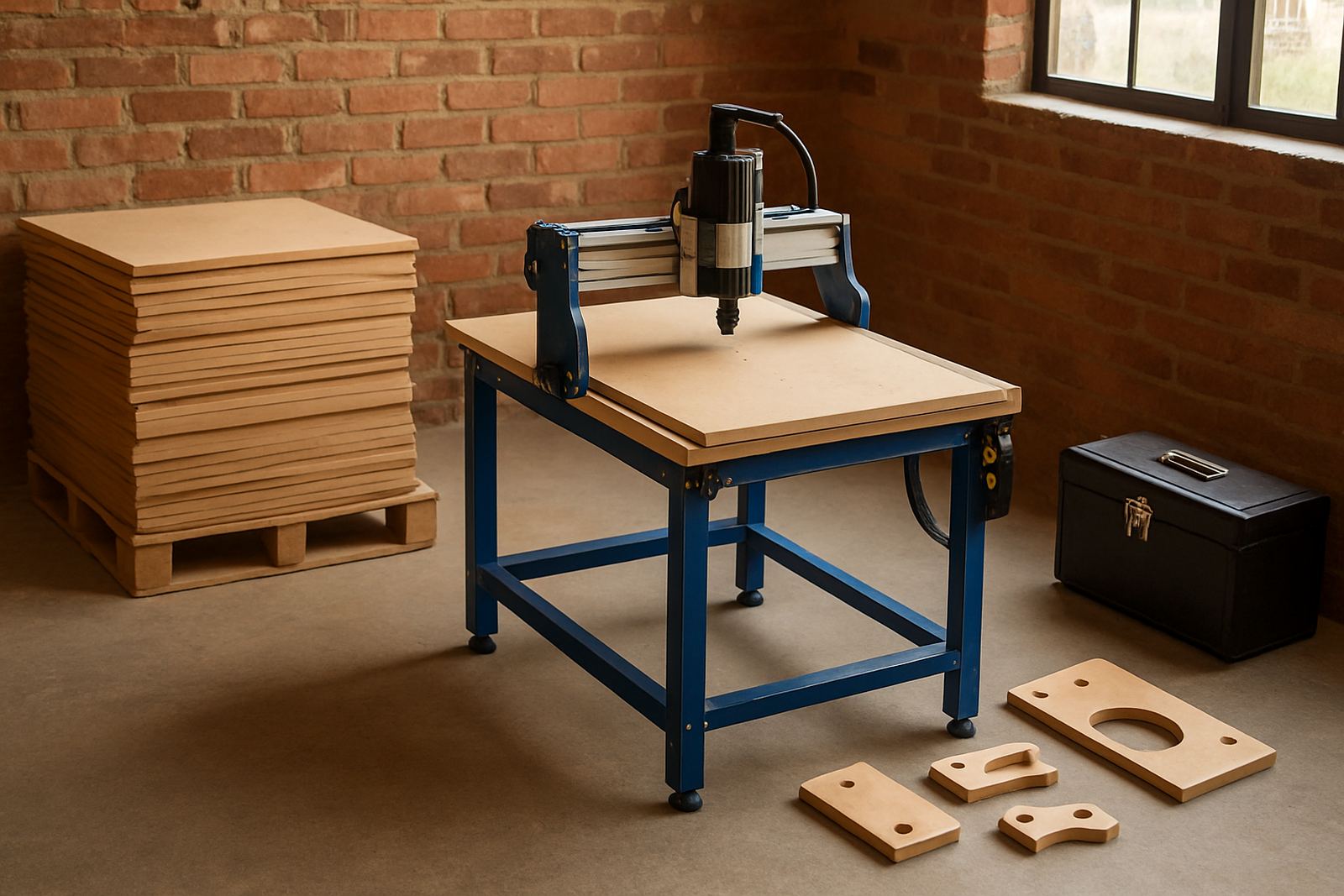
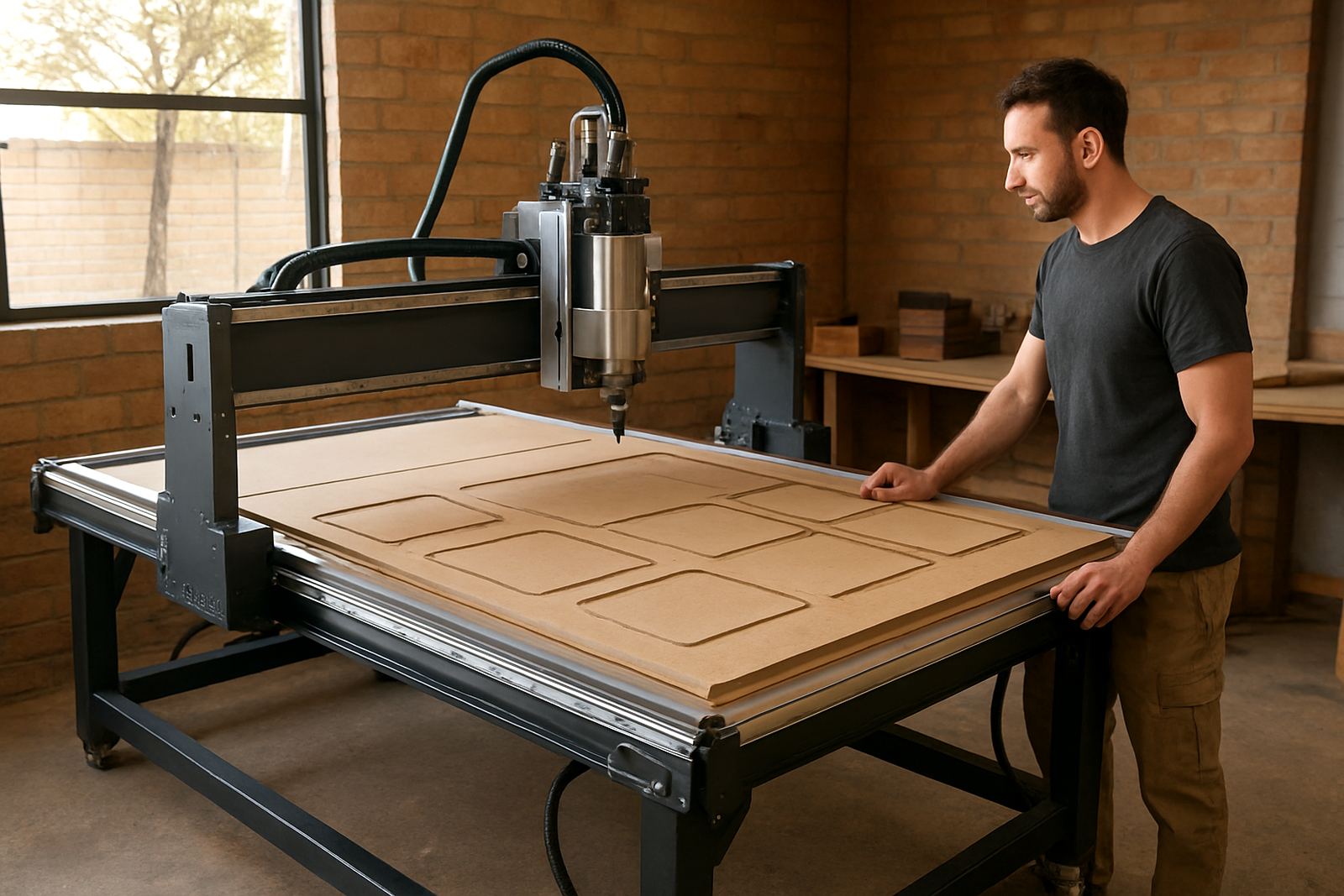
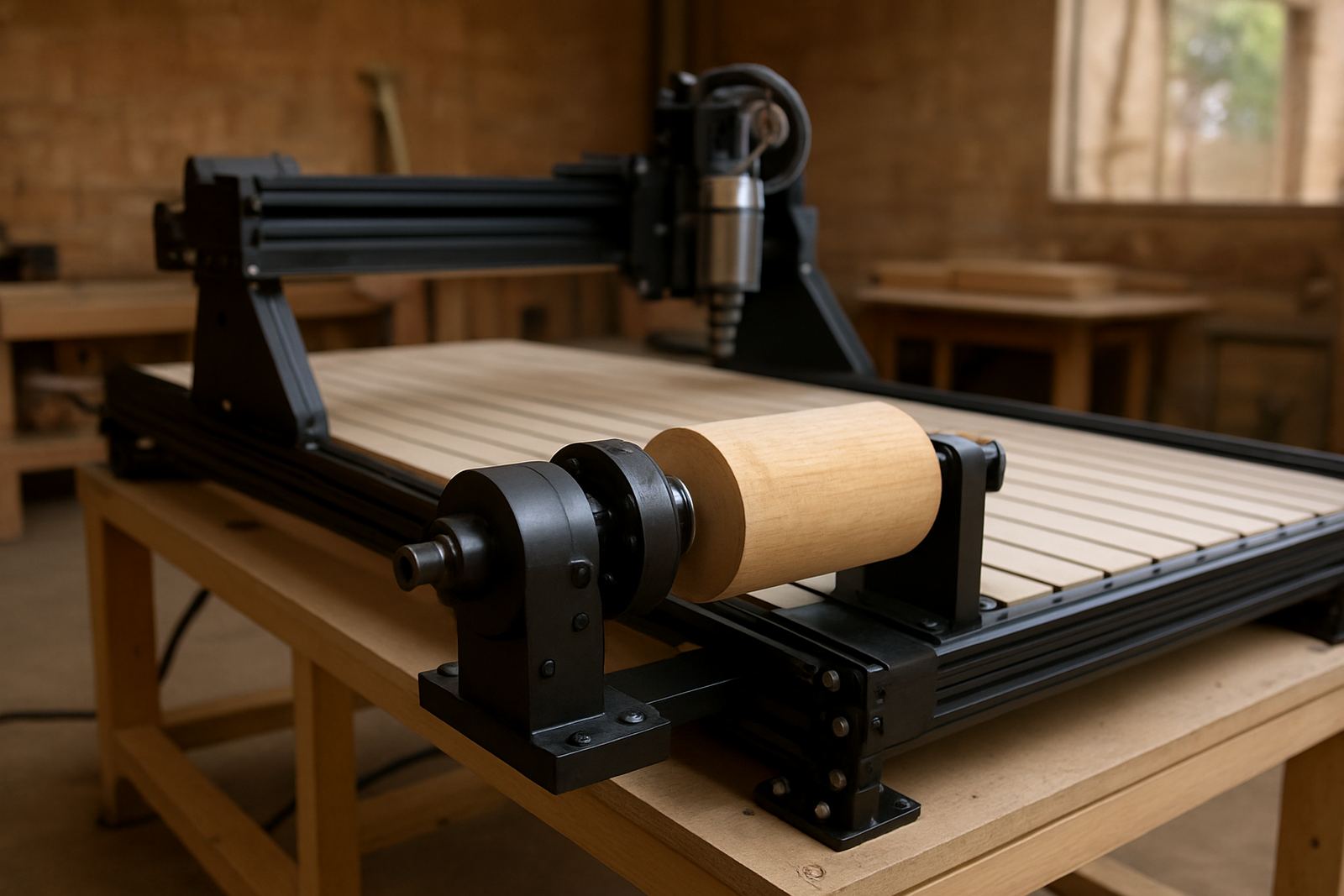
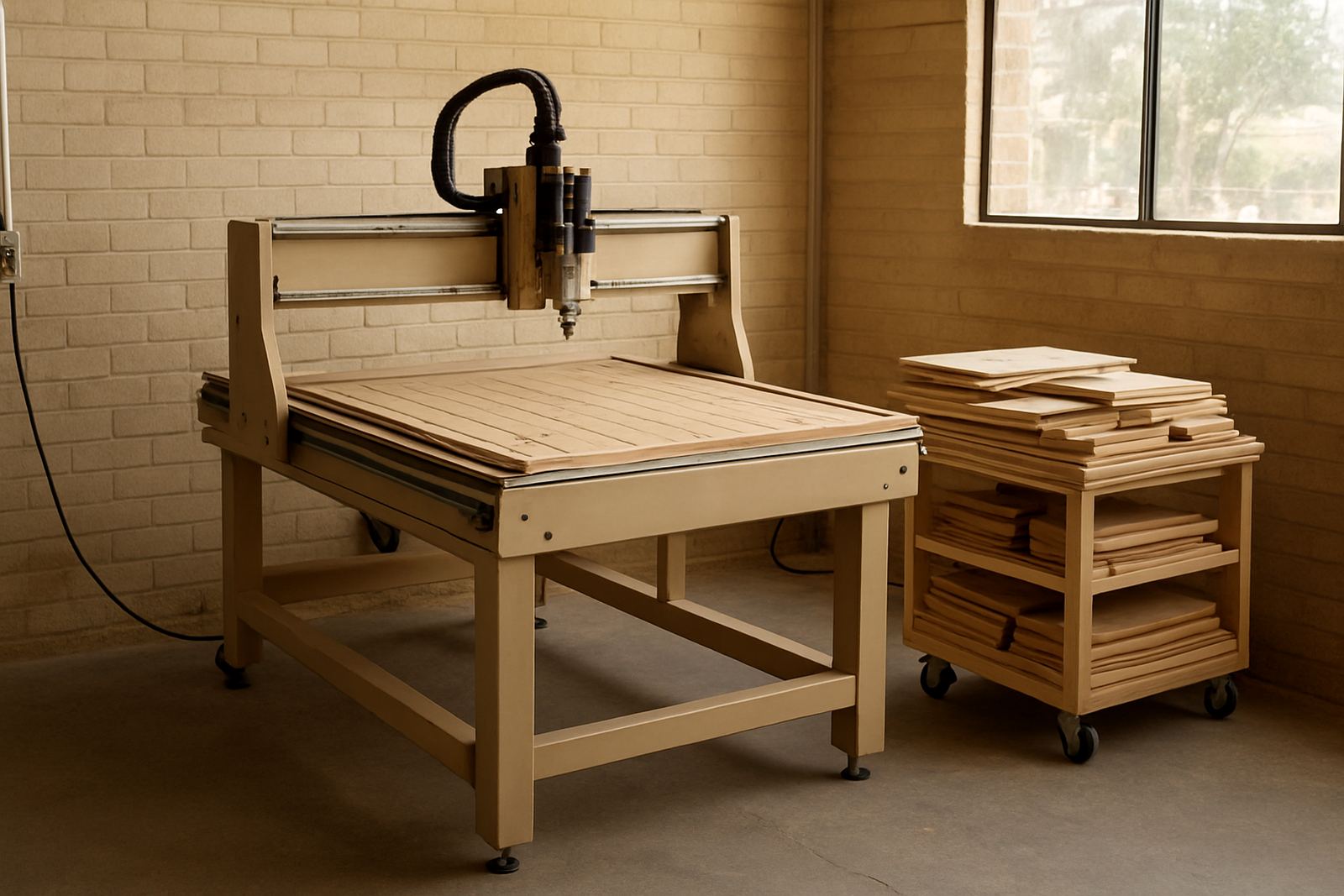
A good starter machine should match the material, the part size and the space you have available. For plywood signage, MDF panels, plastic cut-outs and small cabinetry parts, a compact CNC router table can give you repeatable cuts without taking over the whole workshop.
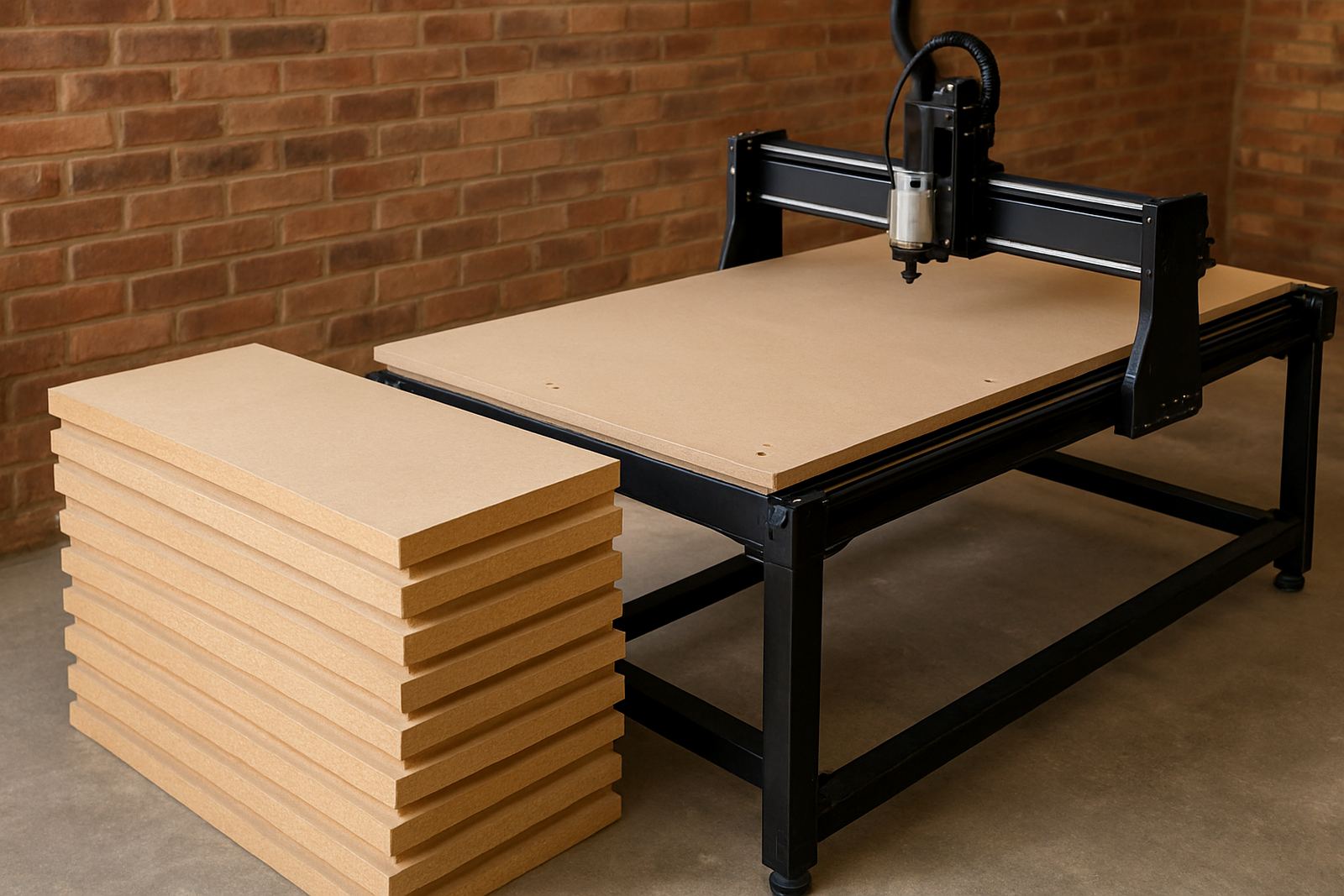
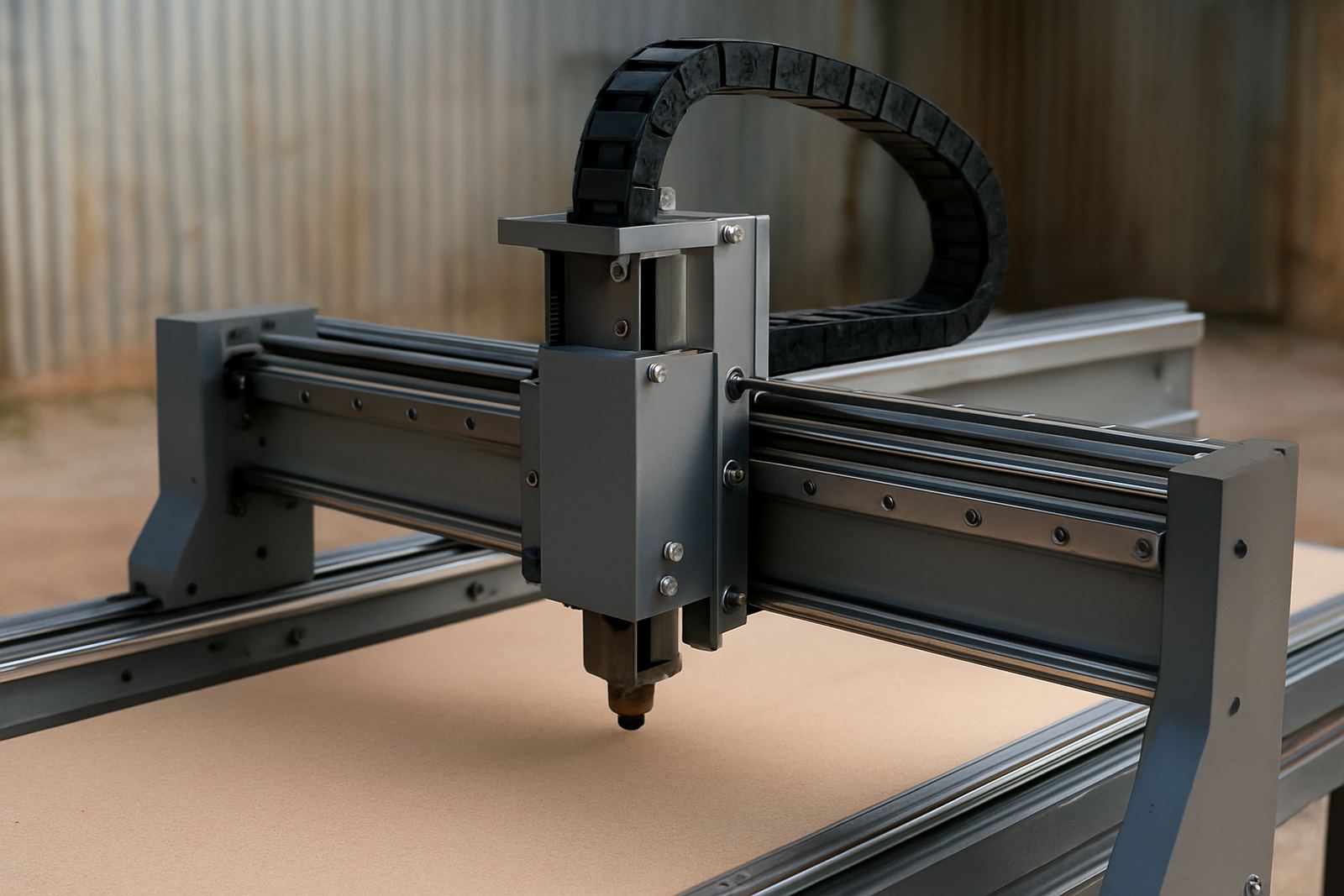
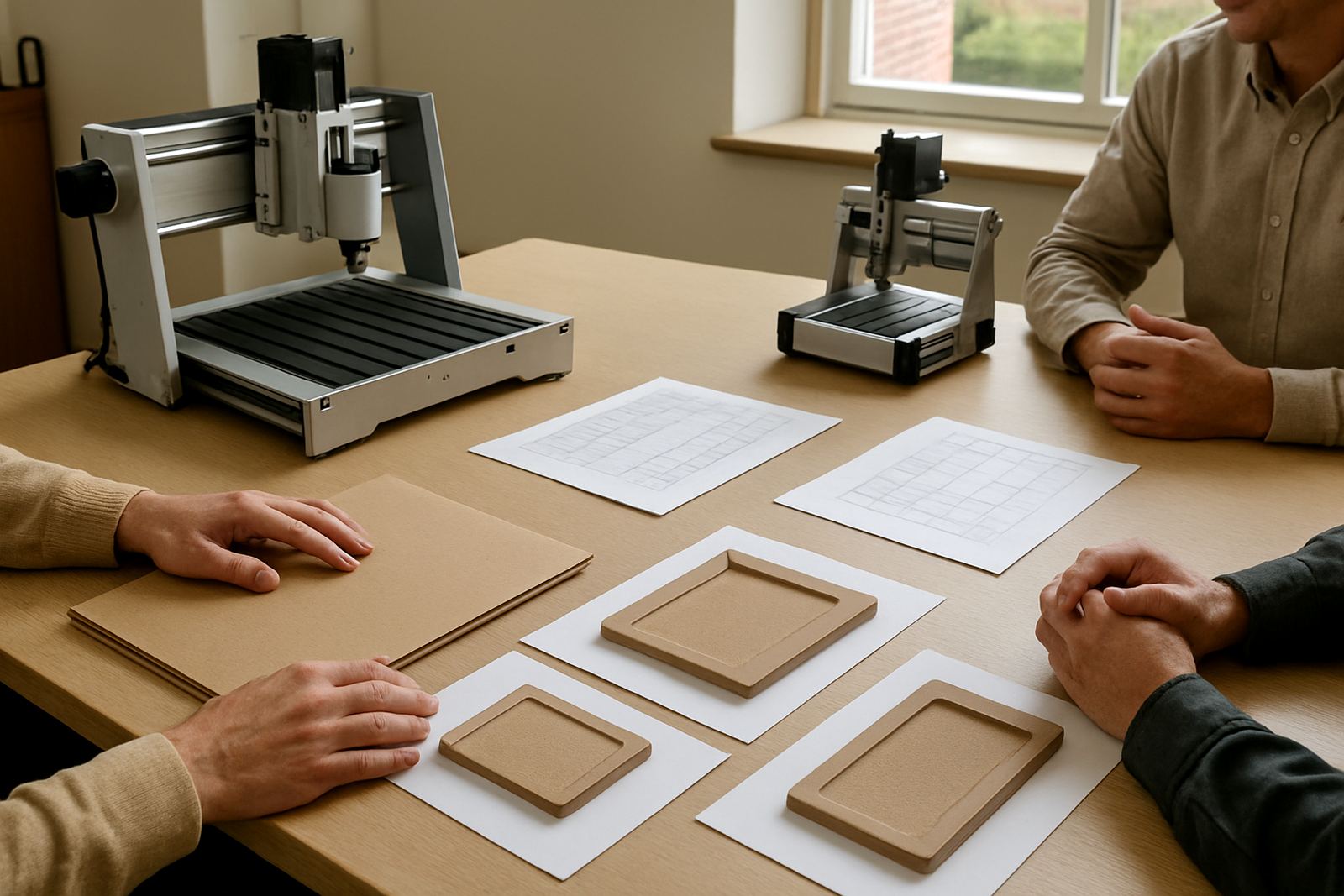
When comparing tables, look at the working area first, then the frame size, motor setup and the type of control supplied. If you are cutting shorter parts, a smaller table may be enough. If you plan to run nesting jobs or wider sheets, allow extra clearance for loading and clamping. In Pretoria and Johannesburg workshops, we often see buyers underestimate floor space, dust extraction and access for servicing, so it helps to plan that early.
Built for woodworking, MDF and plastics
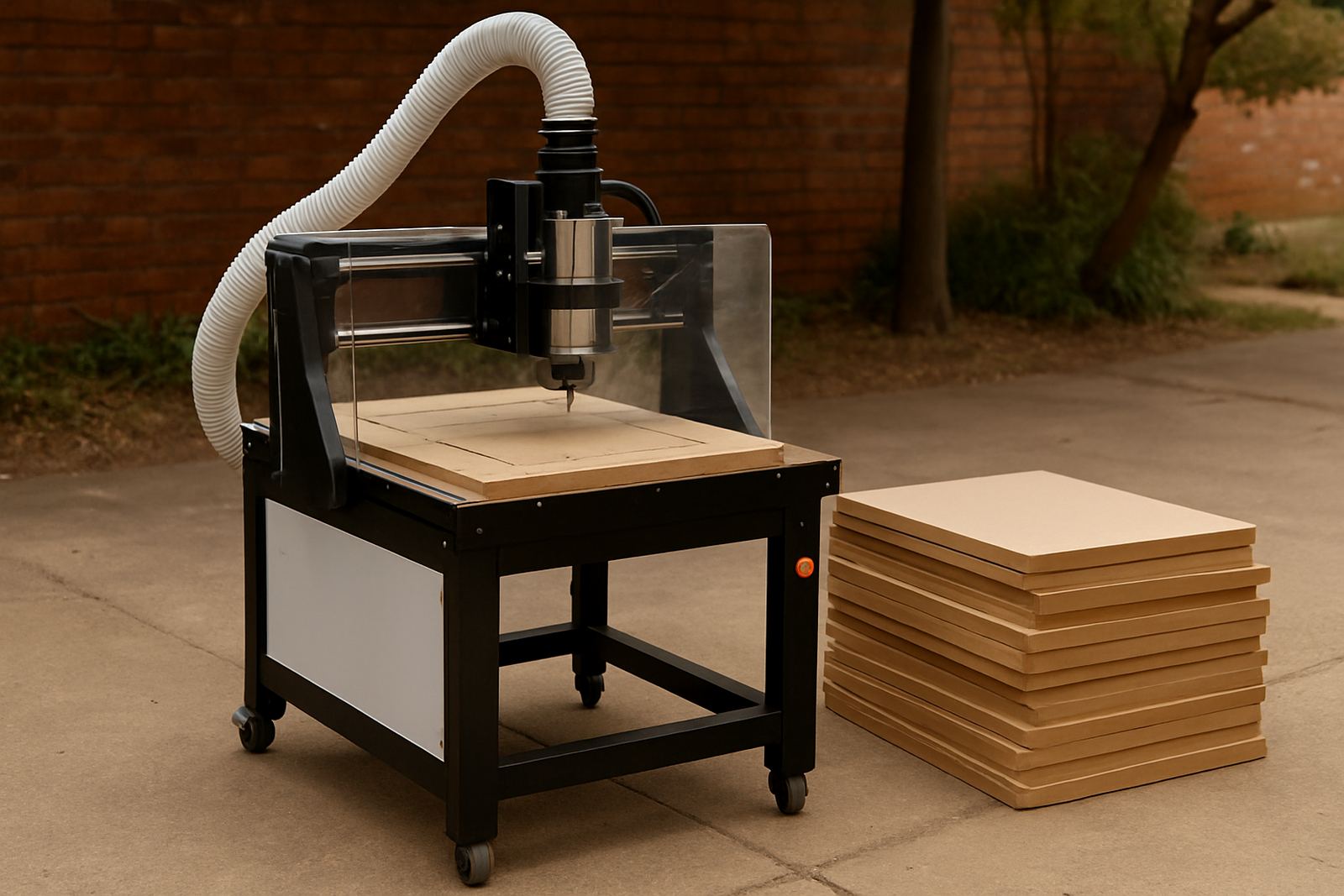
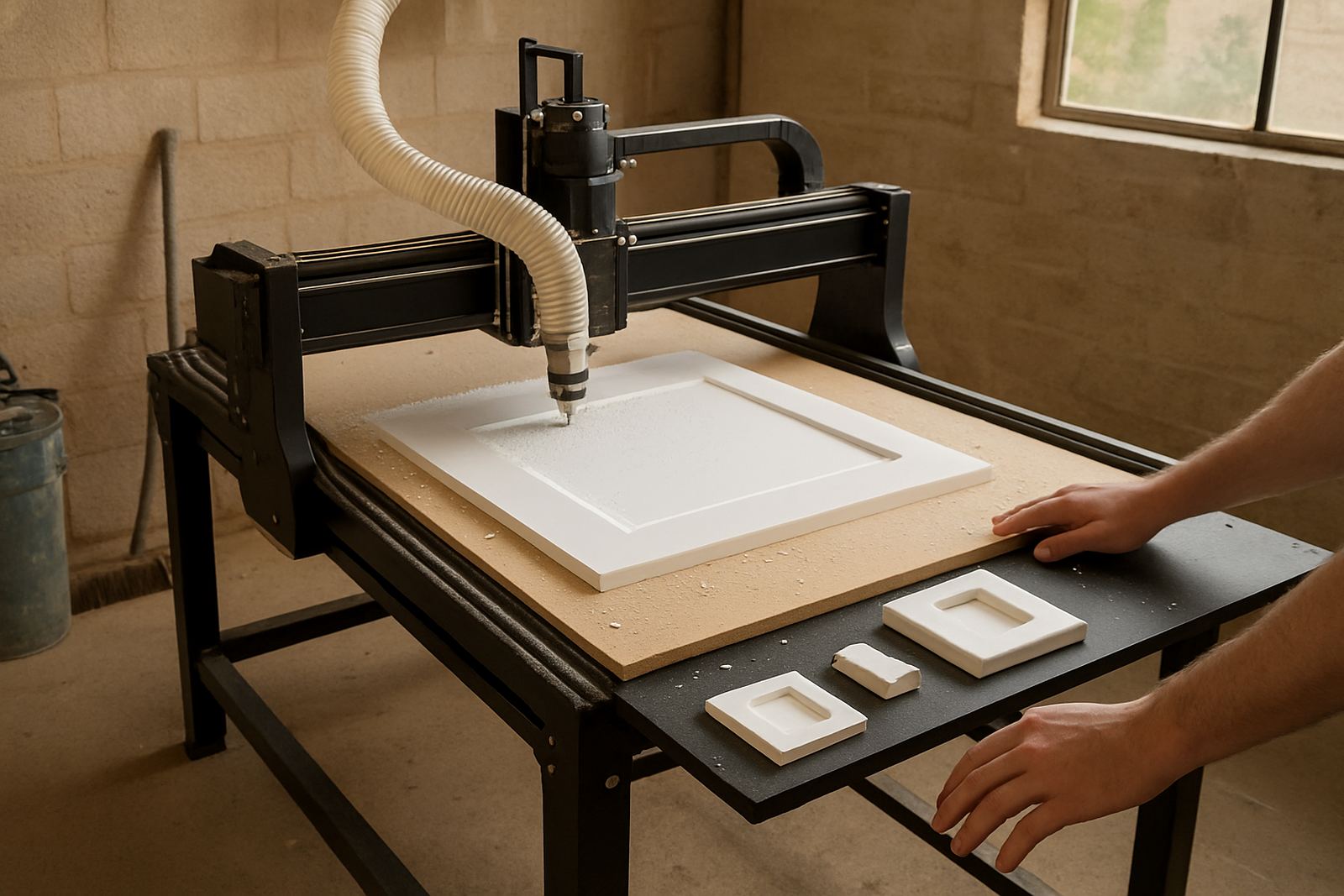
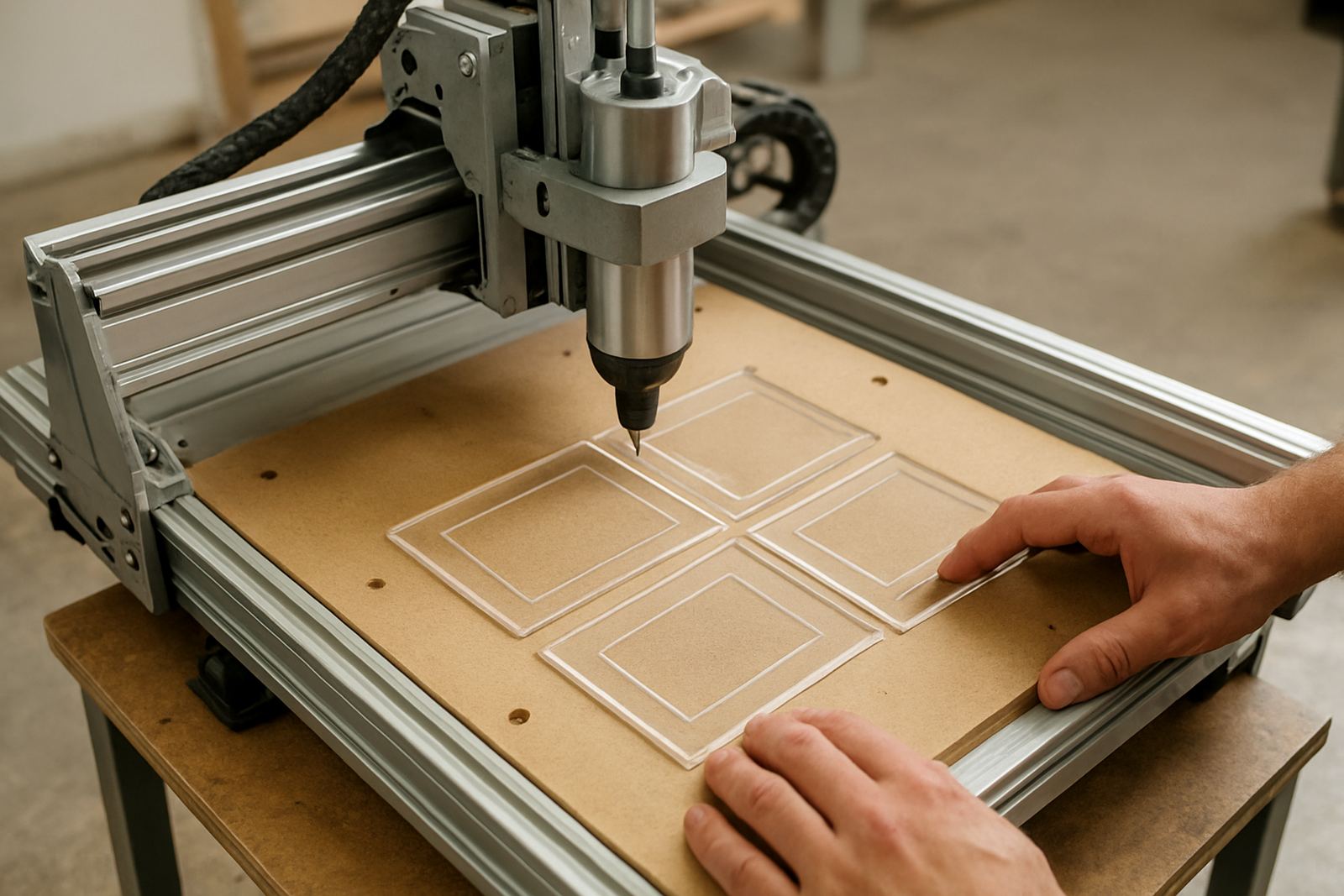
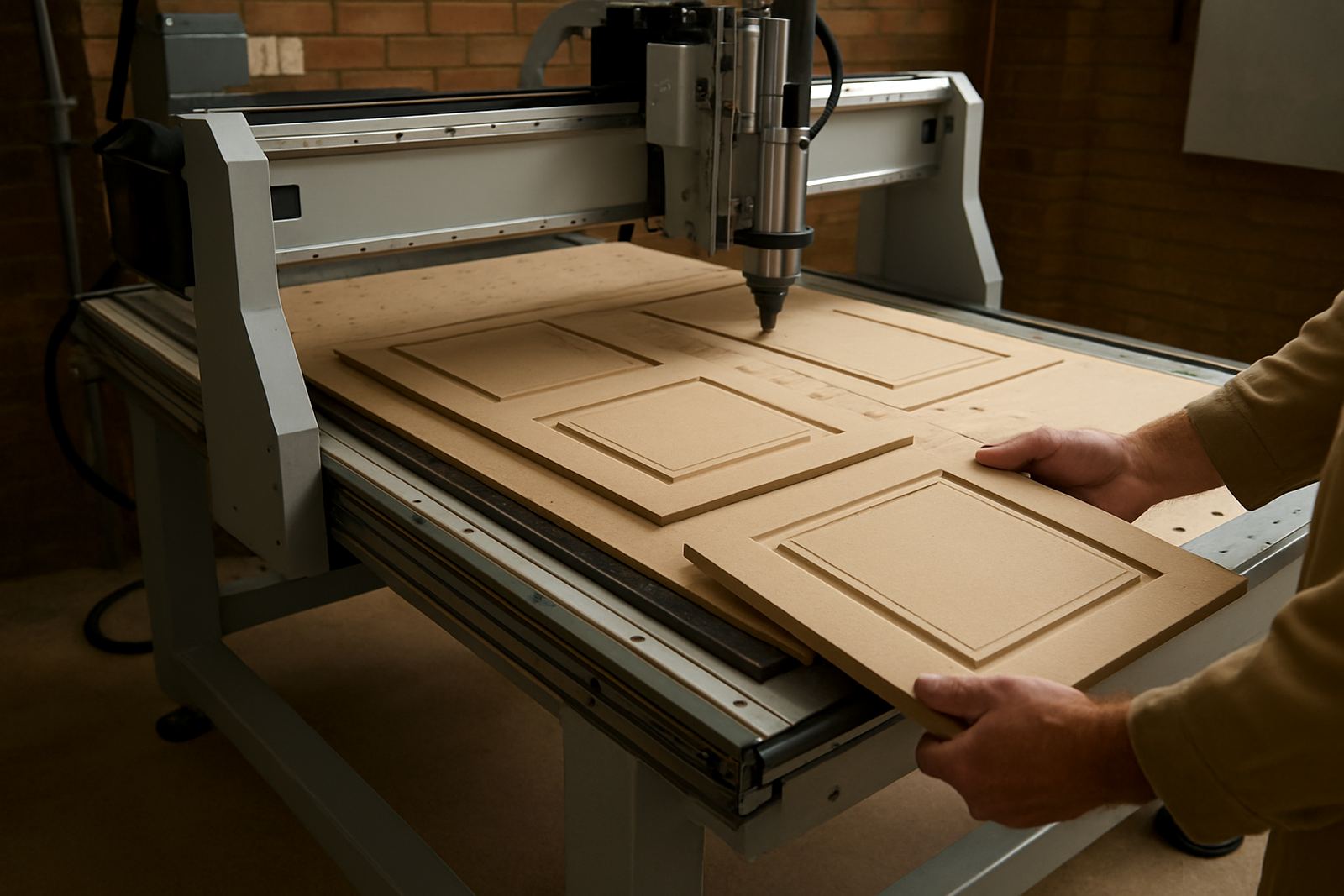
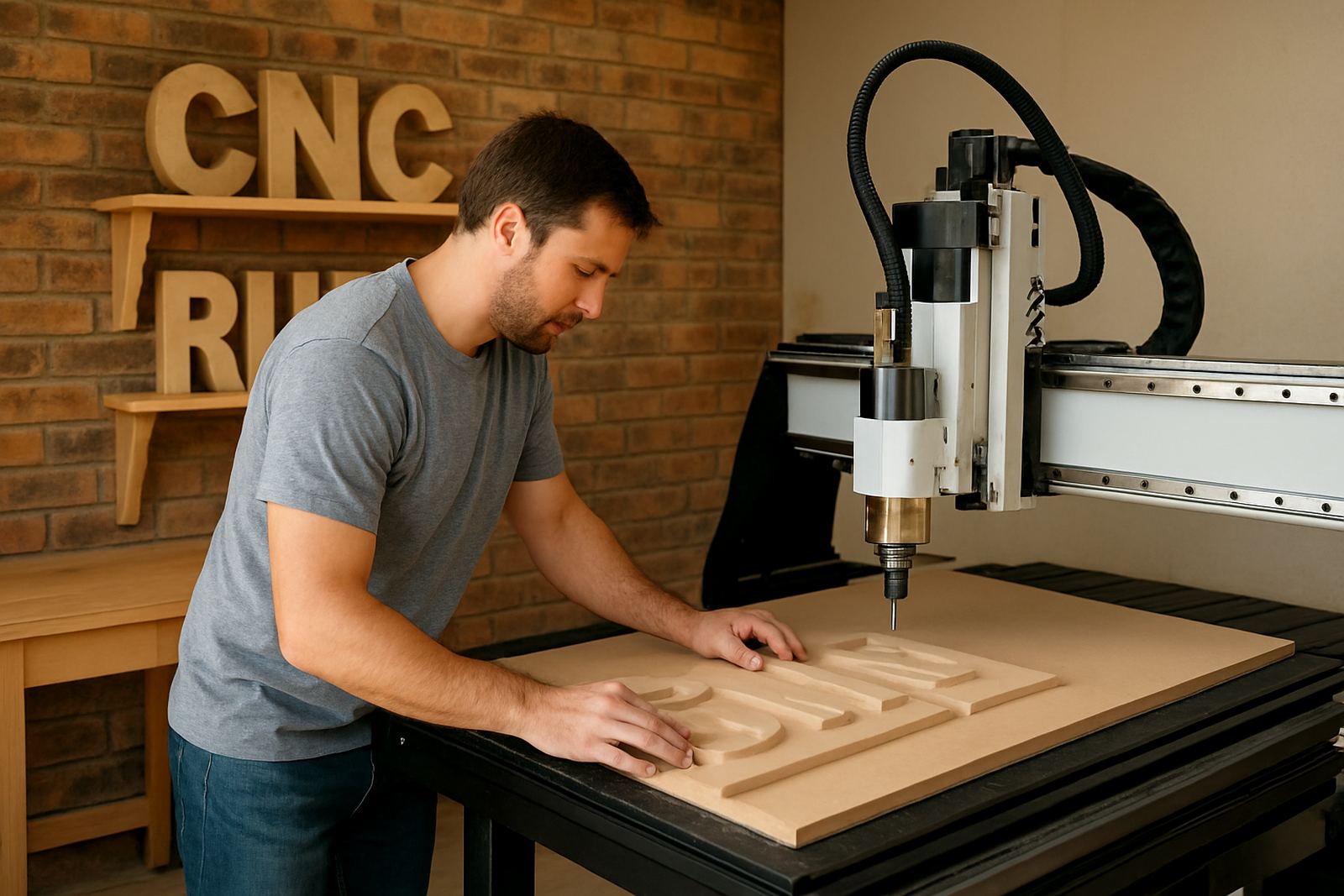
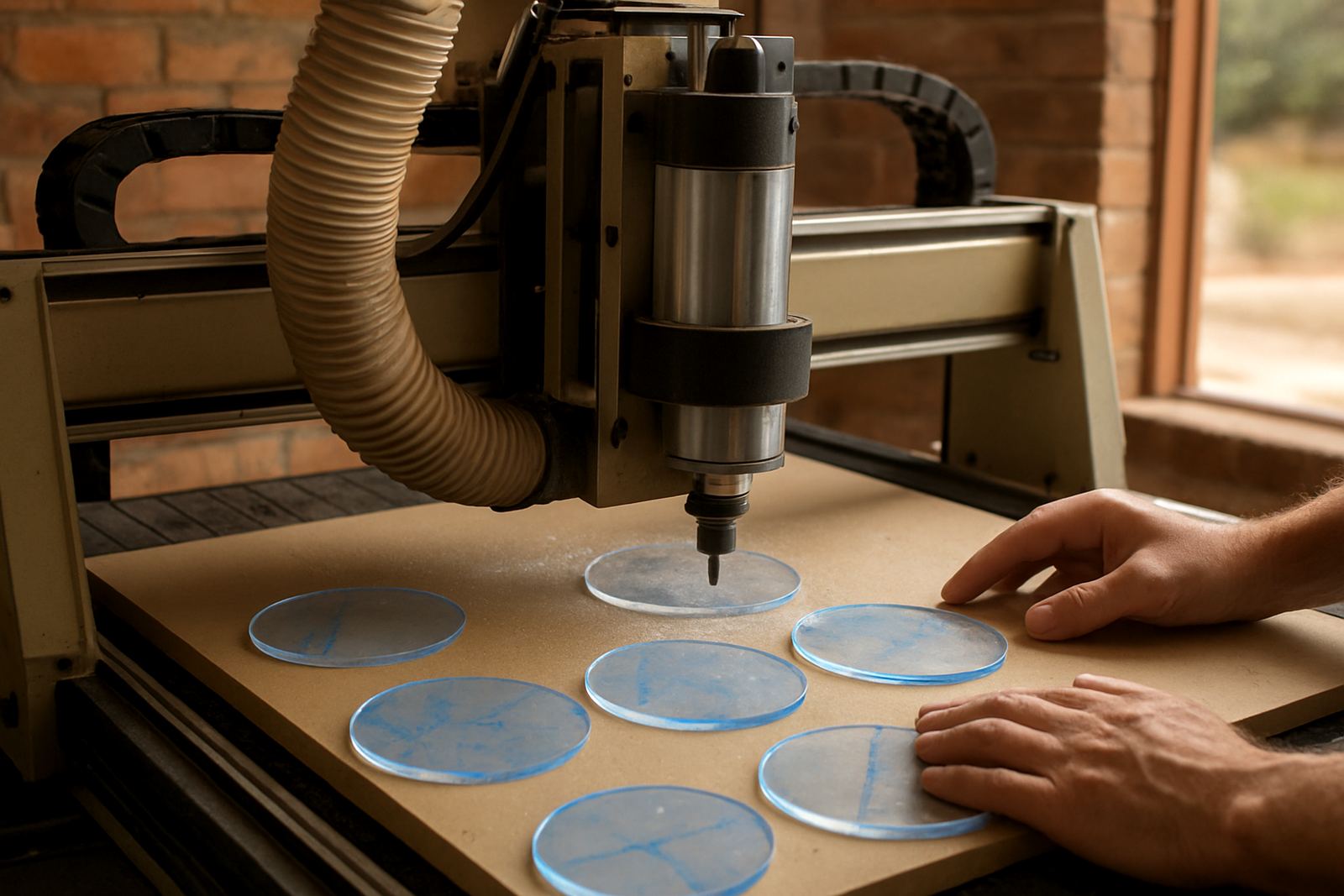
This range is selected for the materials most South African users work with every week. Woodworkers need clean edge finishes, MDF users need good dust control, and plastics demand steady feed rates and proper spindle control. A table that handles all three well will save time and reduce spoilage.
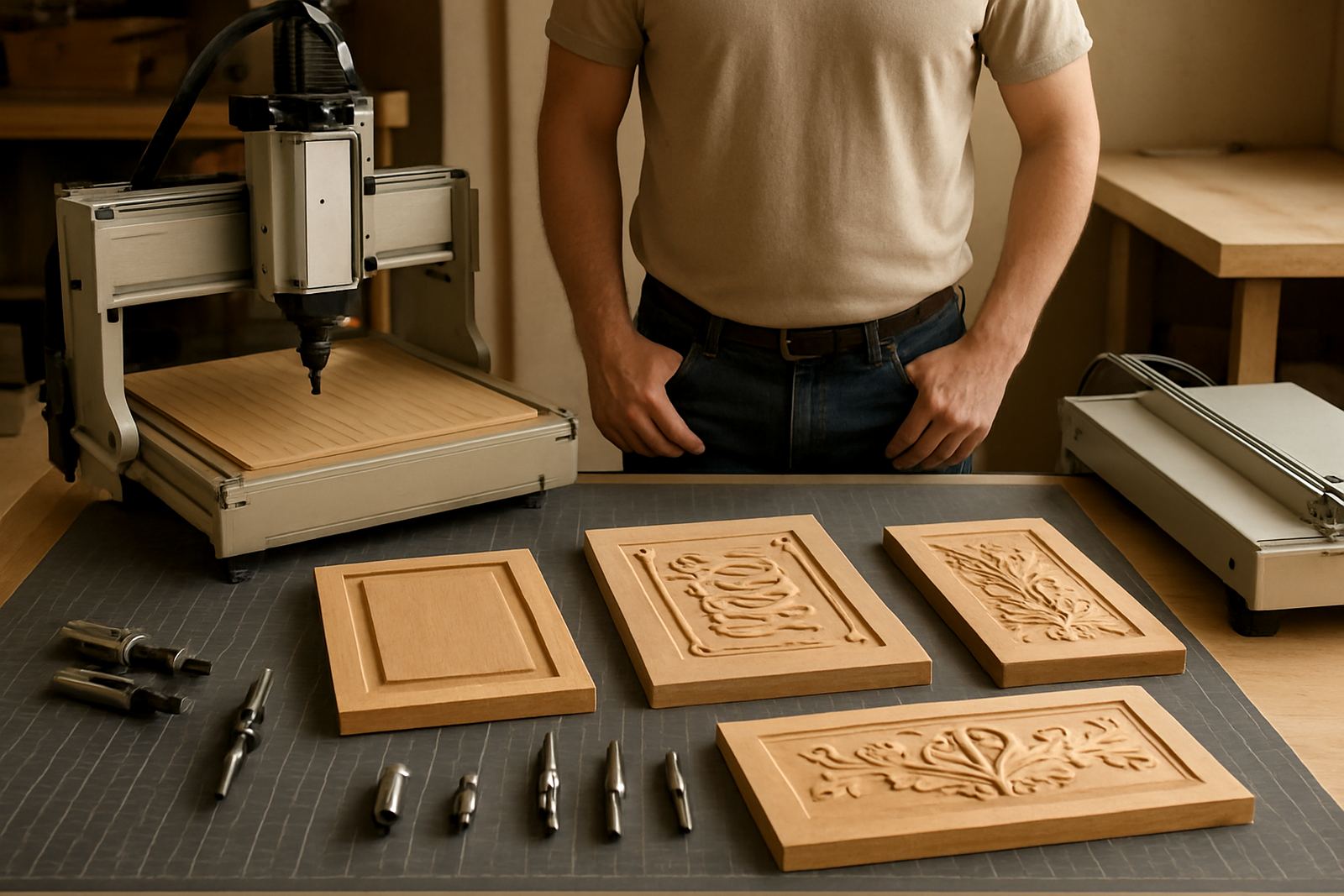
- Woodworking for signs, panels and light joinery
- MDF for cabinets, displays and flat parts
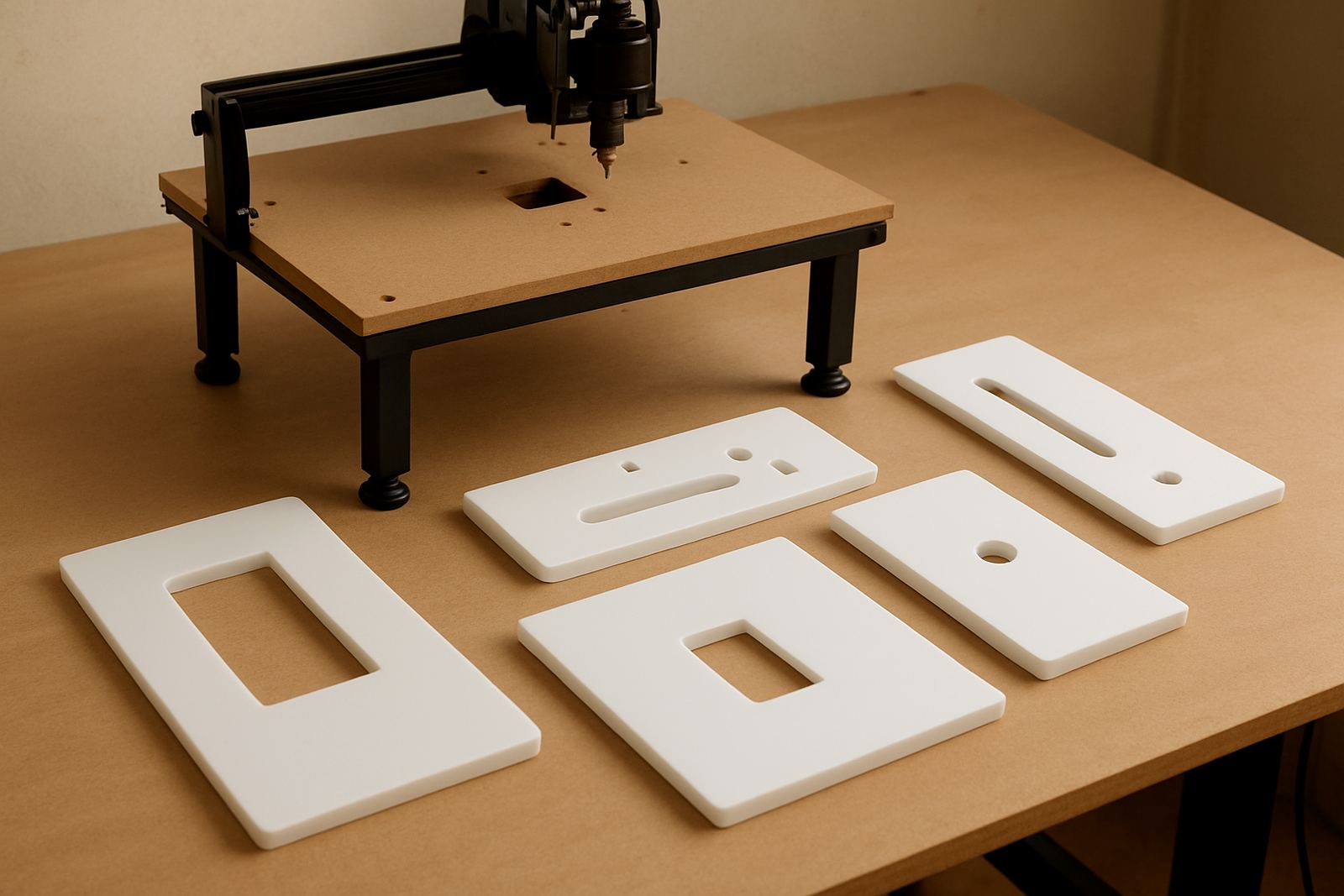
- Plastics for routing, trimming and part making
- Small batch production for hobbyists and growing shops
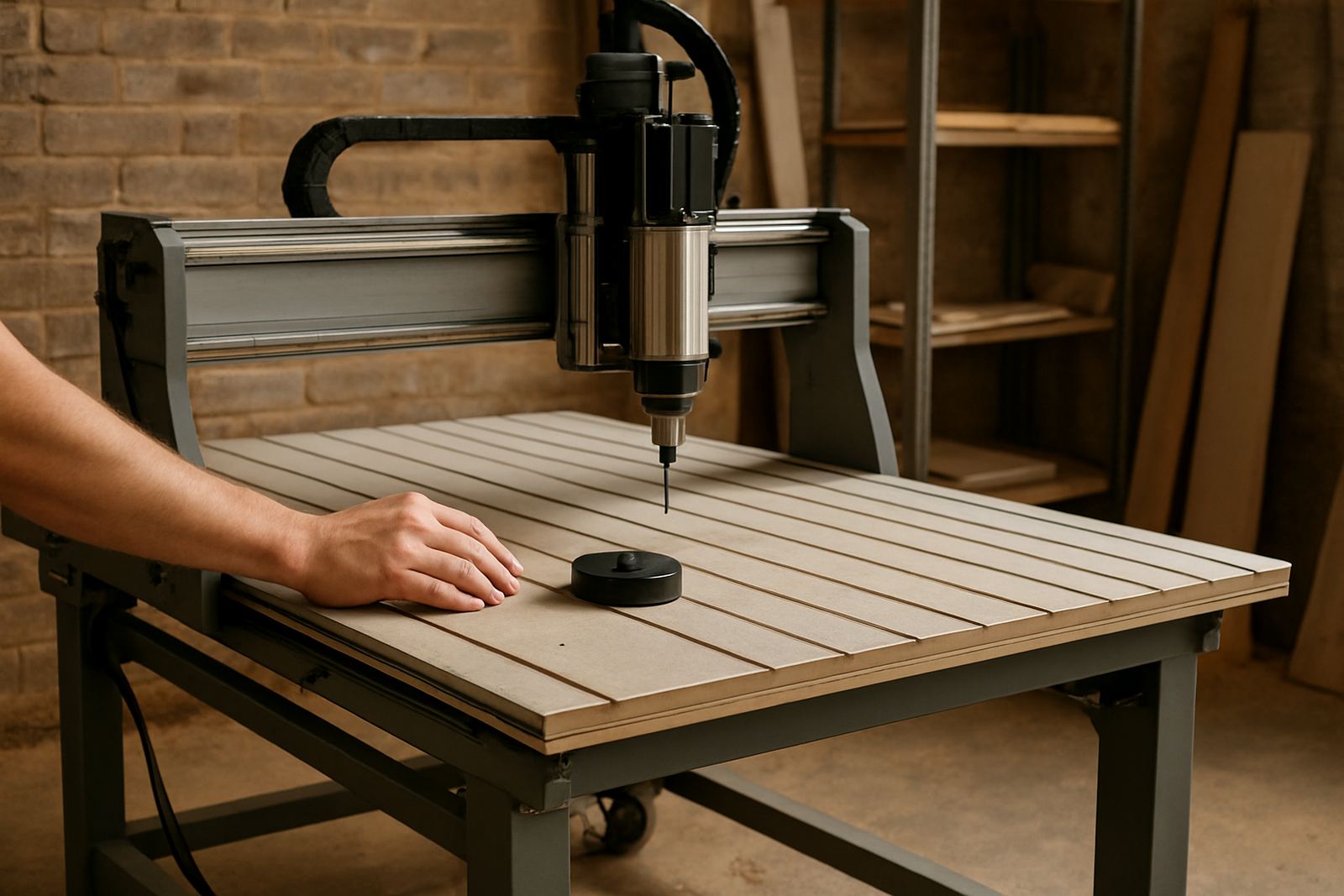
In humid coastal areas, stored sheets and tooling need more care, while inland workshops often battle dry dust and load-shedding interruptions. We help customers choose accessories that suit these conditions, including proper spoil boards, cutters and backup working habits. It makes a real difference when the power flickers mid job.
What to check before you buy
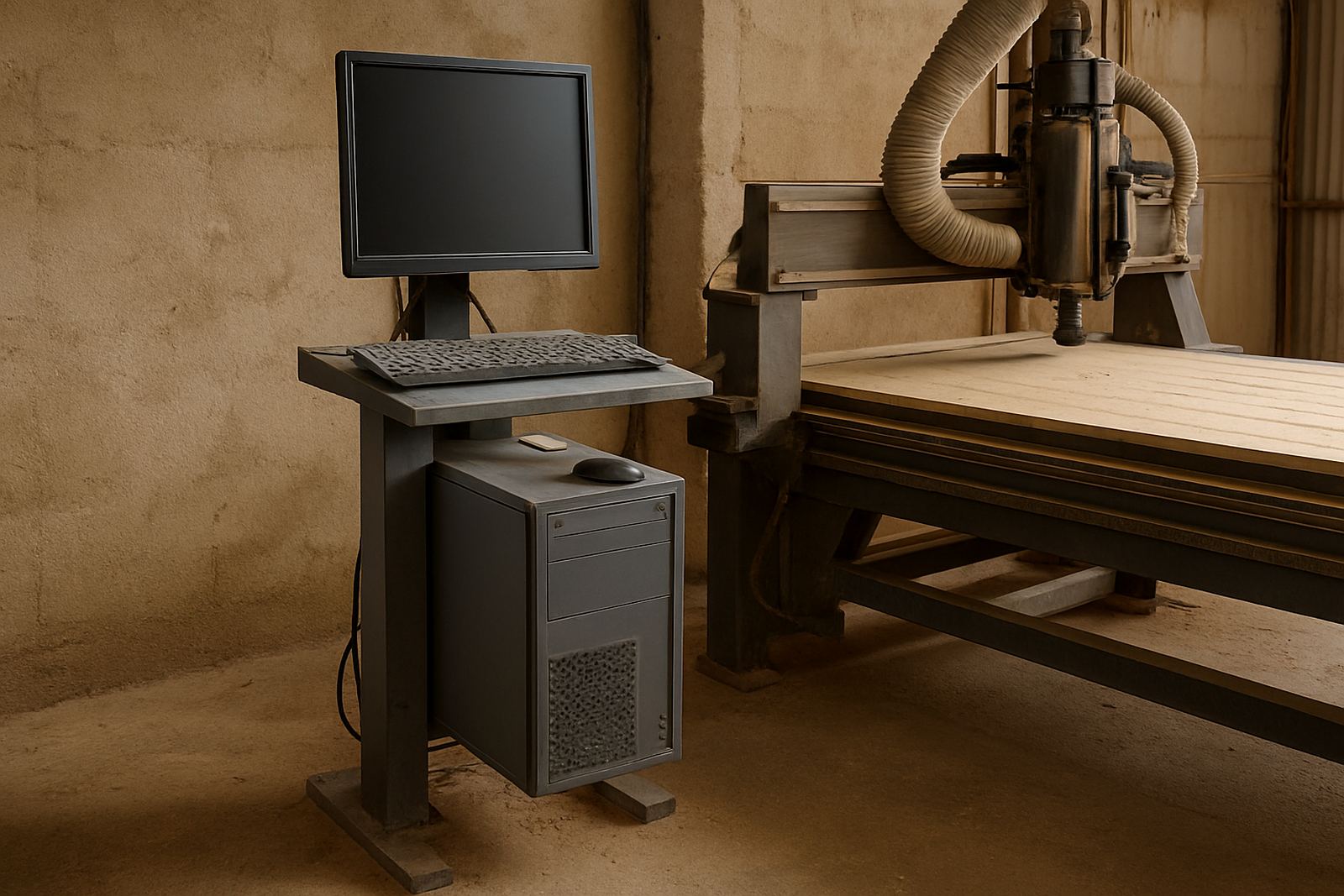
Buying the right machine is easier when you compare the basics side by side. Ask what software it accepts, what spindle or router setup is supplied, and whether spares are easy to get later. A low-cost table can become expensive if the control parts are hard to replace or the machine is difficult to tune.
- Working area and overall footprint
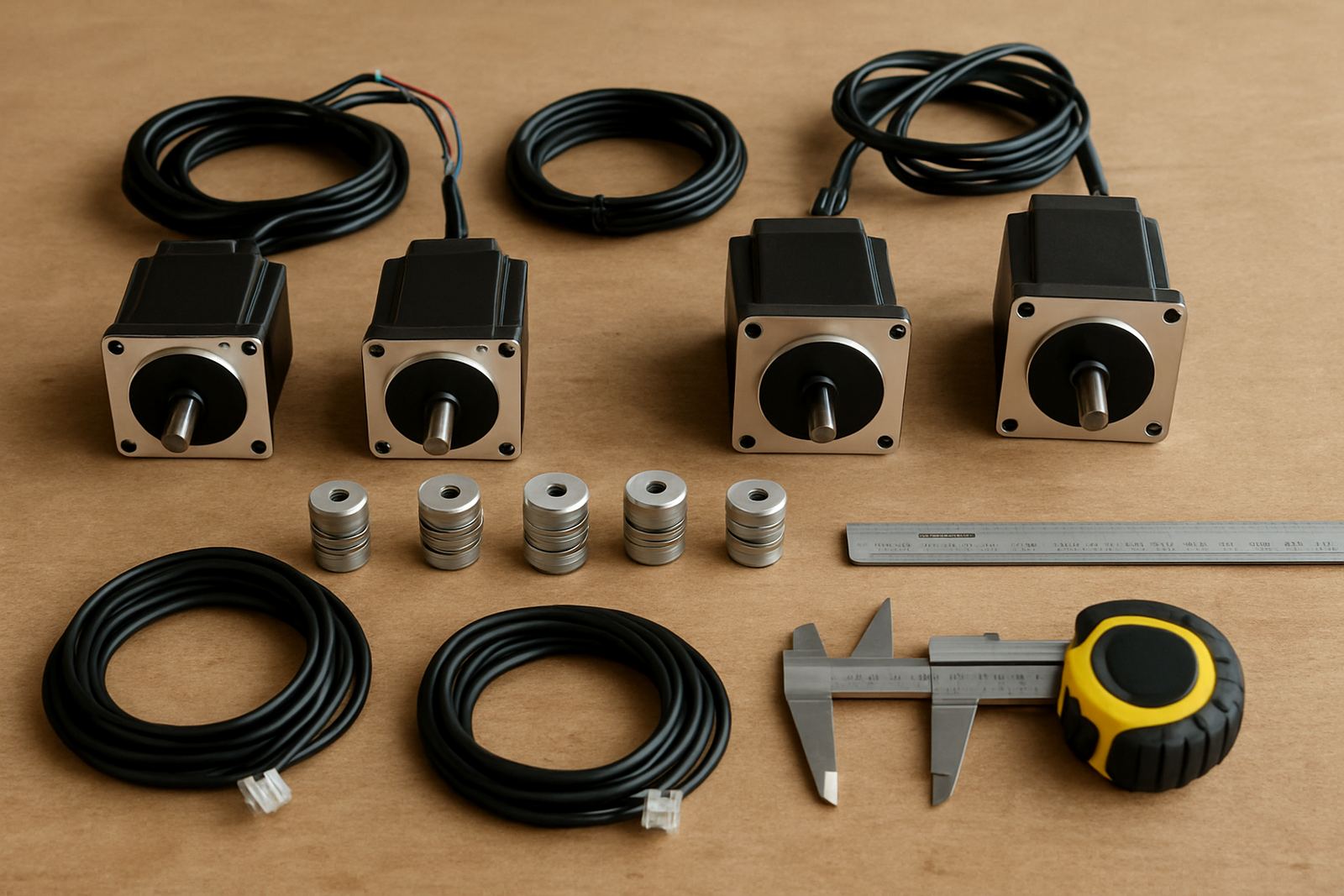
- Drive system and accuracy for repeat jobs
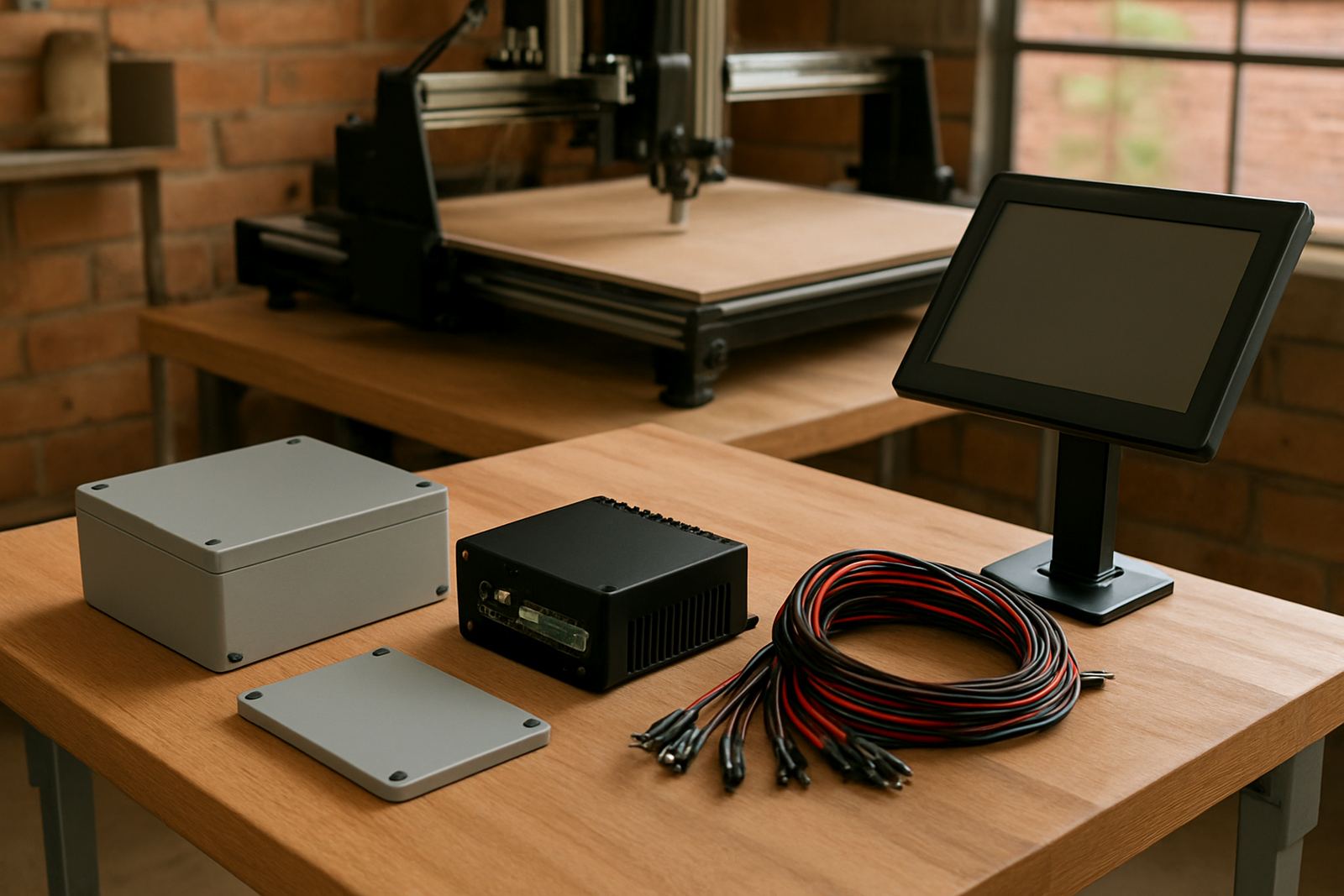
- Control system and software basics
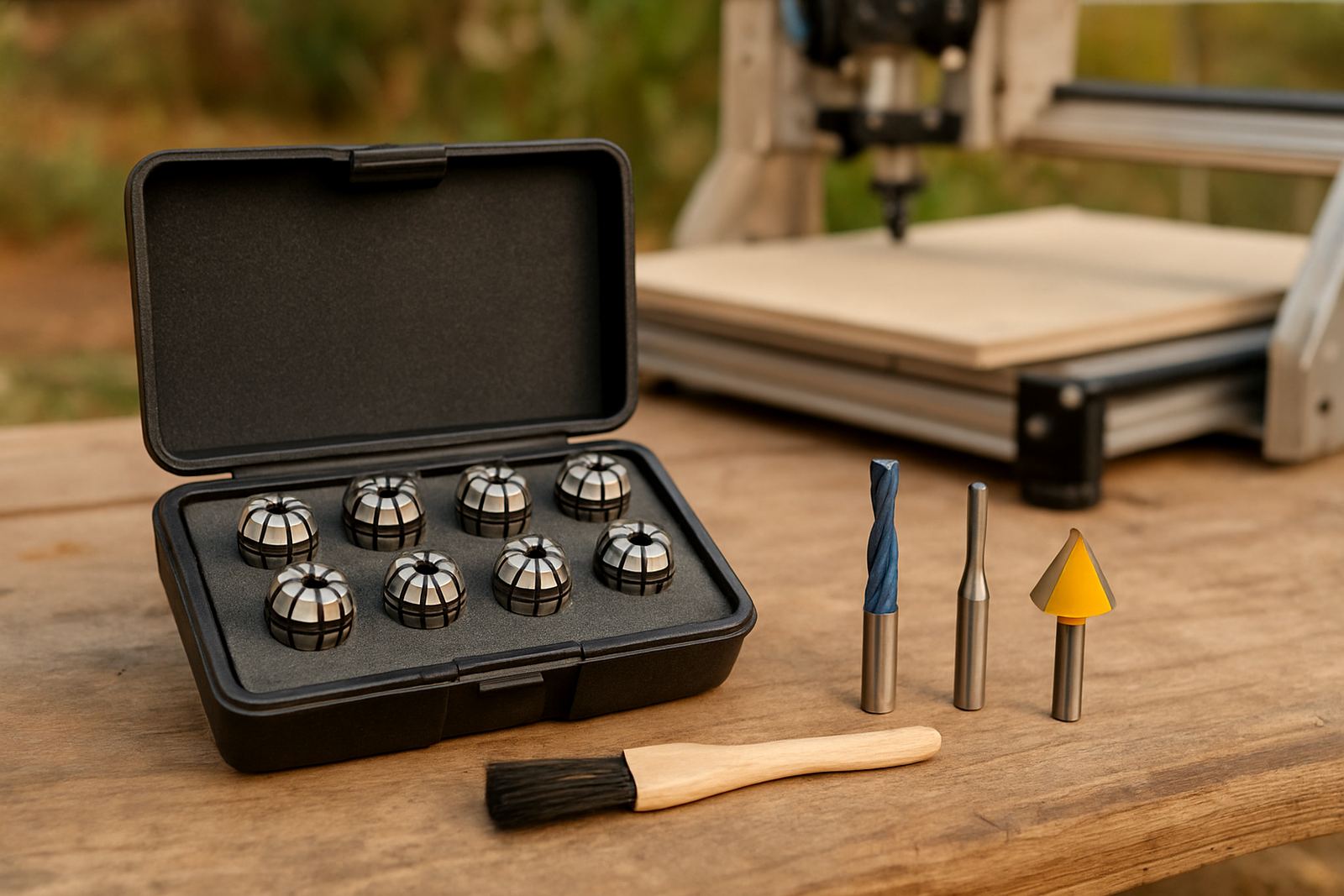
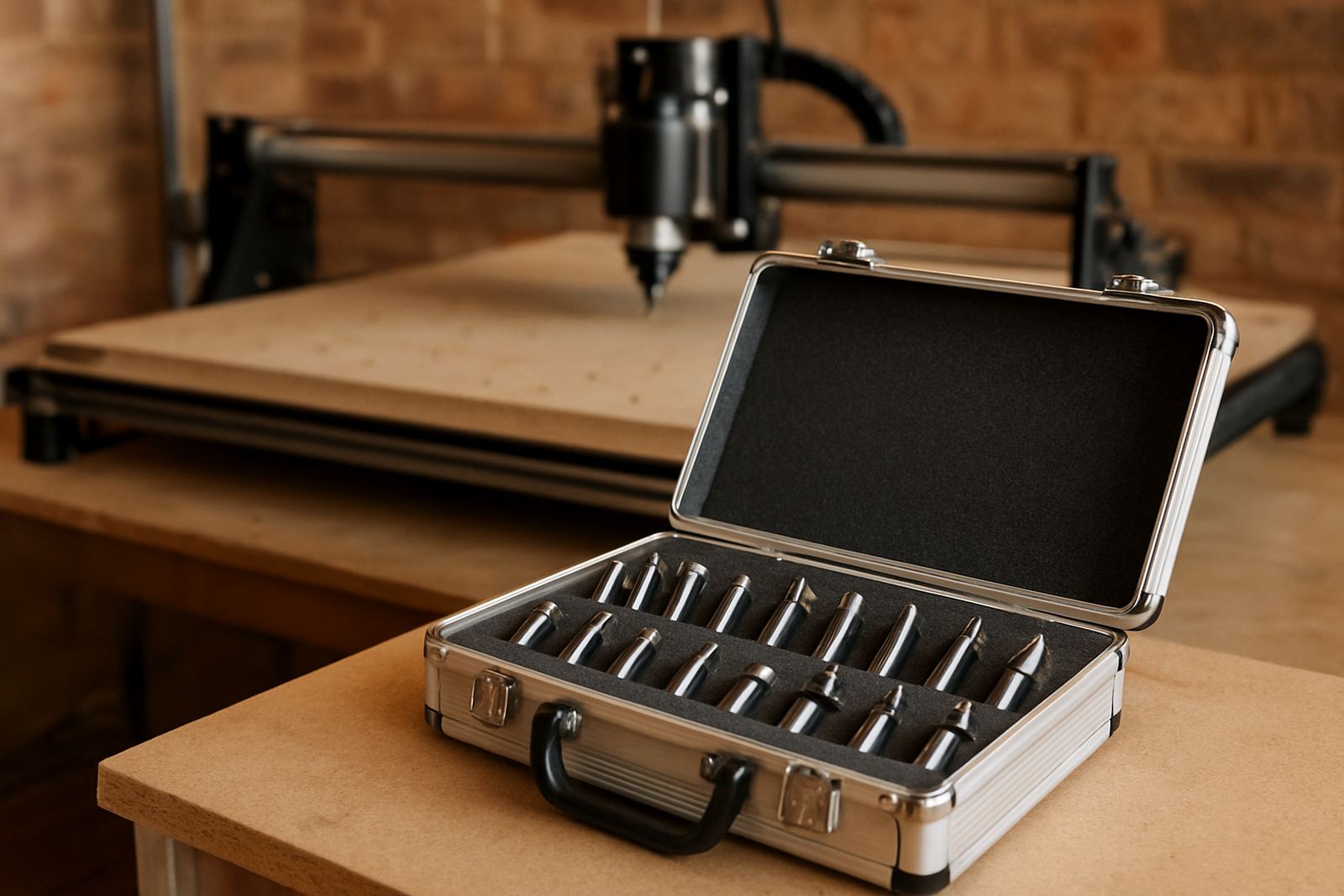
- Availability of cutters, collets and spares
- Training for setup, safety and first cuts
For a first-time buyer, a simple control setup with clear training is often the best choice. For a busy shop, it may be worth spending more on faster tool changes, better hold-down and easier maintenance. We can talk through the job you want to run and point you toward a table that suits it, not just what looks impressive on paper.
Support that keeps the machine earning
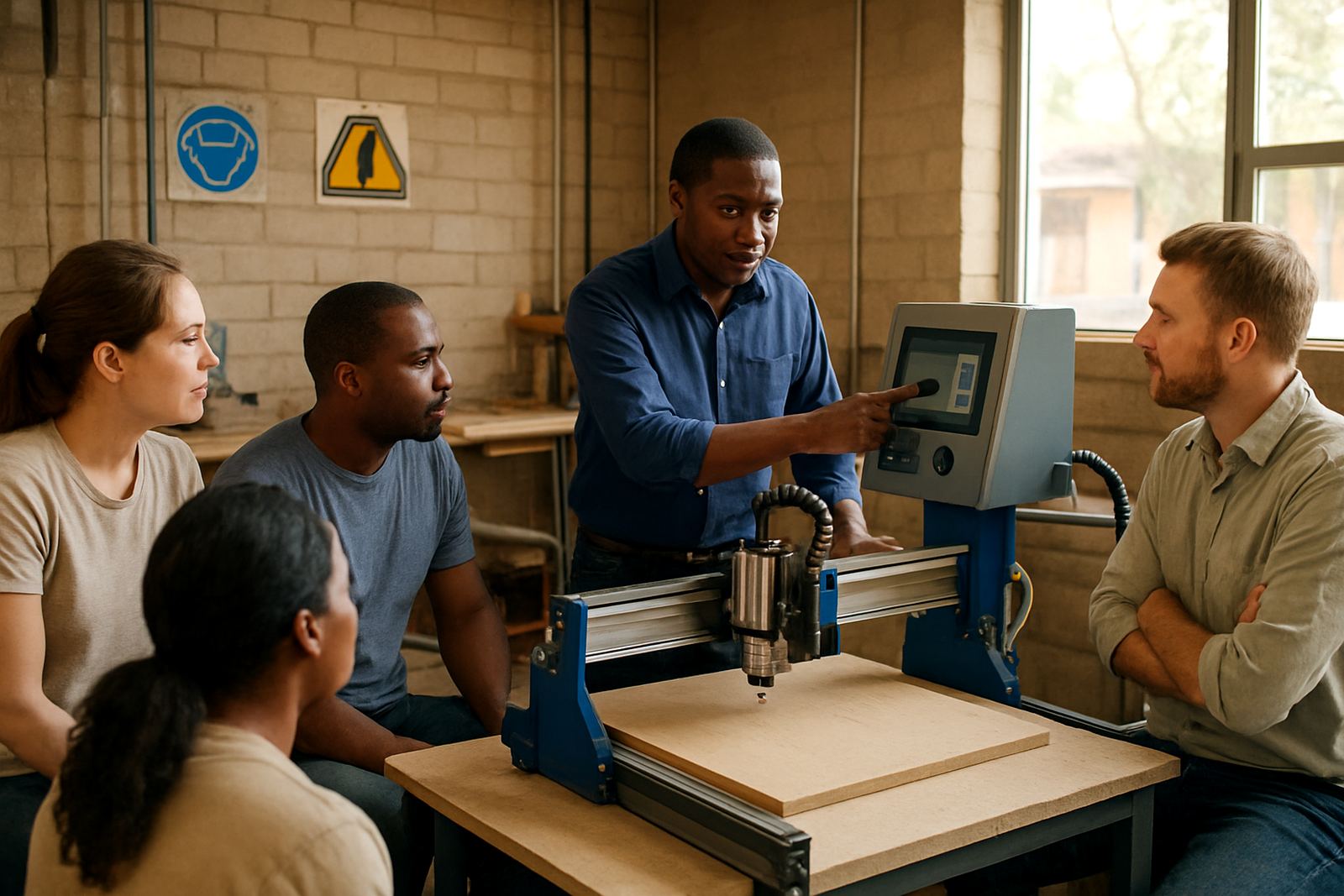
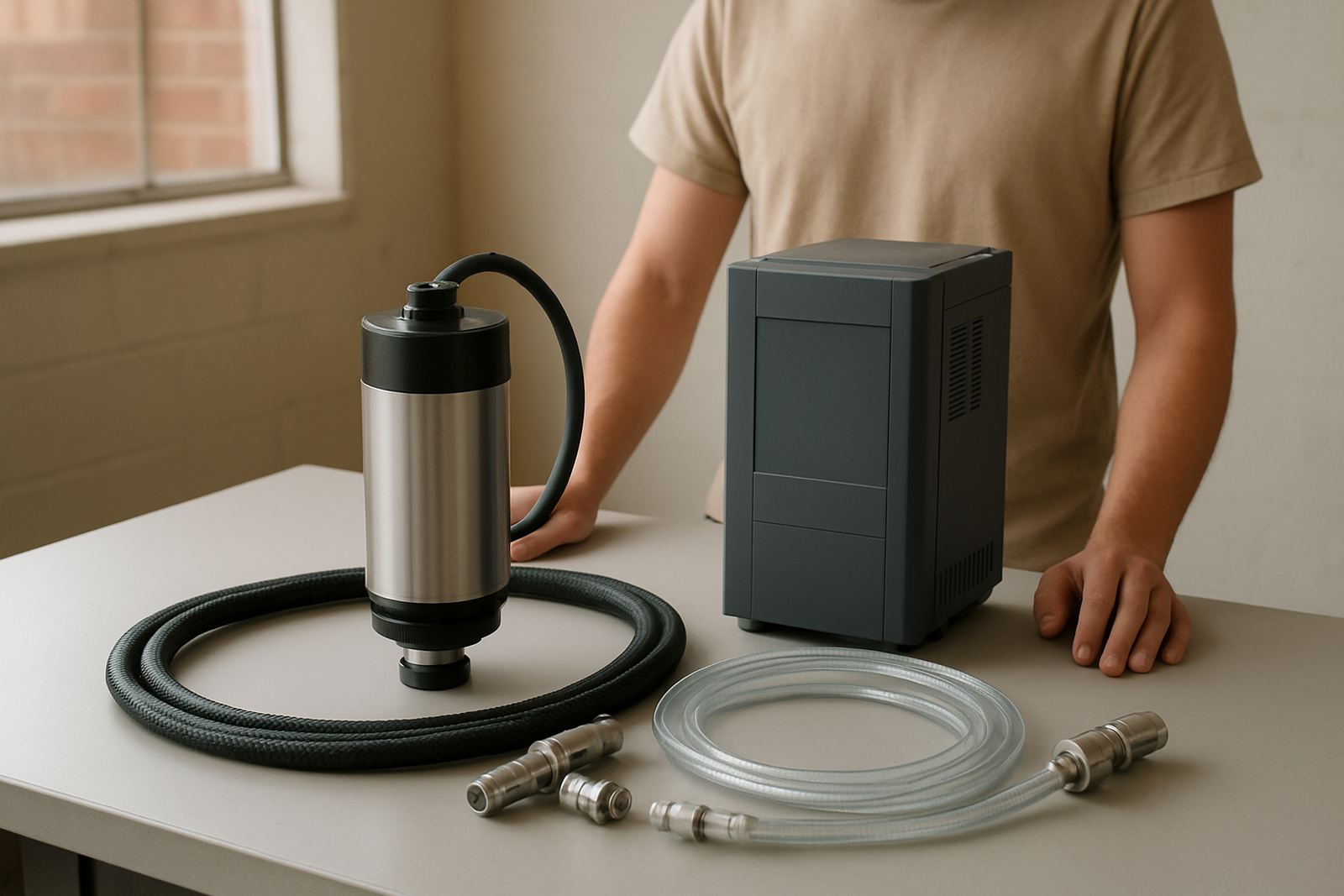
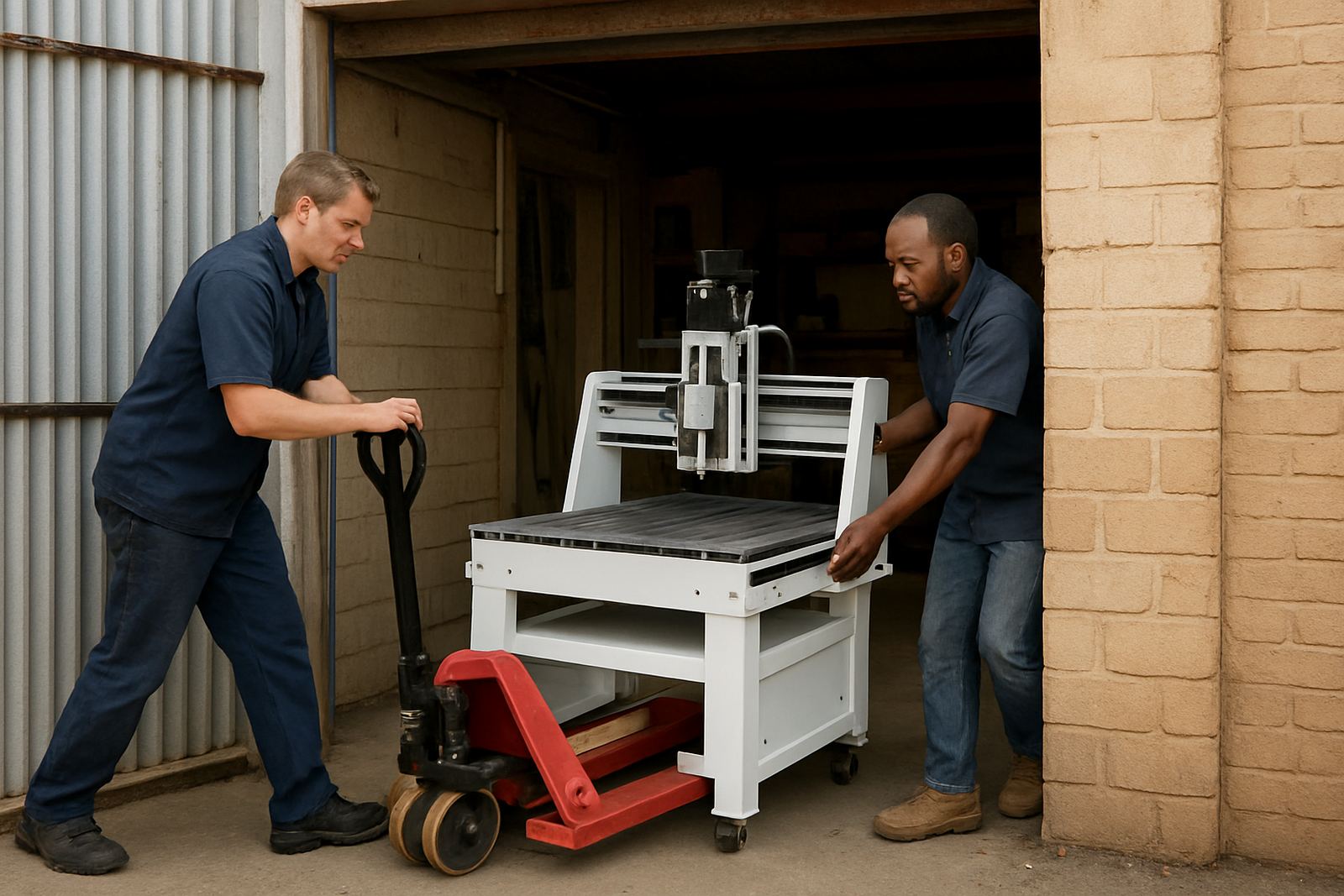
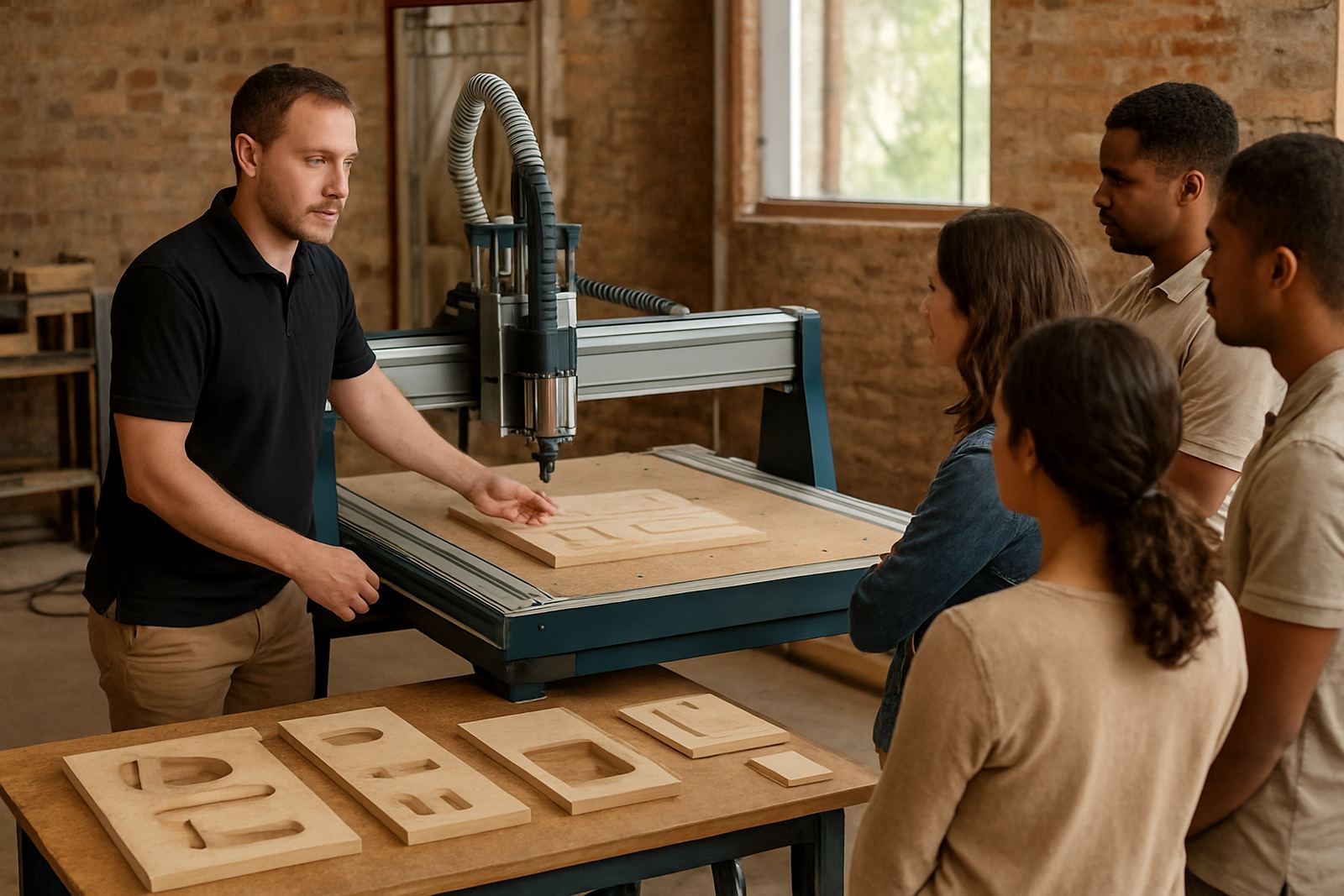
A CNC table should not stand idle because one small part has worn out or nobody is sure how to set the job. That is why we back the range with operator training, software basics, starter setup visits, preventive maintenance and breakdown support. If a spindle needs replacement, or the control needs tuning, we can help with that too.
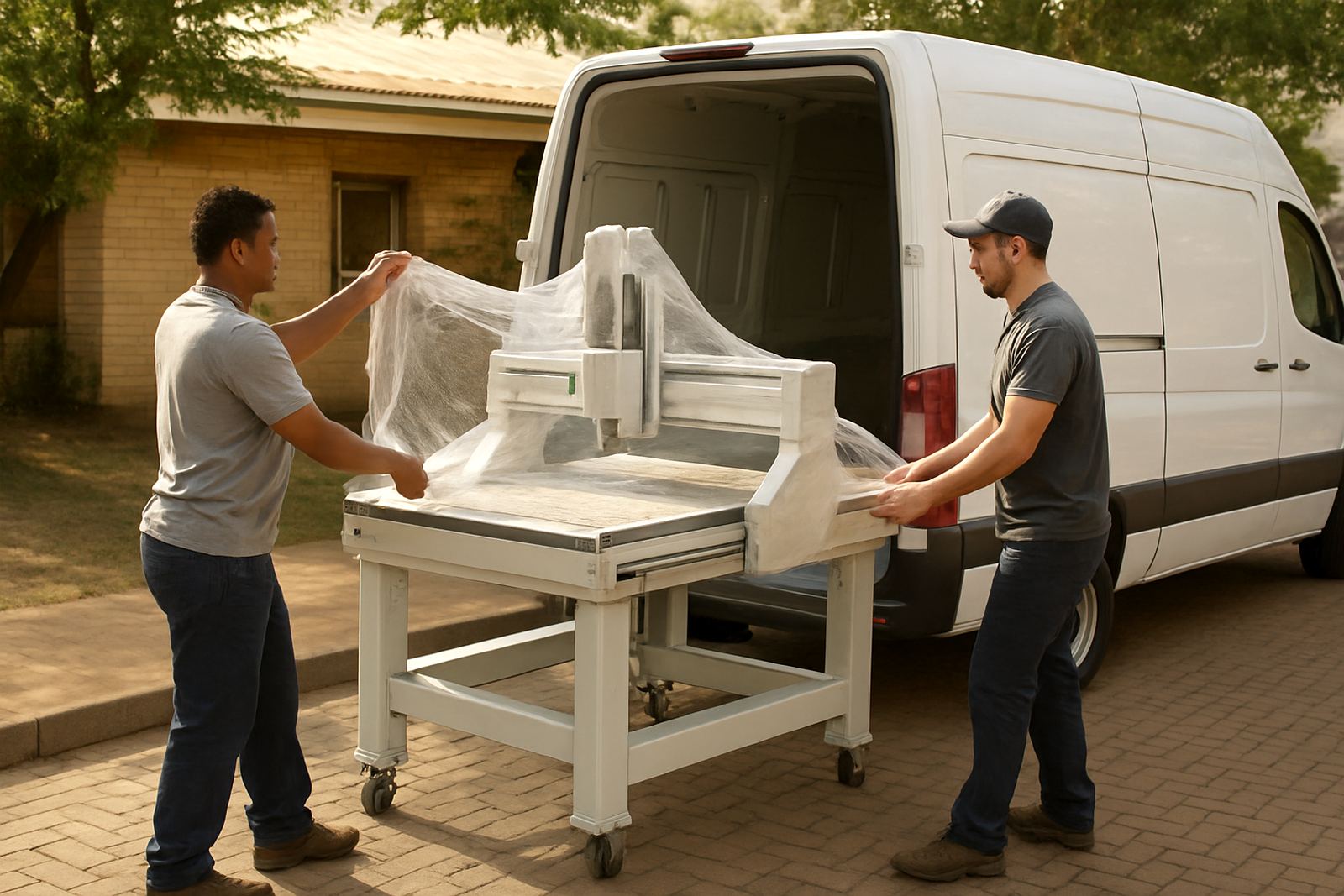
For customers in Silverton, Pretoria East, Centurion, Midrand and Kempton Park, local assistance is available, and spares planning is handled nationwide. We also support remote calls when a job can be solved by checking settings, feeds or a simple wiring issue. A quick call can save a full day of downtime, and sometimes that is all it takes.
Accessories and spares that matter from day one
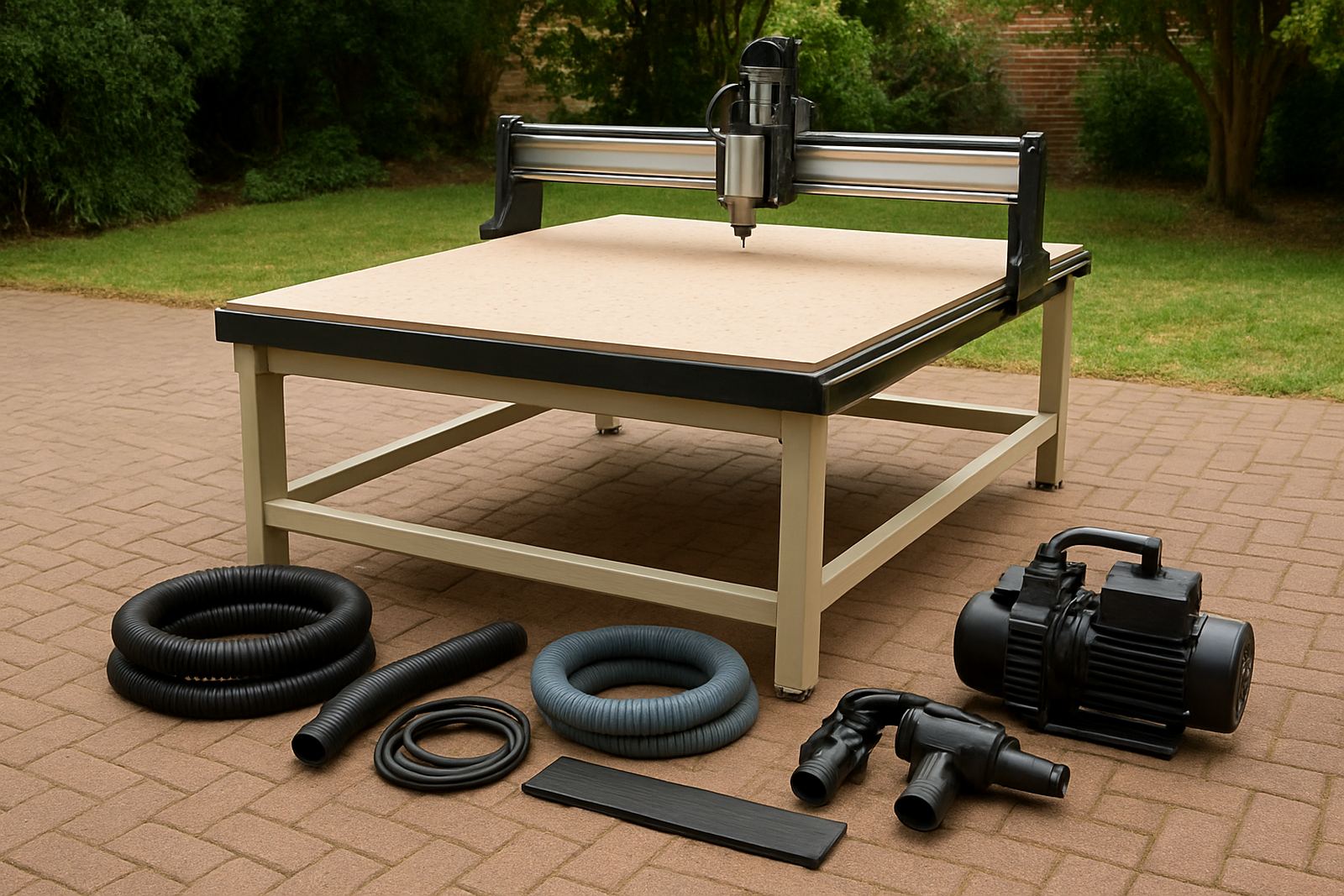
The right table works better when it is paired with the proper extras. Many buyers focus on the machine and forget the small parts that keep it running. Good cutters, clamps, spoil boards, dust control parts and replacement consumables all affect the result.
- Cutters for wood, MDF and plastic work
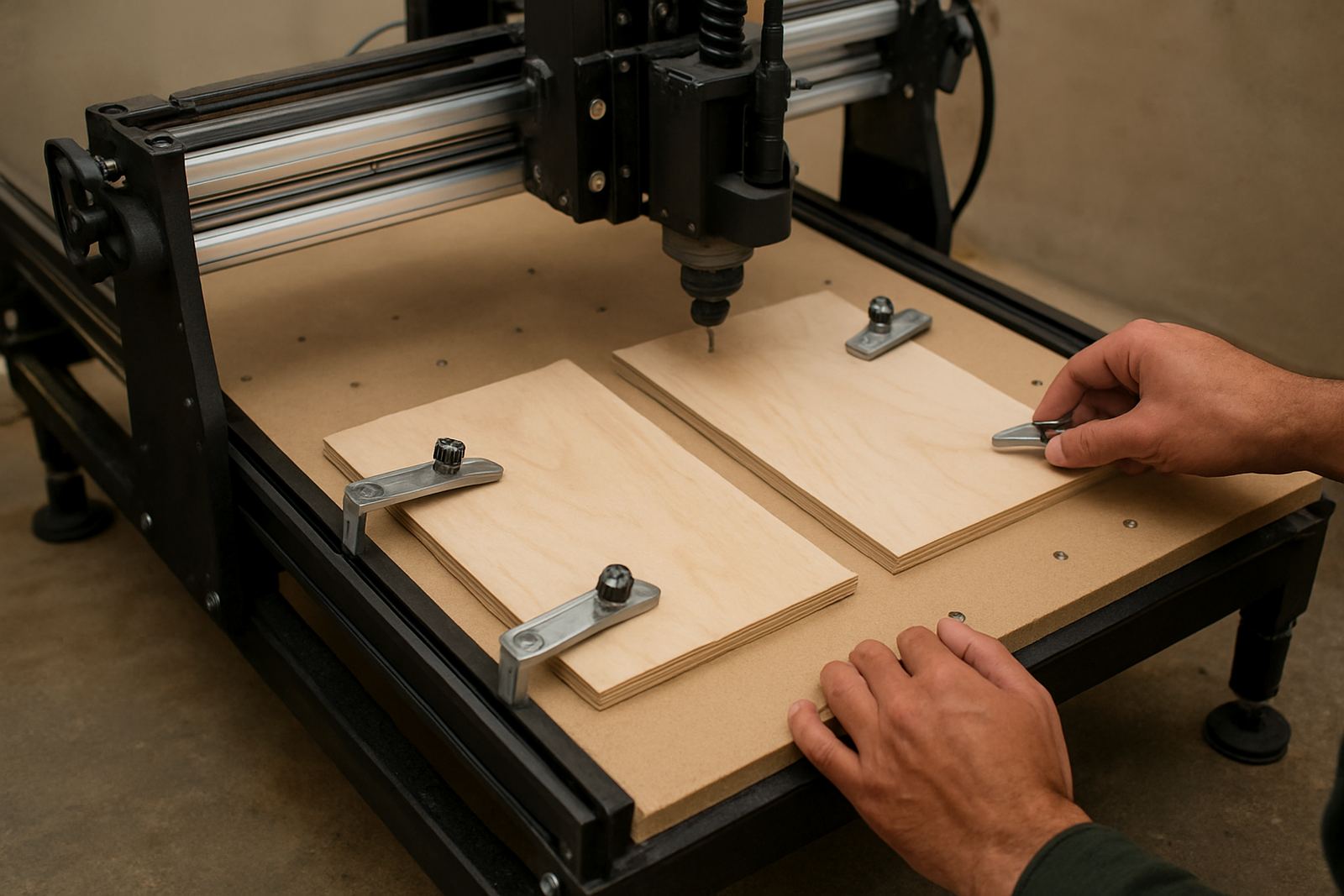
- Clamping and hold-down accessories
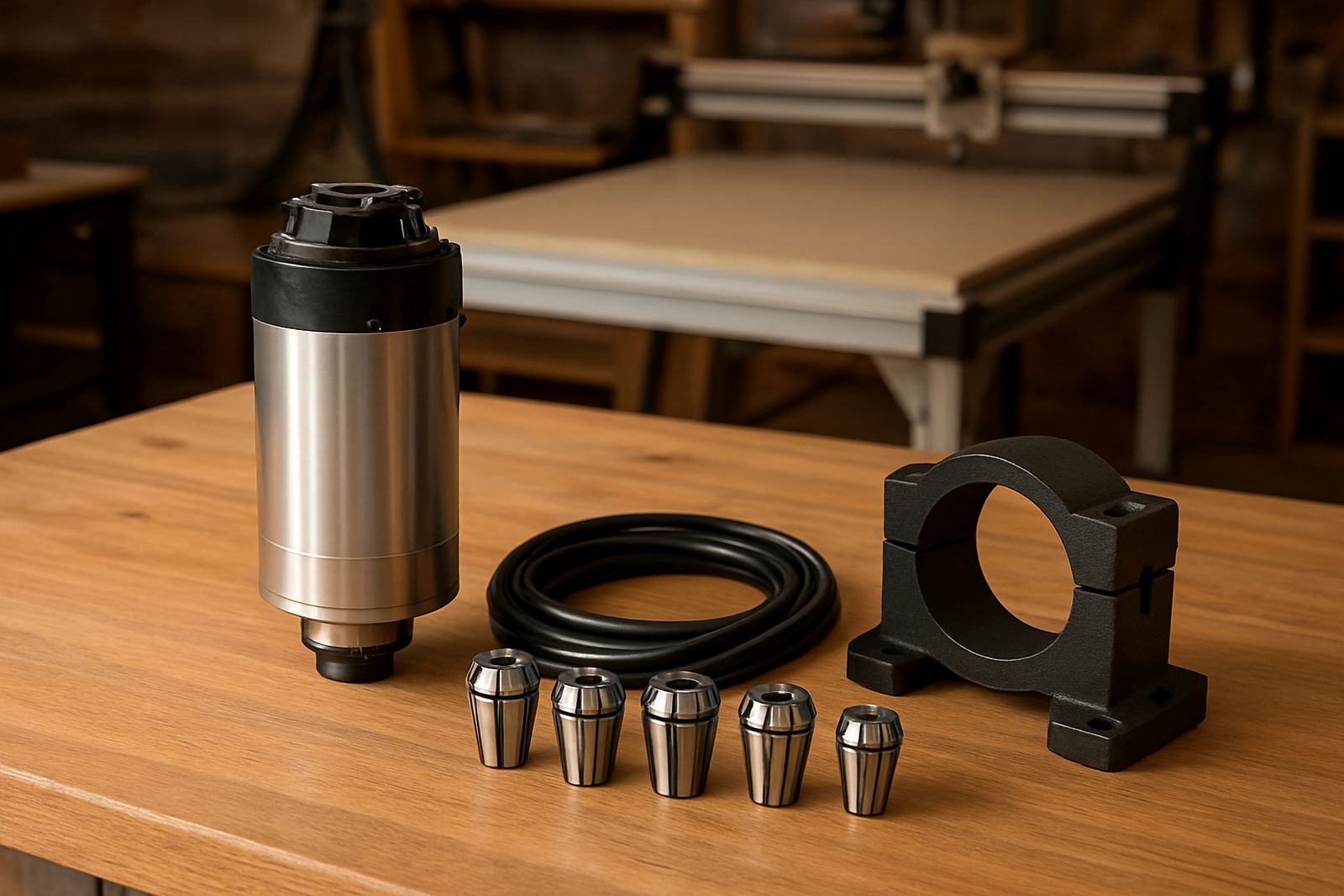
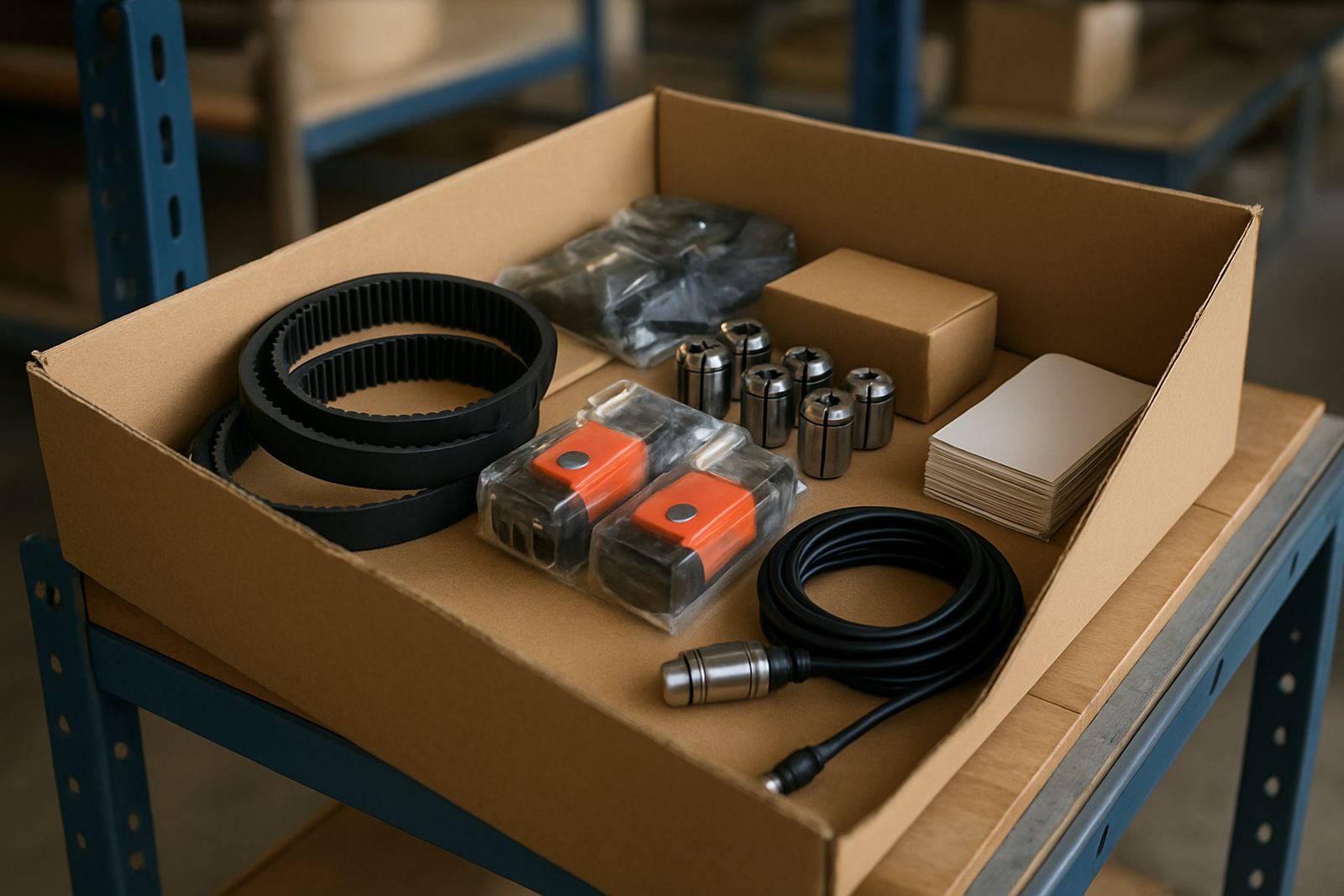
- Spare collets, belts and control parts
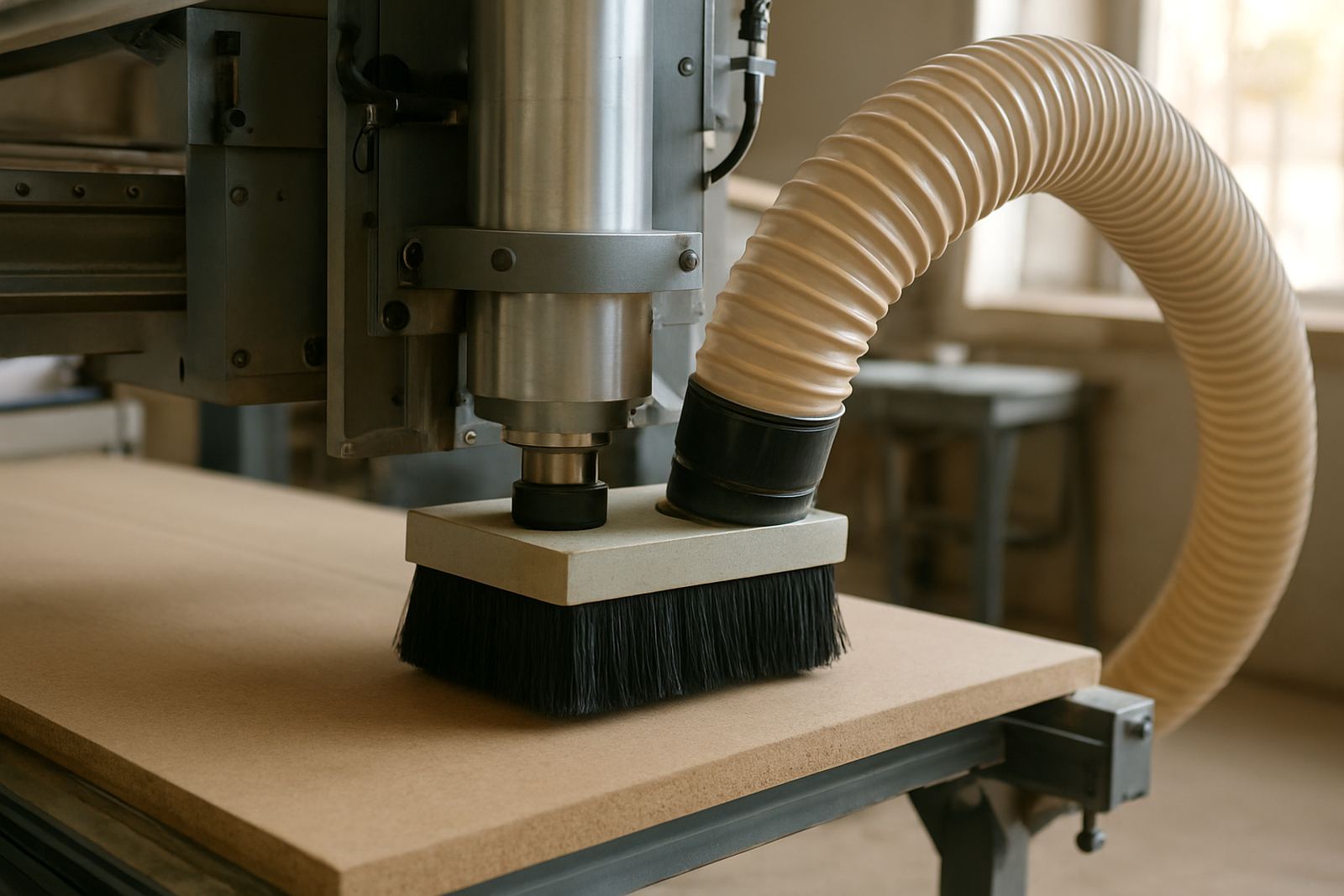
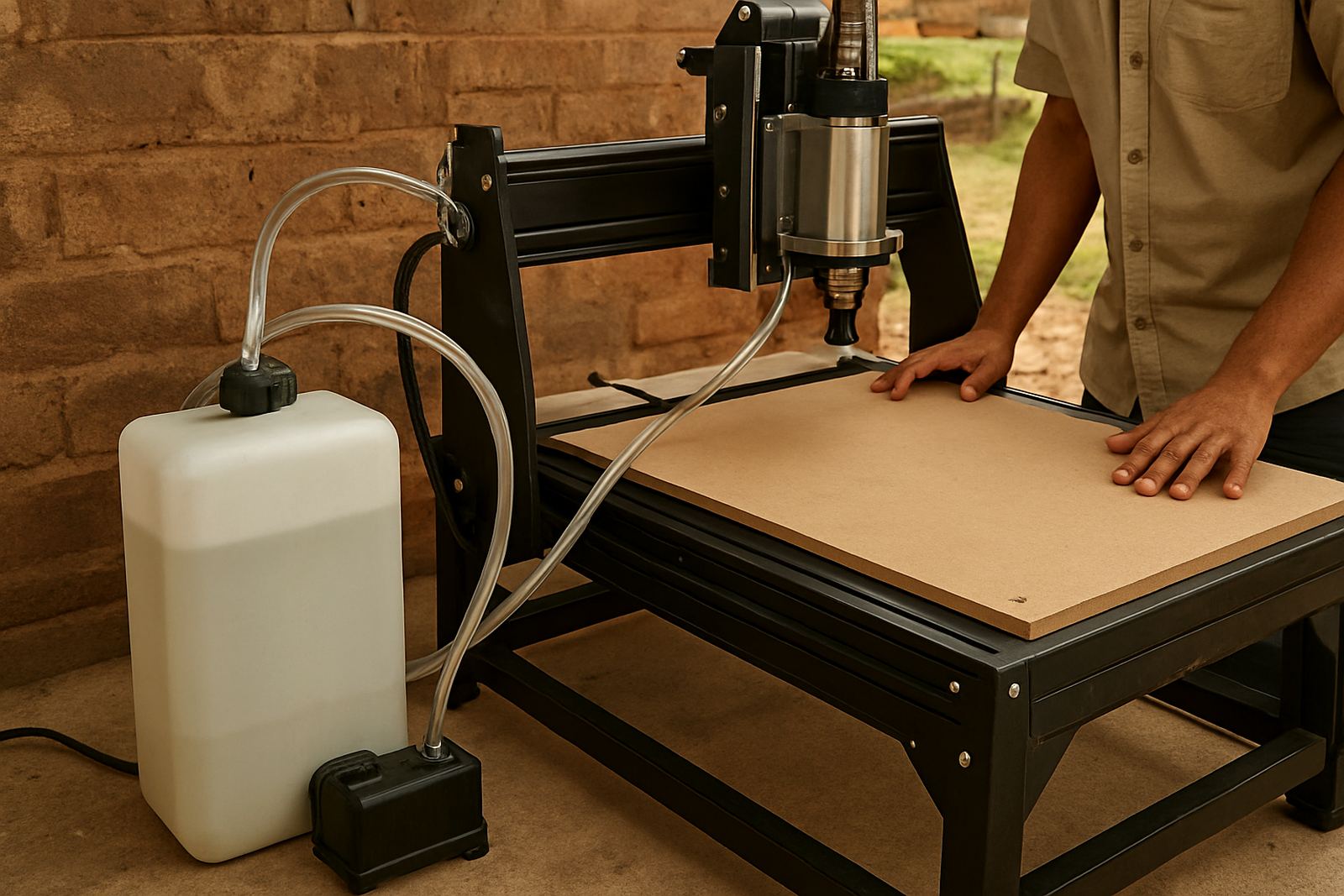
- Dust extraction fittings and brushes
- Backup items for common wear and tear
Our spares team keeps track of what is used most often so customers can plan ahead instead of waiting for a breakdown. In a small workshop, one missing part can stop the whole line, so planning is worth it.
From hobby room to smaller production shop
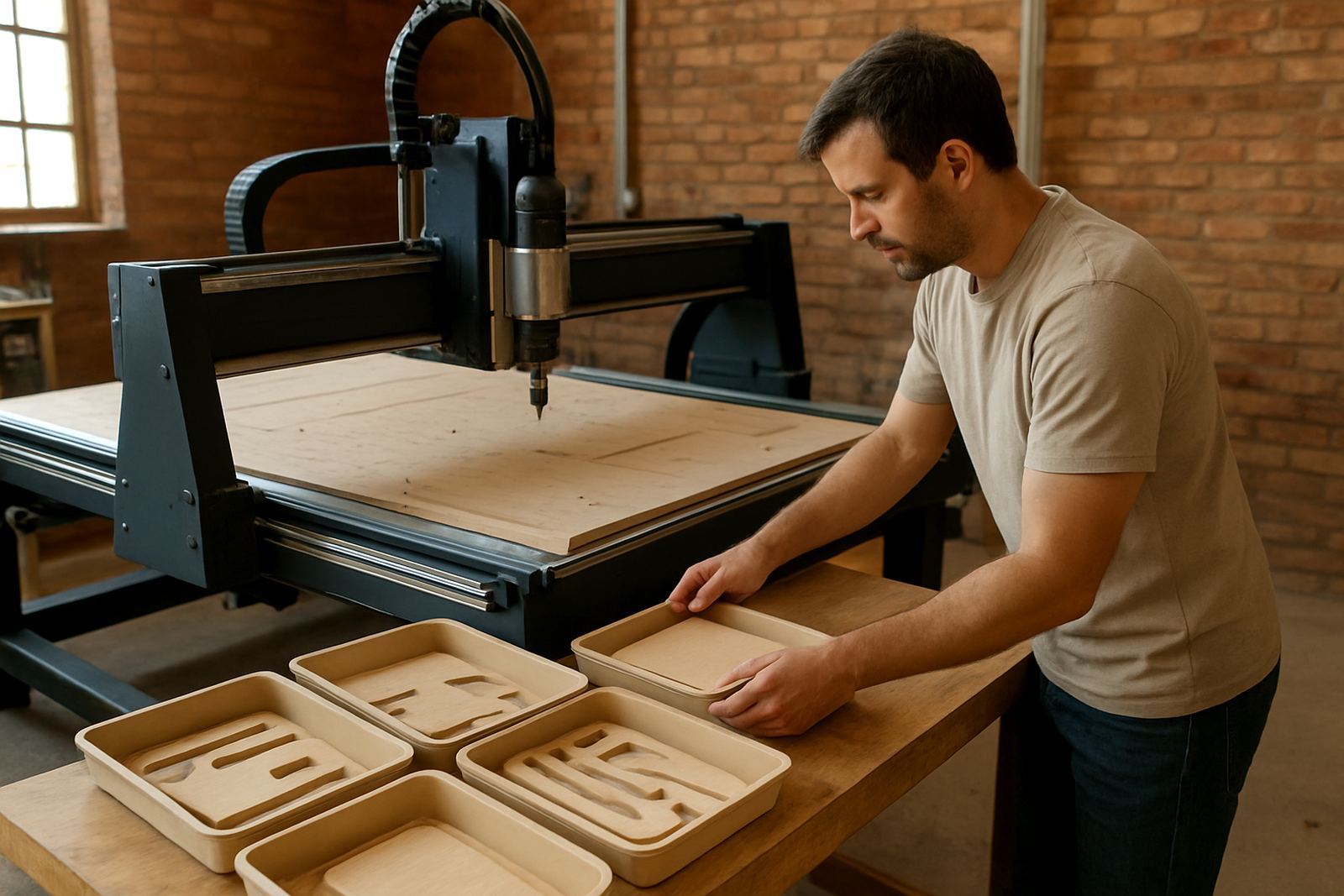
Some customers start with a home workshop and later move into part-time production. Others need a compact router from the start because the work is already flowing in from sign shops, cabinet makers or plastics fabricators. Either way, the goal is the same: consistent cuts, manageable servicing and support that does not disappear after the sale.
CNC Router Hub works with users who need practical guidance, clear pricing and after-sales help that is easy to reach. If you are near Pretoria or elsewhere in South Africa, we can help you compare table sizes, training needs and spares before you place the order. It saves time and keeps the machine matched to the work, not the other way around.