
Start Every Job With a Clean Safety Check
A CNC router can move fast and cut cleanly, but only when the job is set up properly. Before you load material, stop and check the table, spoilboard, clamps, dust extraction, tool condition and the file you are about to run. A rushed start is where most avoidable mistakes happen, especially in small workshops where one operator may be handling both setup and production.
In Silverton, Pretoria, we often see owners trying to save five minutes at the start of the shift and then losing an hour later because a board shifted or a cutter was worn. Make the same checks every time. It helps when staff change, when jobs are repeated, and when load-shedding has interrupted the previous run and the machine has been reset. Consistency matters more than speed.
- Check that the spoilboard is flat and secure.
- Confirm clamps, hold-downs or vacuum areas are clear.
- Inspect the cutter for chips, heat marks or build-up.
- Make sure the work file matches the material thickness and size.
- Test the emergency stop before the day gets busy.
Wear PPE That Matches the Job, Not Just the Workshop Rule
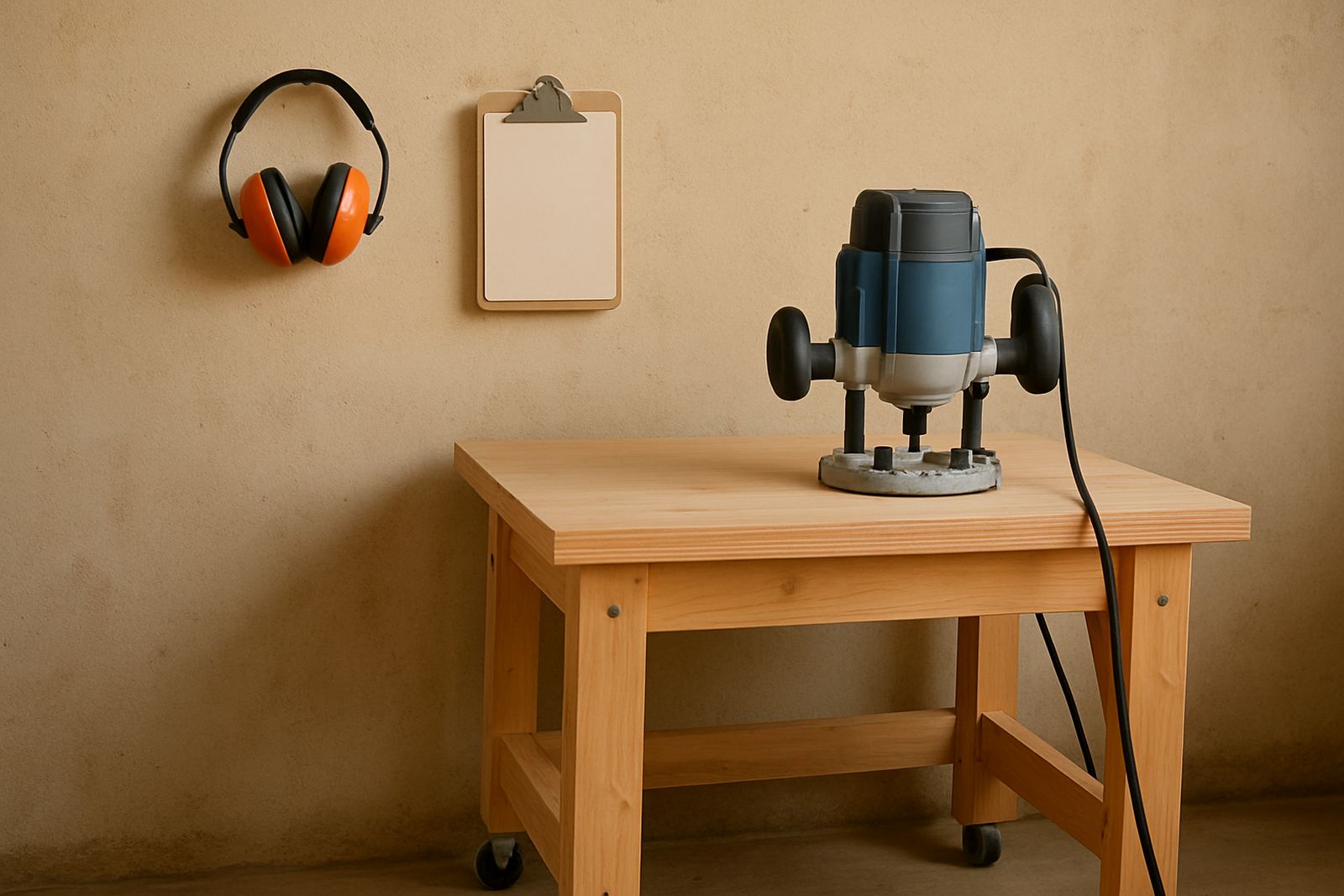
Personal protective equipment should suit the task in front of you. Eye protection is essential because chips from MDF, hardwood and plastics can fly back unexpectedly. Hearing protection matters too, especially on smaller machines in enclosed spaces where sound bounces around. For handling boards, a decent pair of gloves is useful off the machine, but not while the router is running where loose material can catch.
Dust masks or respirators are important when cutting MDF and other engineered boards, because fine dust hangs in the air and settles on everything. If your shop is in a coastal town, humidity can make dust heavier and sticky, which means it clings to rails, covers and tools faster. In Pretoria and Gauteng the issue is often dry, fine dust that gets into bearings and controls. Different conditions, same need for discipline.
- Use eye protection for every cut, even short test jobs.
- Wear hearing protection where the machine runs for long periods.
- Use respiratory protection for MDF, laminate and dusty cleanup work.
- Keep long sleeves, jewellery and loose clothing away from moving parts.
Keep Hands, Tools and Clothing Clear of Moving Parts
The safest workshop habits are the boring ones. Never reach into a moving machine to clear chips or adjust stock. Stop the spindle, wait for full movement to finish, then clear the area. If an operator needs to guide a board, that should be done only when the machine is fully stopped and isolated. A clean habit here prevents cuts, crushed fingers and damaged tooling.
Tool changes also deserve full attention. Keep the correct spanner, collet and cutter sizes at hand, and do not improvise with loose tools. A cutter fitted badly can slip or vibrate, which affects finish and puts extra strain on the spindle. When training new staff, show them the same routine every time so they build muscle memory before they are left unsupervised.
- Switch off and isolate before clearing jams.
- Wait for the spindle to stop completely before touching anything.
- Keep tools in a fixed place so changes are done properly.
- Never leave rags, offcuts or packaging near moving axes.
Setup Discipline Is Safer Than Quick Fixes
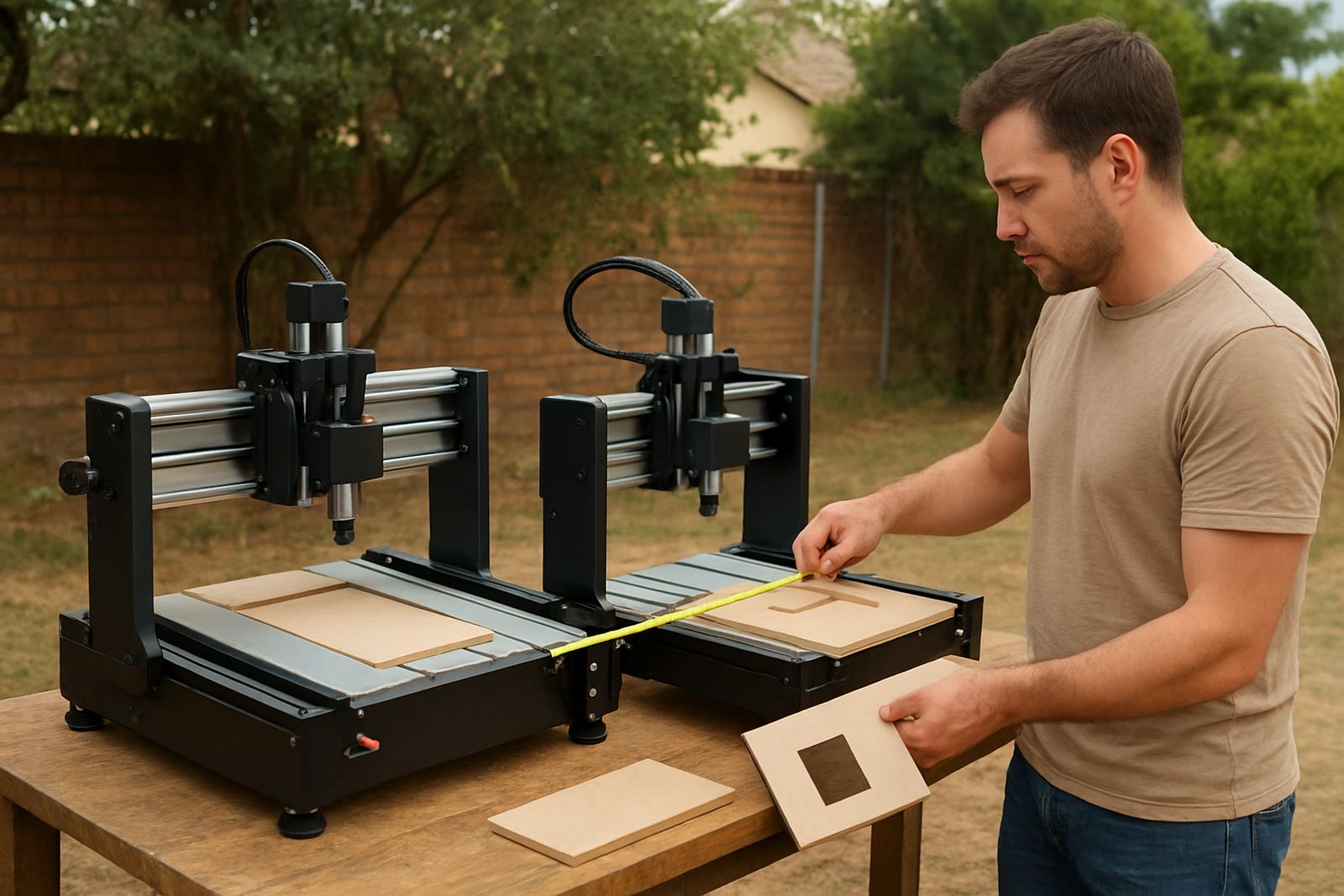
Most accidents on routers do not begin with the cut itself. They begin with a quick fix that was never checked. A board clamped too close to the cutter, a zero point set from the wrong edge, or a file opened with the wrong units can all lead to trouble. Good setup discipline means measuring twice, confirming the origin, and checking the full travel path before pressing start.
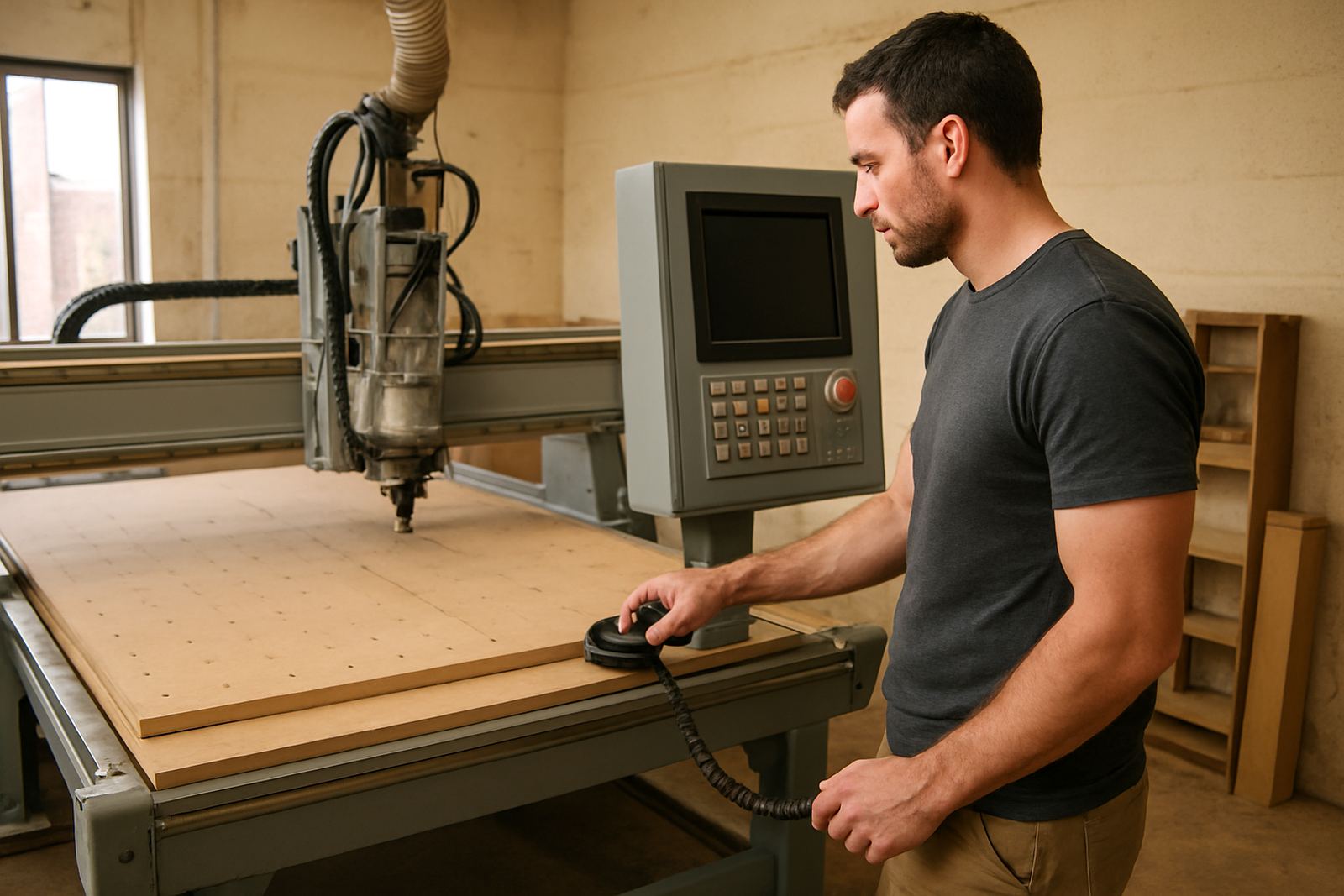
If you are running a small job in Midrand or Kempton Park and need to finish before end of day, it is tempting to skip the dry run. Do not. Use the machine jog function, confirm the cut path and listen for any unusual noise during the first pass. The extra two minutes can prevent broken tooling, wasted sheet material and a late night sorting out damage.
- Measure the material thickness at more than one point.
- Set the origin from the same reference every time.
- Check the tool path for tabs, pockets and cut-through depth.
- Run the first pass at a controlled speed and stay nearby.
Housekeeping Around the Router Matters More Than People Think
Clean floors, clear walkways and regular dust removal are part of machine safety. Offcuts on the floor can cause slips, and fine dust on rails or around control boxes shortens service life. In woodworking and plastic shops, a tidy area also makes faults easier to spot. If a cable is wearing, a clamp is loose or a rail cover has shifted, you are more likely to notice it when the area is not cluttered.
It is worth assigning a simple end-of-day routine. Empty the dust collection, wipe down the machine, check the air supply where relevant and put cutters away. During rainy season or in humid storage spaces, keep spares dry and sealed because corrosion and swelling can creep in quietly. A few minutes of housekeeping can save a service call later on.
Train the Operator, Not Only the Machine
Even a well-built router is only as safe as the person running it. New operators need more than a quick demonstration. They need to understand the machine behaviour, the software basics, the sound of a healthy cut and the signs that something is going wrong. Refresher training is useful too, especially when staff return after leave or when the workshop starts taking on more detailed work.
A practical example from Pretoria East: a small cabinet maker picked up a hobby router for sign panels and component cutting. The machine itself was fine, but the first week was full of near misses because setup steps were inconsistent. After a starter visit and a few structured sessions, the team standardised their clamping, tool changes and safety checks. Output improved, scrap dropped and the operator felt more confident. That is what training should do, it makes safe work repeatable.
- Show each operator how to stop the machine in an emergency.
- Explain how the software, cutter and material all affect risk.
- Revisit safe setup after any machine move or power interruption.
- Keep a simple record of training, service and spares used.
Plan for Breakdowns Before They Stop Production
Safety also means being ready when something goes wrong. A noisy spindle, a drifting axis or a loose connection should be dealt with early, not after the machine fails during a job. Preventive maintenance, control tuning and timely spindle replacement reduce the chance of sudden stoppages and unsafe improvisation. If your workshop relies on one router for sign work, furniture parts or plastic panels, even a short breakdown can put pressure on the team.
Keep key spares planned in advance and know who handles breakdown support when the machine is down. A small shop in Centurion may only need one day of interruption before deadlines begin slipping. Having the right belts, cutters, bearings, control components and trained support contacts ready is part of safe operation too. It keeps operators from forcing damaged equipment to finish one more job.