

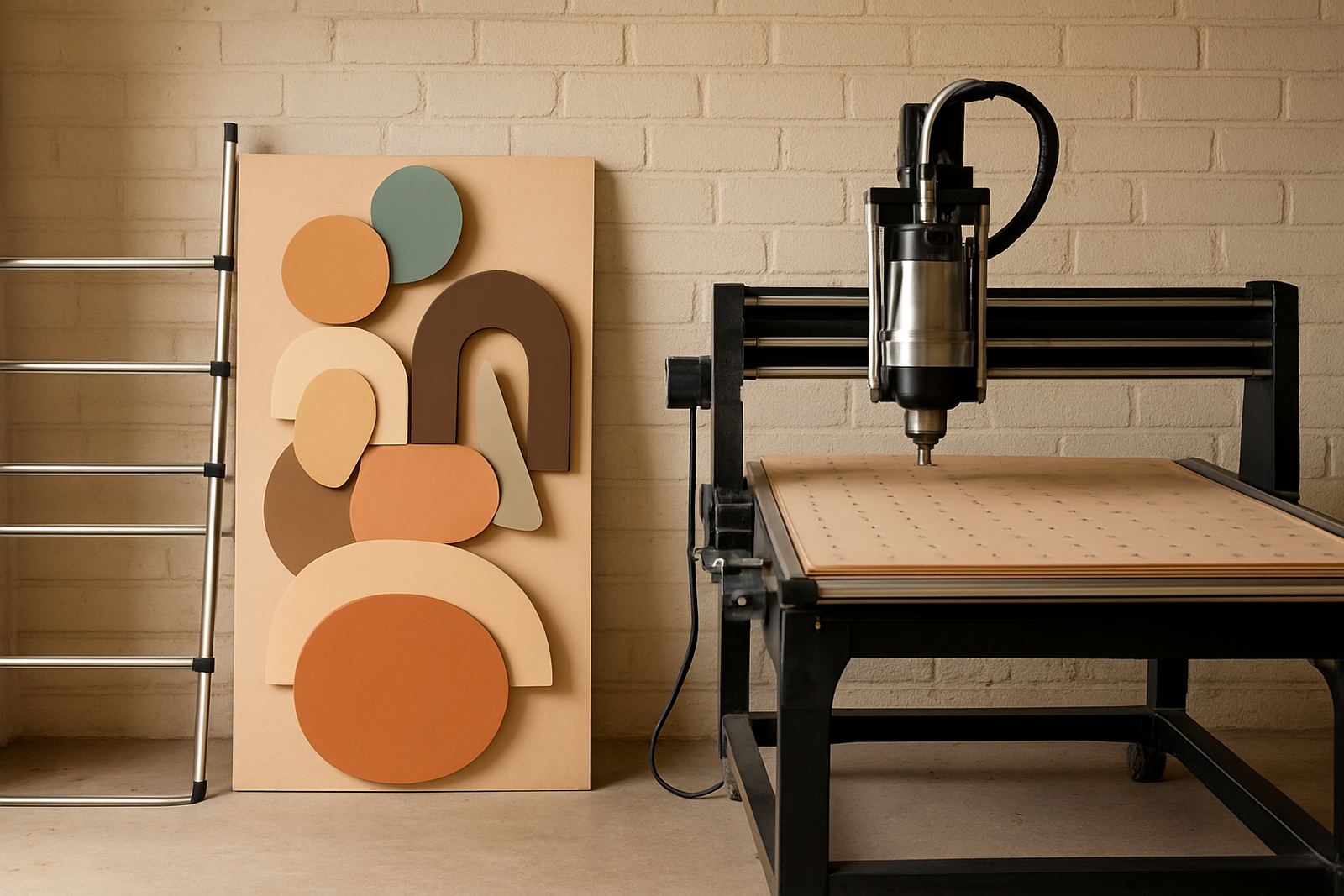

What These Customer Builds Show
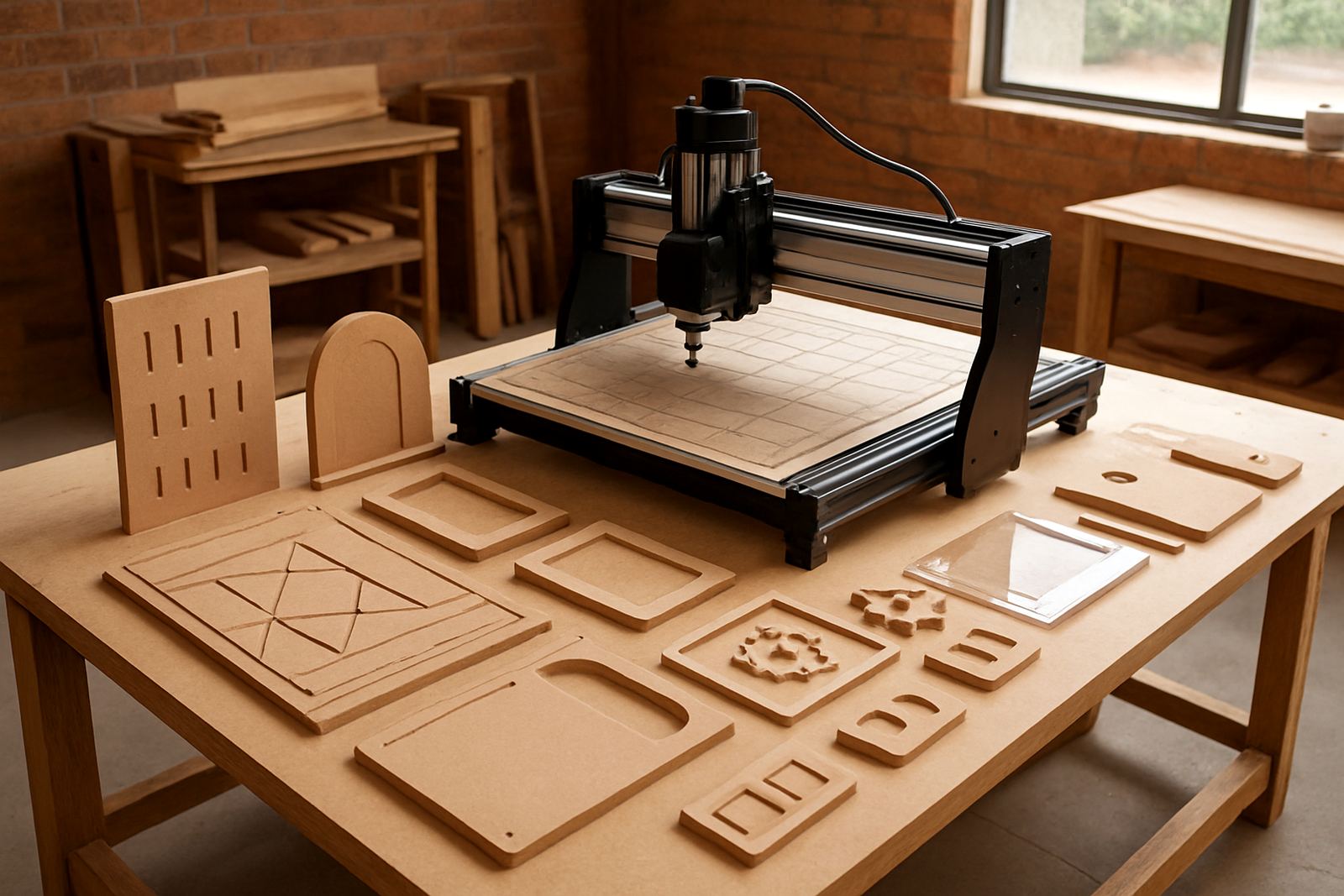
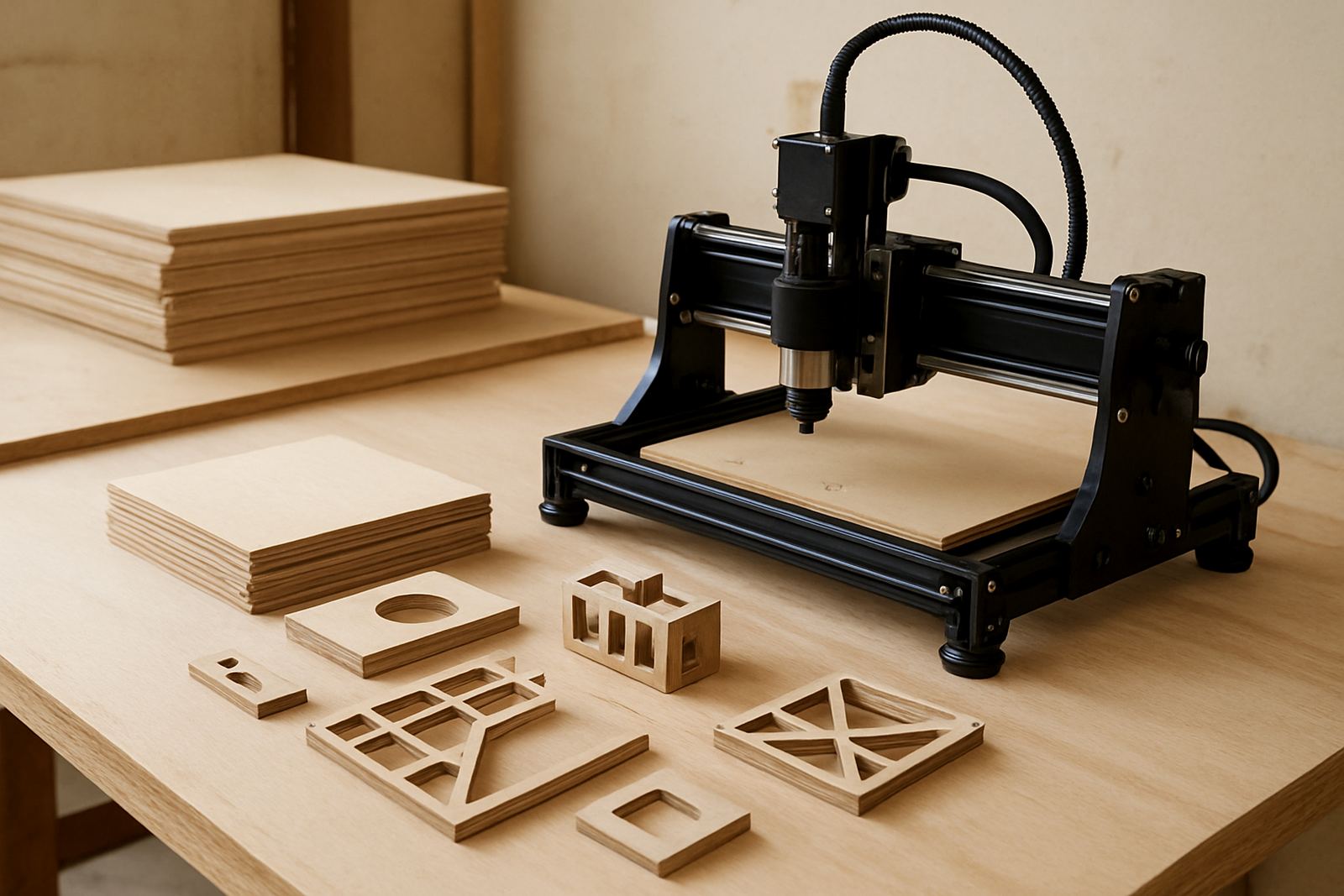
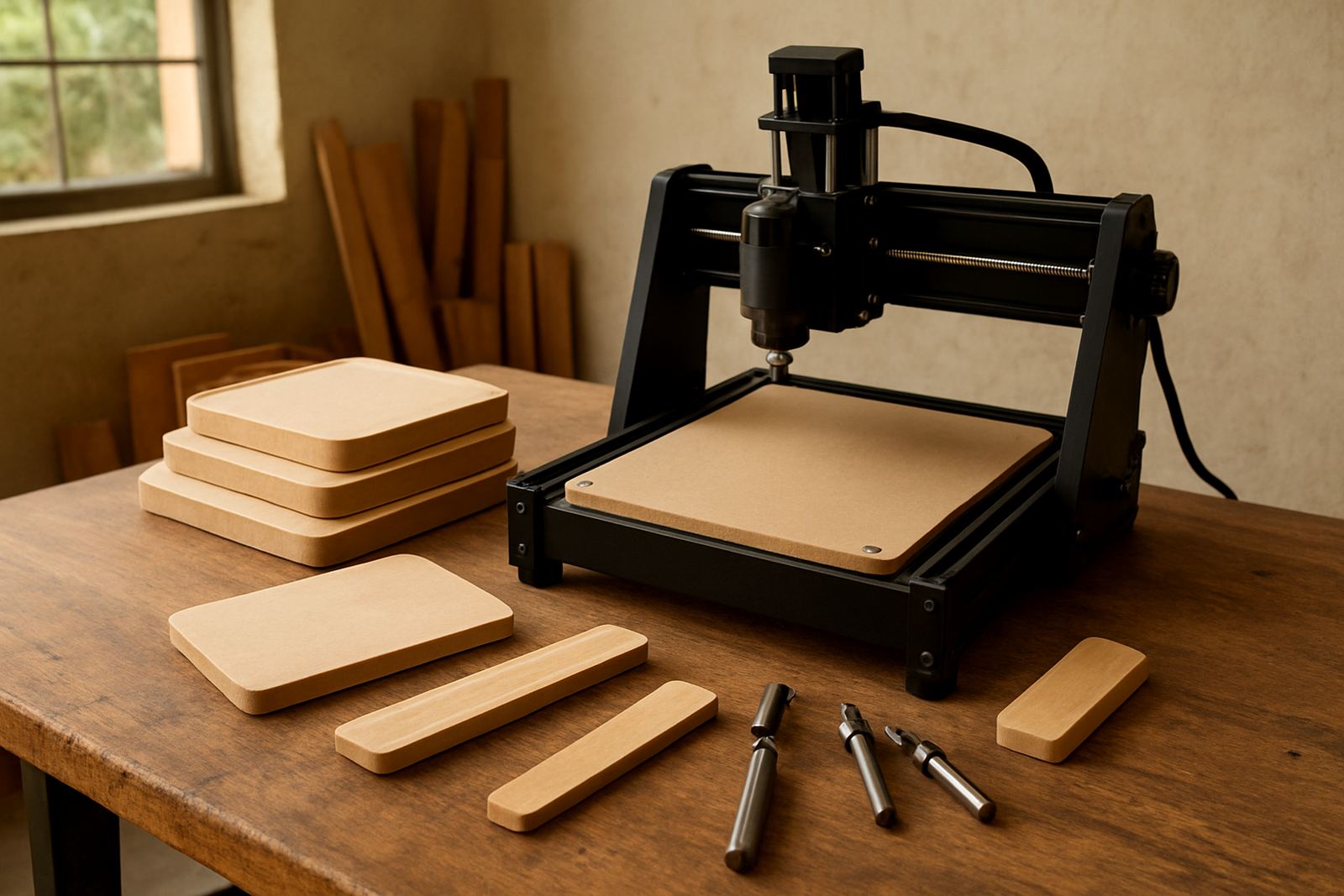
Buyers can get a clear idea of the type of parts people cut on compact CNC router tables, and the level of finish they can expect with the right bit, material and setup. You will see work from hobby users, small woodworking shops and makers who need repeatable results without taking up a full factory floor.
How To Choose The Right Build To Compare
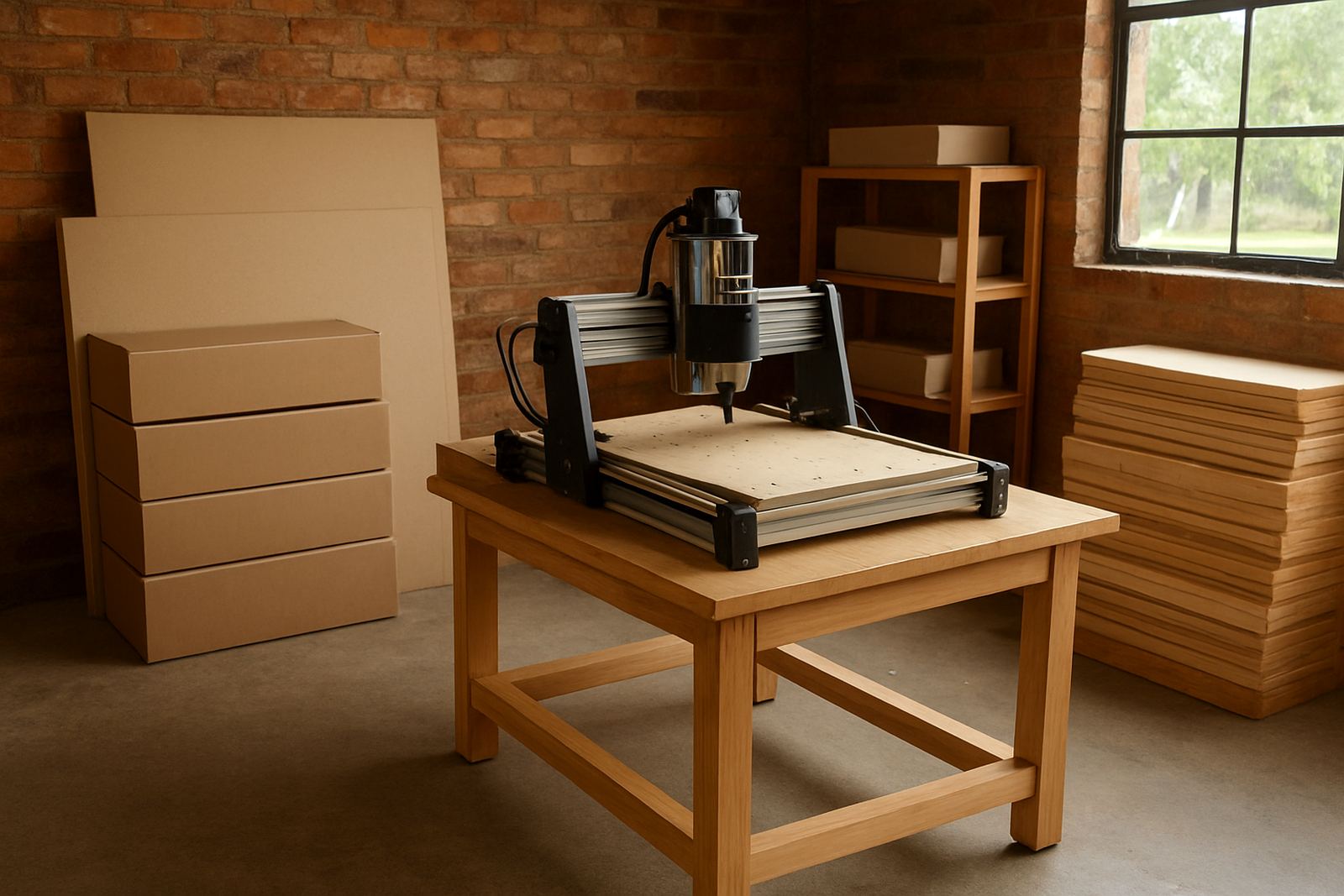
If you are looking at customer examples, start with the material first. MDF panels, solid timber, acrylic and other plastics all behave differently, especially when you work with thinner sheets or detailed lettering. A good match is more useful than simply choosing the largest table.
- Match the build to your material thickness and sheet size
- Check whether the output is signage, parts, samples or small batches
- Look at the space available in your workshop in metres, not guesses
- Consider power supply and load-shedding planning if you work in Gauteng or on a small commercial site
In Silverton and Pretoria East, we often see users start with a smaller table for routing panels and patterns, then add spares and training once the first jobs begin coming in.
Woodworking Jobs That Fit Compact Router Tables
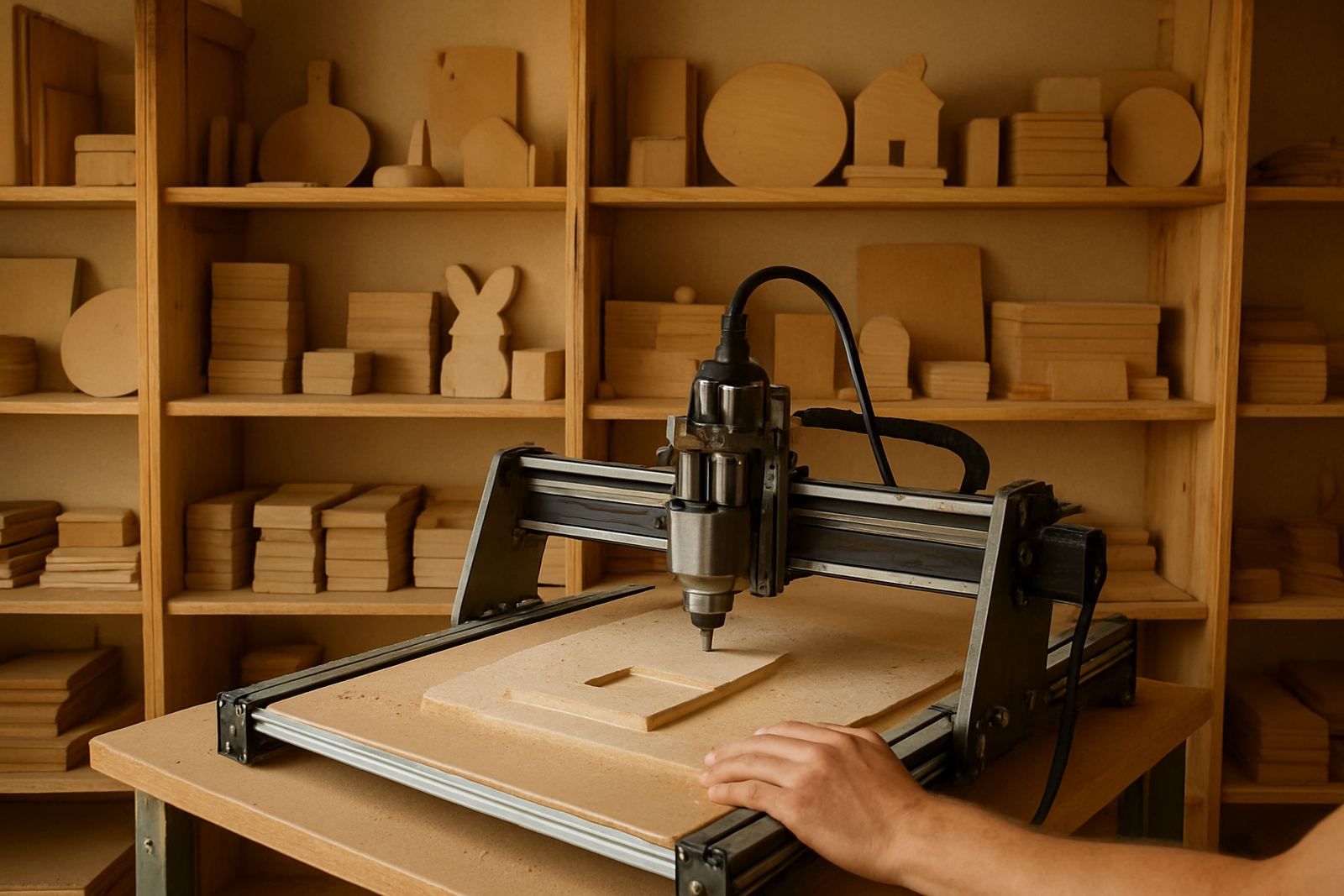
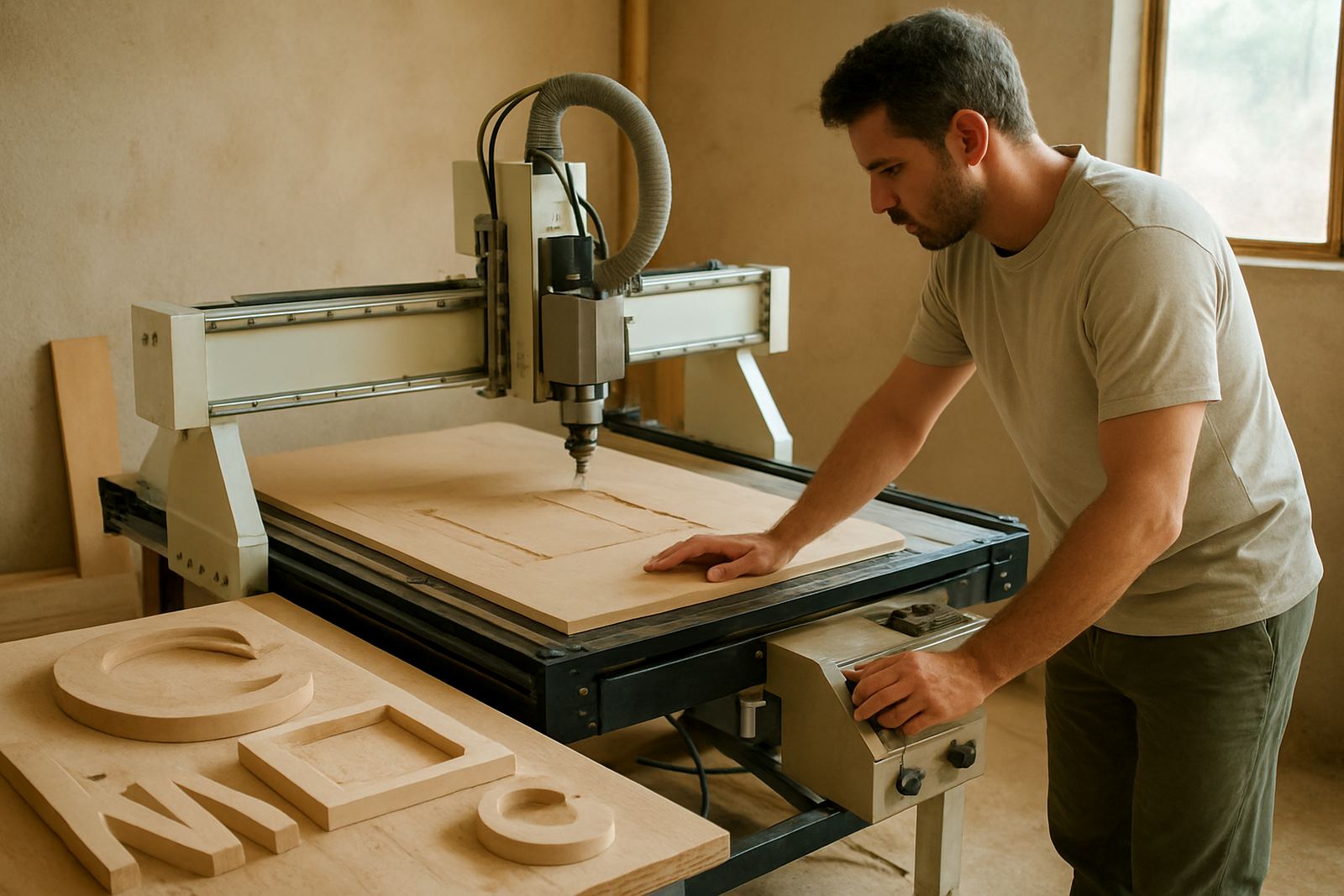
Woodworking customers usually want clean edges, repeatable cuts and reliable profiling for cupboard parts, decorative panels, jigs and sample pieces. Compact CNC router tables suit those jobs well because they can handle the sort of work that is awkward by hand but too small for larger production machines.
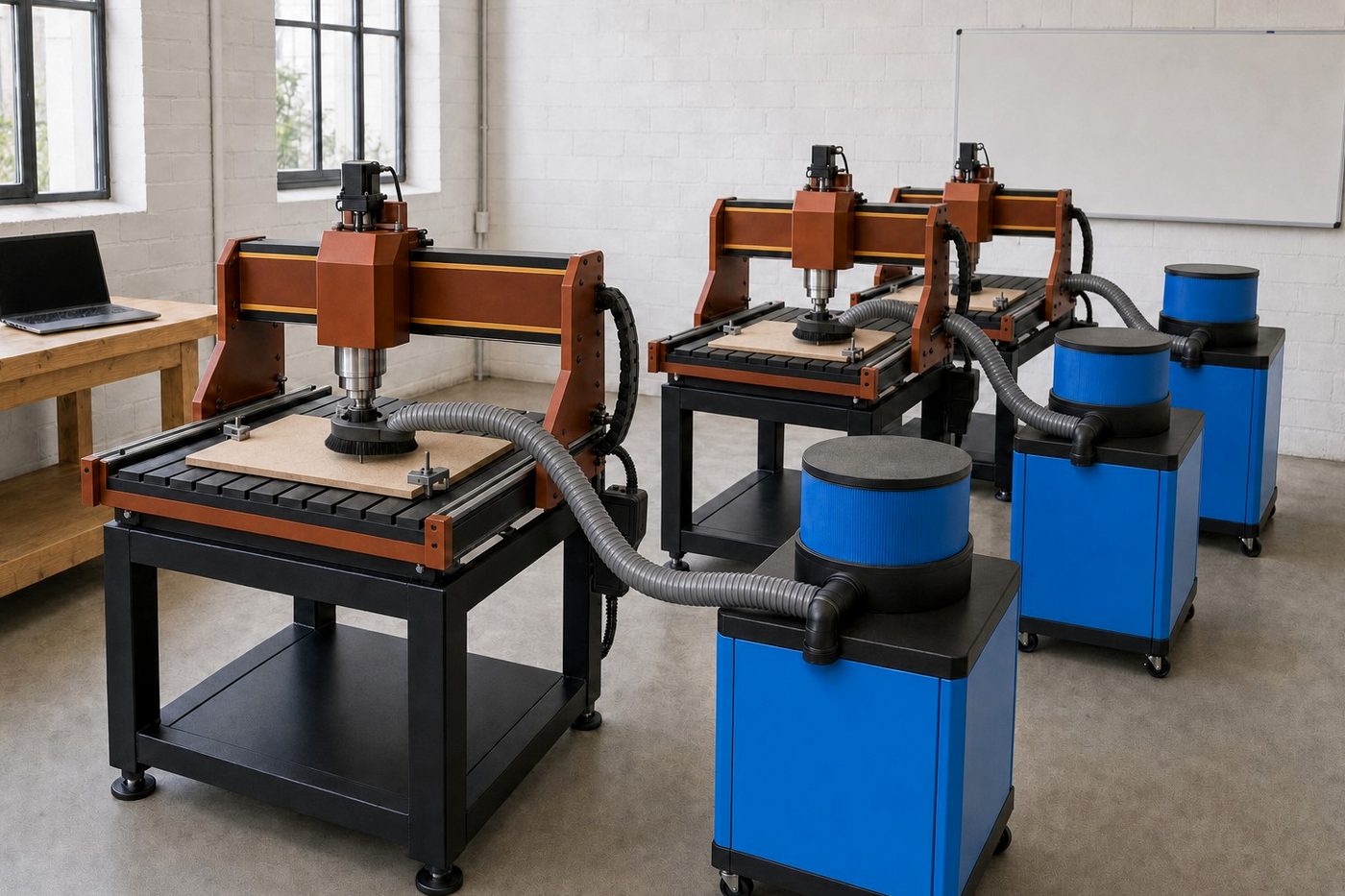
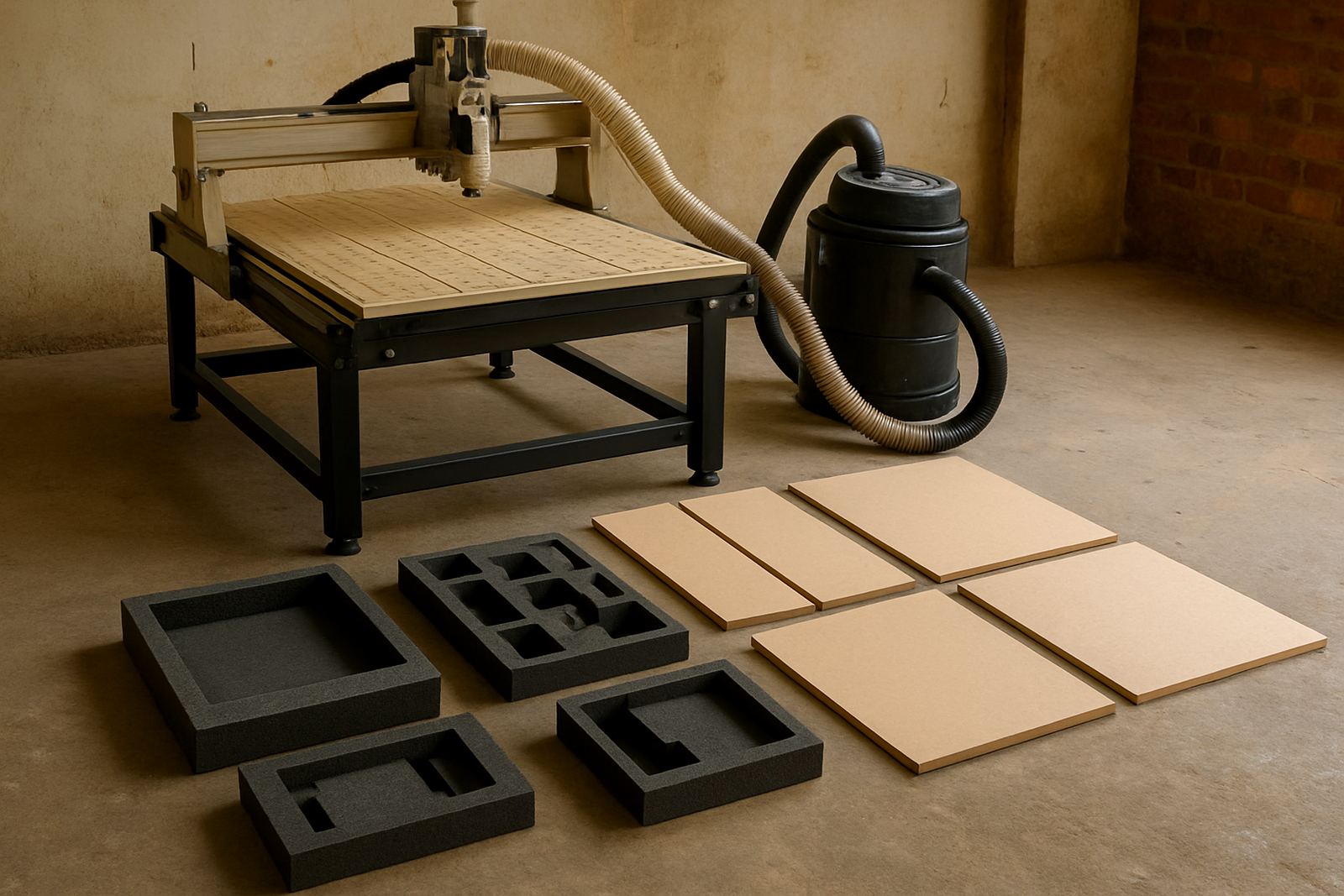
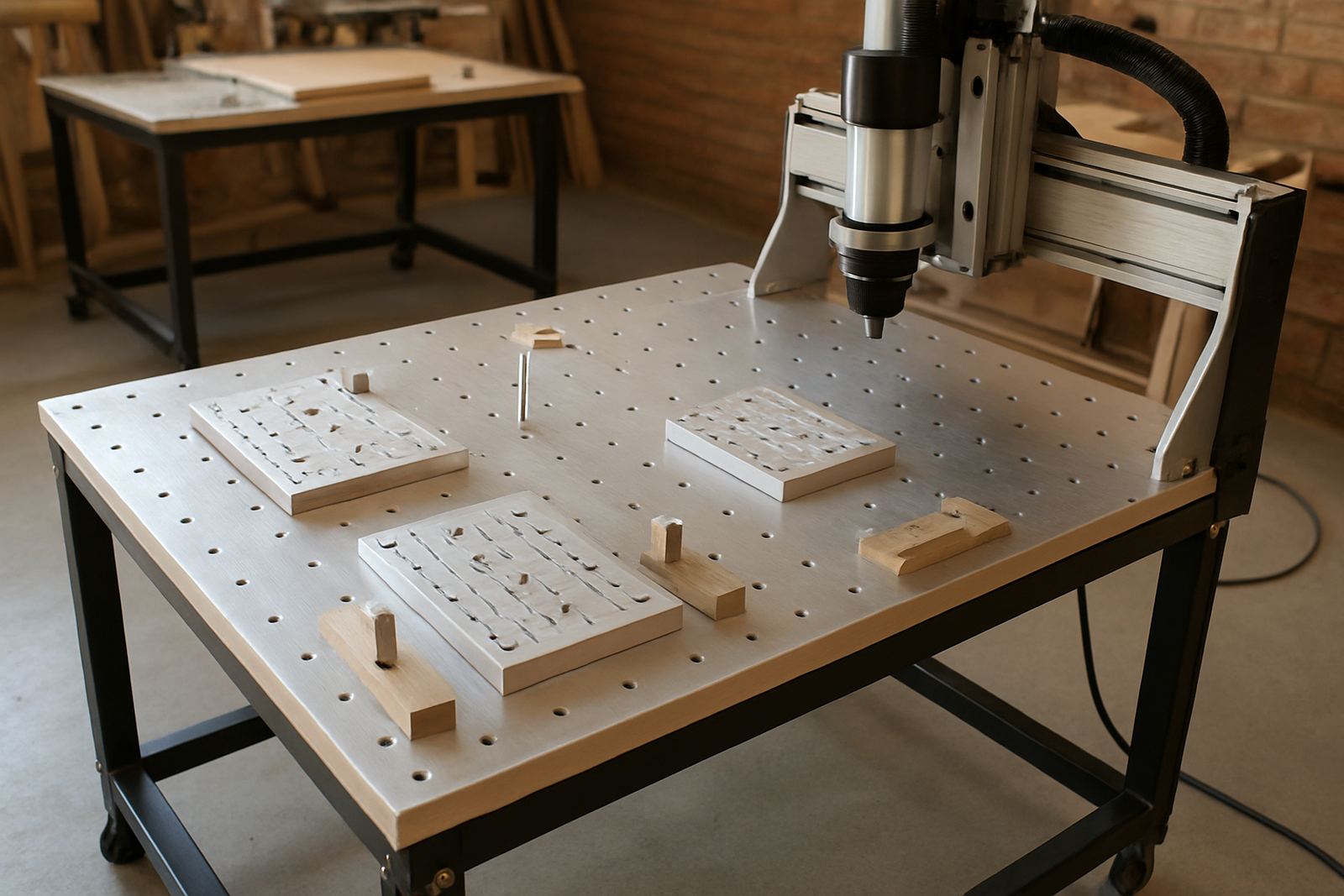
For timber and MDF, the main concern is chip removal and feed speed. If the dust is not managed properly, cut quality drops quickly and the workshop gets messy, especialy on longer runs. That is why many customers add extraction and keep spare cutters on hand.
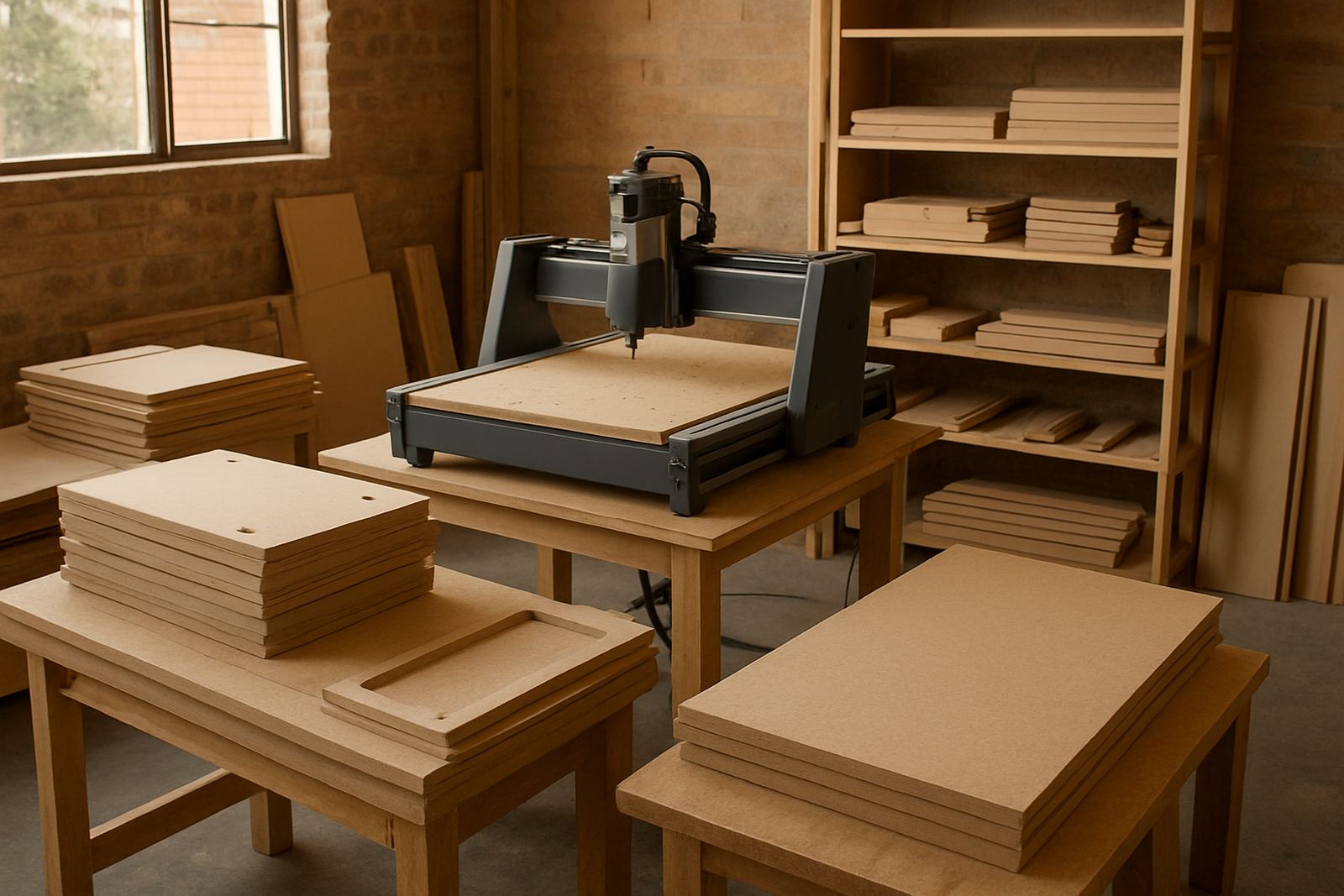
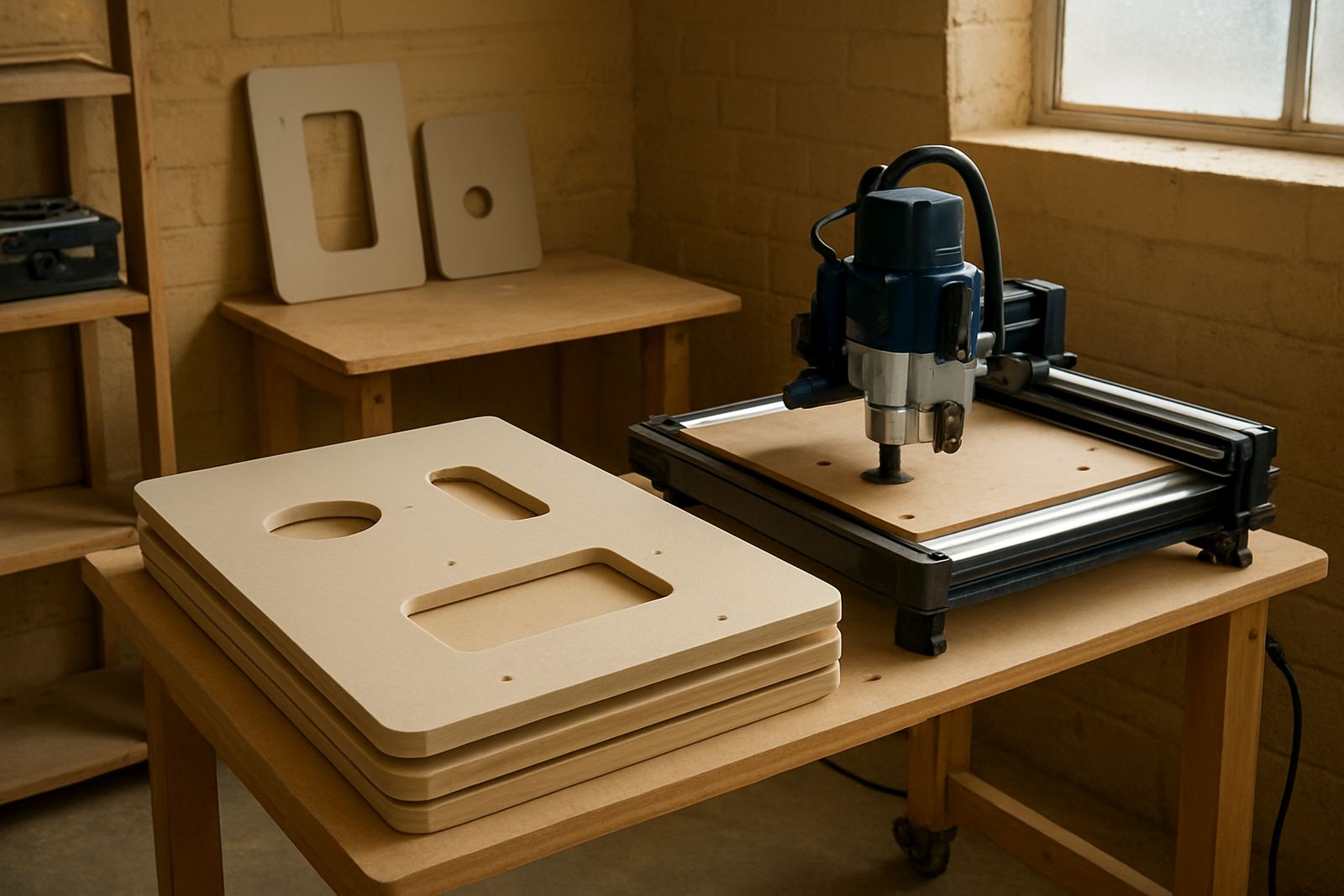
- Cabinet component trials and small batch repeats
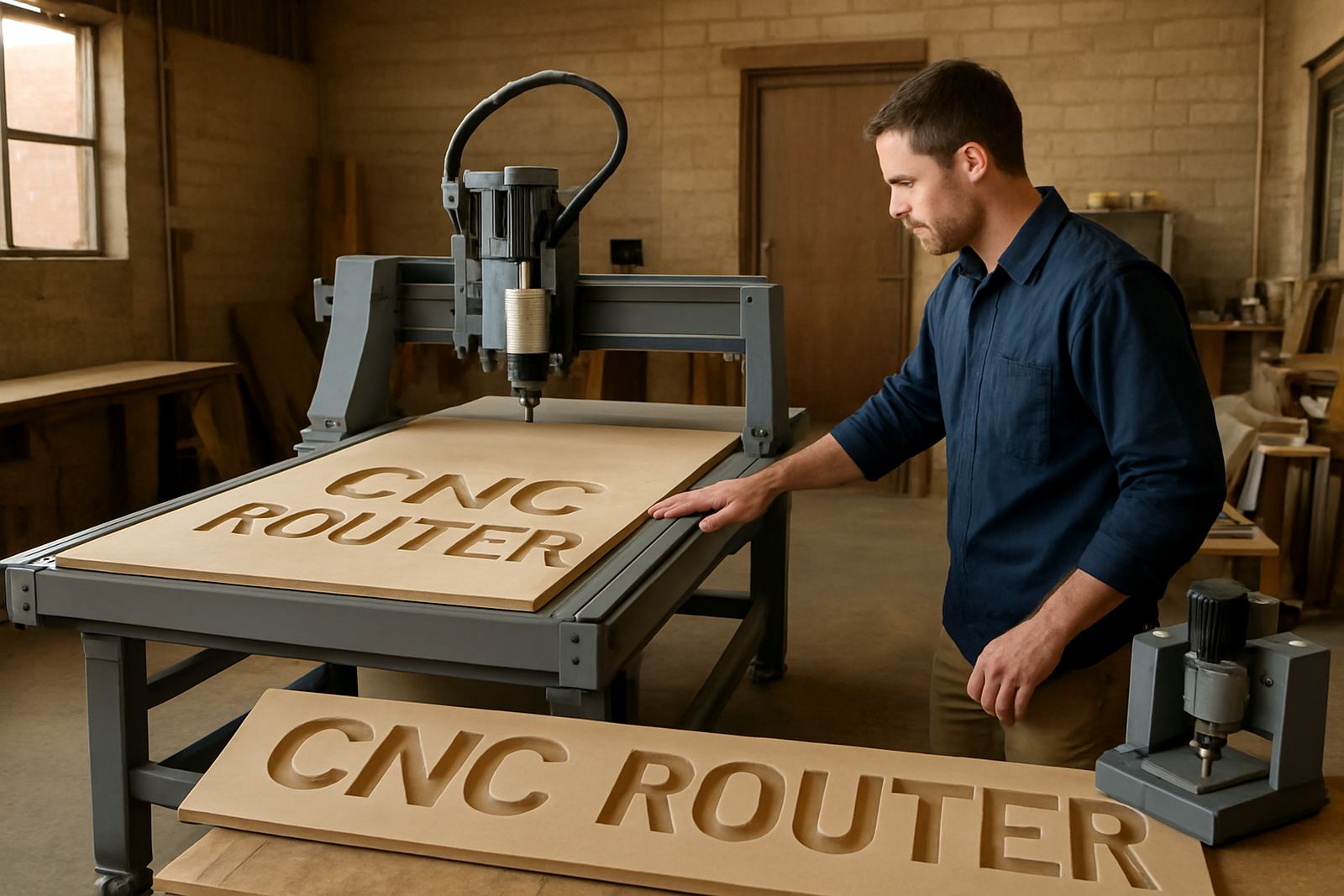
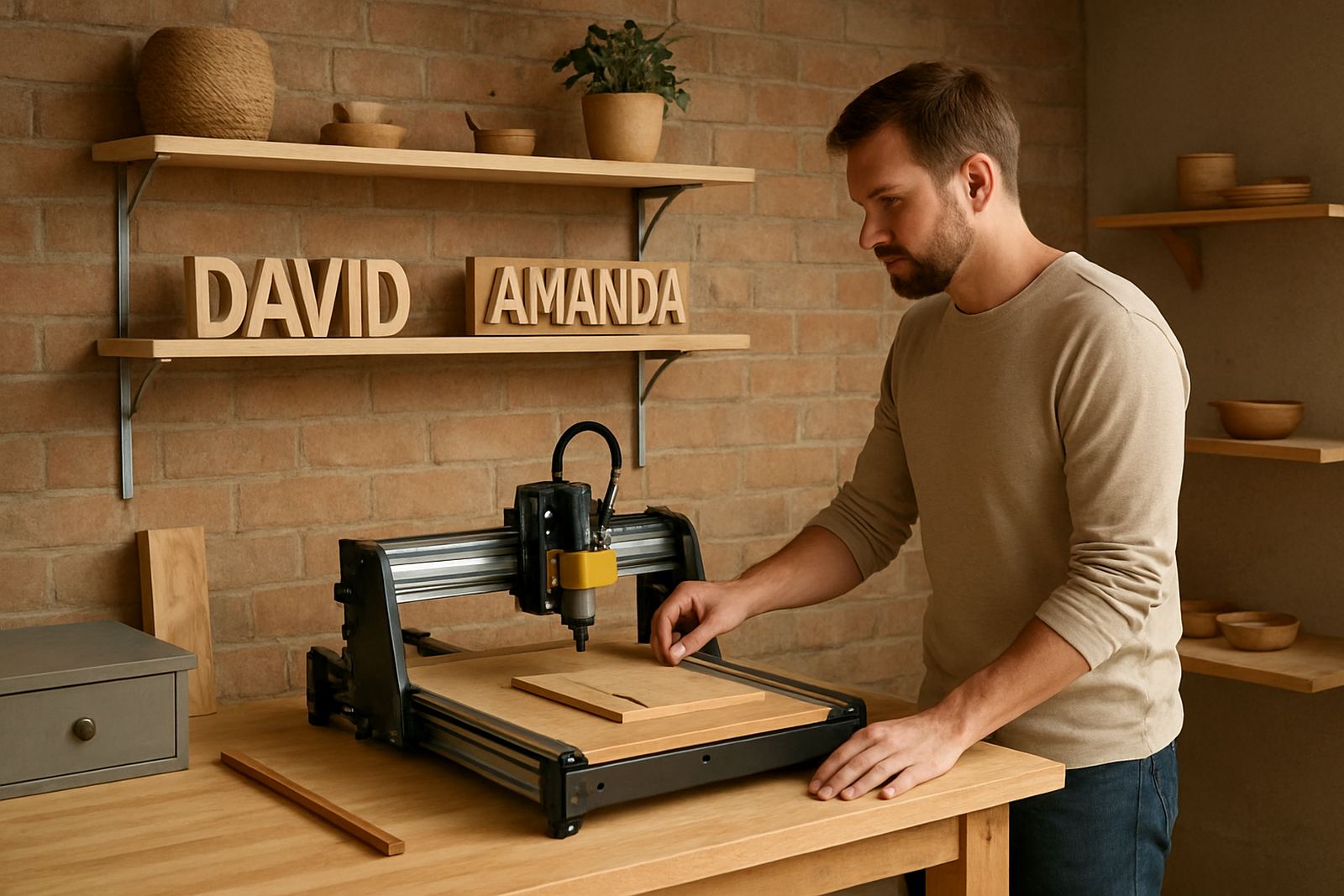
- Routered lettering for interior fitment and display work
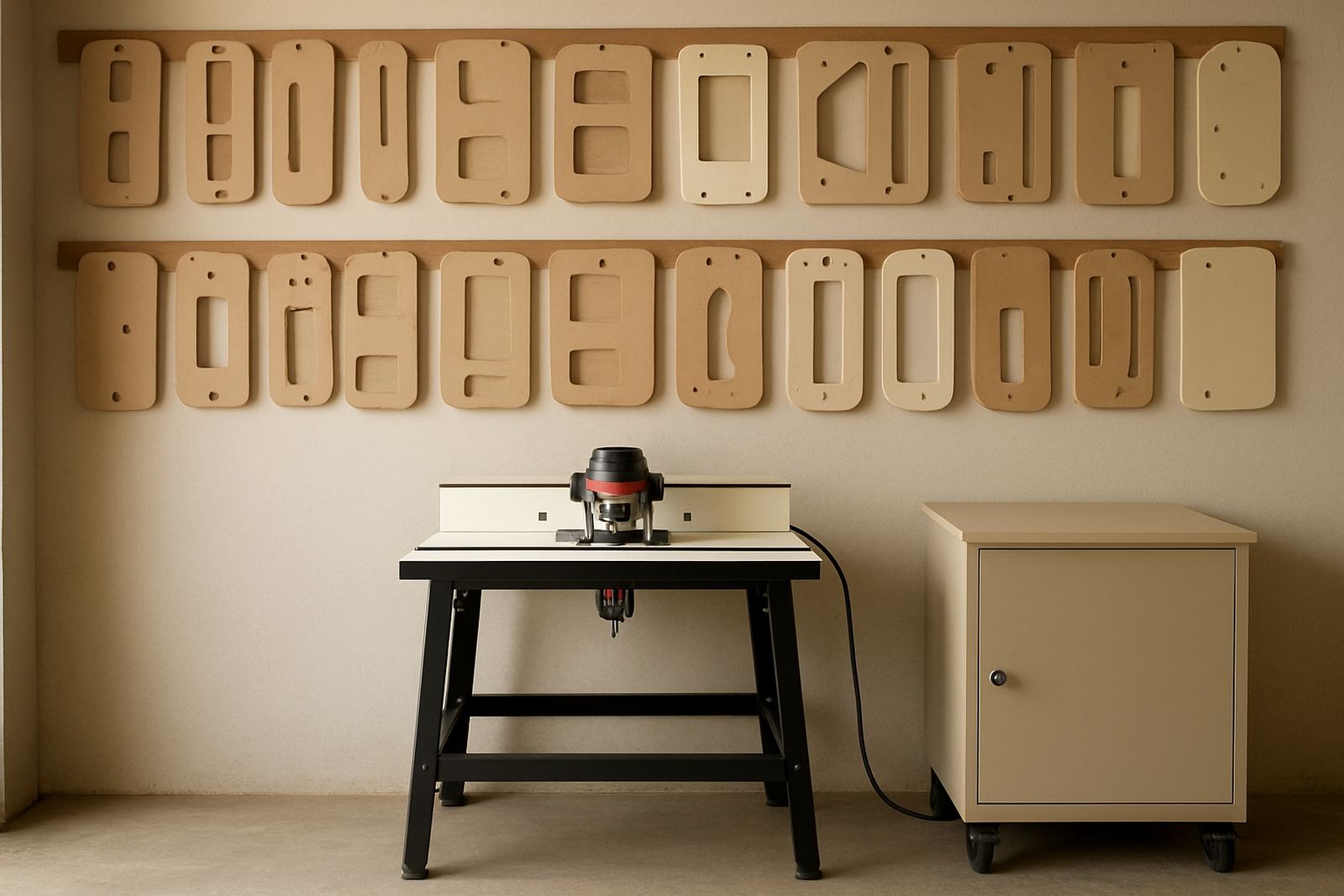
- Template cutting for furniture and shopfitting
- Small parts for toys, boxes and craft items
Plastic And Signage Examples For Smaller Shops
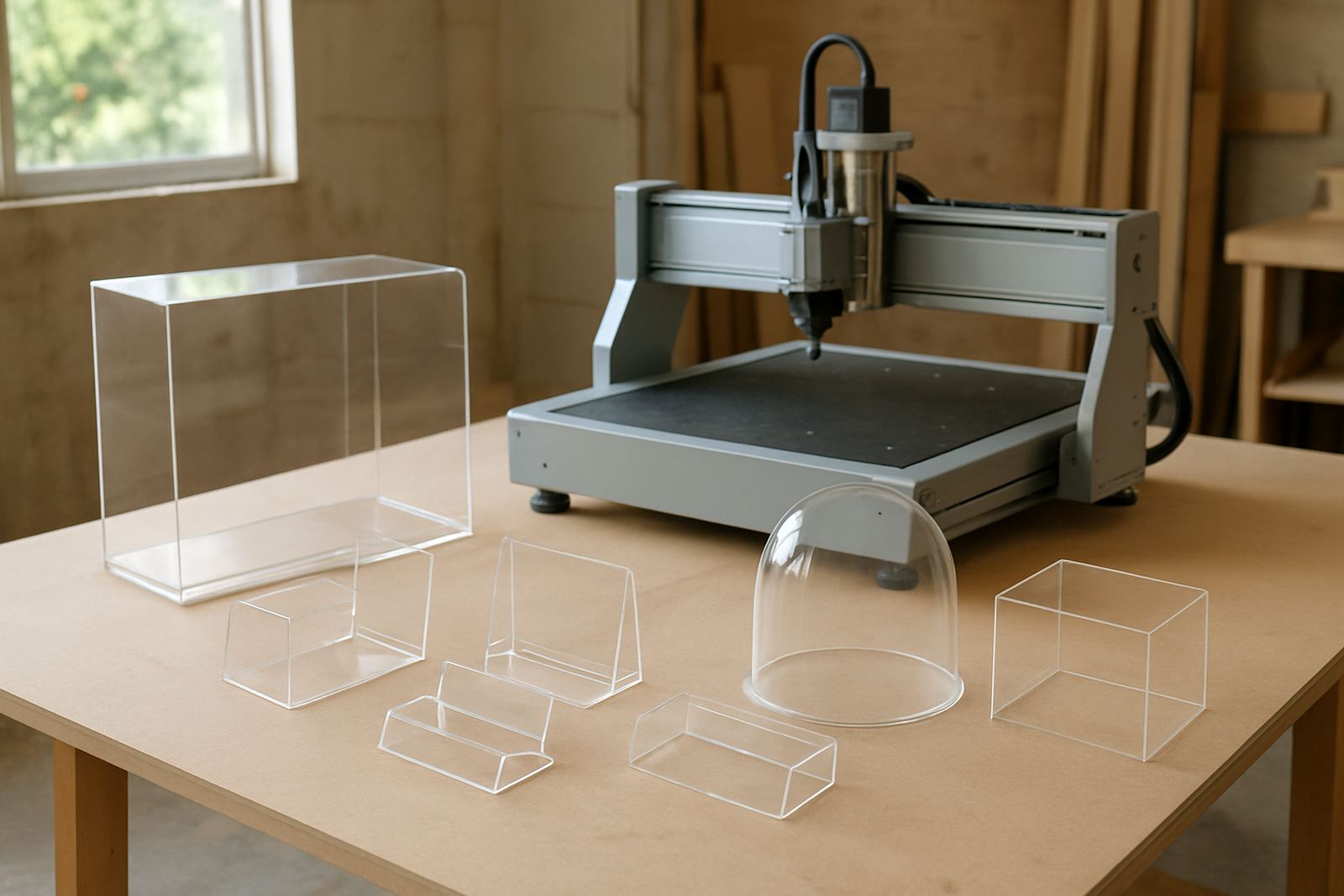
Plastic work is common in signage, display, product marking and simple fabrication. Customers often use compact CNC tables for acrylic lettering, machine guards, stencils, control panels and branded inserts. The benefit is consistency, which matters when a customer wants ten identical pieces and cannot afford rework.
Many smaller shops in Midrand, Kempton Park and Centurion need a setup that is simple enough for one operator but still accurate enough for fine letters and slots. When the build is matched to the job, the machine can save hours compared with manual cutting and trimming.
- Acrylic letters and layered sign faces
- Control labels and engraved panels
- Plastic templates for fabrication and assembly
- Small batches for retail display and point of sale items
Starter Setups, Training And Spares In Practice
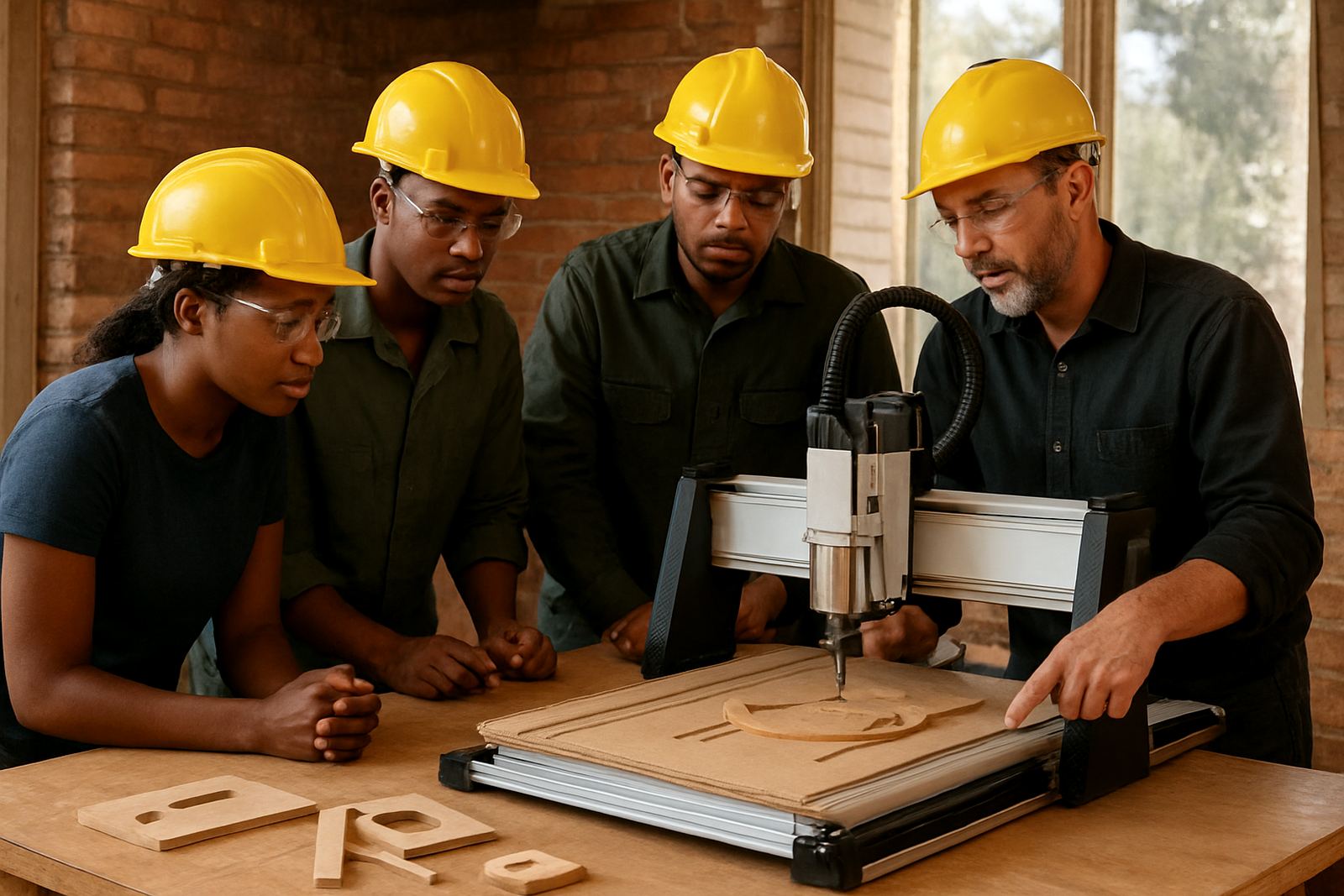
Several customer builds show that the machine is only part of the result. A proper starter setup, basic software guidance and a few essential spares make the learning curve much easier. That is especially useful for buyers who are moving from hand tools or a manual router to CNC for the first time.
We support customers from our Silverton, Pretoria base and assist nationwide with training and spares planning. If a workshop is far from Pretoria, remote support can help with first cuts, control tuning and simple fault finding before a callout becomes necessary.
- Operator training for new users and staff handover
- Software basics for file setup and tool paths
- Spindle replacement and control tuning where needed
- Preventive maintenance to reduce avoidable downtime
What To Look For On A Build Page
When you open a specific customer build page, look beyond the final photo. The useful details are usually the material, the table size, the kind of cutter used and whether the customer needed follow-up support. That tells you a lot about what you can expect in your own workshop.
Also pay attention to finish quality at corners, hold-down method and whether the part needed sanding after cutting. These small points help buyers in Pretoria, Johannesburg and coastal areas plan for humidity, dust and storage conditions before they place an order.
Builds For Hobby Users And Small Businesses
Not every buyer needs large production output. Some users want a dependable machine for weekend work, while others need a small business setup that can produce parts for sale. Both groups benefit from the same practical approach: choose the right table, keep the spares list short and learn the software properly from the start.
These builds are a good starting point if you want to see what is realistic in a compact workshop. They show how much can be done without a big floor area or industrial power supply, and they help you plan the next step with less risk.