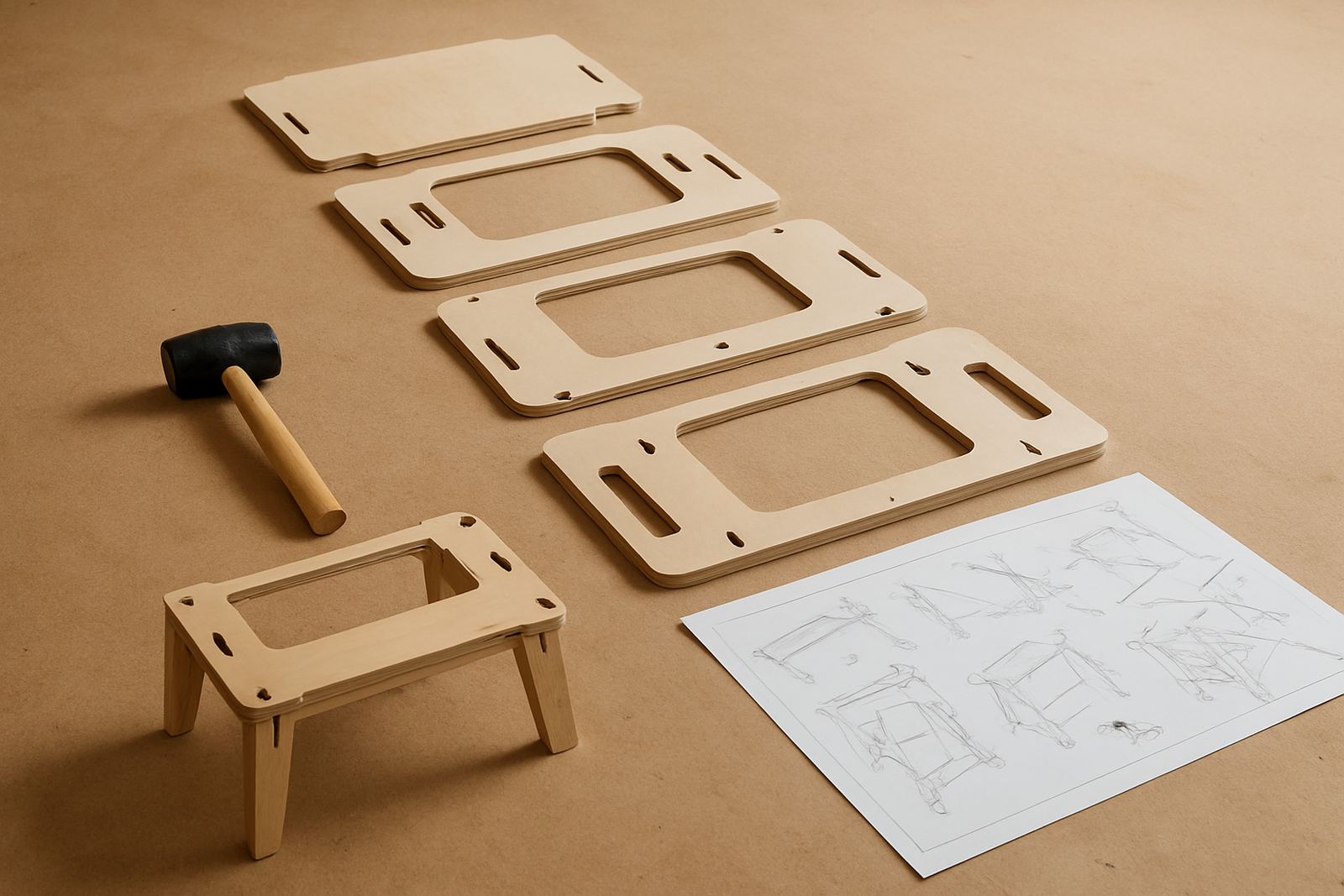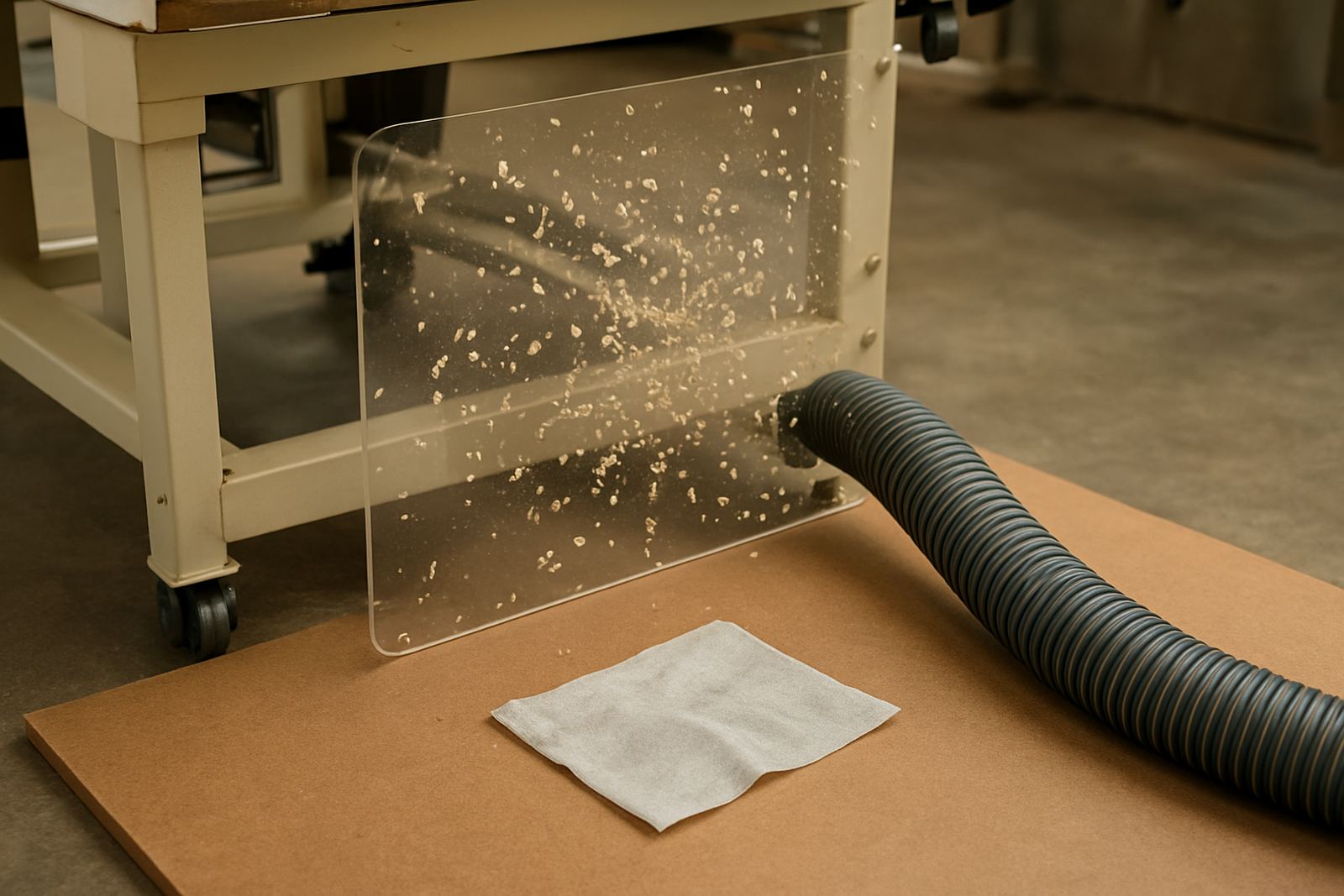
Start with the job, not the machine
When people ask for a price on a CNC cut job, the first temptation is to count cutting hours and stop there. That usually underprices the work. A proper quote starts with what the customer wants cut, how clean the finish must be, and how many parts must come off the table in one run.
In a small workshop in Silverton or Pretoria East, the real cost often sits in the questions before the spindle starts. Is it MDF, hardwood ply or plastic? Is it a one off sign, ten cabinet parts, or a batch of 40 identical panels? Are the drawings ready, or must someone clean up the file and check toolpaths first? Those details change the price more than most people expect.
For hobby routers and small production tables, the quote should reflect practical workshop time, not just the cutting pass. That includes checking the spoilboard, clamping, zeroing the machine, and testing the first part before you let the rest run.
Material cost must be the first line item
Material is where many quotes go wrong. If you are pricing cut jobs for MDF, acrylic, PVC foam board or plywood, the sheet cost is only part of the picture. You also need to account for offcuts, breakages, and the way each material behaves on the table.
For example, MDF is predictable but dusty and can blunt tools quickly on long runs. Plastic may cut fast, but it can melt if the feed and speed are not right. Plywood can vary in glue lines and voids, which affects both edge quality and tool life. That means two jobs of the same size can have very different pricing, even if they use the same machine for the same amount of time.
- Include full sheet or blank cost, not just the usable area.
- Add waste for test pieces, lead ins and defects in the stock.
- Check whether the customer supplies material or expects you to source it.
- Price moisture sensitive stock carefully in coastal areas where humidity can move sheets out of square.
In Gauteng the humidity issue is milder than on the coast, but even in Pretoria a stored sheet can swell enough to affect fit and final dimensions. If the job needs tight joinery, leave room for that risk.
Setup time is a real cost, even on small runs
Setup is often the hidden cost that turns a profitable job into a loss. A simple cut may still need file checking, cutter selection, clamping, origin setting, dust extraction checks and a sample pass. If the job needs several tool changes or different depths, the setup time grows fast.
Small workshop owners often feel pressure to keep setup charges low, especially when the customer only wants two or three parts. But a one off job can take nearly as long to prepare as a batch. That is why a minimum charge makes sense.
- File check and nesting
- Machine zeroing and spoilboard check
- Tool selection and test cut
- Part removal, edge inspection and packing
If you are quoting for a Silverton customer who wants signage cut by Friday afternoon, remember load-shedding can also interrupt the day. It is fair to allow a buffer for restarting a cut, rechecking zero and making sure the cutter has not shifted after a power cut. A price that ignores that reality usually becomes a problem for the workshop, not the customer.
Cutter wear should be built into every quote
Cutter wear is easy to overlook because the tool is small compared with the sheet. But over time it matters. MDF, fibreboard and abrasive laminates eat cutters. Some plastics leave residue that shortens edge life. Even clean hardwood can burn a tool if the feed is too slow.
A sensible quote includes a tool wear allowance. You do not need to itemise every millimetre of tool life for the customer, but you do need to know what each job consumes. If a cutter costs a fair amount and only lasts a few projects, that cost must be spread across the work.
For repeat jobs, it helps to keep a simple log of how long each cutter lasts on each material. That makes future quotes more accurate and stops the workshop from guessing. It also helps when training new operators, because they can see that feed rate, chip load and material quality affect the true cost of a cut.
Finishing changes the price more than most people think
Customers often ask for a cut price and forget that cutting is only part of the job. If the parts must be sanded, edge cleaned, labelled, drilled, or prepared for assembly, the finishing time must be charged. A raw cut edge may be acceptable for some cabinet parts, but not for display work or visible shop fittings.
Finishing also affects how many parts you can process in a day. A job that looks quick on screen may need manual de-burring, tape removal or a final wipe down before collection. That labour belongs in the quote.
- Edge sanding or trimming
- Removal of tabs and cleaning of tool marks
- Labeling, packing and part sorting
- Extra drilling or slot cleaning
If the customer wants parts ready for installation in Centurion or Kempton Park, state clearly whether the price is cut only or cut plus finishing. That small clarification saves arguments later.
A simple Pretoria example makes the numbers easier
Take a local example from a Silverton workshop pricing a batch of 12 MDF cabinet sides for a client in Pretoria East. The material is one part of the cost, but the quote should also include file prep, machine setup, cutter wear, cut time, edge clean-up and packing. If the sheet layout wastes material, that waste has to be carried somewhere. It cannot disappear just because the customer only sees the finished part.
A fair method is to break the price into four parts:
- Material and waste allowance
- Setup and programming time
- Machine time and cutter wear
- Finishing, handling and delivery or collection prep
That approach gives the workshop a proper margin and gives the customer a quote that makes sense. It also helps when the next job is similar but not identical. If the parts are larger, the material rises. If the tolerances are tighter, setup and finishing go up. If the stock is rough or warped, the risk allowance needs to be higher. Pricing becomes easier once those elements are listed every time, not guessed at the end.
Keep a quote sheet and review it often
The best pricing system is the one your team will actually use. A simple quote sheet with material, setup, cutter wear, finishing and risk allowance can save a lot of confusion. It is also useful for training, because newer staff can follow the same method instead of pricing jobs by feel.
Review your numbers every few months. Cutter prices change, electricity costs shift, and your own speed improves as you gain experience. If the workshop starts taking on more plastic work or more fine detail jobs, the wear on tools and the time spent on finishing will change too.
At the end of the day, a good CNC quote is honest about the work involved. If the price covers material, setup, cutter wear and finishing properly, the job is worth doing. If not, it is just busy work with no return.