
Built for first-time CNC production
The Startup Router 1200 is aimed at small businesses that want to move from hand routing or subcontracting into in-house CNC production. It is a practical table size for sign shops, cabinet makers, display builders and workshop owners who need to cut panels, lettering, templates and light 3D work without taking over the whole shop floor.
The package is designed around ease of use. You get a compact machine footprint, enough cutting area for common sheet sizes in smaller parts, and controls that are straightforward for an operator learning the basics. For many customers in Pretoria, Centurion and Midrand, that means faster turnaround on jobs and less waste when testing new work.
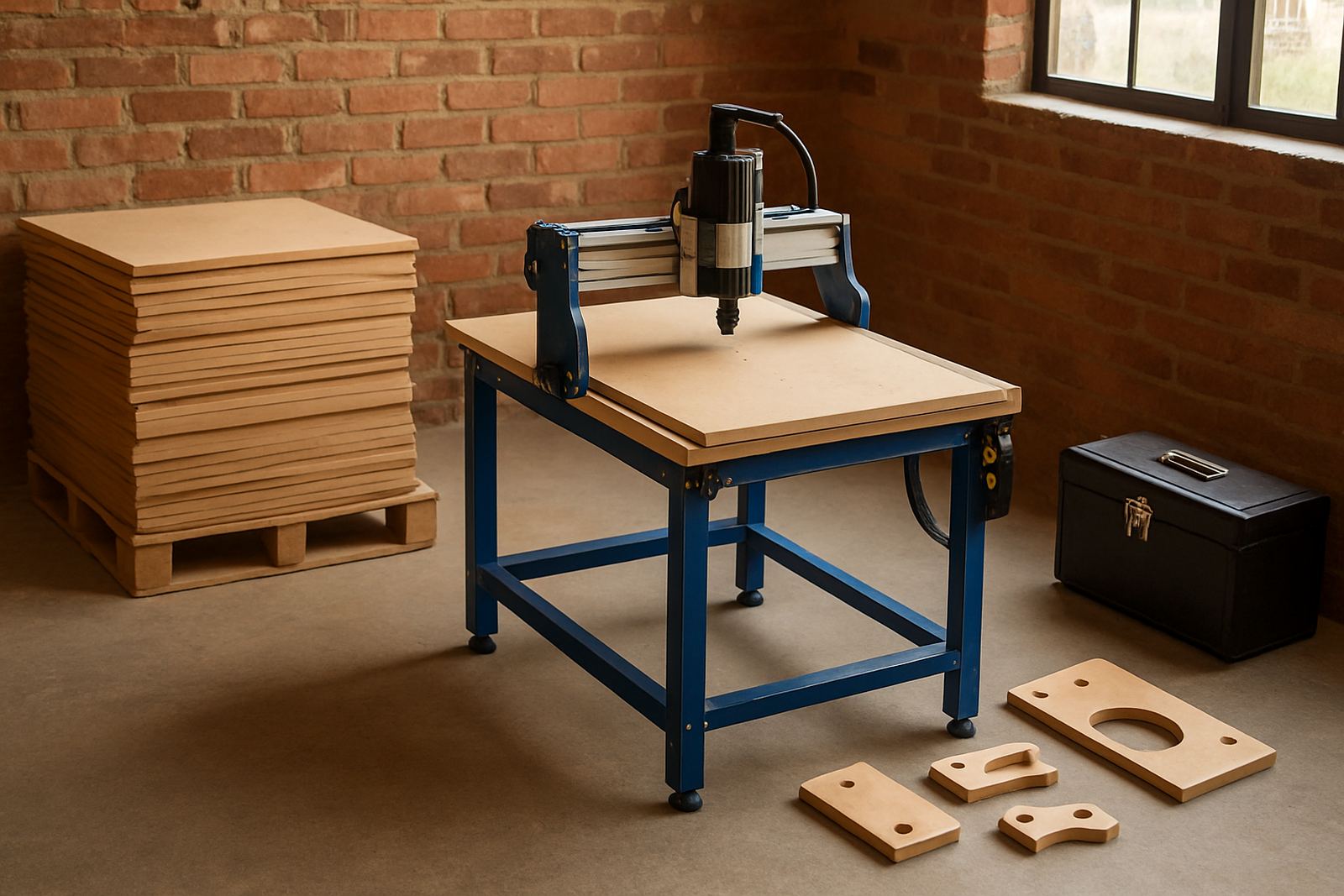
It is also a sensible option where space is tight. The frame and gantry are sized for stable cutting in a small workshop, but the setup still leaves room to move material, stack boards and keep a safe working aisle.
Sizes, working area and machine options
The Startup Router 1200 is typically chosen for jobs that need a compact table with enough travel for day to day production. The exact build can be matched to your material sizes and workshop layout, so it is worth checking what you cut most often before ordering.
- Working area suitable for smaller panels, sheet parts and nested components
- Table formats available for MDF, plywood and plastic sheet work
- Spindle and control options for hobby use or light commercial output
- Vacuum hold down or clamp-based setups depending on your material type
- Dust extraction ready arrangement for cleaner cutting in enclosed spaces
If you mainly cut signage, routing pockets or profiling cabinet parts, a smaller table may be enough. If you plan to grow into higher output, ask for the option that gives you more axis travel or better hold down from the start. That can save a costly change later, and it keeps the machine useful as orders increase.
What it cuts best in South African workshops
This router is suited to wood, MDF and plastics, especially where repeatability matters. It handles common workshop materials used for cabinet doors, shopfitting parts, jigs, templates, point-of-sale displays and lettering. For home workshop users, it also works well for hobby projects, custom boxes and small decorative parts.
- Wood and plywood for signs, parts and light joinery components
- MDF for cabinet panels, routing samples and decorative work
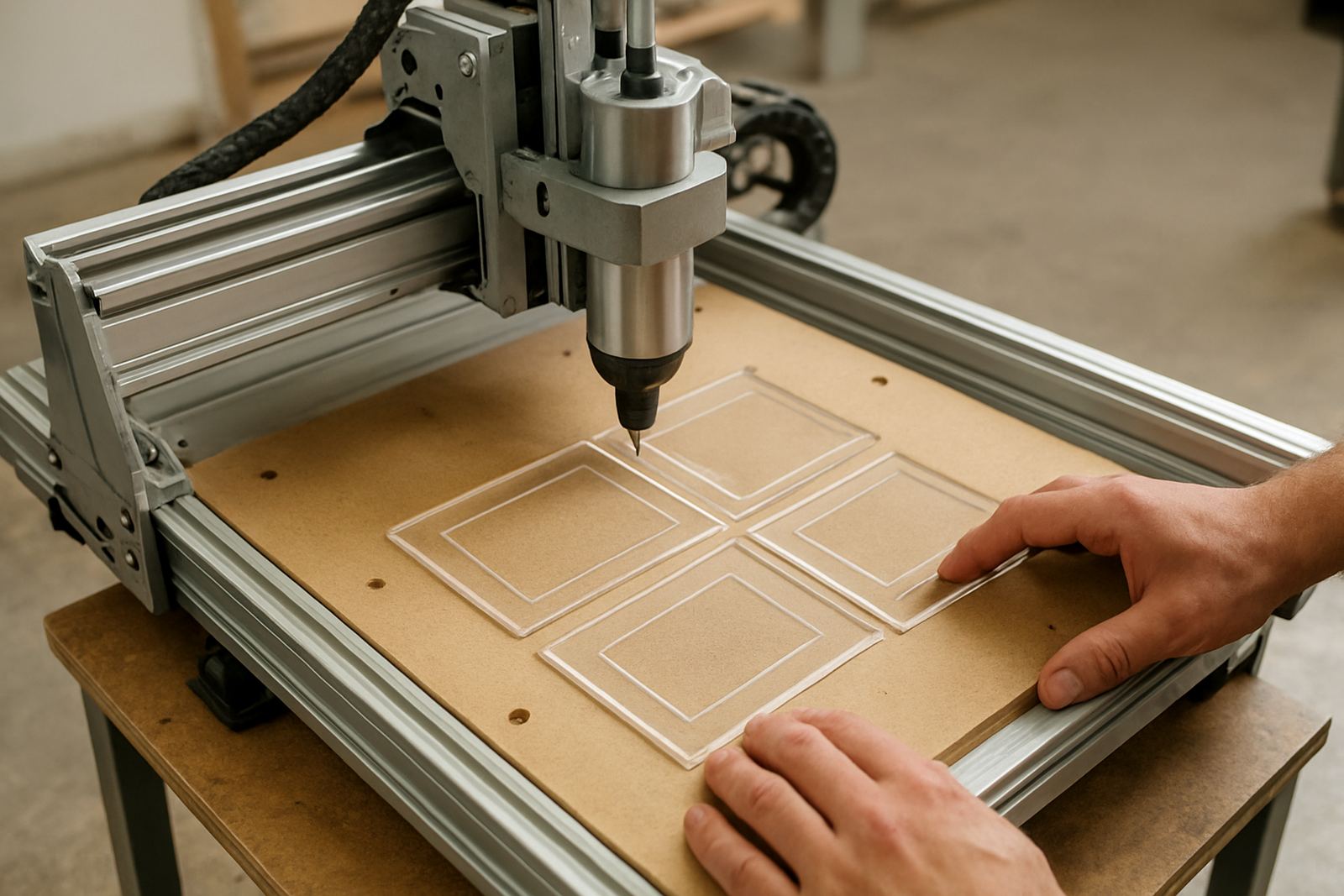
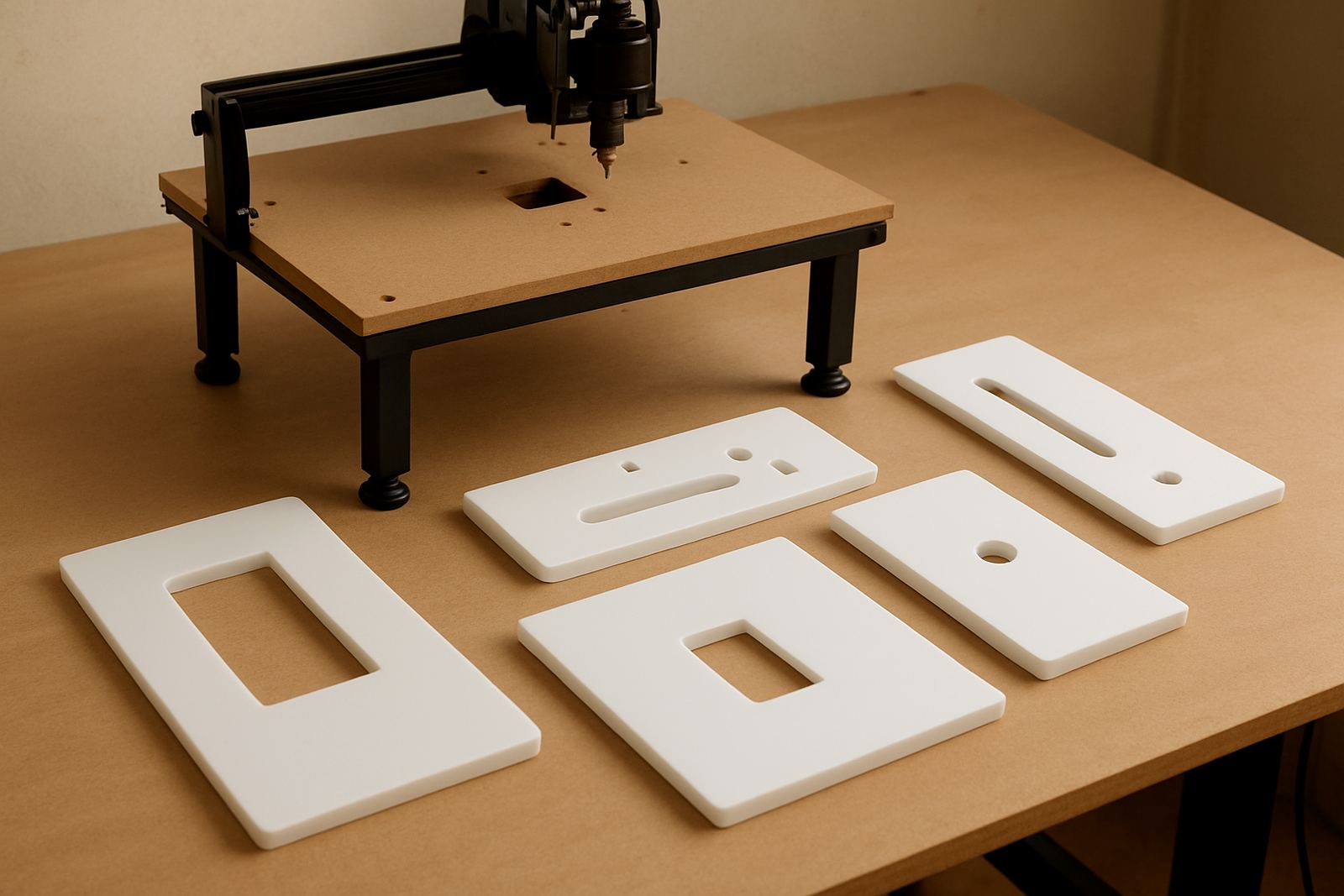
- Acrylic and other plastics for displays, face panels and cut-outs
- Foam board and similar lighter materials when fitted correctly
- Jigs and templates for repeat production and drilling guides
It is not the right choice for heavy industrial steel work, and that should be said upfront. For the intended materials, though, it gives small shops a way to produce neat, repeatable parts without outsourcing every cut. If you are in a coastal area with humidity, keep sheet stock stored flat and dry before machining, since warped boards can spoil accuracy.
Installation, power and site requirements
Installation is straightforward, but the machine still needs a proper workshop environment. A level floor, safe access around the table and enough room for material loading all make a difference. The Startup Router 1200 does not need gas. It is normally run from standard electrical supply, with the exact power requirement depending on the spindle and accessories supplied.
For most small workshops, the key is stable power and sensible dust control. Load-shedding can interrupt jobs, so a planned shutdown routine is important if your area in Pretoria East, Kempton Park or elsewhere is affected. If you have frequent outages, ask about restart procedures and whether your UPS or backup system is suitable for the control side of the machine.
- Level floor and clear operator space on all working sides
- Stable electrical supply with correct protection and earthing
- Dust extraction or at least strong local dust removal
- No gas connection required for normal operation
- Basic ventilation and safe storage for cutters and boards
A starter setup visit can help with first-time placement, cabling checks and workflow. That is especially useful if the machine is going into a garage workshop or a small shop unit where every metre counts.
Care, servicing and training that keep it earning
Like any CNC machine, the Startup Router 1200 needs regular attention if you want consistent cuts. Daily cleaning, checking cutter condition and keeping the rails and moving parts free of dust all help prevent trouble. In MDF work especially, fine dust builds up fast and can affect motion if it is left to pack into the machine.
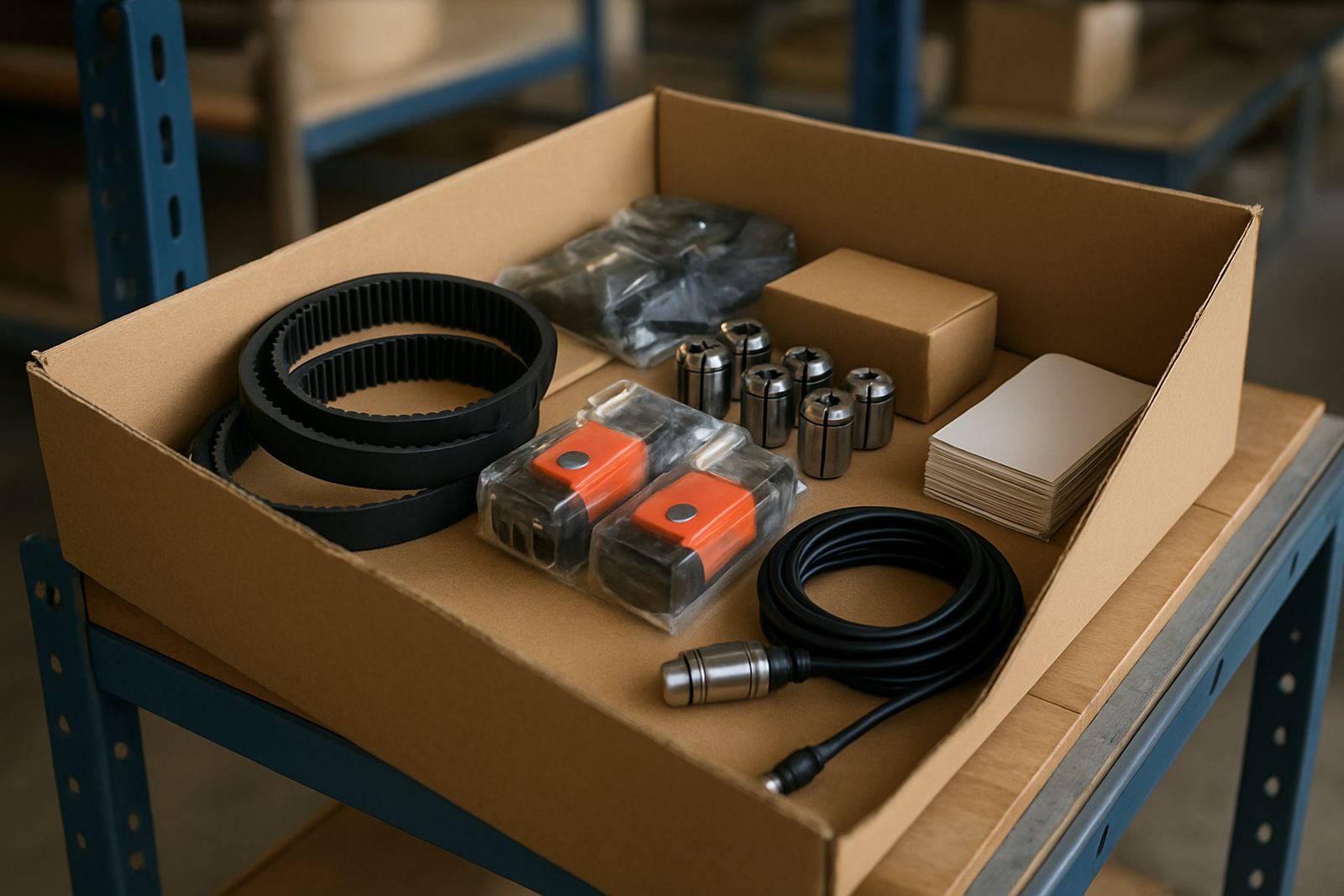
We recommend basic operator training at handover, plus refresher training when you add new software, new tooling or a second operator. Many businesses also benefit from preventive maintenance visits every few months, depending on how hard the router is worked. That can include control tuning, spindle checks, belt or drive inspection and general alignment review.
- Clean chips and dust after each shift
- Check cutter wear before running a long job
- Keep rails and linear parts lightly maintained
- Back up files and job settings regularly
- Plan servicing before a busy season starts
If a fault does come up, breakdown support and remote support are available so you can get back to production sooner. For many smaller workshops, that support matters as much as the machine itself.
Points to confirm before ordering the Cabinet Router 1300
Before ordering the Startup Router 1200, make sure the machine matches your space, your power supply and the parts you want to produce. The right choice is usually the one that fits your current work and still leaves room for growth, not the biggest table you can fit into the room.
- Material types and maximum board size you plan to cut
- Whether you need vacuum hold down or clamp fixing
- The spindle size and tooling range for your jobs
- Single phase or other supply details at the installation site
- Dust extraction setup and workshop ventilation
- Operator skill level and whether training is needed from day one
Also check access through doors, passage widths and vehicle unloading at the site. In some workshops, the limiting factor is not the machine, but how it gets into position. If you are planning a first CNC purchase in Silverton, Pretoria East or beyond, it helps to talk through the job list first so the package is matched properly. That way the router can start earning instead of sitting idle while you sort out avoidable details.
Key facts
| Model | Startup Router 1200 |
|---|---|
| Machine type | Compact CNC router package |
| Typical materials | Wood, MDF, plywood and plastics |
| Power | Electrical supply, no gas required |
| Best use | Small-batch cutting, signage, cabinetry parts and hobby production |
| Support | Training, spares planning, servicing and remote support nationwide |