
What the stepper motor kit does on a compact router table
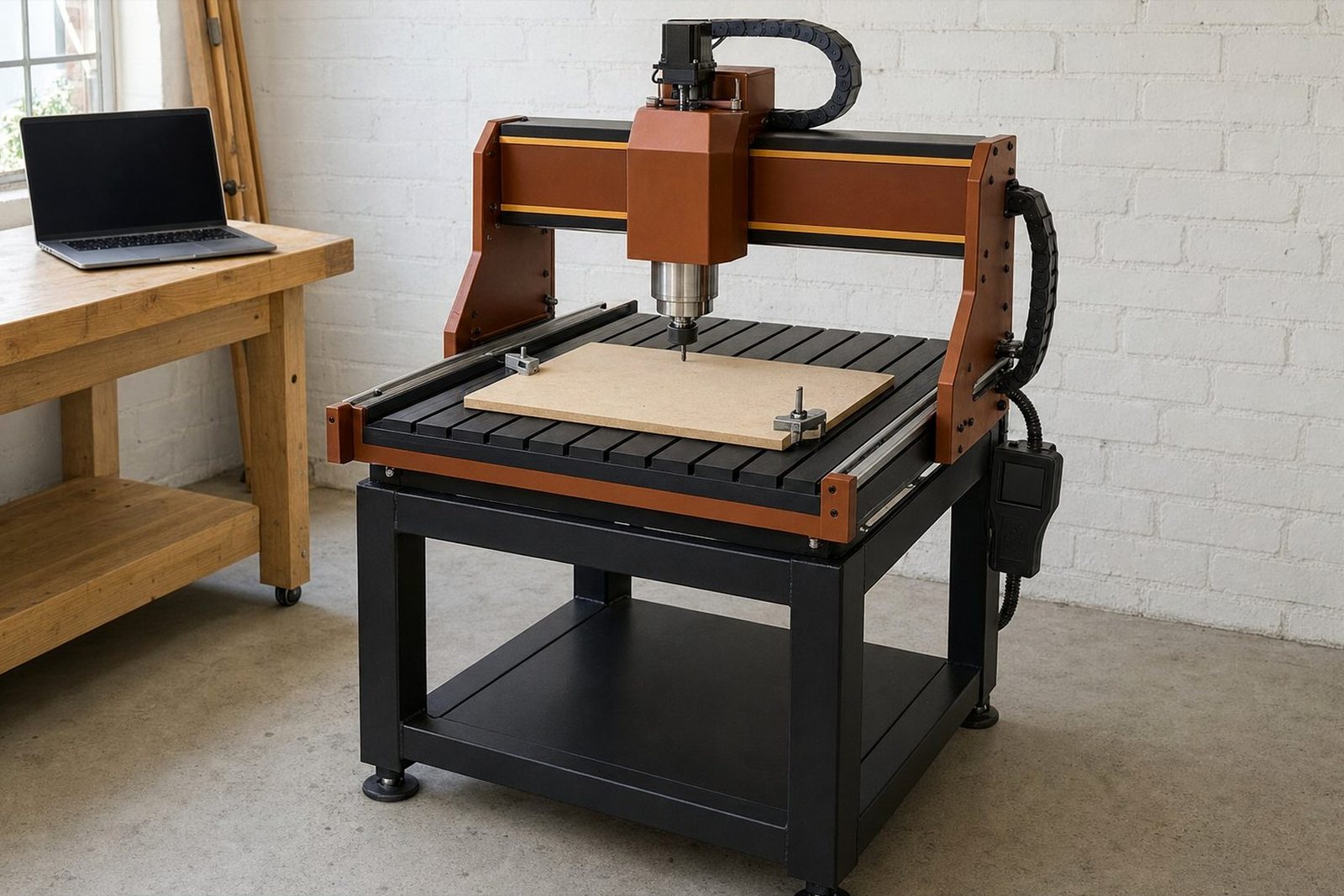
A stepper motor kit is a matched replacement set for the drive side of a CNC router axis. It is used when a machine starts losing steps, drifting on repeat cuts, or showing uneven movement after long use, dust ingress or an overload. On compact router tables, the kit helps bring back predictable positioning so you can keep to drawing size and cut cleaner corners.
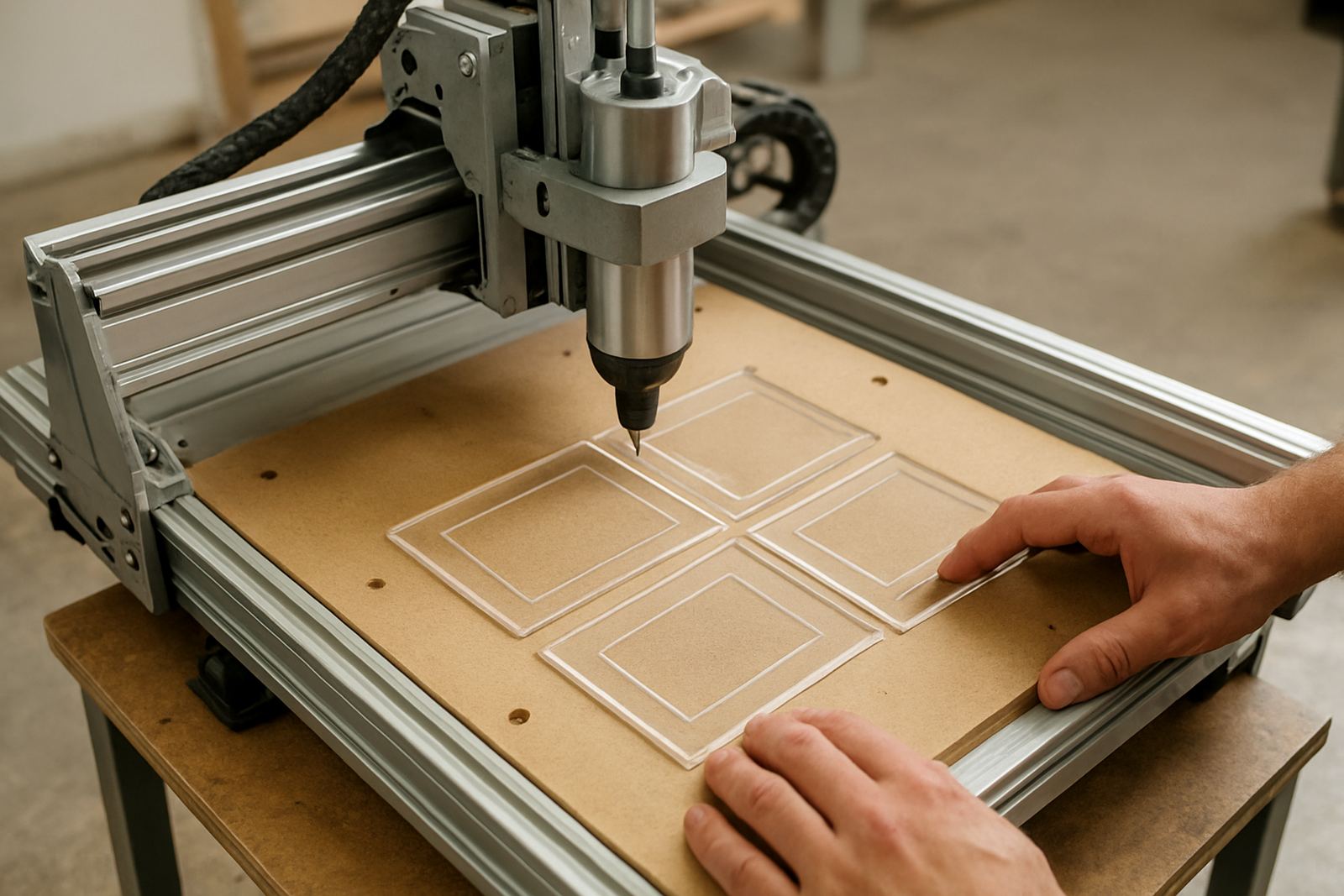
The kit is suited to smaller workshop machines where the original drive motors have worn bearings, damaged shafts or tired wiring. It is especially useful on hobby routers and lighter production units that run MDF signs, acrylic parts, cabinet components and plastic trim pieces. If you are cutting in a place like Pretoria East, Centurion or Midrand where power interruptions are common, a correct motor match matters because sudden stops can expose weak drive parts quickly.
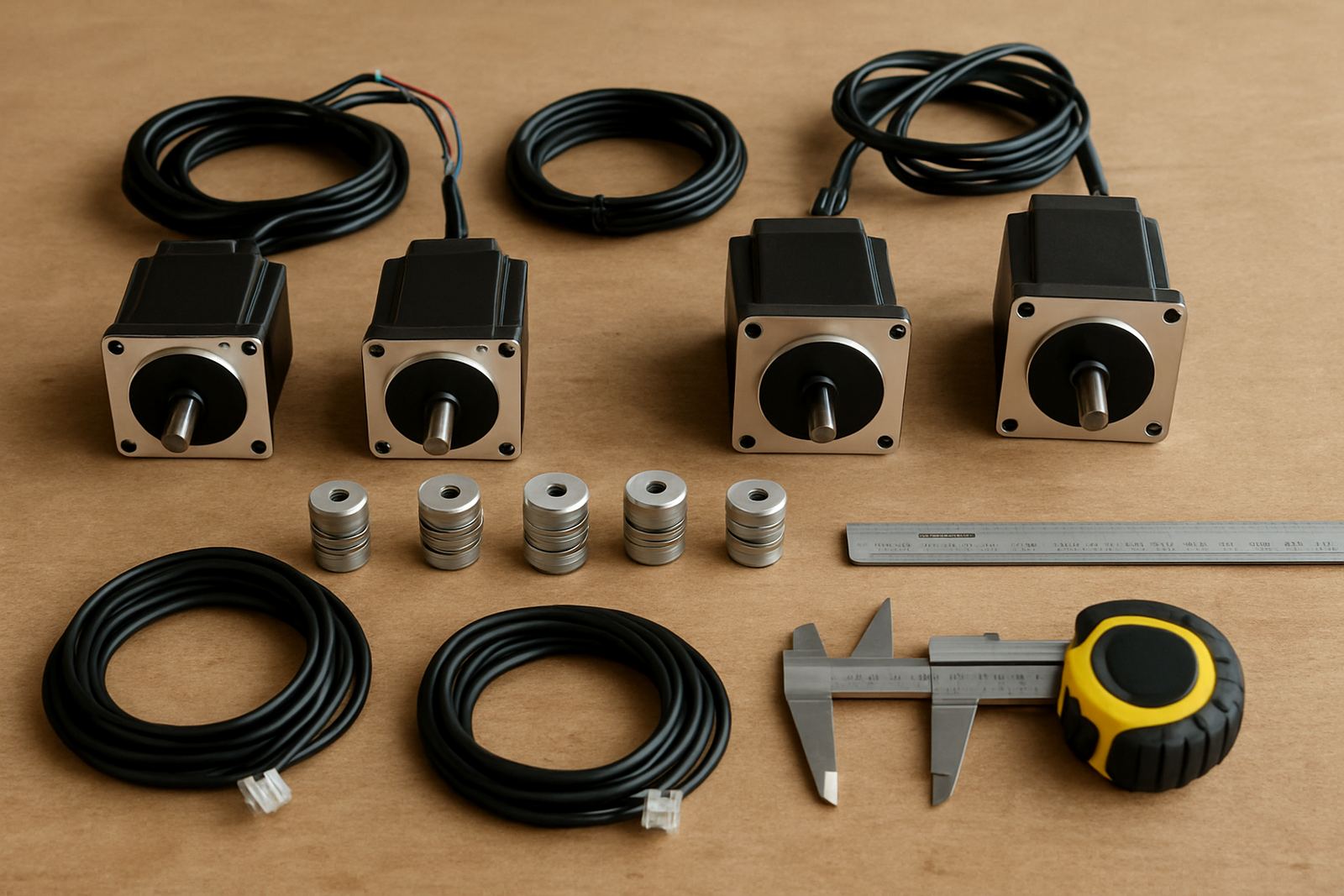
Each kit is supplied as a replacement path for restoring motion accuracy, not just a single loose motor. Depending on the machine, this may include the stepper motor, coupler, mounting hardware and matched electrical parts so the fit is proper and the axis does not bind. The aim is to get the axis moving smoothly again without overloading the control side.
Sizes and options for different router table setups
Compact router tables vary quite a bit, so the kit has to suit the machine frame, rail spacing and load on each axis. Some setups use lighter motors for X and Y, while the Z axis may need a different holding torque because it carries the spindle and slides vertically. Before ordering, check the existing motor body size, shaft diameter and bolt pattern. A small mismatch can lead to alignment trouble and extra wear.
We supply kit options for common hobby and light commercial setups used in South African workshops. If you are upgrading from an older unit, it helps to note whether the machine uses open-frame motors, enclosed motors or a geared drive arrangement. You should also confirm the drive voltage and the controller type, because a motor that looks right on the outside may not behave correctly on the control side.
- Motor body sizes commonly used on compact routers: NEMA 17, NEMA 23 and selected NEMA 34 applications
- Typical shaft styles: single shaft or dual shaft, depending on encoder or drive needs
- Mounting patterns: standard square face with matching bolt centres
- Common torque range: from light-duty axis motion to higher holding torque for heavier gantries
- Supply setups: 24 VDC, 36 VDC and 48 VDC systems, depending on the machine
Where the kit suits best in South African workshops
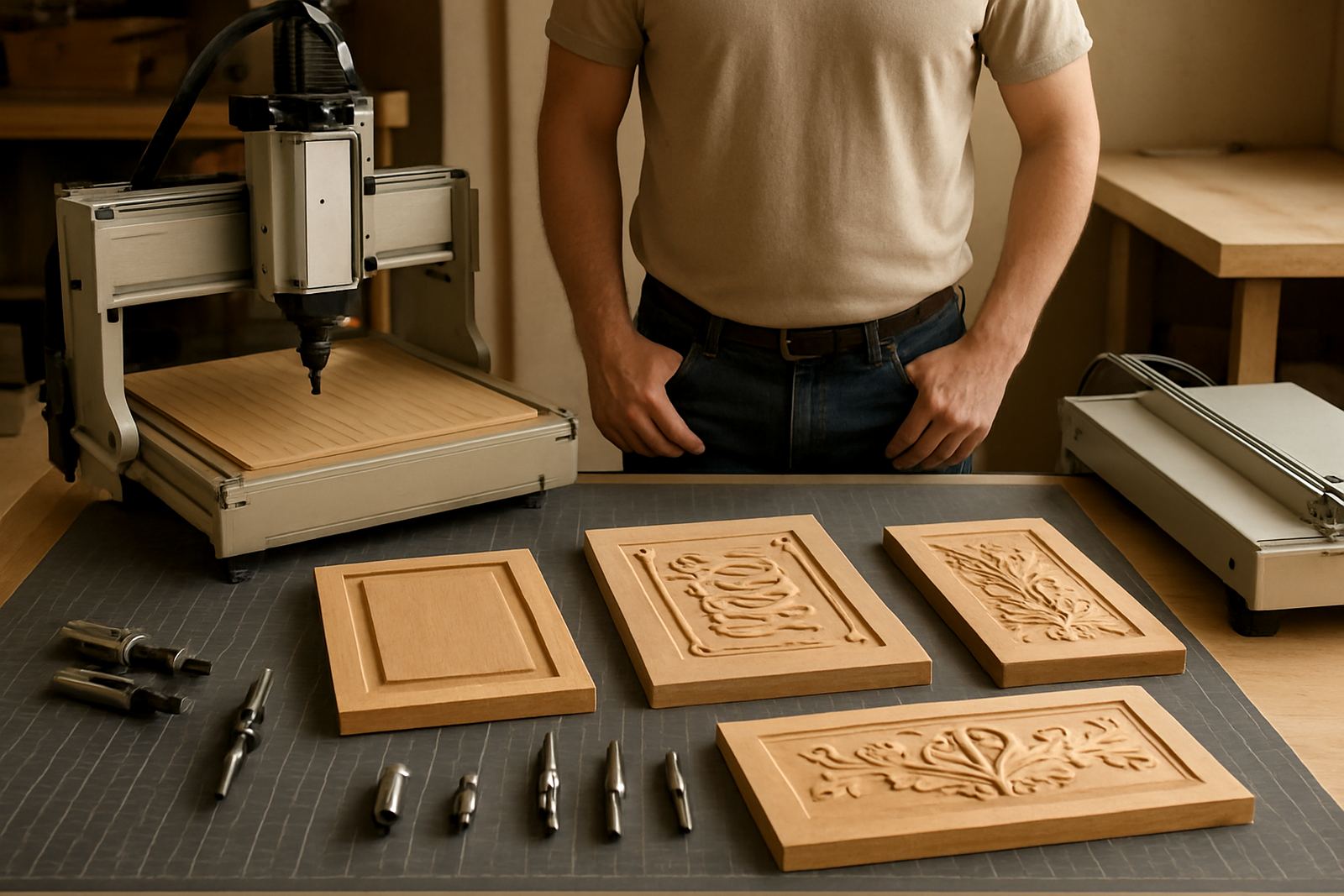
This kit suits small shops in Silverton, Pretoria East and surrounding areas where one machine often does multiple jobs in a day. It is a practical choice for users cutting furniture parts, routered lettering, jigs, packaging inserts and plastic panels. If the machine is used for one-off work and short runs, restoring accurate movement can save material and reduce rework.
It also works well in home workshops where space is limited and the router table has to do careful work without a full industrial footprint. Many users need a dependable setup for evenings or weekend production, and a small machine that is missing steps can waste sheets quickly. In humid coastal towns the motor connectors, plugs and terminals should be checked more often, because moisture and fine dust can give you grief if ignored.
For farms, schools and maker spaces, the kit is useful when the machine must be maintained locally rather than sent away. We see a lot of systems that only need a proper replacement set and a bit of tuning, not a full rebuild. That said, if the axis bearings are worn or the rack has play, the motor kit alone will not fix every issue.
Installation, power requirements and setup checks
Stepper motor kits are normally fitted by someone who can align the axis, verify wiring polarity and check the controller settings. The installation process includes mounting the motor squarely, setting the coupler or pulley position, and confirming that the cable is routed away from moving parts and dust paths. On some systems the drive parameters in the controller need to be adjusted so the motor runs at the correct current and step count. A bad setting can make the motor hot or noisy pretty quickly.
Power requirements depend on the machine, but the motor itself is part of a low-voltage DC drive system supplied through the controller. There is no gas requirement for this product. If the router uses a spindle with its own power supply, that side should also be checked after the motor replacement so the whole machine starts from a clean baseline. During load shedding, always shut down and isolate the unit properly before touching the wiring.
- Switch off and lock out the machine before removing covers
- Check motor current, step settings and cable condition
- Confirm pulley ratio or lead screw pitch matches the axis load
- Test for smooth travel by hand before running at speed
- Run a short square-cut test and measure both diagonals
Care, servicing and signs the motor needs attention
Like any drive part, a stepper motor works best when dust is kept out and the cable strain is managed. Vacuum the machine area regularly, especially where MDF fines build up around the gantry and control box. If the motor starts to run hotter than usual, misses steps, or makes a clicking sound under load, it is worth checking the cable, connectors and mounting before the problem spreads to the controller or coupler.
Preventive maintenance is simpler than a breakdown call. A quick inspection every few months can pick up loose plugs, worn bearings and belt wear before the machine starts cutting oversize. On machines near the coast, wipe the motor body and terminals with a dry cloth and keep an eye on surface corrosion. In inland workshop conditions, the bigger issue is usually dust packed into the cable end or the mount, which can throw the axis out by a small amount, and then the parts no longer fit as planned.
If the machine has been stopping mid-job after power dips, check whether the motor has lost torque under load. That is often the first sign that replacement is due. A matched kit is usually better than swapping one part at a time because it gives you a known starting point for future service.
What to confirm before placing an order
The easiest way to order the correct kit is to compare the old motor label, shaft dimensions and mounting face with your machine details. If you can send a photo of the existing drive, the cable plug and the control box label, it helps us match the parts properly. We also need to know whether the kit is for X, Y or Z axis use, since the load differs on each one.
Please check these items before ordering so the replacement lands correctly the first time:
- Motor body size and bolt spacing
- Shaft diameter and shaft length
- Current rating and drive voltage
- Connector type and cable length
- Axis position: X, Y or Z
- Whether the machine uses a belt, rack or lead screw drive
If you are not sure, our team in Silverton can help with spares planning, starter setup visits, remote support and breakdown support nationwide. That is useful when the machine is down and you need a practical answer, not a long guess. We keep the process straightforward so you can get back to cutting without wasting sheets or time.
Key facts
| Motor sizes | NEMA 17, NEMA 23 and selected NEMA 34 options |
|---|---|
| Drive supply | 24 VDC, 36 VDC or 48 VDC depending on machine |
| Use cases | Woodworking, MDF, acrylic and light plastics |
| Mounting | Square face mount with standard bolt centres |
| Axis fit | X, Y or Z axis on compact router tables |
| Support | Training, spares and remote setup help nationwide |