
What Router Relocation Covers
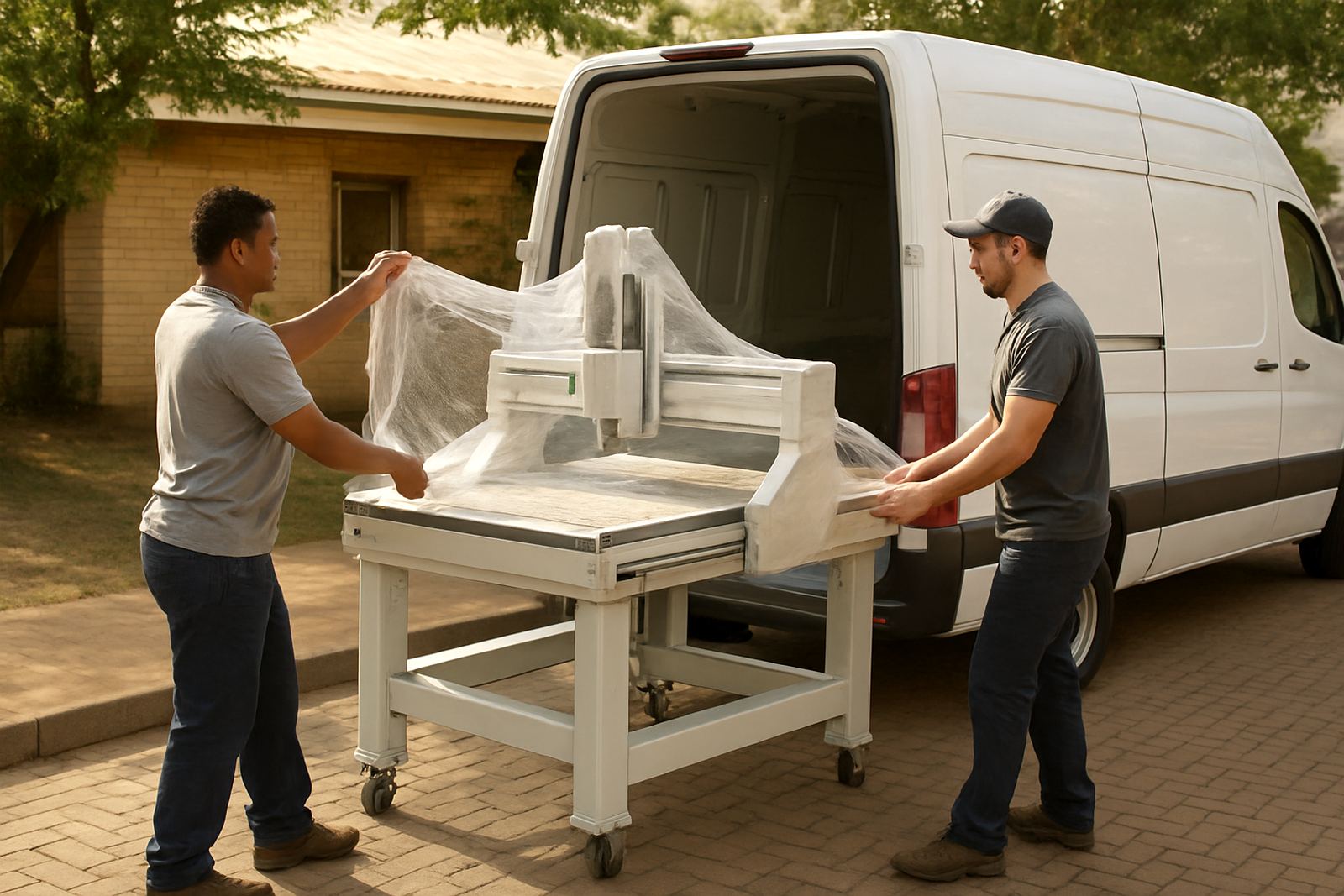
Router relocation is the controlled process of taking a CNC router out of service, preparing it for transport, moving it to a new site and bringing it back into operation. For woodworking, MDF and plastics workshops, that means protecting the frame, gantry, spindle, control box, cabling and linear parts from shock, dust and moisture during the move. It also means making sure the new floor, power point and working space suit the machine before it is reassembled. A rushed move can leave you with poor alignment, damaged cable chains or lost machine settings, so this service is planned in steps.
In Pretoria, Centurion, Midrand, Kempton Park and the wider Gauteng area, we often help when a workshop is expanding, changing premises or adding a second room for finishing and storage. We also assist with nationwide recommissioning support after transport by your own vehicle. The aim is simple: move the machine once, avoid avoidable damage, and get back to cutting as soon as possible.
Sizes, Formats and Machine Types We Relocate
Router relocation support suits compact hobby routers through to larger table based systems used in light production. Smaller units often fit through standard workshop doorways and onto a flatbed trailer with basic padding, while larger formats may need partial strip down, a pallet frame or lifting gear. We assess the machine size, weight and access path before any move is booked.
- Small format hobby routers for home workshops and maker spaces
- Mid-size router tables for cabinetry, signage and panel work
- Long-bed machines for sheet goods and repeated production runs
- Single phase and three phase control systems
- Machines with standalone control boxes, spindles and vacuum or dust extraction attachments
As a guide, compact machines may have a working area around 600 x 900 mm, while larger tables can run from 1300 x 2500 mm upward. The actual transport footprint is bigger than the cutting area, because you also need room for frame ends, cable runs and safe lifting points. If the machine is installed upstairs, in a narrow unit or in a space with a low roller door, planning becomes even more important.
Where It Suits Best
This service suits workshops that are moving within the same town, moving between provinces or shifting equipment into a cleaner, better planned production area. It is useful when a business is upgrading premises in Silverton, Pretoria East or Centurion, or when a private user is moving from a garage setup to a light industrial unit. It also works well when a machine must be stored temporarily and recommissioned later.
In coastal areas, humidity can cause trouble with rails, fasteners and electrical contacts if the machine is left open to the air. Inland, dust from sanding and cutting can work into bearings and cable tracks. A proper relocation plan includes covering exposed parts, separating consumables and keeping the machine dry. If your new site is in a municipal park, check access times, loading bay rules and delivery vehicle limits before the move day.
Installation Needs After the Move
Once the machine arrives, the new site must be level, stable and clear enough for safe operation. CNC routers need a firm floor, enough working space around the table and a clean area for material loading. The power supply should match the machine requirements, and the breaker protection must be suitable for the load. If the router uses a spindle, vacuum pump or dust extraction equipment, we check the separate power demands too. Some sites also need compressed air for tool changes or cleaning, depending on the setup.
- Level floor with enough space for loading sheets and moving around the table
- Correct single phase or three phase supply as specified for the machine
- Proper earthing and breaker protection
- Dry area away from leaks, direct rain and heavy vibration
- Dust extraction and ventilation positioned before first use
Load shedding planning matters as well. If your workshop is in an area with frequent outages, it helps to know how the machine restarts, what settings are stored and whether you need surge protection or a backup plan for safe shutdown. A move is a good time to check all of this properly, not after production starts again.
Dismantling, Transport and Recommissioning Support
Safe dismantling starts with recording the machine condition, labelling cables and backing up control settings where possible. Sensitive parts are removed or secured, then the frame is braced so the table, gantry and spindle cannot shift in transit. We also advise on how to protect rails, ballscrews, limit switches and the control cabinet from vibration and dust. It may sound basic, but most damage happens when a machine is tied down badly or moved without blocking the moving axis properly.
After delivery, recommissioning support can include reassembly checks, control tuning, spindle replacement if needed, calibration checks and a test cut. If the machine has travelled a long distance, we strongly recommend a brief inspection before any serious production. A quick run through the machine can catch loose plugs, pinched cables or alignment drift before it becomes expensive.
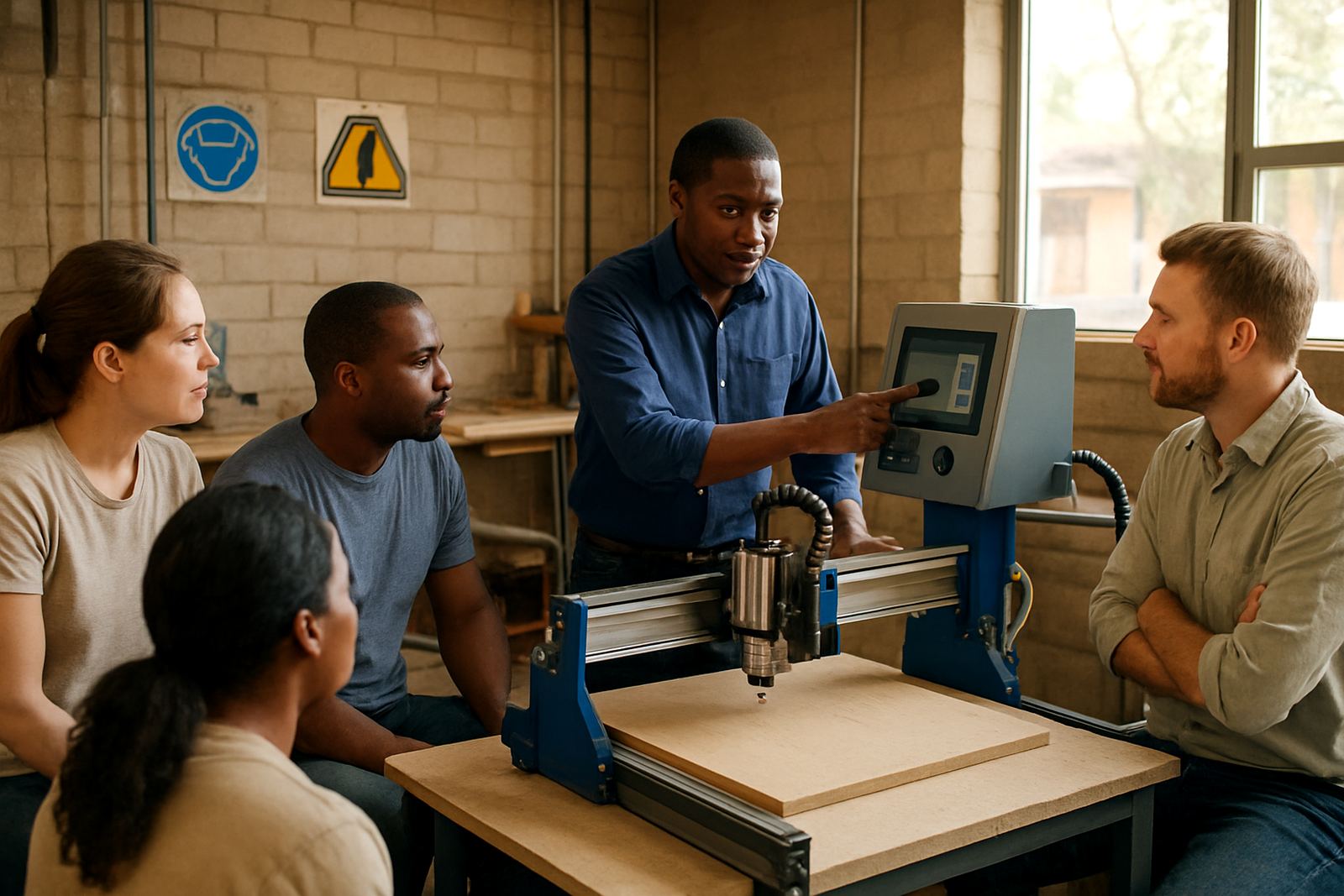
Our team also offers remote support and starter setup visits for owners who want help after the physical move. That is useful when the machine is going into a new branch, a shared workshop or a home studio where the operator is still learning the system. Small errors at this stage can lead to scrap material, so it is worth getting the basics right first.
Pretoria relocation care, servicing and router table order checks
Before you place an order for relocation, check the machine model, table size, total weight, access route and whether any part needs to be removed for lifting. Confirm the new site power supply, doorway widths, ceiling height and floor condition. It also helps to know if the machine has a spindle, vacuum table, dust extraction or other add-ons that need separate handling. If spares are due soon, plan those into the move so you do not pay twice for labour.
- Machine dimensions and weight
- Single phase or three phase power requirement
- Any accessories or add-ons that must move with the router
- Door widths, stairs, lift access and loading bay details
- Whether the new site has dust extraction and air supply ready
- Recent maintenance history and any known faults
After relocation, keep up with preventive maintenance. Clean rails, check fixings, inspect cables, look for dust build-up and keep the machine dry. If your workshop is near the coast, or in a high dust area, service intervals should be a bit tighter. Regular care keeps the router accurate and helps the move pay off long after the first day back in use.
Key facts
| Service Type | Router dismantling, transport planning, reinstall and recommissioning support |
|---|---|
| Machine Sizes | Compact hobby routers to larger sheet-format CNC router tables |
| Typical Cutting Areas | About 600 x 900 mm to 1300 x 2500 mm and larger by arrangement |
| Power Needs | Single phase or three phase, checked against the machine specification |
| Site Requirements | Level floor, clear access, dry storage, dust extraction and safe working space |
| Support Area | Pretoria, Silverton, Pretoria East, Centurion, Midrand, Kempton Park and nationwide support |