What The Water Cooling Kit Does On A CNC Router
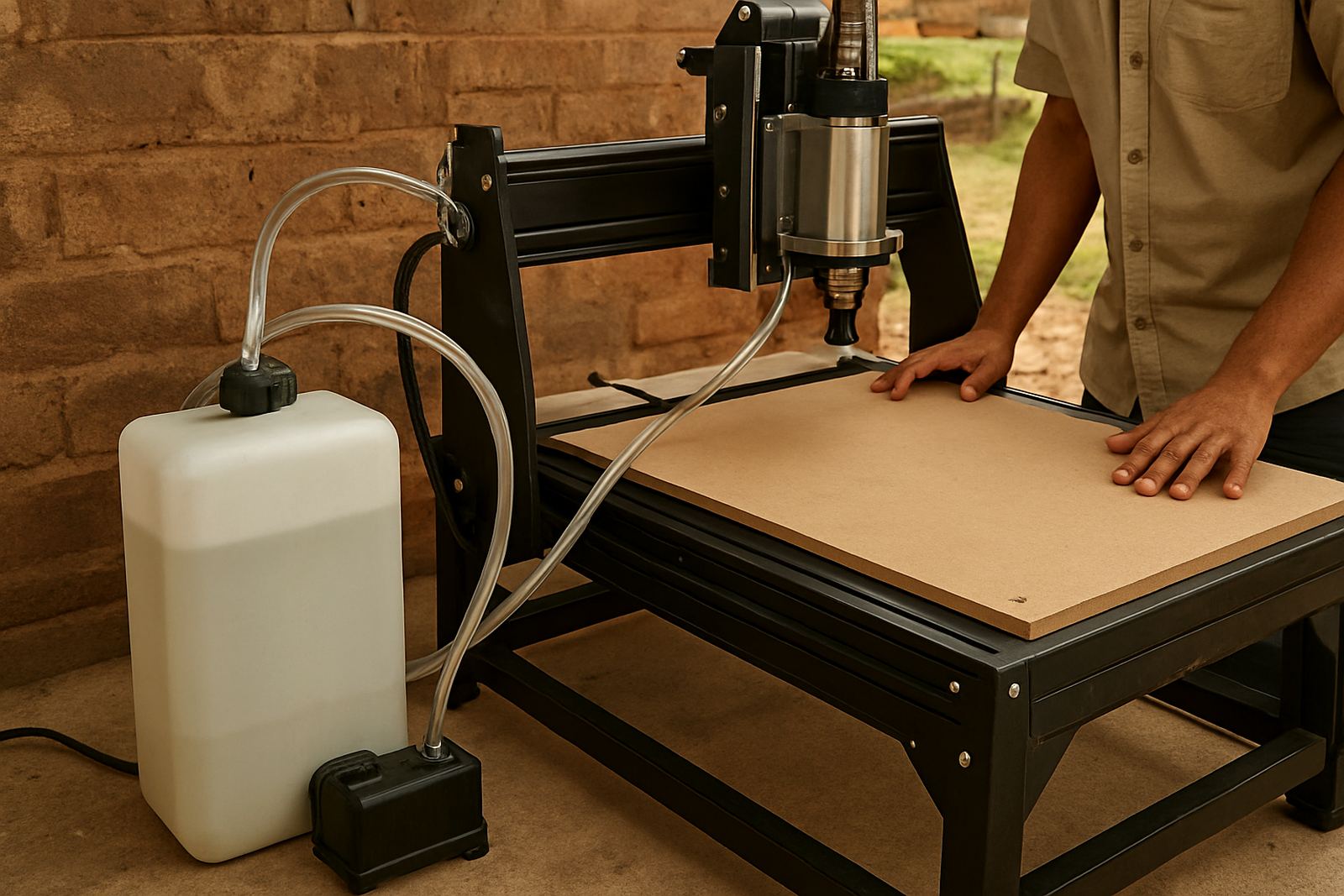
A water cooling kit circulates coolant around the spindle so heat is carried away while the machine is working. That matters when you are running longer passes, doing repeat batches, or cutting denser material that keeps the spindle under load for extended periods. In a Pretoria workshop or a small garage setup in Centurion, it helps keep the spindle at a more stable temperature and can reduce premature wear on bearings and electronics.
This type of kit is normally chosen for desktop and hobby routers, but it is also useful on light production machines where jobs can run for hours. It is not a substitute for correct feeds and speeds, yet it does support more consistent operation when the cutter is doing real work and not just short test runs.
- Helps control spindle temperature during long cutting sessions
- Reduces heat build-up in smaller enclosed work areas
- Supports better spindle life when maintained correctly
- Works well for MDF, plywood, hardwoods and many plastics
Sizes, Options And What Is Usually Included
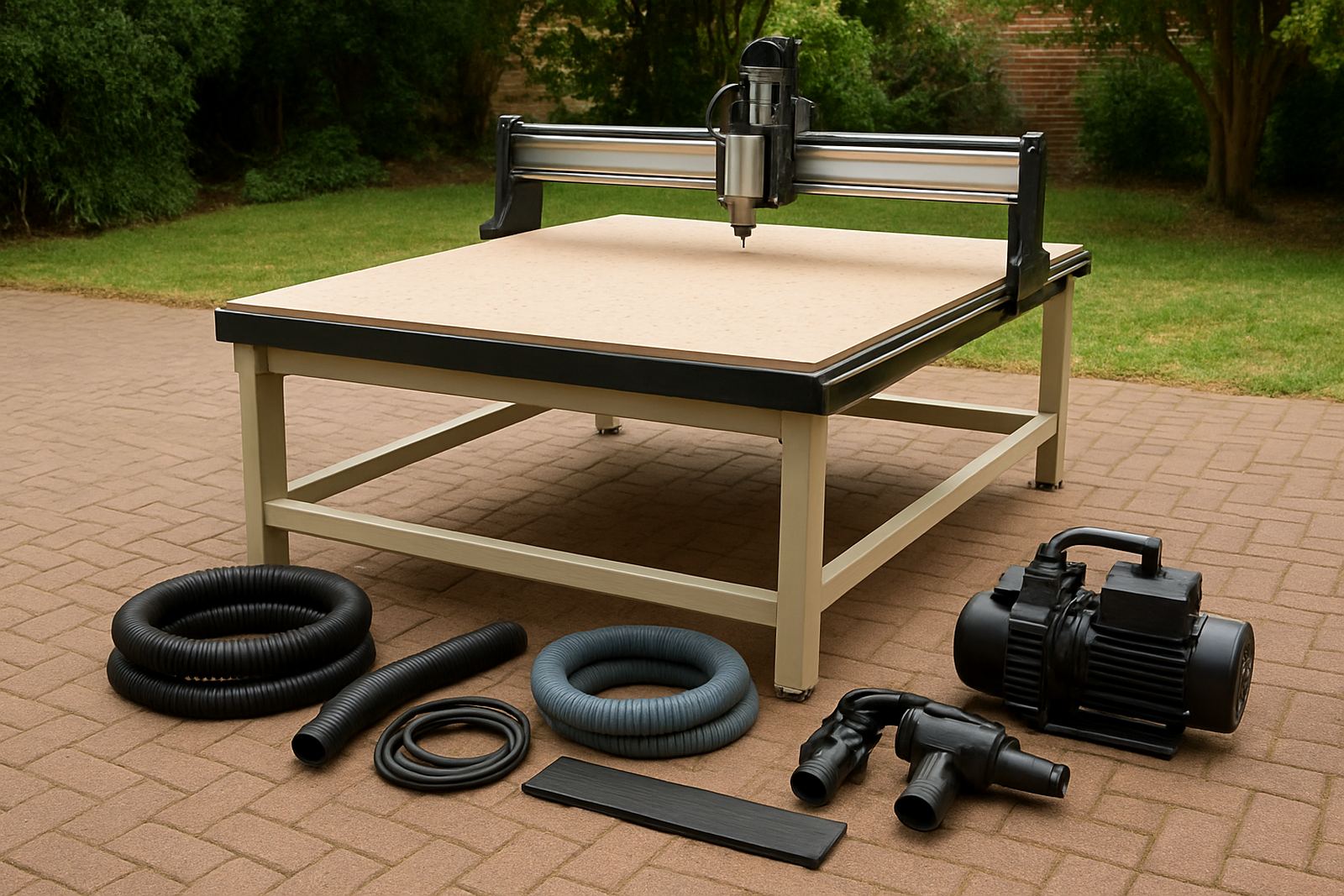
Water cooling kits are supplied in practical sizes to suit different spindle formats. The most common setup uses flexible tubing, a circulation pump, a small reservoir or coolant tank, hose clamps, and the fittings needed to connect the spindle. Some kits are supplied as basic cooling packs for users who already have part of the system in place, while others are complete with pump and hose so you can start with fewer extra purchases.
For South African users, it is worth checking the spindle diameter, hose connection size and the space available around the machine. A compact hobby router in Silverton may have very little room behind the gantry, so hose routing needs to be planned. On a larger table in Midrand, there is often more space for the reservoir and pump to sit safely beside the control cabinet.
- Typical hose sizes: 6 mm, 8 mm or 10 mm depending on spindle connection
- Reservoir sizes commonly range from 1.5 litres to 10 litres
- Pump flow should suit the spindle rating and hose length
- Some kits include temperature monitoring points or flow check fittings
Best Uses In Woodworking, MDF And Plastic Work
This cooling setup suits workshops that do repeated sign-making, cabinet parts, panels, template work and plastic profiling. MDF cutting creates fine dust and steady spindle load, while plastic jobs can generate heat quickly if the cutter is pushing too hard or the chip clearance is poor. A cooling kit is helpful when those jobs run back to back and the spindle needs to keep going without overheating.
It is also useful in places where ambient heat is already a factor. In summer, a shed in Pretoria East or a factory corner in Kempton Park can get warm fast. If the spindle is enclosed in a dust shoe and the machine is working for long stretches, cooling support becomes more than just a nice extra. It is part of keeping the machine in a usable range.
For hobby users, the main benefit is peace of mind. For smaller production shops, it is about fewer interruptions and less risk of a hot spindle shutting the job down. That can save material, time and a fair bit of frustration.
Installation, Power And Space Requirements
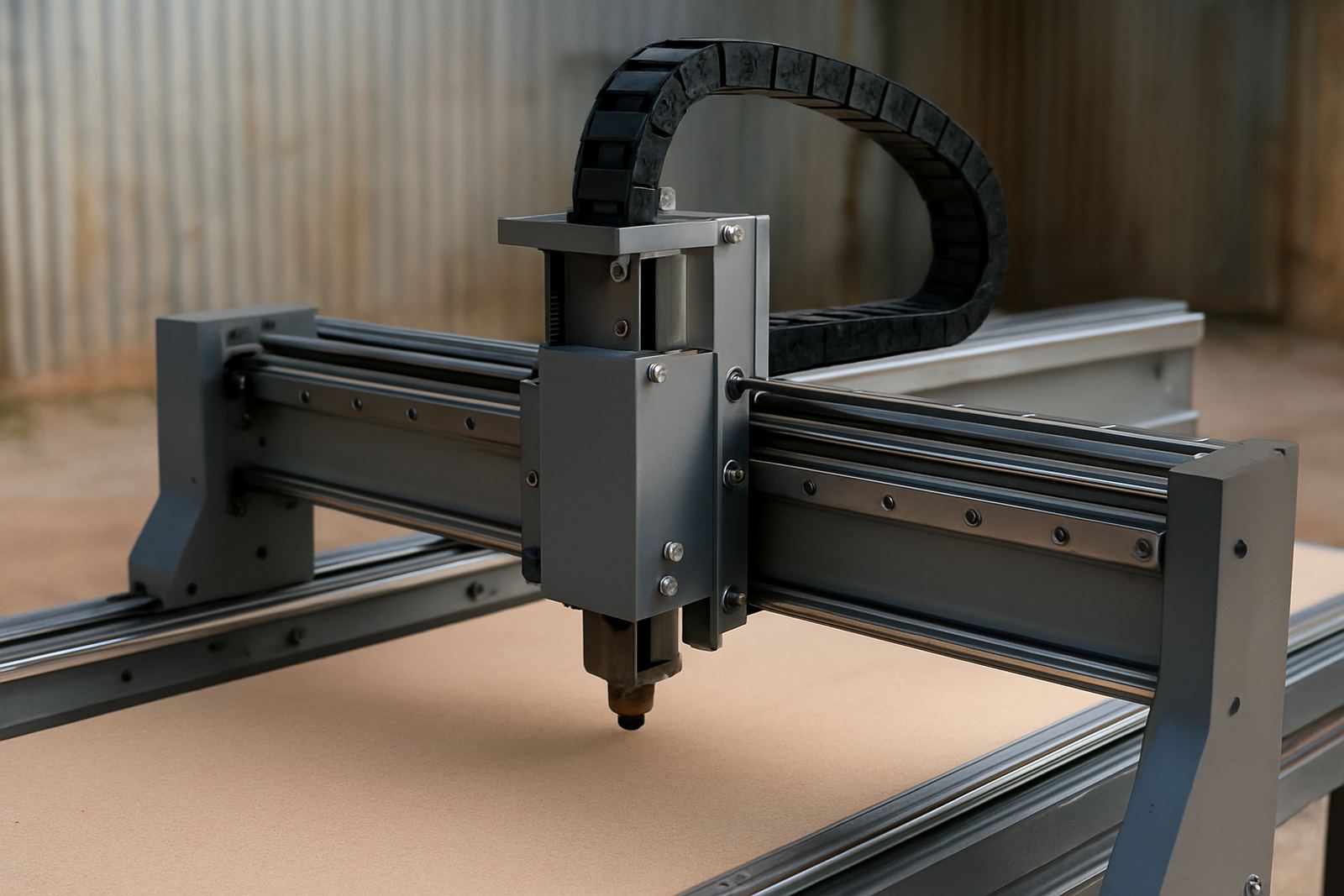
Installation is straightforward, but it still needs proper planning. The pump needs a reliable power supply, usually from a standard AC outlet or a switched auxiliary feed depending on the kit layout. The coolant lines must be routed so they do not snag on moving parts or kink during travel. If the machine is fitted with cable chain or drag protection, the cooling hoses should be checked against the full axis movement before the first run.
There is no gas requirement for a water cooling kit. What matters is clean coolant, a steady power source and enough physical space for the pump and reservoir. In some workshops, especially where load-shedding is a concern, users connect the pump through the same backup circuit as the control computer so the cooling does not stop mid-job. That needs to be done carefully, because a pump that loses power while the spindle is still hot can cause trouble.
- Check available space for reservoir, pump and hose routing
- Make sure the power feed is stable and correctly protected
- Confirm the spindle is compatible with water cooling
- Allow enough slack in the hoses for full machine travel
Care, Servicing And Everyday Checks
Like any workshop item, a cooling kit works best when it is kept clean and checked regularly. The coolant should be monitored for level and clarity, especially in warm conditions where evaporation and growth can creep in. Hoses should be inspected for soft spots, cracking or loose fittings, and the pump should be listened to for unusual noise. A pump that starts making a grinding sound is telling you something.
Most users should also check for dust build-up around the reservoir cap and fittings. Fine MDF dust can settle on everything, and if the tank lid is left open too often, contamination will follow. The cooling lines must stay free of air pockets too. If the spindle starts running hotter than normal, the first things to check are coolant flow, hose bends and pump operation before you blame the spindle itself.
Routine servicing is not complicated, but it does pay to keep a record of what coolant was used, when it was replaced, and whether any fittings were changed. That makes later fault finding much quicker.
What To Confirm Before You Order
Before ordering, confirm the spindle model, the hose connection size and whether the kit needs to work with your current machine frame. If you are buying for a new build, check the inside clearance around the gantry and the cable path. A kit that looks small on paper can be awkward if your enclosure is tight. If you already have a pump or tank, tell us what is in place so the right parts can be matched without waste.
Start by noting which material you cut most often, how long a typical job runs, and whether the machine is used daily or only on weekends. That affects how much coolant capacity you need and whether a basic kit is enough. For users in Pretoria, Silverton and the eastern side of the city, starter setup visits and operator guidance can also help sort the first installation properly.
- Spindle model and cooling port size
- Machine table size and available mounting space
- Average run time per job
- Whether you need pump, reservoir, hose and fittings together
- Any existing spare parts already on hand
Support, Training And Spares For South African Workshops
CNC Router Hub supplies water cooling kits with practical support for hobby users and smaller workshops across South Africa. Based in Silverton, Pretoria, the team can assist with installation questions, spare parts planning, preventative maintenance and replacement components when fittings or pumps need attention. Training is available for operators who want a better grasp of setup, coolant checks and basic fault finding, which can save a lot of down time later.
If you are unsure about compatibility, it is better to ask before ordering than to force a mismatched kit into place. The right cooling setup should suit the spindle, the machine and the way you actually work. That way the kit does its job quietly in the background, and you can keep cutting.
Key facts
| Product type | Spindle water cooling kit |
|---|---|
| Main purpose | Temperature control during longer CNC cutting sessions |
| Typical hose sizes | 6 mm, 8 mm or 10 mm depending on spindle connection |
| Reservoir range | About 1.5 litres to 10 litres |
| Power need | Pump requires a suitable AC electrical supply |
| Suitable materials | Woodworking, MDF, plywood, hardwoods and plastics |