
What Hold-Down Clamps Do on a CNC Table
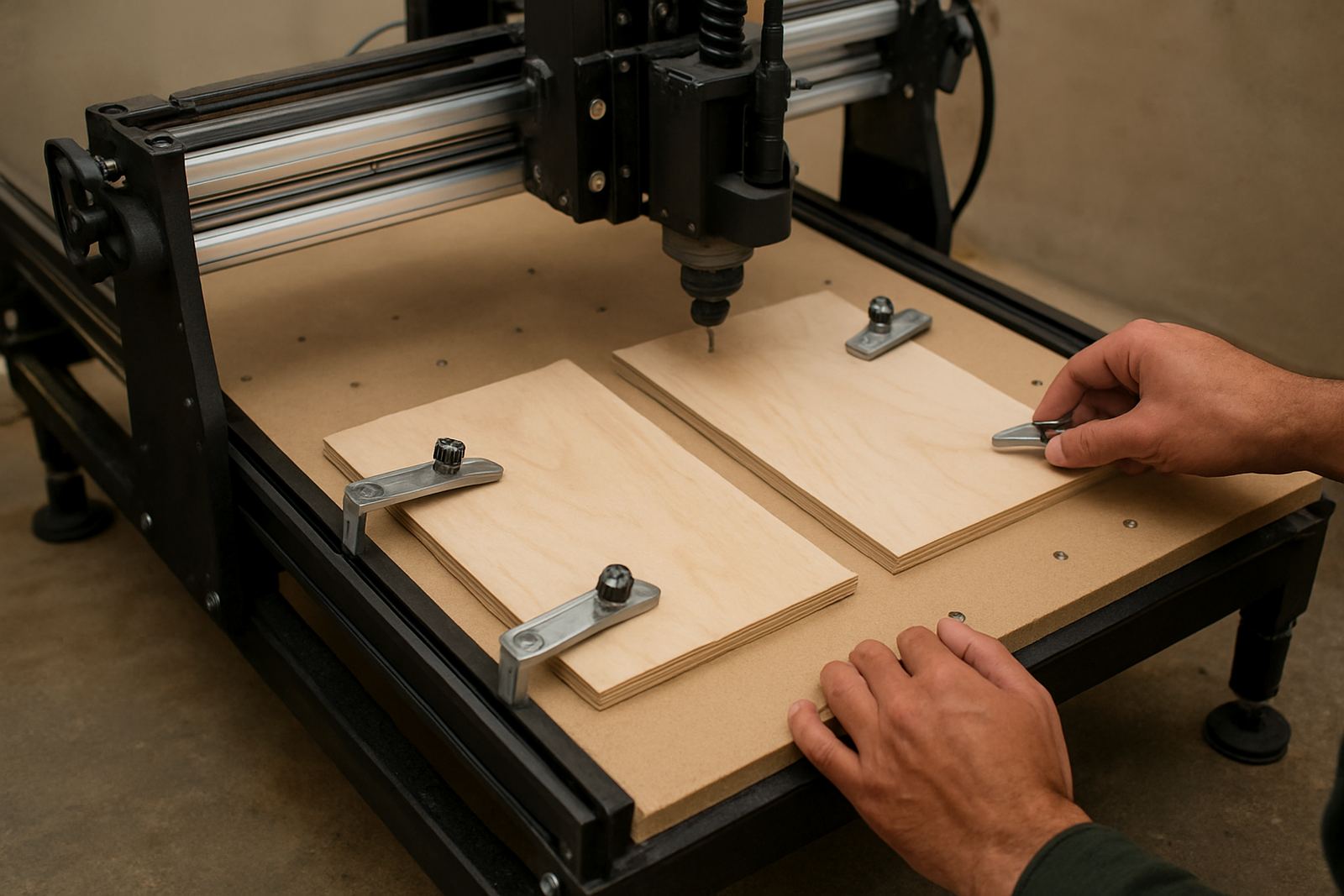
Hold-down clamps are mechanical workholding accessories used to keep material steady while the cutter does its work. On smaller CNC router tables, they are often the quickest way to secure MDF, plywood, plastics and prepared timber blanks without setting up a full vacuum bed. They are also handy when the panel size changes often, or when you are running short jobs and do not want to spend time on complex fixturing.
In a South African workshop, that matters when power interruptions, mixed material batches and tight turnaround times are part of the day. A clamp set gives you a repeatable way to fix the sheet, and it reduces the chance of movement, chatter or edge lift. For curved parts, corner pieces and cut-outs, the clamp setup often saves a job that would otherwise need a lot of extra packing and double checking.
Sizes, Styles and Mounting Options
Hold-down clamps come in a few practical formats. The right choice depends on your table size, bed layout and the thickness range you work with most often. On hobby and desktop routers, low-profile clamps are usually preferred because they keep the toolpath clear and reduce the risk of collisions. On larger small-format tables, taller clamps and adjustable arms can be useful for thicker stock or layered setups.
- Low-profile clamps for thin sheets and shallow tool clearances
- Adjustable screw clamps for mixed thickness material
- Step clamps for edge fixing and stronger pull-down pressure
- T-slot compatible clamps for fixed machine beds
- Multi-piece clamp kits for repeat jobs and production small runs
Most setups use a T-slot bed, aluminium spoil board or prepared mounting rail. Some clamps are supplied with heel blocks, bolts and pressure pads. When ordering, check the table slot size, slot spacing and the height between the bed surface and the underside of your cutting head. A clamp that is too tall will interrupt the job, and one that is too short may not grip properly.
Where Hold-Down Clamps Suit Best
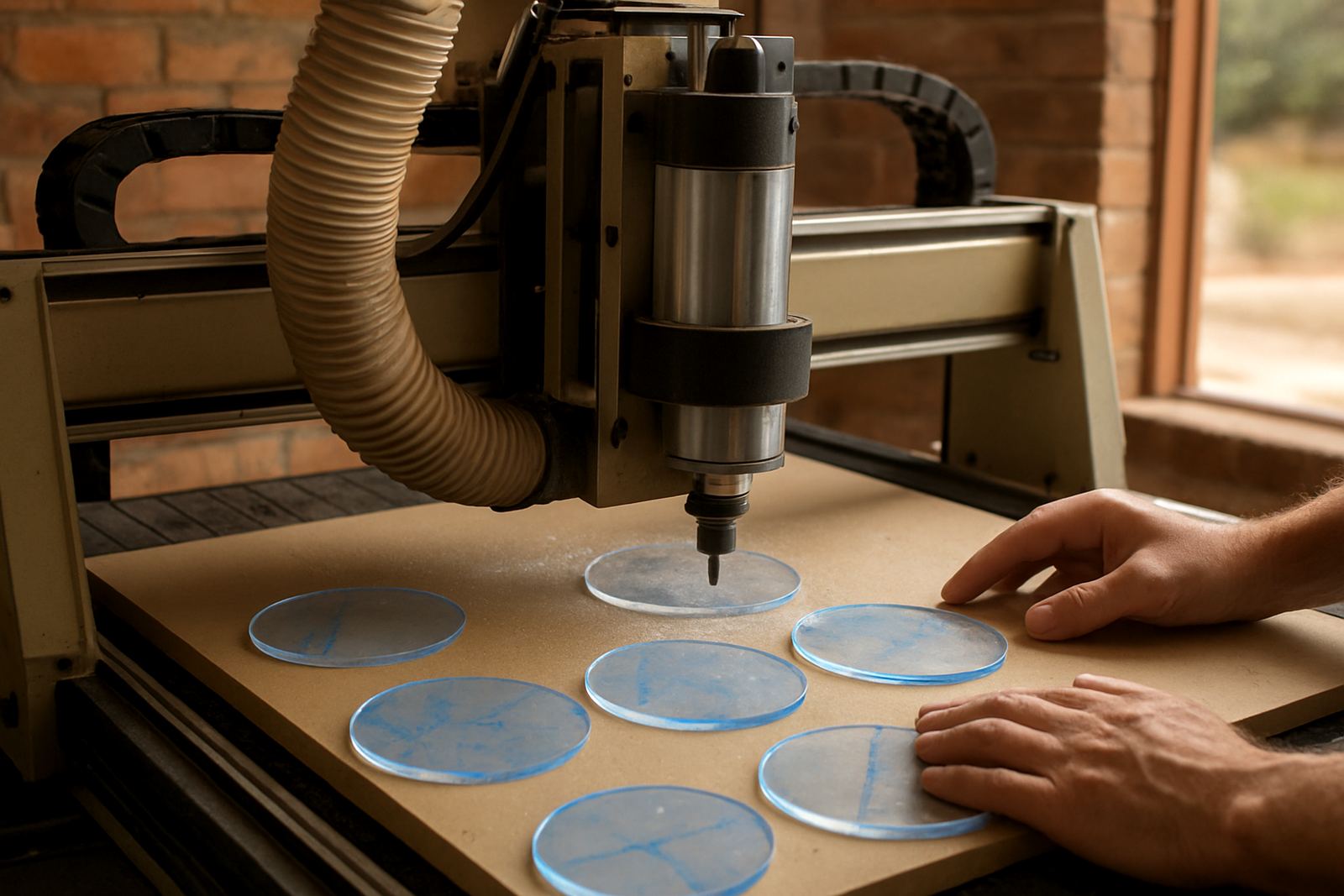
These clamps are well suited to smaller workshops, training rooms and production spaces where jobs change often. They are a good match for cabinetry offcuts, sample boards, signage blanks, jigs, templates and one-off repair work. If you are cutting MDF sheets for drawer parts, plastics for panels, or hardwood components with irregular edges, mechanical hold-down gives you direct control over the setup.
They are also useful when the workshop layout is not ideal for large vacuum systems. Many smaller premises in Silverton, Pretoria East and Centurion work with single-phase supply and limited floor space, so a clamp-based solution can be the more practical choice. In coastal areas, where humidity may affect board flatness, clamping also helps keep material seated flat enough for accurate cutting, sanding or drilling. For refhresher training and starter setups, it is one of the first workholding methods to get right.
Installation Needs and Machine Requirements
Hold-down clamps themselves do not need power or gas. They are manual accessories, fitted and tightened by hand or with the supplied hardware. That makes them useful in workshops that deal with load-shedding, mobile service work or basic starter equipment. What they do need is a compatible table surface and enough clearance for the cutter path and spindle body.
Before fitting, check that your bed is level, the T-slots are clean, and the mounting points are secure. A clamp system works best on a flat surface with good support beneath the material. If the board is bowed, pack it correctly before tightening down. Do not over-tighten soft material, because it can crush the edge or pull the sheet off square. A clean setup also makes tool changes quicker and helps reduce wear on the pressure pads and bolts.
- No electrical connection required
- No compressed air or gas required
- Needs correct T-slot spacing or compatible bed hardware
- Works best with a flat spoil board and clean mounting points
Care, Cleaning and Servicing
Clamp sets need simple but regular care. Dust, glue and fine chips can build up around the screw threads and pressure faces, especially on MDF jobs. Wipe the parts down after use, check for bent bolts, and make sure the moving sections still turn freely. A light application of suitable lubricant on the threads can help, but do not allow grease to contaminate the workpiece or spoil board.
Look out for worn pads, damaged fasteners and stripped threads. If a clamp is no longer holding with even pressure, replace the part before it causes marking or movement on a job. In a busy workshop, it is worth keeping spare bolts, nuts and pads on hand so you are not held up by a small failure. Good spares planning saves time, especially when a delivery is due and the machine needs to be back in service the same day.
What to Check Before You Order
The best way to choose hold-down clamps is to match them to the table, the material and the way you work. A setup for hobby use may only need a few low-profile clamps, while a small production room might need a full kit with different heights and pressure points. If you cut irregular shapes often, think about where the clamp body will sit relative to the spindle and toolpath. On some jobs, a clamp that looks fine on paper can block a corner or force the sheet to be shifted unecessarily.
- Table slot size and spacing
- Material thickness range
- Maximum cutting height needed
- Type of work, sheet goods or shaped parts
- Number of clamps needed per setup
- Whether you need spares for pads, bolts or nuts
If you are unsure, send through a photo of the machine bed and the type of work you are doing. That makes it easier to match the clamp layout to your router table and avoid buying parts that do not fit your setup.
Local Support for Setup and Spares
CNC Router Hub supports workshop users from Silverton, Pretoria East, Centurion, Midrand and Kempton Park, with spares supplied nationwide. If you need help choosing the right clamp style, checking fitment or planning a starter setup, the team can assist with practical advice based on the size of your table and the type of jobs you run.
We also help with operator training, software basics, preventive maintenance, control tuning, breakdown support and remote support. For customers building a dependable small workshop, that support matters just as much as the hardware itself. The right clamp on the right bed means less rework, cleaner edges and fewer problems when the job is already on a tight deadline.
Key facts
| Product type | Mechanical hold-down clamps for CNC router tables |
|---|---|
| Typical use | Small jobs, irregular pieces, manual setup work and sheet fixing |
| Compatible materials | Woodworking board, MDF, plywood, plastics and prepared timber |
| Power or gas required | None, manual fitment only |
| Common mounting | T-slot beds, spoil boards and compatible rail systems |
| Support areas | Pretoria, Silverton, Centurion, Midrand, Kempton Park and nationwide spares |