
What the Compact Router 1500 is built to do
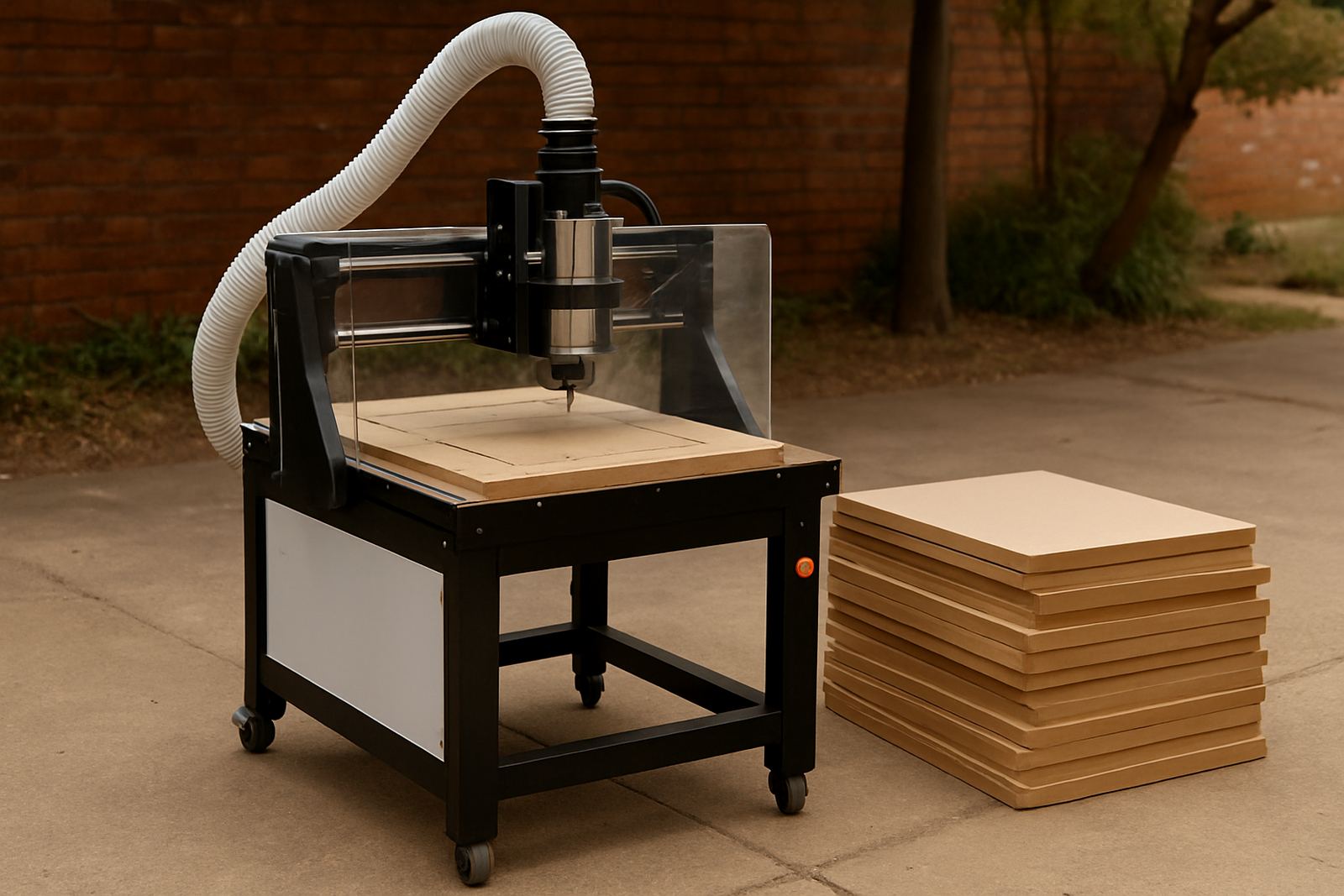
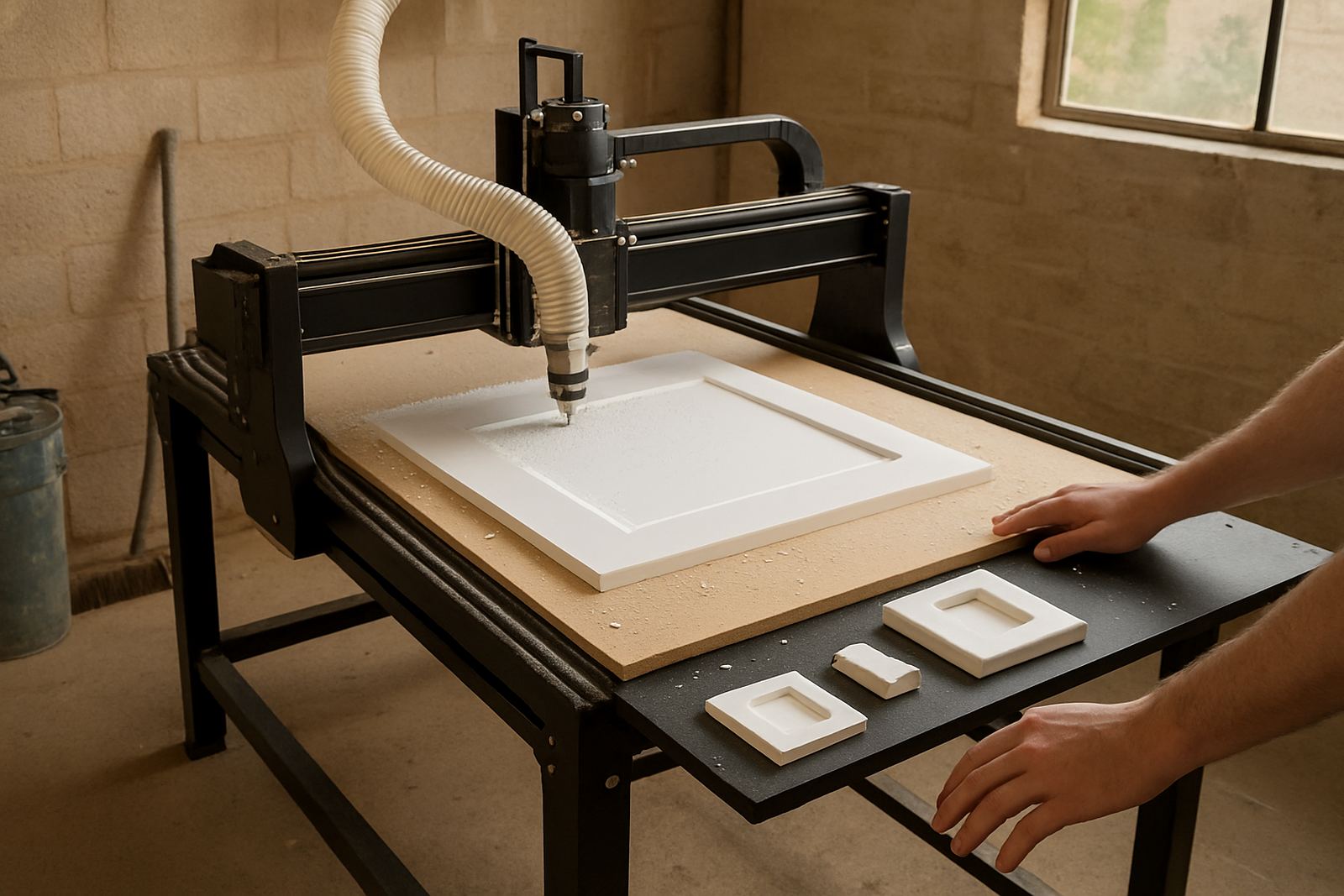
The Compact Router 1500 is a large-format compact CNC router table made for day-to-day workshop work where sheet sizes matter, but floor area is limited. It is commonly used for cabinet parts, signage panels, display components, jigs, templates and light production runs in wood, MDF and plastics. For a small shop in Pretoria, a joinery in Centurion or a hobby setup in Midrand, it gives you enough bed size to work with usable panels without moving into a full industrial footprint.
The machine is suited to operators who need repeatable cutting and a cleaner workflow than hand routing can give. It is also practical for shops that want to start with a straightforward machine and add tooling, software skills and process control over time. The frame is arranged for stable cutting, and the compact footprint makes it easier to place near a wall, in a back room, or in a dedicated cutting bay.
Sizes, table options and working capacity
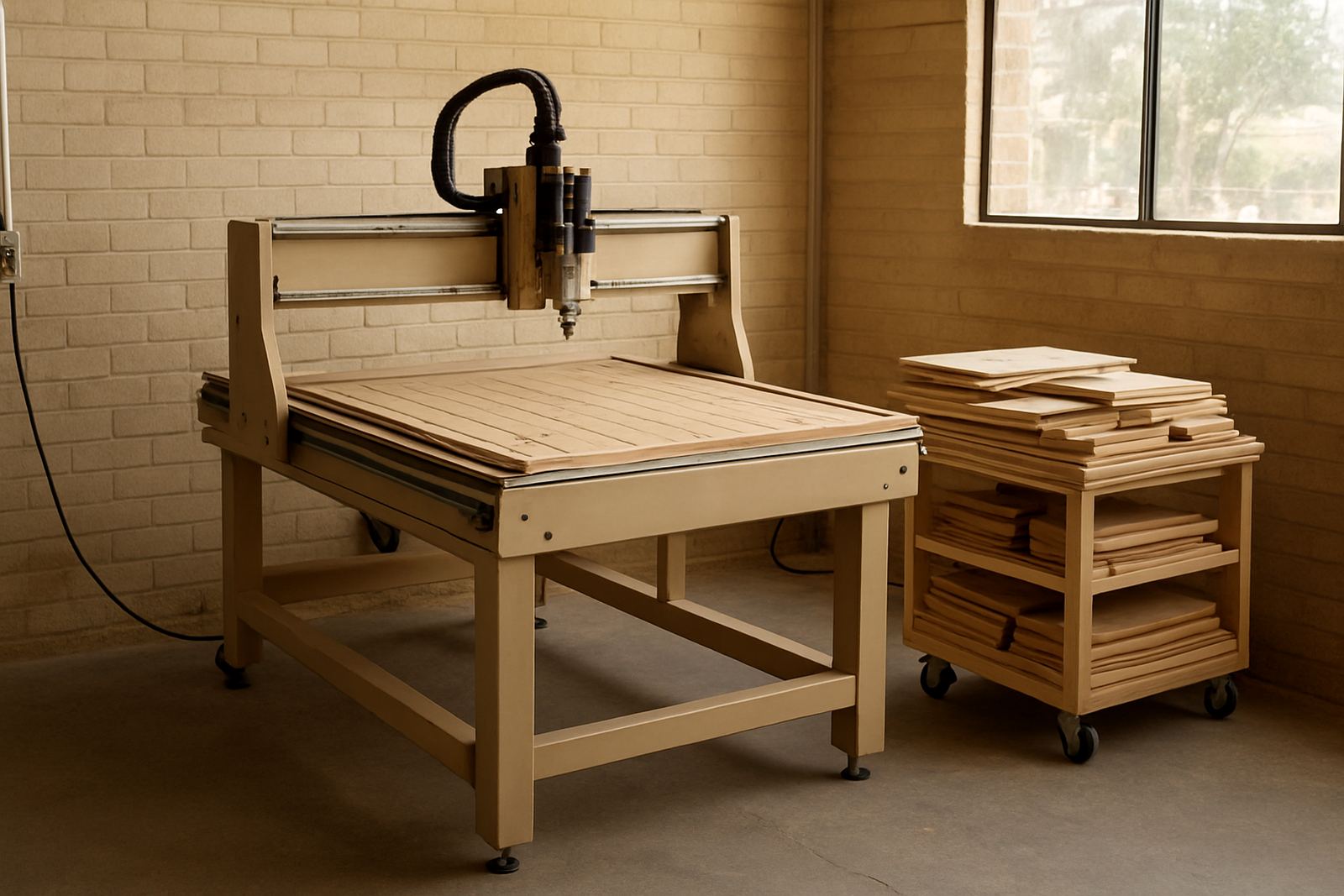
The Compact Router 1500 is aimed at medium sheet work and is supplied in a layout that supports efficient nesting and part cutting. Typical working size is around 1500 mm on the long axis, with a useful width for common sheet offcuts and smaller boards. Depending on the setup, it can be ordered with a vacuum or spoilboard style work surface, and with spindle and control options matched to the way you work.
- Working area: about 1500 mm class for longer parts and sheet sections
- Material support: MDF, plywood, solid timber sections and plastics
- Table surface: spoilboard or vacuum assisted options
- Control layout: suitable for offline or PC linked operation
- Use level: hobby, small workshop and light production
If you are cutting cabinet components, shopfitting blanks or repetitive plastic parts, the extra length helps reduce clamping changes and improves layout efficiency. For smaller workshops it is often the right middle ground: big enough to do proper work, but not so large that it becomes difficult to place, power or maintain.
Where it suits best in South African workshops
This machine suits businesses that need controlled cutting in a space that still has to allow for storage, assembly and finishing. In Silverton, Pretoria East and Centurion, many users run routers like this in mixed-use spaces where power, dust extraction and loading access all need to be planned carefully. It also fits well in hobby rooms and maker spaces where the owner wants one machine that can handle both occasional jobs and more regular work.
It is a practical choice for cabinet makers, sign shops, model builders, schools and small plastics fabricators. If your work involves regular sheet breakdown or parts that need to be cut the same way every time, this format can save a lot of manual marking and trimming. It is less suited to heavy industrial plate cutting or rough site work, but for detailed workshop use it covers a wide range.
- Cabinet doors, side panels and drawer parts
- Sign blanks, lettering bases and display panels
- Jigs, fixtures and templates
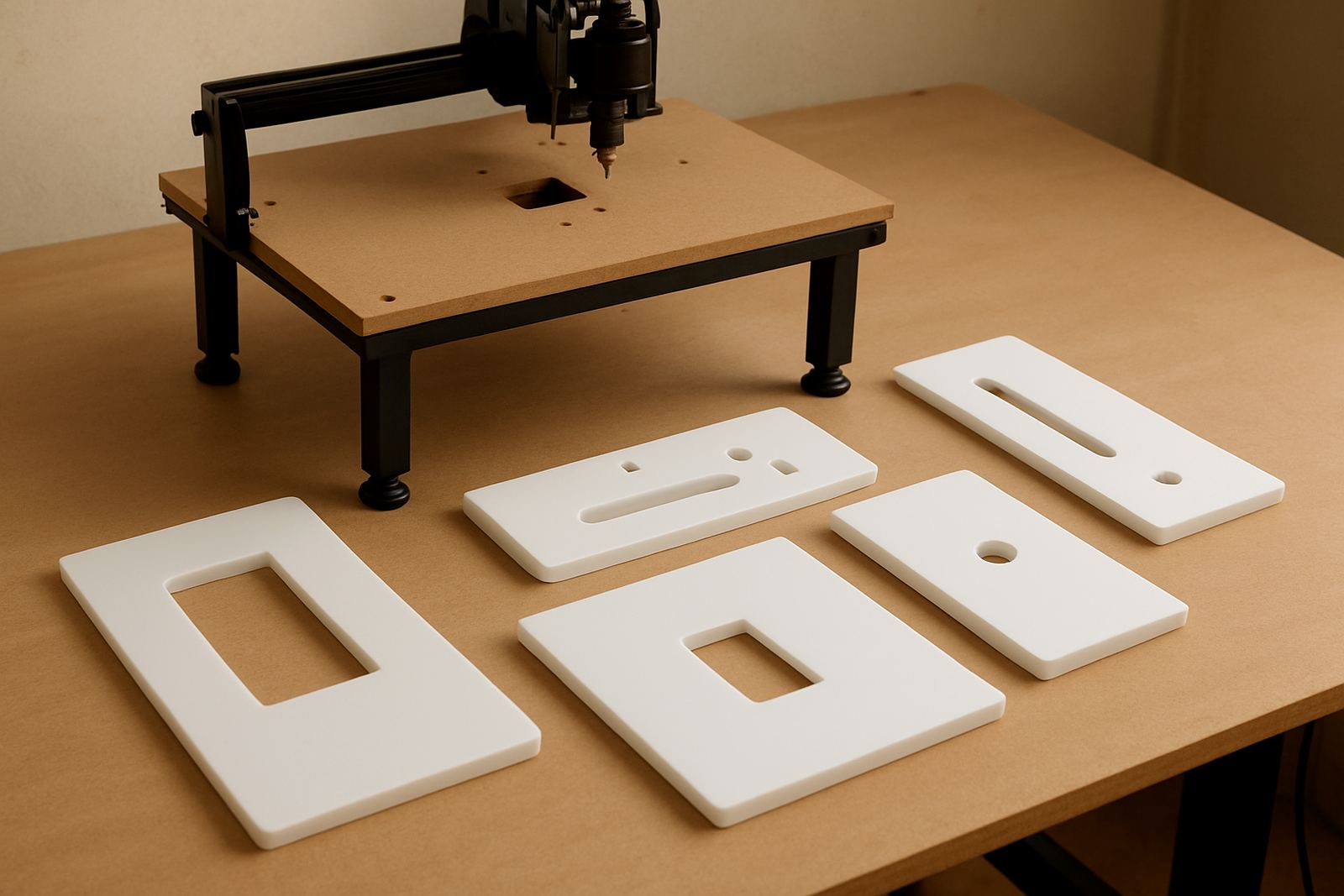
- Plastic sheets, packaging tooling and light fabrication parts
Installation, power and workshop planning
Before ordering, check that the machine can be brought into the workshop without tight corners, low gates or steps causing problems. Measure the doorway, passage and final position, then allow space around the table for loading sheets and removing offcuts. A clear path matters in Pretoria and Midrand workshops where pallet access or trolley movement can save a lot of time.
Power needs depend on the spindle and control package selected, so it is important to confirm your supply before installation. In most cases the machine will need a proper single-phase or three-phase connection, a clean earthing arrangement and protection suitable for workshop use. If your area has load-shedding, it is worth planning for safe shutdown, restart checks and the possibility of using a backup supply for the control system and computer. Some shops also prefer surge protection because voltage dips and spikes can damage electronics.
Dust extraction is strongly recommended, especially when cutting MDF. In coastal humidity this machine still needs dry storage for tooling, rails and electrical parts, while inland dust can collect quickly if the unit is not cleaned after use. A level floor and a stable base make a real difference to cut quality and bearing life.
Care, servicing and keeping cut quality steady
Like any CNC router, the Compact Router 1500 works best when the basics are done regularly. Keep rails, leadscrews and the table clean, check cable movement, and make sure the spindle and tool holders are inspected before long runs. A short daily check can prevent missed steps, poor finishes and avoidable downtime. If the machine is used for plastics, clear chips often because swarf can build up fast around the cutter and spoil the finish.
For shops running more than one shift or taking regular customer jobs, preventive maintenance is worth planning from the start. That includes control tuning, spindle replacement when wear appears, and checking alignment after transport or relocation. We can assist with breakdown support, refresher training and remote support when the issue is straightforward and the operator needs quick guidance. If the machine is not used every day, a covered position and occasional test run will help keep it ready.
- Clean the bed and rails after each work session
- Check cutter condition before long or detailed jobs
- Keep spares for common wear items on hand
- Schedule maintenance before peak production periods
Points to confirm before ordering the Cabinet Router 1300
When ordering a Compact Router 1500, it helps to confirm the exact work you want it to do from the start. The right spindle power, table style and control system depend on whether you are cutting thin signboard, cabinet parts, thicker board stock or more demanding plastics. You should also decide whether you want a starter setup visit, operator training or software basics included with the machine handover.
We recommend checking your material sizes, dust extraction plan and available power before finalising the order. It is also worth deciding how you will keep spares for cutters, belts or other wear items, because a small stock on site can reduce stoppages. If you are outside Pretoria, nationwide spares support can still be arranged, and training can be planned around your workshop needs. The team in Silverton can help you work through the practical questions so the machine arrives suited to the job, not just the brochure.
- Confirm the largest sheet or board size you need to cut
- Check doorway widths, floor space and access for delivery
- Decide on spindle, table and control preferences
- Plan training for the operator or team members
- List the spares and consumables you want to keep in stock
Key facts
| Machine type | Compact large-format CNC router for workshop sheet work |
|---|---|
| Typical materials | Wood, MDF, plywood and plastics |
| Working size | 1500 mm class cutting area for longer parts and nested jobs |
| Table options | Spoilboard or vacuum assisted work surface depending on setup |
| Power requirement | Single-phase or three-phase options depending on configuration |
| Support | Operator training, spares planning, remote support and maintenance |