
What The Control Upgrade Kit Does
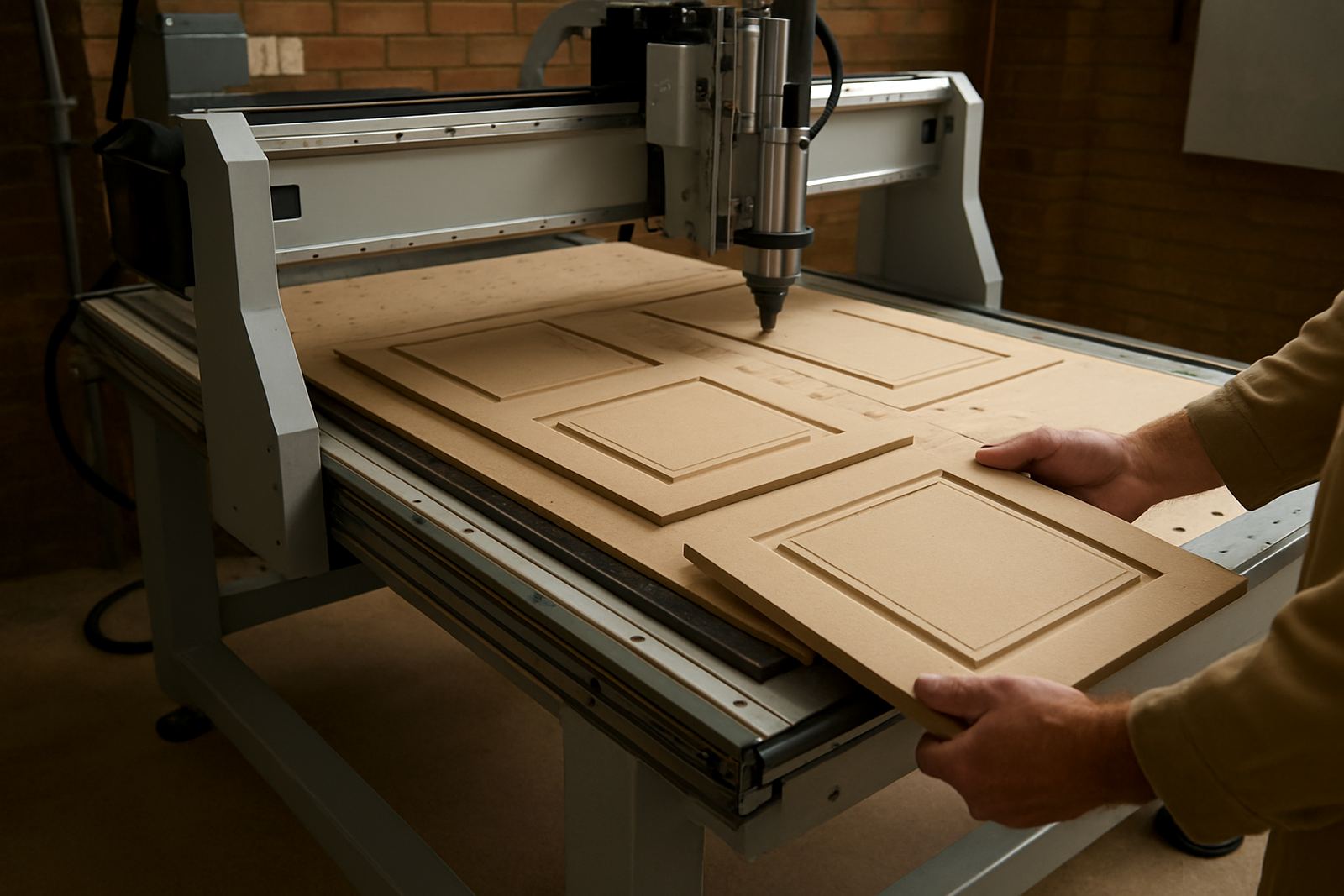
The Control Upgrade Kit is used to replace ageing control parts on a CNC router table with newer hardware that is easier to operate and less likely to give trouble during normal production. It is aimed at machines that still cut well mechanically, but have tired electronics, awkward controls or unstable motion that slows the operator down.
In practical terms, the kit helps bring the machine back into regular use without forcing the owner to replace the whole table. That can be a good option for hobby workshops, school rooms, cabinet makers and small signage shops that need better repeatability for MDF, plywood, board and plastic sheet. It is not a magic fix for worn rails or bent frames, so the machine needs a basic mechanical check first.
Best Suited Machines And Workshop Sizes
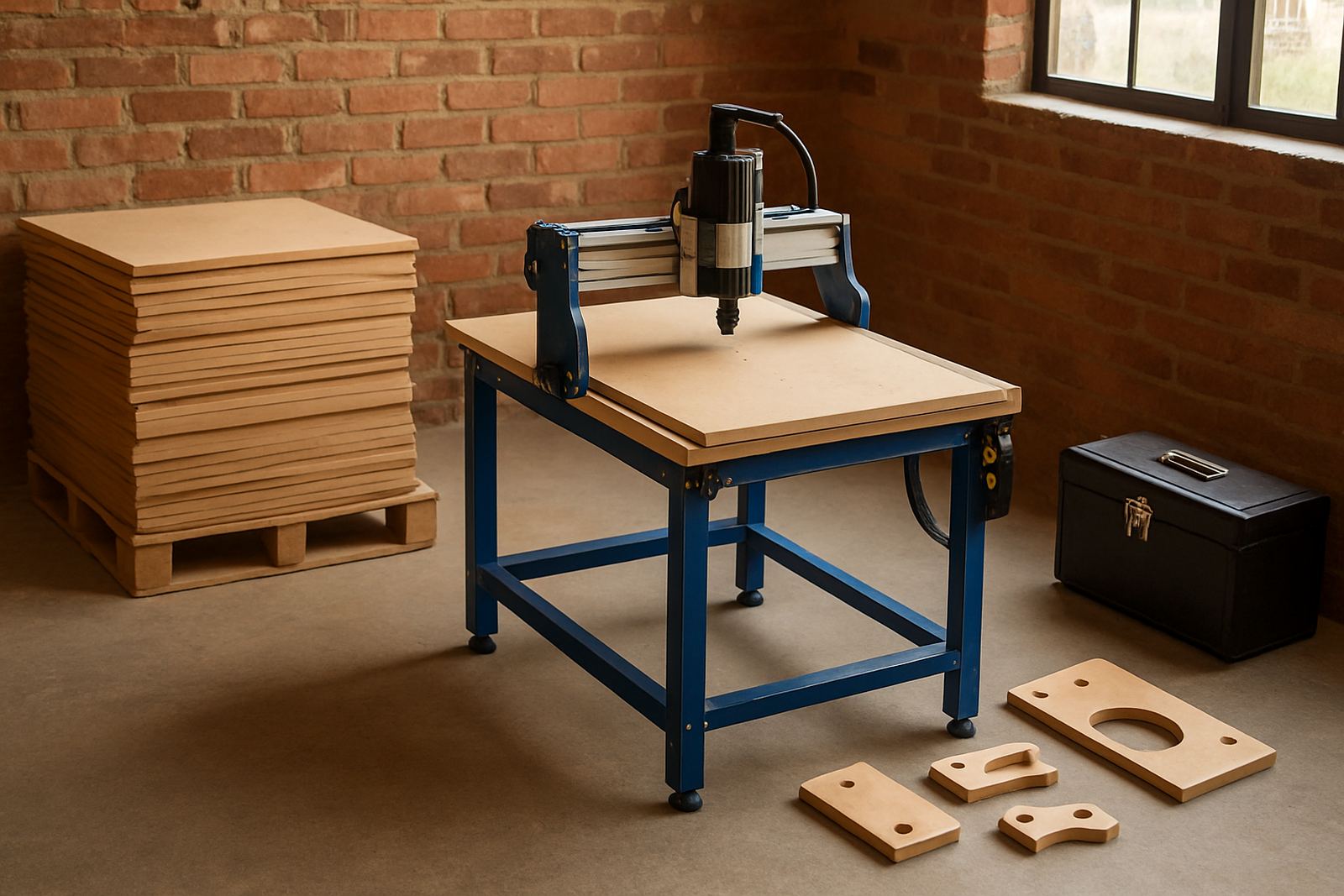
This upgrade works best on desktop and hobby CNC routers, and on compact tables used in garages, small factory corners and training rooms. It is a practical choice where the operator wants cleaner control response, simpler setup and fewer interruptions from old switches, drivers or control boards.
It is also useful in Pretoria, Centurion, Midrand and Kempton Park where many workshops run on mixed power conditions and need equipment that recovers well after load shedding. For coastal users, the benefit is often better control reliability when humidity affects cabinets, cables and connectors over time.
- Desktop routers for signs, moulds and small parts
- Hobby tables used on MDF, perspex and plastic sheet
- Older machines with working mechanics but weak controls
- Workshops needing simpler operation for new operators
Typical Control Options And Spec Range
Control upgrade kits are normally supplied to match the machine size, motor setup and existing wiring layout. The exact parts can vary, but the usual aim is to improve axis control, reduce jitter and give the operator cleaner command over speed, positioning and job start or stop functions.
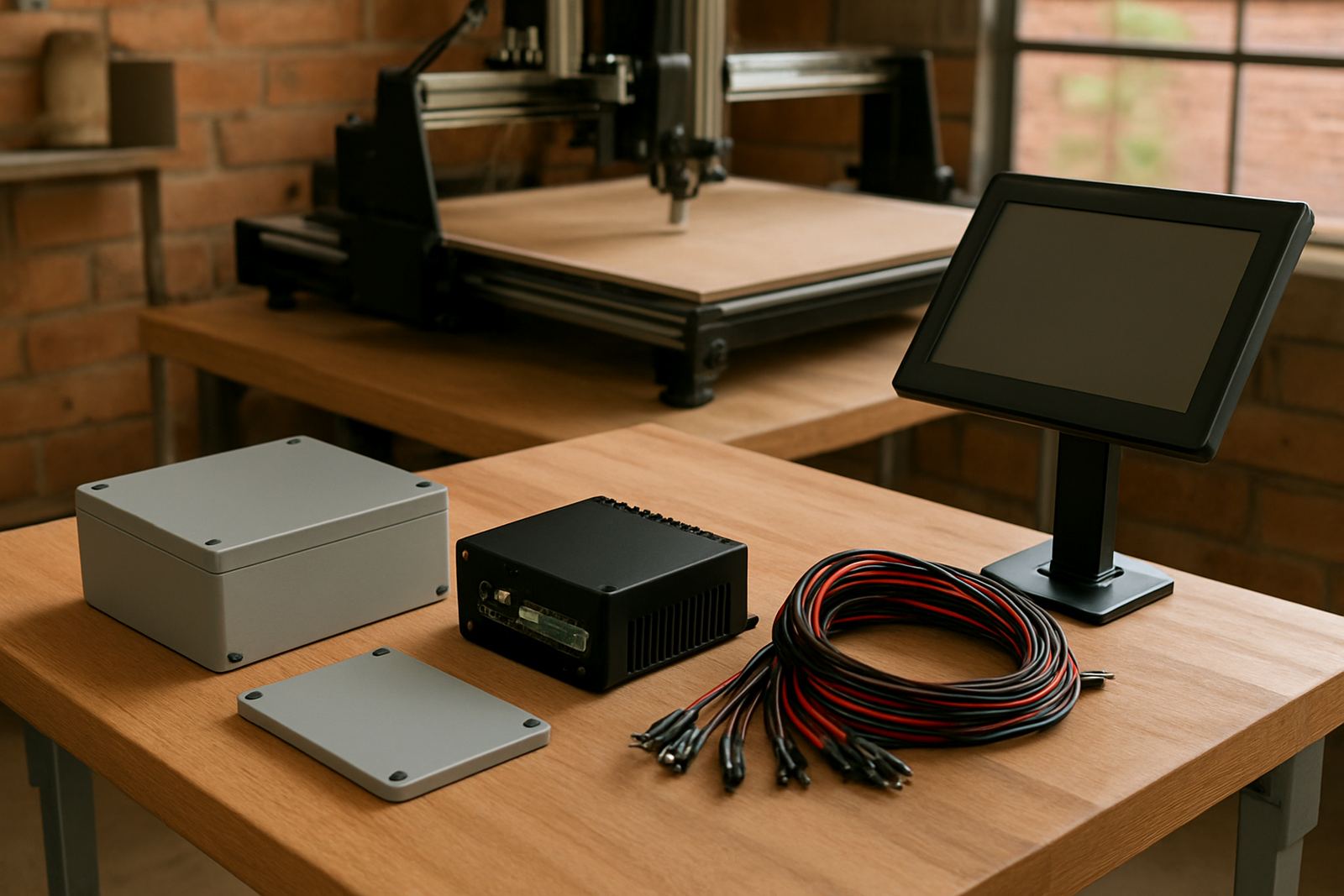
Depending on the machine, the kit may include a new controller, driver set, limit input hardware, emergency stop integration and wiring components. Some setups also benefit from a replacement pendant or better panel layout, which makes the machine easier to use for staff who are still learning. The result is a more direct feel at the controls, with less time spent fighting poor response.
- For 3 axis desktop and hobby CNC tables
- Compatible with stepper based control systems
- Supports standard limit switches and E stop circuits
- Suitable for 220V workshop power supply in most cases
- Cabinet mounted control components for cleaner cable routing
Installation, Power And Site Checks
Installation should be done after the machine frame, spindle mount and cable runs have been checked for wear or damage. If the base machine has loose bearings, binding rails or burnt wiring, those faults should be sorted first or the new control hardware will not solve the real problem. A proper install also needs the control cabinet to be dry, dust controlled and easy to access for future service.
Most workshops use standard single phase power, but the exact requirements depend on the spindle, drivers and any auxiliary equipment fitted to the machine. There is no gas requirement for this product. A stable electrical feed, correct earthing and proper surge protection are strongly advised, especially where power dips and outages are common. If a UPS or battery backup is being used, it must be matched to the load and tested before live production.
Care, Servicing And Long Term Use
A control upgrade still needs normal care. Dust from MDF and board work can settle in the cabinet, so filters, fan paths and terminal areas must be cleaned on a schedule. After a few weeks of use, it is worth checking all terminations again, as vibration can loosen small screws and cause intermittent faults.
For better life, keep records of fault codes, backup parameters before changes and inspect the emergency stop function regularly. If the machine is used every day, plan a preventive maintenance visit before failure rather than after a breakdown. That approach usually saves time and keeps production steadier. It also makes it easier to spot if a spindle replacement or control tuning is needed later.
- Blow out dust with dry, low pressure air where suitable
- Check fan operation and cabinet temperature
- Inspect cable glands, ferrules and terminals monthly
- Keep software settings backed up after every major change
What To Check When Ordering Your Kit
Before ordering, the machine owner should confirm the table size, motor type, number of axes and the condition of the current control box. Photos of the cabinet, labels on the motors and details of the existing switches help a lot. If the machine is an older import or a locally built unit, measurements of the enclosure and wiring path are useful too.
It is also important to say what the machine is used for. A light hobby machine cutting cabinet parts has different needs to a small production table running long MDF jobs. When those details are clear, the correct parts can be selected and training can be planned at the same time. That reduces trial and error and helps the operator get moving faster.
- Machine brand or model, if known
- Axis count and motor type
- Cabinet size and available mounting space
- Power supply details, including single or three phase
- Current faults, alarm messages or weak motion symptoms
- Need for remote support, refresher training or setup visit
Support From Silverton To Nationwide Spares
CNC Router Hub works from Silverton, Pretoria, with support for Pretoria East, Centurion, Midrand and Kempton Park, and spares handled nationwide. For many owners, the value of a control upgrade is not only the hardware but also the practical backing that comes with it, including software basics, starter setup visit, control tuning and breakdown support.
That matters when a workshop cannot afford long downtime. If a machine stops after load shedding or a control fault, having the correct spare parts and a technician who understands smaller CNC systems can make the difference between a same week fix and a drawn out wait. For owners who are new to CNC work, refresher training and spares planning are often a good add on, and they keep the machine useful for longer.
Key facts
| Product type | Control upgrade kit for older CNC router tables |
|---|---|
| Typical machine fit | Desktop and hobby CNC routers for woodworking, MDF and plastics |
| Axis support | Usually 3 axis systems, subject to machine configuration |
| Power requirement | Commonly 220V workshop supply, final load depends on motor and cabinet setup |
| Installation needs | Dry control cabinet, proper earthing, clean cable routing and basic mechanical soundness |
| Support options | Operator training, remote support, control tuning, spares planning and breakdown support |