
What the Cabinet Router 1300 is built to do
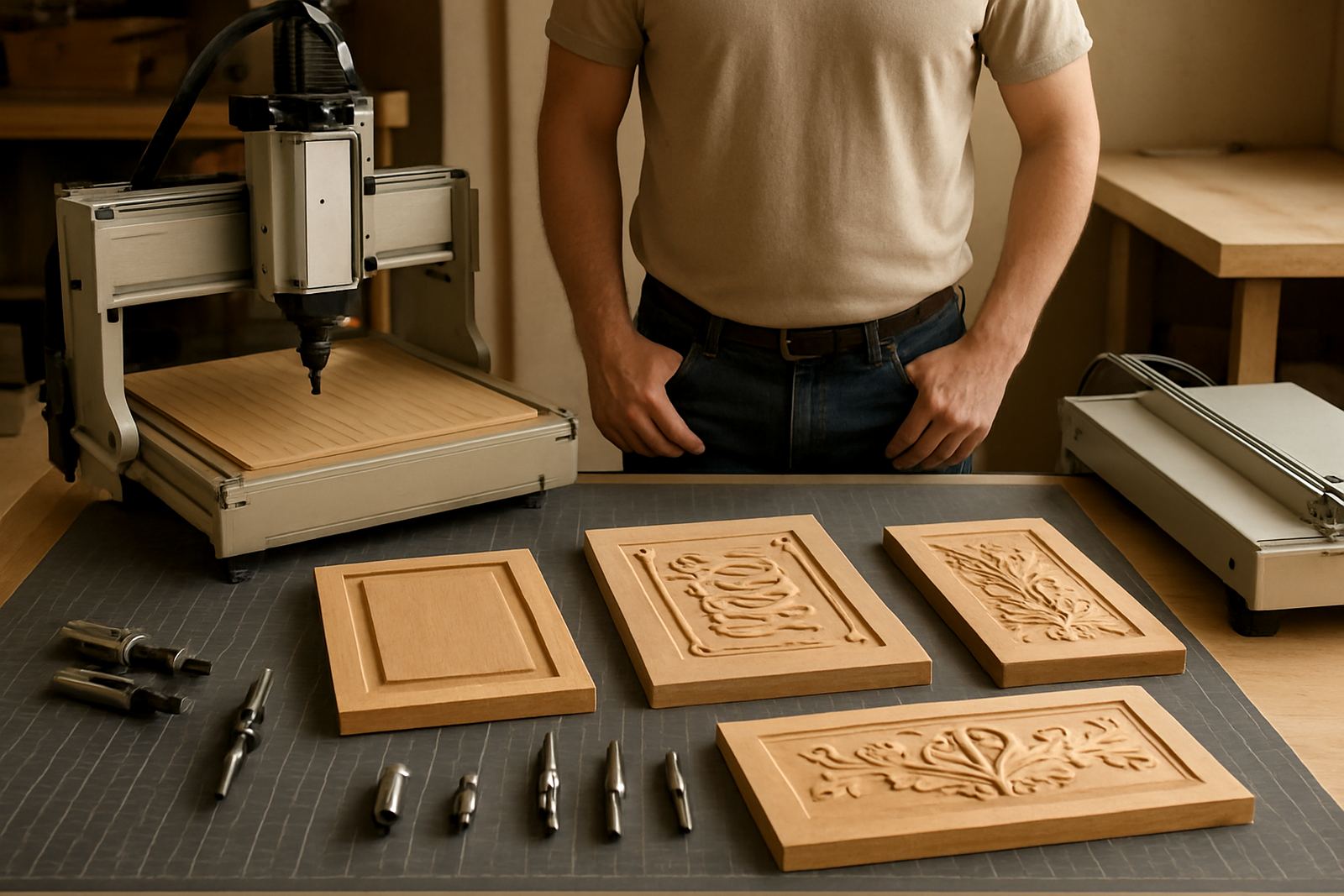
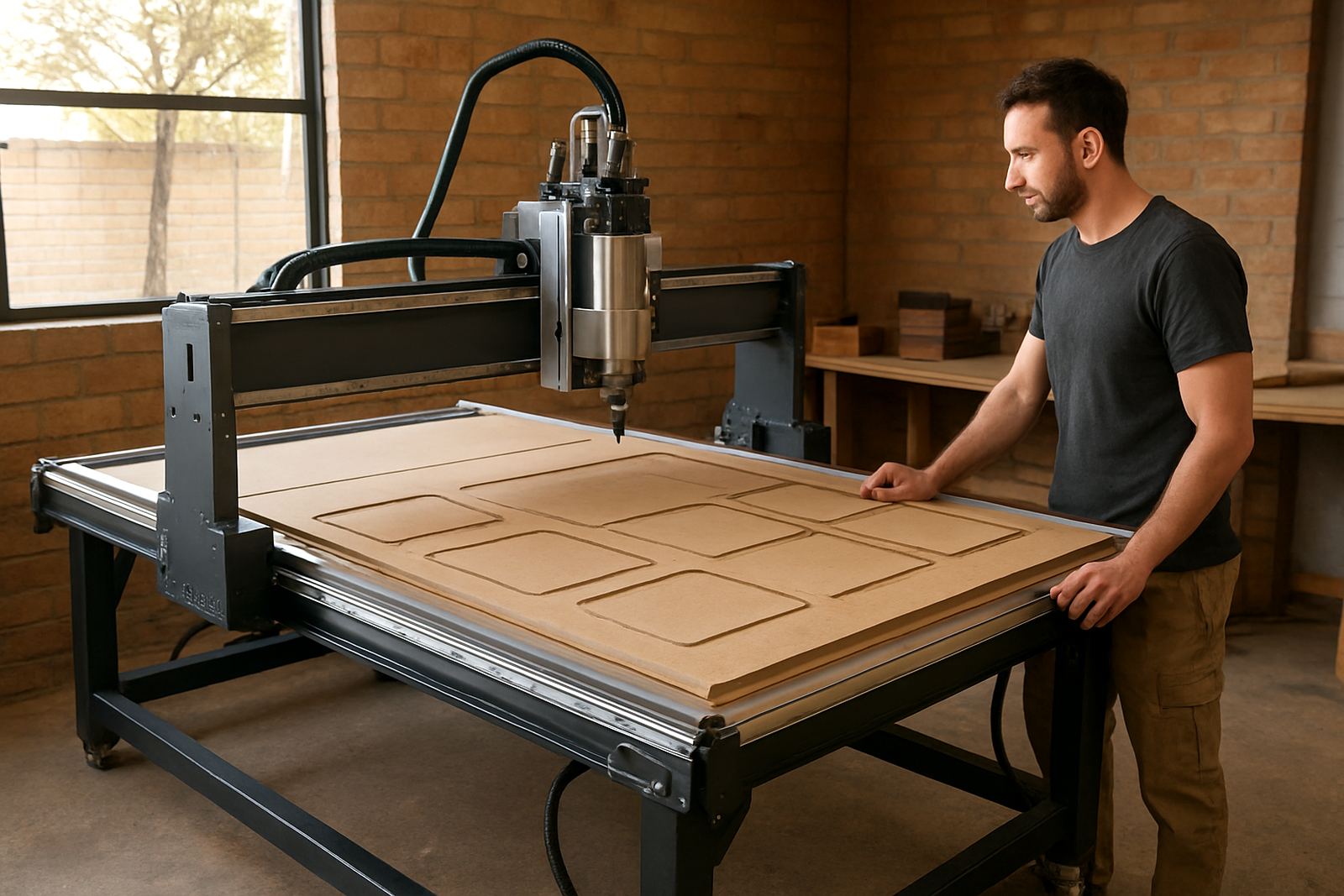
The Cabinet Router 1300 is a CNC router table sized for cabinet parts, nested components and repeat cuts on sheet material. It is aimed at woodworking workshops that want a practical machine for side panels, shelves, kickers, doors, carcass parts and plastic components, with enough table area to work efficiently but still fit into a smaller shop in Pretoria, Centurion or Midrand.
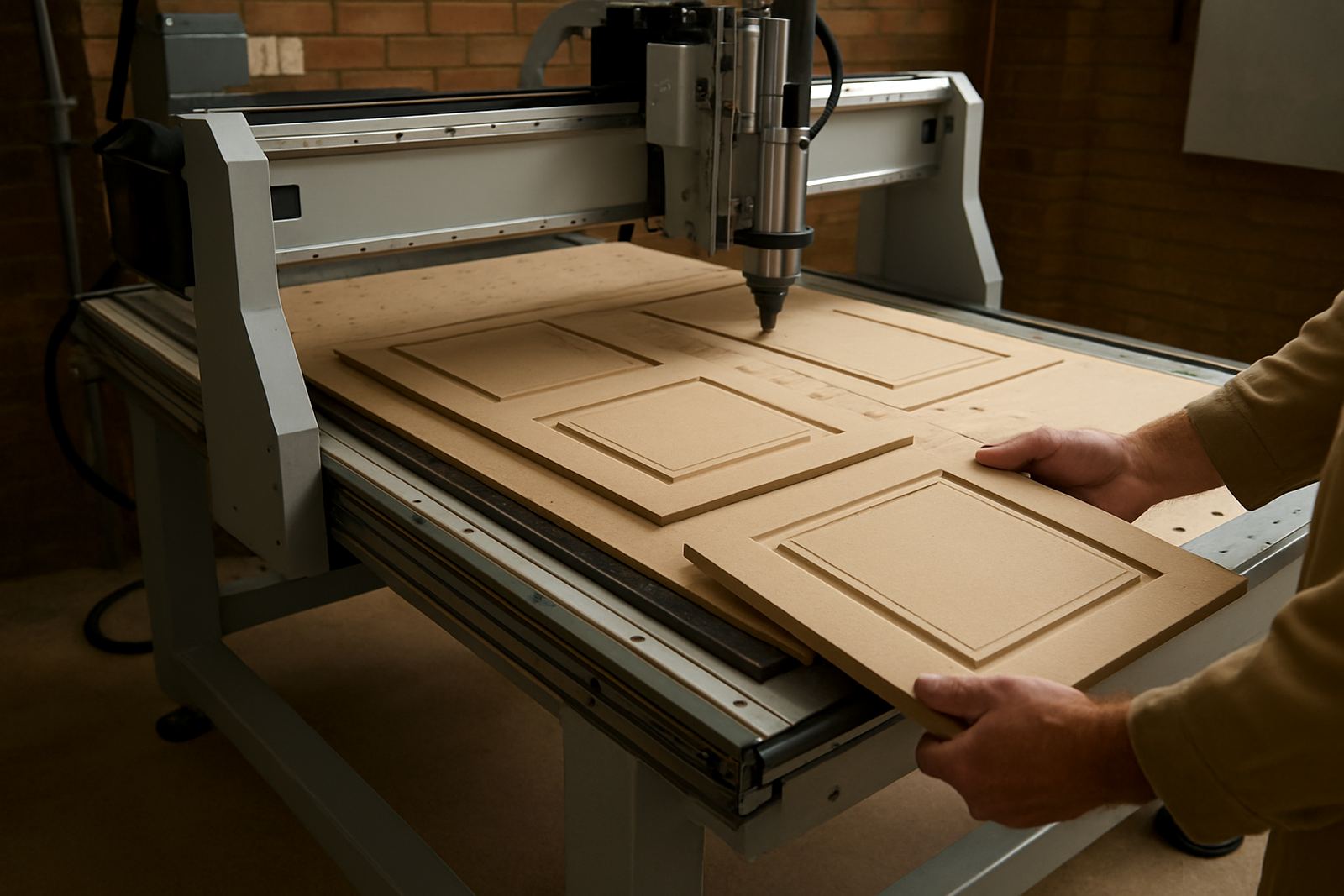
For cabinet work, the main advantage is consistency. Once the sheet is squared, clamped or vacuum held and the toolpath is set, parts come off the table with the same dimensions every time. That helps when you are cutting full kitchens, office storage, bedroom units or shopfitting parts where a 2 mm error becomes a problem later on.
Sizes, table options and material fit
This model is available in a cabinet-friendly 1300 mm class format, with working area options suited to standard sheet breakdown work. Depending on the setup, it can be specified for vacuum hold-down, spoilboard clamping or hybrid holding, which is useful when cutting different material sizes and offcuts. If your work includes smaller panels, the table still handles repeat parts neatly, so you are not forced to run oversized sheets for every job.
- Working area typically suited to cabinet components and nested cutting
- Compatible with MDF, melamine board, plywood and acrylic-type plastics
- Options for vacuum zones, T-slot clamping or combined hold-down
- Suitable for batch work, sample runs and one-off custom parts
In smaller workshops, space matters. Measure not only the machine footprint but also infeed, outfeed and operator access around the table. You need room for sheet movement, tool changes and safe cleaning at the end of the day, especially if two people are working around the same machine.
Where it suits best in South Africa
The Cabinet Router 1300 suits joinery shops, cabinet makers, interior fit-out teams, signage workshops and small production businesses that need dependable sheet cutting. It is a sensible step up for a hobby user who has outgrown hand cutting, and also for a shop that wants to improve throughput without moving straight into a large industrial line.
For Pretoria and the east side of Gauteng, the machine works well in mixed-use industrial units where power supply, floor space and dust control need to be managed carefully. Coastal users should think about humidity and board storage, because MDF and ply move if they are kept badly. Keep sheets flat, dry and off the floor, and keep the machine area free of water ingress and salty air where possible.
- Cabinet shops making kitchens, wardrobes and built-ins
- Joinery and furniture workshops needing repeat parts
- Shopfitters and signage teams cutting sheet plastics
- Training workshops and technical colleges that teach CNC basics
Installation, power and workshop requirements
Installation should be planned before delivery so the machine can be placed and commissioned without rushing. The Cabinet Router 1300 normally needs stable single-phase or three-phase power depending on the drive and spindle package ordered, plus a clean, dry area with good dust extraction. No gas supply is required. In practice, a proper extractor and dust shoes matter just as much as the router itself, because cabinet cutting creates fine dust that gets into rails, bearings and control cabinets.
A level floor is important. If the machine sits twisted, sheet handling suffers and you will see issues with cut accuracy over time. In load-shedding areas, a protected power setup helps prevent control faults and interrupted jobs. Many workshops also use a simple surge plan, a battery-backed control supply or a controlled shut-down routine so the system does not stop halfway through a cut.
- Allow space for sheet loading and operator movement
- Use dry, dust-controlled conditions where possible
- Check your extractor capacity before first use
- Plan for power protection and safe shut-down during outages
Servicing, wear parts and day-to-day care
This type of machine gives better life when it is cleaned regularly and checked before faults grow. Keep rails, bearings, cable runs and the spoilboard area free from dust buildup. Spindle noise, uneven cutting, missed steps or control alarms should be looked at early, not after the machine has lost a full day of work. A small issue can turn into a bigger repair if you keep running through it.
Normal care includes checking tool condition, vacuum seals, fasteners, limit sensors and the condition of the spindle bearings over time. If the workshop runs daily, schedule preventive maintenance rather than waiting for a breakdown. That is especially important for cabinet work where repeatability matters and a small drift can throw off an entire batch.
- Clean dust from rails, motors and the control cabinet
- Inspect tooling for wear and edge burn
- Check hold-down performance before each production run
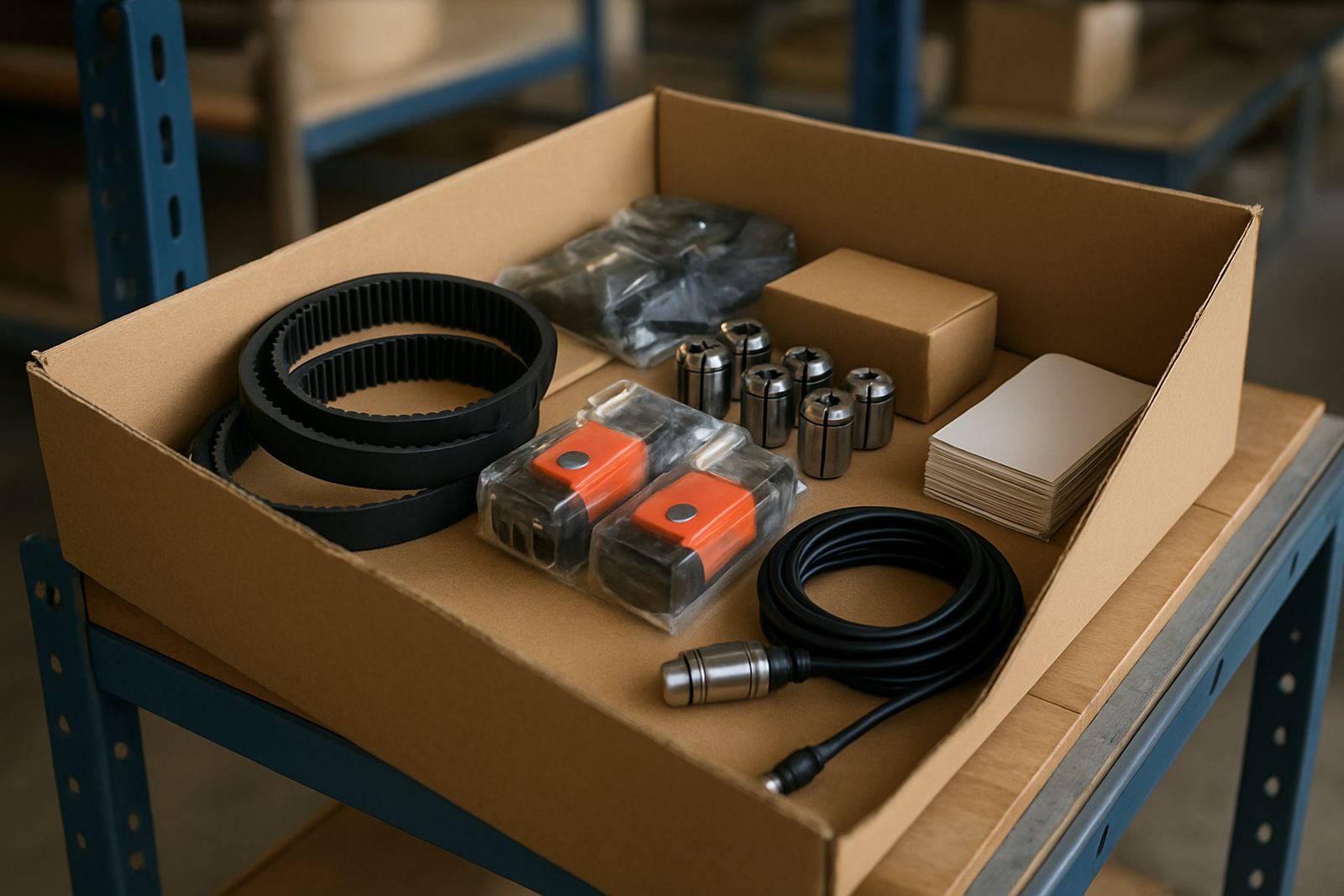
- Keep spare cutters, belts and common sensors on hand
Points to confirm before ordering the Cabinet Router 1300
Before ordering, confirm the exact sheet sizes you cut most often, the materials you use and whether you need vacuum hold-down or a clamp based table. Ask about the spindle size, drive system, motion speed, controller type and whether the machine comes set up for your software workflow. If you use kitchen carcass drawings or nesting files, it helps to match the machine to the way your workshop already works.
You should also check access into the workshop, because a machine can be the right spec and still be a poor fit if it cannot be moved into position. Confirm the power supply, extractor plan, operator training needs and spares list before sign-off. That saves time later and helps the machine start earning properly from week one. A rushed handover almost always costs more in the end.
- Sheet size and maximum part dimensions
- Material types and cutting thicknesses
- Power supply and backup plan for outages
- Training, spares and maintenance support needed after delivery
Key facts
| Machine type | CNC router table for cabinet component cutting |
|---|---|
| Working use | MDF, melamine, plywood and plastics |
| Typical application | Nested cabinet parts, panels and repeat production |
| Table options | Vacuum hold-down, T-slot clamping or hybrid |
| Power | Single-phase or three-phase depending on build |
| Support | Training, spares, setup visits and remote support nationwide |