
Built for nesting work on full sheets
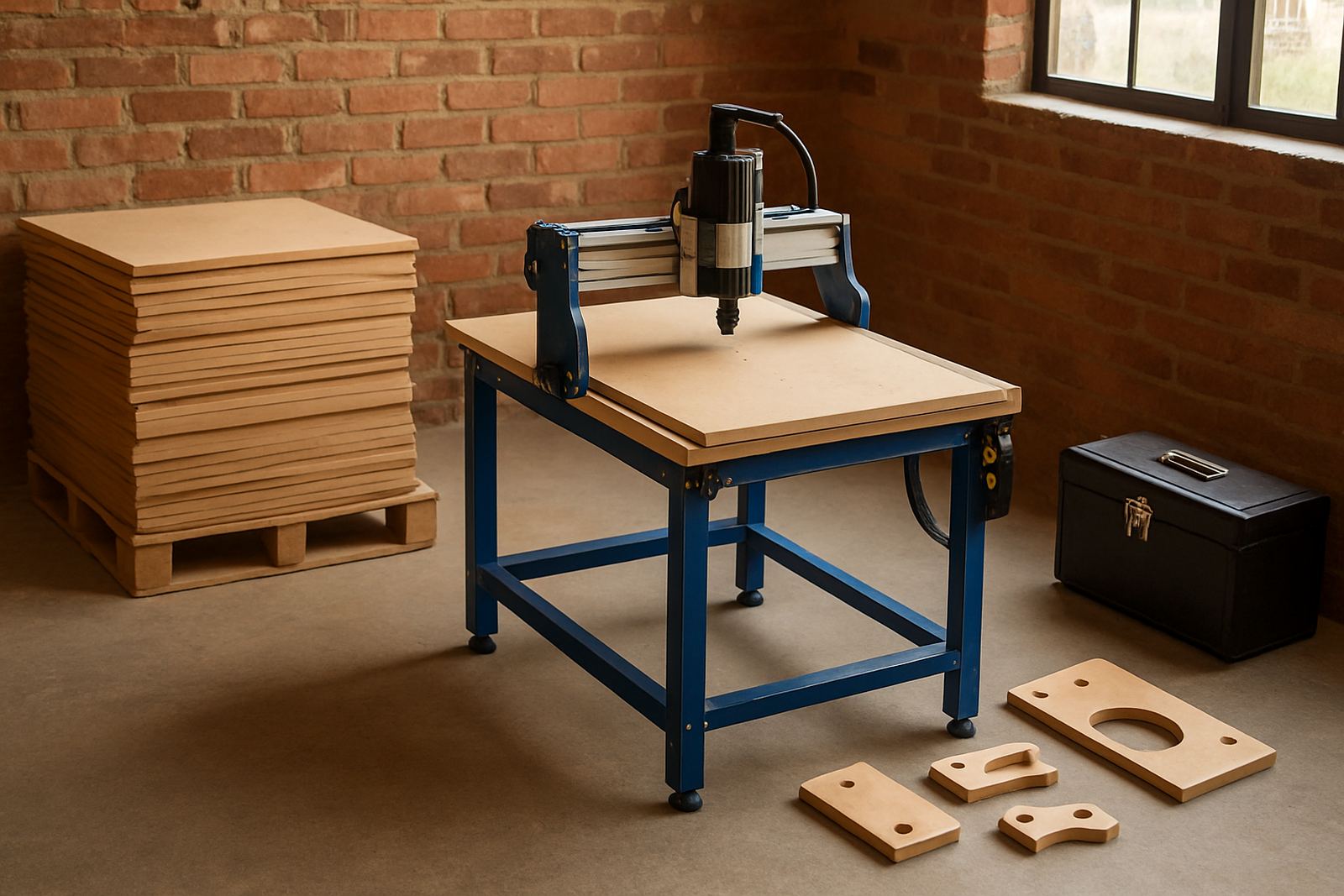
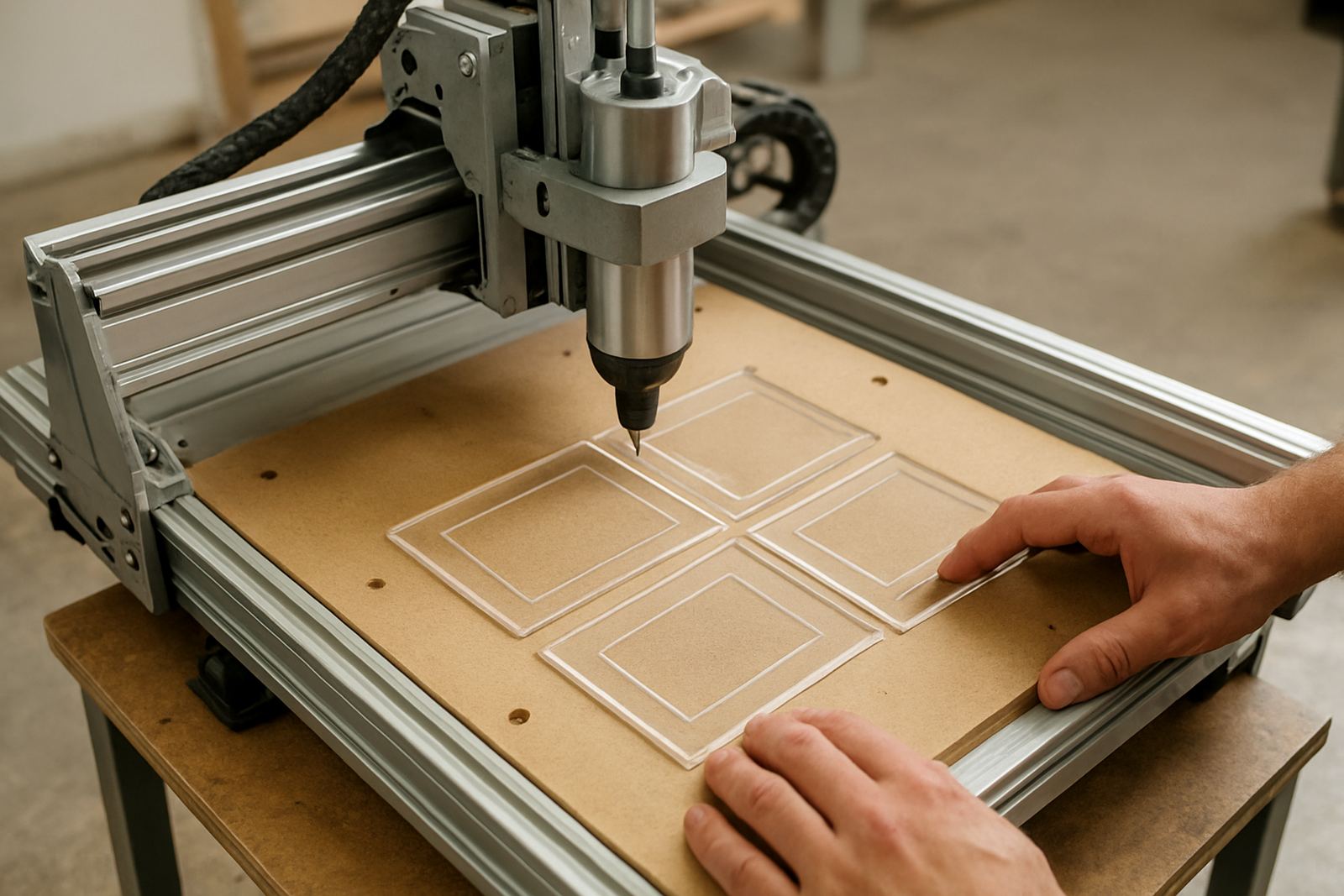
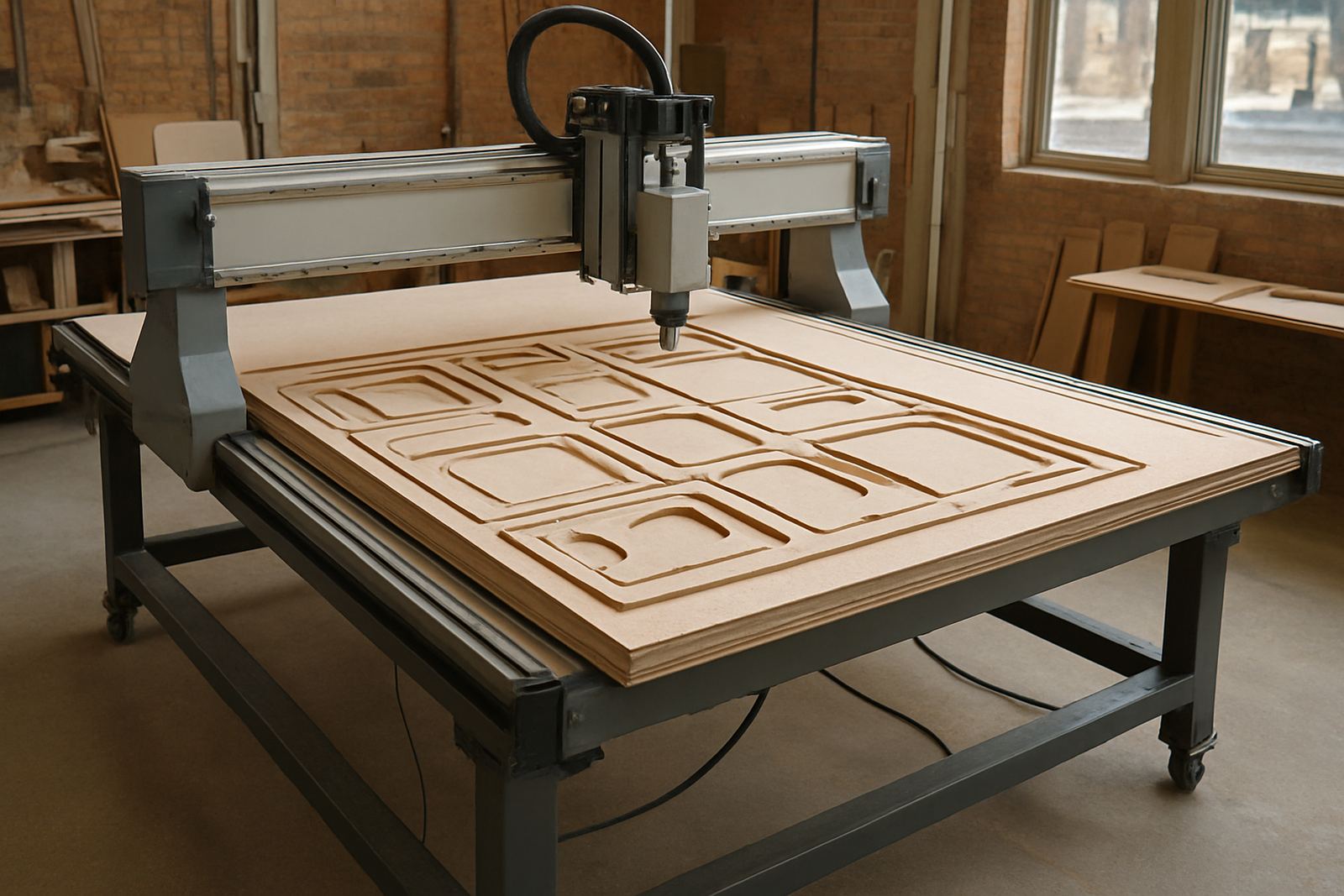
The Nesting Router 1300 is set up for nesting style production, where parts are arranged closely on a sheet so you get more usable components from each board. That makes a real difference when you are cutting MDF, signboard material, plywood and plastic sheet stock, especially when material prices keep moving and every extra offcut costs money. The working format is aimed at workshop use, with a compact footprint that still gives enough table area for regular panel jobs.
For smaller factories in Pretoria East, Centurion, Midrand or Kempton Park, this type of router is often the right step up from hand cutting or smaller hobby machines. It gives repeatable results on cabinet sides, shelving, drawer parts, display panels and shopfitting pieces. If you do custom work, the machine helps you keep parts organised and cuts are easier to repeat when the next order comes in. It also reduces manual marking out, which saves time and limits mistakes.
- Sheet-focused routing for efficient nesting layouts
- Suited to MDF, plywood, plastics and other panel stock
- Compact enough for smaller workshops and personal production spaces
Sizes, table layout and common options
The Nesting Router 1300 is generally chosen for sheet work that fits a 1300 mm class table, with the exact layout depending on the model and the job it needs to handle. That size works well where floor space is limited but the workshop still needs proper routing capacity for panels and repeat jobs. Many buyers want a machine that can sit in a workshop in Silverton or Pretoria East without taking over the whole room, and this size often fits that need.
Options usually include different spindle power levels, vacuum hold-down arrangements, and control systems suited to the kind of work you do. Some workshops need a stronger setup for thicker MDF and heavier cutting, while others need a more basic arrangement for lighter production and slower batch work. When ordering, check whether you need an automatic tool setting method, dust extraction connection, or a layout that allows easier loading from the front or side. The right setup can save a lot of frustration later, especially if you work alone.
- Table size suited to sheet processing in the 1300 mm class
- Options can include vacuum hold-down and different spindle setups
- Useful for both hobby workshops and small production lines
Where it suits in the workshop
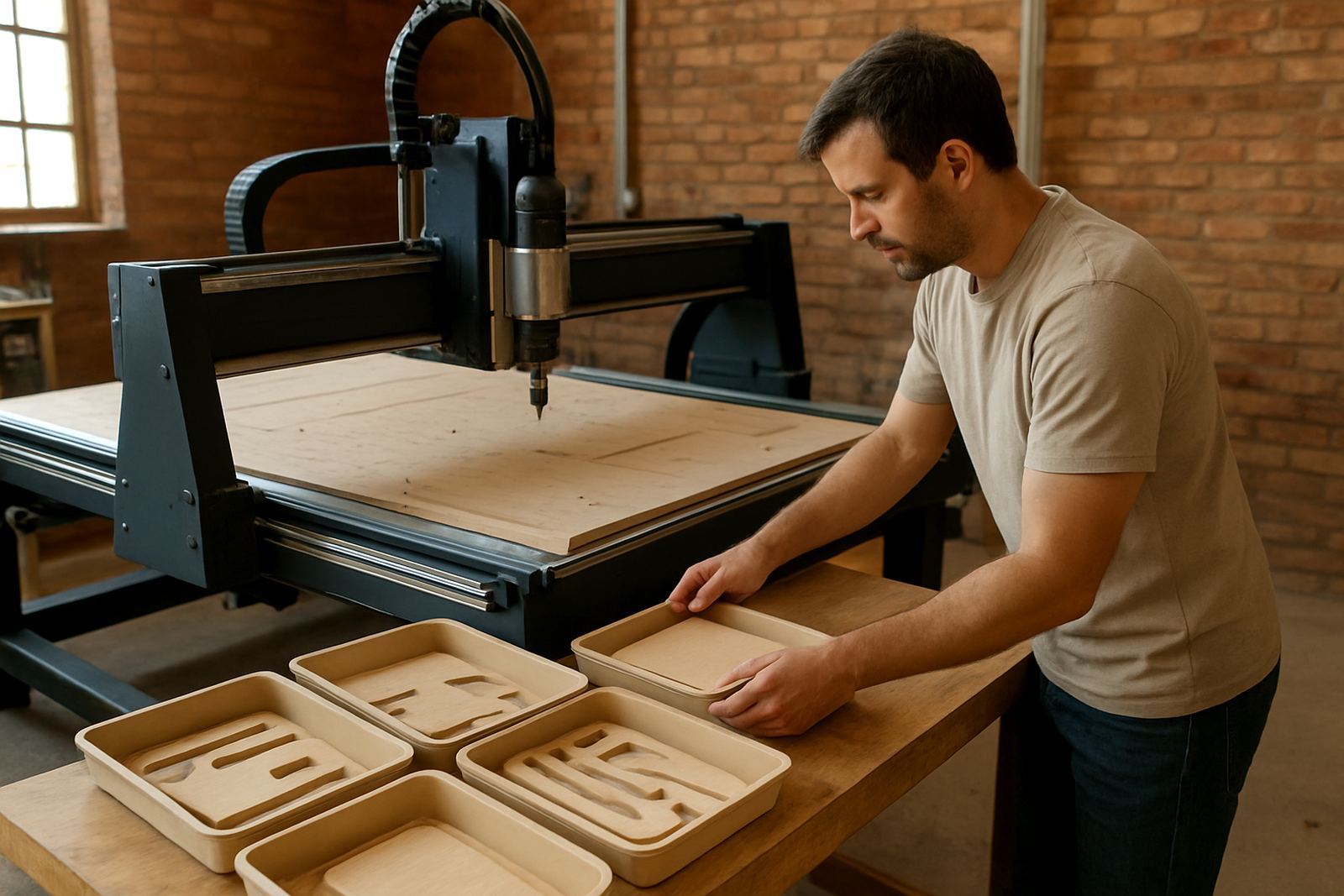
This machine suits workshops that cut panels every week and need more consistency than a manual saw can give. Cabinet makers, signage shops, fitment teams, and makers working with plastic parts often use a nesting router to speed up repeat production. It is especially useful where parts need to be cut accurately from standard sheet sizes and labelled for later assembly. For some users it becomes the centre of the workshop, not just another machine.
It is also a practical choice for educational spaces, prototyping rooms and smaller manufacturing businesses that want to keep work local instead of outsourcing. In Gauteng, where space is often tight and jobs need to move quickly, a nesting router helps keep panels moving from raw sheet to finished parts with less handling. If your work includes custom signage or flat-pack furniture, it can handle that style of job well. It is not the best choice for every trade, but for sheet work it makes sense.
- Cabinet and furniture panel cutting
- Shopfitting, display work and signage components
- Small manufacturing, training spaces and prototyping work
Installation, power and workshop setup
Before installation, check the floor space, access route and power supply. A machine in this class usually needs a stable three-phase or suitable electrical supply, depending on the final specification, and the workshop should allow for a dust extraction system and safe operator movement around the table. If the unit will be used during load-shedding periods, many customers plan around generator support or inverter backup for the control system and light loads, but the cutting system itself normally needs proper mains power. Gas is not part of the setup.
For best results, the machine should sit on a level surface with enough room for sheet loading, offloading and part sorting. In busy areas like Silverton and Midrand, that means thinking about pallet access, delivery clearance and where the offcut bins will go. Dust control matters as well, because MDF fines build up quickly and can affect moving parts if left unchecked. A tidy installation helps the machine stay accurate and reduces avoidable stoppages.
- Confirm electrical supply before delivery
- Plan for dust extraction and safe sheet handling
- Allow extra space for loading, offcuts and operator access
Care, servicing and daily checks
Like any CNC router used for panel work, the Nesting Router 1300 needs regular checking if you want it to stay accurate. Keep rails clean, check the spindle area for dust build-up and make sure the vacuum system, clamps or hold-down arrangement is working properly before a run. On MDF jobs, fine dust can move into places it shouldnt, so cleaning after each shift is worth the time. A quick inspection at the start of the day can prevent a much bigger stoppage later.
Planned servicing should include control tuning, drive checks, spindle condition, cable inspection and a review of tooling wear. If you notice chatter, poor edge finish or parts drifting out of size, stop and check the setup instead of pushing on. For customers in humid areas or coastal zones, keeping metal surfaces protected from moisture helps prevent corrosion. In Gauteng, the bigger concern is often dust and heat, especially where machines run for long shifts without enough airflow.
- Clean rails, guides and the spindle area regularly
- Check vacuum, tooling and cable condition before production
- Use scheduled maintenance to avoid downtime and scrap
What to confirm before you order
When ordering a Nesting Router 1300, the first thing to confirm is the material you plan to cut and the thickness range you need to handle. MDF, plywood and plastics behave differently, so tooling, spindle power and hold-down requirements should match the job. It is also important to check whether you need training for the operator, software basics, or a starter setup visit so the machine goes into service properly. Skipping that step often leads to avoidable delays.
Ask about spare parts planning as well. Keep a list of items that are likely to wear, such as tooling, belts, bearings and control items, so you are not stuck waiting when something fails. If the machine will run in a production environment, think about breakdown support and refresher training for new staff. For buyers around Pretoria, Centurion and nationwide, it is worth confirming delivery access, service timeframes and the exact electrical needs before finalising the order. A small miss in the spec can cause a big headache later.
- Material type, sheet size and cutting depth
- Power supply, dust extraction and floor space
- Training, spares planning and support requirements
Key facts
| Model | Nesting Router 1300 |
|---|---|
| Working style | Sheet-processing CNC router for nesting and panel cutting |
| Typical materials | MDF, plywood, plastics and similar board stock |
| Best use | Cabinet parts, signage panels, flat-pack components and prototype work |
| Workshop needs | Stable power supply, dust extraction and level floor space |
| Support | Operator training, spares, maintenance and breakdown support nationwide |