
A Practical CNC Size for Sign Work
The Sign Router 600x900 is aimed at makers who need accurate cutting in a compact footprint. The table size gives enough room for most sign blanks and nested parts, while staying manageable for a garage workshop, small factory or school training room. For Pretoria, Centurion and Midrand users with limited floor space, that matters because you can still move around the machine, load sheets and keep your offcuts sorted.
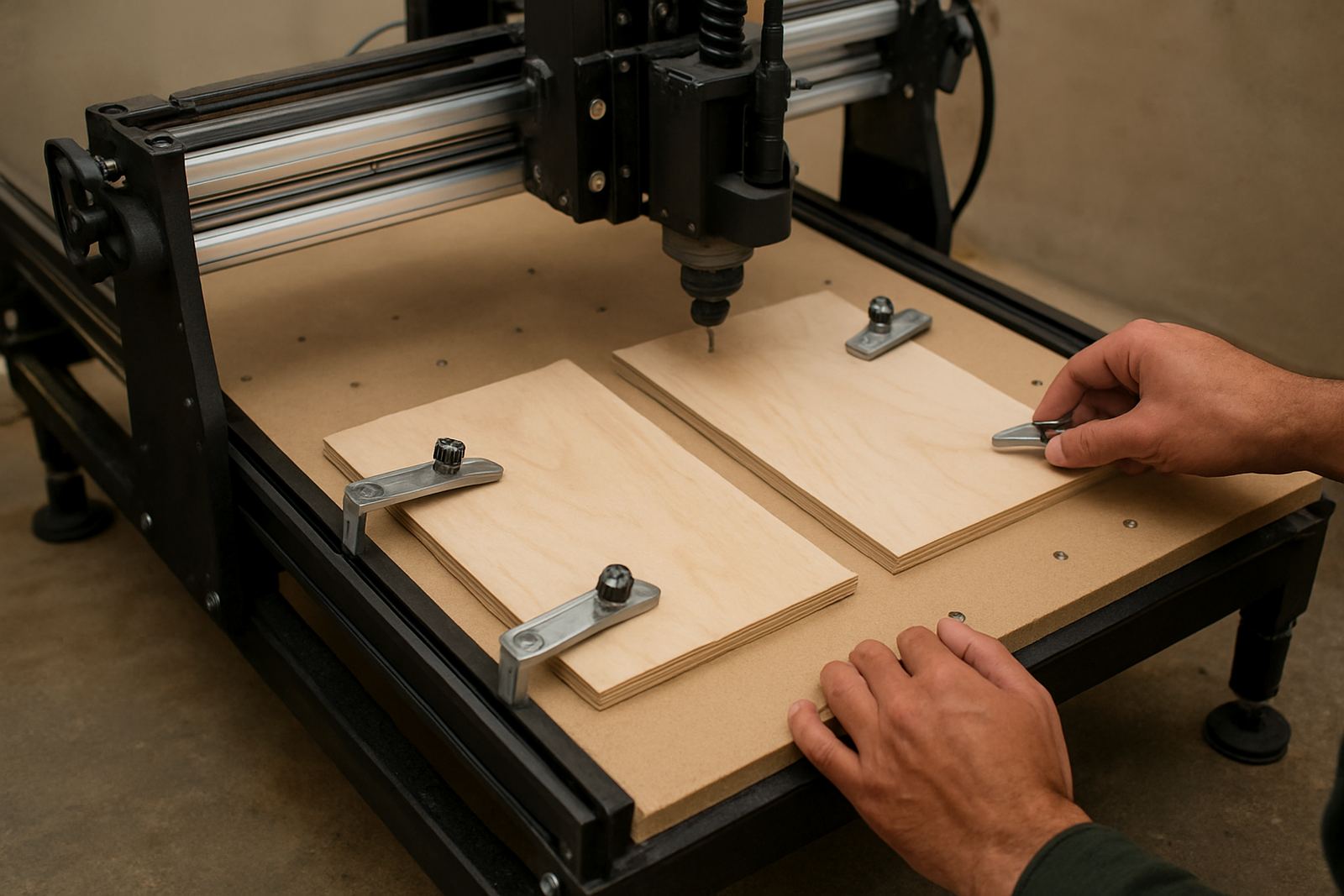
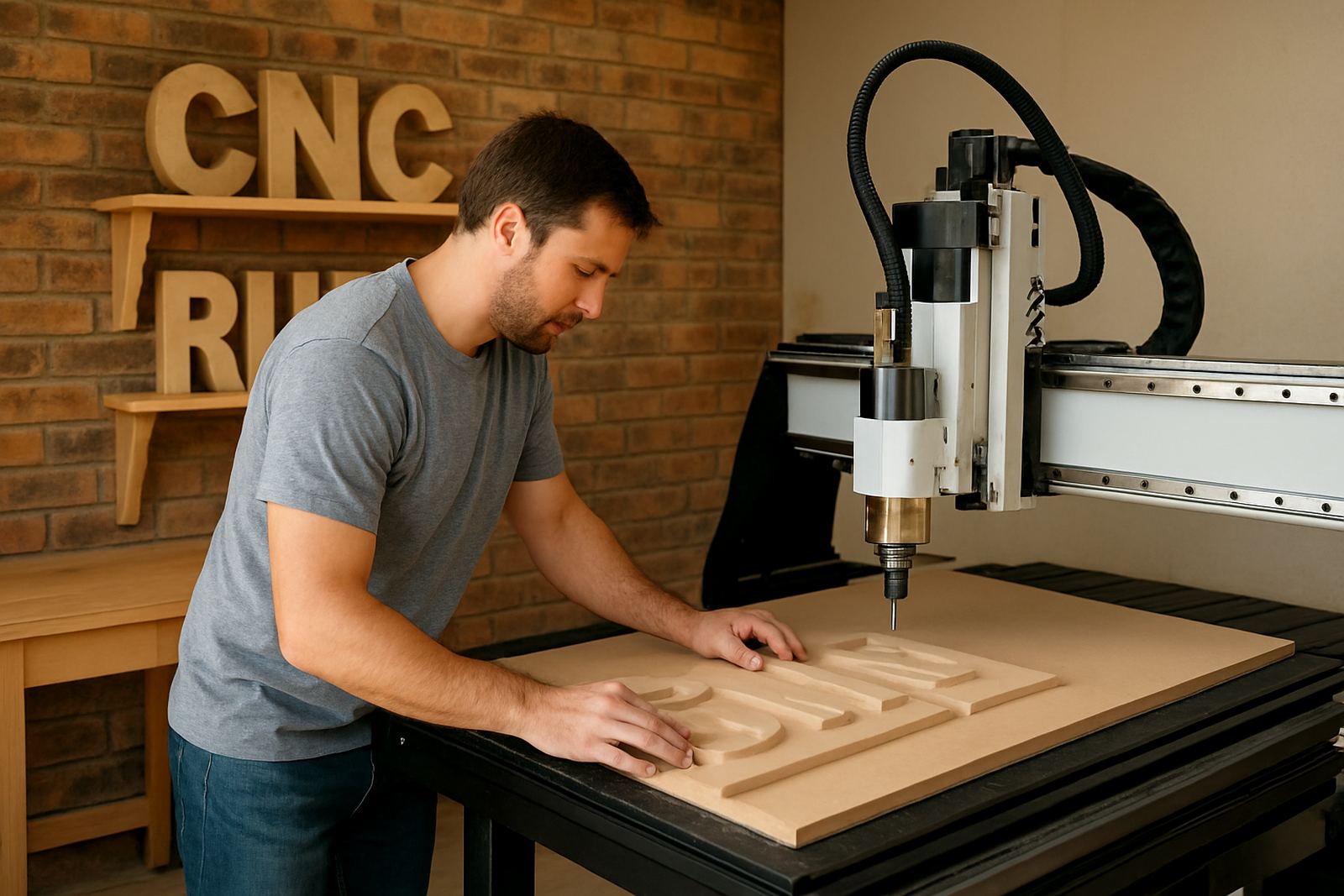
This model suits sign makers producing cut letters, relief panels and engraved boards. It handles common sheet materials used in signage, especially MDF, plywood, PVC board and plastics, with a setup that is easier to learn than larger production routers. You get cleaner repeat work on small batches, and the machine is also a sensible step up for a hobby user who is ready to produce for paying clients.
Typical Jobs This Router Handles
In day-to-day use, the 600x900 format is handy for sign shop work where the parts are smaller and the detail matters. It is well matched to local work such as directional signs, room labels, branded panels, decorative inserts and routed lettering for indoor use. For coastal clients around Durban or Gqeberha, the plastics and sealed boards used here are often a better choice than untreated timber.
- Cut letters for wall and shop signs
- Engraved name boards and information panels
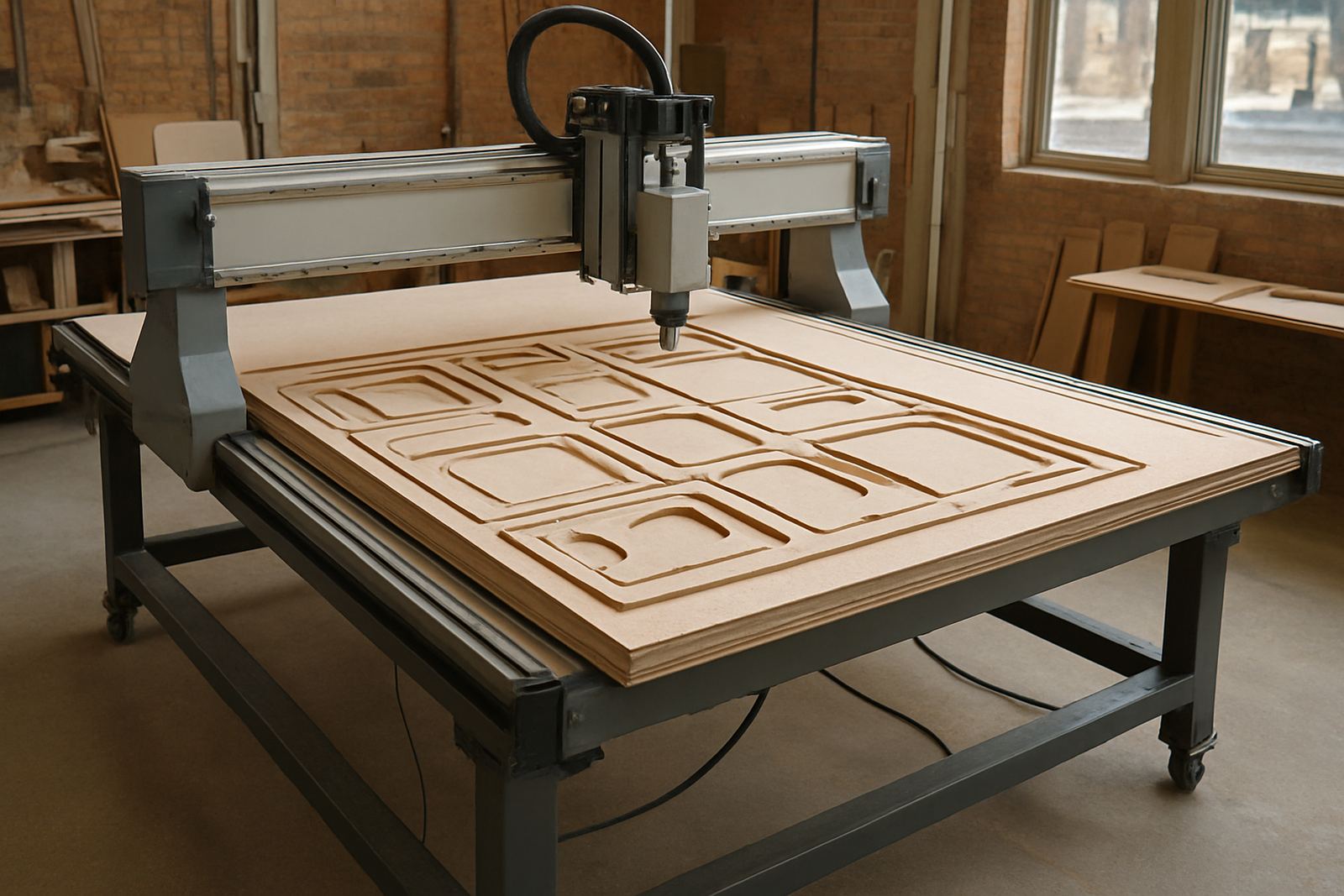
- Relief carving on MDF and timber panels
- Short-run parts for display work and point-of-sale signs
- Templates, jigs and small production pieces
Because the table is not oversized, material handling is easier and waste can be kept under control. That helps when you are working with expensive sheet stock or when municipal deadlines mean you need to get a job finished quickly.
Sizes, Options and Working Area
The standard working area is 600 x 900 mm, which is where this model gets its name. That gives you a useful space for most small to medium sign blanks. Depending on the setup, you can specify different spindle types, control options and spoil board finishes to suit your work. If you are cutting mainly letters and flat panels, a simpler configuration is often enough. If you need deeper relief work or more frequent daily use, it is worth planning for stronger tooling and better dust control from the start.
- Working area: 600 x 900 mm
- Suitable for wood, MDF and plastics
- Compact footprint for smaller workshops
- Designed for sign making and light production
- Training and spares available nationwide
For Silverton and Pretoria East workshops, the smaller footprint also makes delivery and positioning simpler. In buildings with shared access or tighter roller door widths, that can save time on installation day.
Installation, Power and Workshop Setup
This router is normally installed on a flat, level base with enough space for sheet loading, dust extraction and safe operator movement. A clean floor, decent lighting and a dry environment will help it last longer. If your workshop is in an area with dust or fluctuating humidity, make sure the machine is protected from moisture and stored materials are kept off the floor.
Power needs should be confirmed before ordering. Most small CNC routers run from standard single-phase workshop supply, but the exact electrical requirement depends on the motor, controller and any extractor you plan to use. In South Africa, load-shedding means a UPS or backup plan can be useful for saving work, especially on longer jobs where a sudden outage can lose setup time. Ask us to match the machine to your site conditions, breaker size and available supply before installation.
- Level base and stable stand required
- Allow space for dust extraction and access
- Check single-phase supply and breaker size
- Plan for load-shedding protection if needed
- Keep the area dry and free of excess dust
Care, Servicing and Spares Planning
Like any workshop machine, the Sign Router 600x900 works best when it is cleaned and checked regularly. Dust build-up, loose fasteners and worn cutting tools can affect edge quality and accuracy. A simple routine of daily cleaning, weekly inspection and scheduled servicing will help you avoid stop-start production. It also reduces the risk of unexpected breakdowns when you are busy with customer orders.
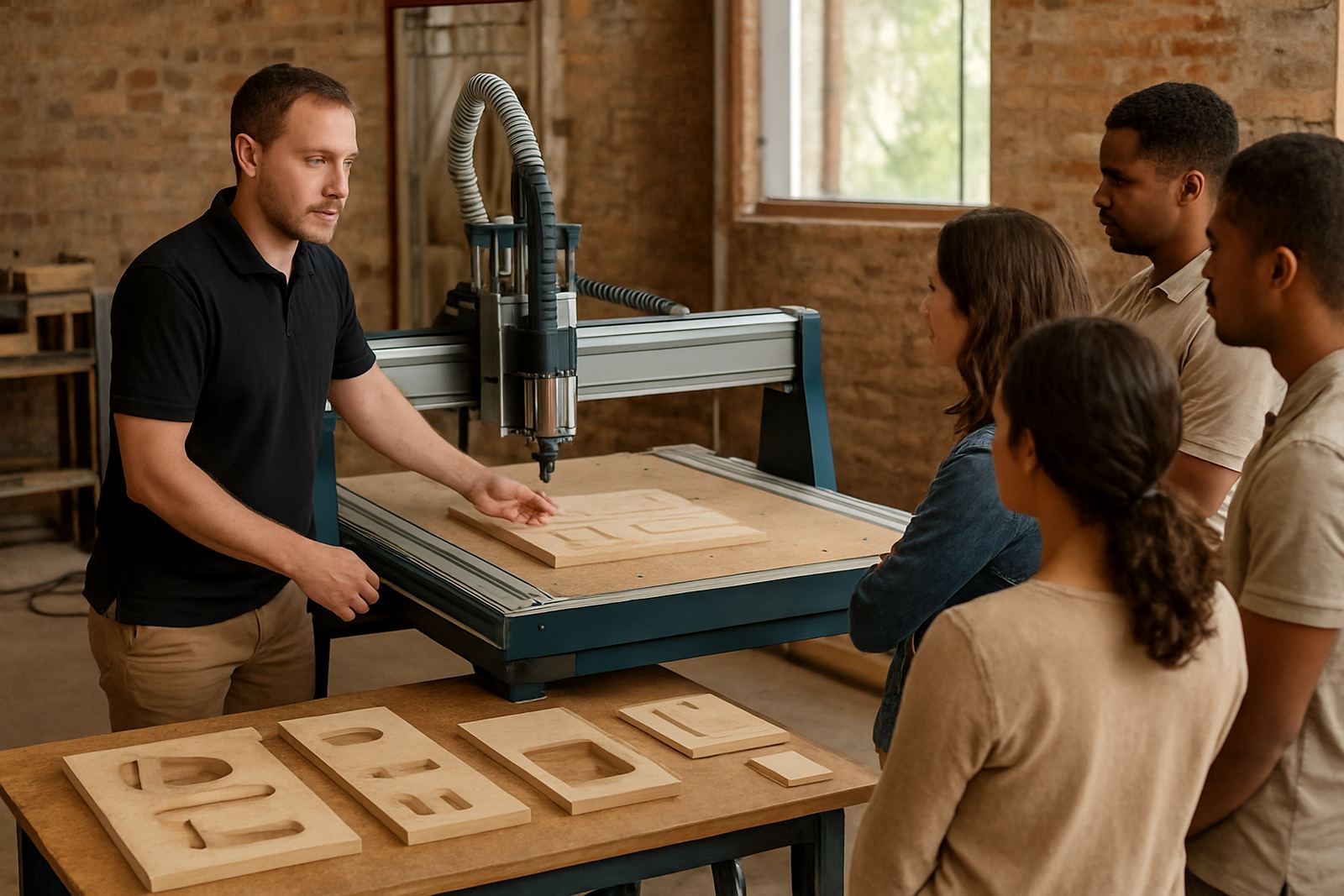
Our support team assists with operator training, software basics, starter setup visits, preventive maintenance, breakdown support, spindle replacement, control tuning, remote support, refresher training and spares planning. That is especially useful for smaller workshops that do not have an in-house technician. In towns like Kempton Park or Centurion, having spares and support within reach can make a real difference when a job is due out the same week.
What To Confirm Before You Order The Sign Router 600x900
Before ordering, check exactly how you plan to use the machine and what materials you cut most often. A clear order avoids delays later, and helps us set the router up for the right type of work. If you are new to CNC, it is worth confirming your training schedule at the same time so the machine is ready to earn from the first jobs.
- Confirm the main material type, such as MDF, timber or plastics
- Check the largest panel size you expect to cut
- Confirm power supply and backup needs
- Ask whether you need extraction or dust collection advice
- List any spare tooling or replacement parts you want included
- Tell us if you need delivery to Silverton, Pretoria East, Midrand, Centurion or nationwide
For a sign shop, the right machine spec is about daily use, not just brochure numbers. If you are making cut letters one day and engraved boards the next, the setup should support both without constant adjustment.
Key facts
| Model | Sign Router 600x900 |
|---|---|
| Working area | 600 x 900 mm |
| Main materials | Wood, MDF, plastics |
| Best use | Cut letters, relief panels, engraved boards |
| Installation | Flat base, dust extraction, workshop power check |
| Support | Training, spares and servicing from Pretoria base |