
A compact router table with extra room to work
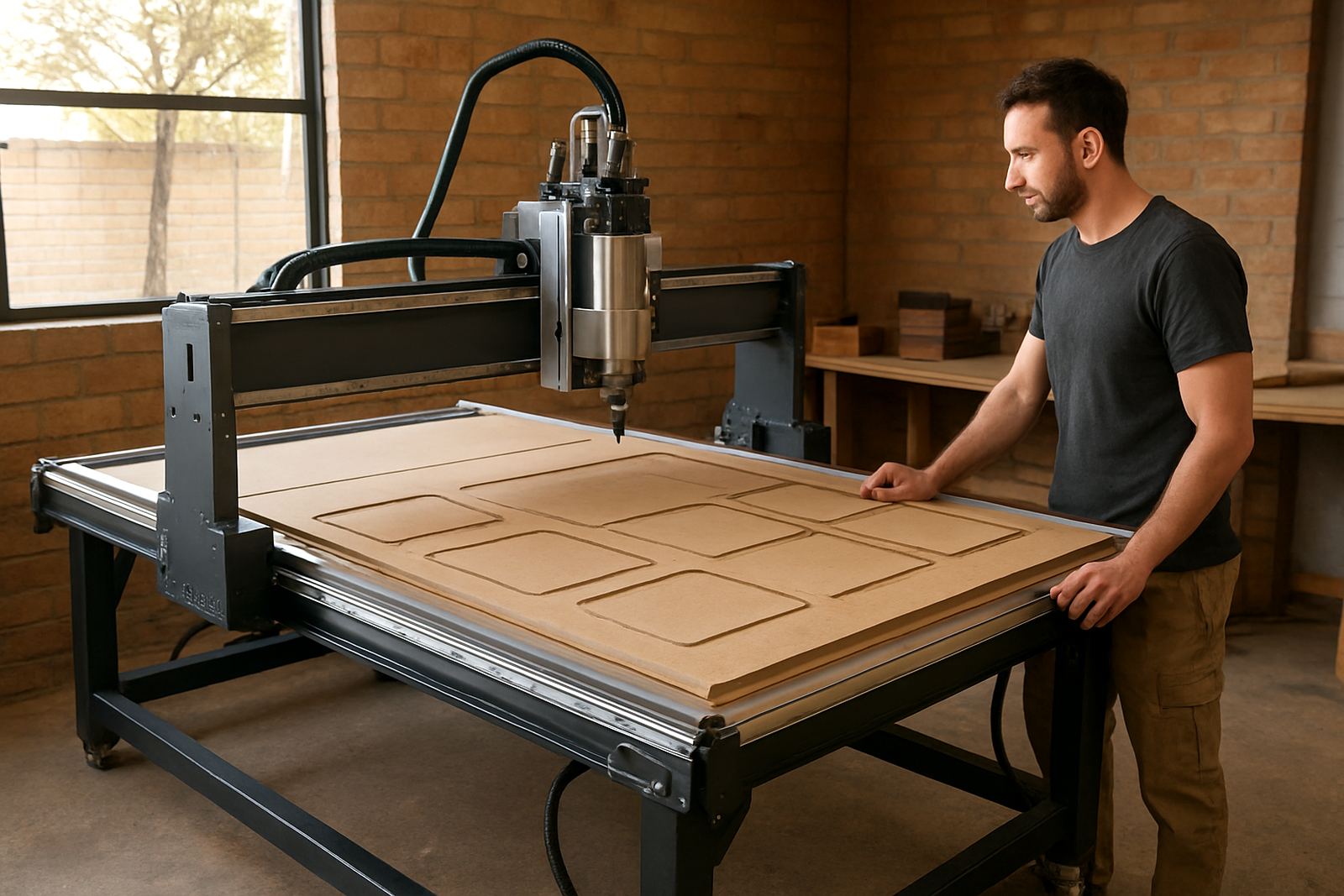
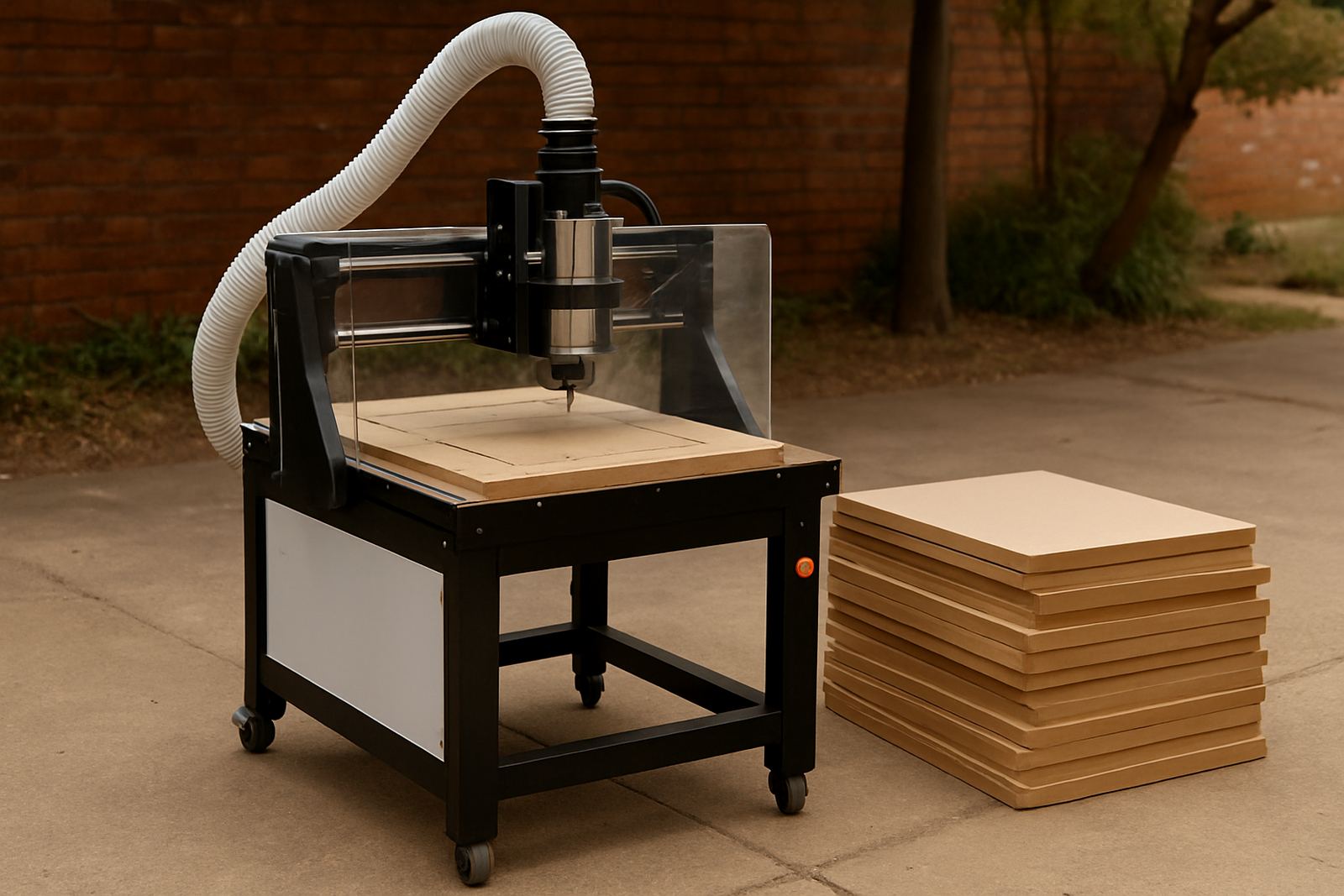
The Mini Router 900 is aimed at woodworkers, sign makers, hobby users and small production shops that need more space than a very small machine can offer, but do not have room for a full size unit. It is suited to MDF, pine, ply, acrylic and other plastics used in cabinet work, signage and light component making. The footprint stays manageable, so it can sit in a back room, garage workshop or a light industrial unit without taking over the floor.
This size is often the sweet spot for users who want to cut panels, nested parts and repeated shapes with better control. It gives you enough bed area for practical work, but the machine still suits one or two operators. In Pretoria, Centurion and Midrand we often see it chosen by small teams who need consistent output without the higher space and power demand of a bigger router.
Sizes, layout and common options
The Mini Router 900 is built around a useful middle ground, with a working area typically around 900 x 600 mm, depending on the final setup. That makes it a solid choice for smaller cabinet doors, nameplates, templates, signs and plastic parts. It is not meant for heavy industrial plate cutting, but for workshop tasks it covers a lot of ground.
- Working area: about 900 x 600 mm
- Machine width and depth: suitable for tight workshop passages
- Table top: spoilboard or vacuum-ready layout, depending on order
- Motion: driven for repeatable positioning on small batch work
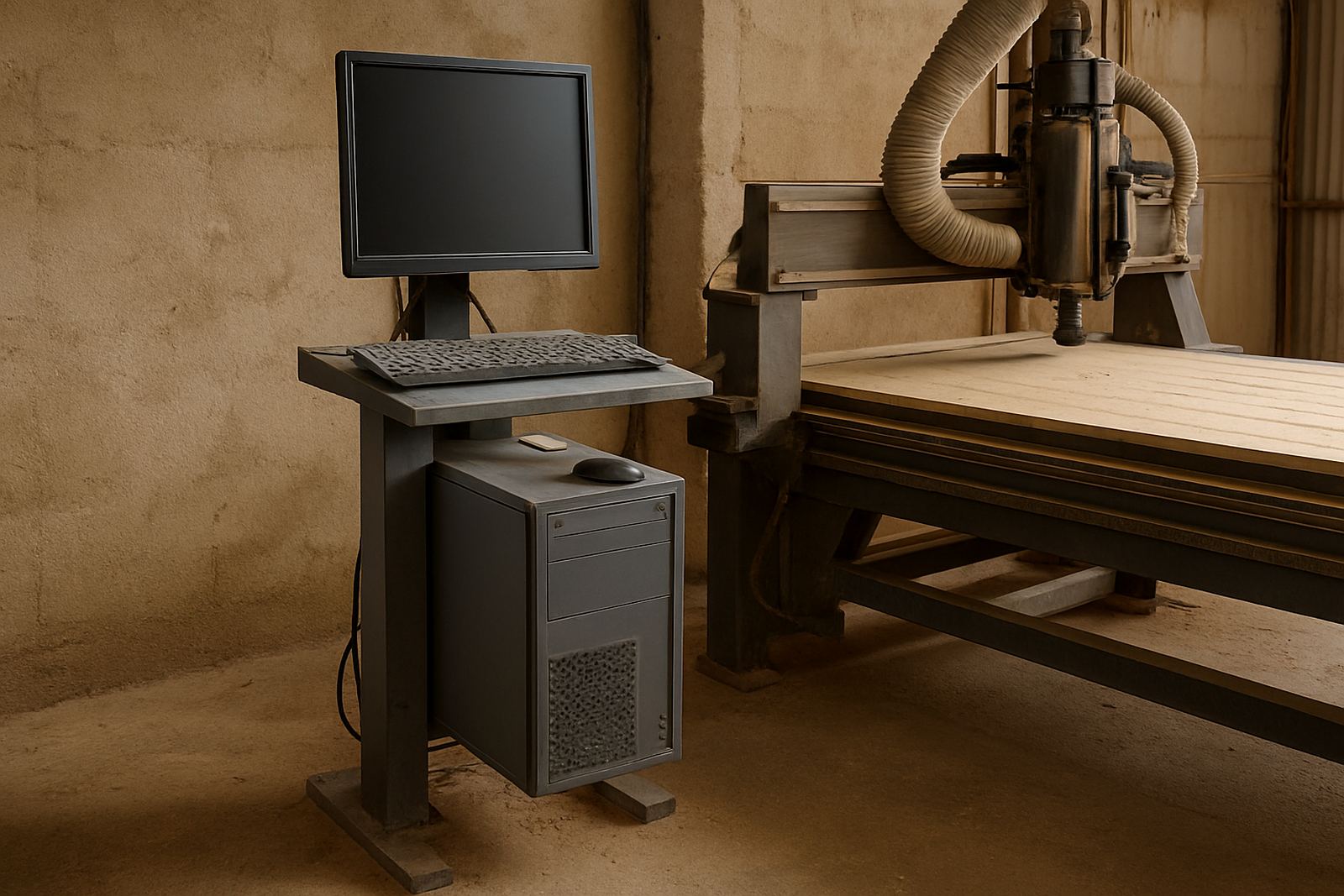
- Control: suited to standard CNC routing software and basic setup use
Options can include a stronger spindle, different spoilboard arrangements, upgraded dust extraction points and cable management suited to daily use. If you are working in a humid coastal area, it is wise to ask about protection around electrics and storage so the machine stays in good condition.
Where this machine suits best
This model works well where the job list is varied and the workshop space is limited. It suits hobby users upgrading from manual tools, as well as small businesses that need dependable repeat jobs. Typical uses include kitchen panels, shop fittings, sample parts, lettering, router templates, school projects and plastic cutouts.
It also makes sense for smaller shops that need to run after load-shedding schedules or on a controlled operating plan, because the footprint and power demand are easier to manage than larger format units. If your work is mostly short runs, the Mini Router 900 keeps setup time sensible and gives you enough table size to work cleanly.
- Small cabinetry and furniture components
- Signage, lettering and routing of plastics
- Prototype parts and repeatable craft work
- Training rooms, maker spaces and schools
Power, installation and workshop readiness
Installation should be planned before delivery. The machine needs a level surface, enough clearance for loading material, and a tidy power supply with proper earthing. Most small workshops in Pretoria East, Silverton and Kempton Park can prepare a corner area without major alterations, but it helps to confirm door widths, access turns and floor loading before the machine arrives.
Power needs depend on the spindle and control package ordered. In many cases a standard workshop supply is enough, but the final connection should be checked by a qualified person. For areas affected by unstable supply, it is worth planning for surge protection and orderly shutdowns. The machine does not need gas. Good dust extraction is strongly recommended, especially when cutting MDF and plastics.
- Level floor and stable machine position
- Correct single phase or three phase supply, depending on the build
- Surge protection and safe shutdown planning
- Dust extraction and chip collection at the point of cut
Care, servicing and day to day support
Like any CNC router, this unit works best when it is kept clean and checked often. MDF dust, plastic chips and sticky residue can build up around guides and moving parts, so regular cleaning matters. The cutting bed should be kept flat and the clamps, fasteners and tool holding parts should be inspected before long runs. A little attention each week can prevent bigger downtime later, which saves time and Rand.
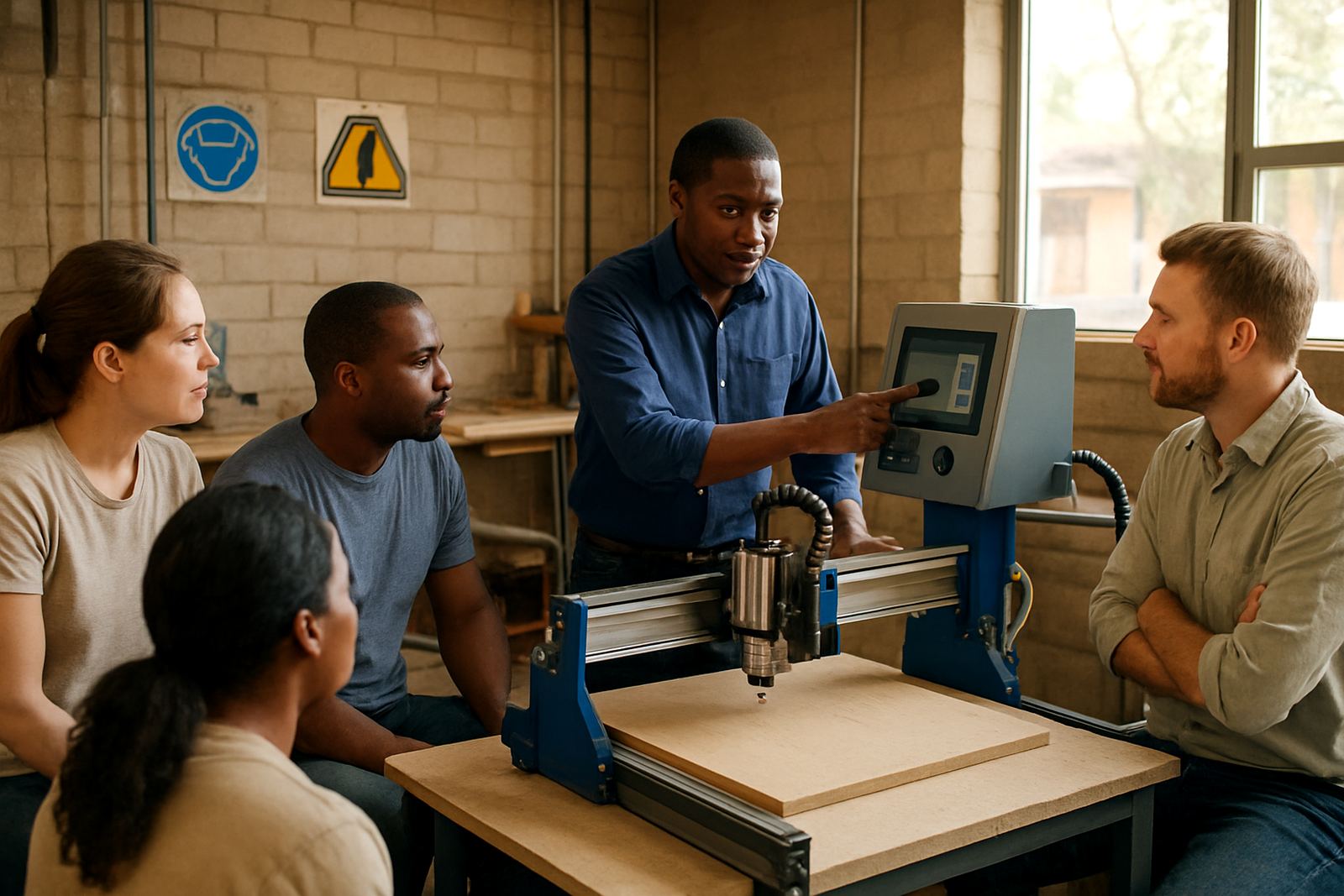
We support operator training, software basics, starter setup visits, preventive maintenance, breakdown support, spindle replacement, control tuning, remote support, refresher training and spares planning. That support is available from our Pretoria base and for customers across South Africa. If a part wears out, the right spare on hand can make the difference between finishing a job and missing a deadline.
Checks to make before ordering this collet set
Before ordering, it helps to think through what you will cut, how often you will use the machine and who will operate it. That makes it easier to choose the right spindle size, control set-up and accessory package. If you are new to CNC work, we can help you match the machine to the sort of jobs you want to produce rather than over-specifying it.
- Main materials: MDF, pine, plywood, acrylic or mixed work
- Typical sheet size and part size you want to cut
- Available power supply and workshop access
- Dust extraction and noise control needs
- Need for training, installation support or remote help
- Spare cutters, clamps and other consumables you want to keep on site
If you are based in Silverton, Pretoria East, Centurion, Midrand or Kempton Park, we can assist directly from the Pretoria side. For other areas, we supply spares nationwide and can advise on setup so the machine arrives ready for real workshop use.
Key facts
| Model | Mini Router 900 |
|---|---|
| Working area | Approx. 900 x 600 mm |
| Best for | Woodworking, MDF, plastics and light production work |
| Workshop fit | Small to medium spaces with limited floor area |
| Power | Configured to order for suitable workshop supply |
| Support | Training, setup, servicing and nationwide spares |