
Built For Small, Accurate Work
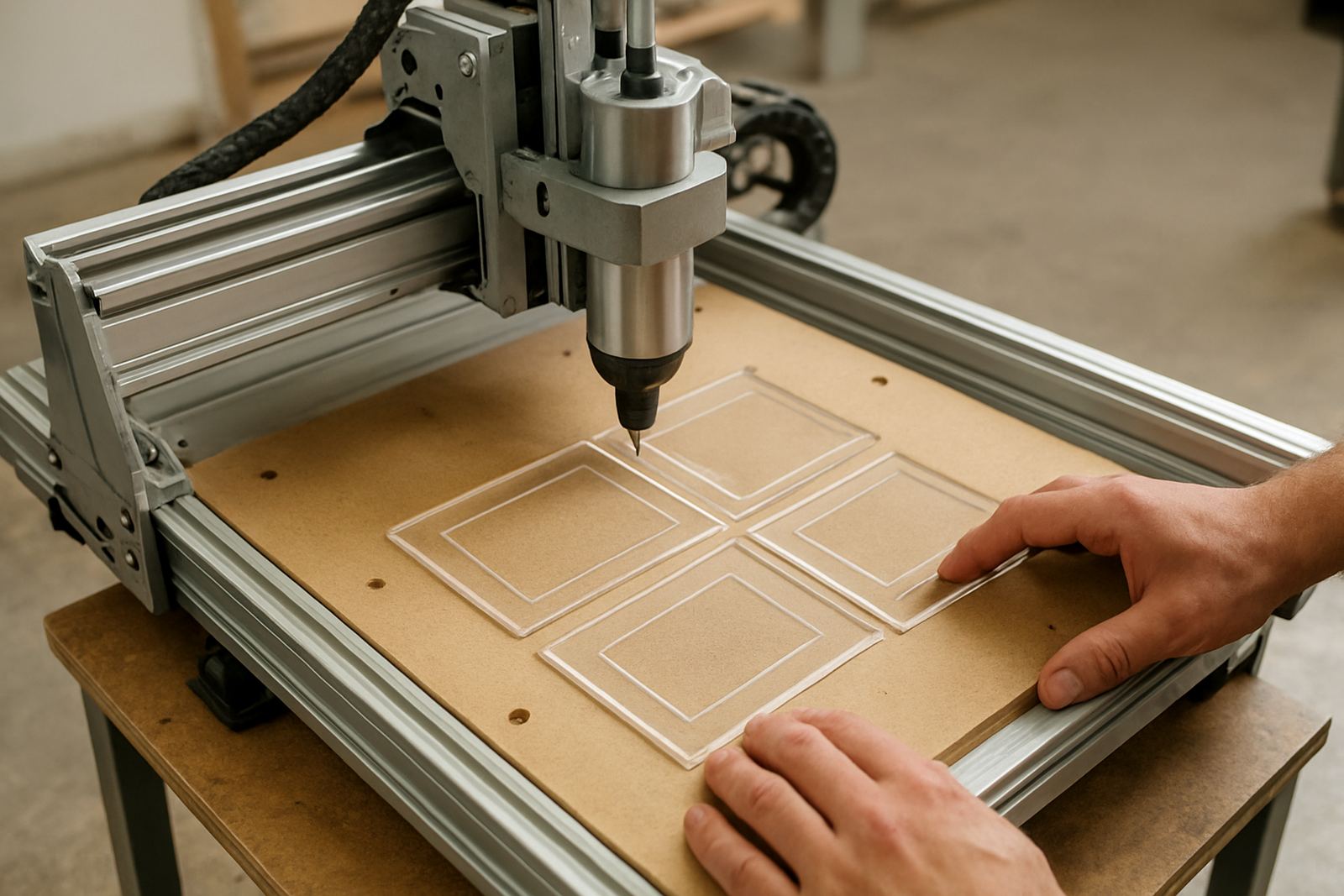
The Craft Router 400 is made for light-duty production where detail matters more than table size. It is well suited to MDF, plywood, softwood, plastics and similar sheet materials, and is commonly used for signs, model parts, inlays, jigs, craft blanks and fine lettering. Because the working area is compact, it fits neatly into a hobby room, maker space or small workshop without needing a large floor area.
For users in Pretoria, Centurion, Midrand and Kempton Park, this type of machine is practical where space is limited and jobs change often. It is also a good entry point for first-time operators who want repeatable results without jumping straight into a full size industrial setup.
Sizes, Options And Typical Setups
The Craft Router 400 is generally specified as a 400 mm class desktop router, with a small footprint that makes it easy to place on a sturdy bench. Exact bed size and travel can vary by setup, so it is worth confirming the usable cutting area before ordering. Most buyers choose a basic cutting package first, then add dust collection, extra cutters and spare clamp items later.
- Compact working area for fine detail work and short production runs
- Suitable for wood, MDF, plastics and light composite material
- Options may include a higher speed spindle, spoil board, vacuum hold-down or clamp kit
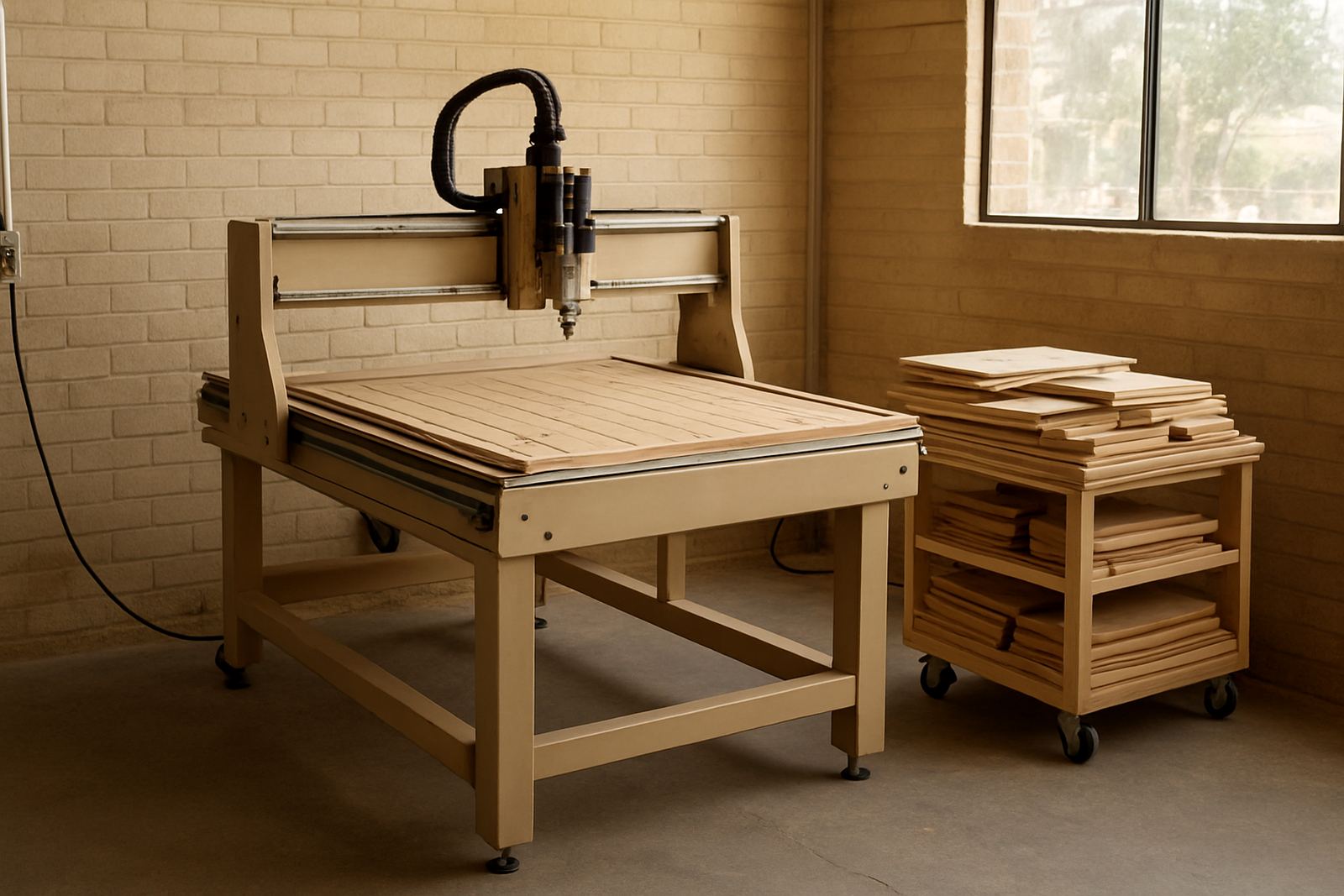
- Can be supplied for bench top use or on a dedicated stand where required
For shops doing custom work, a smaller machine can actually improve turnaround time because set-up is quicker and offcuts are easier to manage.
Where This Router Suits Best
This model suits makers who need clean edges, small parts and repeatable engraving rather than heavy cutting. It is often chosen for craft businesses, schools, training rooms, product sample work and small furniture detail jobs. It also works well where projects need careful control around thin material, small fonts or delicate profiles.
It is not the right choice for thick board cutting all day, but for fine work it offers good control and less wasted material. In a town workshop or shared space, that can save time and keep the noise and dust level easier to manage, especially when load-shedding forces shorter operating windows.
Power, Installation And Workshop Requirements
The Craft Router 400 normally runs from standard single-phase 230 V supply, which is convenient for home workshops and smaller business premises. A clean, stable electrical feed is important, especially in areas affected by voltage dips and load-shedding. If the power is not steady, a properly sized backup solution and surge protection should be considered before regular use.
- Level, solid bench or stand with enough space for operator movement
- Single-phase power supply, with correct earthing and protection
- Dust extraction or at least a good vacuum arrangement for fine MDF and wood dust
- Enough lighting to inspect cut depth, tool wear and surface finish
No gas supply is needed. For workshops in humid coastal areas the machine and tooling should be kept dry, with steel parts wiped down after use to prevent surface corrosion.
Care, Servicing And Spares Planning
Like any small CNC machine, the Craft Router 400 stays accurate when it is cleaned and checked regularly. Dust should be removed from rails, rails covers, lead screws and the work area after each session. Tool holders should be inspected for wear, and the spindle should be listened to for any change in sound or vibration. If the machine starts losing dimension, that is usually the first sign that control settings or mechanical parts need attention.
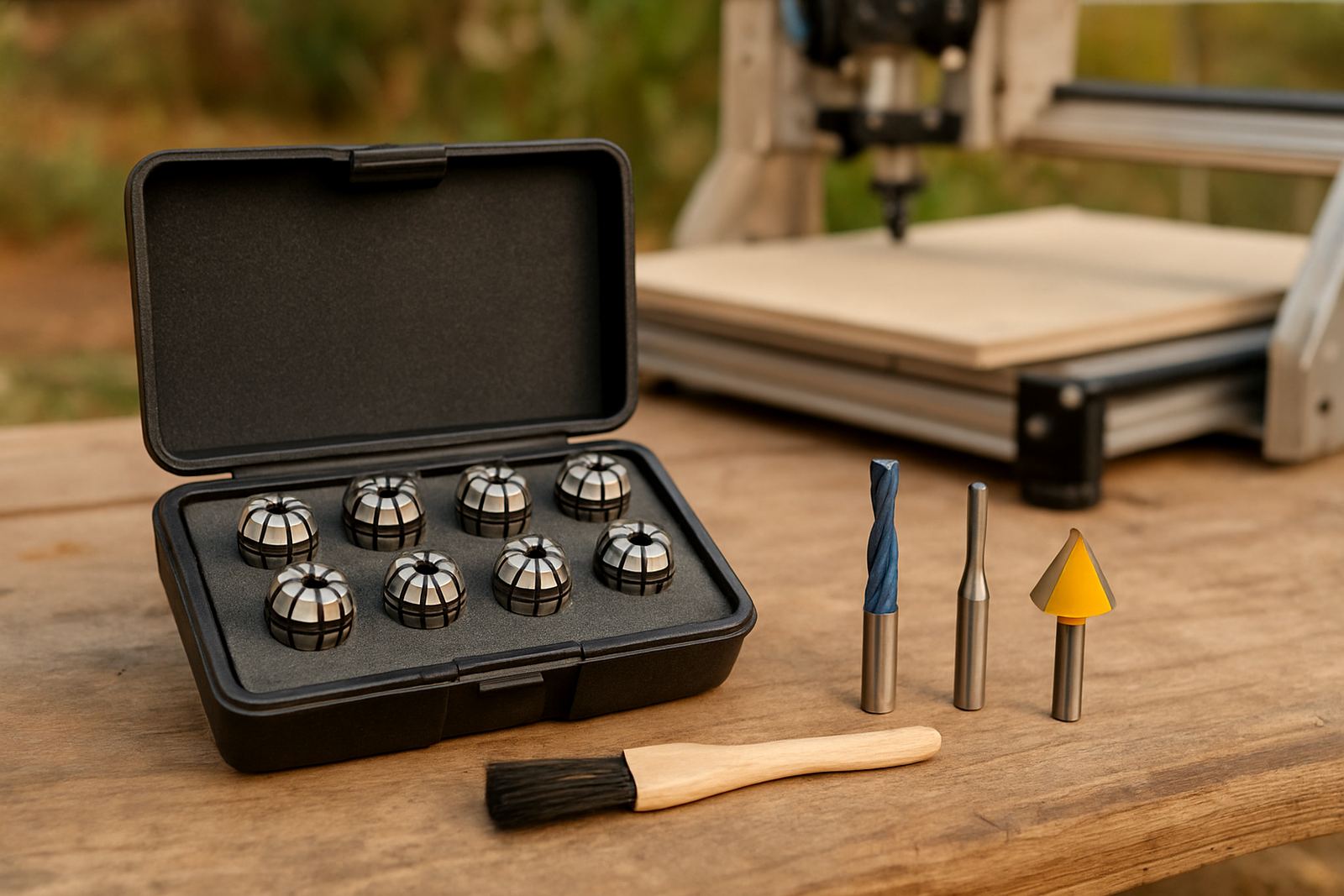
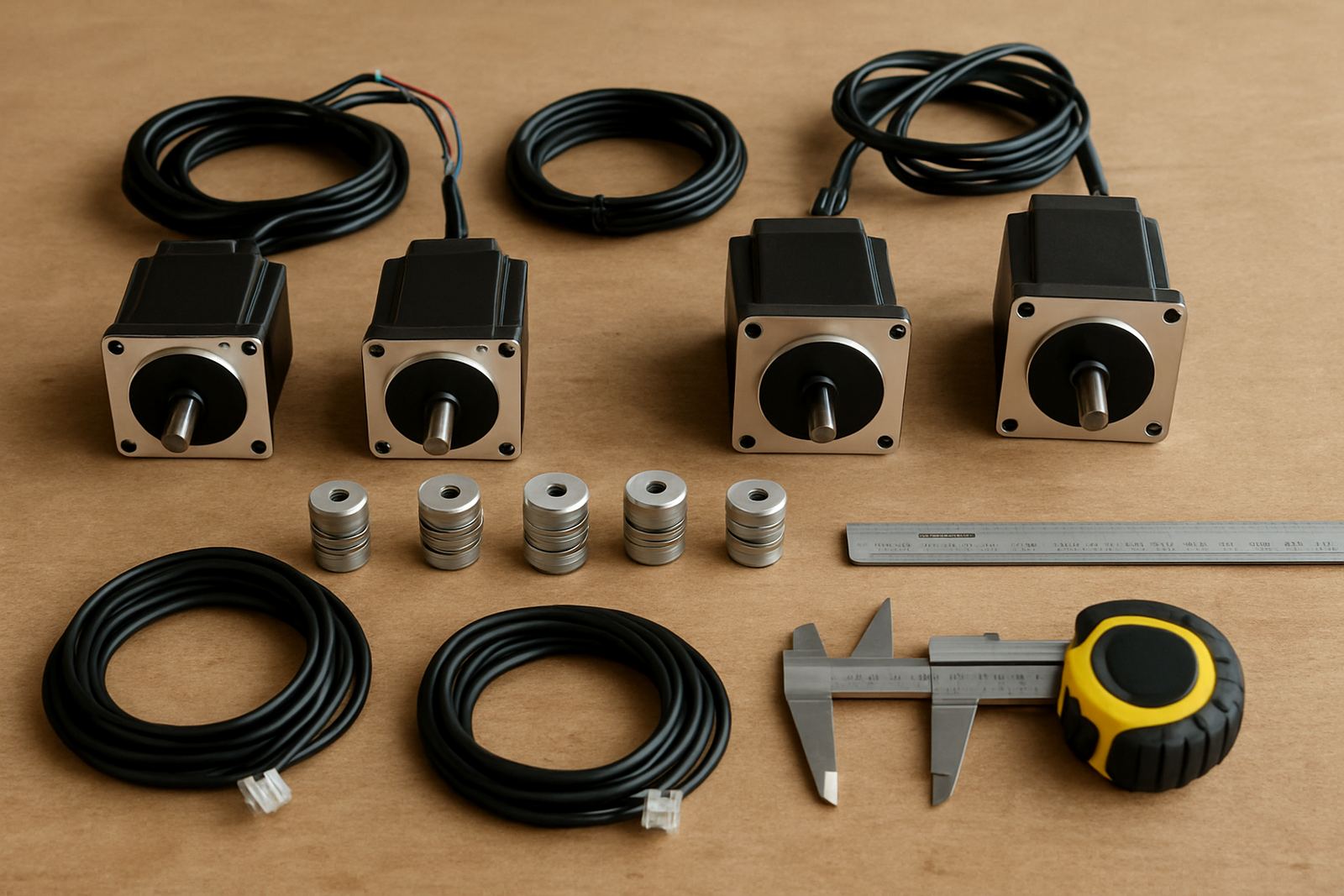
We support preventive maintenance, breakdown support and control tuning, so owners can keep the machine cutting to size instead of guessing why a job has drifted. Spare planning is worth doing early, because small items such as belts, cutters, couplers and limit switches can stop a job at the wrong time if they are not on hand.
What To Check Before You Order
Before placing an order, confirm the work you want to do and the material sizes you use most often. A compact router is only a good fit if the cutting area, spindle type and control system match your day-to-day jobs. It helps to check whether you need standalone operation, laptop control, or a more guided setup with training.
- Usable cutting area and maximum material thickness
- Spindle power and whether it matches the cutters you plan to use
- Controller type and software basics for your team
- Included accessories such as clamps, spoil board and tool holders
- Availability of spares, operator training and after-sales support
If you are buying for a new workshop, ask for a starter setup visit and refresher training later on. That usually saves time and a fair bit of frustration.
Key facts
| Machine type | Compact CNC router table for craft, prototype and engraving work |
|---|---|
| Working material | MDF, plywood, softwood, plastics and light composite sheet |
| Power supply | Single-phase 230 V, subject to final configuration |
| Footprint | Desktop format, ideal for small benches and tight workshop spaces |
| Use case | Fine detail cutting, lettering, sample work and small parts |
| Support | Operator training, spares supply, preventive maintenance and remote support |