
What delivery and install covers
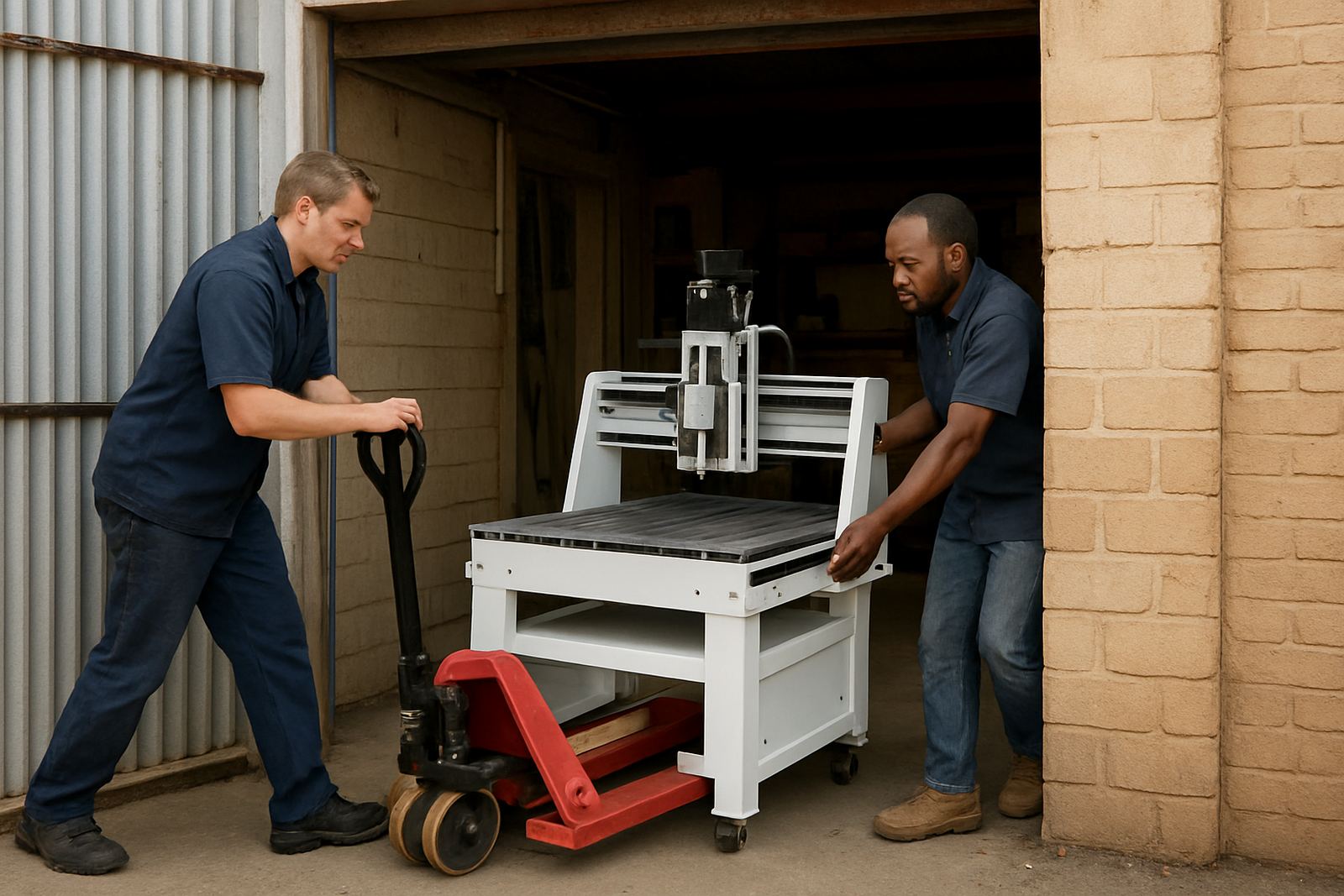
Our delivery and install service covers the physical handover of your CNC router, careful positioning in your workshop, basic assembly checks and first commissioning. It is a practical service for small workshops, makers, sign shops and woodworking operations that want to avoid the trial and error that often comes with a new machine.
The service is arranged around the machine size, access to your premises and the power supply on site. In Pretoria, Silverton, Centurion, Midrand and Kempton Park we often work with tight entrances, roller doors and shared industrial yards, so access planning matters. For nationwide orders, we can coordinate delivery and pre install checks before the machine leaves our base.
Typical delivery and install tasks include unpacking, positioning, levelling, checking cable routing, confirming safety stops and testing the basic motion of the table and gantry. If a spindle or control setup is part of the order, we verify the mountings and run a short test cycle before handover. That first hour of setup can save days of problem solving later on.
Machine sizes and options we handle
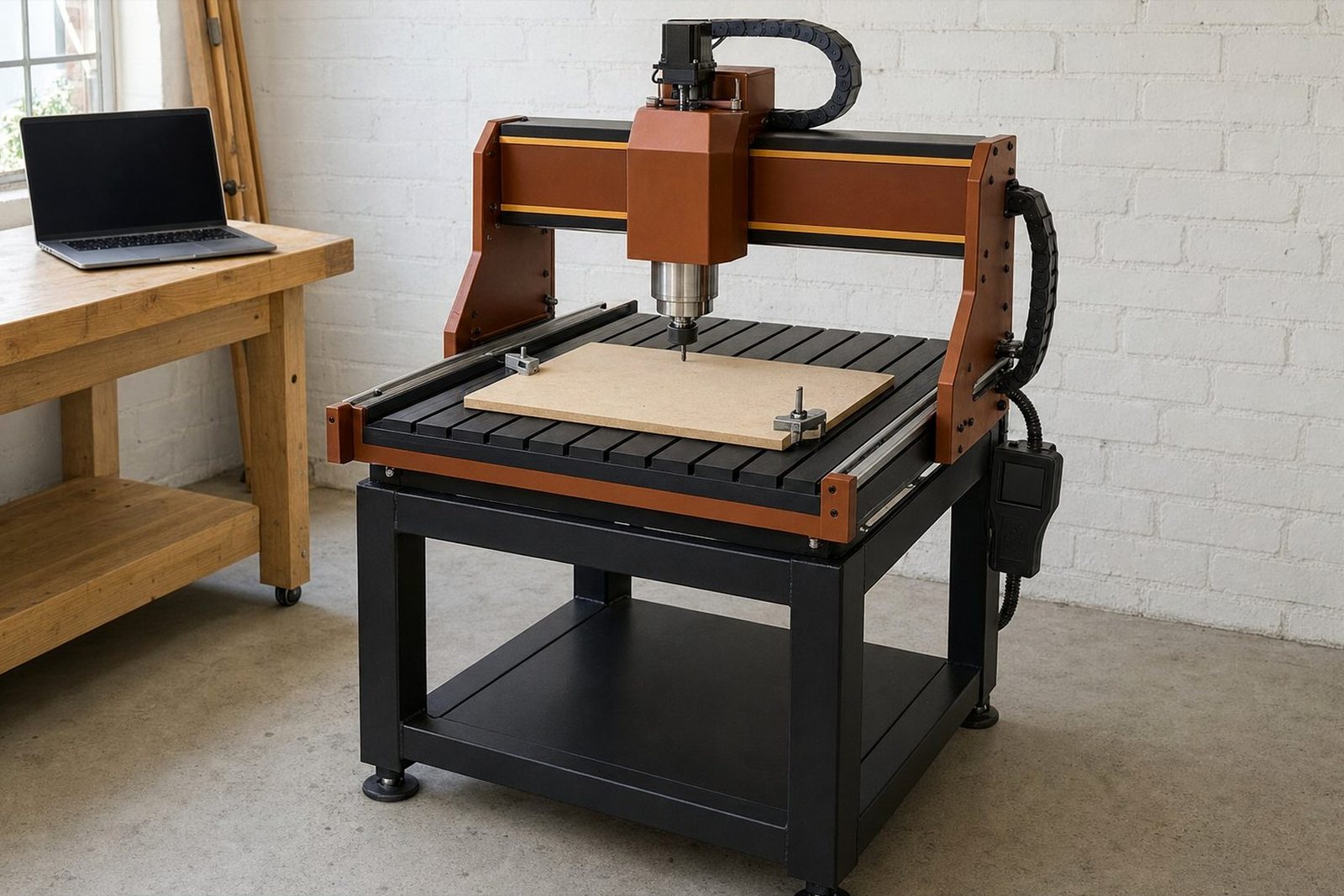
We work with compact desktop and hobby CNC router tables, which suit smaller workshop floors and personal use, as well as larger bench top units for light commercial production. Common table sizes include 600 x 900 mm, 900 x 1200 mm and 1200 x 2400 mm formats, with custom layouts available depending on the machine build. The right size depends on your sheet material, available floor space and the type of work you run most often.
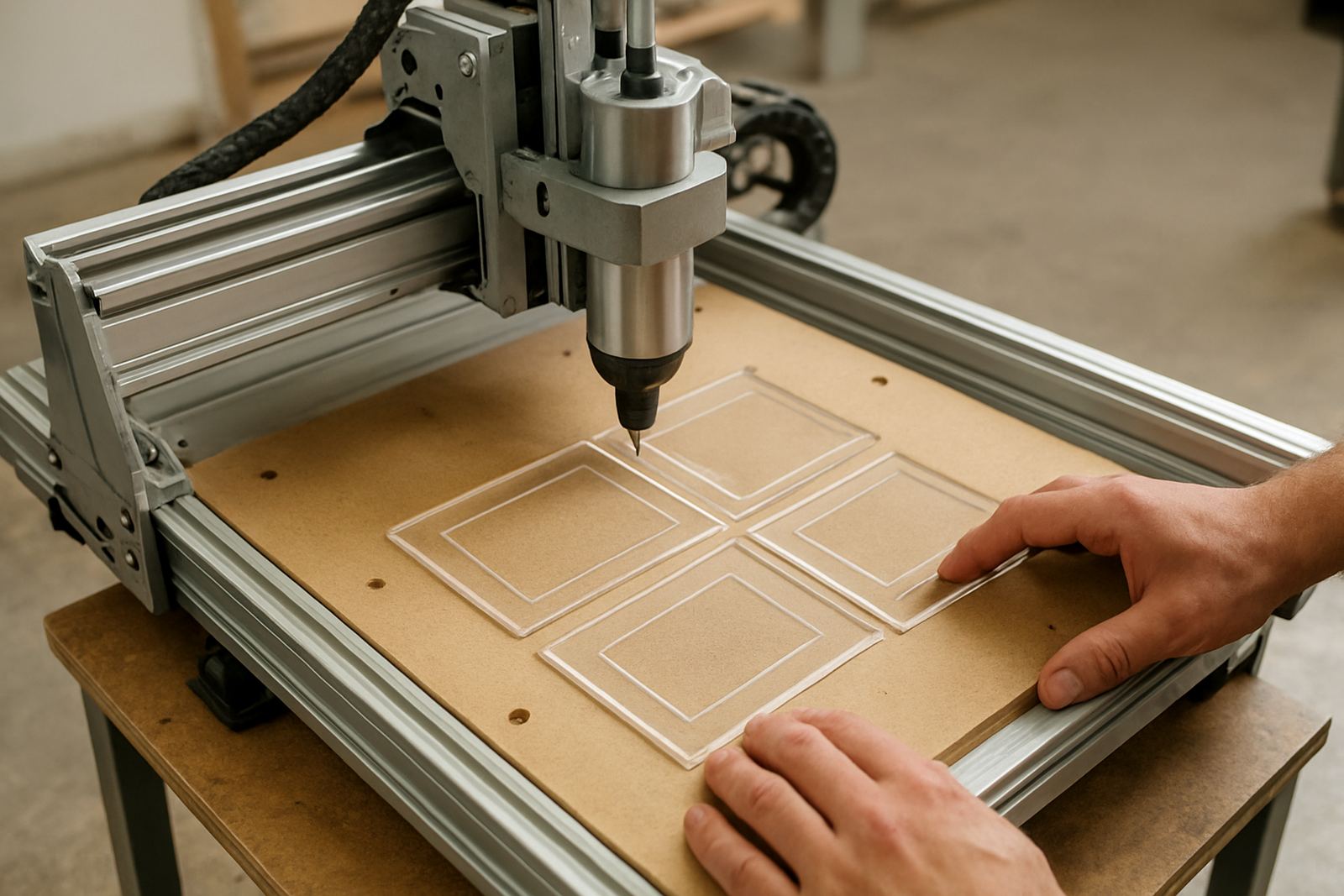
For MDF, plywood and plastics, a compact router is usually enough for panels, lettering, small components and prototype work. If you cut full sheets or repeat larger jobs, a wider table and stronger extraction arrangement make day to day use easier. We can also assist with spare parts planning, so you are not left waiting for a simple bearing, belt or endstop when production needs to keep moving.
- Compact desktop machines for home workshops and light duty work
- Hobby routers for MDF, plastics and sign making
- Mid size tables for repeat production and batch cutting
- Accessory checks for spindles, tooling, dust extraction and control cabinets
Where this service fits best
Delivery and install is most useful where the machine must be placed accurately from day one. If your workshop floor is uneven, your access route is narrow, or the machine must sit near a wall, extractor, compressor or control station, proper positioning helps prevent vibration and misalignment. That matters in Gauteng especially where small industrial units often share power, parking and loading space.
This service suits woodworking shops, cabinet makers, plastic cutters, sign makers, training rooms and home based operators who want a proper start. It also suits businesses that need the machine ready before staff arrive, or where only limited time is available for setup. We can help you plan for load shedding too, because sudden power drops can affect initial commissioning and later testing.
- Suitable for workshops with limited floor space or low door clearance
- Useful for first time CNC owners needing clear setup guidance
- Helpful where municipal electrical conditions or power instability must be factored in
- Good for operators who want training on the machine as part of handover
Installation, power and site needs
Before delivery, check that the floor is level enough for stable machine placement and that the access route can handle the carton, frame and any loose parts. A clear working zone of at least 1 metre around the machine is ideal for loading material, changing tools and cleaning the bed. If the machine is going upstairs or through a tight passage, tell us in advance so the route can be assessed properly.
For power, most smaller CNC router tables need a dedicated 220V supply, with correct earthing and protection at the distribution board. Larger machines or spindle packages may need specific circuit protection or a 3 phase supply, depending on the control system and spindle arrangement. We recommend a clean supply free from shared high load appliances. In areas affected by load shedding, a surge protection plan or backup power arrangement should be considered before commissioning begins.
Dust extraction, compressed air and internet access for remote support can also be useful, depending on your setup. Plastics and MDF create fine dust, so extraction is not optional if you want to protect guides, motors and bearings. In coastal humidity, stored spares and tooling should be kept dry and sealed, because moisture can affect cutting consistency and increase corrosion on exposed parts.
Commissioning and first start checks
Commissioning is where the machine is checked in working order before regular use begins. We test axis movement, homing, limit switches, spindle start up and basic cut readiness so the operator can begin with more confidence. If software basics are included, we also assist with the first machine profile, tool setup and a simple test file so the process makes sense from the start.
Our service team can also check control tuning, spindle replacement details and remote support access where needed. If the machine shows a fault during handover, we can often deal with it on site or guide the operator through the next step. This avoids repeated stops on the first week of use, when pressure is highest and delivery schedules are already tight.
- Axis movement and travel checked before cutting starts
- Limit switches, homing and safety stops verified
- Tooling, spindle mount and bed condition inspected
- Basic run test completed with the operator present
Care after delivery and install
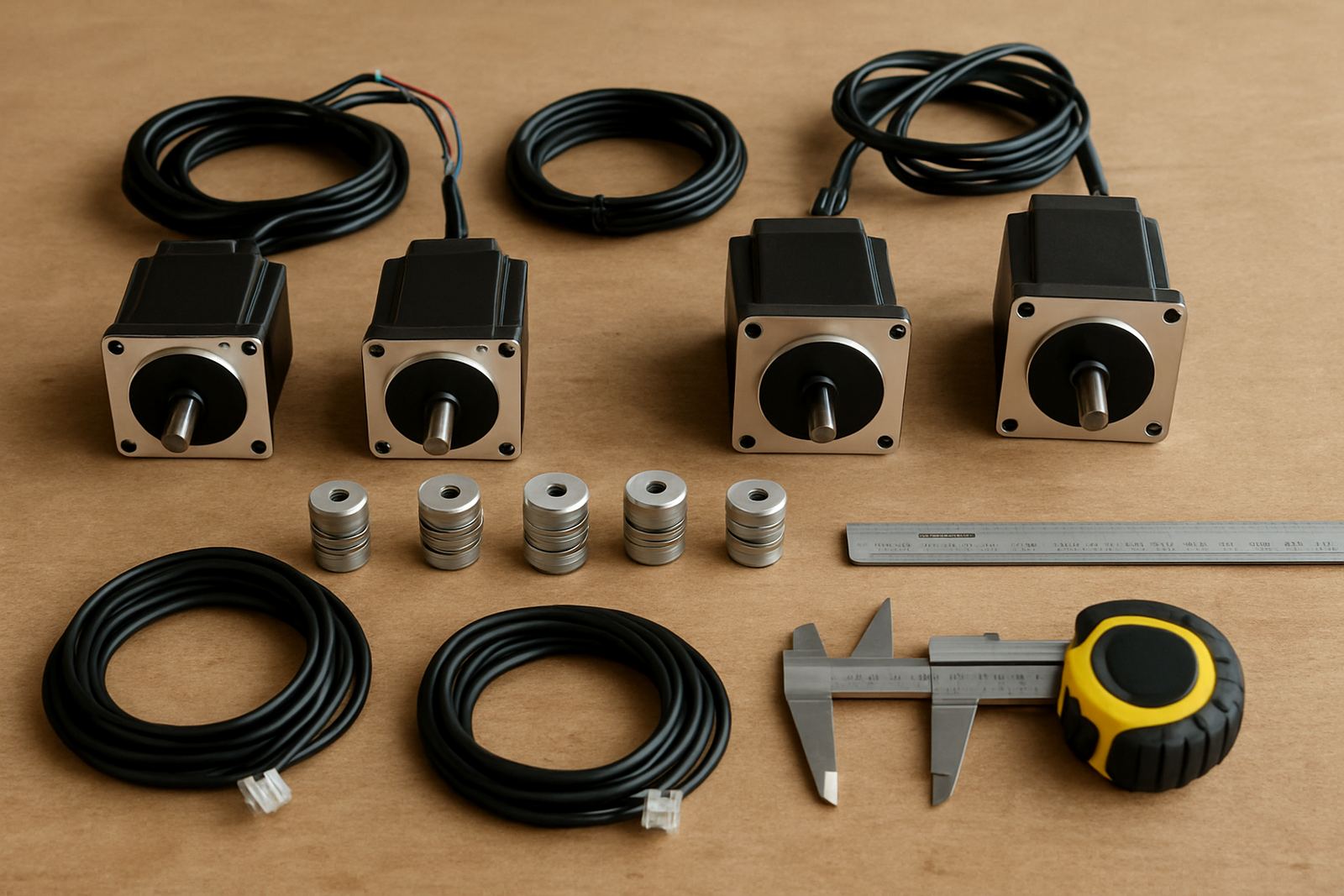
Once the machine is in place, the important thing is keeping it clean and consistent. Daily dust removal, weekly rail inspection and regular checking of belts, couplings and cable drag points will help extend the life of the machine. MDF dust is especially hard on moving parts, so vacuuming and wiping down exposed surfaces should be part of the normal shift routine.
We can advise on preventive maintenance and spares planning, including what should be kept on hand for fast turnaround. That may include endstops, belts, bearings, collets, tool holders and control fuses. A small workshop does not need a huge spares room, but it does need the right bits ready before a breakdown stops production. If a machine starts to sound different or the cut quality changes, that is the time to ask for support, not after the job is late.
What to confirm when ordering
Before you place an order, confirm the machine size, table travel, available door width and your power supply. It also helps to know what material you will cut most often, because MDF, hardwood and plastics all have different feed and dust extraction needs. If the machine will be used in a home workshop, check neighbours, noise restrictions and municipal rules for running equipment after hours.
We also recommend confirming whether you need operator training, starter setup visit support, refresher training or breakdown support after installation. A good handover should leave you with a running machine, a clear checklist and a path to spares if something wears sooner than expected. For clients in Pretoria, Silverton and surrounding areas, we can often combine delivery, install and first training in one visit, which saves time and transport costs.
- Confirm machine size and access measurements before delivery
- Check power supply type, plug points and earthing
- Ask which consumables and spares should be ordered upfront
- Book training if more than one operator will use the machine
Key facts
| Service area | Silverton, Pretoria East, Centurion, Midrand, Kempton Park and nationwide |
|---|---|
| Machine types | Desktop and hobby CNC router tables for woodworking, MDF and plastics |
| Common table sizes | 600 x 900 mm, 900 x 1200 mm, 1200 x 2400 mm |
| Power needs | Usually 220V dedicated supply, with larger systems depending on configuration |
| Site requirements | Level floor, clear access route, space for operator movement and dust extraction |
| Support options | Commissioning, operator training, preventive maintenance and spares planning |