
Built For Smaller Workshops That Need Repeatable Results
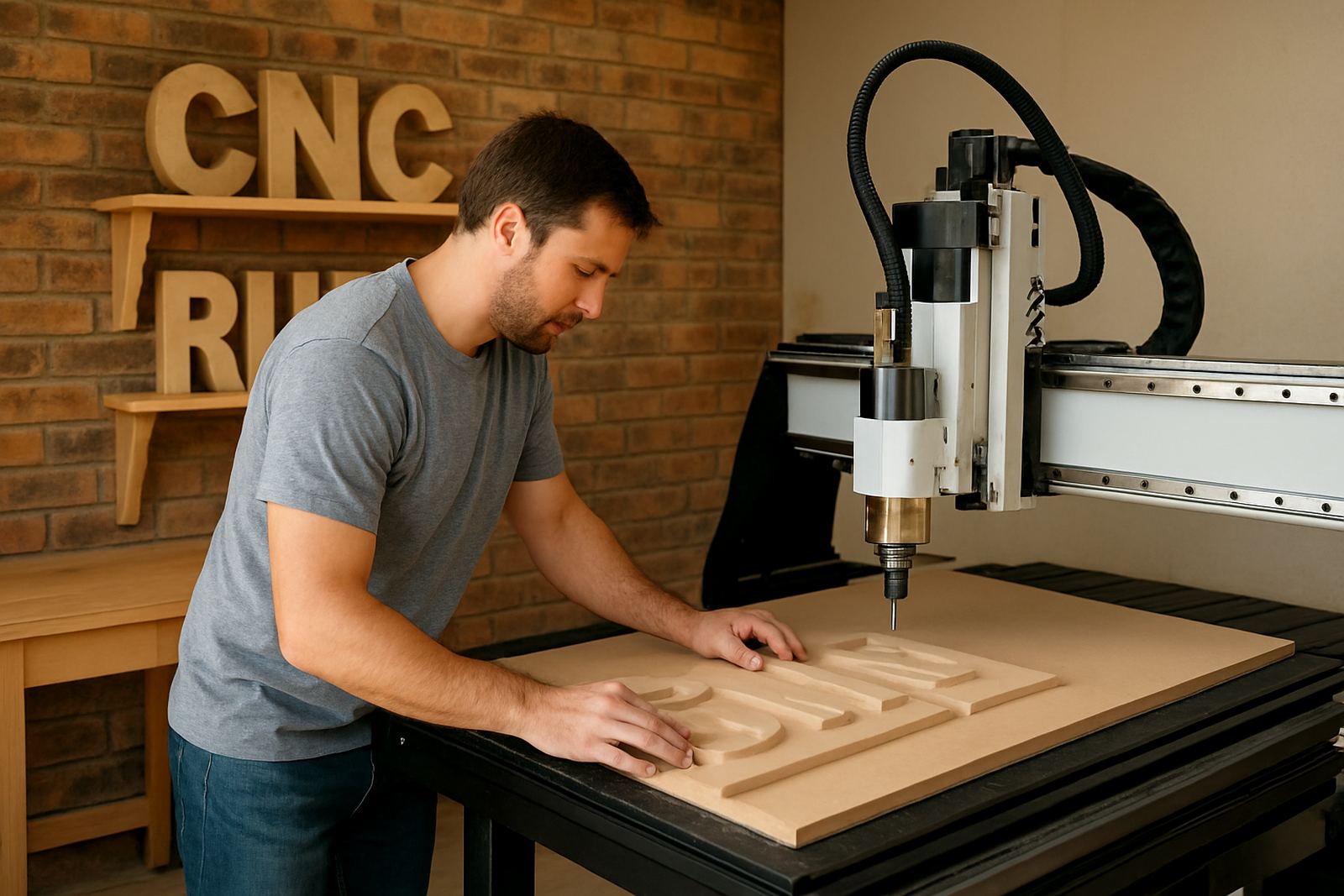
The Hobby Router 1200 is aimed at users who want more control than a hand routed job can give, without moving into a large industrial machine. It is a good fit for sign making, cabinet components, jigs, name plates, templates and small production runs in timber, MDF, melamine faced board and plastics. For many shops in Pretoria, Centurion, Midrand and Kempton Park, it fills the gap between occasional hobby use and steady weekly output.
The machine is suited to operators who need consistent cutting depth, neat edges and repeatable part sizes. It helps when you are doing the same panel, bracket or pattern more than once, or when a client wants a set of items that must match exactly. If your work is still mostly by hand, this table gives you a controlled way to move into CNC without taking up a full factory footprint.
It is not intended for heavy steel cutting or industrial production lines. Instead, it is the sort of table that works well in a home workshop, school tech room, small joinery shop or signage space where power is limited and floor area matters.
Size Options And What The 1200 Format Means
The 1200 format is a practical working size for sheet offcuts, craft panels and smaller boards. It gives enough travel for many common jobs while staying manageable for a single workshop bay. Exact travel, bed size and clear working area can be confirmed at order stage, because some customers choose different table lengths, spindle mounts or control layouts depending on the work they do.
Typical ordering choices include a basic machine frame, a table with spoilboard, and a package that includes starter tooling or setup help. Some users need a compact machine for a spare room workshop, while others want a more open stand with easier access for vacuuming and loading material. If you work with timber and MDF only, a simpler setup may be enough. If plastics are part of the job, it is worth checking dust extraction and hold-down method as well.
- Compact footprint for smaller floors spaces and home workshops
- Suitable for regular cutting of sheet offcuts, panels and small parts
- Options can vary for table size, control package and spindle setup
- Works well where easy loading and basic maintenance matter
Typical Jobs In Wood, MDF And Plastic
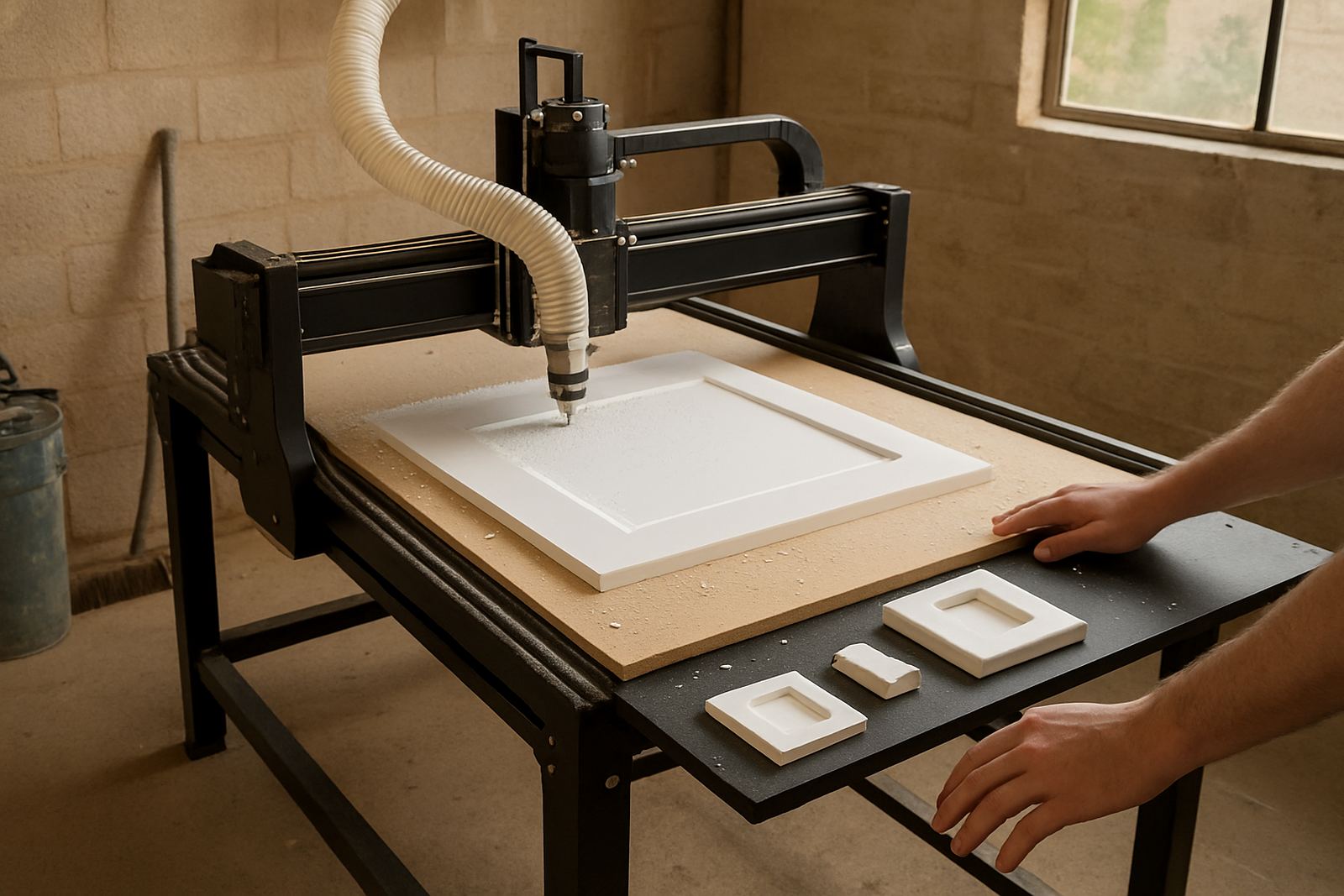
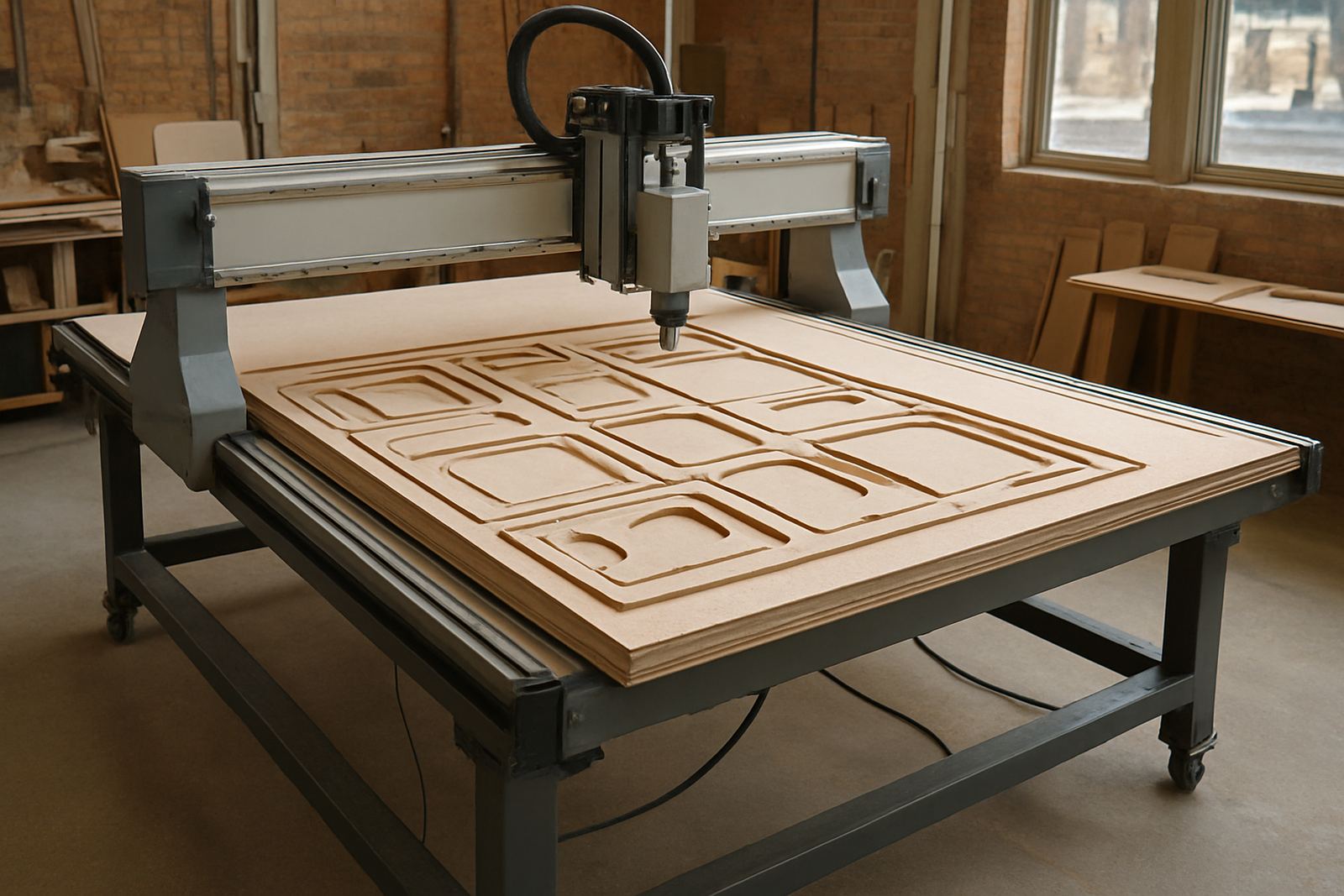
This router table suits a wide range of practical workshop jobs. Common uses include panel cutting, engraving, pocketing, profile cutting, slotting and repeatable part making. In MDF and timber, it is often used for cabinet doors, box sides, pattern work, sample pieces and fixtures. In plastics, it can be used for signs, covers, spacers and light fabrication components.
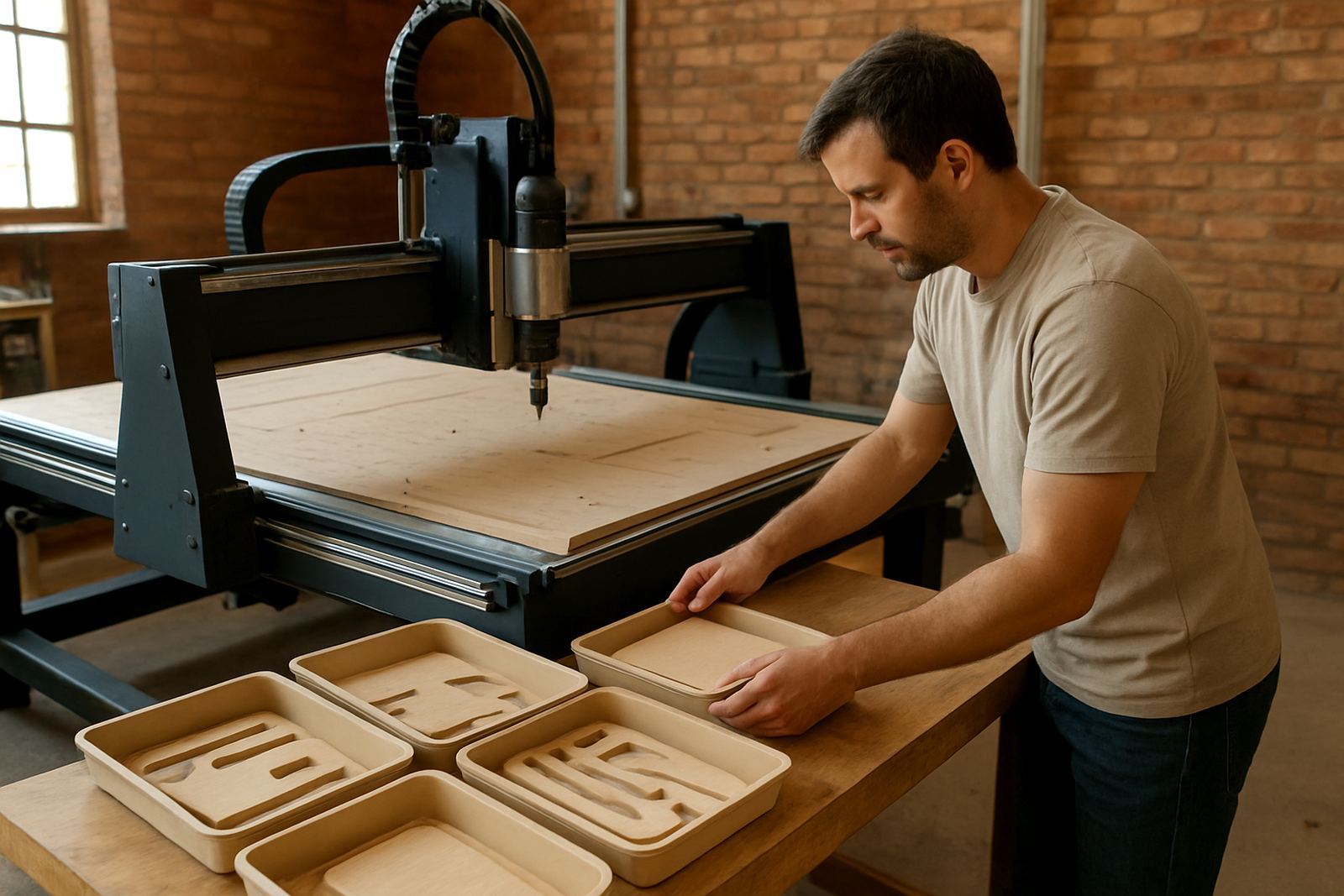
For hobby users, the machine is often a step up from manual routing because it reduces measuring mistakes and gives cleaner repeatability. For small businesses, it can save time on recurring work where the same part is produced over and over. That said, tool choice, feed rates and dust extraction still matter a lot. A neat setup and a sensible cutting plan will usually give better results than trying to push the machine too hard.
- Woodworking, joinery and cabinet components
- MDF cutting for panels, jigs and templates
- Plastic routing for signs, covers and small fabrications
- Light production runs where accuracy matters
Installation, Power And Workshop Readiness
The Hobby Router 1200 is normally installed in a workshop with stable power, enough bench or floor space, and a dust control plan. Most South African workshops run on standard single phase supply, but it is important to confirm the exact electrical requirement before ordering. A dedicated socket, correct earthing and a suitable breaker arrangement can help avoid nuisance trips, especially during load-shedding recovery or when other machines start up on the same circuit.
No gas supply is needed. What you do need is clean power, good lighting and a place to keep material flat before and after cutting. In humid coastal areas, MDF and some plastics can move or warp if they are stored badly, so dry storage is worth planning for. In Pretoria and surrounding areas, dust control is also important because fine dust builds quickly in smaller shops and can affect both finish and machine life.
If you are setting up from scratch, a starter visit can help with machine positioning, operator familiarisation and practical checks on the first day. That is often the best time to confirm where the computer, dust extractor and material racks should go, so the workflow makes sense from the start.
Care, Servicing And What Helps The Machine Last
Regular care keeps a hobby router cutting cleanly and reduces stoppages. Basic maintenance should include cleaning dust from the rails and table, checking fasteners, inspecting tool condition and confirming that the spindle runs without unusual noise. Where the machine is used often, a preventive maintenance schedule helps catch wear before it turns into a breakdown. It is much cheaper to replace a worn part early than to stop work halfway through a run.
Software settings and control tuning also matter. If steps are lost, edges chatter, or the machine repeats poorly, the issue may be in the setup rather than the cutter itself. Our technical team supports control tuning, breakdown support, remote support and refresher training so operators can get back to steady work quickly. For users who are new to CNC, a bit of training goes a long way and saves a lot of wasted material.
- Keep rails, guides and the spoilboard clean
- Check spindle condition and cutter wear regularly
- Use dust extraction and store material flat and dry
- Plan preventive maintenance before the machine starts drifting
Ordering Checks Before You Commit
Before placing an order, check the size of the largest part you want to cut, the material thickness you use most often, and whether your workshop has enough space around the table for loading. It also helps to know if you need a starter setup visit, software basics, or operator training. If the machine will be used by more than one person, refresher training and clear spares planning can prevent downtime later on.
You should also confirm what is included in the package. Some users need a complete setup with support from day one, while others already have a computer, extraction unit or tooling and only need the machine and key spares. If you are in Silverton, Pretoria East, Centurion, Midrand or Kempton Park, local support is available, and spares can be handled nationwide. That makes it easier to keep the workshop moving when a part needs attention.
For a clean order, have your preferred cutting material, power supply details and workshop dimensions ready. It saves time and avoids the wrong configuration being supplied.
Key facts
| Machine type | Hobby CNC router table |
|---|---|
| Working materials | Wood, MDF, plastics |
| Best use | Regular small workshop production and hobby work |
| Power requirement | Single phase workshop supply, exact specification on request |
| Support options | Training, setup visit, maintenance, breakdown support, remote support |
| Location and supply | Base in Silverton, Pretoria with spares and training nationwide |