
Built for repeatable template work on small parts
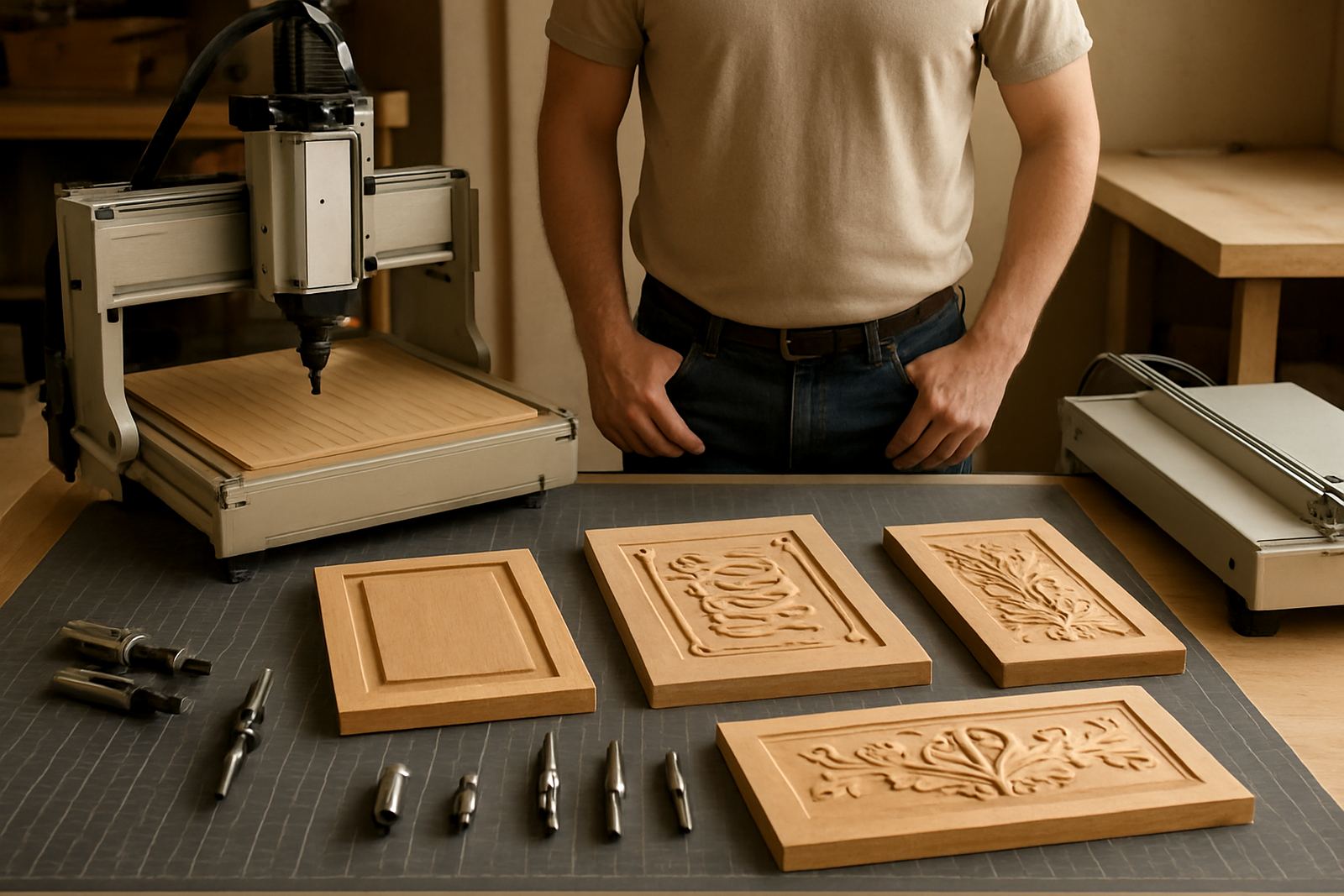
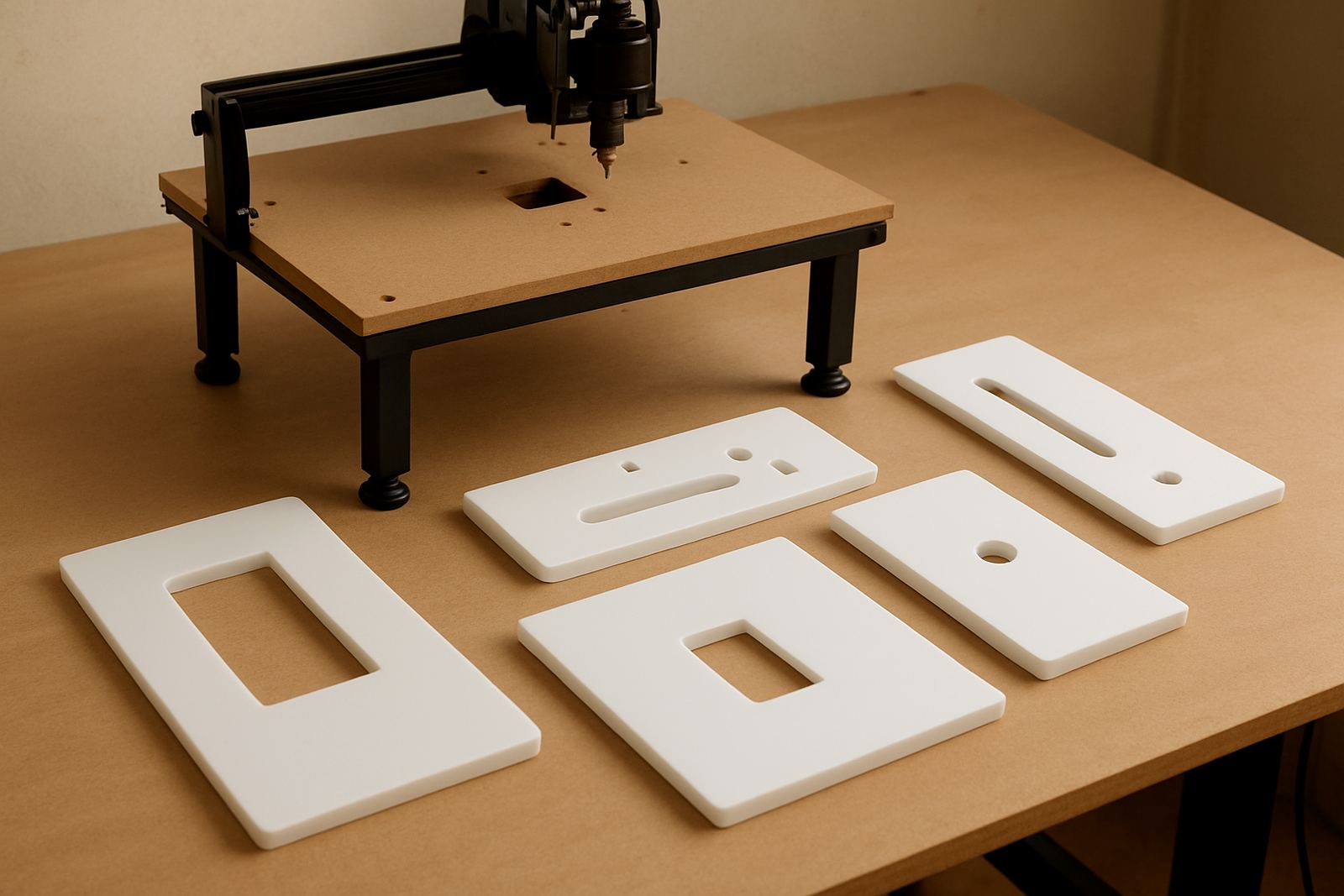
The Template Router 600 is a compact CNC router table set up for flat-bed machining on wood, MDF and plastics. It is aimed at jobs where the same shape must be cut again and again, with clean edges and a steady finish. Typical work includes template plates, small panels, signage blanks, jig parts, packaging samples and plastic component trimming.
Because the working area is sized for smaller pieces, the machine is easier to place in a workshop in Silverton, Pretoria East or Midrand where floor space is tight. It gives hobby users and small businesses a proper CNC process without moving straight into a large industrial setup. That makes it a practical first machine for people who want more control than handheld routing, and less waste on repeat jobs.
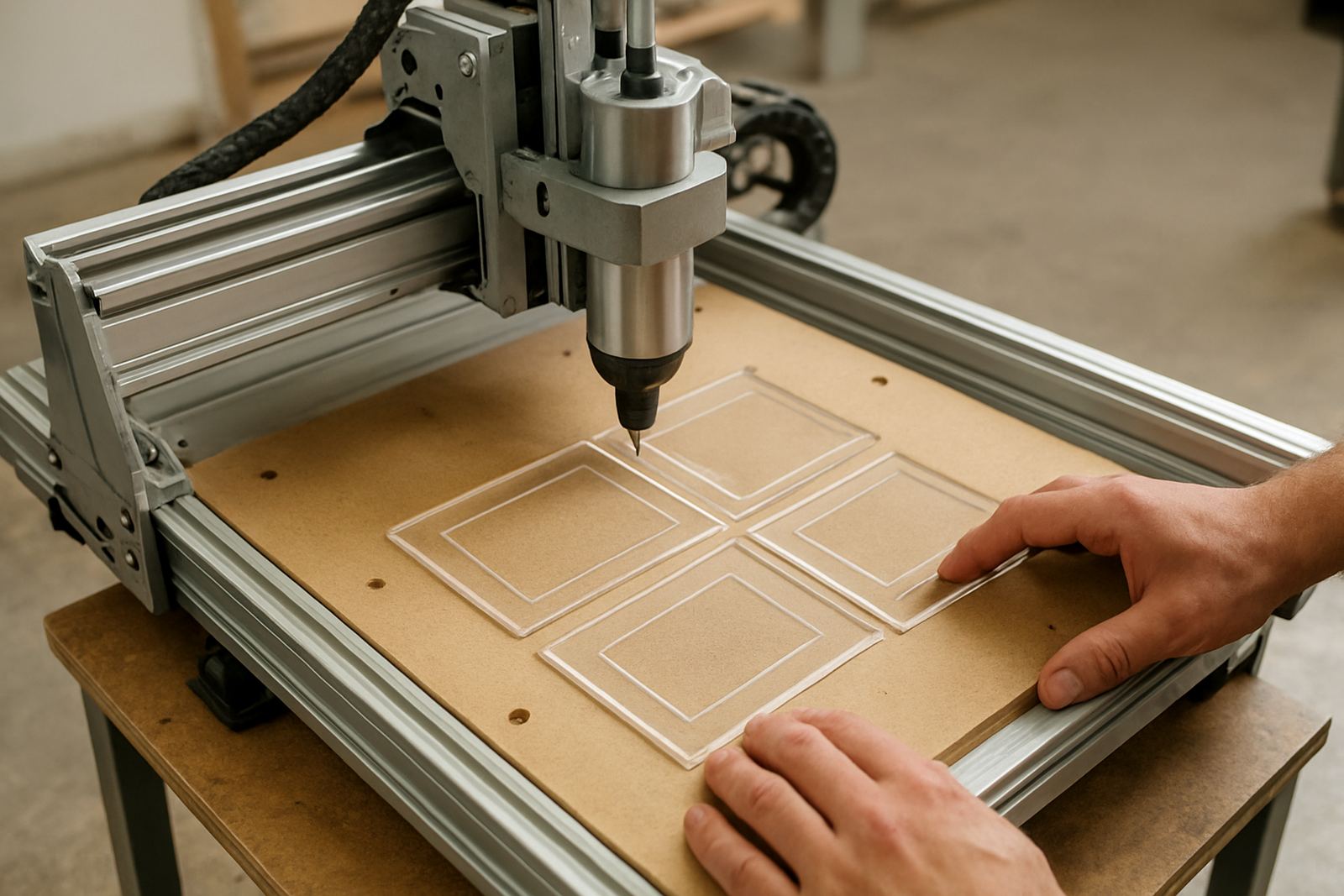
It is also useful when you need predictable depth control on materials that can shift or chip if handled badly. The flat-bed format helps with clamping and reference, which is important when you are making batches for local fitters, cabinet makers or plastics users.
Sizes, options and what you can specify
The Template Router 600 is usually chosen with a small footprint and a work area suited to precision work. Exact configuration can be matched to your workflow, but buyers normally ask for the following options.
- Working area sized for small sheets, templates and component parts
- Single or multi-pass cutting setup depending on material thickness
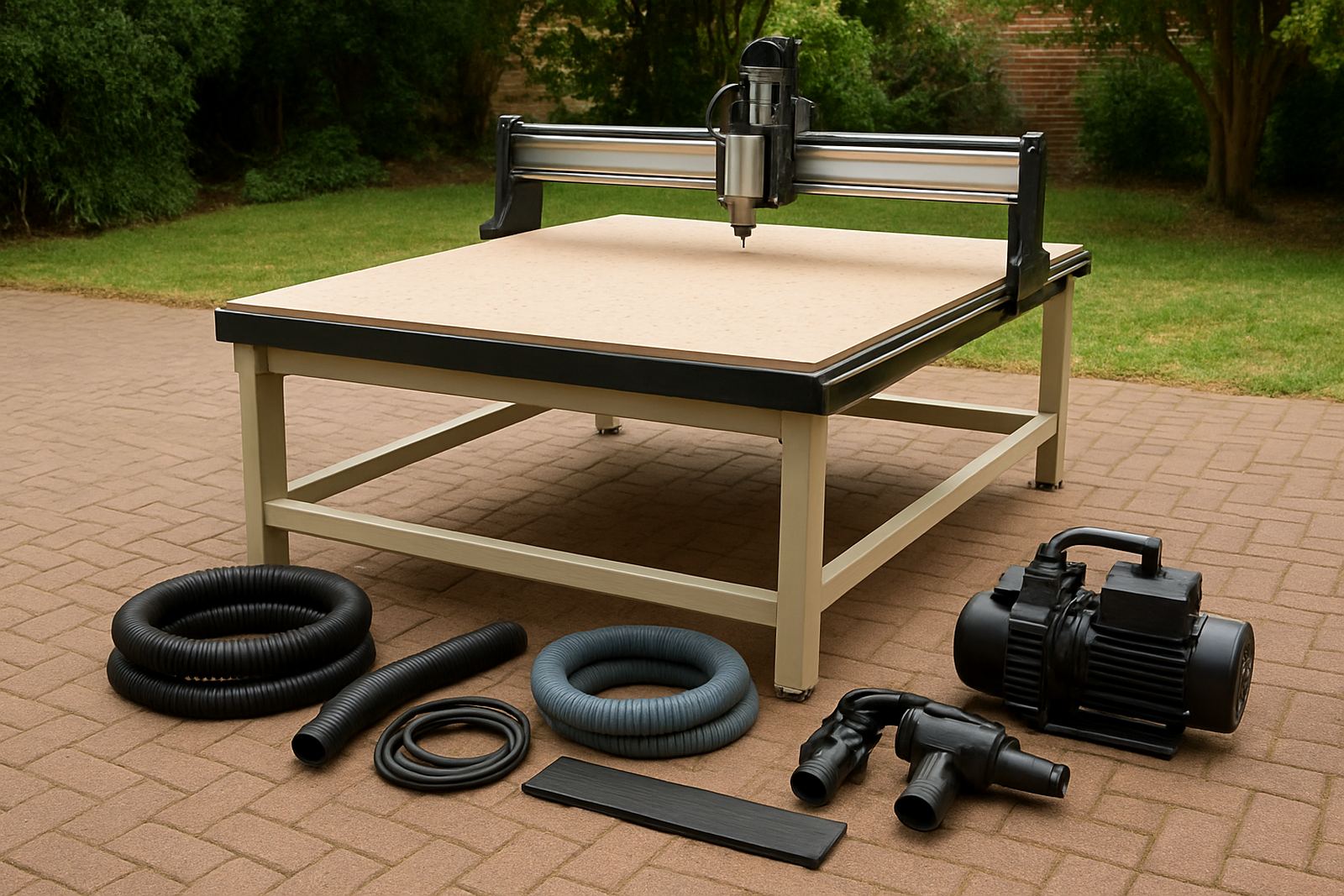
- Vacuum or mechanical hold-down depending on the parts you cut
- Stepper motor drive for controlled motion on repeat runs
- Controller choice for manual input or software driven toolpaths
- Tooling and collets suited to wood, MDF and plastics
For workshops doing sign blanks or template components, a compact bed is often enough. If you are cutting long items, ask for the usable travel, not just the outside frame size. That is a common issue when bed size is judged by frame size instead of usable travel. We also help with spares planning, so you can keep the machine working when local deliveries are delayed or a part wears out.
Where the Template Router 600 fits best
This machine suits smaller production runs, prototypes and repeat jobs where the same shape must be copied accurately. It works well for template makers, model shops, cabinetry support work and plastics trimming. If you are in Pretoria, Centurion or Kempton Park and are dealing with daily batch work, it can sit alongside a table saw and hand tools as the machine for precise shaping.
It is not the right choice for very large sheet processing, but for small components it keeps setup time low and output consistent. Many customers use it for one-off specials, then later move into steady batch work once they have built confidence. That makes it a sensible option for a workshop growing from hobby use into paid work.
- Small woodworking shops producing jigs, templates and inserts
- Plastic fabricators needing neat repeat cuts and profiling
- Sign and display makers cutting small blanks and mounting parts
- Hobby users who want better control than manual routing
If your work must match a router table, drill press or hand-made template every time, this type of machine is worth a close look. It gives better repeatability and less marking-up by hand, which saves time on the bench.
Installation, power and workshop setup
The Template Router 600 is generally a straightforward install, but the workshop should be prepared properly. A level floor, clear access for moving the machine and enough room around the table for loading and unloading are important. In Silverton and Pretoria East, workshop owners also need to think about dust extraction and power stability, especially during load-shedding or when running other machines on the same circuit.
Most installations use standard single-phase power, though the exact supply should be checked against the final machine specification. If you are adding a spindle or extraction unit, allow for the extra load on the electrical side. Do not assume a plug point near the wall is enough. It is better to plan for a dedicated circuit and proper earthing from the start.
For safe operation, you should also allow space for chip extraction, tool changes and material storage. Plastics and MDF can build up fine dust fast, so a clean area matters. In coastal humidity areas, parts should be stored dry to avoid swelling and rust on tooling.
- Level base and clear access around the machine
- Single-phase supply checked against the machine rating
- Dust extraction or chip collection fitted before production
- Stable benching for tools, clamps and setup parts
Care, servicing and keeping output consistent
Like any CNC machine, the Template Router 600 needs regular checking if you want repeatable results. Keep rails, guides and moving parts clean, and inspect belts, bearings and cable runs for wear. Dust from MDF can settle quickly, so a short clean-down after each session helps more than people expect.
Our team supports preventive maintenance, breakdown support, control tuning and remote support where possible. If a spindle needs replacement, or the machine starts losing accuracy, it is better to sort it early than to keep forcing bad cuts. Small workshops often ignore the first signs of drift, then end up with wasted material and rework. A quick service visit can save a lot of Rand over time.
Training also matters. A machine can only perform properly if the operator understands feed rates, safe clamping, tooling choice and basic software settings. We offer operator training, software basics and refresher training for users who want to keep the process tidy and predictable. Nhlanhla and the technical team handle practical setup, while spares planning helps reduce downtime when a part is due for replacement.
What to check before you order
Before placing an order, check the size of the parts you will actually cut, the material thickness and the daily volume. A machine can look right on paper but still be the wrong fit if the bed is too small or the controller is not suited to your workflow. If you are based in Gauteng, we can discuss starter setup visits in Pretoria, Centurion, Midrand or Kempton Park, and spares supply nationwide.
Confirm who will run the machine, who will handle setup and whether software guidance is needed from day one. A lot of problems come from the wrong tool or poor clamping, not the machine itself. When ordering, ask about delivery access, training dates and the spare items you should keep on hand.
- Working area needed for your largest part
- Material types and maximum thickness
- Power supply and extraction plan
- Operator skill level and training needs
- Tooling, spares and consumables to keep in stock
If you want a practical CNC router for repeat template work, the Template Router 600 is a tidy fit for small workshops that need accuracy without overcommitting on size. It is built for work that must come out the same, day after day, and it suits South African users who need support, parts and proper setup advice close to home.
Key facts
| Working type | Flat-bed CNC router for small component machining |
|---|---|
| Suitable materials | Wood, MDF and plastics |
| Power supply | Single-phase supply, final rating to be confirmed to configuration |
| Typical use | Template making, profiling, small batch parts and jigs |
| Control system | Stepper-driven CNC control with software based toolpath input |
| Support | Training, spares, maintenance and remote assistance from Silverton, Pretoria |