
Built for steady output on common sheet materials
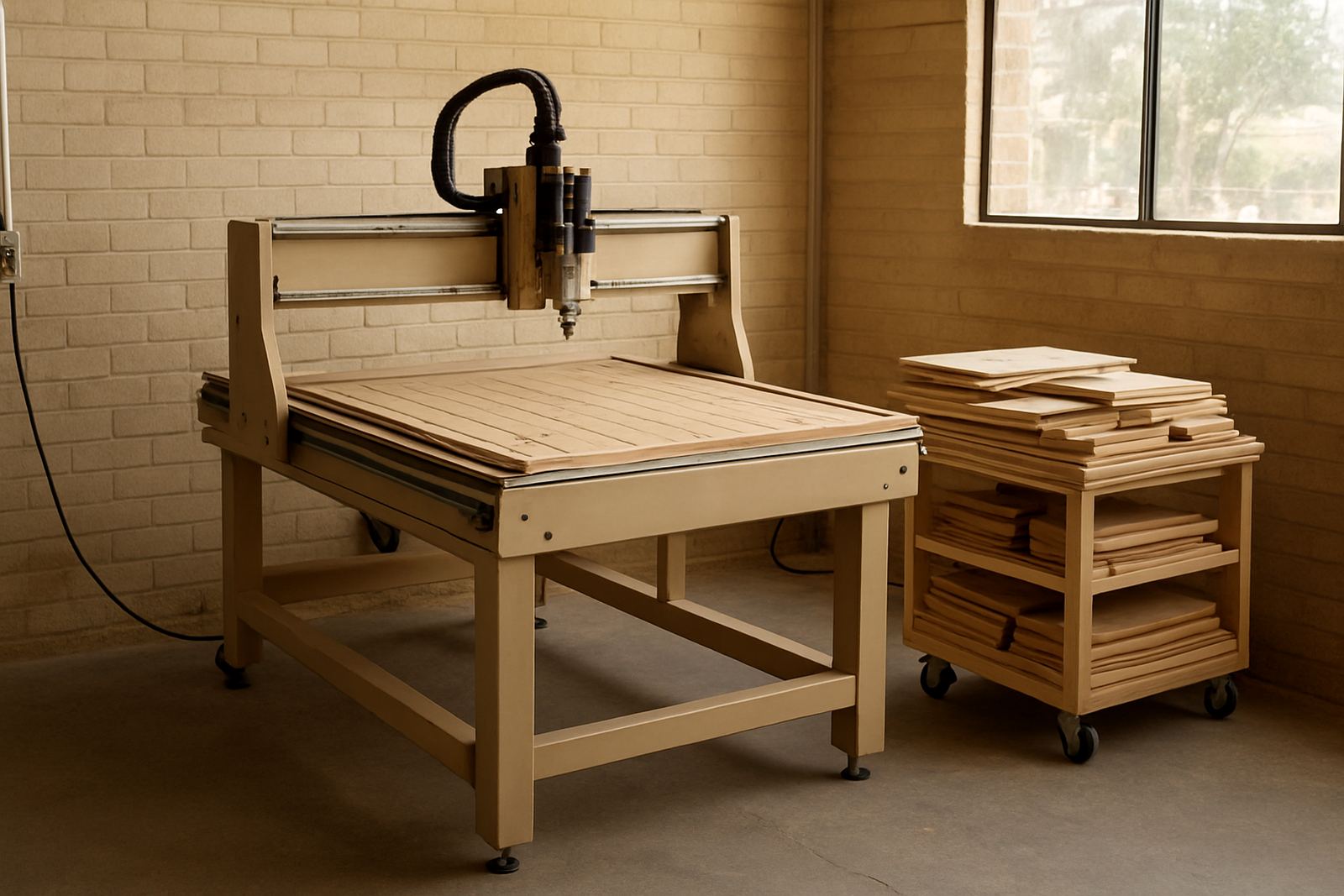
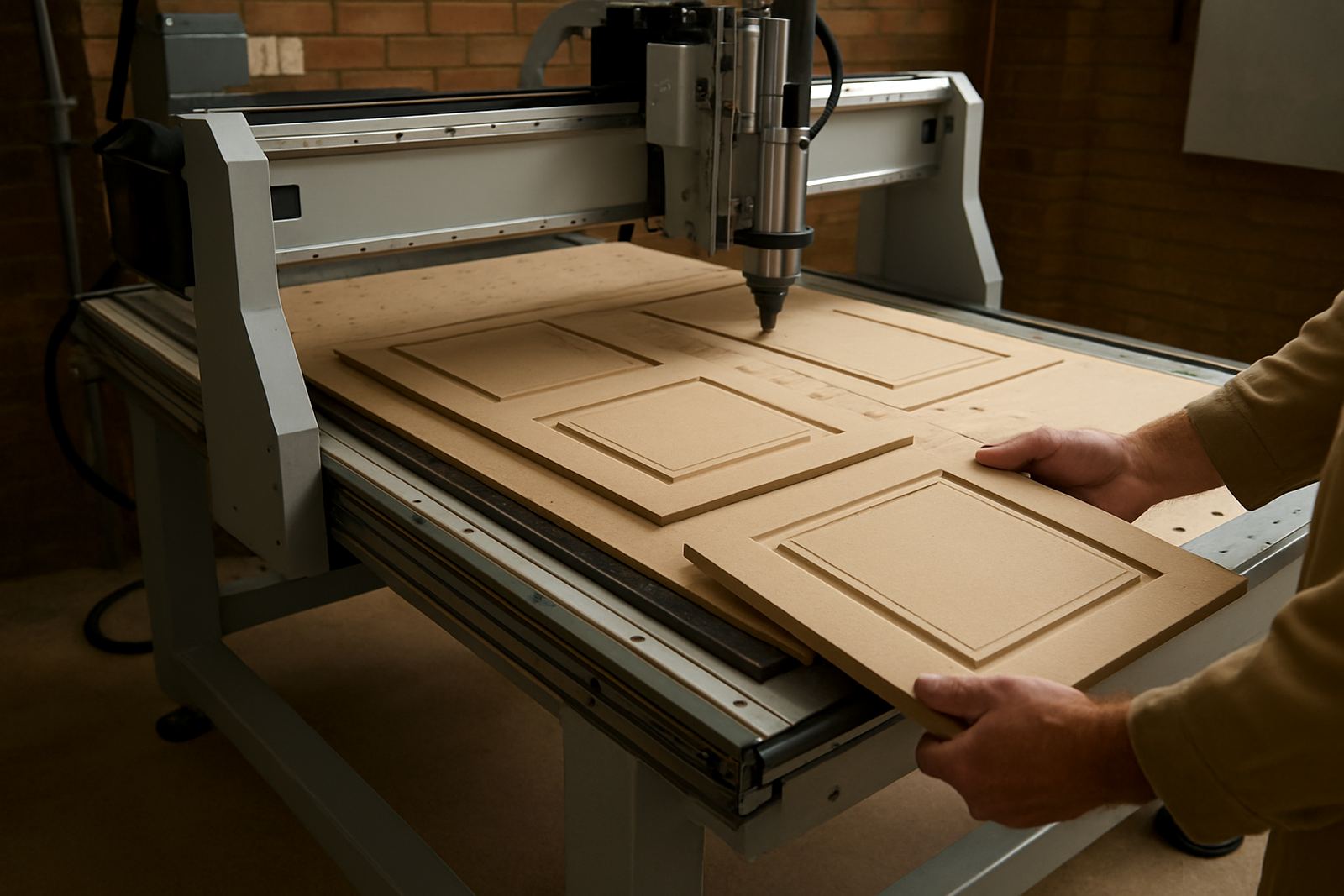
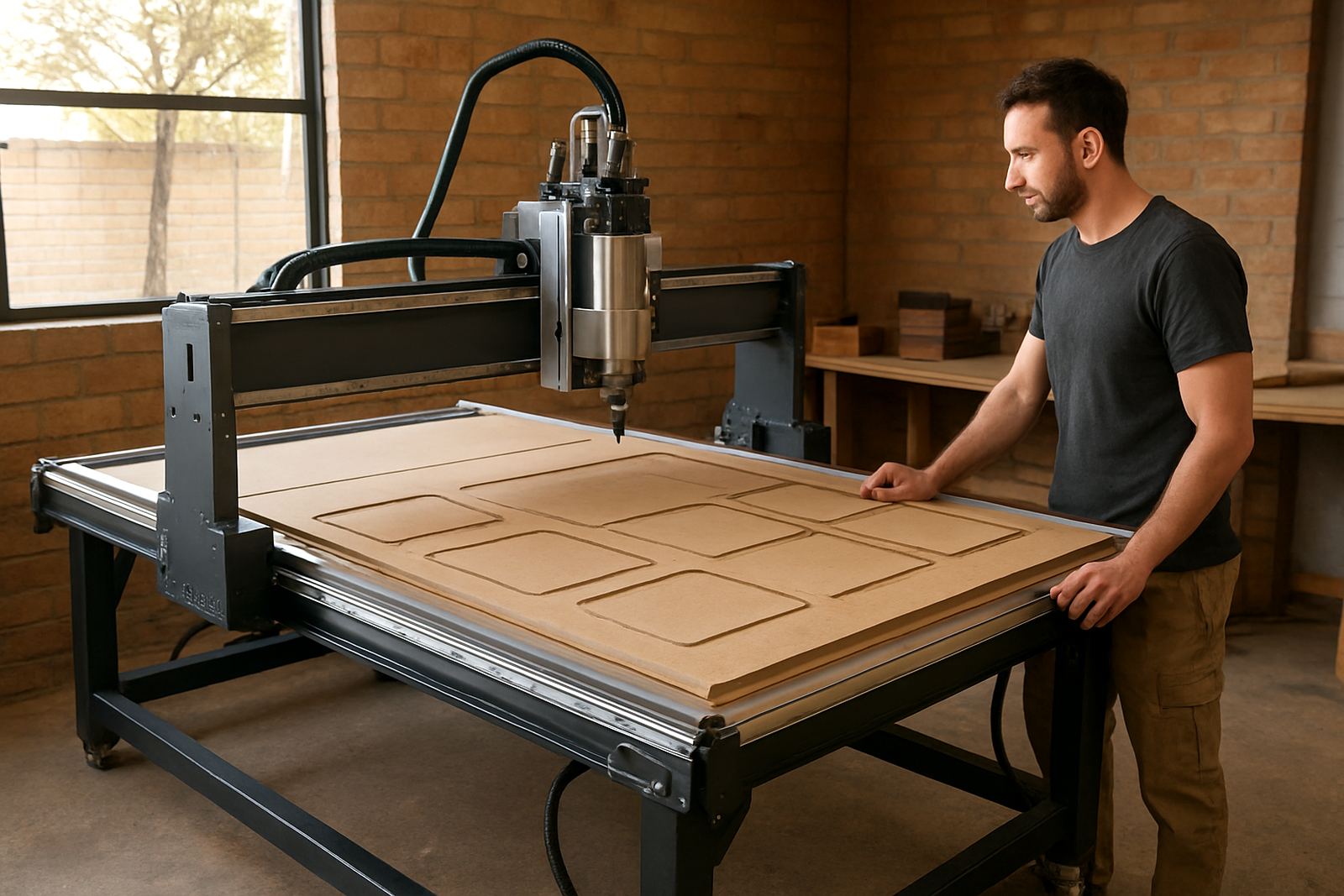
The Production Router 1500 is a larger-format CNC router table aimed at workshops that cut MDF, plywood, melamine, composite board and plastics on a regular basis. It gives you a practical balance between footprint, accuracy and daily output, so you can run nested parts, cabinet components, lettering, jigs and repeat jobs with fewer manual steps.
This model is a good fit if you have outgrown a small hobby machine but do not need a full factory-sized setup. It is often used in Pretoria, Centurion, Midrand, Kempton Park and other workshop areas where space is limited and power supply can be interrupted by load-shedding. The table size and gantry strength make it suitable for longer sheets and more consistent batch cutting, but it still stays manageable for a small team.
For businesses that need dependable production without overcommitting on floor space the 1500 format is a sensible middle ground. It is especially useful where one operator handles design, setup and cutting in the same shift, because the workflow stays straightforward and easy to repeat.
Sizes, format options and working envelope
The Production Router 1500 is available in formats that suit a range of workshop needs. The exact bed size and travel can be matched to the material sizes you cut most often, which helps avoid waste and awkward repositioning. It is commonly chosen for sheet goods and parts that need longer X travel and enough Z clearance for standard tooling.
- Working area suited to larger board cutting and batch jobs
- Router table format for woodworking, MDF and plastics
- Suitable for flat sheet nesting, profiling, drilling and engraving
- Can be specified with dust extraction support and vacuum hold-down options
- Useful for smaller production runs and repeat parts
When you order, check the usable cutting area rather than only the outside frame size. That tells you whether your common sheet sizes, clamps and jigs will fit comfortably. If you are cutting full sheets, also factor in edge trimming and spoilboard allowance so you are not working right on the limit.
Where the Production Router 1500 suits best
This router suits joinery shops, furniture makers, cabinet shops, display builders, signage workshops and plastics fabricators. It performs well on common board materials that need accurate profiles and neat edges, especially where repeatability matters more than hand cutting. If you are turning out kitchen parts, wardrobe panels, shop fittings or template-based work, the machine can save a lot of time.
It also suits training environments and growing businesses that need a platform they can learn on and keep using as demand increases. Many users start with simple 2D cutting, then move into pocketing, drilling patterns and basic 3D work as their confidence grows. The machine is practical for one-person operations, but it can also slot into a small team where one person loads material and another handles finishing.
- Cabinet component cutting
- Furniture parts and panels
- Signage and lettering on plastics
- Templates, jigs and fixtures
- Small batch production runs
Installation, power and workshop setup
Before installation, plan for a level floor, enough operator space and clear access for sheet loading. The machine should be positioned where dust extraction, tool changes and maintenance access are all easy to reach. If your workshop is in Silverton, Pretoria East or nearby industrial areas, it helps to allow extra space for offloading and moving materials through the room.
Power requirements depend on the spindle and control package selected, so confirm the supply before ordering. A dedicated electrical circuit is normally recommended, along with proper protection against voltage dips and interruptions. In many South African workshops a backup strategy for load-shedding is worth planning early, because interrupted cutting can waste boards and tools. This is especially true on longer production jobs.
Compressed air may be needed for certain hold-down or machine functions, depending on the option set. Dust extraction is strongly recommended for MDF and fine board work, both for finish quality and for cleaner day-to-day operation. If your premises are near the coast, humidity control and storage care matter too, because moisture can affect boards, rails and electrical parts over time.
Specs that matter before you place an order
When comparing this model, look beyond marketing terms and check the parts that affect real workshop use. The spindle size, controller type, guide arrangement and table support will influence cutting quality and service life. Ask for the working envelope, travel speed, motor details and spindle mounting style so you can match the machine to your material and output targets.
- Suitable for MDF, plywood, melamine board and plastics
- Larger working area than hobby-size routers
- Spindle and control options to suit different workloads
- Compatible with common nesting and profiling workflows
- Can be paired with dust extraction and hold-down solutions
- Training and setup support available from the Pretoria base
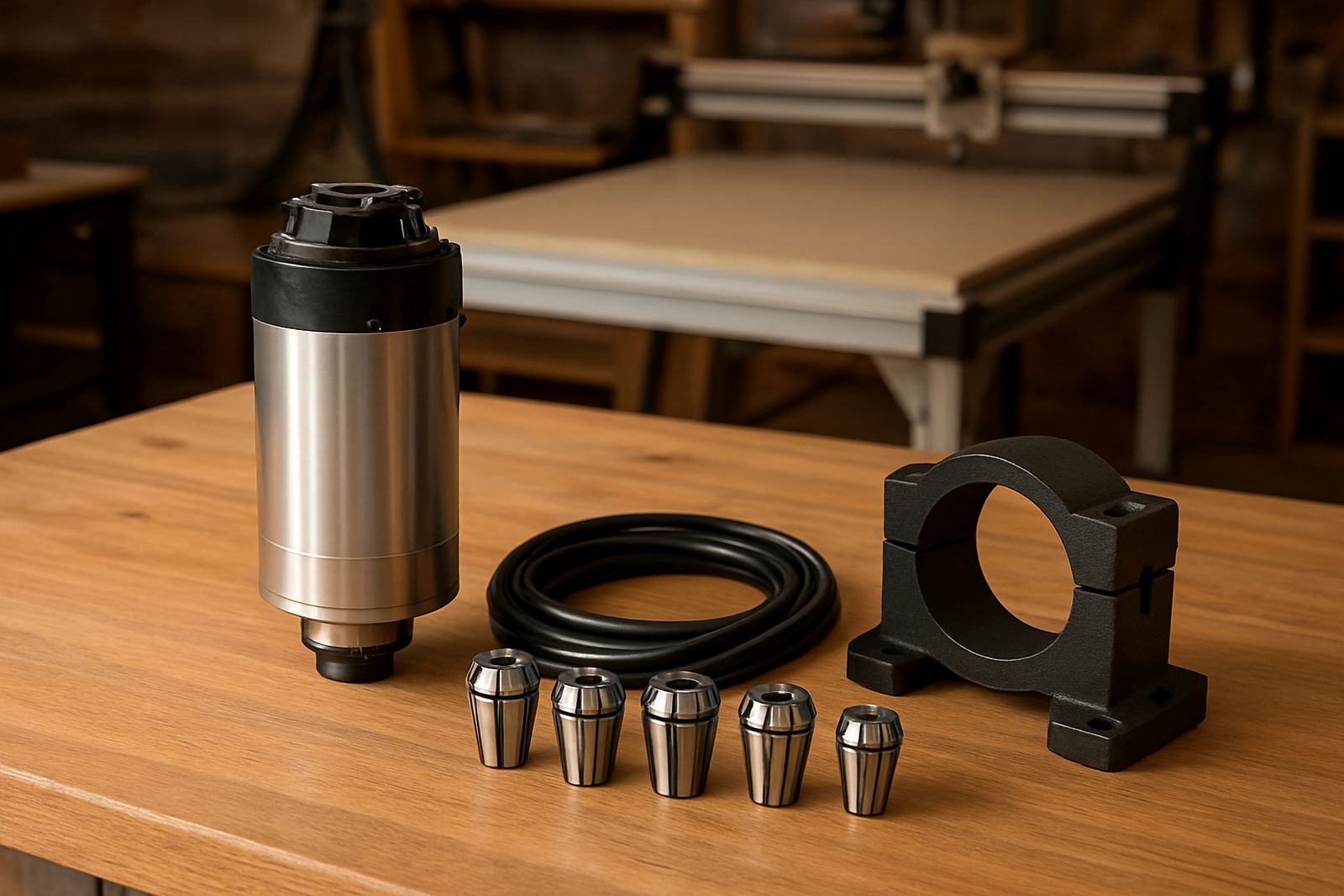
You should also confirm whether the machine includes the tooling you need to start, or whether cutters, collets and spoilboard material must be quoted separately. If you are budgeting for a workshop upgrade, include software, extraction, bits and a backup power plan in the total cost, not only the router itself.
Care, servicing and spares planning
Regular care keeps the Production Router 1500 cutting cleanly and helps reduce downtime. Daily checks should include dust removal, spoilboard condition, cable inspection and a quick look at the spindle area. Weekly, it is worth checking fasteners, guide cleanliness and vacuum or air system performance if fitted. Bearings, belts and drive components need attention before they become noisy or start affecting accuracy.
For busy workshops, a simple maintenance routine is better than waiting for a fault. Preventive servicing can reduce surprise stoppages, and it also makes it easier to plan spare parts before a breakdown. That is important if you are working to customer deadlines or handling repeat orders, becuase one missed shift can back up the whole week.
CNC Router Hub offers spares planning, breakdown support, spindle replacement, control tuning, remote support and refresher training. If your team is new to CNC work, a starter setup visit or operator training can help you avoid common mistakes such as incorrect feed rates, poor sheet fixing or rushed tool changes.
What to check when you are ordering
Before placing an order, confirm the material sizes you cut most often, the daily job volume and the space available in your workshop. Check whether the machine will be used for production, training or mixed work, because that affects the best configuration. It is also useful to know who will operate it, and how much time they have for setup and maintenance.
- Largest sheet size or panel size you need to cut
- Material types and thicknesses you use most often
- Available power supply and backup plan
- Need for dust extraction, vacuum hold-down or air supply
- Training required for operators and supervisors
- Spare tooling and maintenance schedule
If you are based in Pretoria, Silverton, Centurion, Midrand or Kempton Park, you can arrange local support and collection planning. Training and spares are supplied nationwide, so workshops outside Gauteng can still keep their machines running without long delays. For sales, support or ordering advice, use our contact form and ask for the option set that matches your workload.
Key facts
| Product name | Production Router 1500 |
|---|---|
| Material suitability | Woodworking boards, MDF, plywood, melamine and plastics |
| Working style | CNC router table for profiling, nesting, pocketing and drilling |
| Typical use | Higher-volume cutting and repeat production jobs |
| Support | Training, spares, maintenance and breakdown support nationwide |
| Base location | Silverton, Pretoria |