
A practical first set for everyday CNC work
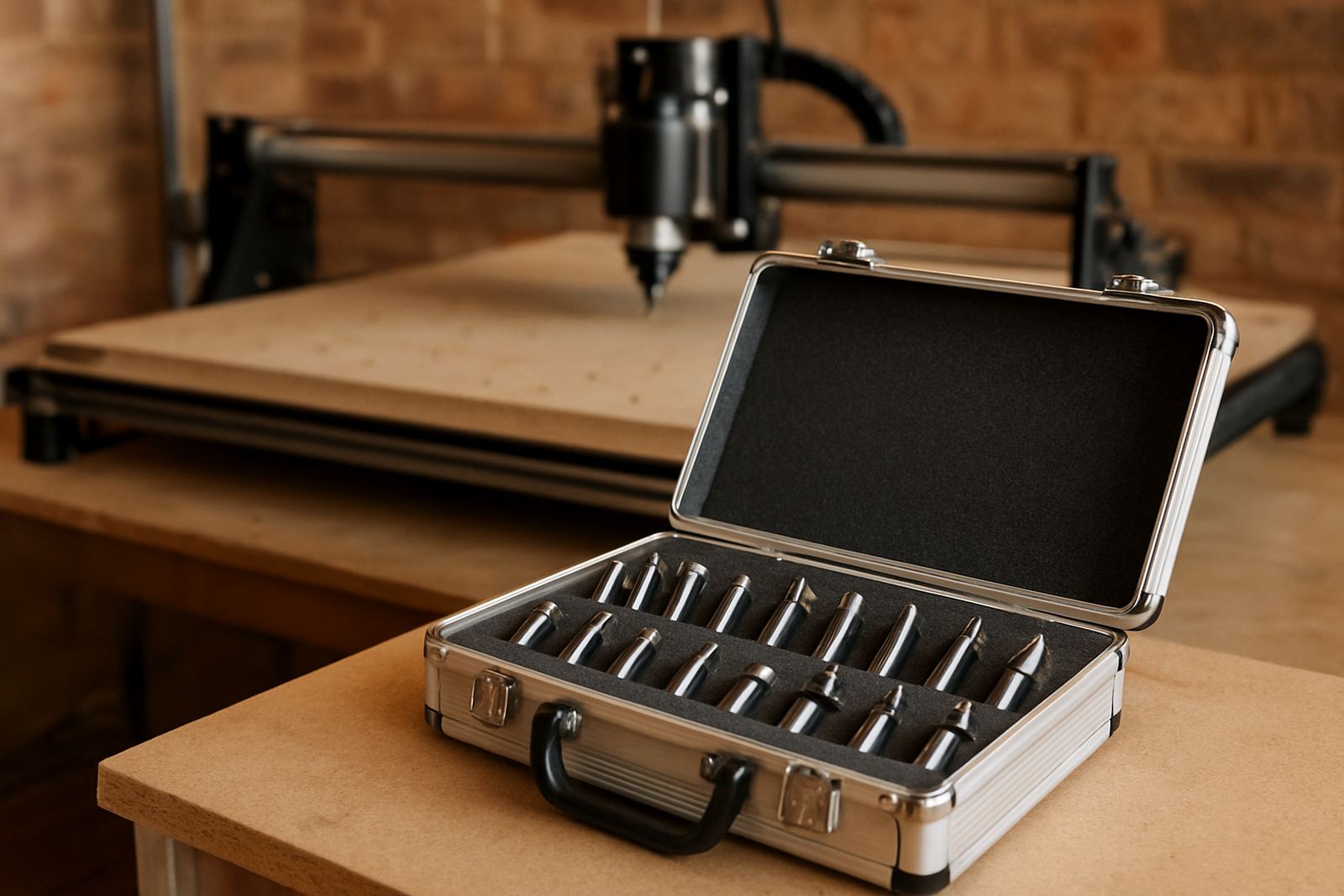
The Starter Bit Pack is put together for owners who are learning the machine and need a useful range of cutters from day one. It covers the common jobs on smaller CNC router tables, from profile cuts and pocketing to basic sign work and light finishing on MDF, plywood and acrylic. For a new setup, that means fewer stops while you wait for the right cutter and less trial-and-error on your first jobs.
These packs are suited to hobby routers and compact production tables used in Silverton, Pretoria East, Centurion, Midrand and Kempton Park, as well as smaller workshops elsewhere in South Africa. If you are making decor panels, cabinet parts, templates or plastic components, this pack gives you a dependable starting point without overbuying on specialist tooling.
- Made for wood, MDF and acrylic projects
- Suitable for small CNC router tables and desktop machines
- Balanced for learners and practical everyday use
- Useful for sign work, sample parts and light production runs
What is included in the starter pack
The exact mix can vary slightly depending on stock, but a starter set normally includes a few of the most used cutter profiles for general CNC work. That usually means a selection of single flute and two flute cutters, a V bit for lettering or engraving, plus at least one straight or compression style cutter for cleaner edges. The aim is to cover common tasks without making the pack complicated.
Typical cutter sizes are chosen to suit smaller router tables and standard collets, with shank sizes most often in 3.175 mm, 6 mm or 8 mm. Cutting diametres commonly include 1.5 mm, 3 mm, 6 mm and 12 mm depending on the pack mix. If your machine uses a specific collet size or you run a smaller spindle, it is worth confirming the shank before ordering, as a loose fit can damage both the cutter and the collet.
- Common shank options: 3.175 mm, 6 mm, 8 mm
- Common cutter diametres: 1.5 mm to 12 mm
- Suitable for profiling, pocketing and engraving
- Pack contents may be adjusted for stock availability
Where this pack fits best in the workshop
This pack suits users who cut mostly sheet material and need a sensible general-purpose set rather than specialist cutters for aluminium or high-speed production. It works well on MDF, pine, meranti, plywood, Perspex type acrylic and similar plastics. For most first-time owners, that is enough to get through setup jobs, sample pieces, jigs and early paid work.
If you are using the router in a garage or light industrial space, the pack is also a good way to test feeds, speeds and toolpaths before you commit to larger tooling orders. In load-shedding areas, it helps to keep a written cutting record for each bit because a restart after power loss can lead to missed tool changes or a worn cutter being used longer than planned. Small steps like that save material and time.
- Best for hobby workshops and starter production work
- Works on sheet goods and light plastic cutting
- Good choice for sample runs and jigs
- Helpful when learning feeds, speeds and tool life
Installation, machine setup and power needs
Starter cutters do not need a separate power supply or gas connection. They are fitted into the router spindle or collet, then set up in your CNC software with the correct tool number, diameter and cutting depth. For accurate results, the cutter should be seated properly and tightened to the correct torque. Never run a cutter with dirt, resin build-up or a damaged shank because it can throw off balance and affect finish quality.
Before first use, check that your machine is square, the spoilboard is flat and the dust extraction is working. On smaller workshops, especially in Pretoria and surrounding areas, many cutters perform better when chips are cleared quickly instead of being recut. If your power supply is unstable or you work through outages, save the toolpath settings and keep a backup of the job file, because a restart can leave you needing to re-home the machine and verify the tool length again.
- No gas connection required
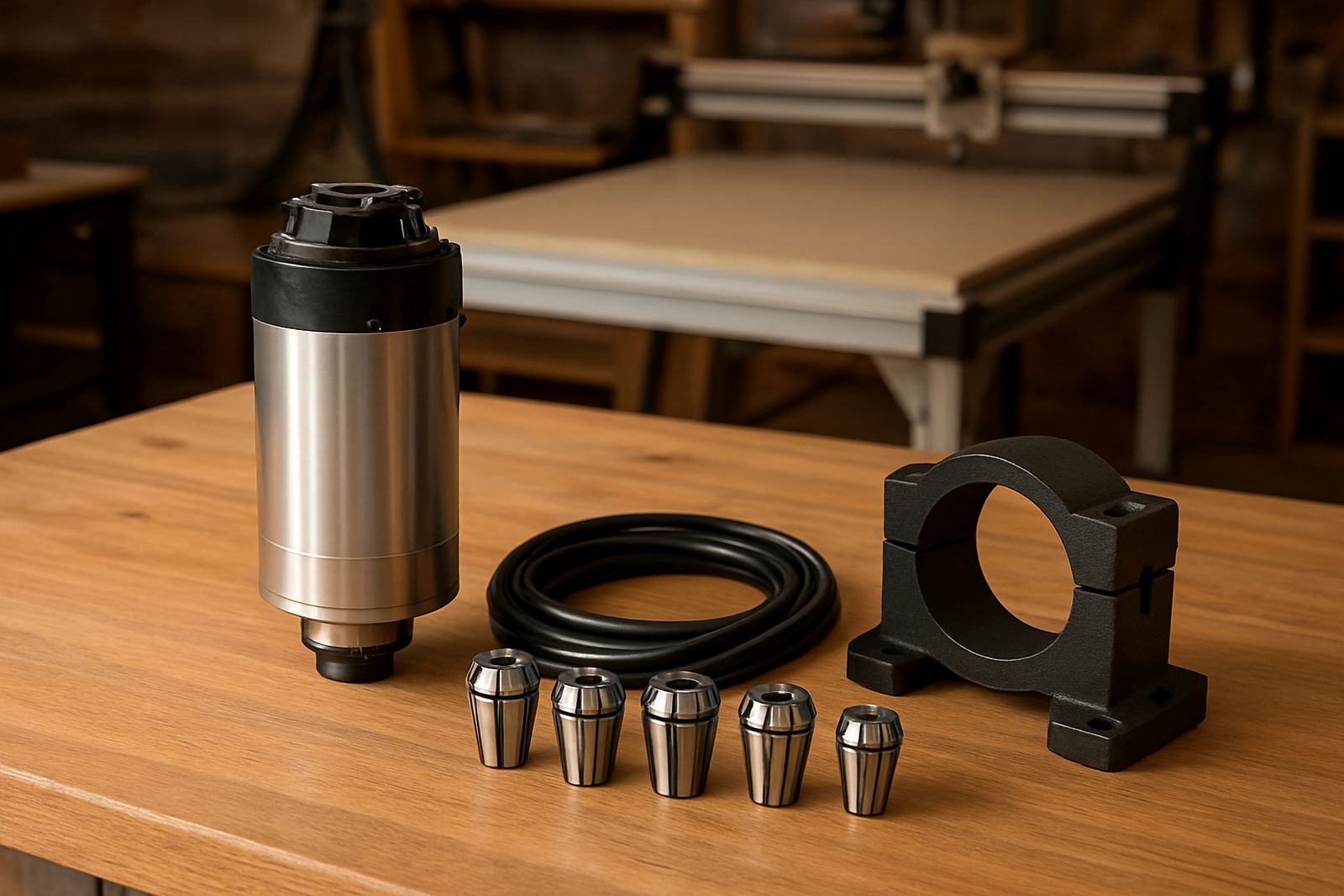
- Needs the correct collet size and spindle speed setting
- Dust extraction recommended for cleaner cuts
- Keep toolpath and tool offset records backed up
Care, sharpening and when to replace cutters
Cutters last longer when they are cleaned after use and stored dry. Resin from timber and fine MDF dust can build up quickly, so a soft brush or approved cleaner helps keep the cutting edges open. In coastal humidity the risk of surface rust is higher, so sealed storage is a good idea even if the cutters have only been used a few times.
Watch for burning, rough edges, excessive vibration or a sudden drop in finish quality. Those are common signs the cutter is dull or damaged. If the cutter has chipped edges, visible runout or a bent shank, replace it rather than pushing for one more job. Preventive maintenance on the spindle and collet also matters, because a worn collet can make a good bit cut badly.
- Clean after each shift or cutting session
- Store dry and away from damp air
- Replace damaged or blunted cutters promptly
- Check collet wear during regular service
Ordering the right starter set the first time
When ordering, check the material you cut most often, the thickness of your sheets and the spindle or collet size on your machine. If you cut mostly MDF, one pack may be enough for the first few weeks. If you work with both wood and acrylic, ask for a mix that includes at least one cutter suited to cleaner plastic edges and one for general routing. That small bit of planning avoids unnecessary downtime.
Include your machine model, spindle type and whether you need help with software basics or a starter setup visit. For workshops in Silverton, Pretoria East, Centurion, Midrand and Kempton Park, local support can make the first order easier to match to the machine. Nationwide, the same careful spares planning applies when you want cutters delivered with other consumables so you do not run short mid-job.
- Confirm material type: wood, MDF, acrylic or mixed use
- Match cutter shank to your collet size
- Check spindle speed range before ordering
- Keep note of common jobs so future packs match your work
Support for new CNC owners
CNC Router Hub supports new owners with operator training, software basics, refresher training and spares planning. If you are just getting started, that support can be as important as the cutters themselves because the right feed rate and tool choice affects finish, noise and cutter life. For more involved issues, breakdown support, spindle replacement, control tuning and remote support are available to help keep your machine working properly.
We are based in Silverton, Pretoria and work with hobby users and small workshops across South Africa. If you are unsure which starter pack suits your table, send your machine details and the main materials you cut. It is better to choose once and cut cleanly than to buy random bits that do not match the job, the machine or the spindle.
Key facts
| Product type | Starter cutter pack for CNC router tables |
|---|---|
| Main materials | Wood, MDF, plywood and acrylic |
| Common shank sizes | 3.175 mm, 6 mm, 8 mm |
| Typical cutter sizes | 1.5 mm, 3 mm, 6 mm, 12 mm |
| Use cases | Profiling, pocketing, engraving and light finishing |
| Support | Training, spares planning and technical guidance |