
What the vacuum table kit does on a CNC router
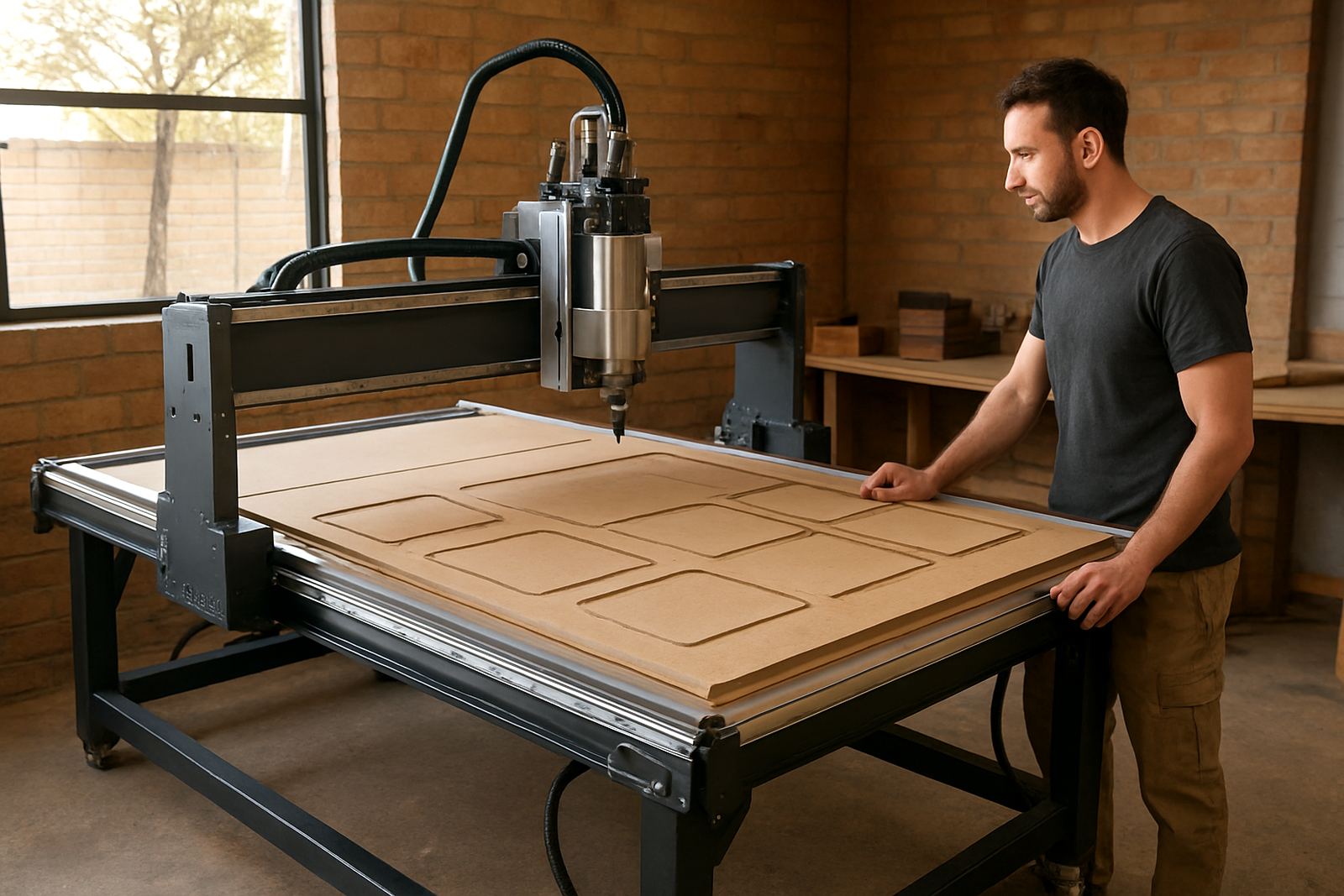
A vacuum table uses suction through a sealed table surface to grip sheet material while the router does the cutting. Instead of relying only on clamps, screws or tape, the sheet is held down more evenly across the full bed. That is useful when you are cutting parts with small tabs, nesting jobs, pocketing, or doing repeated runs where consistency matters.
For woodworking, MDF and plastics, the main gain is flatter hold-down. Thin sheets often lift at the corners or shift slightly when a cutter is moving fast, and that can lead to chatter or a rough edge. A vacuum table reduces that movement and makes setup quicker, which is handy in a busy Silverton workshop or a smaller garage setup where every minute counts.
The kit is suited to hobby routers and compact production tables. It is especially practical for sign shops, cabinet makers, prototyping work and training environments where operators are learning the process and need a safer way to secure material. You still need good material prep and correct feeds, but the table gives you a stronger base to work from.
Sizes, zoning and table options
Vacuum tables are usually supplied in sizes matched to the machine bed. Common options include compact desktop formats, mid-size hobby tables and full sheets for larger routers. The right choice depends on the effective cutting area, pump capacity and the type of jobs you plan to run. A small table may suit parts production, while a larger bed is better for nesting full boards.
- Compact tables for small routers and sample parts
- Single-zone beds for simple sheet work
- Multi-zone layouts for mixed part sizes and partial sheets
- Spoilboard style tops for easy surfacing and replacement
Zoning matters because it lets you switch suction only where the material sits. That saves power and improves hold on smaller panels. If you often cut offcuts, test pieces or mixed batches, a zoned setup can be more practical than one large open area. We also look at whether you need a sealed perimeter, removable gasket lines, or a top plate that can be surfaced again after use.
For plastics, a smoother and more even bed helps reduce vibration marks. For MDF, good vacuum coverage is important because the board can leak air through its edges and any exposed grain. If your work includes light board, melamine faced panels or thin ply, the table should be matched carefully to the material thickness and cut depth.
Where a vacuum table suits best
This kit suits workshops that cut flat sheet stock on a daily basis. In Pretoria East, Centurion and Midrand, it is common to see small manufacturing spaces where operators want clean holding without loading and unloading heavy fixtures. The system is also a good fit for schools, training rooms and maker spaces where different users need a repeatable setup that is easy to understand.
It works well for:
- MDF panels and cabinet parts
- Plywood, blockboard and similar sheet goods
- Plastics such as acrylic, PVC and engineering plastics
- Sign panels and router cut lettering blanks
- Prototype parts and short production runs
If your work is mostly solid timber, very small parts or highly uneven stock, a vacuum table may not be the first choice. The material must seal well enough for suction to hold. With porous board, warped stock or badly bowed sheets, you may need edging, masking or a different hold-down method. We can advise on whether the kit will suit your typical jobs before you place an order.
Installation, power and compressor needs
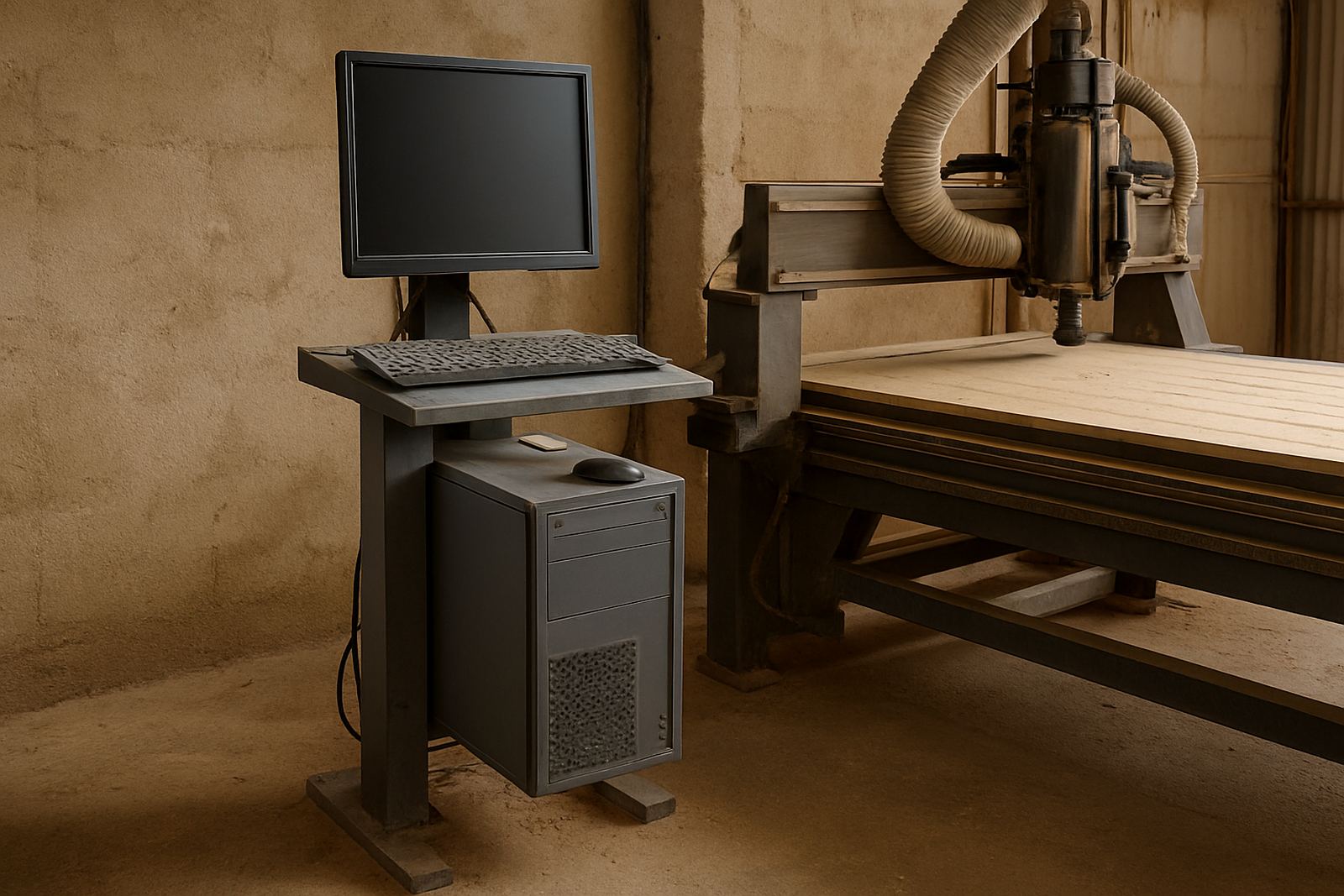
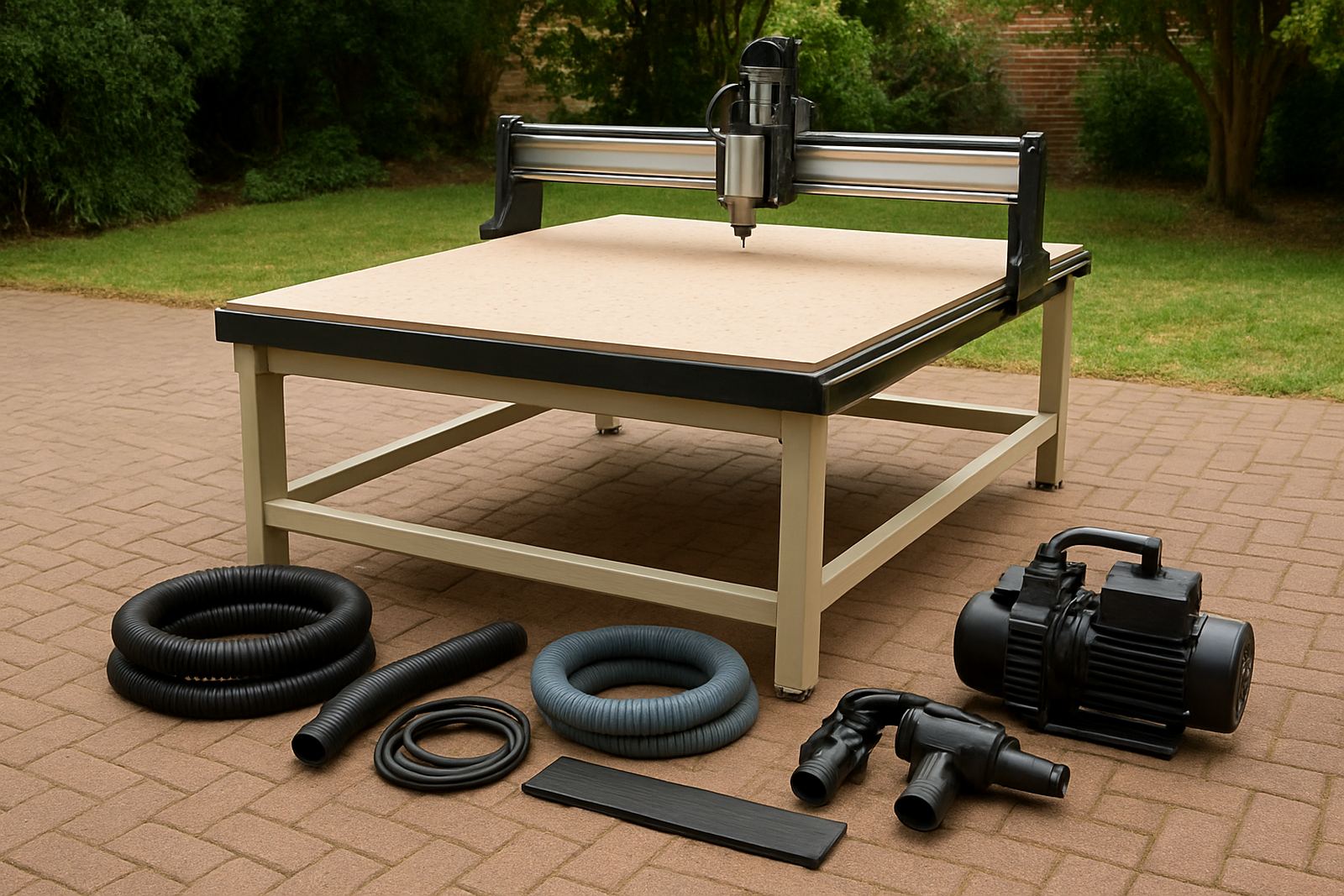
A vacuum table kit normally needs a suitable pump or vacuum source, correct sealing and a stable electrical supply. Most installations run on single-phase or three-phase power depending on the pump size and machine setup. In South Africa, load-shedding can affect runtime, so many users plan for a backup supply or schedule cutting around power availability. If you have frequent outages in Silverton or nearby areas, that should be taken into account before fitting the kit.
Some systems work with a dry vacuum pump, while others may use a blower-style source depending on the table design and the suction demand. It is not usually a gas-based system. If your router already has dust extraction, that remains separate and still matters because excess dust can compromise sealing and reduce grip. A clean bed, correct gasket lines and properly sized vacuum channels are the main factors that keep the sheet down.
During setup we look at bed flatness, hose routing, electrical load and whether the machine controller has any limits around start-up delay or interlock control. If the table is fitted as an upgrade to an existing router, the machine frame and gantry clearance should be checked first. The bed must also stay accessible for surfacing and maintenance, so the operator can keep it level over time.
Care, servicing and everyday use
A vacuum table is not a fit-and-forget item. It needs regular cleaning, gasket checks and inspection of the suction paths. Dust build-up, offcuts and adhesive residue can reduce holding force. In humid coastal air, especially if a machine is sent to Durban or the Eastern Cape later, sealing surfaces may need a bit more attention to prevent grip loss and sticky contamination.
Good daily care includes:
- Cleaning the bed before each run
- Checking vacuum lines for leaks
- Surfacing the spoilboard when it goes uneven
- Inspecting seals and replacing worn sections
- Watching pump temperature and noise during long jobs
Servicing is simple when it is done early. A weak seal can often be traced to a small split, a loose fitting or a board that is slightly warped. We also recommend checking the table after any tool crash or heavy cutter change, because damage to the top surface can affect the whole hold-down area. If you need help, support can be arranged in Pretoria, with remote guidance and spares planning nationwide.
What to confirm before ordering
Before you order a vacuum table kit, confirm the exact bed size, the material you cut most often, and the thickness range you need to hold. It also helps to know whether you are running a desktop CNC router or a larger hobby machine, because the pump size and zoning should match the bed area. If the machine is already installed in a tight workshop, measure access around the sides too, not just the cutting area.
Useful checks before supply include:
- Working bed size in metres or millimetres
- Sheet sizes you cut most often
- Power available at the workshop
- Whether you need single-zone or multi-zone suction
- Any dust extraction or compressor equipment already in place
- The type of material, especially MDF or porous board
If you are not sure, it is better to send photos and a quick list of the jobs you run. That helps us match the kit to the machine instead of guessing. We can also plan spare seals, replacement top sections and basic training so the operator knows how to use the table from day one. For buyers in Gauteng and beyond, that saves time and prevents avoidable setup problems.
Key facts
| Product type | Vacuum table kit for CNC router sheet hold-down |
|---|---|
| Best suited materials | MDF, plywood, plastic sheet, sign board and similar flat stock |
| Typical sizes | Desktop, hobby and larger sheet-bed options, matched to machine bed size |
| Vacuum arrangement | Single-zone or multi-zone depending on workload and sheet size |
| Power requirement | Depends on pump size, usually single-phase or three-phase supply |
| Included support | Installation guidance, operator training, spares planning and after-sales support |