
What a Tool Length Sensor Does on a CNC Router
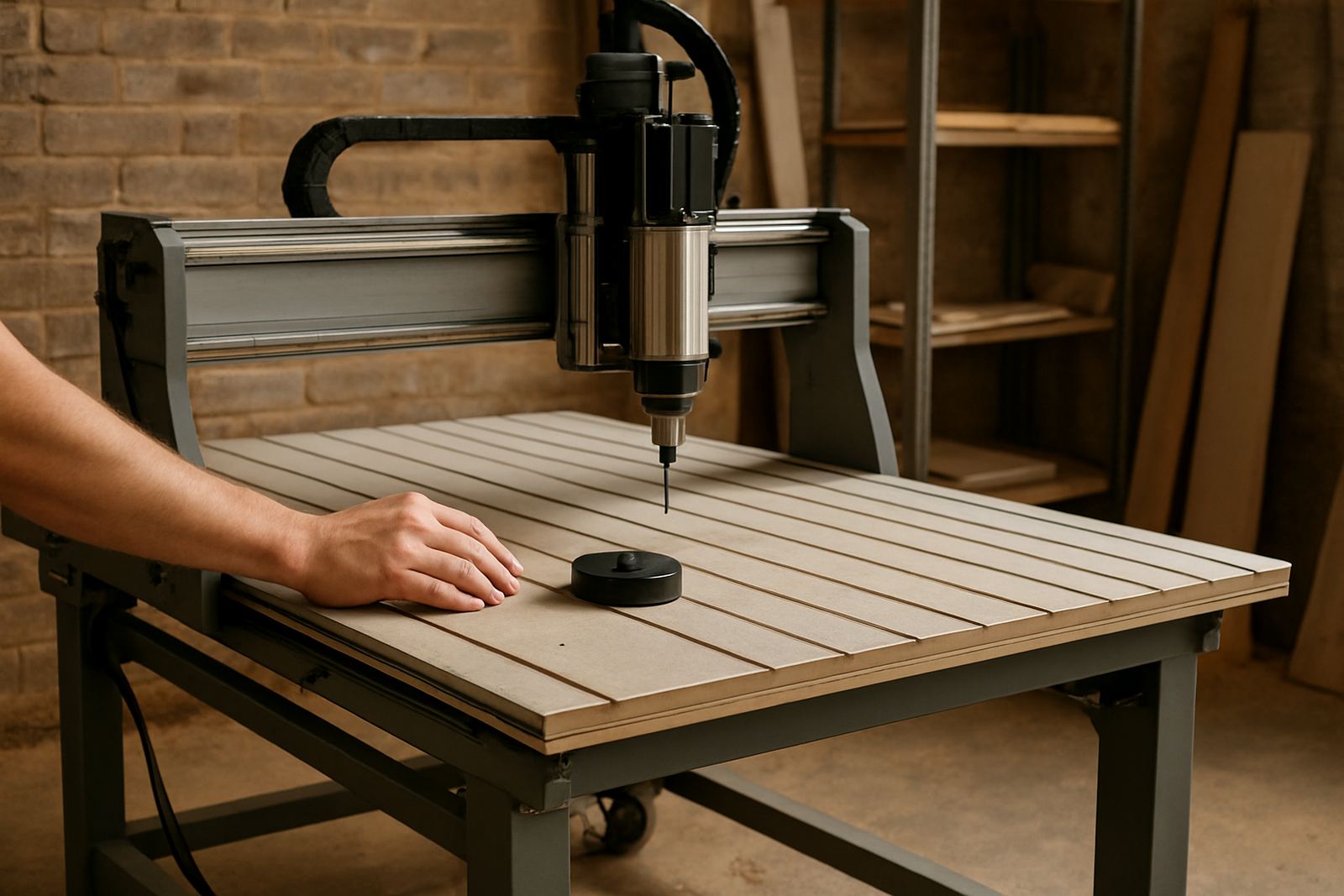
A tool length sensor is a small accessory used to find the exact height of a cutter before a job starts. The machine touches the sensor plate, reads the contact point, and stores that value so the tool can start from a known height. For a hobby router or compact workshop table, this saves time every day and helps cut parts more consistently, especially when changing bits often. It is a practical add-on if you run signs, templates, cabinet parts or small plastic components where repeatable depth matters.
On a busy morning in Pretoria or Centurion, you do not want to be guessing cutter height with a ruler and a scrap offcut. A sensor gives a cleaner setup process and reduces wasted material. It also helps when different operators use the same machine, because the measuring method stays the same. That is useful in smaller shops where the same router may be used for an hour one day and the whole shift the next, so the set up stays controlled.
- Repeatable tool height setting
- Faster changeovers between cutters
- Better consistency for shallow cuts and engraving
- Useful for MDF, solid timber, plywood and plastics
Sizes, Formats and Mounting Options
Tool length sensors for compact routers are usually supplied as a small contact plate with a fixed body height. The main difference is the working height, base size, cable length, and whether the unit is meant for a fixed table position or a removable setup. For desktop and hobby routers, a compact sensor is normally the best fit because it takes up less spoilboard space and is easier to place near the front corner of the table. For taller spindle setups, check the sensor height before ordering so the machine can still reach the plate without over-travel.
Some workshops prefer a permanently mounted unit. Others keep the sensor loose and place it only when needed, especially on smaller tables where every millimetre counts. A fixed mount suits repeat production. A removable unit works well for mixed jobs and smaller spaces. If your machine uses a moving gantry with limited Z travel, the sensor height and cable routing should be checked carefully. One small mismatch can cause a frustrating setup, and that is avoidable with proper selection.
- Compact tabletop format for smaller routers
- Fixed or removable mounting styles
- Different contact plate heights available
- Cable length to suit the control box position
Where It Suits Best in South African Workshops
This accessory suits workshops that do regular short runs, custom signage, cabinet parts, trim work, and small plastic pieces. It is especially helpful where operators change cutters several times a day. In Silverton, Pretoria East, Midrand and Kempton Park, many smaller shops work in shared spaces with limited time and limited floor area. A tool length sensor helps keep the machine ready without making setup more complicated.
It also helps in coastal and inland conditions where moisture, dust and temperature shifts can affect repeatable setup. In coastal humidity, a clean contact plate and dry cable ends matter. In dusty MDF work, the sensor should be placed where offcuts and dust extraction will not bury it. For load-shedding periods, a sensor does not solve the power issue, but it does help you restart work more confidently after a shutdown because the tool height can be checked again quickly. If you are training new staff or doing refresher sessions, the sensor gives a simple routine they can follow the same way every time.
- Hobby workshops and maker spaces
- Small cabinet shops and sign makers
- Plastic routing jobs with frequent bit changes
- Training environments where repeatability matters
Installation, Wiring and Power Checks
Most tool length sensors are wired into the machine controller or an input terminal so the machine can detect contact with the tool. Installation needs a clean mounting point, a secure earth or ground where specified, and cable routing that keeps the lead away from moving parts. The sensor itself normally has no gas requirement. Power needs depend on the control system, not the sensor plate alone. Before ordering, check the input type required by your controller and confirm whether the signal is normally open or normally closed, because that detail affects compatibility.
For a neat install, the plate should sit flat and be easy to access with the cutter. Avoid placing it where dust, chips or clamps will interfere with contact. If the router table uses a spoilboard with frequent resurfacing, mount the sensor where the height will remain usable after maintenance. A solid installation reduces false readings and saves a lot of head scratching later, especially on a table that runs daily.
- Confirm controller input type before fitting
- Keep cable runs clear of belts, rails and gantry travel
- Mount on a stable surface, not loose board
- Make sure the sensor face is easy to reach with the longest cutter you use
Care, Cleaning and Servicing Over Time
A tool length sensor is simple, but it still needs basic care. Wipe the contact area clean so dust does not affect the reading. Check the cable for cuts, crushed spots or loose plugs. If the machine starts showing erratic tool height results, the problem may be dust on the plate, a damaged cable or a control setting that has changed. A quick inspection before each shift can prevent wasted material and a damaged cutter.
During preventative maintenance, test the sensor with the same cutter lengths you use most often. That confirms the reading is still consistent after spindle replacement, control tuning, or any work on the Z axis. If the machine has had a hard knock or moved between workshops, recheck the mounting height and alignment. It is a small part, but it has a big effect on setup accuracy, so a little care goes a long way. Keep the plate dry, store loose units safely and do not use them as a rest point for tools or clamps.
What to Check Before You Order
Before placing an order, measure your Z travel, note your controller type, and decide whether you want a fixed or removable sensor. Check the tallest cutter and spindle arrangement you plan to use. If you work with very short bits, make sure the sensor height still gives a reliable touch point. If your workshop often changes between materials, ask for a setup that suits both thin and thicker stock so you are not reconfiguring every week.
Before fitting, confirm the cable length, available mounting space and how the sensor will be used during training. If you are setting up a new machine, the sensor should be part of the full tool setting routine from the start. That way the operator learns one clean method and does not improvise later. For support in Pretoria, Silverton, Centurion, Midrand, Kempton Park and nationwide spares planning, it is worth matching the sensor to the machine before fitting rather than after.
- Controller input compatibility
- Available Z travel and cutter length range
- Mounting style and cable length
- Fixed or removable use
- Whether training or remote support is needed
Key facts
| Product type | Tool length sensor for CNC router tables |
|---|---|
| Use | Tool height setting before cutting and after tool changes |
| Typical suit | Woodworking, MDF, plywood, solid timber and plastics |
| Mounting | Fixed or removable depending on workshop layout |
| Power needs | No separate gas requirement, connects through controller input where supported |
| Key checks | Controller input type, cable length, sensor height, Z travel and cutter range |