
What a Rotary Axis Kit Does
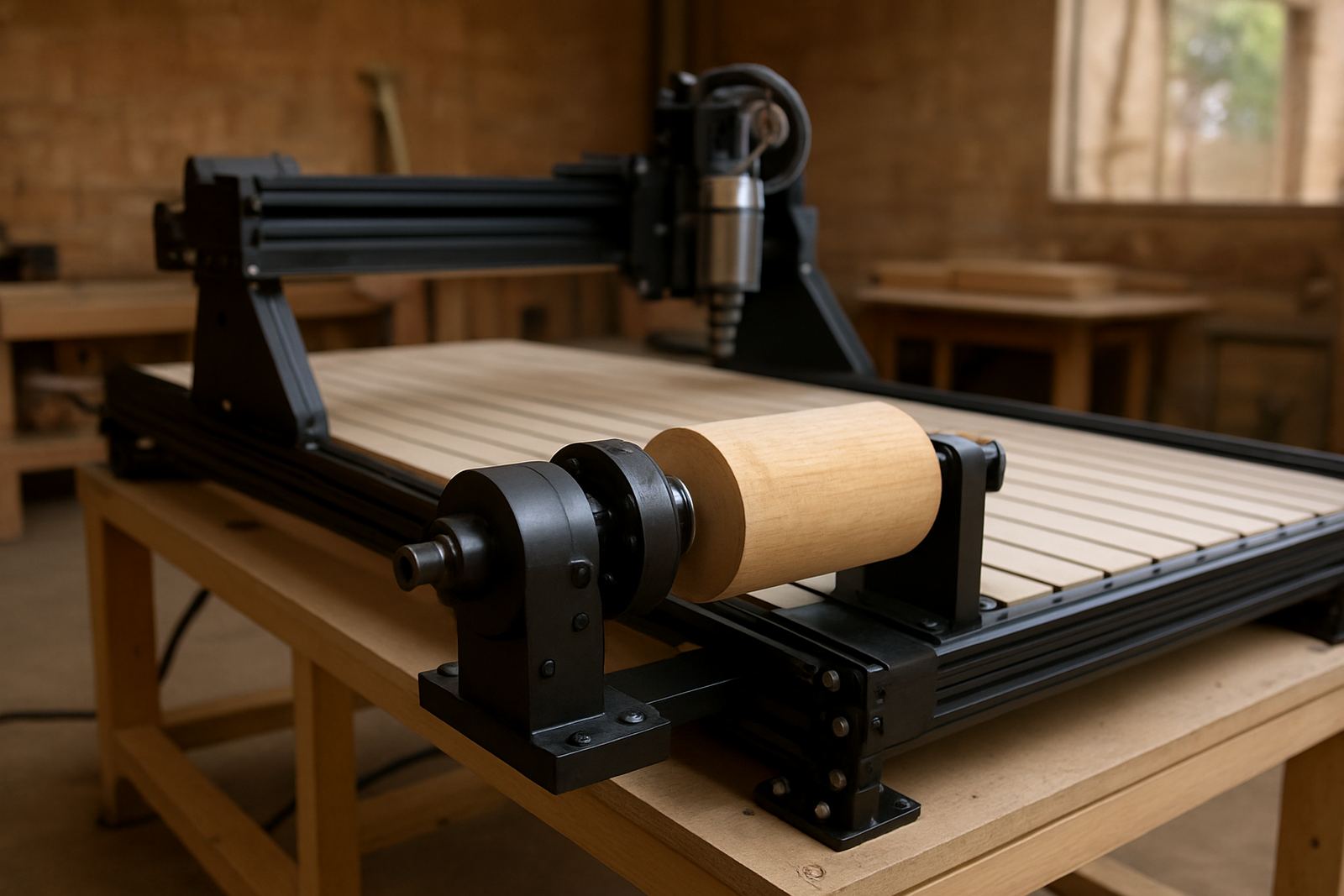
A rotary axis kit lets the machine hold and rotate a cylindrical workpiece while the cutter moves along it. That means you can engrave around tubes, cut spiral patterns, shape balusters and make repeat details on chair legs, curtain poles, table feet and decorative columns. For many users it is the next step after standard 3-axis routing, especially when you want to move from flat panels into round or wrapped work.
In practical terms, the kit works by changing one axis of motion into rotation, so the router can work on the outside diameter of a part instead of only on the top surface. It is a useful option for woodworking, MDF and plastic jobs where accuracy matters and the same shape must be repeated more than once, accuarate setup saves a lot of time.
Sizes, Chucks and Bed Options
Rotary kits are usually selected by the size of the job and the diameter of the parts you plan to machine. A compact kit is often suitable for hobby use, while a longer unit is better for workshop production and larger decorative pieces. You should also check the maximum swing, the bed width and whether the machine can support the weight of your blank without flexing.
- Small cylindrical parts such as knobs, handles and instrument parts
- Medium items such as stair spindles, bottle holders and sign posts
- Longer work such as table legs, poles and decorative columns
- Round plastic components and wrapped engraving on tubes
Most users in Pretoria, Centurion and Midrand choose a setup that matches the jobs they already do, then leave room for larger pieces later. If you only cut short runs, a smaller rotary can be easier to store and quicker to mount. For production work, a unit with solid support bearings and a reliable tailstock is worth having.
Where It Suits the Workshop
This kit suits small cabinet shops, makerspaces, training rooms and home workshops that already use a CNC router table for sheet work. It is also useful for joinery businesses making decorative trims, schools running technical projects, and sign makers who want wrapped text or round display items. In Pretoria East and Silverton, many users keep the rotary axis for special jobs rather than leaving it on the table all the time.
It is best suited to dry indoor workshops. If your workshop is near the coast, dust removal and a clean storage area matter because humidity can affect bearings, fasteners and the finish on timber blanks. If you work in an area with load-shedding, it helps to keep your programmes saved and your home position noted before power is interrupted. A UPS can protect the controller, but the router spindle and drive motors still need proper shut-down steps.
- Wood, MDF and engineered boards
- Soft plastics and many workshop grade plastics
- Decorative turning and wrapped engraving
- Short-run production and custom one-off items
Installation, Power and Workshop Setup
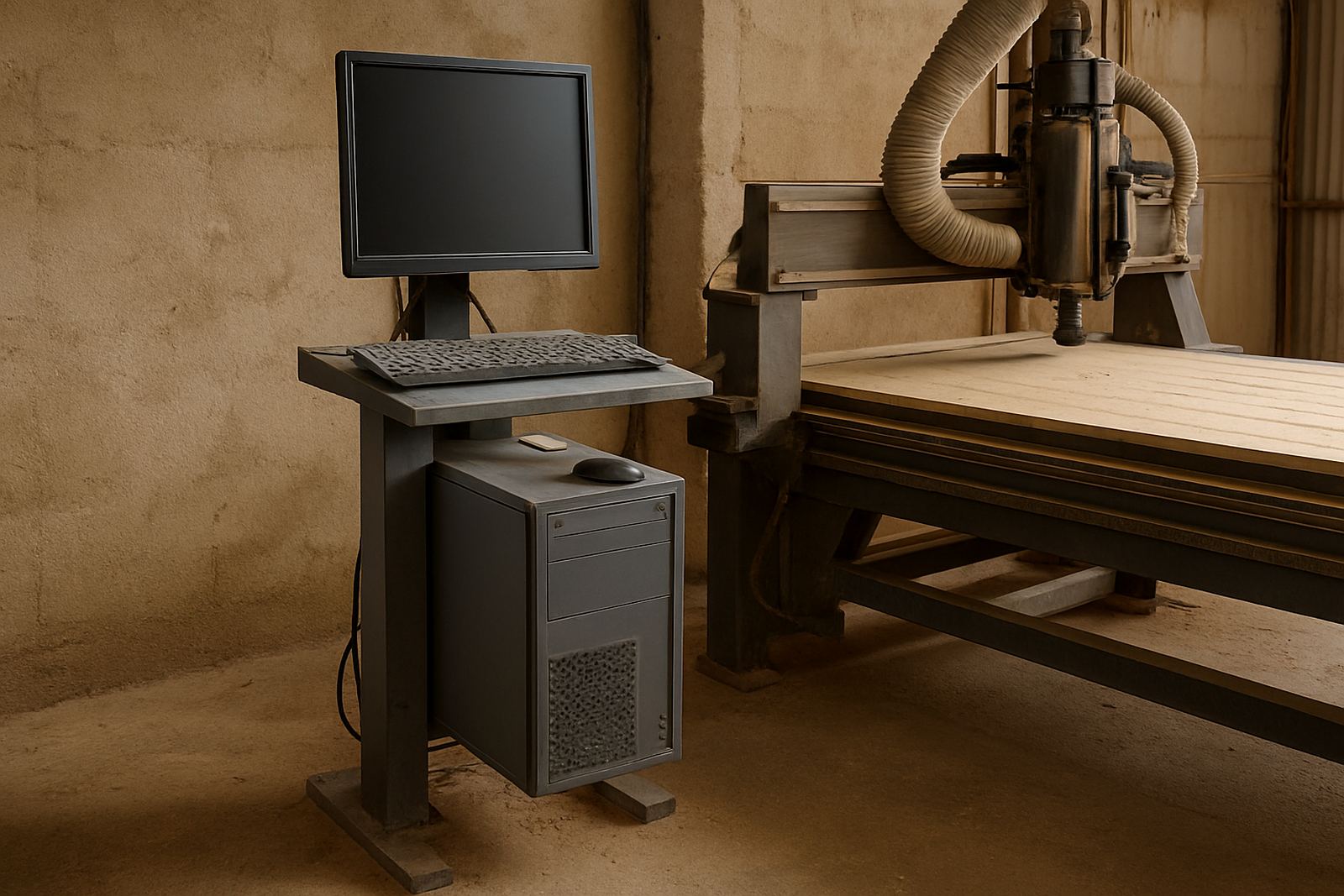
Installation is normally straightforward if your CNC router table already supports a fourth axis output. The rotary unit must be aligned carefully with the machine bed, clamped securely and matched to the controller settings before cutting starts. In some cases the machine needs a firmware or software change, while other setups only need axis configuration and a new post process.
Power needs are usually simple because the rotary axis itself does not use a separate gas supply or compressed air. The main requirement is a stable electrical supply for the CNC machine, control box and spindle. For workshops in South Africa, especially where power cuts are common, it is wise to use surge protection and to confirm that the machine can resume safely after an interruption. Keep cabling clear of the rotation path and allow enough space at the tailstock end for longer parts.
- Confirm controller compatibility before ordering
- Check the available travel on the machine bed
- Allow space for the tailstock, clamps and feed path
- Use a solid bench or frame with no twist
Care, Servicing and Everyday Use
Like any precision accessory, a rotary axis kit needs basic care if you want repeatable results. Keep the bearings clean, remove dust after each job and check that clamps and couplings stay tight. If you cut MDF often, fine dust can work into moving parts and should be blown out or vacuumed regularly. For timber work, store the kit away from damp floors and avoid leaving unfinished parts clamped in place for long periods.
Routine checks should include alignment, backlash, belt condition if fitted, and the smooth movement of the tailstock. If the unit starts making noise or the finish becomes inconsistent, stop and inspect it before the next run. Our Pretoria base supports users with breakdown support, control tuning, preventive maintenance and refresher training, with spares planning available nationwide. That helps when a job is due and you need a practical answer for the task at hand.
What to Check Before You Order
Before placing an order, measure the work you plan to cut and compare it with the rotary axis size. Check your machine controller, available travel and the type of software you use for toolpaths. If you already run a small shop in Silverton, Centurion or Kempton Park, it is worth listing the most common jobs so the kit can be matched properly from the start.
- Maximum workpiece length and diameter
- Chuck type or clamping method needed
- Controller and software compatibility
- Whether you need starter setup on site or remote support
- Spare parts access for bearings, clamps and cables
If you are unsure, send through a photo of your machine table and the parts you want to make. That makes it easier to confirm the right fit and avoid buying a unit that is too short, too heavy or not suited to the jobs on your floor.
Key facts
| Product type | Rotary axis kit for CNC router tables |
|---|---|
| Primary use | Cylindrical machining, turning work and wrapped engraving |
| Compatible materials | Wood, MDF and many plastics |
| Typical workpiece range | Small parts through to longer decorative pieces, subject to machine size |
| Power requirement | Uses the CNC machine supply, no gas required |
| Support area | Silverton, Pretoria East, Centurion, Midrand, Kempton Park and nationwide spares |