Project brief for Hatfield model parts
The client was a student and design user based in Hatfield, Pretoria, working on a set of scaled model parts for class review and presentation. For this Hatfield model-making job, the brief looked straightforward on paper but needed tight control in the cut.: produce clean parts from 3 mm and 6 mm sheets, hold the dimensions tightly, and keep the edges neat enough for dry fitting without extra hand sanding.
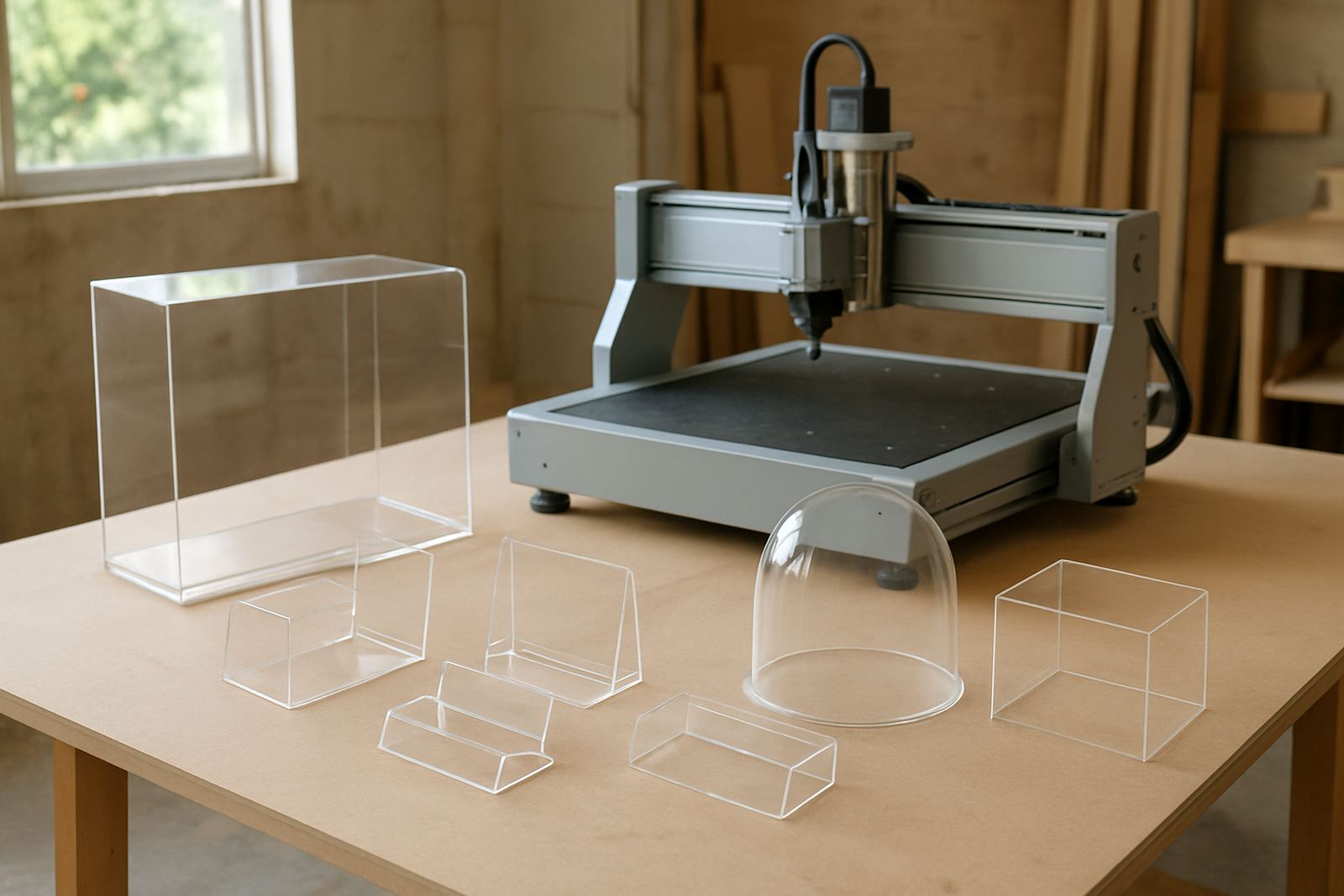
The project called for repeatable cutting of small components, including straight sections, slots and light internal cut-outs. The material mix included thin wood sheet and plastic sheet, both of which can move with heat or chatter if the feed rate and cutter choice are wrong. The client also needed a practical workflow that could be used again in a small academic workshop with limited time and storage. The final aim was reliable parts for a presentation model, not decorative work.
What made the job tricky
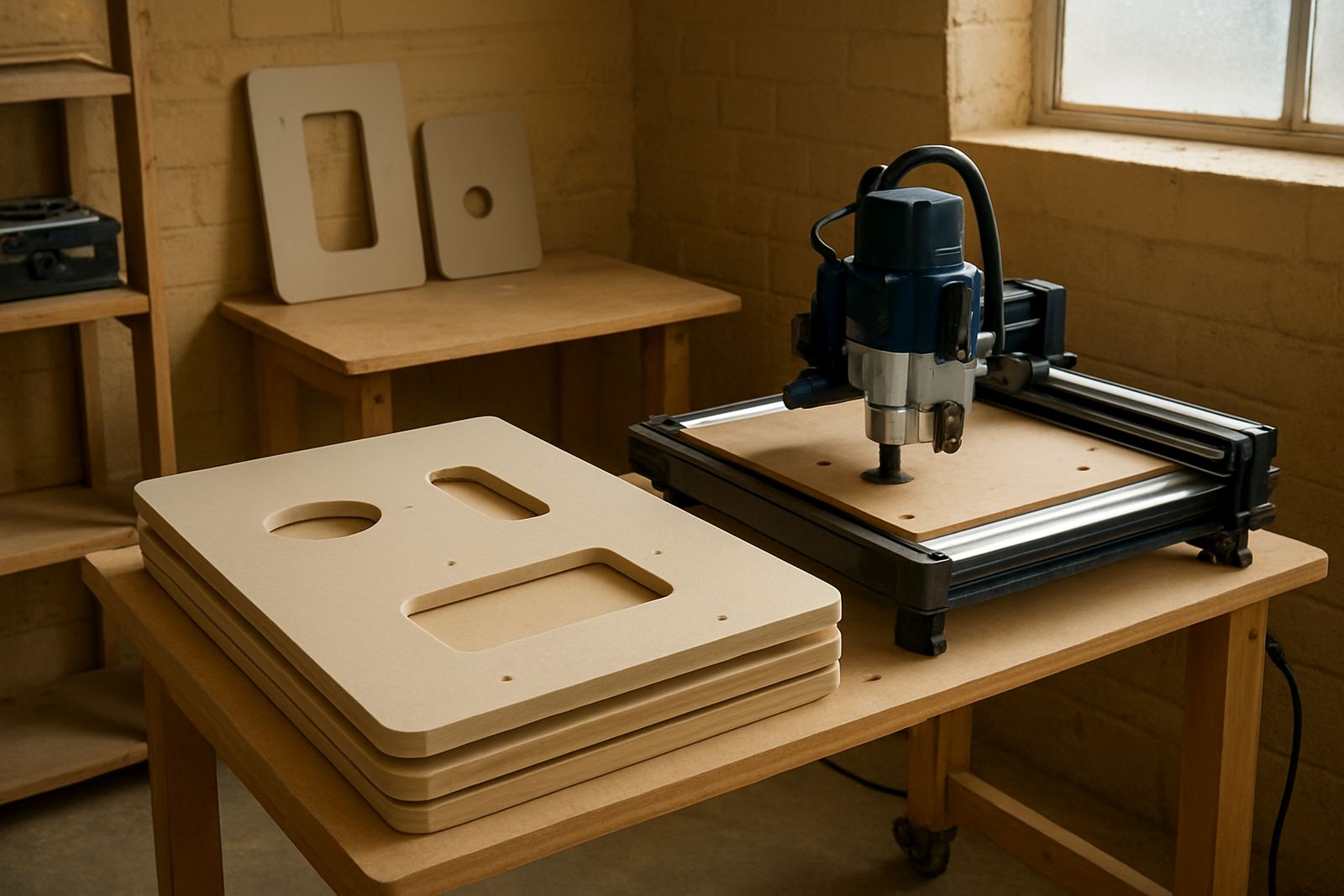
Two issues drove the setup. First, the sheets were thin enough to vibrate if the hold-down was poor, so spoilboard support and careful clamping mattered. Second, the model included a number of narrow tabs and small corners, which meant the cut path had to be planned to avoid breaking delicate pieces before the job was done. On plastics, too much heat can leave melted edges, while on wood the problem is tear-out on the top face.
We also had to consider the working space. In Hatfield many users are operating from shared academic rooms or compact studio areas, so the process needed to stay tidy and predictable. Load-shedding was part of the picture too, so the workflow had to allow for safe pausing and restarting without losing the job zero. That planning saved time and reduced waste.
- Sheet sizes used: 3 mm and 6 mm stock
- Material types: thin wood sheet and plastic sheet
- Part size range: small model components under 300 mm square
- Finish goal: clean edges with minimal sanding
Router table supplied and setup support
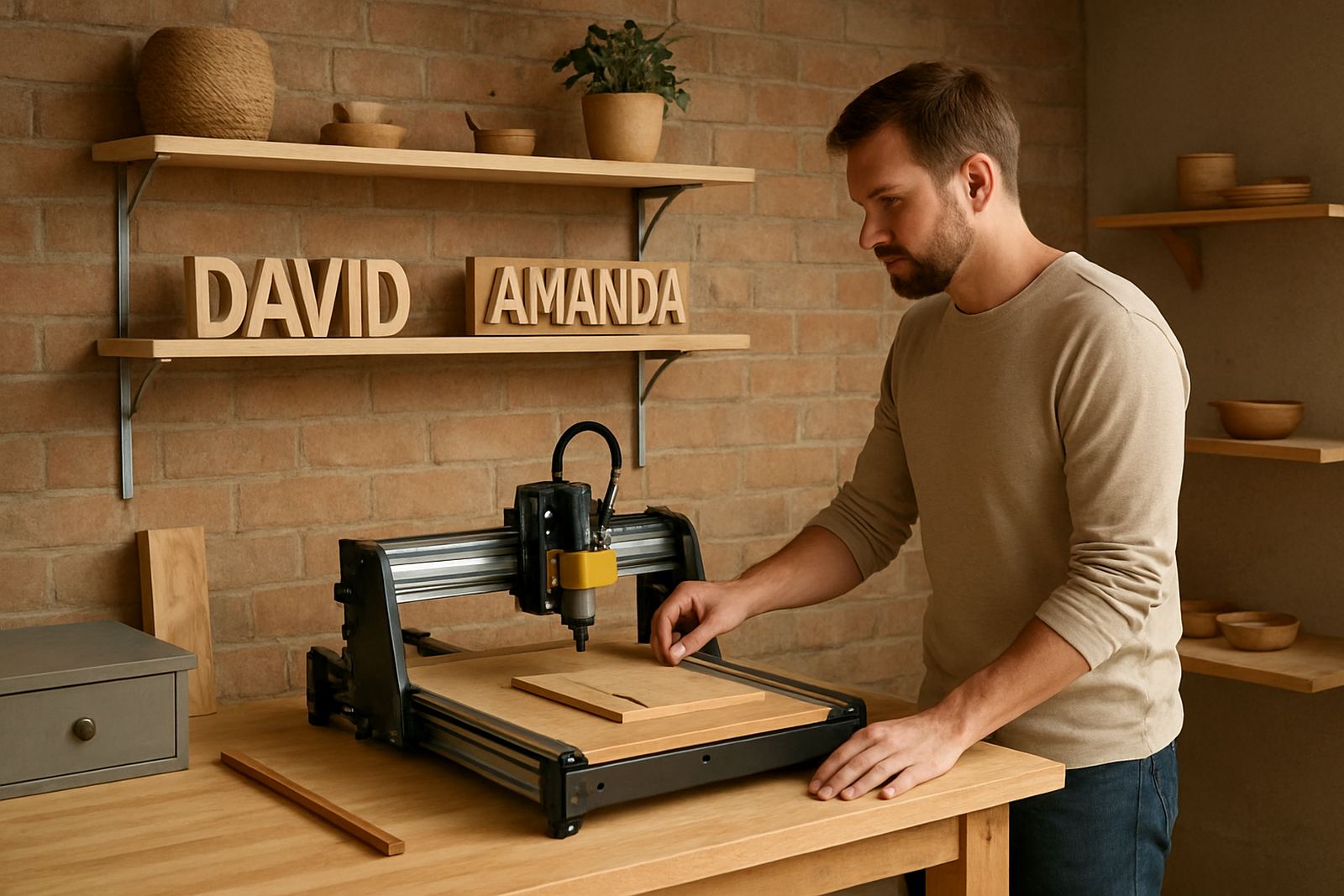
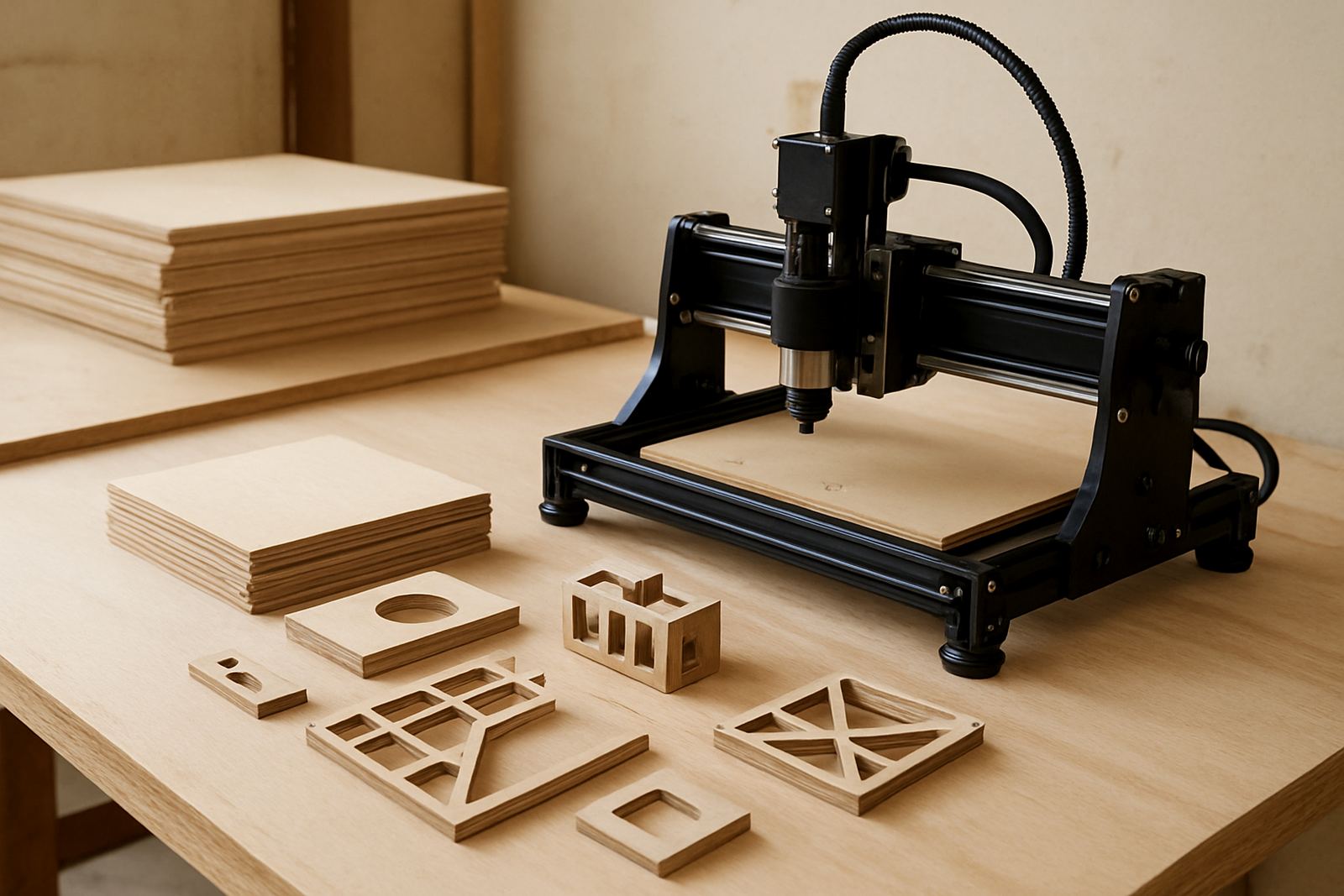
CNC Router Hub supplied a compact CNC router table suited to hobby and academic use, with a working area appropriate for sheet cutting in a small workshop. The machine was set up for accurate XY movement, stable spoilboard use and clean routing on lighter materials. We matched the tool path settings to the material thickness so the cutter stayed steady and the edges remained sharp.
Our team also assisted with software basics, job preparation and the setting of origin points. The operator was shown how to load the sheet flat, check for sheet warp and keep the cutter path away from clamps. We covered safe spindle start-up, feed rate checks and the right way to test a small sample cut before running the full batch. The idea was to make the process practical, not over complicated. A good first pass saves a lot of time later.
- Machine type: compact CNC router table
- Working use: woodworking, MDF and plastics
- Support included: software basics and starter setup visit
- Aftercare: spares planning and remote support
Timeline and delivery in weeks
The full project ran over three weeks. In week one we confirmed the brief, reviewed the sheet sizes and checked the part drawings for features that might be too fine for the material thickness. In week two we handled the setup visit, tuned the machine and worked through the first test cuts. This stage confirmed the correct cutter choice and the feed rates for both wood and plastic.
By week three the client was cutting the full set of parts with consistent results. We stayed available for remote support during the first production run in case any setting needed fine adjustment. That support proved useful when the operator switched from one material to the other and needed a small change in spindle speed. The change was handled quickly and the run continued without scrap.
Results for the academic model
The finished parts fitted together cleanly and held their shape well enough for repeated assembly and presentation use. Small slots came out square, the visible faces stayed tidy, and the plastic parts did not show excessive melt marks. The client was able to produce matching sets rather than single trial pieces, which mattered for the final model hand-in.
From our side, the key result was proving that a smaller router table can handle careful model work when the setup is right. The client now has a repeatable process for future projects and a clearer idea of how to store spares and check wear items before a deadline. That is often the difference between a late night and a clean finish.
- Outcome: accurate repeatable model parts
- Finish: minimal sanding required
- Use case: academic model and presentation work
- Benefit: lower waste on thin sheets
Lessons we would carry into another architecture model brief
We would follow the same order again: confirm the material thickness first, test one part before the full batch, then lock in the settings for the remaining cuts. For thin sheets, the hold-down method is just as important as the software file. If the board lifts even slightly, the part will move and the edge quality drops fast. That is why we always spend time on the spoilboard and the first test run.
We would also repeat the short training session, because academic users often need to move between different projects and materials in the same week. A clear routine helps the operator stay confident under pressure, especially when a deadline is close. For Hatfield style model work, this approach gives the best balance of speed, accuracy and waste control.
Key facts
| Project location | Hatfield, Pretoria |
|---|---|
| Client type | Academic design user |
| Materials | 3 mm and 6 mm thin wood sheet, plastic sheet |
| Machine supplied | Compact CNC router table |
| Timeline | 3 weeks from brief to usable output |
| Support included | Starter setup visit, software basics, remote support, spares planning |