
What the client needed in Montana
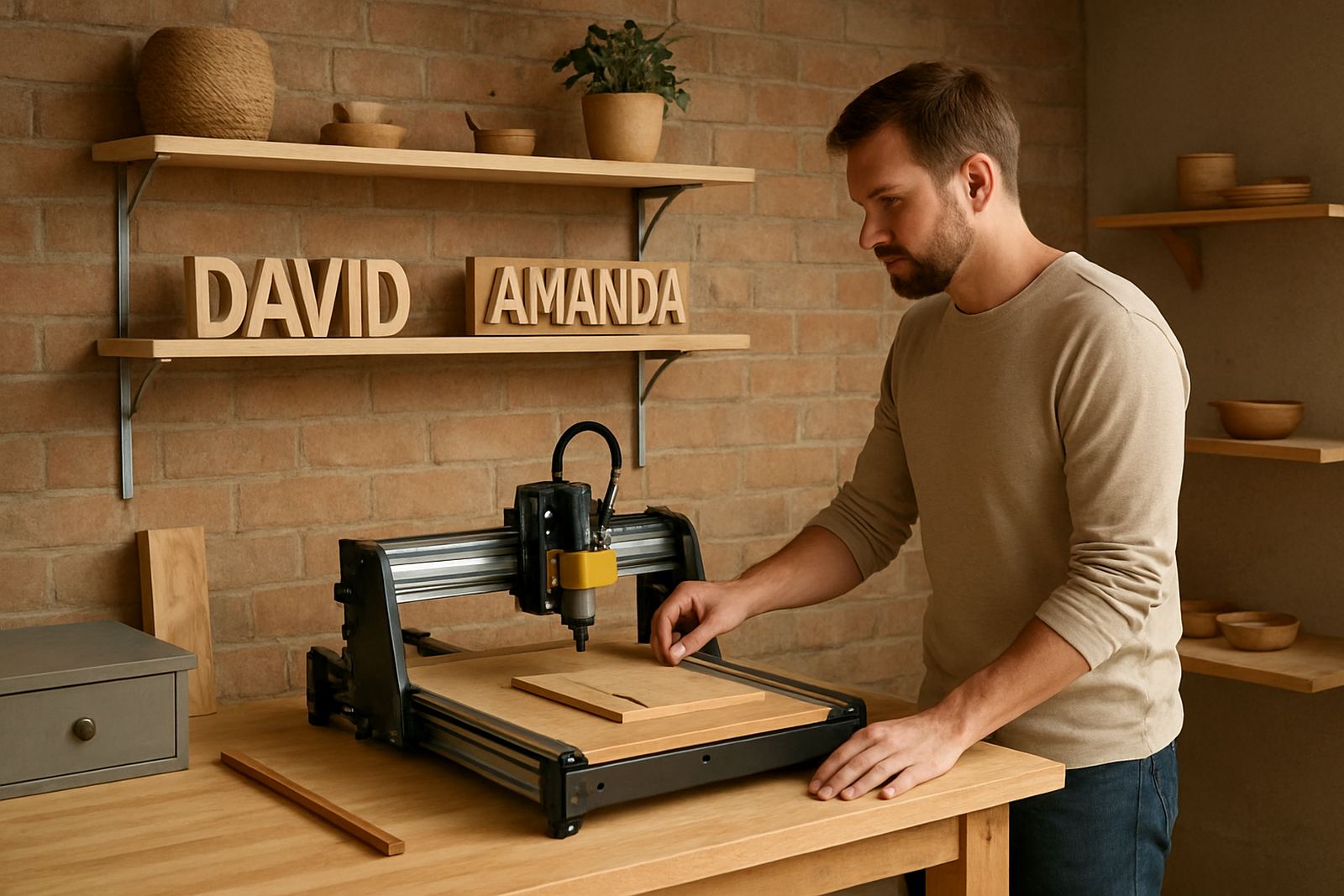
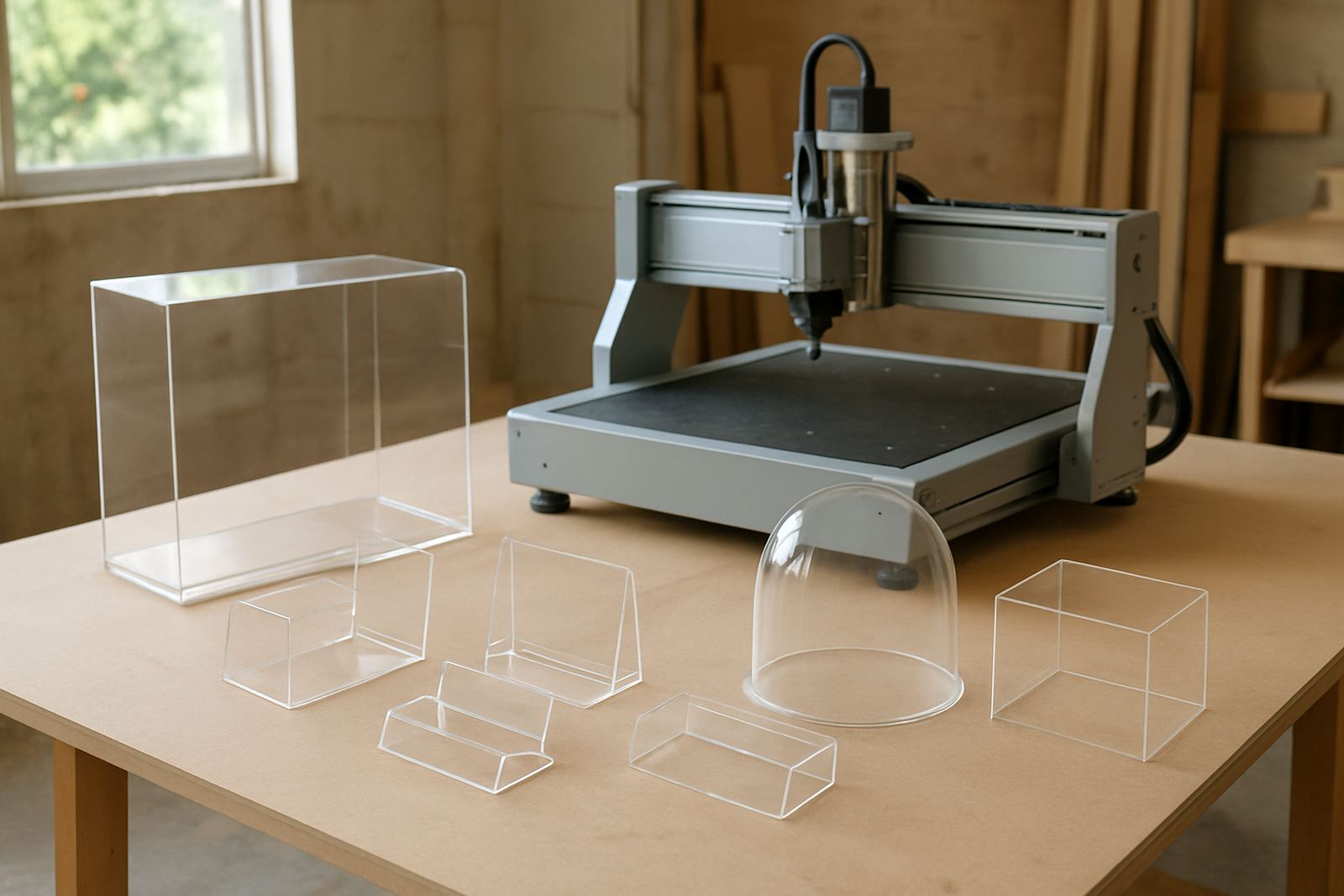
The client was a small retail supplier in Montana, Pretoria, making acrylic display pieces and clear protective covers for counters, shelves and product stands. Their work had to look neat at the edge, fit first time, and stay consistent from one batch to the next. They were using a compact CNC router in a busy workshop, so every minute counted and they could not afford waste on material that had already been cut.
The brief was simple in wording but exacting in practice: improve repeatability, reduce edge chipping, and give the team a better handle on setup, tool changes and everyday upkeep. Acrylic can show marks quickly, especially where dust is left behind or the feed rate is too aggressive, so the process needed to be steady rather than rushed. We also had to keep the solution practical for a smaller shop, not a big factory floor.
Project limits we had to work within
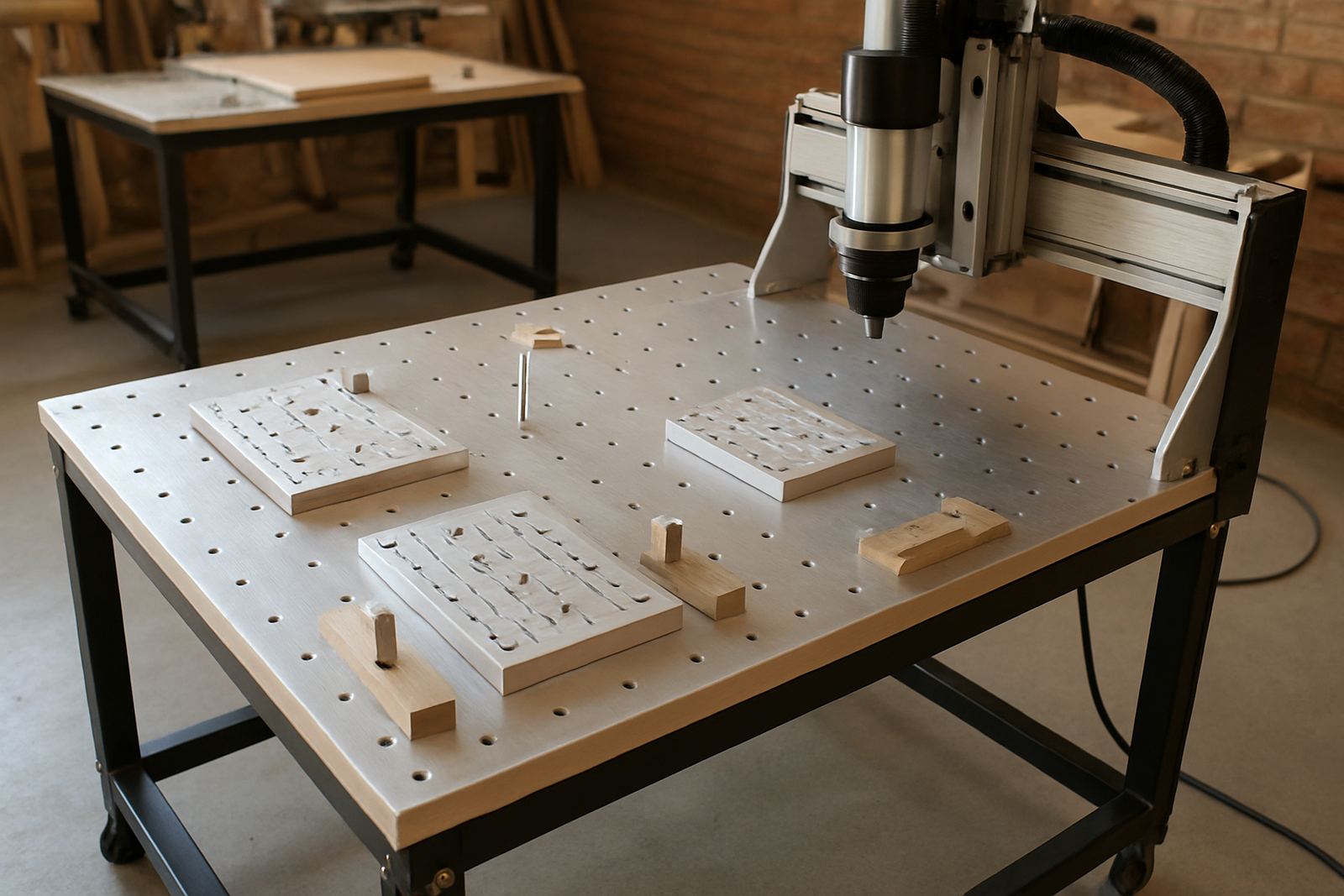
The workshop had limited space and shared power points, which is common in small retail production spaces around Pretoria North. Load-shedding was part of the routine, so the client needed a process that could recover properly after a power interruption and not leave the machine out of square. They also needed clear steps that more than one operator could follow, because a single person doing everything is never ideal when orders start to stack up.
- Material: acrylic sheets and clear protective covers
- Typical sheet thickness: 3 mm to 6 mm
- Work area: compact table suited to smaller workshop spaces
- Key issue: chipping, inconsistent edge quality, and setup drift
- Operating condition: interruptions from municipal power cuts and load-shedding
Another constraint was the client’s need to keep their day-to-day retail work moving while the CNC process improved. We therefore planned the support in a way that did not tie up the machine for long periods. This was about getting the basics right, not changing the whole business around it.
What we supplied and how we worked
We provided a starter setup visit from our Pretoria base in Silverton, followed by operator training and software basics. The focus was on safe clamping, correct zeroing, tool selection for acrylic, feed and speed starting points, and a clean step-by-step routine for repeat jobs. We also checked the cutting sequence so the team could make the small parts first and the larger protective covers afterwards, which helped with material use and reduced handling.
Nhlanhla handled the technical training, with Lindelwa coordinating spares planning so the client had the right cutters and consumables on hand. Wessel set out a maintenance routine for the spindle, motion system and control tuning, while Palesa handled follow-up questions after the visit. We kept the advice plain and practical, because the operators needed something they could use the same day, not a theory lesson.
- Starter setup visit on site
- Operator training for 2 staff members
- Software basics and job preparation
- Cut path and nesting advice for acrylic parts
- Spares list for cutters, collets and basic consumables
Training and support over the first four weeks
The first week was spent setting the machine up for the acrylic jobs they ran most often. We checked the home position, reviewed workholding, and made sure the team understood how to pause and recover after a power dip. By week two, the operators were running short production batches with fewer rejected pieces. Week three focused on consistency, especially around clear cover edges where even a small burr can show up immediately under shop lighting.
In week four, we completed a refresher session and tightened the maintenance routine. The client had enough confidence to track tool wear more closely, which helped them plan spares before a cutter failed mid-job. That made a real difference, because in a small workshop one missed day can set everything back. The team also found the remote support useful for quick checks when they were not sure about a setting or a cut order.
Results the client could see on the floor
The main result was consistency. The acrylic display pieces came off the table with cleaner edges, fewer marks, and better size repeatability from batch to batch. Clear protective covers also became easier to produce because the operators had a repeatable setup and knew what to check before pressing start. This reduced rework and helped the client move stock out on time.
There was also a practical saving in material. Once the team understood the starting parameters and the order of operations, they wasted less sheet offcut on trial cuts. Their confidence improved too, which matters in a retail supply environment where jobs are often small, varied and urgent. It was not just about the machine, it was about giving the team a routine they could stick to.
- Cleaner cut edges on acrylic parts
- Less rework on protective covers
- Better repeatability between batches
- Lower waste from test cuts and setup errors
- More confidence handling shutdowns and restarts
What we would do again for a similar workshop
For a similar Montana or Pretoria East workshop, we would repeat the same approach: start with the current jobs, keep the setup simple, and train the operators on the exact material they use most. Acrylic behaves differently from MDF and timber, so one general lesson is not enough. The best results come from matching the feed, cutter and hold-down method to the sheet thickness and the finish required.
We would also recommend a basic spares plan from the beginning, especially for cutters, collets and replacement parts that are common wear items. In a smaller shop, waiting for a breakdown is expensive. A short maintenance routine and a clear support contact list can prevent a lot of lost time, and it keeps the machine working the way it should. That is usually what turns a good project into a dependable one.
Key facts
| Client type | Small retail supplier |
|---|---|
| Location | Montana, Pretoria |
| Material focus | Acrylic display pieces and clear protective covers |
| Sheet thickness | 3 mm to 6 mm |
| Support timeline | 4 weeks from setup visit to refresher training |
| Services used | Operator Training, Software Basics, Starter Setup Visit, Preventive Maintenance, Spares Planning |