
What the Sinoville client needed from day one
The client was a small home-based business in Sinoville, Pretoria, working from a spare room and garage space. The aim was simple enough, but the details mattered: produce clean cut-name signs, children’s décor, milestone plaques and small gift items from MDF and acrylic, then grow into short-run custom work without buying a machine that was too large or too complicated for a home setup.
The brief called for a starter router that could handle 600 x 900 mm work comfortably, with enough repeatability for batches of 10 to 30 items, but still fit through a standard home access area and run on a normal single-phase supply. Because the business sits in a residential area, the machine also had to stay within reasonable noise levels, manage dust properly and keep the footprint tight. The owner was working with a limited budget, so every rand had to be tied to output, not extras that would sit unused.
There was also a practical concern around power interruptions. In Pretoria East, short outages and voltage dips are part of the routine, so the setup had to be stable enough to restart cleanly and not lose work. The client wanted a machine that would not punish a beginner, but still leave room for better bits, improved software skills and a more efficient workflow later on.
The constraints that shaped the setup
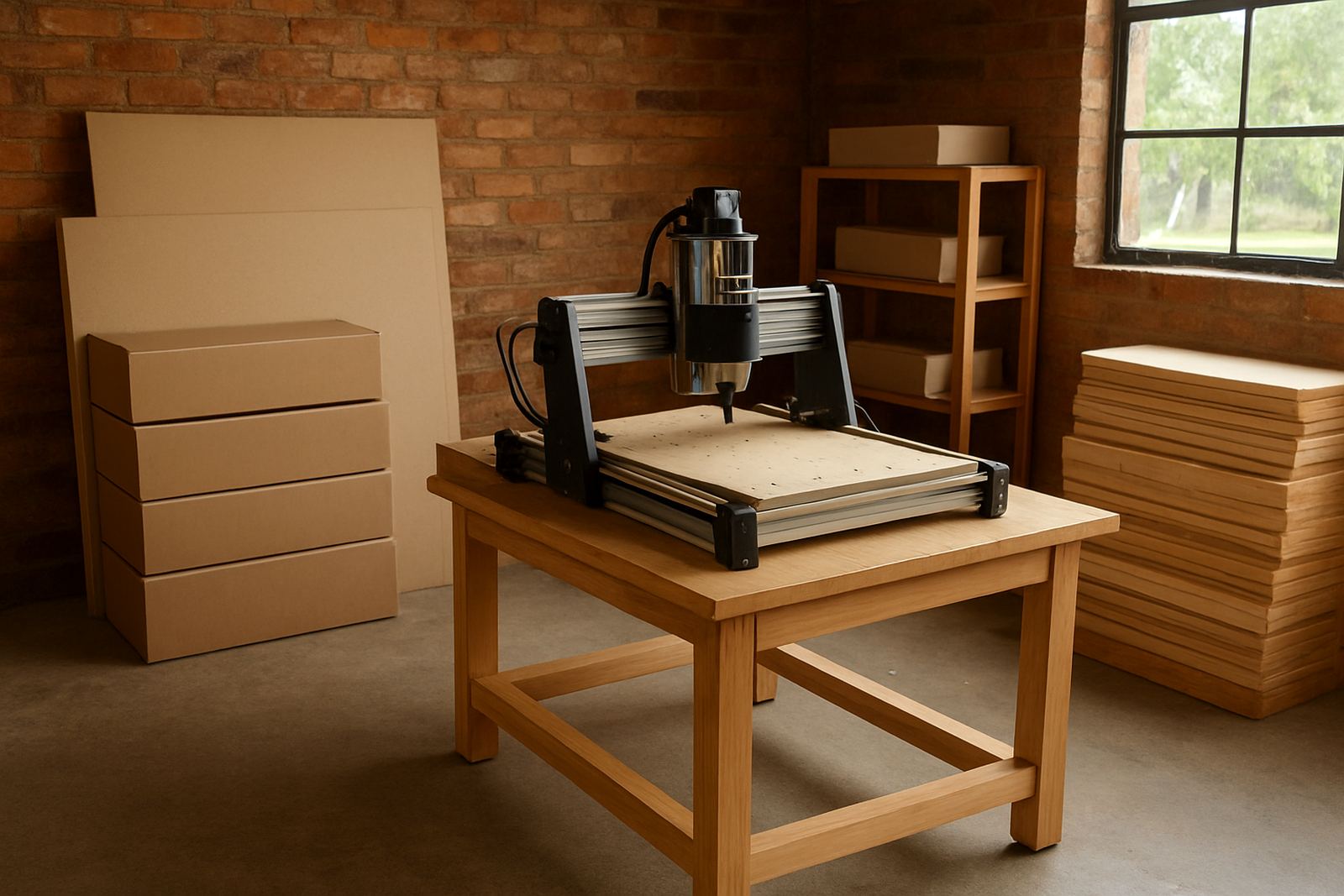
The space in Sinoville was the biggest driver. A home business does not have the luxury of a factory floor, so the machine had to go into a mixed-use room where packing, finishing and storage all happen around the same area. That meant careful positioning for cable runs, dust extraction and operator movement. The client also needed a setup that one person could manage safely without lifting heavy sheets alone or crossing wires in a cramped corner.
Another constraint was learning time. The owner had used hand tools and light craft equipment before, but had not worked on a CNC router. That changed the support plan. Instead of handing over hardware and leaving the client to figure it out, we built the project around operator training, software basics and a starter checklist that covered job setup, zeroing, safe feed rates and bit selection. A home business can lose confidence quickly if the first few cuts are messy, so the early guidance mattered as much as the machine itself.
We also planned for spares and consumables from the start. Small workshops often get caught out by a worn collet, a damaged bit or a control issue on a Friday afternoon. The client needed a route to keep working without waiting weeks for a simple part, and that was part of the supply plan from the beginning, not an afterthought.
- Limited floor space and shared household access
- Need for beginner-friendly operation and clear training
- Dust, noise and power stability concerns in a residential area
- Fast access to common spares and consumables
What we supplied and how it was configured
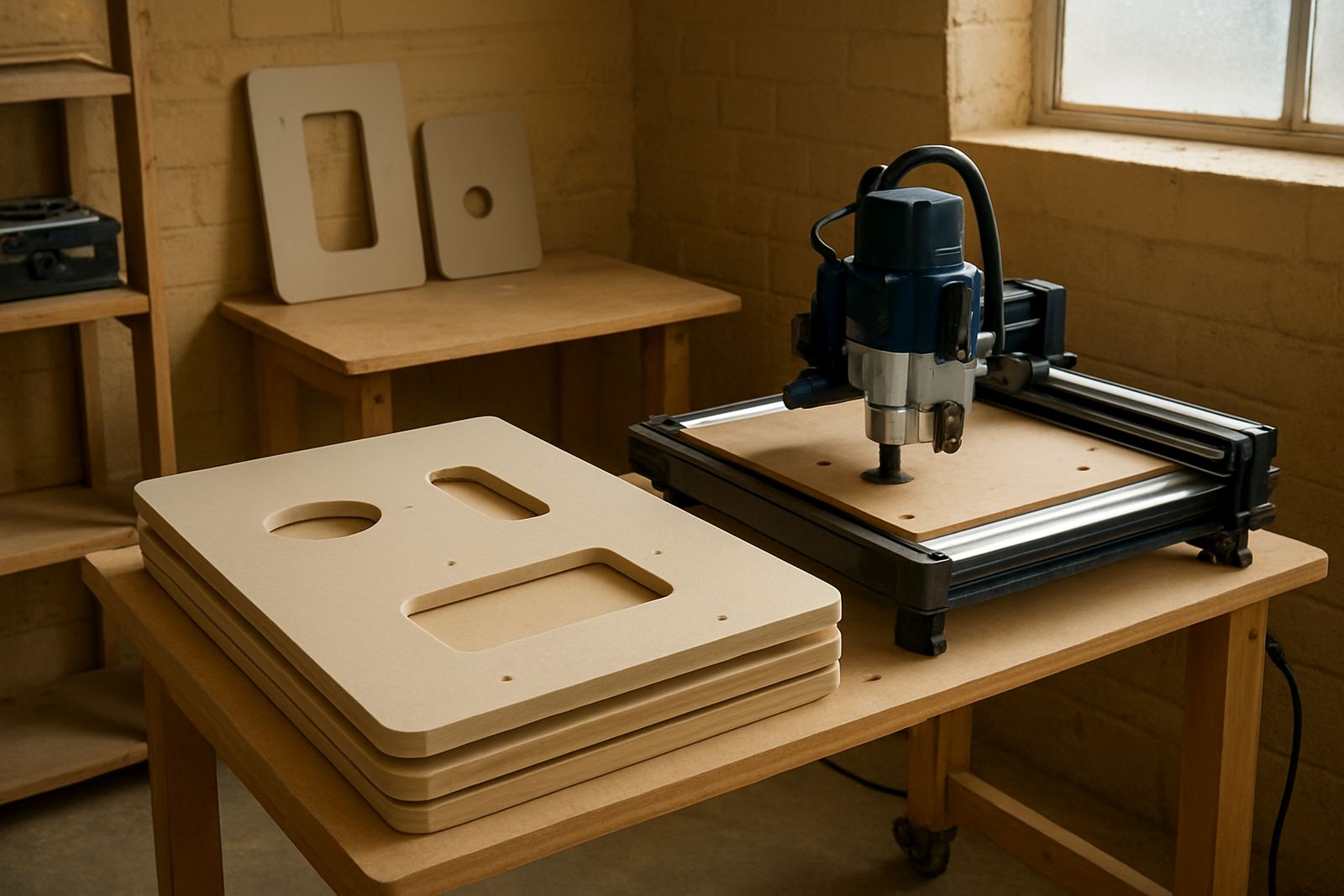
We supplied a starter CNC router package suited to small workshop production, together with the essentials needed to begin cutting straight away. The configuration was chosen for MDF signage and plastics work, with a spindle setup that suits light commercial use and cleaner finishing than hand routing. The machine was paired with the right control basics, workholding guidance and an initial tool set for profiling, pocketing and lettering jobs.
For a home business, the value is in the full setup, not just the frame. We helped with starter setup visit support, control tuning and the first software basics session so the owner could understand how to prepare art files, choose toolpaths and set work offsets correctly. We also covered simple preventive maintenance routines, because a machine that is looked after weekly will keep its accuracy longer and reduce annoying stoppages.
The package included guidance on spares planning too. That meant keeping a small stock of the bits and wear items that make sense for a business working from home: cutters, collets, belts where applicable and other common service items. The client did not need a full storeroom, just enough on hand to prevent downtime when orders come in all at once.
- Starter router package for small-batch production
- Software basics and first-job coaching
- Control tuning and setup checks
- Preventive maintenance plan with spares planning
Training week and early production wins
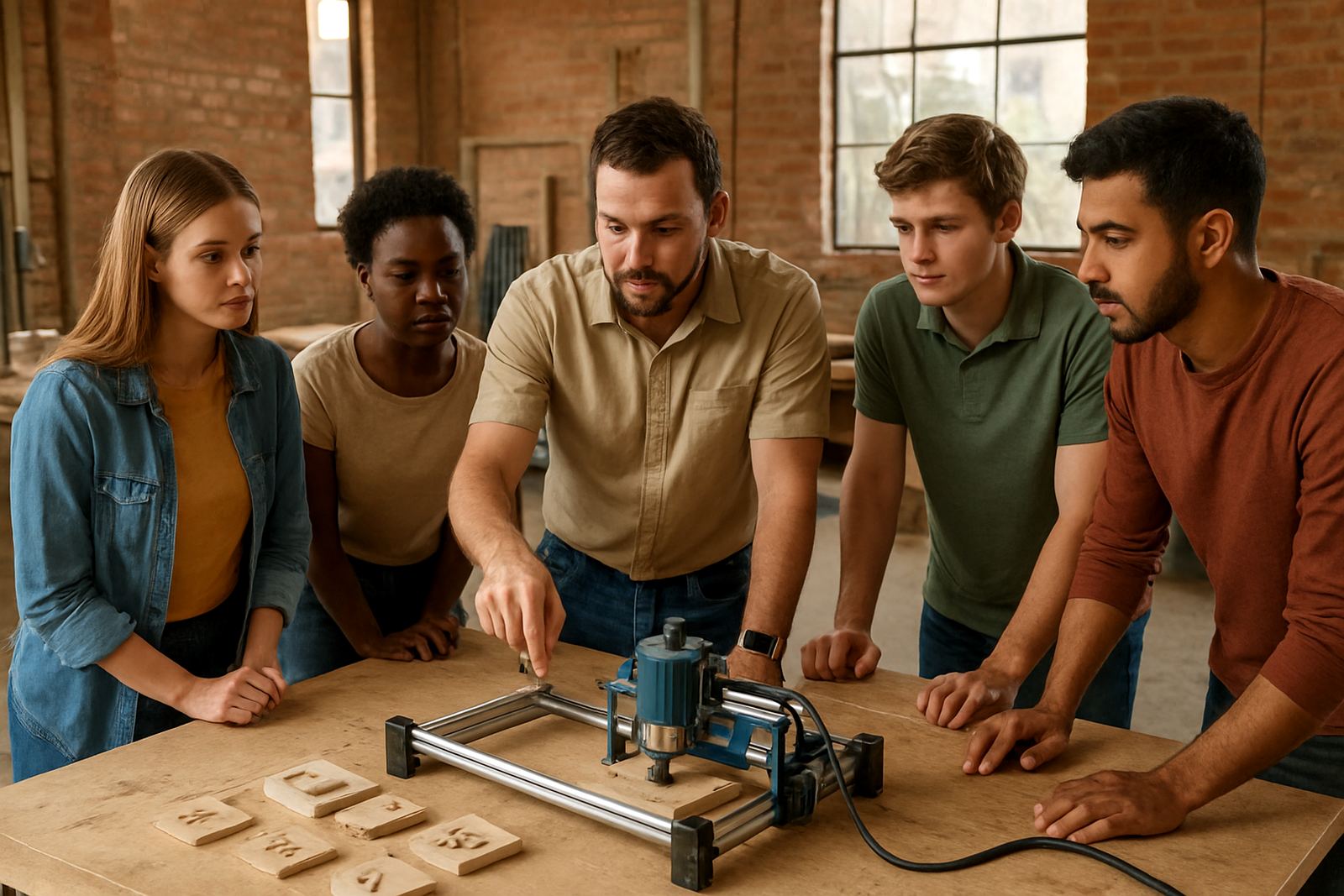
The project moved from delivery to first production over a period of about three weeks. In week one, we completed the starter setup visit, checked the machine position, confirmed the electrical supply and walked through safe operating steps. The client also received the first round of training on machine homing, jogging, zero setting and how to keep the work area clean between jobs.
Week two focused on software basics and practical cutting. We worked through simple vector files, nested parts for better sheet use and set up test cuts on MDF before moving to finished pieces. This is where many new owners lose time, but the client picked it up quickly once the feed rates and bit choices were matched to the material. By the end of the second week the business was already producing personal name plaques and layered décor pieces for local orders.
In week three, we added refresher points on finishing, batch handling and preventive checks. The owner was now comfortable enough to repeat jobs without needing step-by-step help every time. A few minor adjustments were made to the workflow, including how blanks were stored and how finished pieces were labelled for collection. That reduced mix-ups and helped the business keep up with weekend orders from the Sinoville and Pretoria East area.
The result was a small operation that could move from concept to cut product in-house, instead of outsourcing short runs and waiting on turnaround times. That made pricing easier and gave the client more control over margins.
Results for the home workshop and local customers
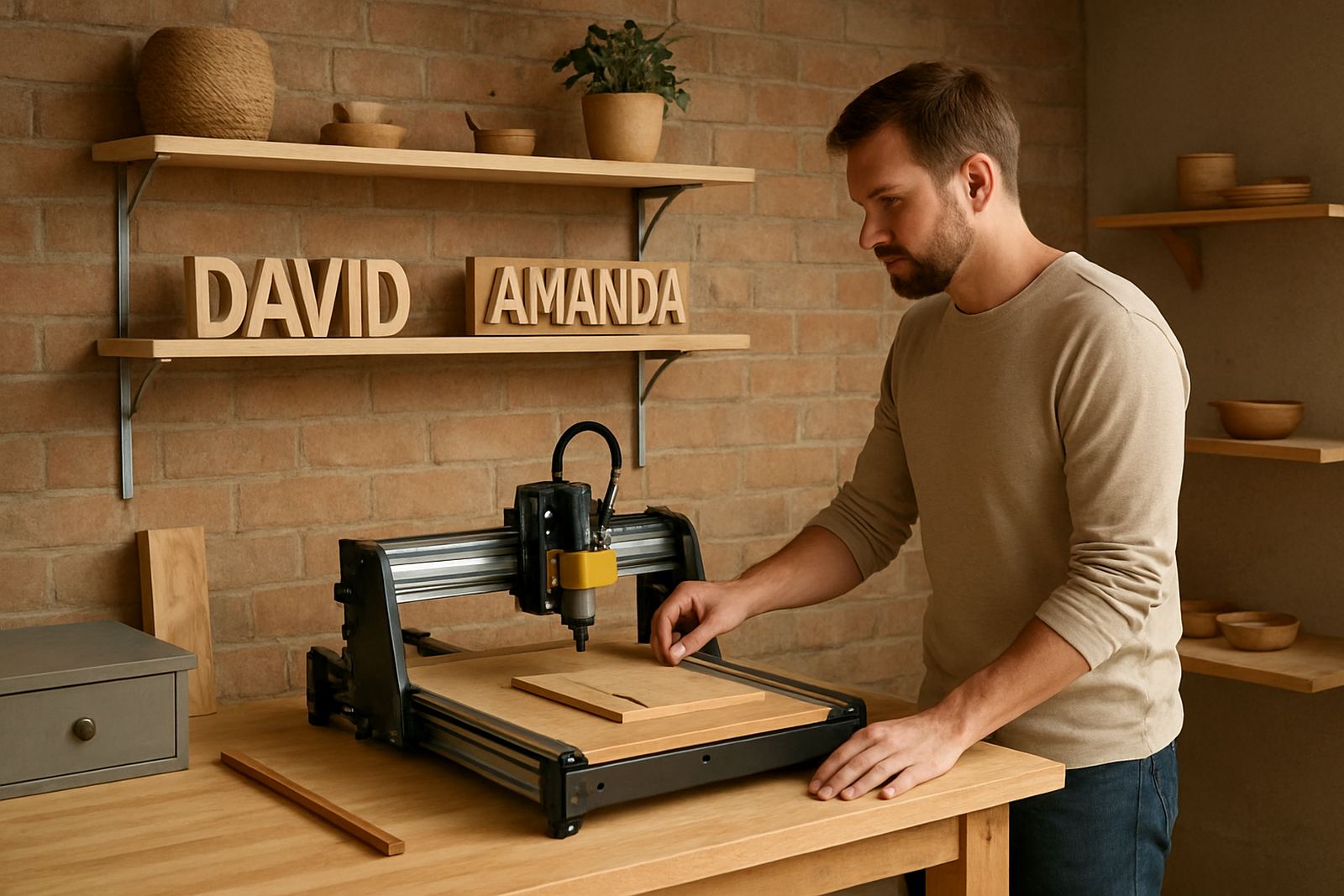
The clearest result was speed. Once the operator was comfortable, the business could produce personalised décor items on demand and accept smaller orders that would previously have been too time-consuming to make by hand. The router gave clean repeatable cuts, which mattered for name products where even a small wobble stands out. The client also reported less waste because the nesting process was more consistent than manual marking and cutting.
There was a practical business gain too. The home workshop could quote with more confidence because it now had known cutting times and a clearer idea of material use. That helped with pricing for MDF words, wall names, room signs and small acrylic gifts. The owner also had a plan for maintenance and spare parts, so routine work would not be derailed by a simple worn item or setup issue.
For a residential workshop in Sinoville, the biggest win was control. The business could take in local work, handle short lead times and stay close to the customer while keeping overheads down. That is often the difference between a side income and a proper little workshop that can grow steadily.
- More reliable cutting for name products and décor pieces
- Shorter turnaround on small local orders
- Better material use and less offcut waste
- Clearer pricing because production times became predictable
What we would repeat on the next home startup
If we were doing the same type of project again, we would repeat the same approach: keep the machine size realistic, train early, and plan spares before the first production rush. Home businesses do best when the setup is simple enough for one person to run without feeling boxed in by technology. The more complicated the first month, the more likely the owner is to slow down or avoid using the machine.
We would also keep the support local and practical. A starter router for Sinoville, or any Pretoria suburb, must be matched to the real space available, the electrical supply on site and the kind of work the owner actually wants to sell. Fancy extras mean little if the business cannot get through a busy Saturday or has to stop because of a missing cutter. For this kind of client, the right choice is a machine that starts earning early and can still grow with the workshop later on.
That is what made this project work. The owner had a clear path from idea to product, plus the training and support to keep going after the first few jobs. And that, in our experience, is what turns a starter router into a proper business tool.
Key facts
| Client type | Home business in Sinoville, Pretoria |
|---|---|
| Machine class | Starter CNC router for small workshop production |
| Working area | 600 x 900 mm class |
| Materials cut | MDF, plywood and plastics including acrylic |
| Timeline | About 3 weeks from setup to steady first production |
| Support included | Starter setup visit, operator training, software basics, maintenance and spares planning |