
One class, three different machines
Our operator training is practical. Trainees home the machine, set a tool zero and cut a real part before lunch. The catch was that each trainee stood at a different table. One had clamps, one had a vacuum bed and the third ran another controller, so a lot of the day went on explaining machines instead of routing.
“I wanted one instruction to work for everybody in the room. Press this button, check that reading, and all three people do the same thing.”
Mpho Johannes Maseko, Managing Director
Our own tables in the bay
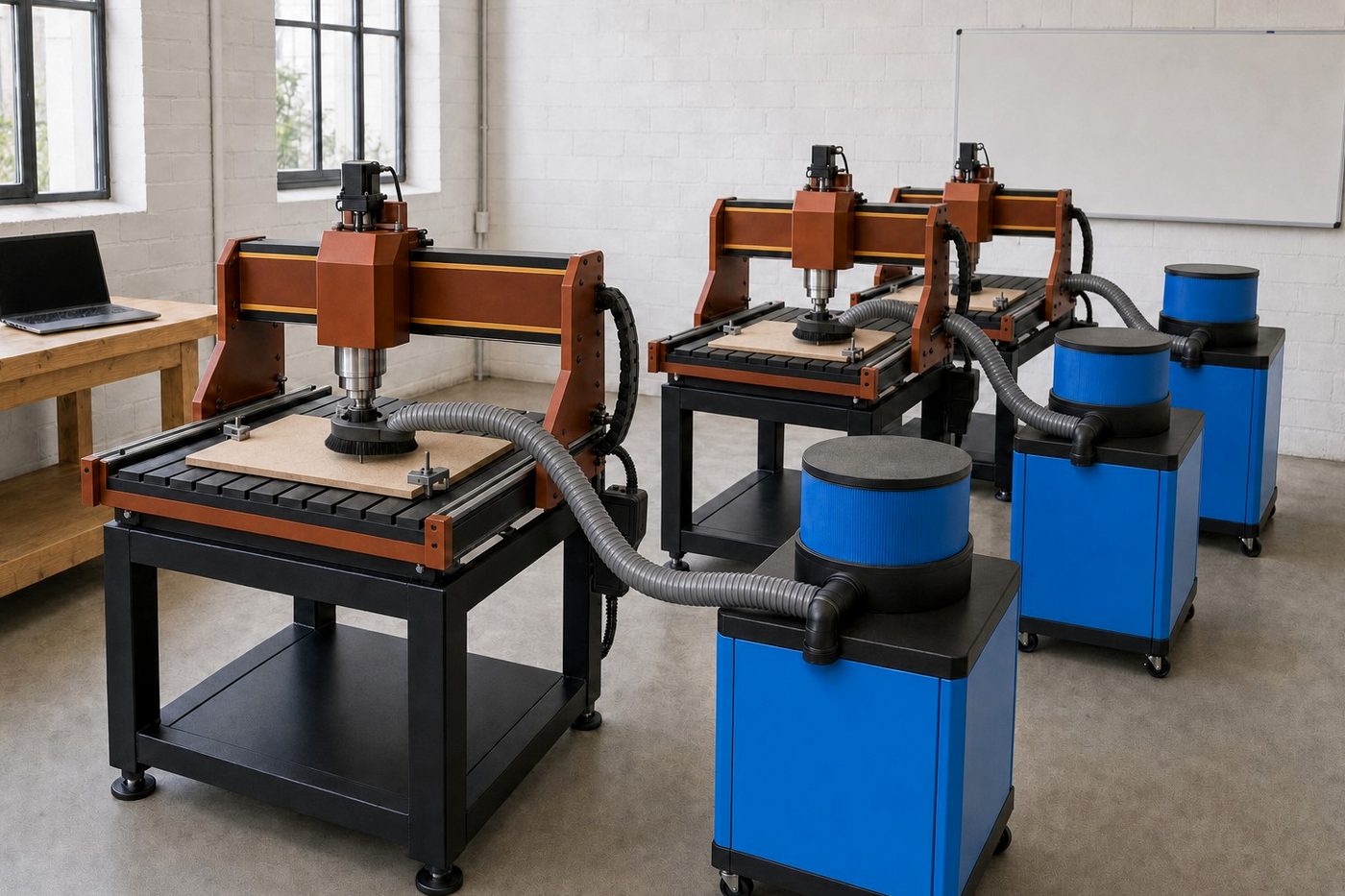
The answer was already in our catalogue. The room runs three Maker Router 600x900 tables, the model most first-time buyers take home, each fitted with our 1.5kW spindle package. What a trainee learns on Tuesday is exactly what they will find on their own table the week it is delivered.
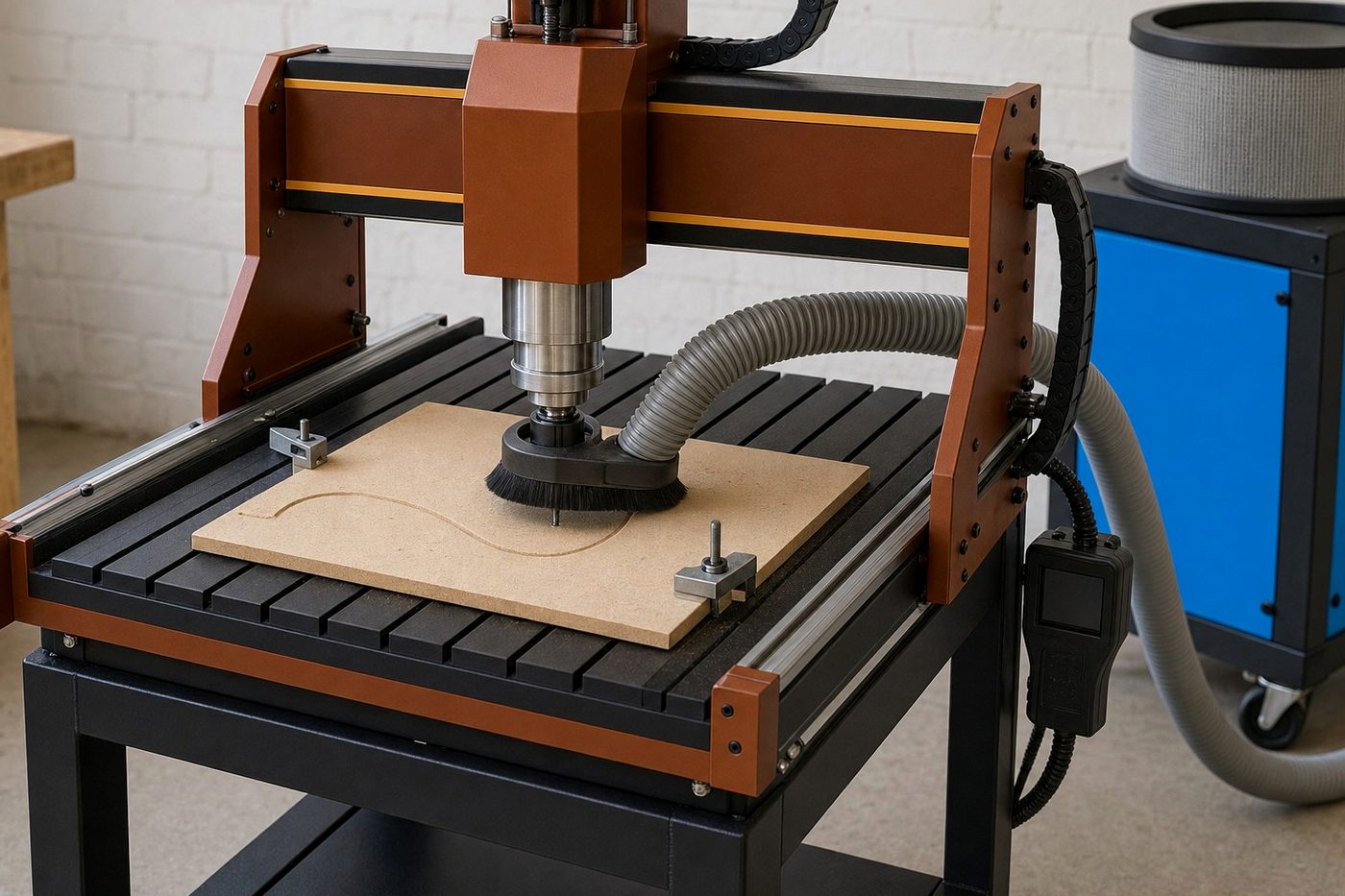
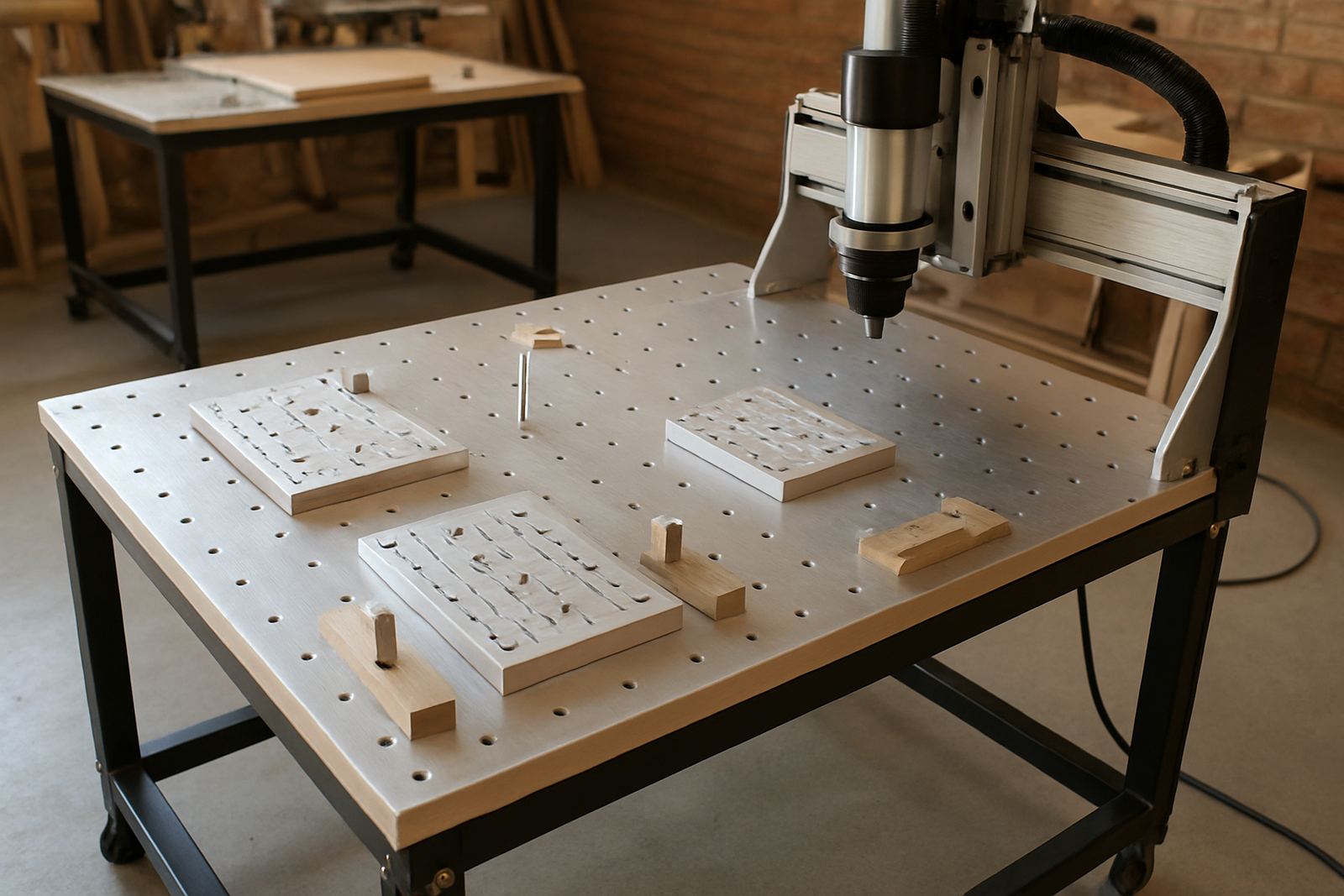
Every table has a T-slot bed and our hold-down clamps. Nhlanhla Majola keeps it that way on purpose, because clamping teaches people to think about how a part is held before the spindle ever starts.
“Hold a small part safely with clamps and you understand the job. A vacuum bed is easy after that.”
Nhlanhla Majola, Technical Trainer
The one thing we did not stock
Dust was the gap. Our Dust Shoe Kit catches chips at the bit, but three routers cutting MDF all day need real suction behind them, and extractors are not part of our range. For that we went to AM.CO.ZA, and each table now has its own unit from their extractor range on the end of the dust shoe hose.
“Before anyone mentioned a model, they asked how many people we teach per session, what we cut and how big the room is. That is how we like to treat our own buyers.”
Retha Kleynhans, Sales Manager
We compared a few suppliers. AM.CO.ZA gave honest sizing advice for a small room, a very fair price for the build quality and a clear plan for filters and after-sales support. From Silverton it is an easy trip to the AM.CO.ZA Johannesburg branch, and the AM.CO.ZA company guide showed us the support behind the machines before we committed. Our dust control basics note explains why extraction matters just as much in a garage workshop.
A tooling bench that keeps up
Beginners break bits, so Lindelwa Sigcau stocks the bench from our own shelves: the Starter Bit Pack for everyday pockets and profiles, the Signmaking Bit Pack for V-carving, and a spare collet set at each table. A router spares bundle sits in the cupboard, so one tired part does not take a table out of the next class.
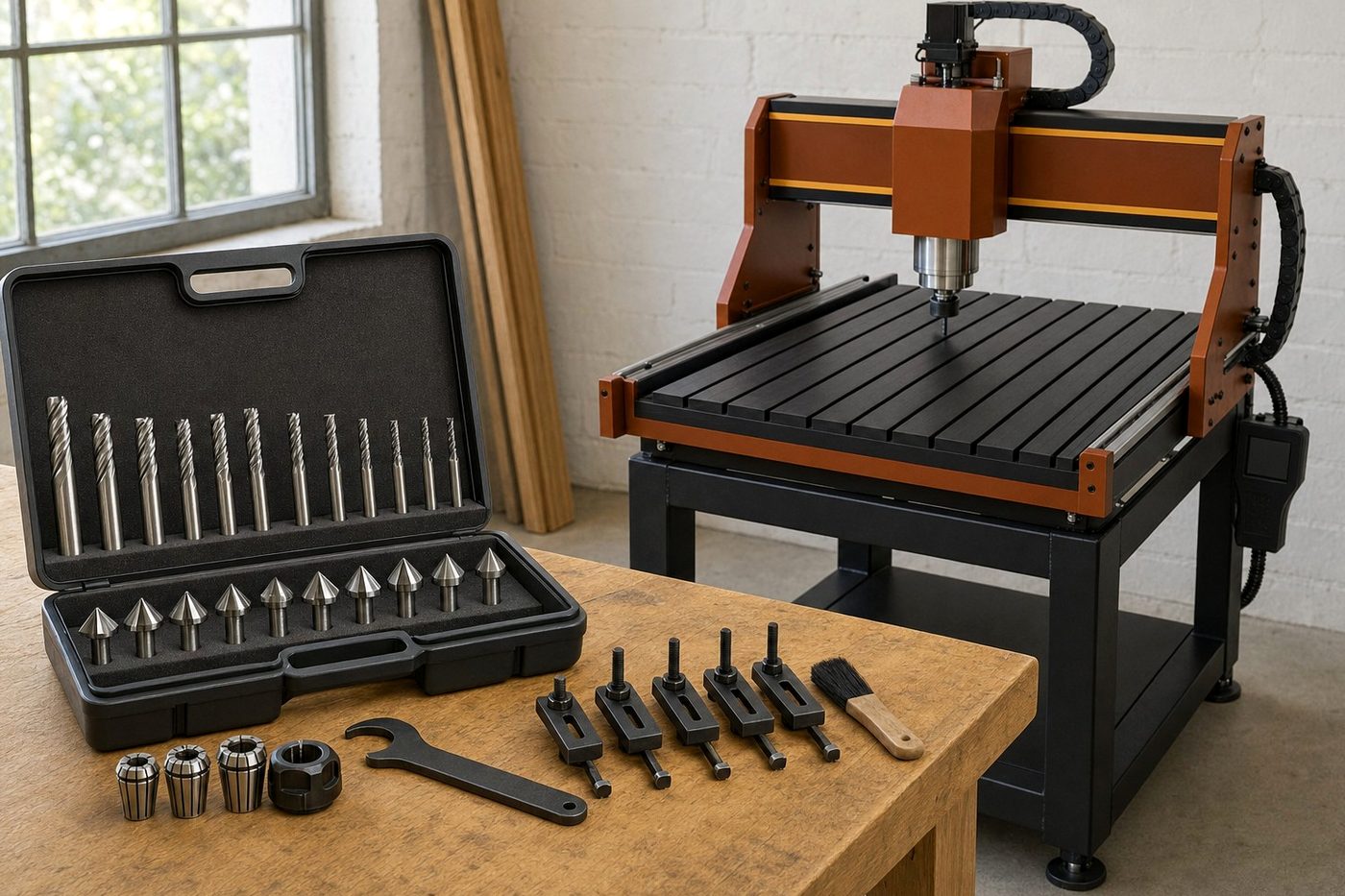
New to cutters? Read router bits explained before your session and the morning will make more sense.
How a training day runs now
- MorningPower-up, homing, tool zero and a first simple pocket in MDF.
- MiddaySoftware basics: a drawing becomes a toolpath, and the toolpath becomes a part.
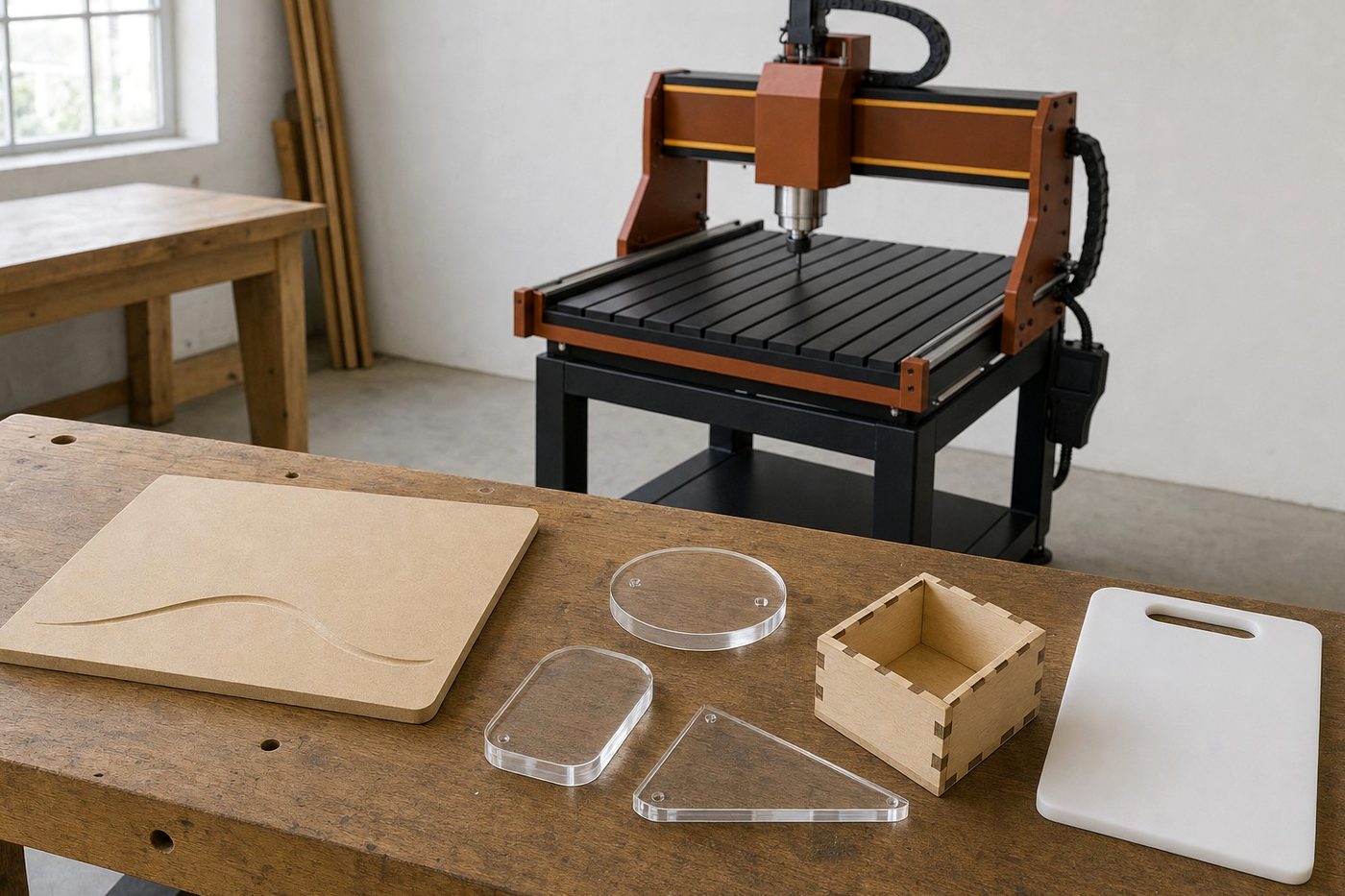
- AfternoonAcrylic, plywood and HDPE jobs, followed by preventive maintenance and the end-of-day clean.
Wessel Rabie takes the maintenance hour on the very tables the class used, so trainees see real dust, real wear and the real fix instead of a clean demo machine. Emptying the extractor bins and checking the filters is now part of that hour.
Schools and youth groups
Three matching machines suit school classes and youth programmes well, a format we first tried at the Mamelodi youth workshop. For a lab of your own, our School Router 900 package is built for supervised student use. Start with our router for schools guide and the note on teaching students CNC.
Book a seat in the bay
Individual and team sessions run at our Silverton branch. Palesa Maluleke and the support team will find a date through the book training page, or you can reach us on the contact page.
Key facts
| Project type | In-house operator training room |
|---|---|
| Location | Silverton, Pretoria |
| Machines | 3 x Maker Router 600x900 with 1.5kW spindle package |
| Work holding and tooling | Our hold-down clamps, collet sets, starter and signmaking bit packs |
| Extraction | One AM.CO.ZA extractor per router, on our Dust Shoe Kit |
| Spares | Router spares bundle kept on site |