
What the Wonderboom team needed for the prototype run
The client was a small workshop in Wonderboom, Pretoria working on a new product range that needed tested panel sets before anyone committed to final production. Their main aim was simple: get clean prototype parts for fitment checks, mounting tests, and enclosure trials without wasting material or time on manual rework.
They brought us drawings for flat panels and housings in MDF and plastic sheet, and asked for parts that would hold dimensions closely enough to spot issues early. The brief also included repeat cuts for revised versions, because the first sample usually changes after the first dry fit. That is normal on small runs and it saves a lot of money later.
- Prototype panels for test assembly and fit checks
- Housings for controls and small modules
- Repeatable cuts for revision rounds
- Clean edge quality for marking and drilling
Material choice, sheet sizes and cutting limits
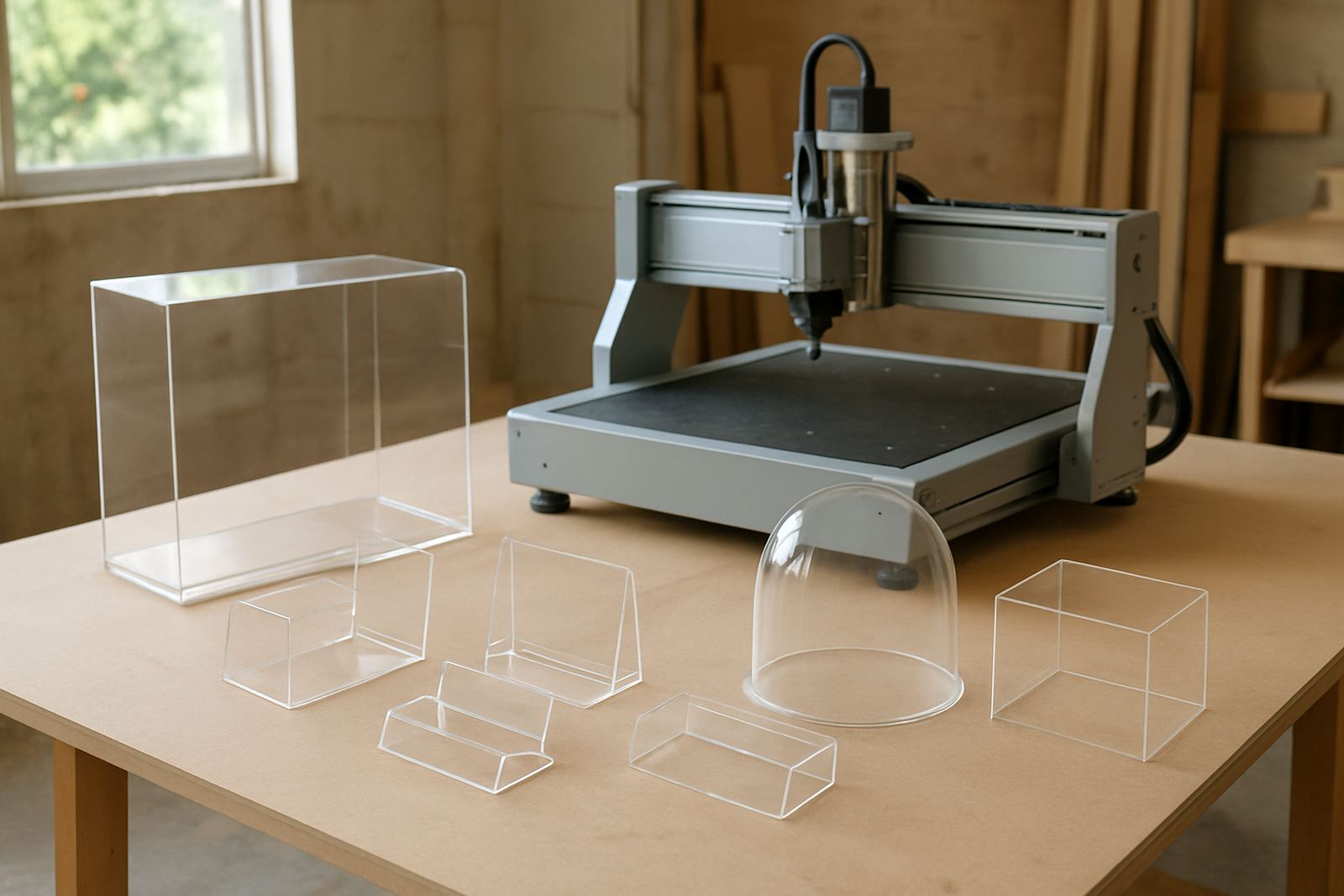
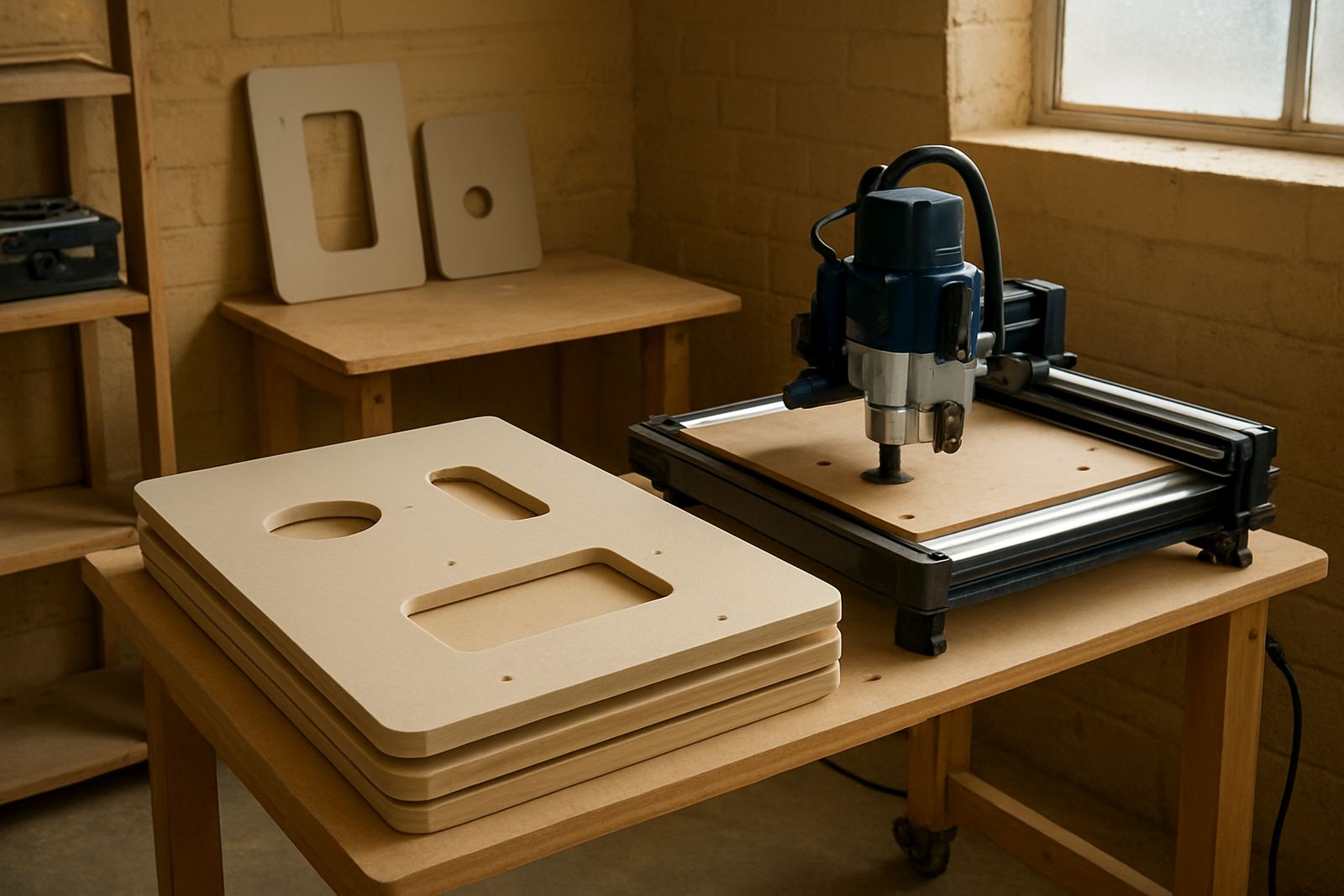
We worked on MDF and plastic sheet stock suited to the project’s test stage. The parts were laid out to make good use of full sheets, with allowance for holding tabs, tool clearance and small changes between revisions. For the panel sizes involved, the workshop needed repeatable square cuts, pocketing for recesses, and consistent hole positions for fastener trials.
The main constraint was time. The client wanted parts fast enough to keep testing moving, but not so fast that accuracy suffered. Pretoria weather was not a major issue in the workshop, although we still considered material movement and storage because humidity changes can affect some sheet goods. A dry, flat stored board always behaves better on the table.
- Material types: MDF and plastic sheet
- Panel thickness range: 3 mm to 18 mm
- Typical tolerance target: within 0,3 mm on repeat parts
- Cut types: profiles, pockets, pilot holes and housings
How we handled the CNC cutting and setup
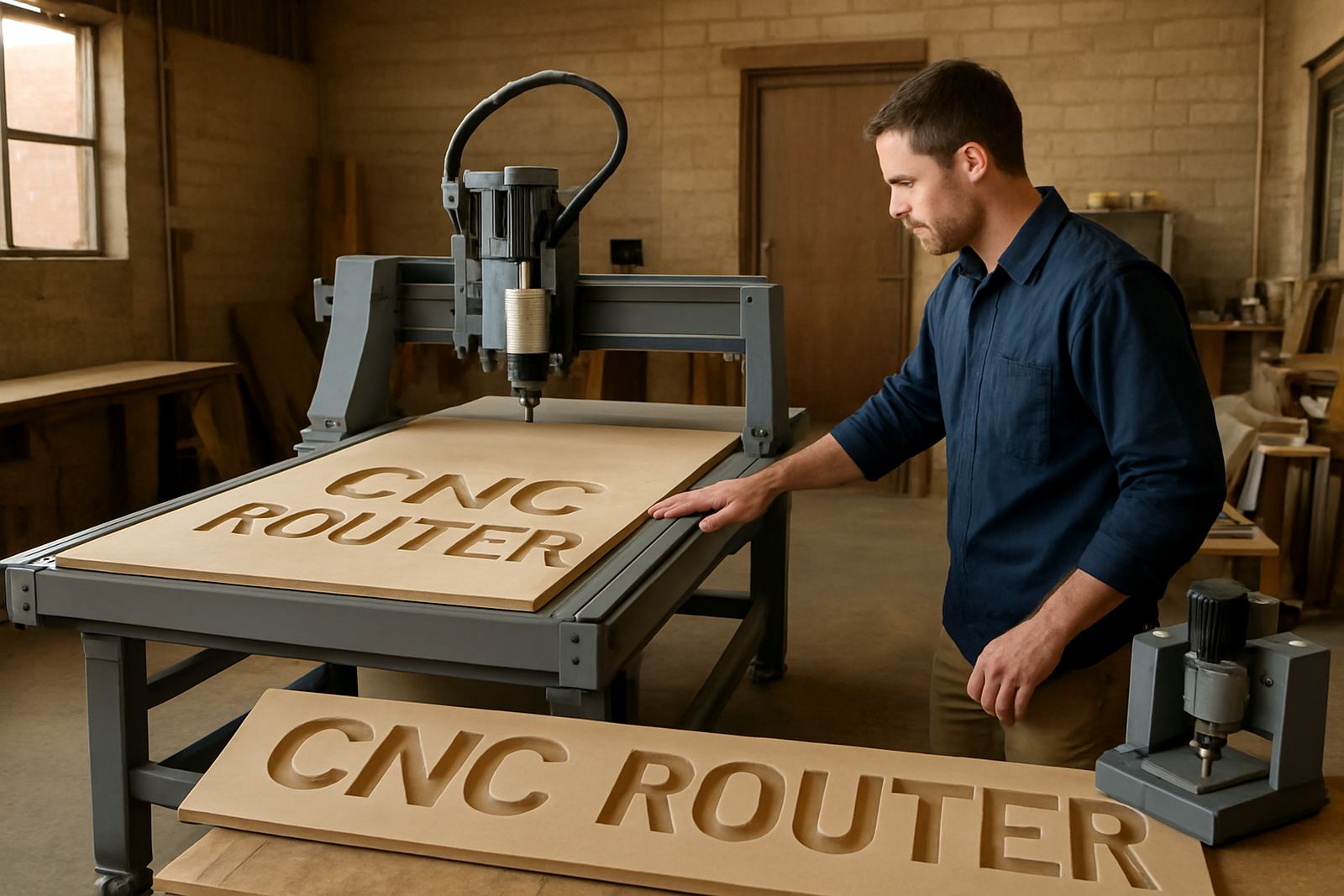
We started with a setup visit and checked the machine, tooling and workholding so the first batch would be cut properly. Tool paths were planned around the smallest part features, then adjusted for safe holding and cleaner corners. The aim was to give the workshop parts that fitted together without guesswork and without extra sanding on every piece.
For the prototype batch we supplied cutter advice, setting guidance, and a short operator handover so the team could keep going after the first cut round. We also checked spindle performance, feed rates and cut depth because the wrong setting on a small router can leave burn marks, chatter or loose edges. Once the test parts were approved, a second revision was cut with small changes to fixing points and clearances.
- Initial setup visit and machine check
- Tooling and feed guidance for the operator
- Dry fit checks before the second cut
- Small revision changes completed in the next round
Timeline, turnaround and the revision cycle
The project ran over 2 weeks from first briefing to final prototype delivery. The first week covered measuring, layout planning and the first cut set. The second week focused on test fitting, minor changes and the revised panel batch. That pace worked well because it let the client test real parts instead of waiting for a large final run.
Short runs need clear communication. We kept the client informed on cutting sequence, sheet use and where extra clearance was needed for screws, hinges and cable entry. A small typo in a drawing can cause a lot of re-cutting, so we checked the detail before each stage and kept the revision notes simple.
- Week 1: brief, layout and first prototype cuts
- Week 2: fitment feedback and revised cuts
- Total elapsed time: 2 weeks
- Outcome: fewer assembly delays and fewer hand corrections
Results for the Wonderboom workshop
The finished prototype panels and housings gave the workshop a proper test platform before final assembly. The parts lined up well, holes matched the hardware, and the enclosure faces gave the team enough confidence to move ahead with the next stage. They could test cable routes, mounting positions and access points without cutting into final stock.
The biggest benefit was not just the cut parts themselves, but the spare support behind them. Once the dimensions were confirmed, we helped plan the spare cutters and wear items needed for ongoing small runs, which matters when you are working from a compact shop in Pretoria East and cannot afford a stoppage mid job.
For a maker workshop, that means fewer surprises, cleaner assembly and a better chance of getting the final product right the first time.
Key facts
| Client type | Maker workshop in Wonderboom, Pretoria |
|---|---|
| Project type | Prototype panels and housings for testing before final assembly |
| Materials | MDF and plastic sheet |
| Timeline | 2 weeks from brief to revised prototype set |
| Services used | Setup visit, CNC cutting, operator guidance, revision cuts, spares planning |
| Support area | Pretoria base with spares and training nationwide |