
Home Workshop Brief from Pretoria East
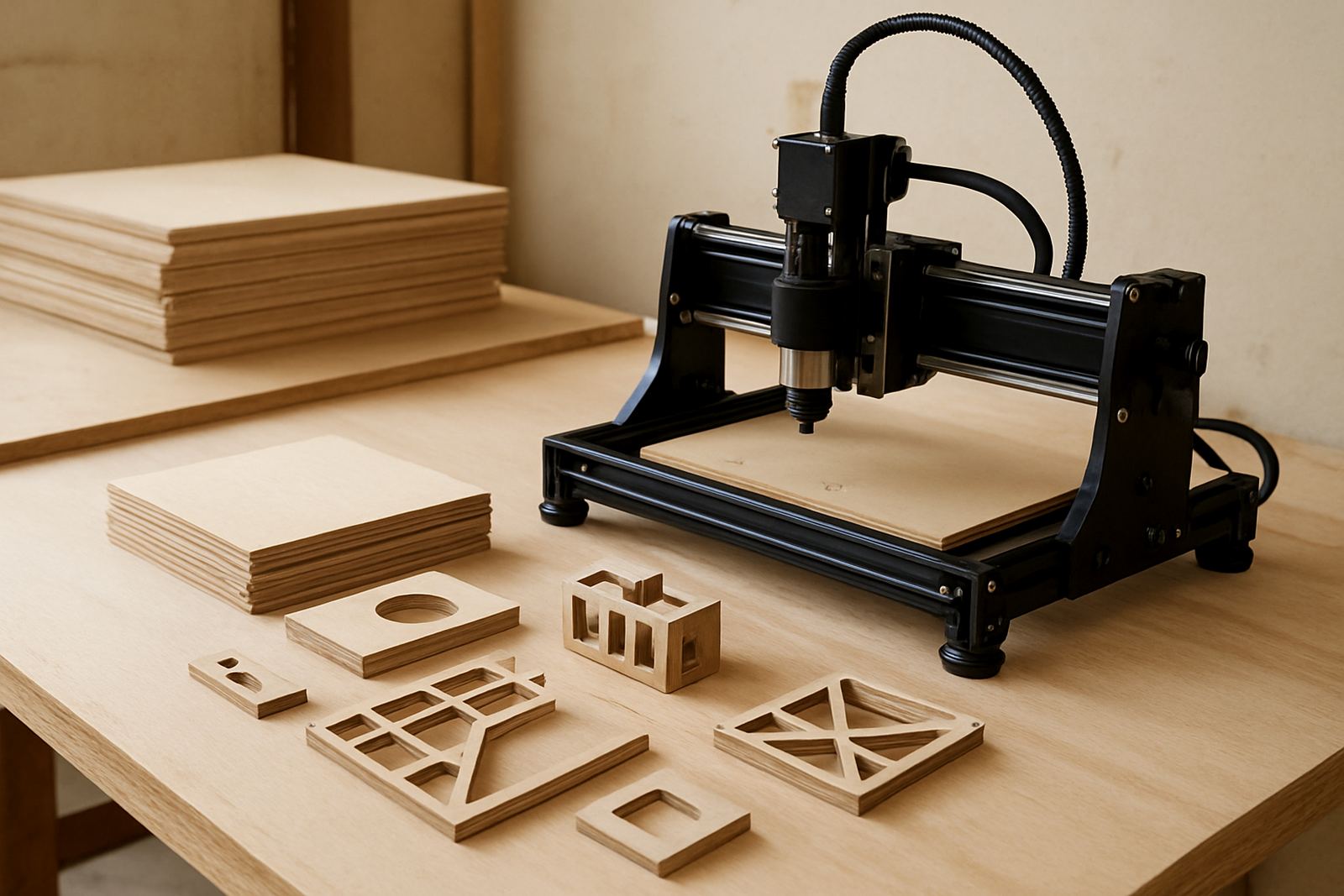
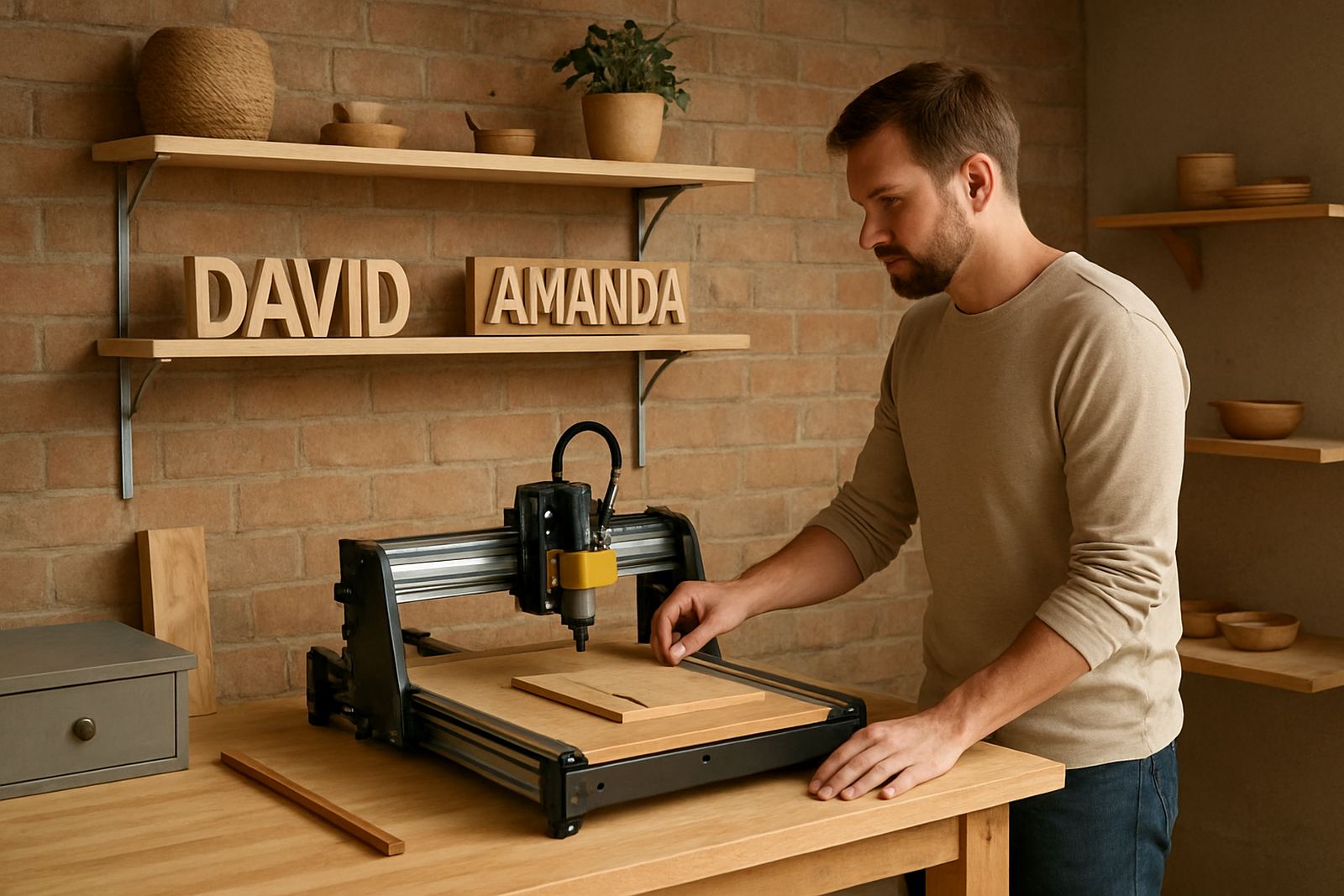
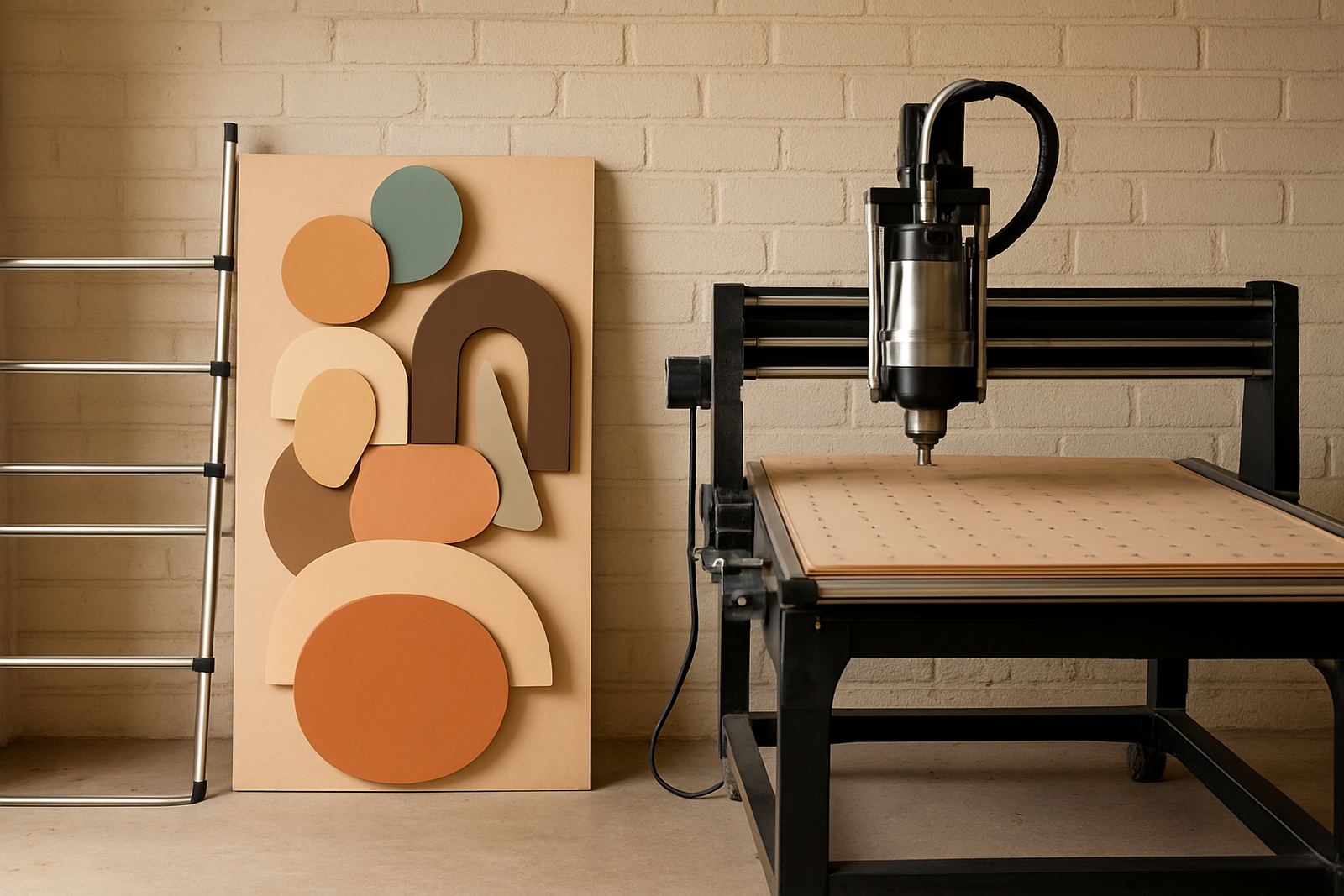
The client was a home-based maker in Pretoria East doing paid runs for sign blanks, wall decor, small panels and personalised items. The first machine had served well for learning, but the work had grown and batch sizes were getting too slow. The brief was simple: move to a larger hobby router that could handle MDF, plywood and plastics, while still fitting a home workshop and staying manageable for one person.
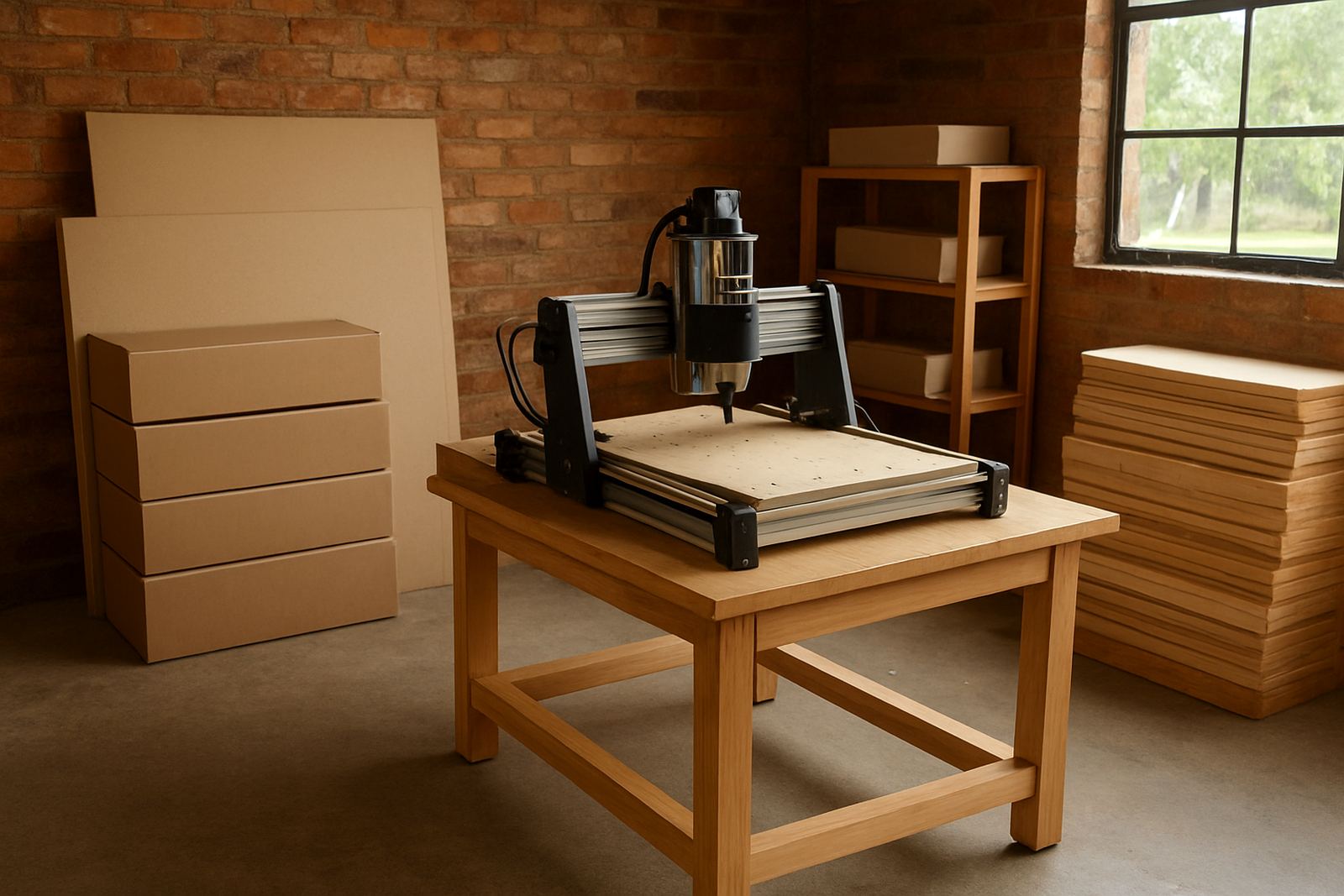
We also had to keep the set-up practical for a residential area. Noise, dust control, power interruptions and limited floor space all mattered. The client wanted a machine that could run after work and on weekends, with clear instructions so the process did not depend on guesswork.
- Town: Pretoria East
- Use case: side-hustle production runs
- Materials: MDF, plywood and plastics
- Workspace: home garage style workshop
Why the Larger Hobby Router Made Sense
The older unit was fine for small sample jobs, but it was slowing down repeat orders. Parts had to be broken into more passes, the bed area was tight, and the operator was spending too much time resetting work. A larger hobby router gave the client more cutting area, better throughput, and enough headroom to take on grouped jobs instead of single pieces.
We recommended a desktop class CNC router with a working area of 900 x 600 mm, a rigid aluminium frame and a spindle suited to woodworking and plastics. That size sits in the sweet spot for a small workshop. It is big enough for side-hustle production, but not so large that it becomes awkward in a home space. The machine also had to tolerate local load-shedding, so the control set-up and restart routine were planned carefully.
- Working area: 900 x 600 mm
- Material focus: hobby woodworking and plastic sheet work
- Power planning: safe restart after outages
- Footprint: suitable for a compact workshop
What We Supplied and Set Up
We supplied the router table, spindle package, control system, dust handling advice and the starter tooling needed for the first production jobs. The machine was delivered to Pretoria East, unpacked and checked, then positioned for the cleanest cable routing and operator access. We also made sure the emergency stop, home positions and work holding approach were clear before any cutting began.
As part of the setup we aligned the machine, checked movement across all axes, and tuned the controller for stable jogging and consistent homing. The client received a starter pack of cutters for MDF and plastics, plus guidance on spindle speed, feed rate and safe step-downs. The goal was to remove trial-and-error from the first week, because wasted material gets expensive quickly when you are running small batches.
- Machine delivery and installation in Pretoria East
- Axis checks and controller tuning
- Starter tooling for MDF and plastics
- Safe work holding and homing routine
Training for Real Production Work
The client did not need theory only, they needed usable know-how for actual orders. Nhlanhla carried out hands-on operator training and software basics, starting with file preparation, tool selection and setting the zero point. We then moved on to batch cutting, part nesting and simple workflow habits that keep a home workshop organised.
We also covered practical topics that matter in Gauteng homes and small garages, like dust extraction placement, checking cutter wear, and how to stop and restart after power cuts without losing a job. After the first session the client could run test cuts alone, and by the second session they were producing clean parts with much less supervision. One small but important point was keeping the spoilboard flat and clean, because any drift there shows up fast on repeated cuts.
- Software basics and file prep
- Tool choice for MDF and plastic sheets
- Batch job setup and repeat cuts
- Restart steps after load-shedding
Timeline, Output and Early Results
The project ran over three weeks from first site discussion to handover of the supported set-up. Week one covered the brief, machine selection and power planning. Week two was delivery, positioning and setup. Week three was training, test cuts and adjustments to the workflow. That pace worked well because the client could keep the home business moving while the upgrade was being completed.
Within the first fortnight after handover, the client was able to increase batch output and reduce the time spent resetting jobs. The larger bed meant fewer joins on bigger items, and the cleaner workflow cut down on scrap. The client was especially pleased with how consistent the repeat runs became, which matters when you are selling the same item in small quantities from home.
- Timeline: 3 weeks
- Fewer re-clamps and less setup time
- Better consistency across repeat parts
- More capacity for side-hustle orders
Support After the First Jobs
After the initial install we stayed available for remote support, spares planning and refresher guidance. That matters for hobby routers because home users often need help with cutters, belts, spoilboards or a setting change after a few weeks away from the machine. The client now has a clear path for routine maintenance and knows when to ask for help before a small issue becomes a breakdown.
If we were doing the same project again, we would follow the same order: check the actual product sizes first, plan around the workshop doorway and power supply, then match the machine to the real jobs rather than the wish list. It saves time, avoids overspending, and gives a better fit for a home maker who wants to grow without taking on more machine than they need.
- Remote support available nationwide
- Spares planning for cutters, belts and consumables
- Refresher training for later stage users
- Preventive maintenance advice for longer service life
Key facts
| Client type | Home-based maker doing side-hustle product runs |
|---|---|
| Location | Pretoria East |
| Machine class | Larger hobby CNC router |
| Working area | 900 x 600 mm |
| Materials cut | MDF, plywood and plastics |
| Project timeline | 3 weeks from brief to handover |