The workshop brief from Midrand
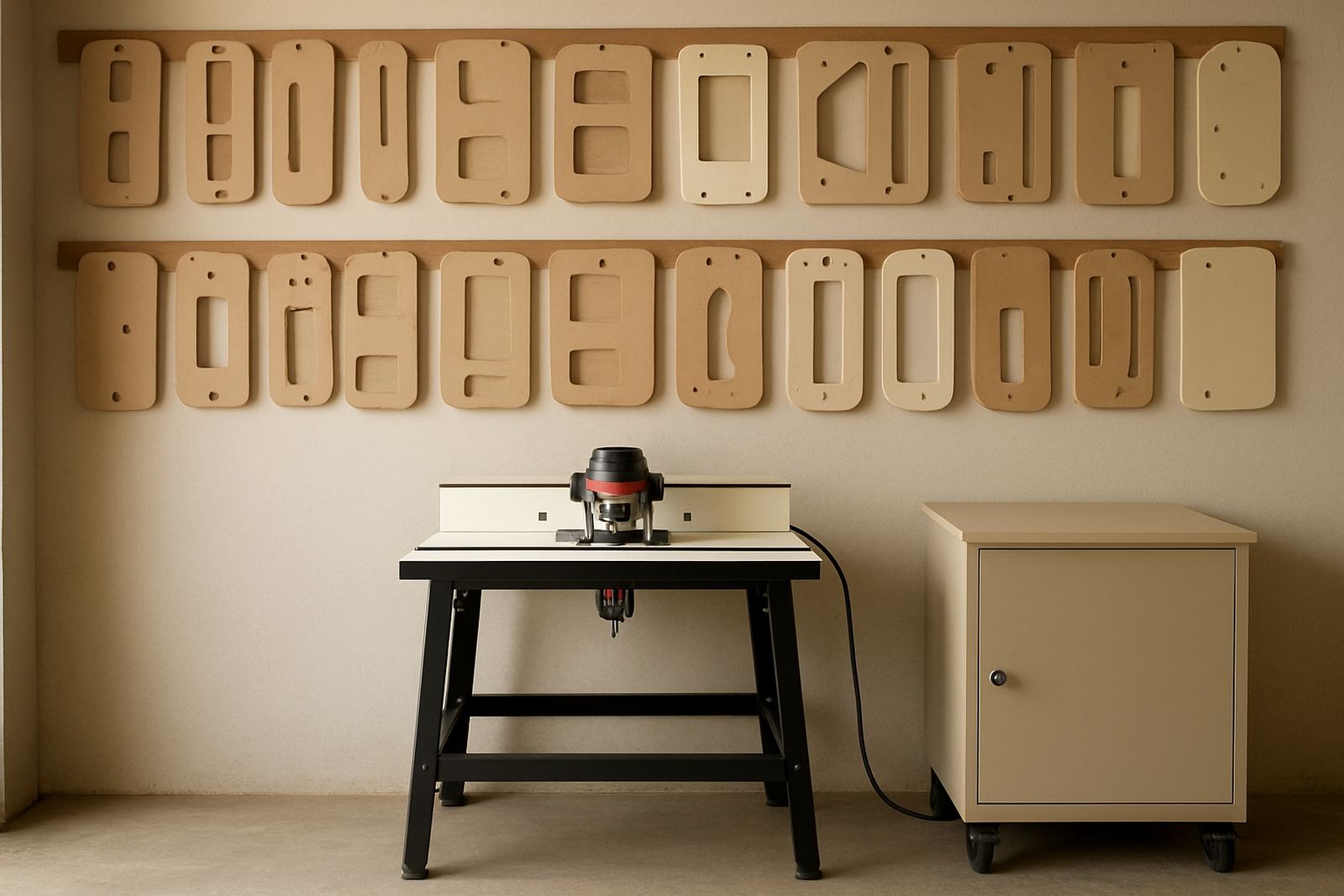
The client was a specialist fabrication workshop in Midrand doing repeat template work for small production runs, jigs, pattern parts and cut references. Their old process was mostly manual, so every new batch took longer than it should have and the finished pieces varied too much from one run to the next.
The brief was simple, but very practical: cut template parts quicker, keep dimensions steady, and make the process manageable for a small team working in a busy space. They also wanted a setup that would suit a workshop with normal 230 V supply, weekend work when needed, and enough resilience for load-shedding interruptions.
- Repeatable template production for MDF and plastic sheet
- Small workshop footprint with easy operator access
- Training for staff with basic CNC experience
- Support for spares, setup and long term use
What we supplied and set up
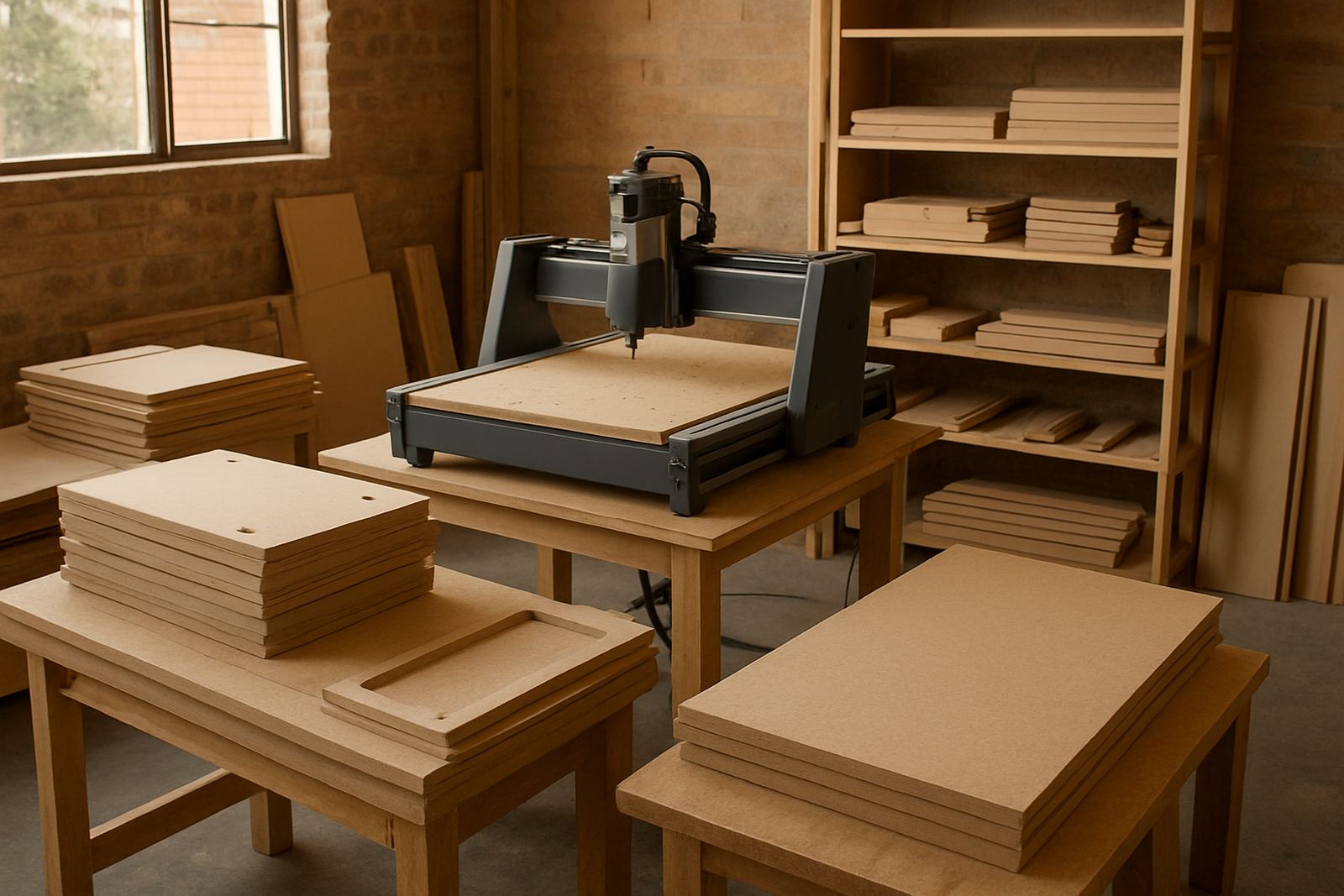
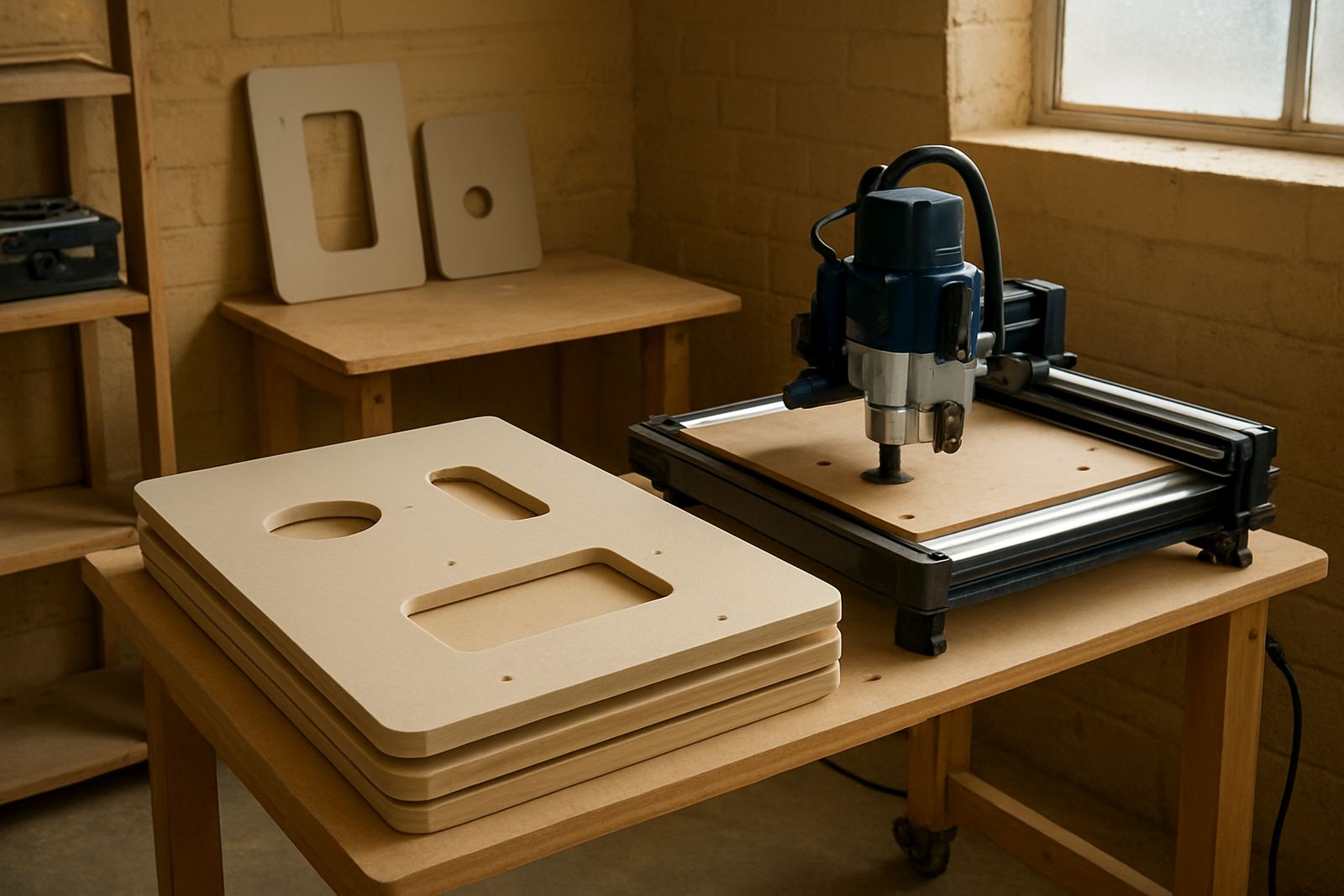
We supplied a compact CNC router table suited to template work rather than heavy cabinet production. The machine was configured for woodworking, MDF and plastic sheet cutting, with a working area of 1 220 mm by 2 440 mm and a gantry height set for common workshop materials. We matched the setup to their repeat jobs so they could run batches without constant re measuring.
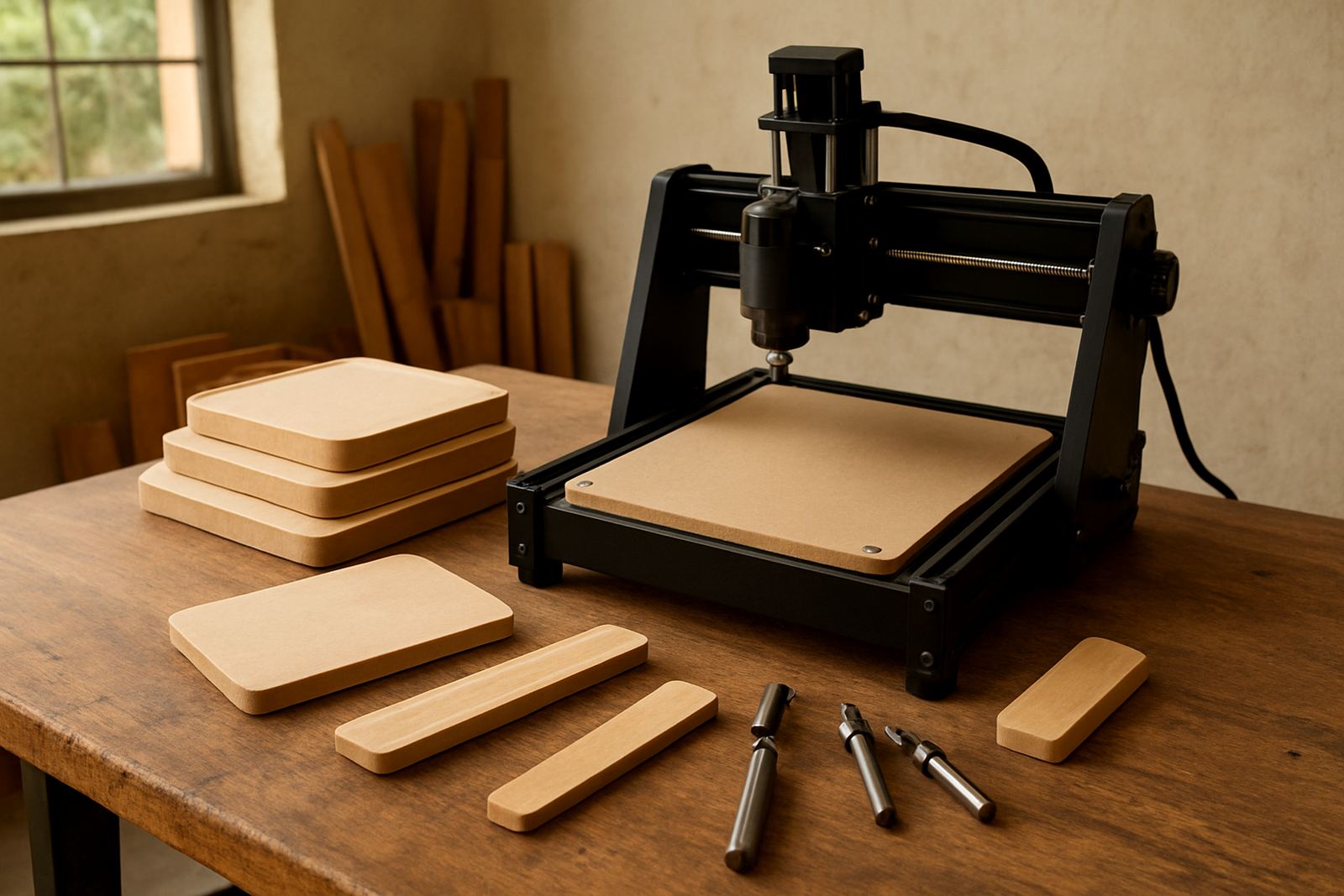
Along with the router table, we supplied starter tooling, a basic control package, hold down guidance, and spare items that are often needed in daily use such as cutters, collets and limit components. The aim was to keep the workshop moving if something small failed, not to wait days for a part that could have been planned in advance.
- 1 220 mm x 2 440 mm working bed
- Single phase supply suitable for small workshops
- Tooling for MDF, pine sheet and plastic sheet
- Starter spares pack for routine wear items
Training, setup and operator confidence
The training covered machine start-up, safe clamping, basic job setup, cutter selection, feed planning and simple file handling. Because the team needed practical results, we kept the sessions hands on and focused on the jobs they would actually run. The operator training was split over two days, then followed by a short refresher call after the first production week.
We also did a starter setup visit to check table levelling, axis movement, spindle behaviour and cut quality. That visit picked up a minor cable routing issue before it became a problem, and we adjusted the control settings so the machine stopped cleanly without overshooting. It saved time later and gave the team more confidence from day one.
- Operator Training over 2 days
- Starter Setup Visit on site in Midrand
- Refresher Training after first use
- Remote Support for file and control questions
Constraints on the project
Midrand workshops often have to work around limited floor space, shared power points and quick turnaround expectations from clients. This site also needed a practical answer to dust control because MDF and plastic offcuts build up fast in a busy room. We planned the machine position so the operator could load material from one side and clear finished templates without crossing the main work path.
Another constraint was timing. The workshop could not stop production for long, so installation had to fit into a short window and the learning period had to be efficient. We completed the machine placement, wiring check, initial calibration and safety walk through in under a week, then spent the rest of the second week on live jobs with the team.
The area can also see humidity changes depending on the season, so we advised basic storage discipline for cutters and electrical parts. That matters more than people think, especially when a workshop keeps tooling on hand for repeat work.
Timeline and results after go live
The full project ran over 3 weeks from first briefing to settled production. Week one covered site review, job analysis and machine specification. Week two covered delivery, setup and operator training. Week three was used for first production runs, control tuning and spares planning.
By the end of the third week, the workshop was producing repeat templates with much better consistency and less manual marking. The team reduced handling time on each batch, and small changes between runs were easier to manage because the same settings could be reused. One of the best outcomes was that the operator no longer had to rework parts that were slightly off, which saved both material and labour.
- Faster turnaround on repeat template batches
- Better repeatability between runs
- Less manual marking and rework
- Clearer spares planning for daily use
What we would do again for a similar workshop
For a workshop doing repeat fabrication in Midrand, we would choose the same approach again. Keep the machine size matched to the floor space, train the operator on real jobs not only theory, and make sure a small spares kit is on site before the first busy week starts. That combination gives steady output without making the setup too complicated.
We would also repeat the follow up call after the first few days of production. Small adjustments during the first week often make a bigger difference than a long list of features, and it helps the team build confidence quickly. It is a practical setup, not a fancy one, and that suited the client well.
If your workshop in Midrand, Pretoria East or Centurion is making templates, jigs or repeat parts and the current process is too slow, we can help with the machine, the training and the spares to keep it running.
- Match the router to the actual job mix
- Train on the first live parts
- Keep wear items on hand from day one
Key facts
| Client type | Specialist workshop handling repeat fabrication templates |
|---|---|
| Location | Midrand |
| Machine size | 1 220 mm x 2 440 mm working bed |
| Material range | Woodworking, MDF and plastic sheet |
| Timeline | 3 weeks from brief to settled production |
| Support included | Training, setup visit, remote help and spares planning |