What the workshop was dealing with
The client was a small fabrication support workshop in Garsfontein supplying jigs, locating plates and pattern parts for repeat jobs. Their team was doing a lot of hand marking, trimming and drilling on the same shapes over and over, which started to affect fit-up and slowed the day down. The brief was straightforward: make the parts more accurate, reduce wasted material and get the same result every time, even when the order changed slightly.
They wanted something practical for a busy Pretoria workshop, not a complicated system that needed special handling. Space was tight, dust was always an issue, and the team had to keep working around load-shedding and general interruptions. They also needed a setup that could be trained quickly because not every operator was familiar with CNC work.
Why CNC routing made sense
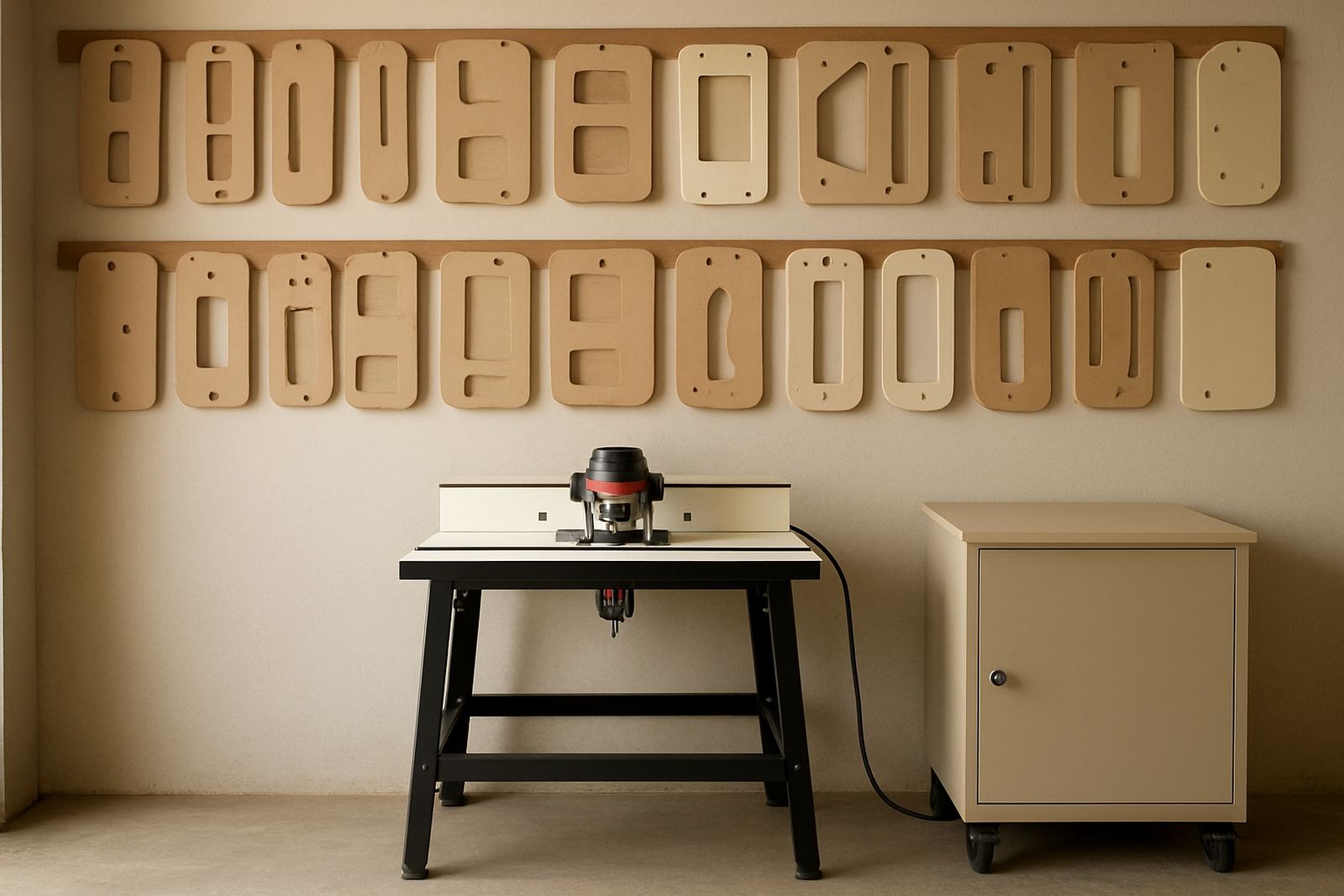
The parts being made were mostly recurring shapes in MDF, plywood and plastic sheet. Those materials respond well to CNC routing because the cut path can be repeated exactly, hole positions stay true, and the finish is far better than hand cutting. For a jig maker, that matters because a small error in one plate can affect the whole setup further down the line.
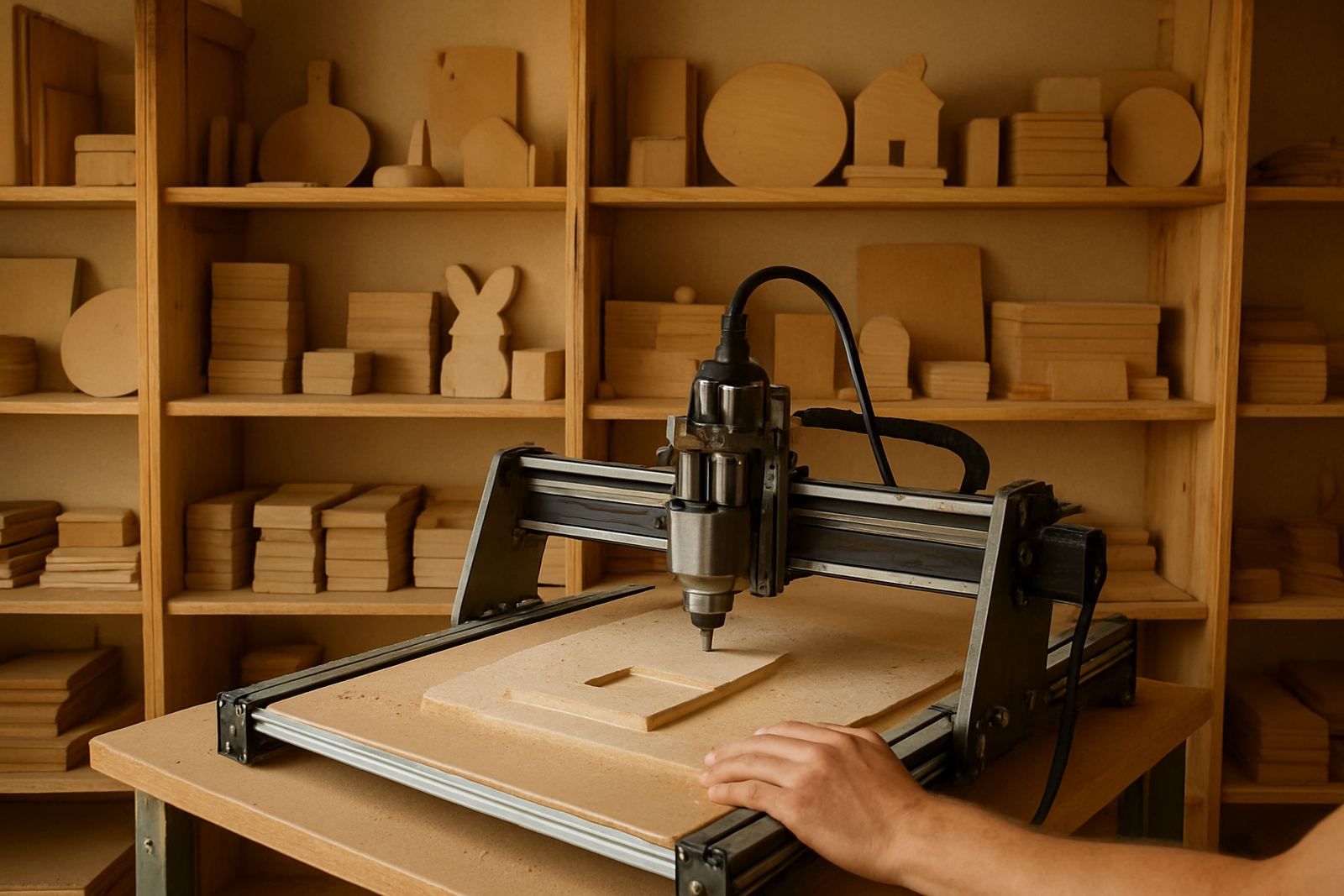
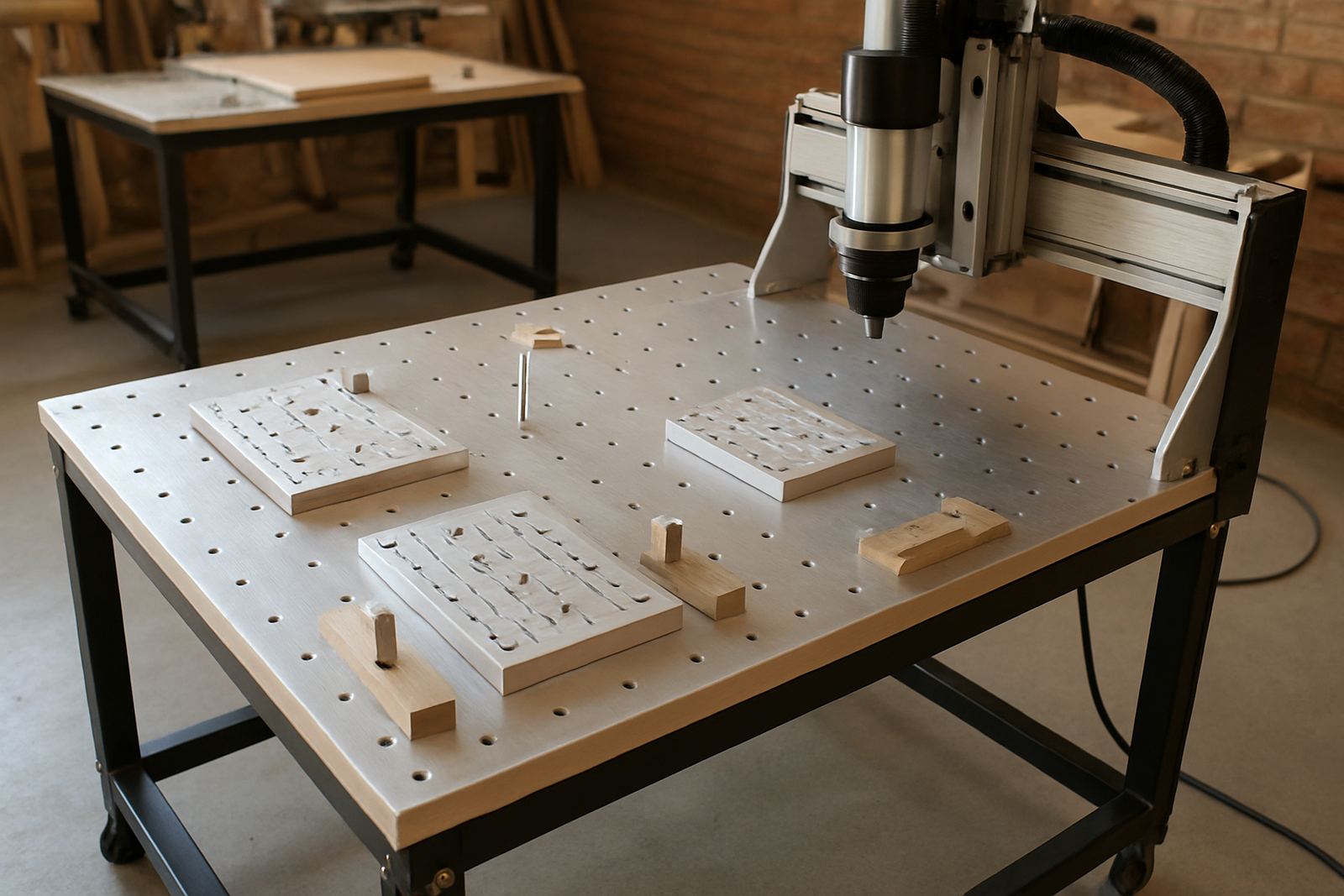
We recommended moving the repeat shapes onto a compact router table suited to a smaller workshop. The goal was to keep the machine easy to run, but still give enough working area for the typical jig components they make. The final setup used a 4 x 8 style bed, a 1.5 kW spindle, ball screw driven motion on the main axes, and a vacuum hold-down ready table for flatter sheet work. That gave them a proper base for accurate routing without taking over the whole floor.
- Best used for MDF, ply, ABS and other light sheet materials
- Suitable for repeated jigs, templates, router guides and drilled panels
- Built for a smaller workshop with controlled daily output
What we supplied and set up
We supplied the router table, basic tooling advice, initial software setup and a starter visit on site in Garsfontein. The machine was installed with enough clearance for loading sheets from the side, which helped in a tight room where there was no room to swing large panels around. We also checked the dust extraction plan, because MDF dust builds up fast and can become a problem for both finish quality and maintenance.
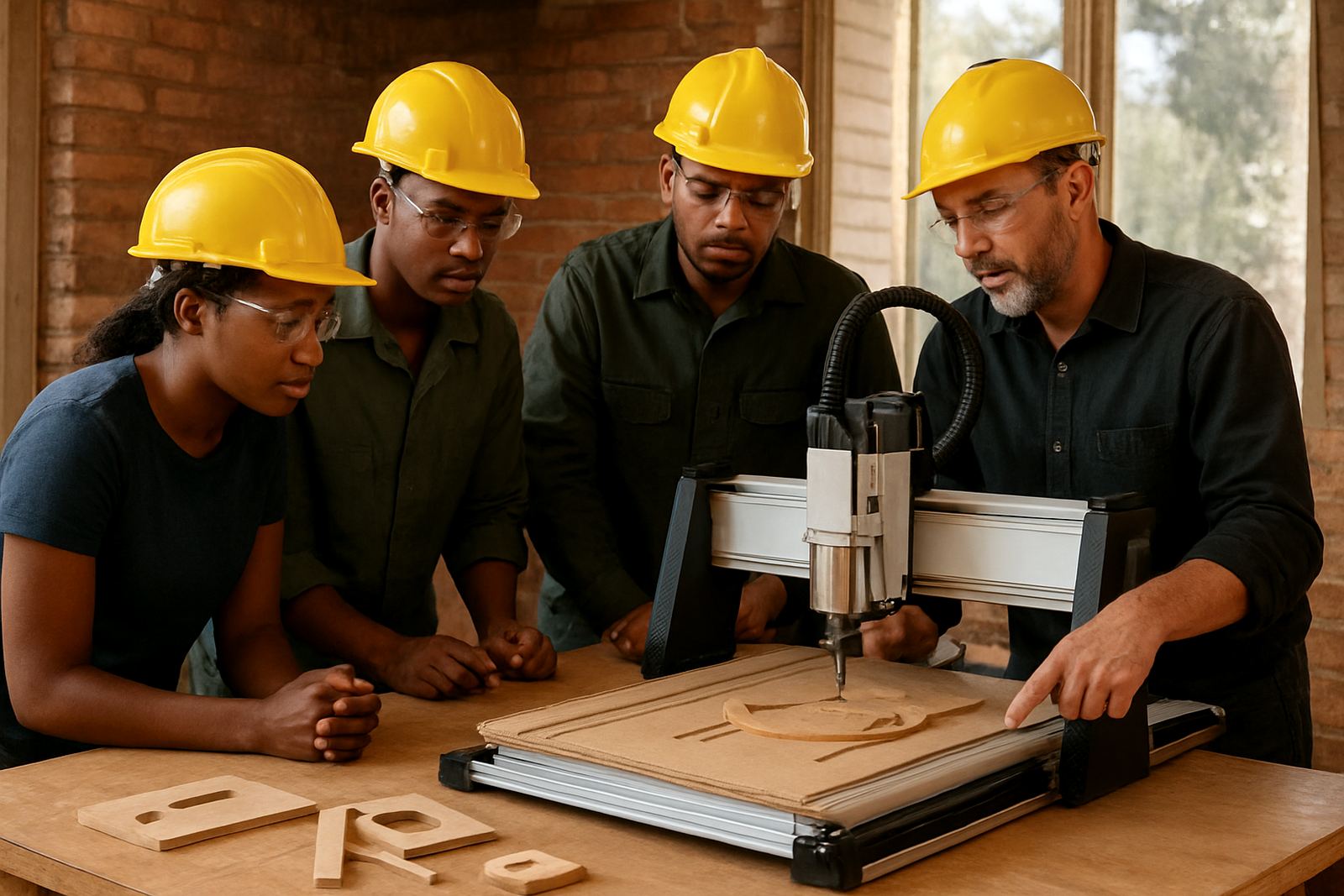
As part of the setup, we adjusted the controller settings for smoother motion at slower feed rates, then tested pocketing, through cuts and drilled hole positions. The client wanted a machine that could run repeat work with minimum fuss, so we kept the toolpath library simple. Nhlanhla handled the training while Wessel checked the mechanical alignment and spindle run-out before handover. It was a proper hands on job, not just a drop-off and leave.
- Starter setup visit completed at the Garsfontein premises
- Control tuning carried out for cleaner corner movement
- Basic toolpath and file handling covered with the operators
- Dust extraction and cutting area layout checked before first run
Training, spares and maintenance planning
The team needed more than just a machine. They needed to know how to keep it running and how to avoid delays when a cutter wore out or a spindle issue came up. We ran software basics, operator training and a maintenance walk-through so they could handle everyday work in-house. That included tool changes, safe clamping, checking zero points, and what to look for if a cut started drifting out of tolerance.
Because the workshop is in Pretoria, they also asked about support during power interruptions. We explained the best restart routine after load-shedding and how to protect jobs already in progress. Lindelwa helped with spares planning so the client kept a small stock of cutters, collets and consumables. That way they did not have to stop a job just because one part was missing.
- Operator training for 2 staff members
- Software basics session focused on repeat jig work
- Preventive maintenance checklist for weekly and monthly checks
- Spares list set up for cutters, collets and common wear items
Timeline from first visit to first batch
The full project took 3 weeks from first assessment to the first production batch. Week one covered the site visit, part review and machine specification. Week two was delivery, installation and alignment. Week three covered training, test cuts and the first live parts for the client’s own workflow. The schedule worked because the job was planned around the workshop’s existing order book, so they did not lose a full week waiting for changeover.
There were a few small adjustments after the first test run, mainly around holding the thinner parts and cleaning up dust around the spoilboard. Those changes were handled quickly. The important thing was that the team could start cutting with confidence by the end of the third week, and they did not need outside help for every basic step.
What changed after the switch
Once the recurring shapes were moved onto CNC routing, the workshop saw better repeatability and far less hand finishing. Hole spacing stayed consistent, curved sections came out cleaner, and parts nested better on the sheet so material waste dropped. They also cut down on rework because the machine followed the same file each time, which made a real difference when the same jig had to be produced again two days later.
The client also gained better planning control. Instead of guessing how long a batch would take, they could count cuts and estimate sheet usage before the job started. That helped with quoting and with follow-up orders. It also meant the team could take on more short-run work without tying up a fitter for hours. In practical terms, the workshop became less dependent on manual marking and more predictable from job to job.
If we were doing this one again, we would set up the same basic machine spec and keep the first file library lean. That keeps operators focused on the parts they make every week, not on trying to manage too many options at once. For a jig maker, simple and accurate is usually the best place to start.
Key facts
| Project area | Garsfontein, Pretoria |
|---|---|
| Client type | Fabrication support workshop making recurring jigs and pattern parts |
| Materials routed | MDF, plywood and plastic sheet |
| Machine format | Compact router table with 4 x 8 style bed |
| Key machine spec | 1.5 kW spindle with ball screw driven motion on main axes |
| Project timeline | 3 weeks from site assessment to first production batch |