Client Brief for a Smaller Signage Workshop
The client was a signage business in Boksburg that had built a steady flow of general sign work, then started getting requests for engraved boards, fascia lettering and routed acrylic pieces. They wanted a machine setup that could fit into a smaller workshop, run on single phase power where possible, and handle wood, MDF and plastics without needing a full production line.
The brief was practical. They needed clean cut edges, repeatable letter sets, enough work area for common sign sizes, and training that would get staff productive quickly. The owner also wanted to avoid long downtime if a spindle, collet or control part failed, because in sign work a missed turnaround can mean a lost order.
- Town: Boksburg, Gauteng
- Work type: engraved signs, cut letters, acrylic panels and MDF routing
- Goal: add CNC capability without expanding floor space too much
- Main concern: reliable support, spares and straightforward operation
Compact Router Package and Key Specs
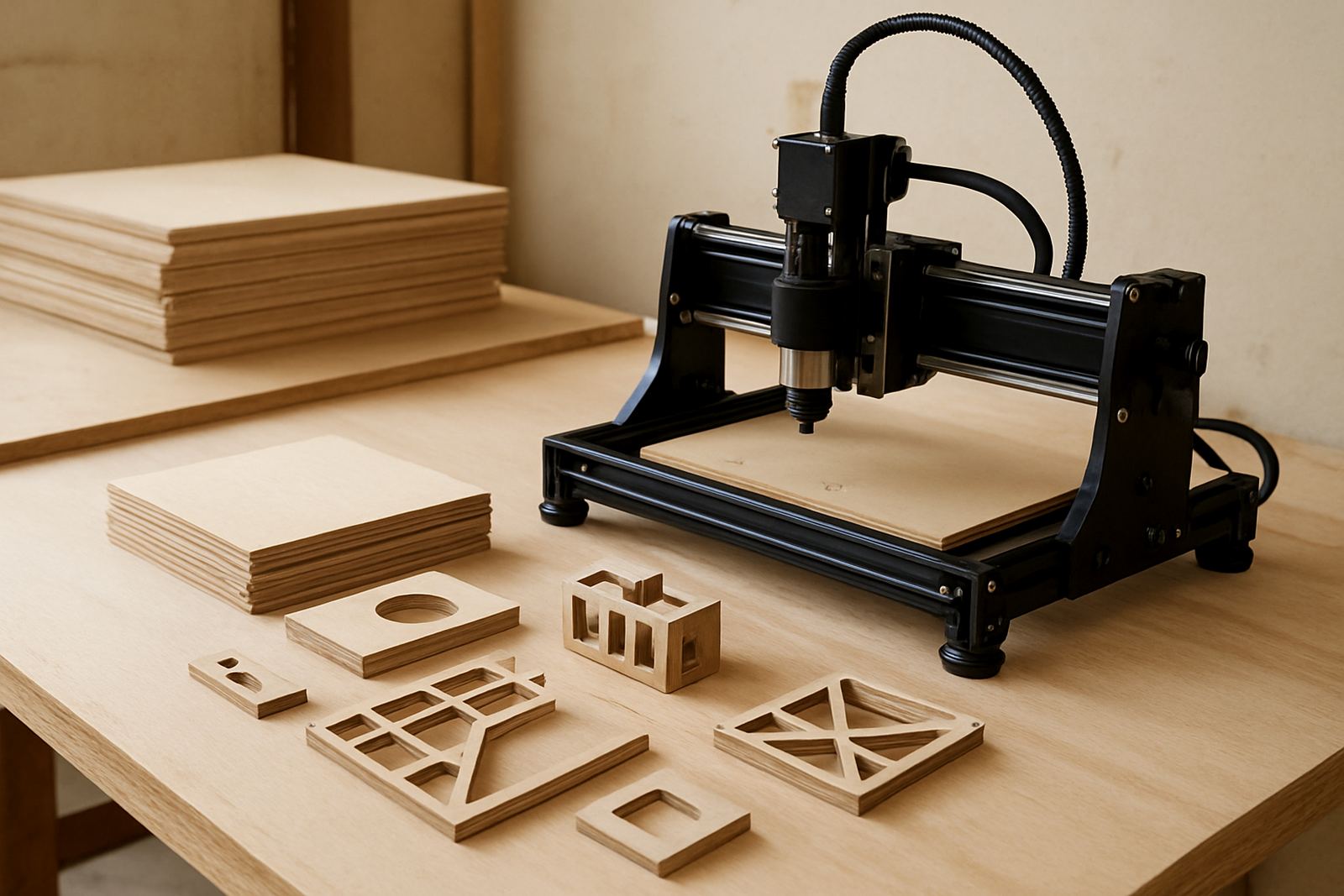
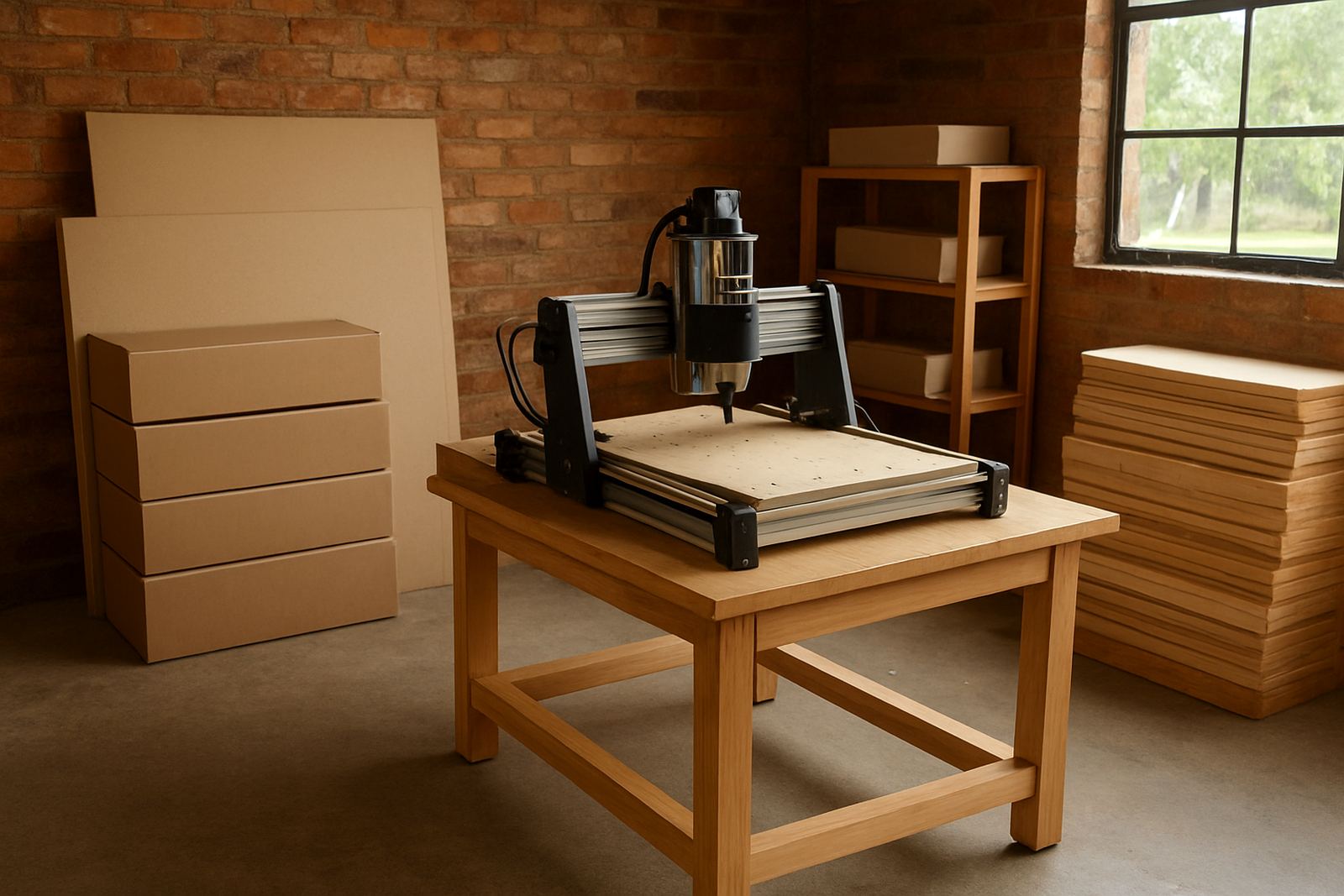
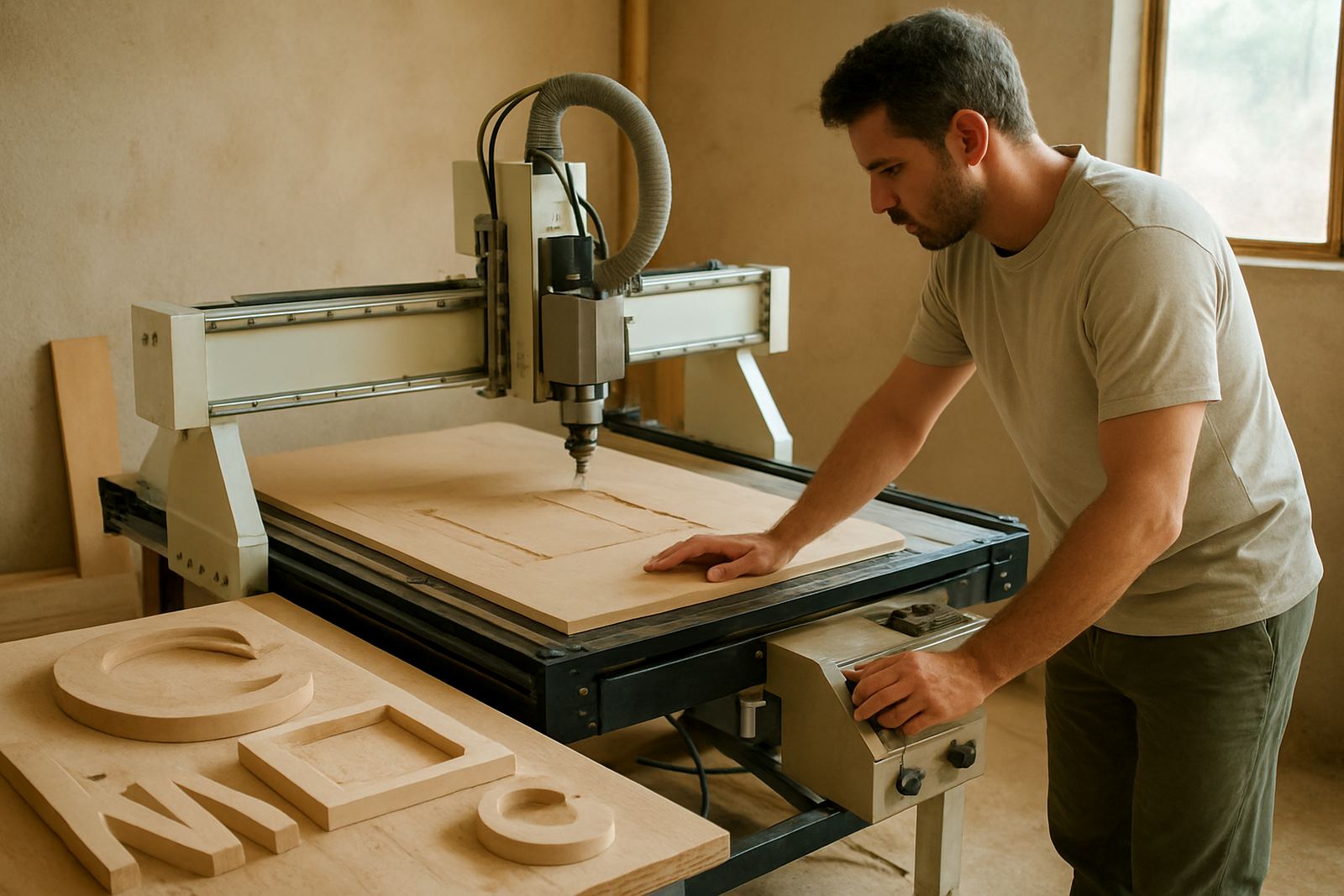
We put together a compact CNC router table package suited to a smaller sign shop rather than a heavy cabinet line. The machine footprint was kept manageable for a tight workshop, while still giving enough travel for common sign blanks and nested lettering jobs. We also matched the setup to the client’s material mix, especially MDF sheets, sign board and plastics used for indoor and outdoor signage.
The supplied package included a stable table, stepper driven motion, a vacuum or clamping approach suited to the material, and a spindle sized for light to medium sign work. Control software basics were covered on day one so the operator could load jobs, set zero points and repeat runs without calling for help every time. One of the key decisions was keeping the package serviceable with readily available spares, not fancy parts that take weeks to find.
- Typical work area suited to sign panels and letter runs
- Material range: MDF, plywood, acrylic and PVC-type sign materials
- Compact footprint for small workshop layouts
- Training included for setup, tool changes and basic file handling
What Limited the Job and How We Planned Around It
The workshop had normal city constraints: limited floor space, a mixed workload, and the usual Gauteng pressure to turn work around fast. Power interruptions were also part of the picture, so we discussed how to handle safe shutdowns, job recovery and sensible batching of work. If a job is half cut when load shedding hits, the team needs a clear process rather than guesswork.
We also looked at dust extraction and placement. Sign shops often underestimate how much MDF dust and plastic swarf builds up around a machine, especially where staff are cutting every day. The machine layout had to leave room for cleaning, material loading and access to service points. That saves time later and reduces wear on rails, spindles and controls.
- Small workshop layout in Boksburg
- Need for simple operator steps and repeatable settings
- Consideration for load shedding and safe restart procedures
- Dust control and easy access for routine cleaning
Training, Setup and First Jobs
Delivery and setup were handled over an initial two week window, with the first visit focused on positioning, power checks, controller familiarisation and basic test cuts. The next stage covered software basics, zeroing, feed rates and how to prepare sign jobs so they cut cleanly without burning or chipping edges. We kept the training hands on because that is what a busy sign team actually uses.
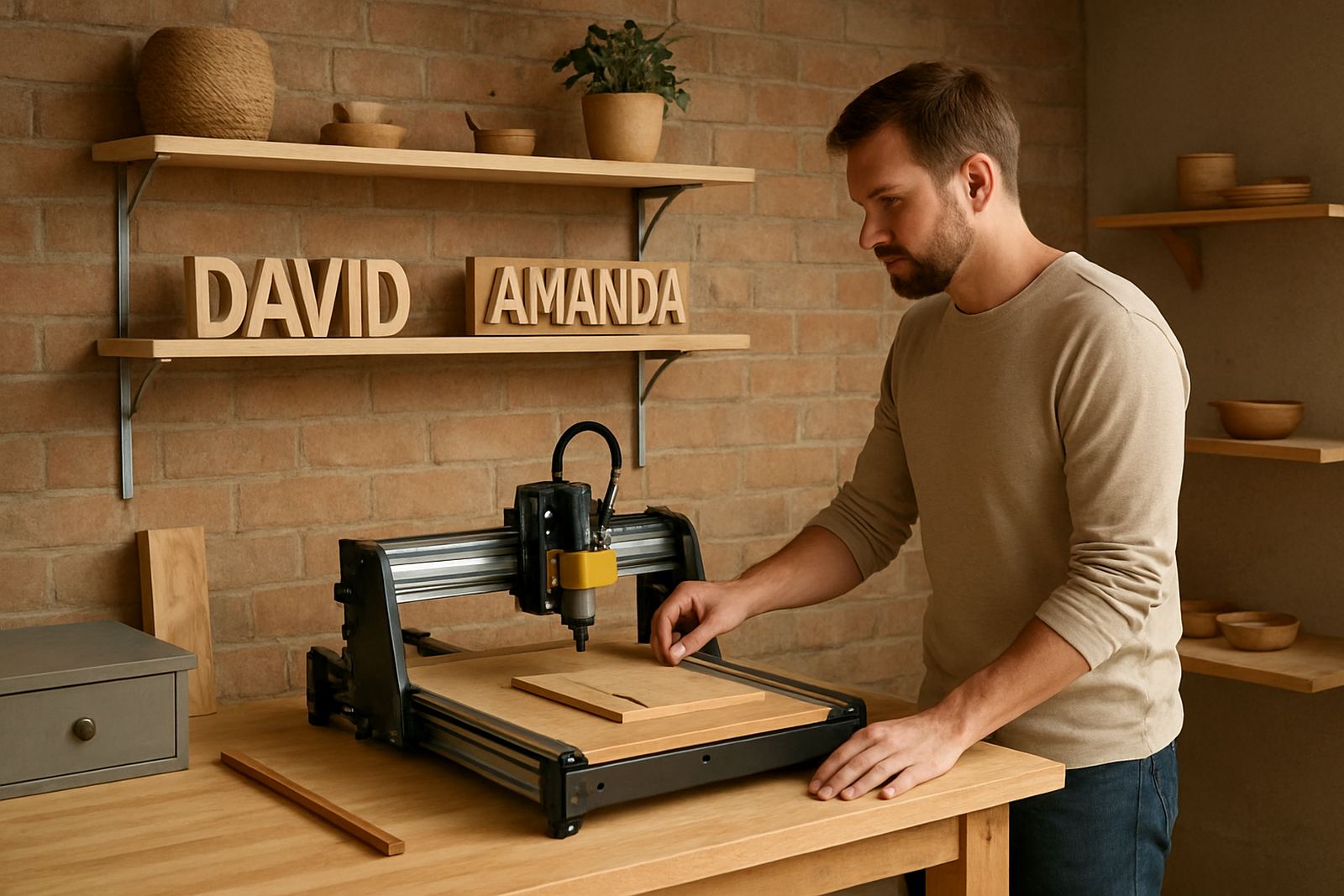
The operator then ran a set of starter jobs under guidance, including sample cut letters and engraved panels. This helped the team understand tool wear, safe holding methods and how different materials react. A refresher path was also left open for later, because once the first rush of jobs starts the common questions are usually practical ones about setup, tool choice and finishing.
- Week 1: delivery, positioning and power checks
- Week 2: software basics, sample cuts and first production jobs
- Starter setup visit completed on site
- Refresher training offered once the team had real work in hand
Spares Planning and Support After Handover
Because sign work is time sensitive, we made sure the client had a sensible spares plan from the start. That included common wear items, consumables, and guidance on what to keep on the shelf versus what can be ordered as needed. In a workshop like this, waiting for a small part can stall an entire week, so prevention matters more than theory.
We also covered breakdown support, spindle replacement and control tuning procedures. Some issues can be handled remotely with the right information, while others need a technician on site. The aim was to keep downtime low and avoid panic calls when a tool path is wrong or the machine loses its home position. A little planning goes a long way here, even more so when the shop is chasing deadlines.
- Common spares identified for the new machine
- Preventive maintenance schedule agreed
- Remote support available for basic faults and setup questions
- Technical escalation path for spindle and control issues
Results for the Boksburg Sign Maker
Within a short period, the client was producing engraved name plates, cut branding elements and smaller routed components in-house instead of farming the work out. That gave them better margin control and tighter turnaround times. It also opened the door to jobs they had previously declined because the manual method was too slow or inconsistent.
More importantly, the team became comfortable with the machine rather than treating it as something delicate. Once the first setup was understood, production became more predictable and the quality of repeat pieces improved. The machine package did exactly what it needed to do for a local sign business: add capability without overcomplicating the shop floor.
If we were doing it again, we would keep the same approach: compact footprint, proper training, enough spares on hand and a clear maintenance routine from day one. That combination suits sign makers in Boksburg, Pretoria, Centurion and other busy Gauteng towns where time and space are always under pressure.
Key facts
| Project location | Boksburg, Gauteng |
|---|---|
| Client type | Signage workshop adding engraved and cut-letter work |
| Material range | MDF, plywood, acrylic and plastic sign stock |
| Machine format | Compact CNC router package for smaller workshops |
| Support included | Operator training, starter setup visit and spares planning |
| Timeline | Completed over 2 weeks from setup to first production jobs |