From hand cutting to repeatable cabinet parts
The client was a new cabinet and fitted furniture workshop in Centurion serving homeowners, installers and small builders across Pretoria West, Midrand and Centurion. They were cutting melamine, MDF and plywood by hand with a panel saw and handheld tools, which worked for one-off jobs but became hard to manage once kitchen carcasses, vanities and office storage started coming in together.
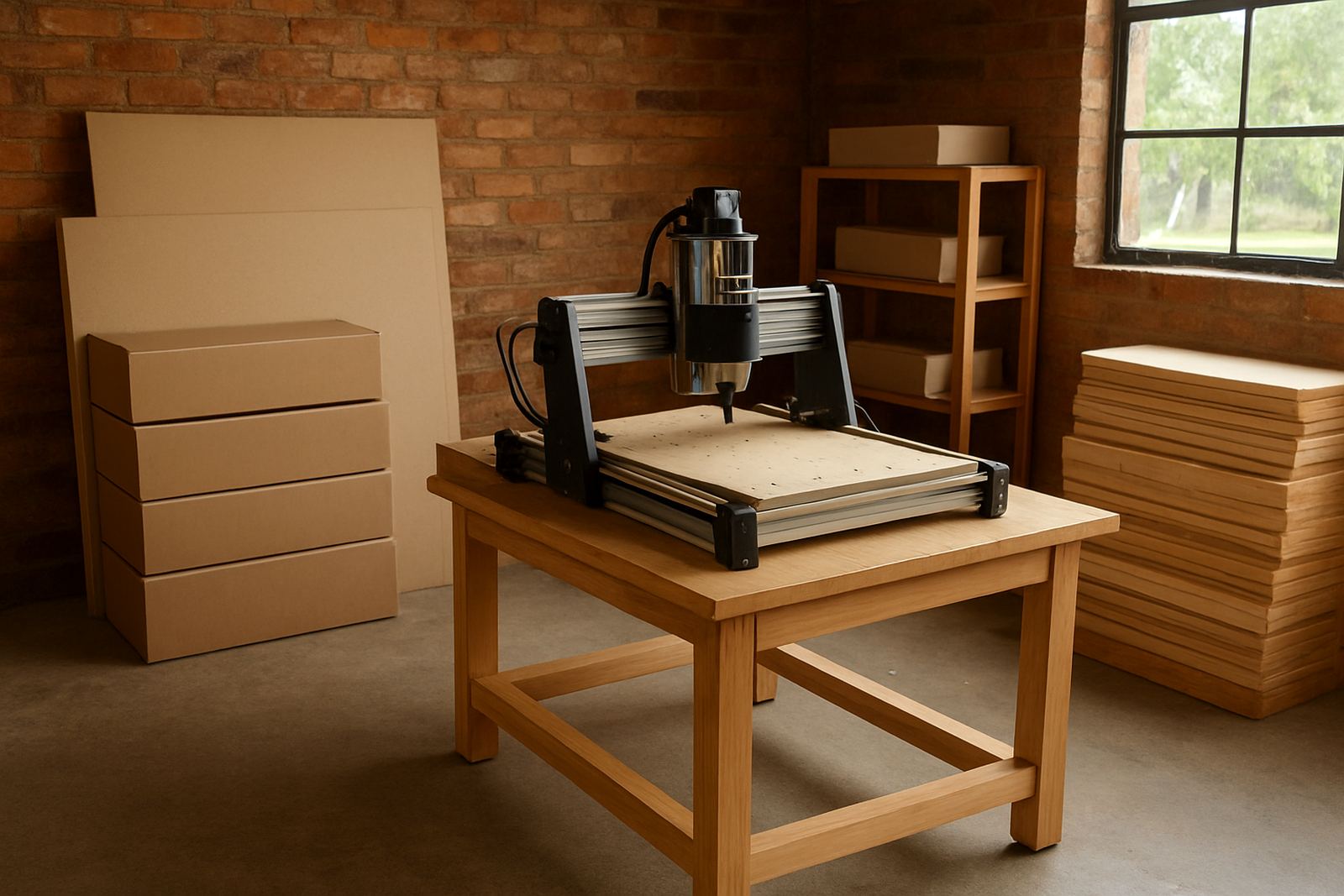
The brief was straightforward: move them into nested cabinet panel production without taking over the whole floor space. They needed a compact CNC router table for 18 mm melamine, 16 mm MDF and 9 mm and 12 mm board, with enough accuracy for shelf pins, hinge bores and clean pockets. The owner also wanted a setup that a small team could learn quickly, with support available when a spindle or control setting needed attention.
- Workshop type: startup cabinet maker in Centurion
- Material mix: melamine, MDF, plywood and plastics for jigs
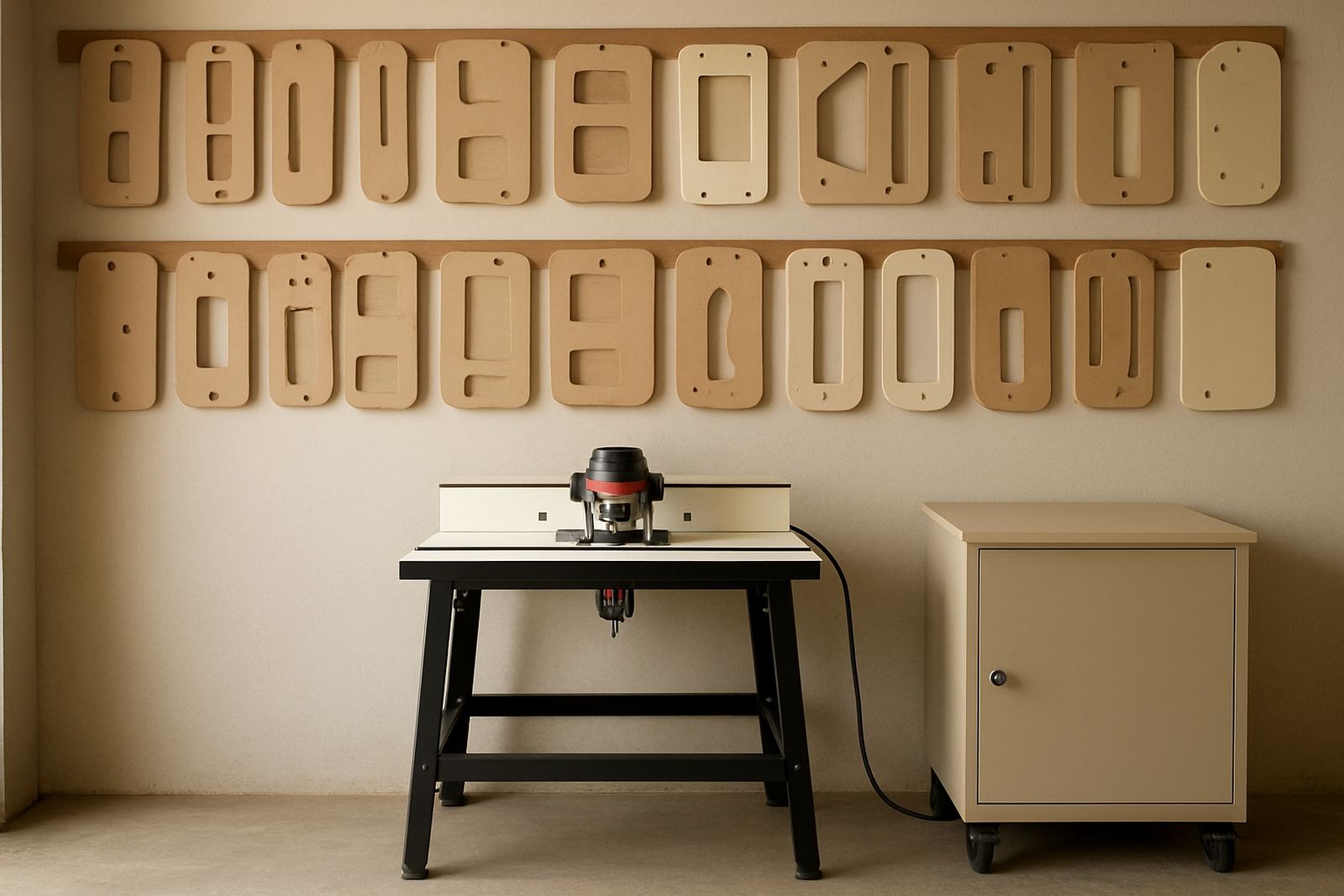
- Production goal: nested cutting for carcasses, shelves and door parts
- Floor space available: limited, with room for one main machine and a staging bench
The setup constraints we planned around
The workshop had to stay live while the changeover happened, so we worked around their existing cutting bench and assembly area. Power supply was a key consideration because the site had occasional load-shedding and the team did not want interrupted jobs causing scrap. Dust extraction also needed attention because cabinet work on MDF creates fine dust very quickly, especially in a closed unit with neighbouring tenants.
Centurion humidity changes through the year are not extreme like coastal areas, but stored board still moves if it sits open too long. We therefore kept the workflow tight: board came in, was acclimatised, cut, labelled and moved to assembly. The machine choice also had to suit a small operator team and not need an oversized electrical installation, which kept the project practical and within budget.
- Space constraint: compact workshop layout with limited clear run-out area
- Power constraint: planned around outages and voltage dips
- Material constraint: sheet goods had to stay flat and well supported
- Dust control: extraction and cleanup routine built into the process
What we supplied and configured
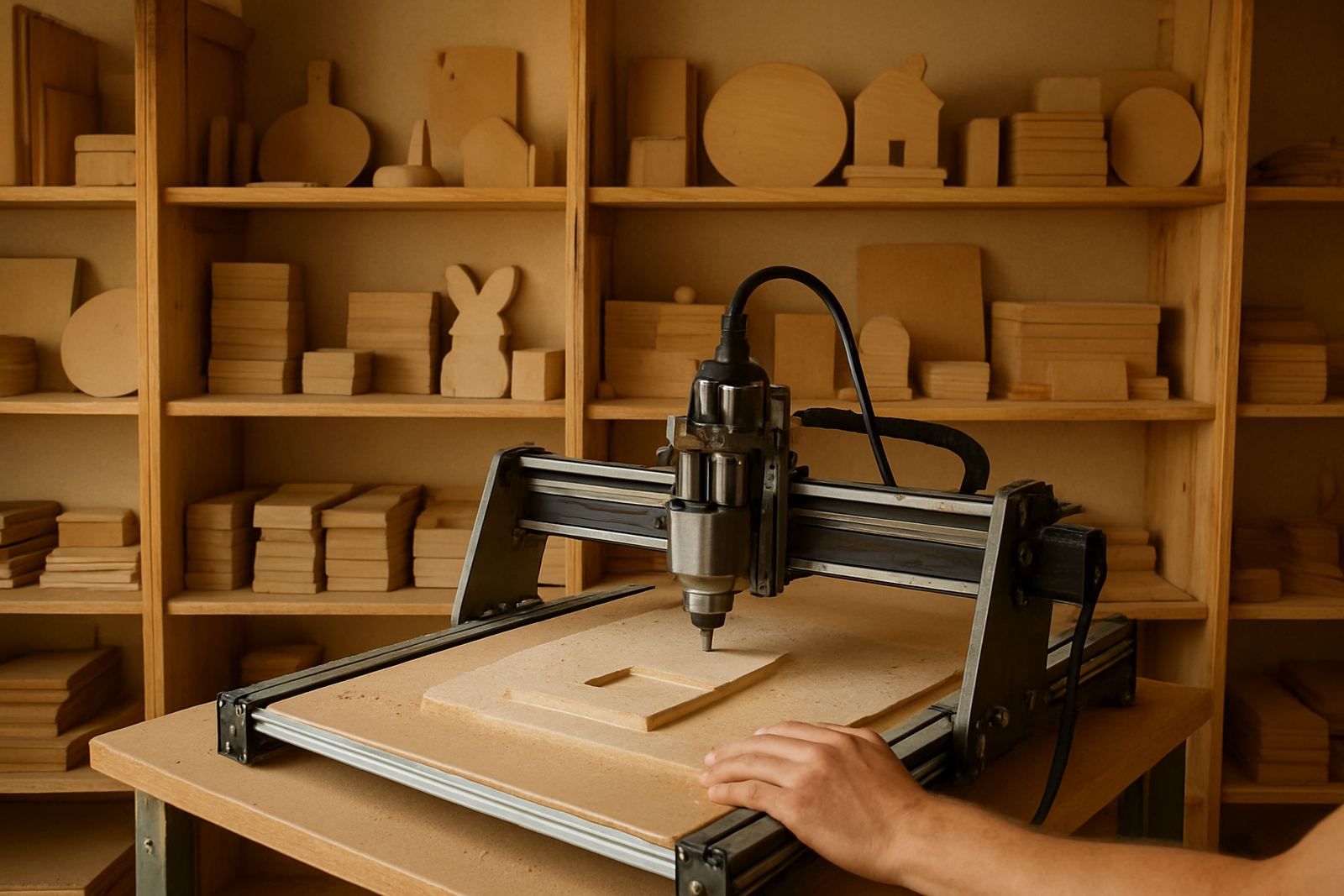
We supplied a CNC router table sized for cabinet work, with a working area suitable for full sheet nesting and repeatable part placement. The machine package included a vacuum hold-down surface, spindle setup for timber and sheet goods, a control system, tooling suited to panel work, and starter spares for the items most likely to wear first. We also set up a basic workflow for job prep, cutting order and part labelling so the team could move from drawing to cut list with less confusion.
Alongside the machine, we handled starter setup, spindle checks, control tuning and software basics. The operator training covered safe loading, homing, zero setting, tool changes, breakage checks and daily care. We also mapped a spares plan around belts, collets, cutters, limit items and consumables so the workshop would not sit idle waiting for a small part. It is easy to overlook the small parts until a machine stops, and that costs a day fast.
- CNC router table: compact cabinet production format
- Working materials: 16 mm and 18 mm board, MDF, plywood, plastics
- Training: operator basics, software basics and first-job support
- Spares: wear items, cutters and practical backup parts
Training the team for daily production
The startup team did not need theory first, they needed a clear routine they could repeat under pressure. Training was done on site in stages over two weeks, starting with machine safety and moving through file preparation, test cuts and production runs. We covered how to check panel sizes before nesting, how to keep tabs on grain direction, and how to spot a bad sheet before it wasted time.
We also helped the owner set expectations around feed rates, cutter life and machine care. The team learned when to stop and inspect a part, when to re-zero the tool, and when to call for remote support instead of forcing a job through. For a new workshop, that kind of discipline matters more than speed at the start. Once they knew the routine, the machine became part of the day instead of something to fear.
- Week 1: machine installation, safety walk-through and first cuts
- Week 2: nested panel workflow, labels and production order
- Week 3: operator confidence, repeat jobs and fault finding
- Ongoing: remote support and refresher training as needed
How the first cabinet runs changed
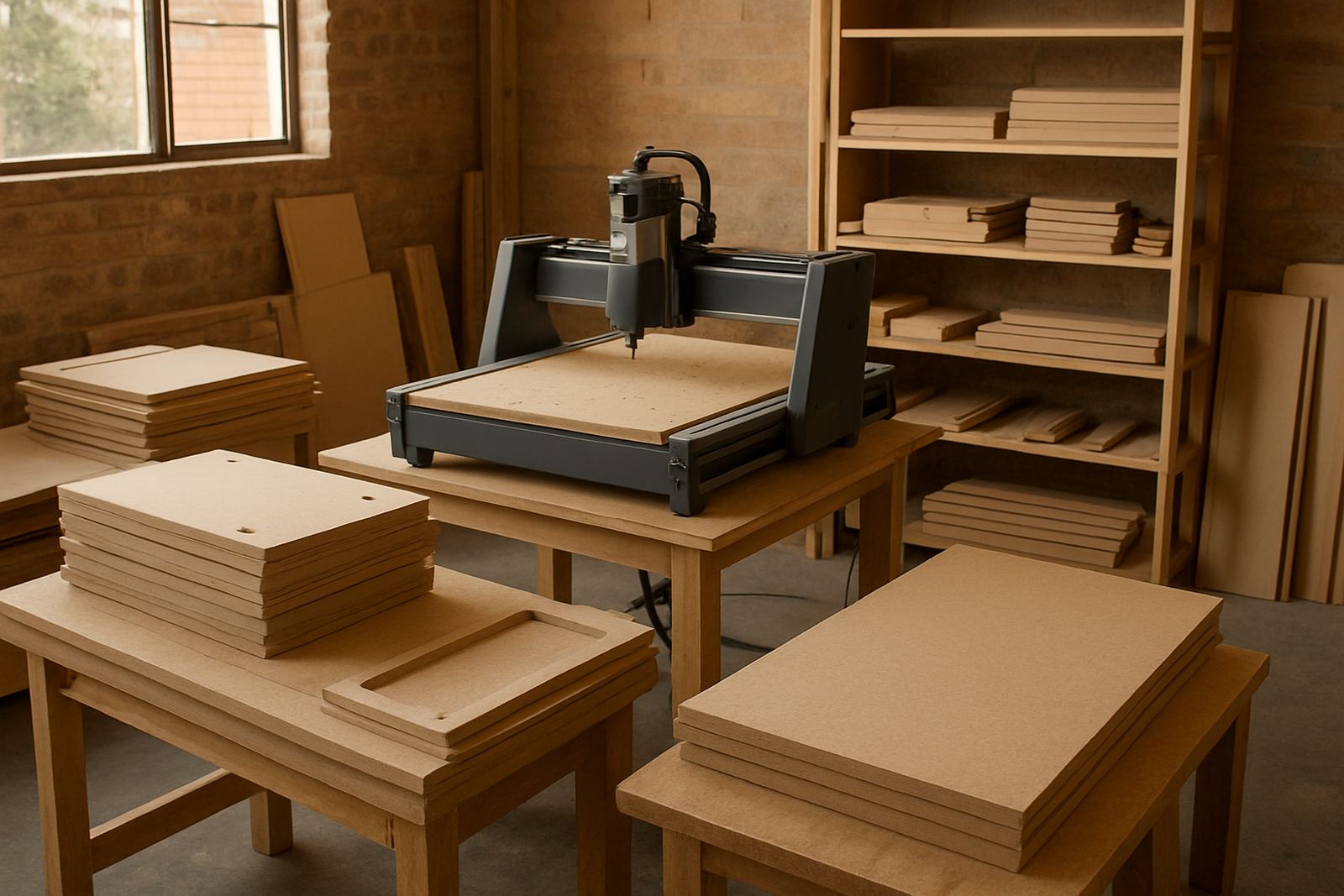
By week four the workshop had moved from mixed manual cutting to repeatable nested cabinet runs. The biggest change was consistency. Parts came off the machine square and ready for edgework, which reduced rework at assembly. The team also gained better sheet yield because the nesting layout made use of more of each board, instead of leaving awkward offcuts around a hand-cut process.
The owner reported shorter turnaround on standard kitchen carcasses and better control over small production batches. They could now quote more confidently because labour time was clearer and repeat jobs followed the same cutting pattern. A few minor issues came up during the first production period, mostly cutter selection and operator rhythm, but those were resolved through support and refresher coaching. It took them out of the guesswork zone.
- Result: cleaner parts with less manual trimming
- Result: better sheet yield on standard cabinet jobs
- Result: faster repeat production and simpler quoting
- Result: fewer stoppages because wear parts were on hand
Support beyond the first handover
For this Centurion workshop, the handover was not treated as the end of the job. We stayed involved with breakdown support, control tuning and spares planning so the team could keep producing. The owner appreciated having a local base in Pretoria for practical follow-up, while still getting nationwide spares support when something small needed to be couriered out.
If we were doing the project again, we would still start with a compact machine suited to the floor space, then build the workflow around the team rather than forcing the team around the machine. That means a simple first-month training plan, a careful spares list and clear maintenance intervals from day one. It saves confusion later and helps a startup grow in a steady way, not a rushed one.
- Support included: breakdown support and remote assistance
- Maintenance: preventive checks, spindle care and control tuning
- Parts planning: consumables tracked before they became urgent
- Best practice: build the process around the workshop size and staff count
Key facts
| Project location | Centurion, Gauteng |
|---|---|
| Client type | Startup cabinet and fitted furniture workshop |
| Materials processed | Melamine, MDF, plywood and plastics |
| Timeline | 4 weeks from setup to repeat production |
| Services used | Starter setup visit, operator training, software basics, spares planning |
| Support base | Silverton, Pretoria with nationwide spares |
| Machine use | Nested cabinet panel production |
| MD | Mpho Johannes Maseko |