
What our preventive maintenance covers
Our preventive maintenance service is built for CNC router tables used on wood, MDF and plastics. We inspect the machine as a working system, not just one part at a time. That means looking at motion parts, electrical connections, spindle condition, alignment, lubrication points, dust build-up and software settings that affect cut quality. In a Pretoria workshop, fine MDF dust and summer heat can shorten component life quickly, while coastal humidity on units sent to Durban, Gqeberha or nearby areas can add another layer of wear. We plan for those conditions.
Each visit is matched to the size of the machine and how hard it is run. A hobby router used a few times a week needs a different check-up to a small production unit cutting daily. We work on desktop and compact router tables, with common working areas from 600 x 900 mm through to 1300 x 2500 mm, depending on the setup. If the machine uses a spindle, vacuum table, stepper or servo system, limit switches, linear guides or ball screws, those points are all checked for play, noise and early failure signs.
- Visual inspection of the frame, gantry, cable runs and fasteners
- Cleaning of rails, guides, chains and dust-prone areas
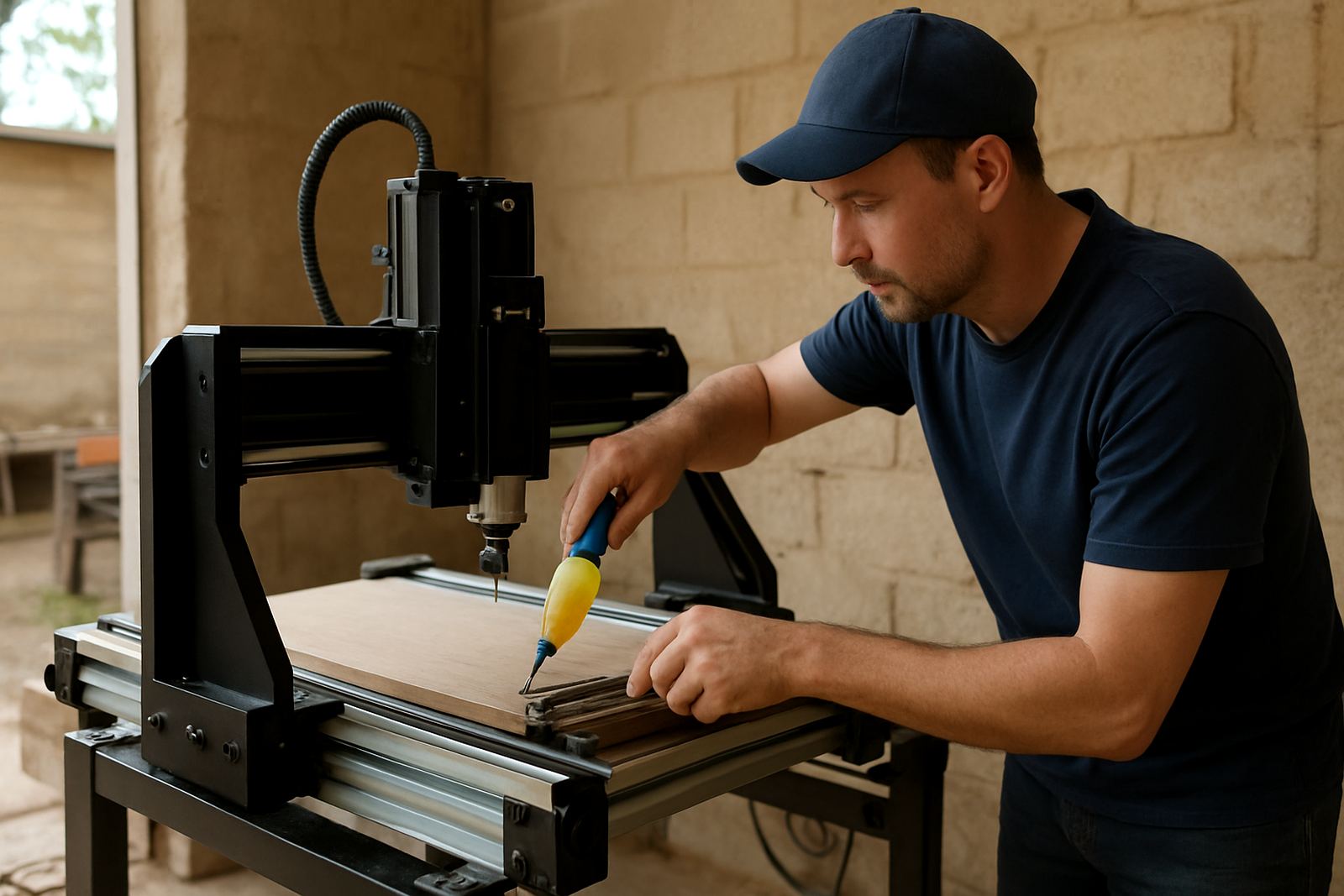
- Lubrication of moving parts where required
- Checking spindle noise, vibration and run-out signs
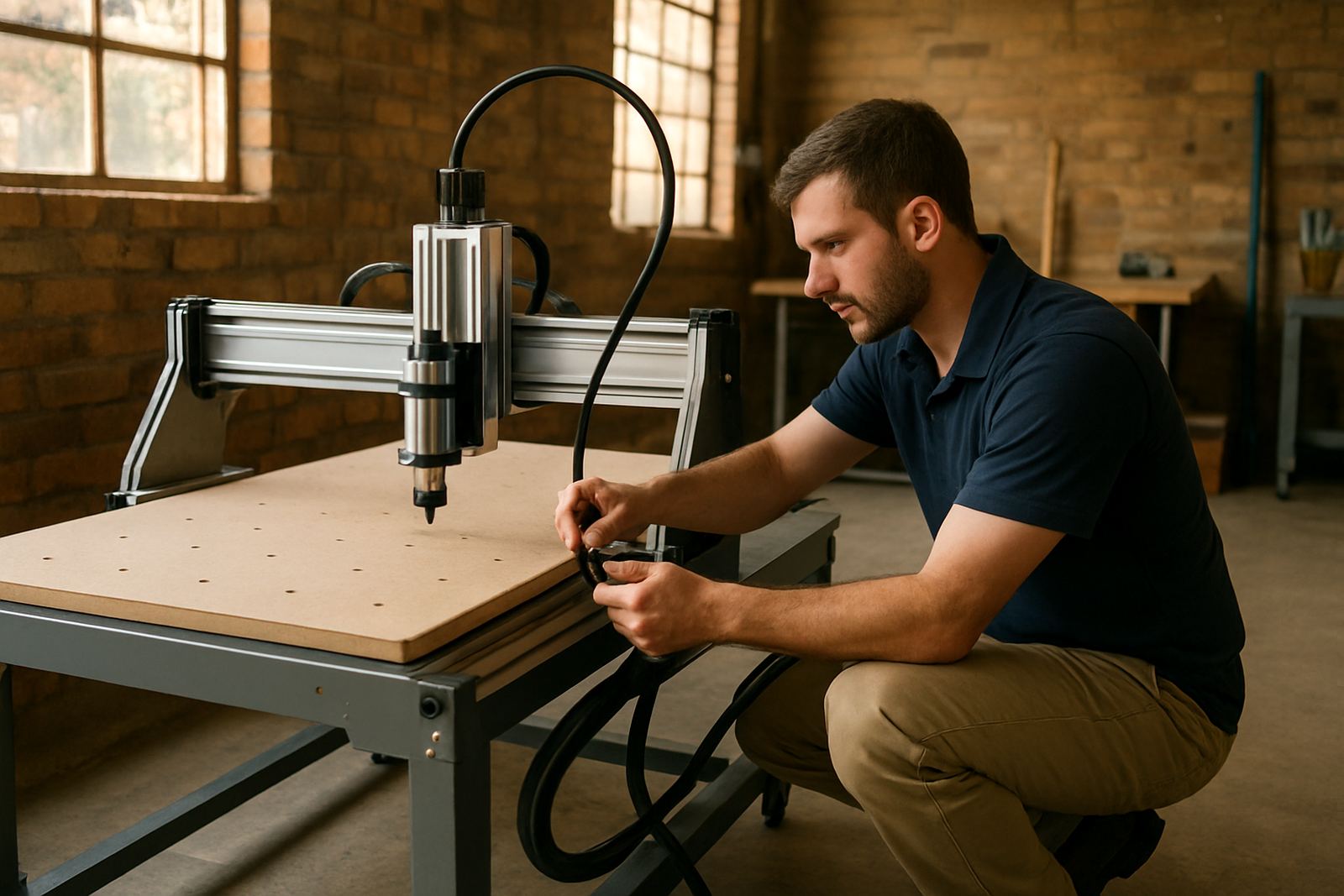
- Inspection of limit switches, wiring, connectors and control cabinet fans
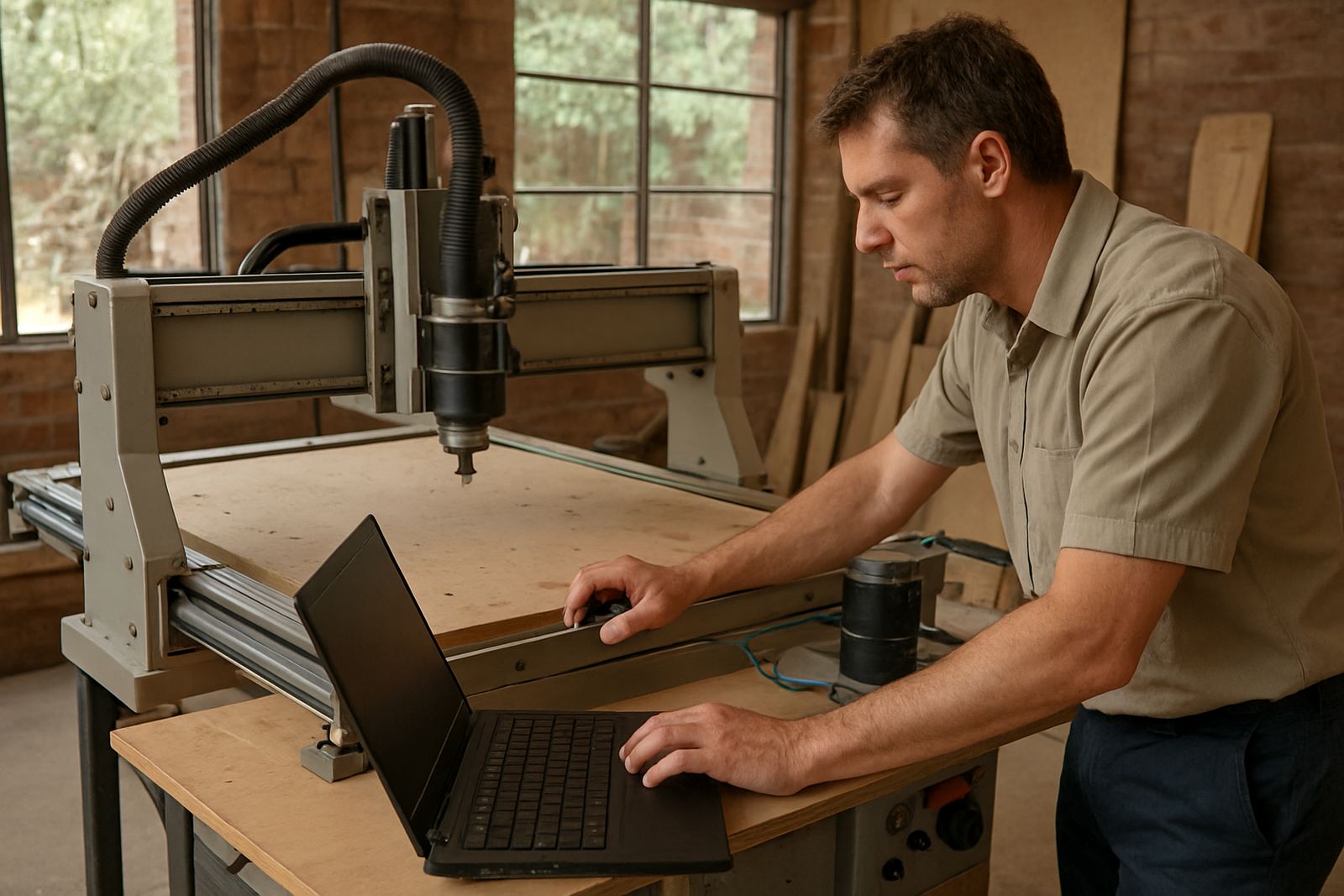
- Review of calibration, homing and cut repeatability
How the maintenance visit is carried out
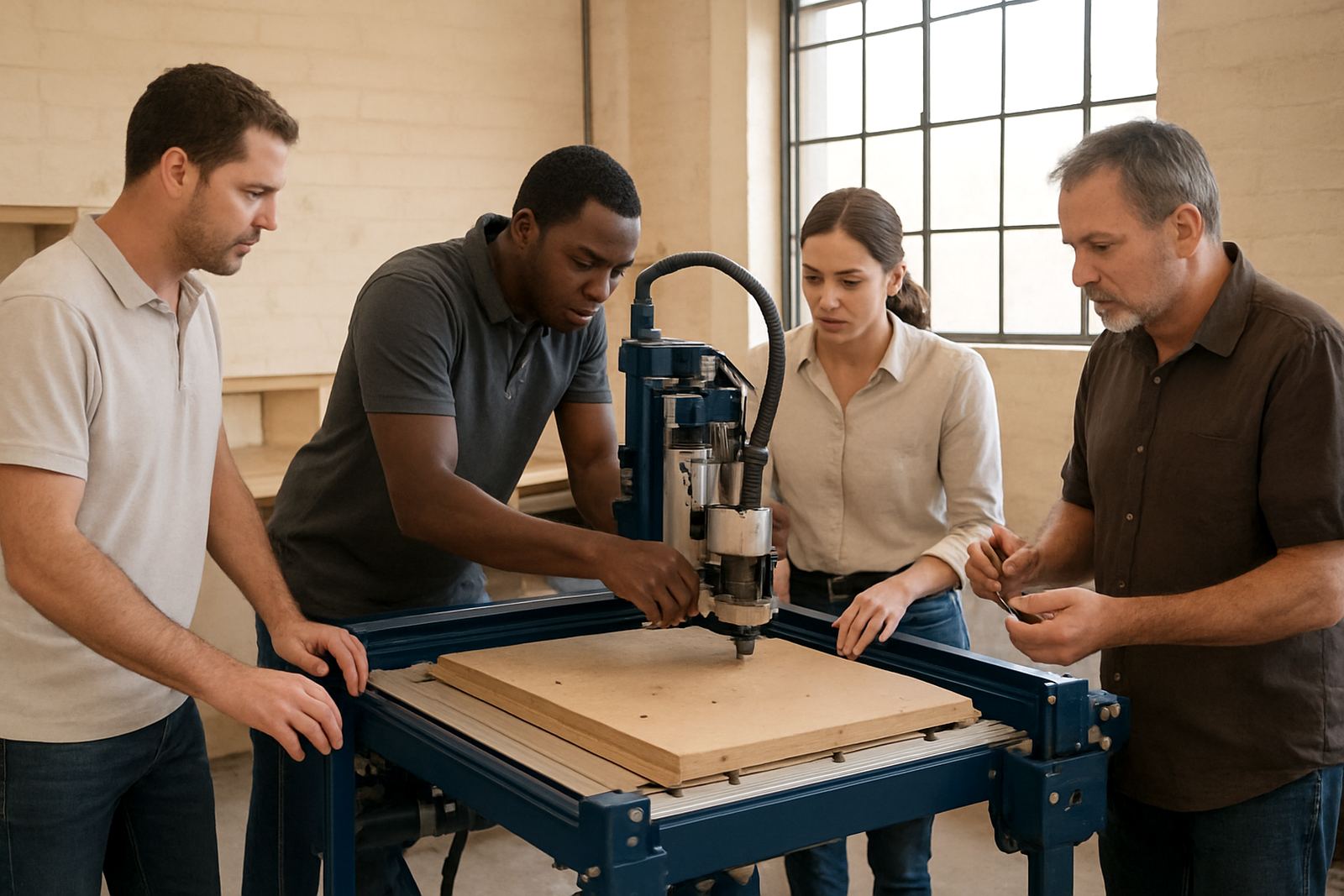
We start with a short fault history so we can see what has changed since the last service. If the operator has noticed missed steps, burning on cuts, rough edges, tool chatter or software alarms, those details help us focus the inspection. On site, our technician carries out a structured check and records findings in plain language, with photos where needed. If the machine cannot be returned to good working order on the day, we explain what is needed and whether the fix can be done on site or at the Silverton workshop.
The process usually follows a set order so nothing is missed. We isolate power, clean the machine, test movement by axis, inspect the spindle or router motor, check belts or couplings if fitted, then confirm electrical and control settings. After that we run a test job on common materials such as MDF or acrylic to see how the machine behaves under load. This helps us spot faults that only appear when the machine is cutting, not when it is standing still.
- Pre visit call or message to confirm machine type and symptoms
- On site inspection and cleaning
- Mechanical, electrical and control checks
- Test run and basic calibration check
- Service report with recommended follow-up work
Maintenance intervals that make sense
For most small workshops, we recommend a light preventive check every 3 to 4 months if the machine is used often, and at least twice a year for lighter use. In dusty environments or where the router runs many hours per day, monthly cleaning and a more detailed inspection every 8 to 12 weeks is safer. If the machine stops and starts often because of load-shedding, the control cabinet, PSU and wiring deserve extra attention because voltage dips and sudden restarts can create hidden faults.
Maintenance timing also depends on the work being done. Cutting MDF creates very fine dust that gets into bearings, switches and cable carriers. Plastics can leave sticky residue on guides and bits. Timber with resin or glue ups can also affect spindle load. If you are in Silverton, Pretoria East, Centurion, Midrand or Kempton Park, we can schedule services around your production window so the workshop is not left waiting all day. We also support nationwide planning where a local user wants spares set aside before the next visit.
- Hobby use: every 6 months, with cleaning in between
- Regular workshop use: every 3 to 4 months
- High dust or long hours: every 8 to 12 weeks
- After power interruptions or a crash: immediate inspection
Turnaround and support after the service
Turnaround depends on the size of the machine, the condition it arrives in, and whether parts are needed. Simple on site preventive maintenance is often completed in a single visit. If a spindle replacement, control tuning or bearing issue is found, we will advise on parts lead time before work continues. For customers in Pretoria and nearby areas, the advantage is shorter travel time and easier access when a machine needs extra attention. For clients further away, we can often assist with remote support after the visit to confirm settings and test results.
We keep the focus practical. You will know what was checked, what was adjusted and what should be watched next. If a spare item such as limit switches, belts, a spindle fan or a controller component is nearing the end of its life, we note it so you can plan instead of reacting after failure. That approach helps smaller workshops avoid a week of lost work because a part failed on a busy Friday afternoon.
Pricing approach and what affects cost
Pricing is based on the machine type, visit location, service depth and whether any worn parts must be replaced. A small desktop router with a basic inspection and calibration check will cost less than a larger unit needing cabinet cleaning, spindle testing and full axis tuning. We quote plainly, with travel and any parts listed separately where required. If the machine is under poor dust control, has repeated breakdowns, or needs a full strip and rebuild of motion components, we will say so before starting extra work.
For businesses that want a planned service schedule, we can discuss maintenance planning around operating hours and spares holding. That is often better value than fixing breakdowns one by one. It also helps with budgeting because you know when the next visit is due and what condition the machine is likely to be in. For many customers, a small, regular spend saves a much bigger repair later.
Planned Maintenance For Accurate Cutting
Preventive maintenance is less about paperwork and more about keeping the machine cutting straight, square and repeatable. When rails stay clean, fasteners stay tight and the spindle stays within spec, edges look better and tools last longer. That matters whether you are making cabinet parts, signage blanks, plastic jigs or small runs of custom items. It also matters for safety. Loose wiring, blocked fans and worn bearings can turn into a breakdown or a fire risk if ignored.
Our team handles the service from Silverton, Pretoria, with training and spares support available nationwide. That means we can combine maintenance with operator advice if your team wants a refresher on homing, file setup or basic care between visits. The goal is simple: fewer surprises, better cut quality, and a machine that is ready when the work order comes in.
Key facts
| Service type | Preventive maintenance for CNC router tables |
|---|---|
| Machine sizes | Desktop and compact routers, typically 600 x 900 mm to 1300 x 2500 mm |
| Materials covered | Wood, MDF, plastics and signboard type sheet materials |
| Inspection points | Spindle, rails, guides, wiring, control cabinet, calibration and dust build-up |
| Typical interval | Every 3 to 4 months for regular use, 6 months for lighter use |
| Coverage | Silverton, Pretoria East, Centurion, Midrand, Kempton Park and nationwide support |