
What sign blank machining is used for
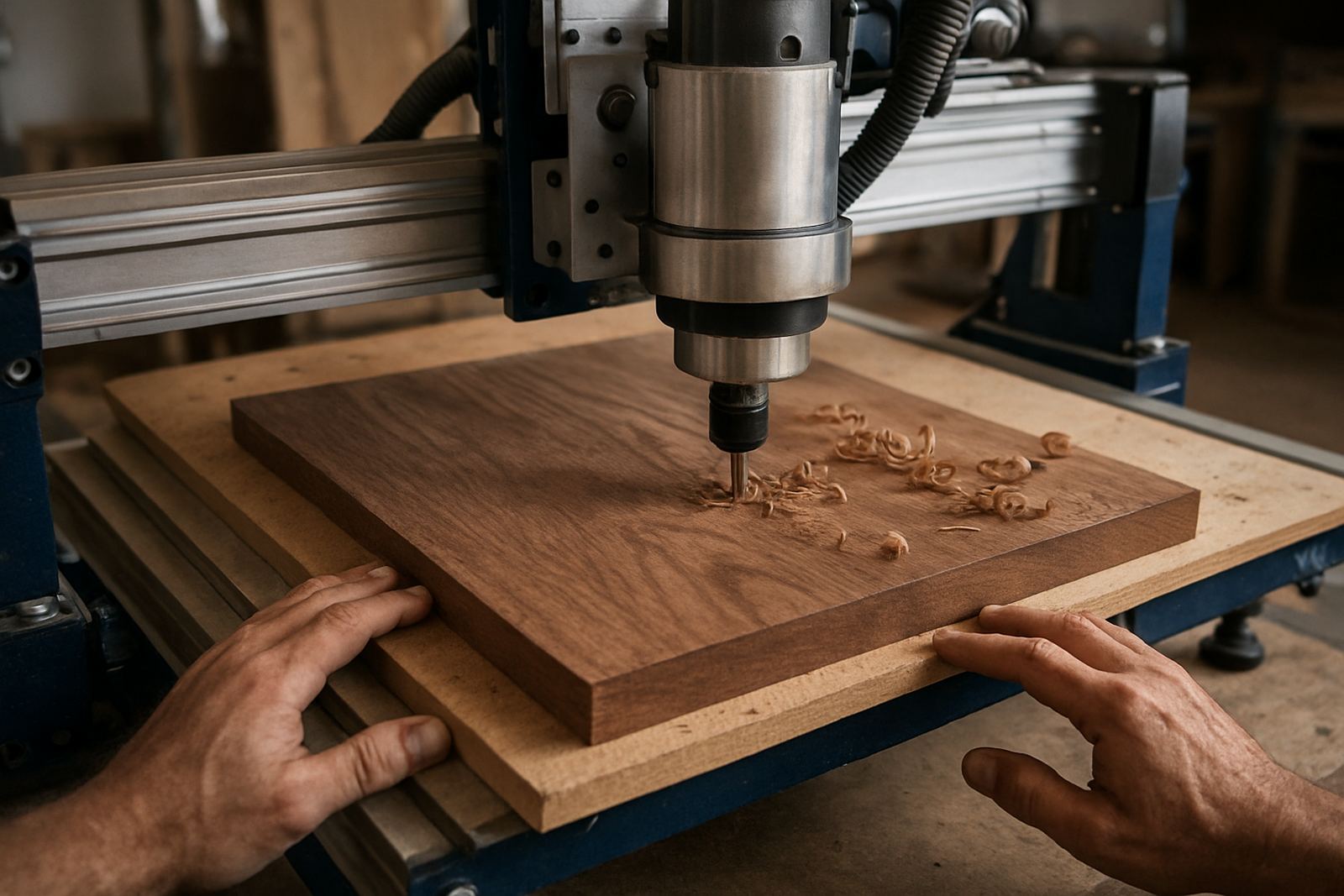
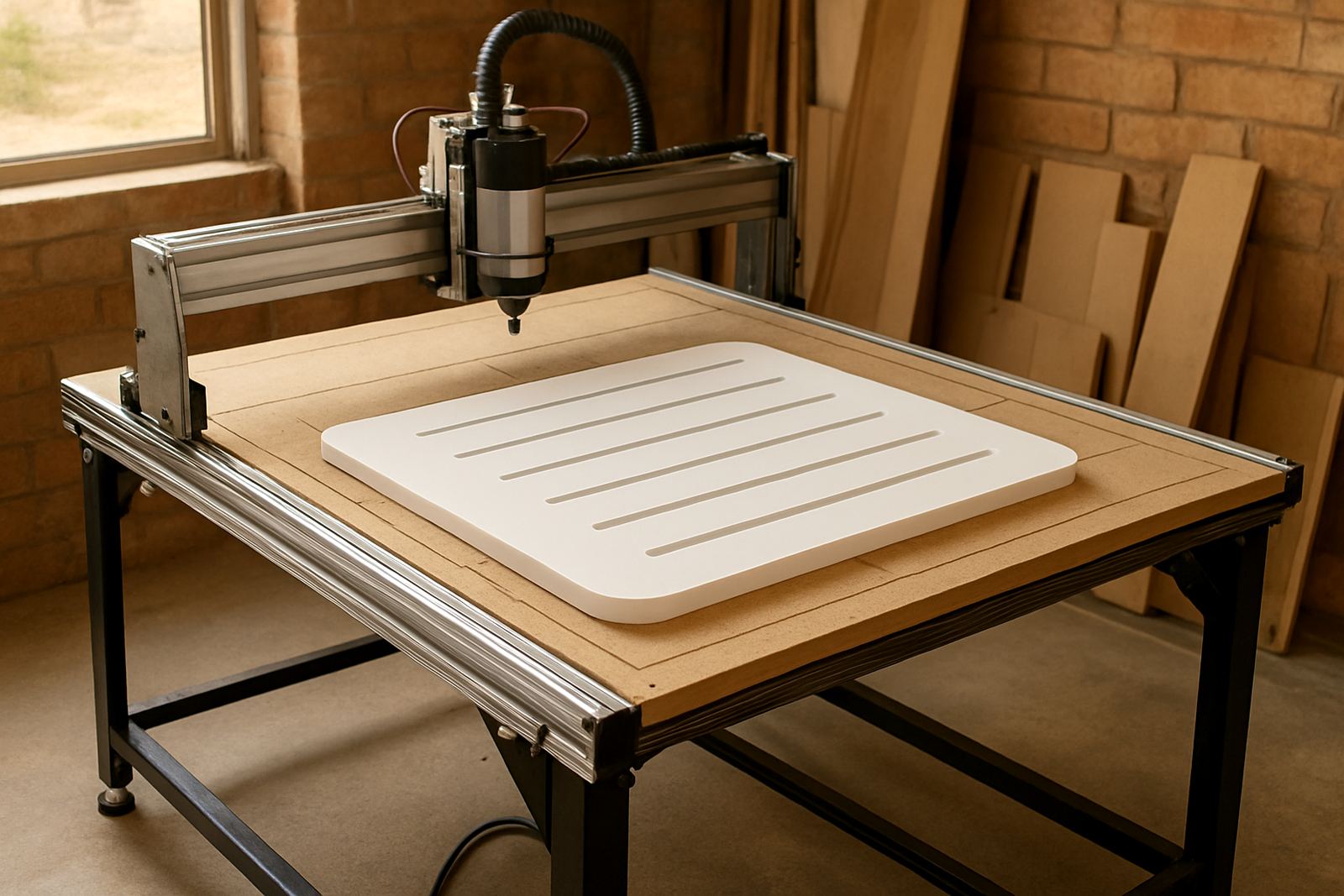
Sign blank machining is the process of cutting, trimming and engraving flat material before it becomes a finished sign. In practice that means aluminium composite panels, MDF, acrylic, foam board, PVC sheet and timber panels being cut to size, with pockets, holes and profile details added where needed.
For sign makers in Pretoria, Centurion, Midrand and Kempton Park, this is useful when a client wants a batch of identical boards or letters with the same spacing and finish. It saves time on repetitive work and helps keep edges consistent, which matters when the job goes out to a shop front, school, church or estate entrance.
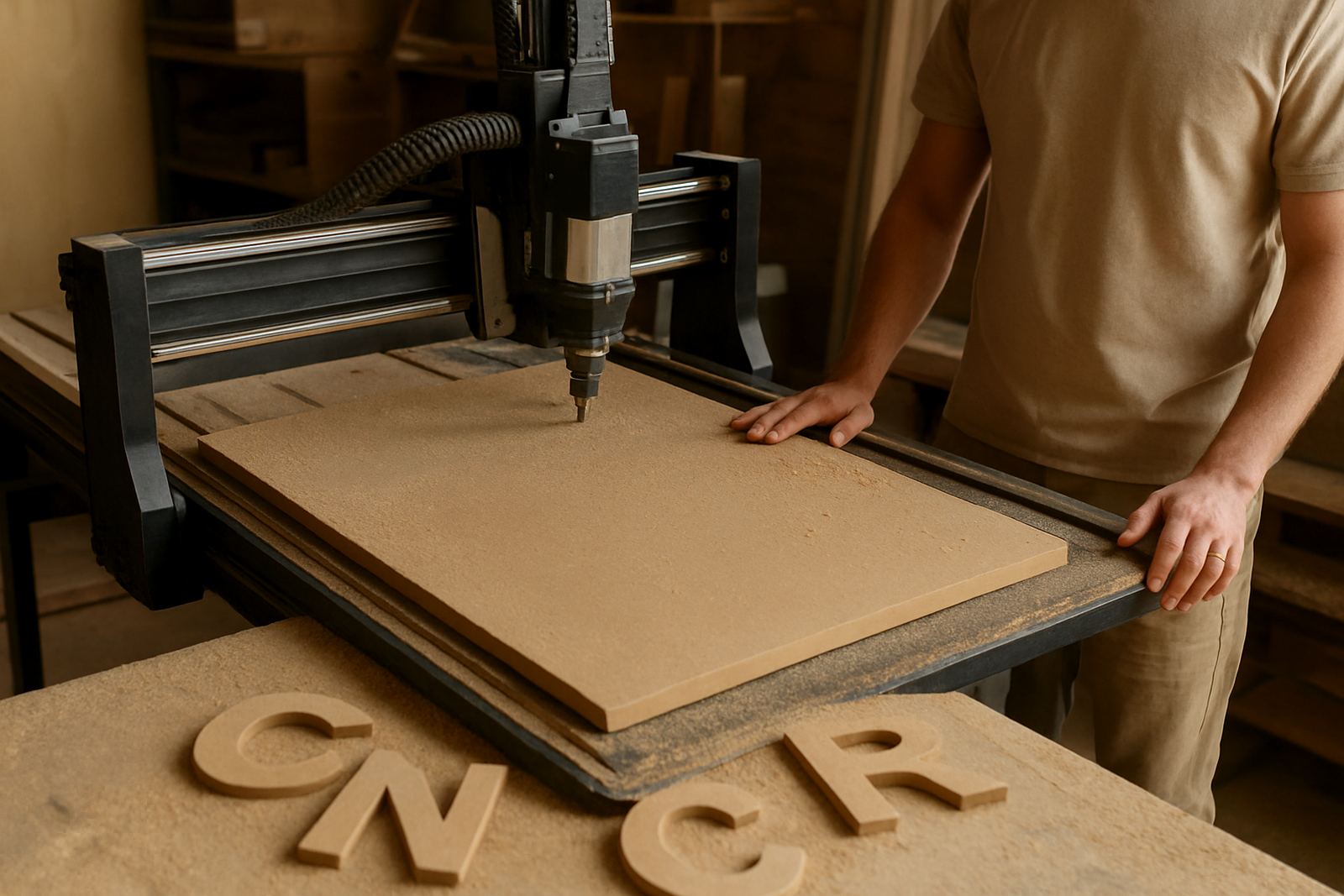
Typical work includes routed letter blanks, engraved name boards, directional signs, menu panels and backing boards for built-up lettering. A lot of small workshops start with one table and a simple vacuum or clamp setup, then grow into more jobs once the cutting process is sorted.
Typical equipment set for a sign shop
A sign-making setup does not need to be complicated. For blank machining, most shops use a CNC router table with a spoilboard, a spindle, dust extraction and a controller that can handle repeat jobs. A good starter table for signage is usually in the 600 x 900 mm to 1300 x 2500 mm range, depending on the largest sheet size you want to work with.
For letters and panels, tooling choice matters as much as the machine. Straight cutters are useful for sheet trimming, V-bit cutters for engraved lettering and small detail work, and ballnose cutters for softer contours. If you work with plastics, feed speed and cutter sharpness need attention or the edge can melt and pick up marks, especially in hotter months.
- Entry-level desktop router table for small sign blanks and test pieces
- Mid-size table for standard sheet goods and batch cutting
- Spindle with enough power for MDF, plastics and light aluminium work
- Dust extraction for MDF, foam and routed lettering
- Basic software setup for layout, toolpaths and repeat cutting
How to plan layouts before cutting
Good sign machining starts before the sheet goes onto the bed. Measure the final size, allow for edge trimming and decide whether the blank needs tabs, drill holes or a recessed area for graphics. If the board will be mounted outside, make sure the design includes fixings and allows for expansion, especially on coastal jobs where humidity changes can affect timber and MDF.
It helps to group similar parts together on one sheet. For example, all small letters can be nested close together, while larger backing boards can be arranged to reduce offcuts. A simple layout plan can save several hundred Rand in material on each run, and that adds up fast when you are doing recurring work for estate boards or retail signage.
- Check the actual board size before nesting parts
- Leave enough space for clamps, vacuum zones or hold-downs
- Use test cuts on new sheet material before a full batch
- Mark grain direction or face direction where it matters
- Keep a record of the settings used for each common material
Common mistakes on blank machining jobs
One of the biggest mistakes is treating every material the same. MDF, PVC, acrylic and composite sheet behave differently, so using one feed rate for everything can leave rough edges or burned cuts. Another issue is weak hold-down on smaller blanks, which can shift during cutting and spoil a whole batch.
Some shops also under-estimate dust and chips. MDF creates fine dust, plastic chips build up around the cutter, and both can affect finish quality if extraction is poor. In smaller workshops where load-shedding is part of daily planning, it is worth checking what happens when power drops mid-job so you do not lose time, material or tool life.
Other common mistakes include skipping tool checks, cutting without a proper zero point, and forgetting to account for the thickness of the cutter. A 3 mm bit will always remove more material than most people expect, so the drawing needs to match the real toolpath, not only the screen view.
Budget ranges for a South African sign workshop
Costs vary a lot depending on table size, spindle power and the amount of automation you need. For a basic hobby setup aimed at small sign blanks and sample work, a practical budget is often around R45 000 to R90 000. That can cover the machine, starter tooling, a simple extractor and first setup training.
For a more active signage workshop handling boards, batches of letters and regular client work, budgets are often in the R95 000 to R220 000 range. This level usually makes sense if you need stronger cutting ability, better repeatability and fewer breakdowns during busy weeks. The right choice depends on how much of the work is custom and how much is repeat production.
Ongoing costs should also be planned. Tools wear out, spares are needed and software or control tuning may need attention from time to time. If a spindle starts running noisy or a gantry needs alignment, it is cheaper to sort it early than wait until a job is due tomorrow.