
When craft work starts needing repeat accuracy
Many craft businesses begin with hand tools, jigs and a fair amount of measuring by eye. That works for one-off pieces, but once you are making a batch of signs, panels, names, décor items or parts for assembly, small errors start showing up quickly. A compact CNC router helps keep each cut the same, which matters when customers expect matching sets and neat edges.
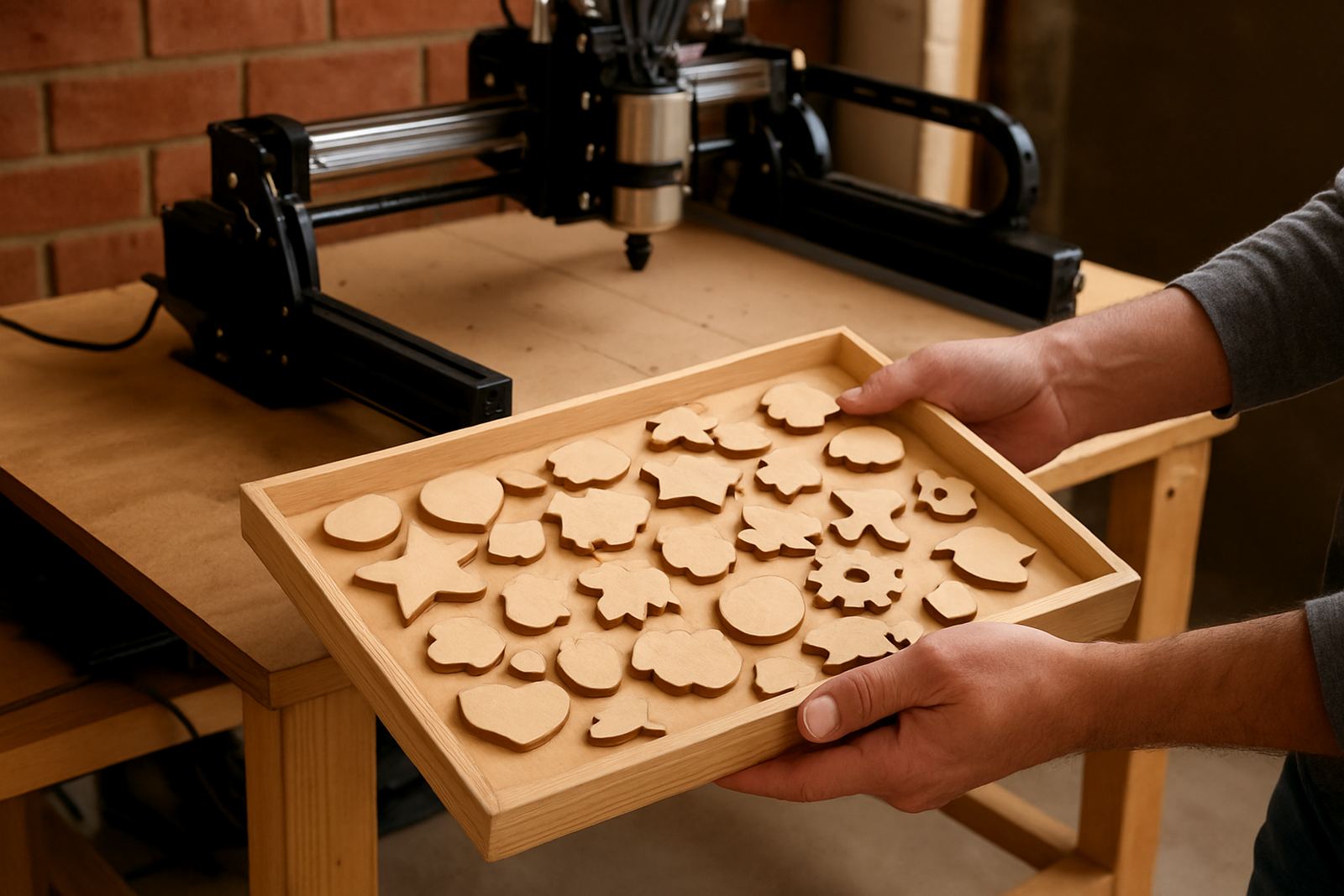
For a Pretoria, Centurion or Midrand workshop, the main gain is consistency. You can cut the same profile 20 times, then cut it again next week with the same result. That saves time on sanding, trimming and rework, and it makes pricing easier because your labour becomes more predictable.
Typical setup for wood, MDF and plastics
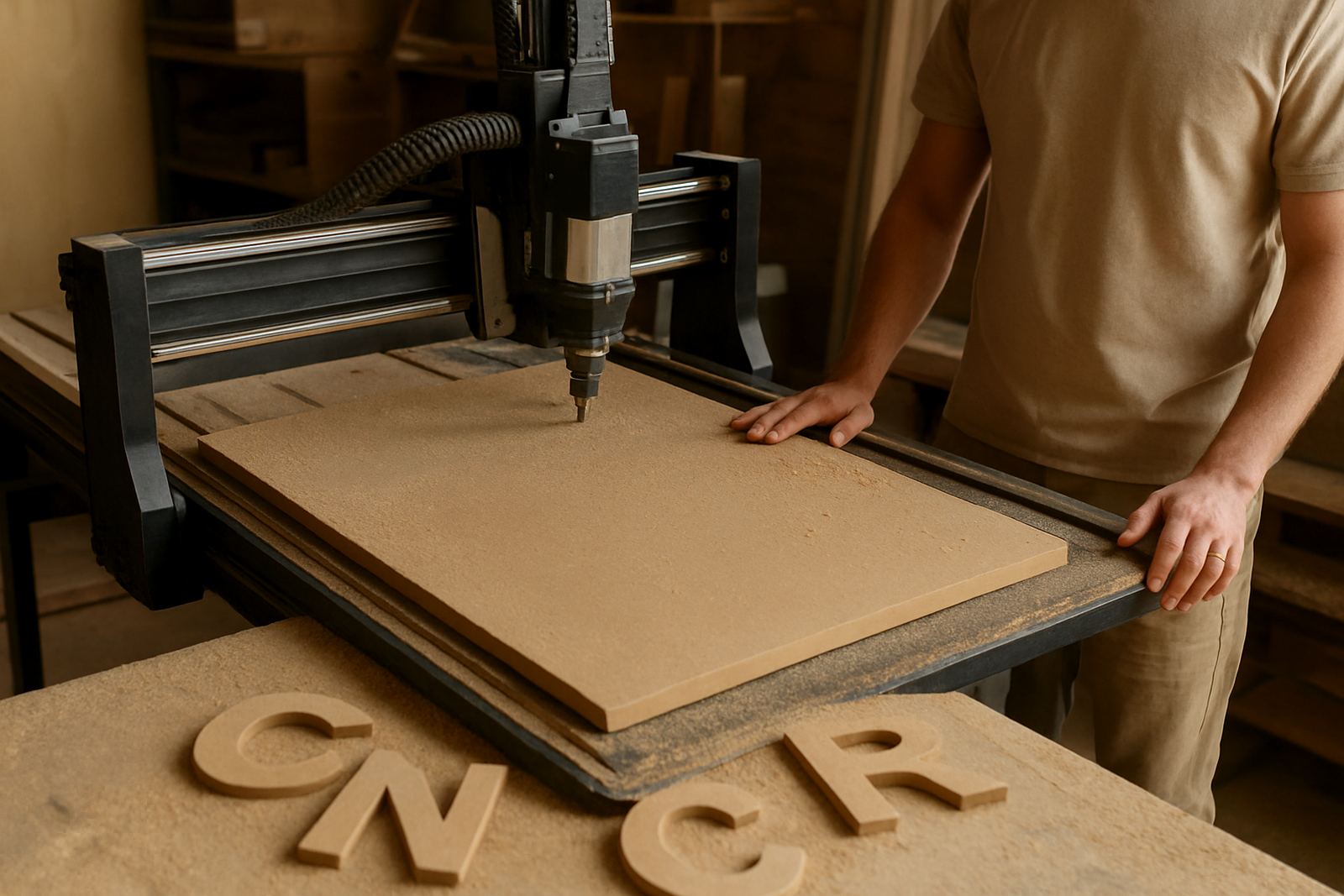
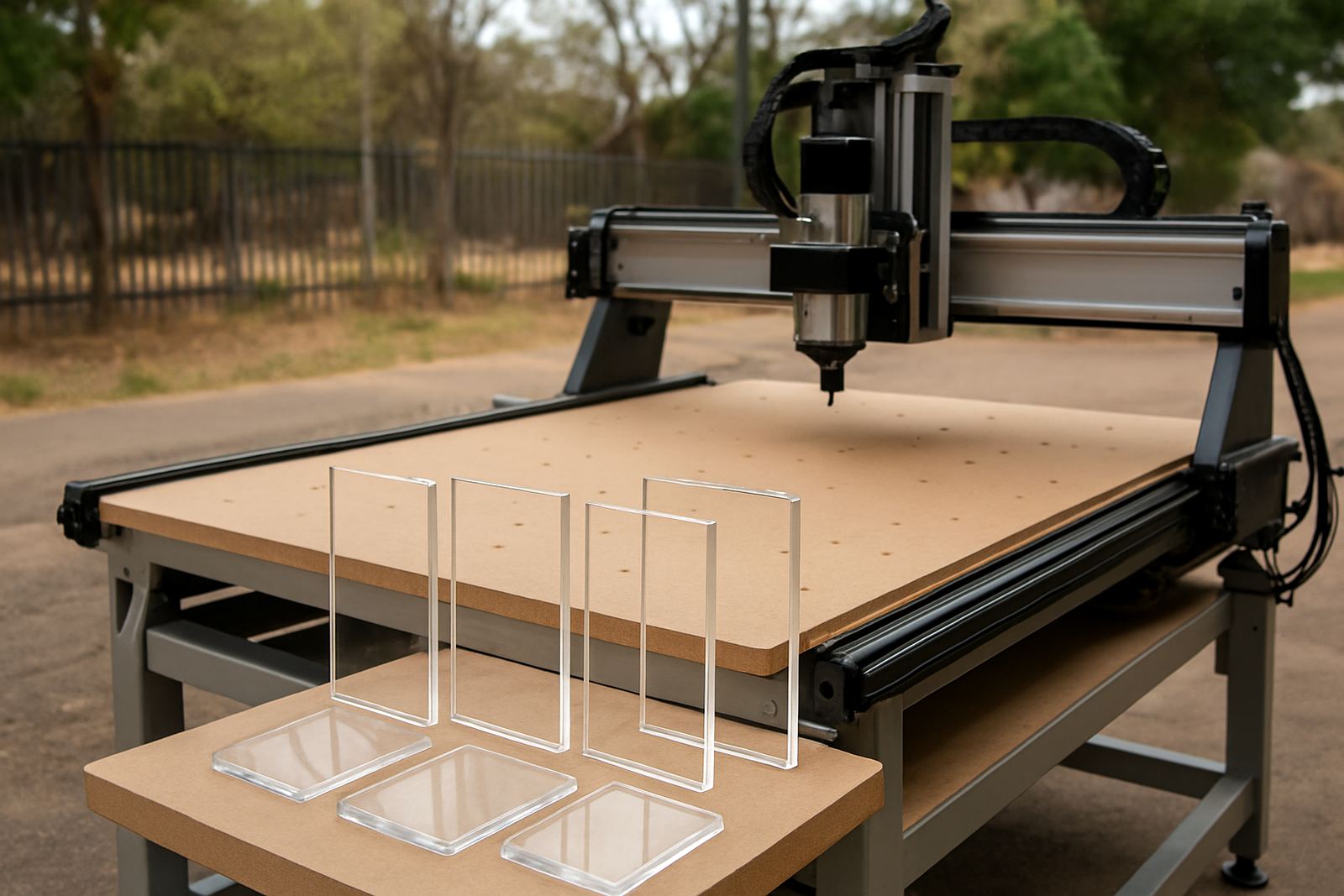
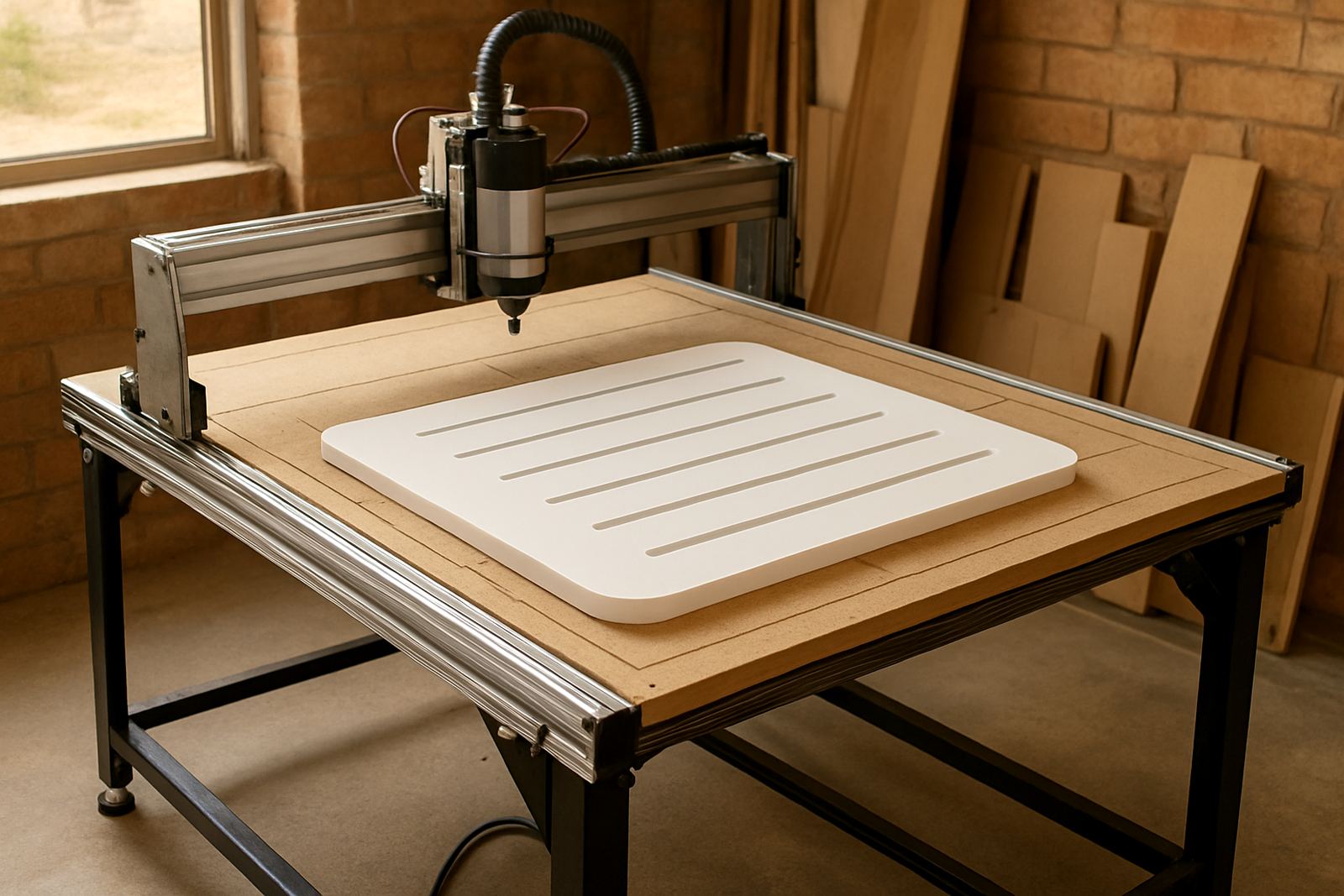
A craft production setup does not have to be large. In many small shops, a 600 x 900 mm or 1200 x 1200 mm table is enough for signs, layered parts, puzzle pieces and small display items. A spindle suited to light and medium duty work, a vacuum or hold-down method, and basic extraction are usually the starting point.
- Small CNC router table for wood, MDF and plastics
- Spindle or router motor matched to the material and duty cycle
- Vacuum bed, clamps, or a spoilboard with hold-down screws
- Dust extraction for MDF and fine wood chips
- Computer, control software and simple file storage system
- Common spares such as cutters, belts, collets and limit switches
If you are working from a garage, light industrial unit or shared workshop, plan around power stability too. Load-shedding can interrupt a run, so a proper shutdown routine and surge protection are worth sorting before production starts.
Layout planning for a small production area
The machine itself is only one part of the space. You need room for material storage, offcut sorting, finishing and packing. A good layout keeps the raw sheets close to the machine and the finished pieces away from dust. In Silverton and Pretoria East, where floor space can be limited, simple flow makes a big difference.
Try to place the router on a level base with enough access on three sides if possible. Keep the computer or control station where the operator can see the table clearly. If you cut MDF often, put extraction as close as you can to the cutting zone because the fine dust builds up fast, especially in enclosed rooms. Coastal humidity is less of a concern in Pretoria, but if you are sending goods to Durban or Gqeberha you will still need to store timber flat and dry.
Common mistakes that slow small craft workshops
Most problems in craft production are not caused by the machine alone. They come from rushed setup, poor file prep or trying to run too many different jobs without a routine. A short training session and a sensible first workflow usually saves more money than trying to fix issues after they start.
- Buying a table that is too small for the largest regular job
- Using the wrong cutter for MDF, which leads to burning and poor edges
- Skipping test cuts before batch production
- Not leaving time for tool changes, cleaning and inspection
- Running unsupported sheets with weak hold-down, causing movement
- Ignoring maintenance until the machine starts losing accuracy
A common one is poor nesting. If parts are packed too tightly on the sheet, waste goes down but breakouts and tool marks go up. Another issue is not planning for spares. A workshop can lose a full day because of one worn collet or sensor, which is avoidable with a small stock of essentials.
Training, setup and support for first-time operators
For hobby users moving into paid craft work, operator training makes a proper difference. It covers the basics of safe machine use, software setup, material handling and how to check cut quality before a batch starts. A starter setup visit also helps with the physical side, such as machine levelling, cable routing, and getting the first jobs ready for production.
We often see workshops around Centurion, Midrand and Kempton Park trying to learn by trial and error. That usually takes longer than it should. A practical refresher or remote support session can sort file issues, control tuning, or spindle replacement planning without losing days of work. When things do stop, breakdown support and preventive maintenance keep the machine earning instead of standing still.
Budget ranges for craft production in Rand
Budget depends on table size, duty level and how much finishing equipment you already have. For a small craft workshop, entry-level setups generally start around R85 000 to R150 000 for a compact router package suited to lighter production. Mid-range systems for more regular batch work can sit between R160 000 and R320 000, especially if you add extraction, better hold-down, and spare tooling.
It is also wise to allow a monthly running budget for cutters, collets, dust extraction bags or filters, and basic maintenance. If you produce every week, keeping R2 000 to R6 000 aside for spares and consumables is a sensible starting point. That figure changes with volume, materials and how hard the machine works, but it is better than being caught short after a busy order run.
For businesses starting in Silverton, Pretoria East or Nationwide from a home base, it is often better to begin with the right-sized machine and solid support than to overspend on capacity you will not use yet.